1 saves
Heterotheca
We track 4 varieties; the ones most used by real gardeners.
The 4 most-saved Heterotheca varieties
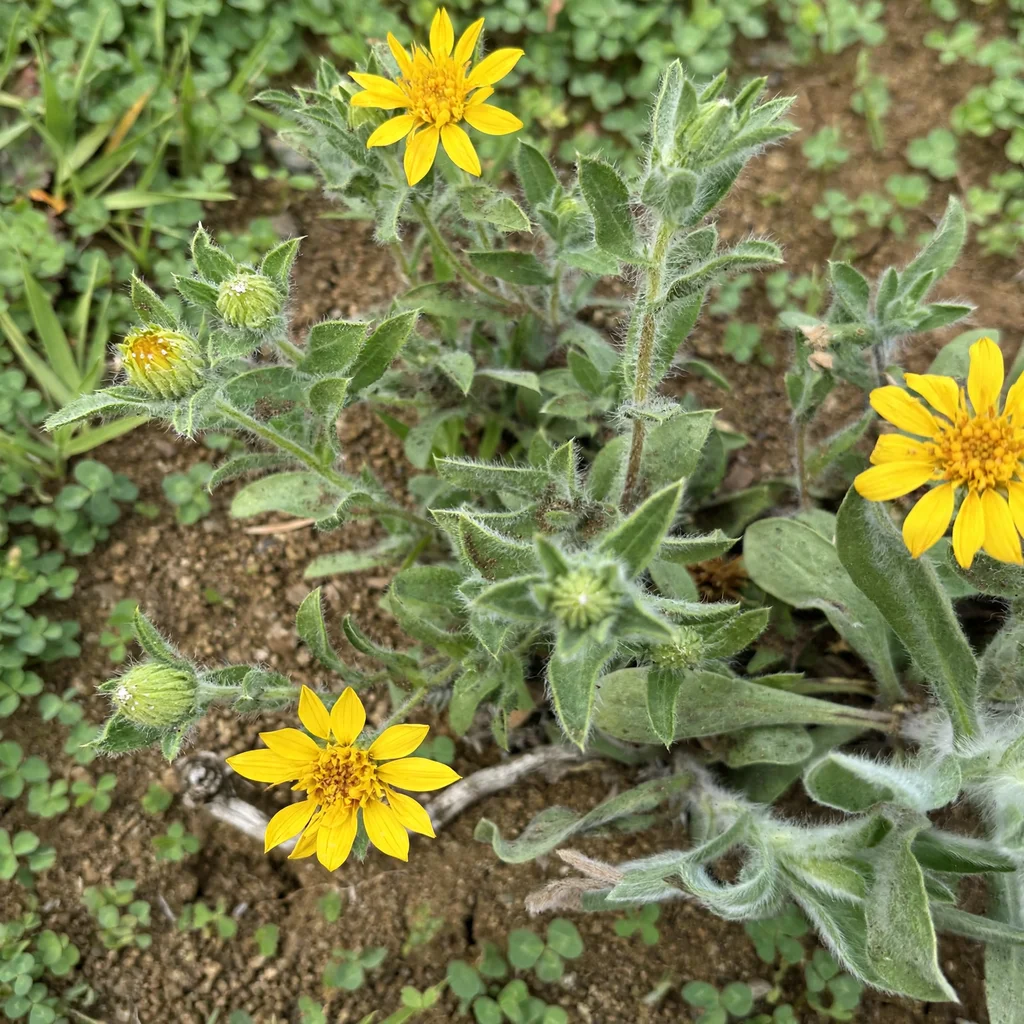
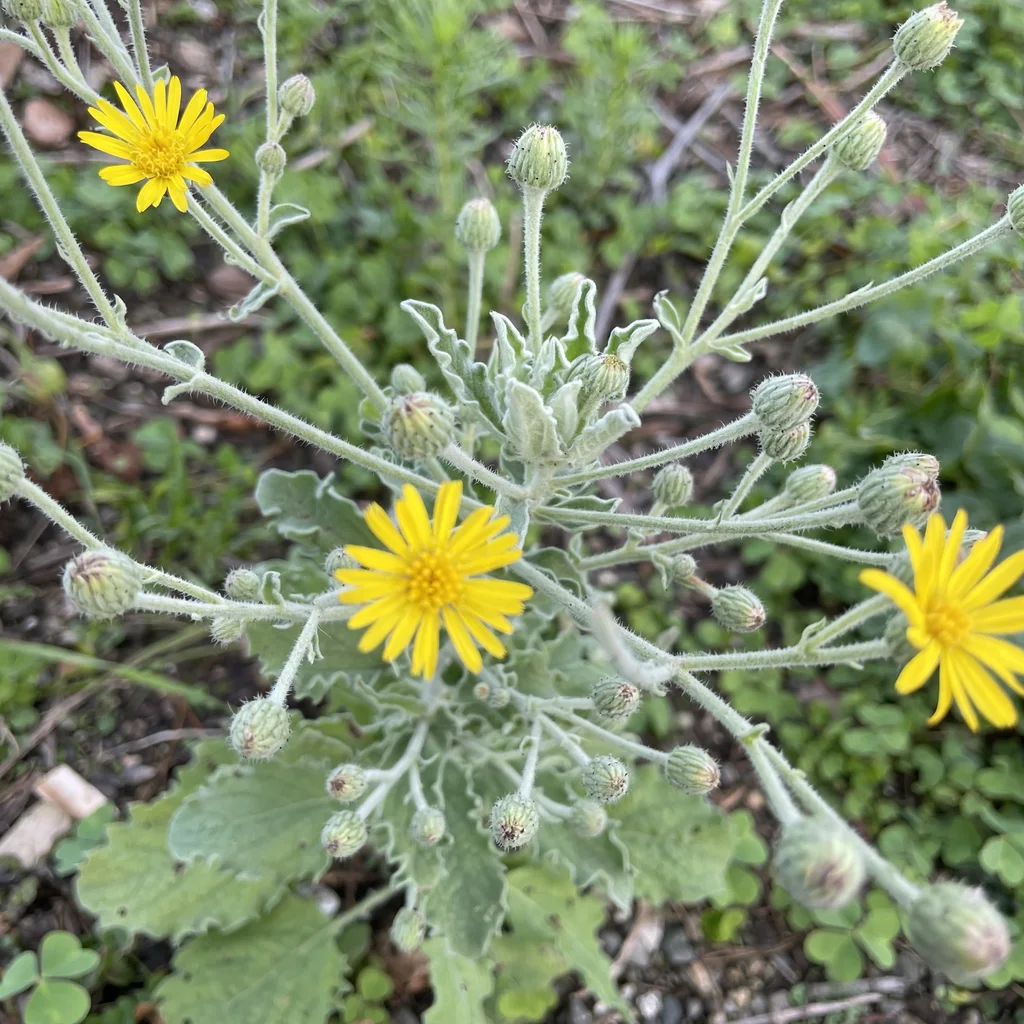
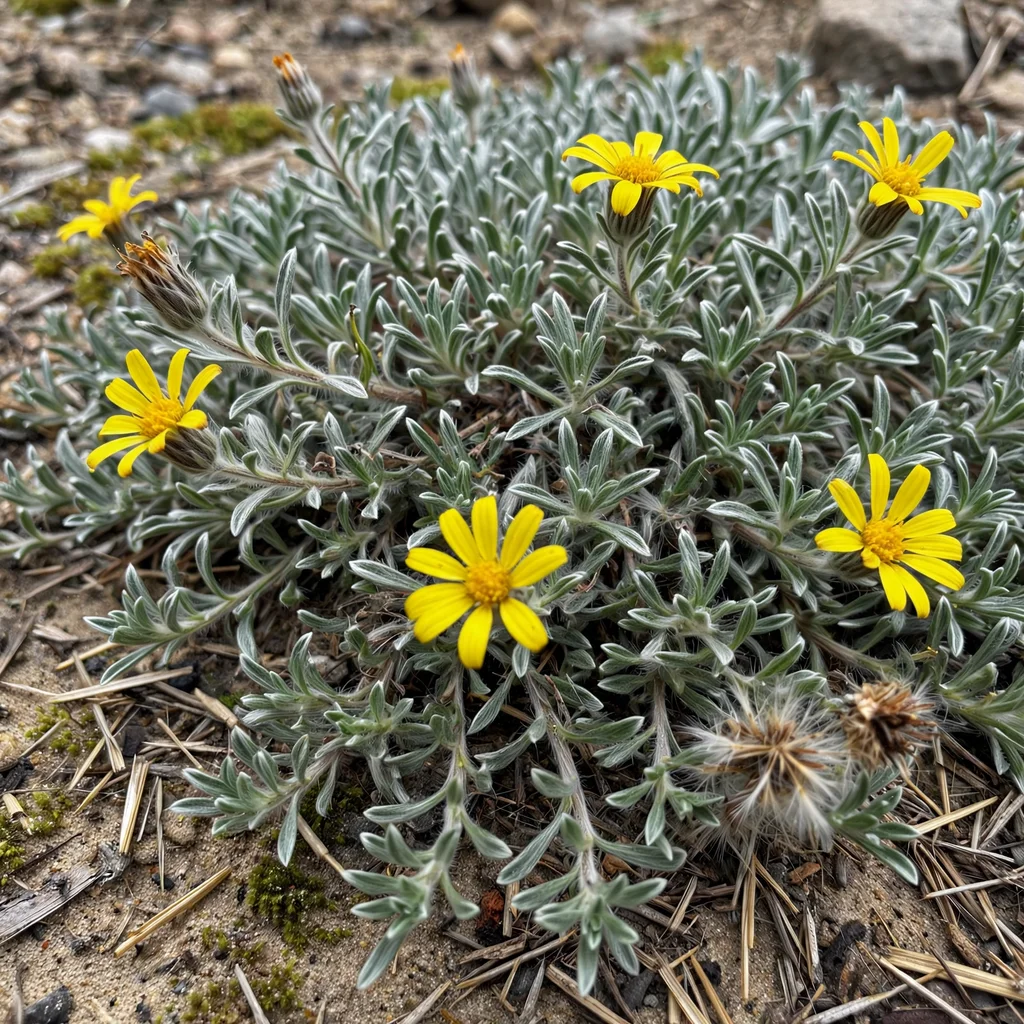
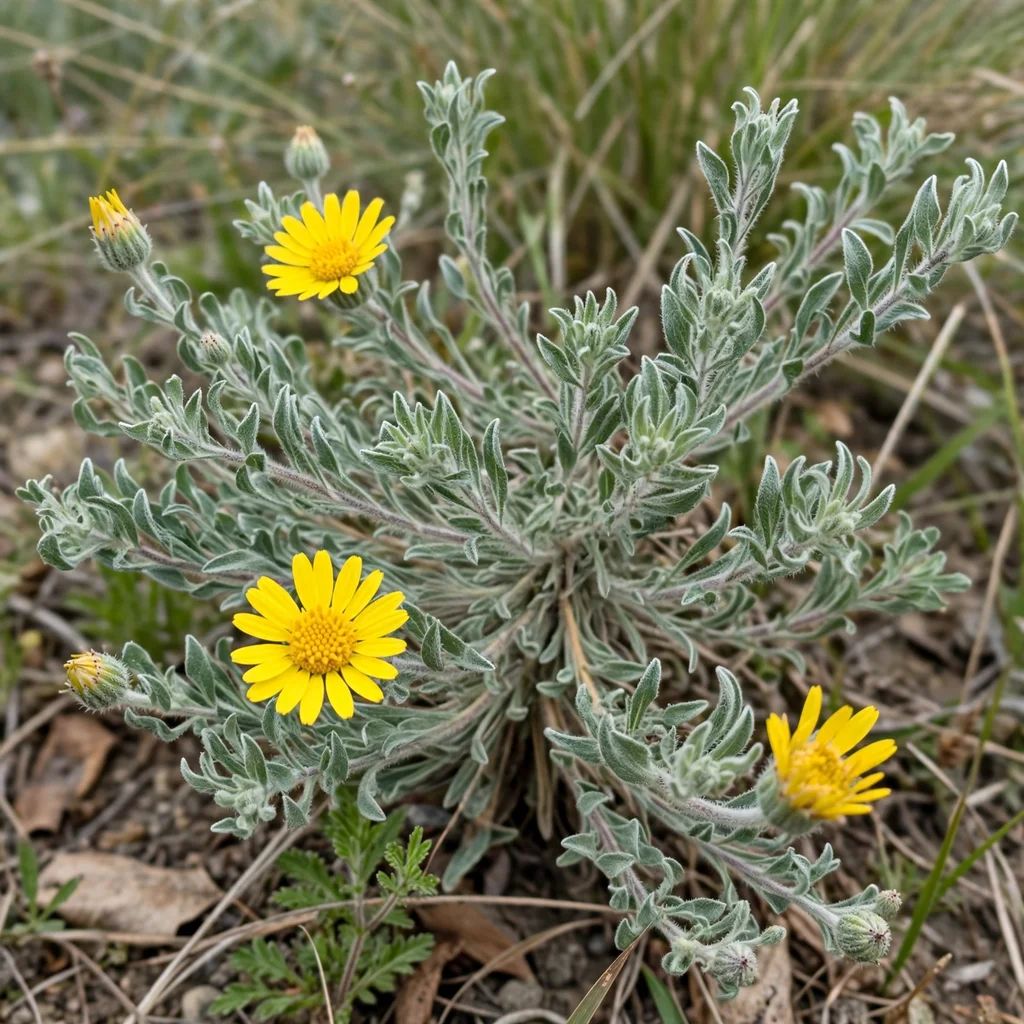
4 species of Heterotheca
Each one is a parent of the varieties above.
Track your Heterotheca in Sow
Save the Heterotheca you grow and get care reminders timed to your zone.
How to grow Heterotheca
Whats common across all Heterotheca varieties in our catalog — drawn from the care records of the 4 most-grown of them.
The Heterotheca year
- Check for PestsJune and July100% of varieties
Inspect tender stem tips for sap-sucking insects during active growth.
- Spring CleanupMarch and April75% of varieties
Clear away dead leaves and damaged stems to encourage fresh spring shoots.
- PlantApril and May75% of varieties
Set out plugs or sow seed in sandy, well-drained soil after last frost.
- PruneOctober and November50% of varieties
Lightly trim spent flower heads to maintain a compact foliage mass.
- PropagateApril and May50% of varieties
Take stem cuttings or sow collected seeds in sandy propagation media.
- DeadheadJuly–September50% of varieties
Cut spent heads to limit profuse self-seeding.


Do
- Plant in sharply draining sandy or gravelly soil.
- Provide full sun exposure to maintain compact stems.
- Prune spent flower stems lightly to trim growth back.
- Grow in full sun for strongest bloom.
- Provide sharp drainage in sand or gravelly loam.
Avoid
- Do not plant in heavy, wet clay soils.
- Do not overwater established plants during dry summer months.
- Do not cut hard into old leafless woody stem bases.
- Do not plant in heavy clay or soggy ground.
What goes wrong with Heterotheca
| Problem | What you'll see | What to do |
|---|---|---|
| Aphids | Clusters of small insects feeding on soft new growth tips. | Rinse off with a direct stream of water or spray with insecticidal soap. |
| Deer | Shoot tips and flower buds nibbled in spring. | Plants usually persist; fence young plantings if browsing is heavy. |
| Spider mites | Fine webbing and fine speckled chlorosis on leaf upper surfaces in dry summer conditions. | Rinse plant foliage periodically with water spray to disrupt mite populations. |
| Root rot | Foliage yellowing and stems collapsing at ground level due to excess moisture. | Improve soil drainage and reduce watering frequency. |
| Powdery mildew | White powdery coating on upper leaves. | Remove affected leaves, space for airflow, and avoid overhead watering. |
| Leaf spot | Brown to black spots on leaves. | Remove affected foliage and improve air circulation. |
Making more Heterotheca
Seed
- Collect dry seed heads from mature flowers.
- Sow seeds on the surface of well-draining sandy mix.
- Press seeds lightly into soil without burying deep.
- Keep media slightly moist until seedlings emerge.
Heterotheca questions
How many types of Heterotheca are there?
The Sow catalog tracks 4 distinct Heterotheca varieties. The most popular — ranked by 1 real gardeners — are shown first above.
What zones does Heterotheca grow in?
Across its varieties, Heterotheca covers USDA Zones 4–10. Individual varieties differ — each plant page lists its exact range, and Sow filters the catalog to your zone automatically.
When does Heterotheca bloom?
Most Heterotheca varieties bloom from late spring to late fall.
Which Heterotheca should I choose?
Start from the most-saved varieties above — popularity across thousands of gardens is a strong signal of reliability — then filter by your zone and sun. In the Sow app you can preview any of them in a photo of your actual yard before you buy.