The Story
Plant Bio
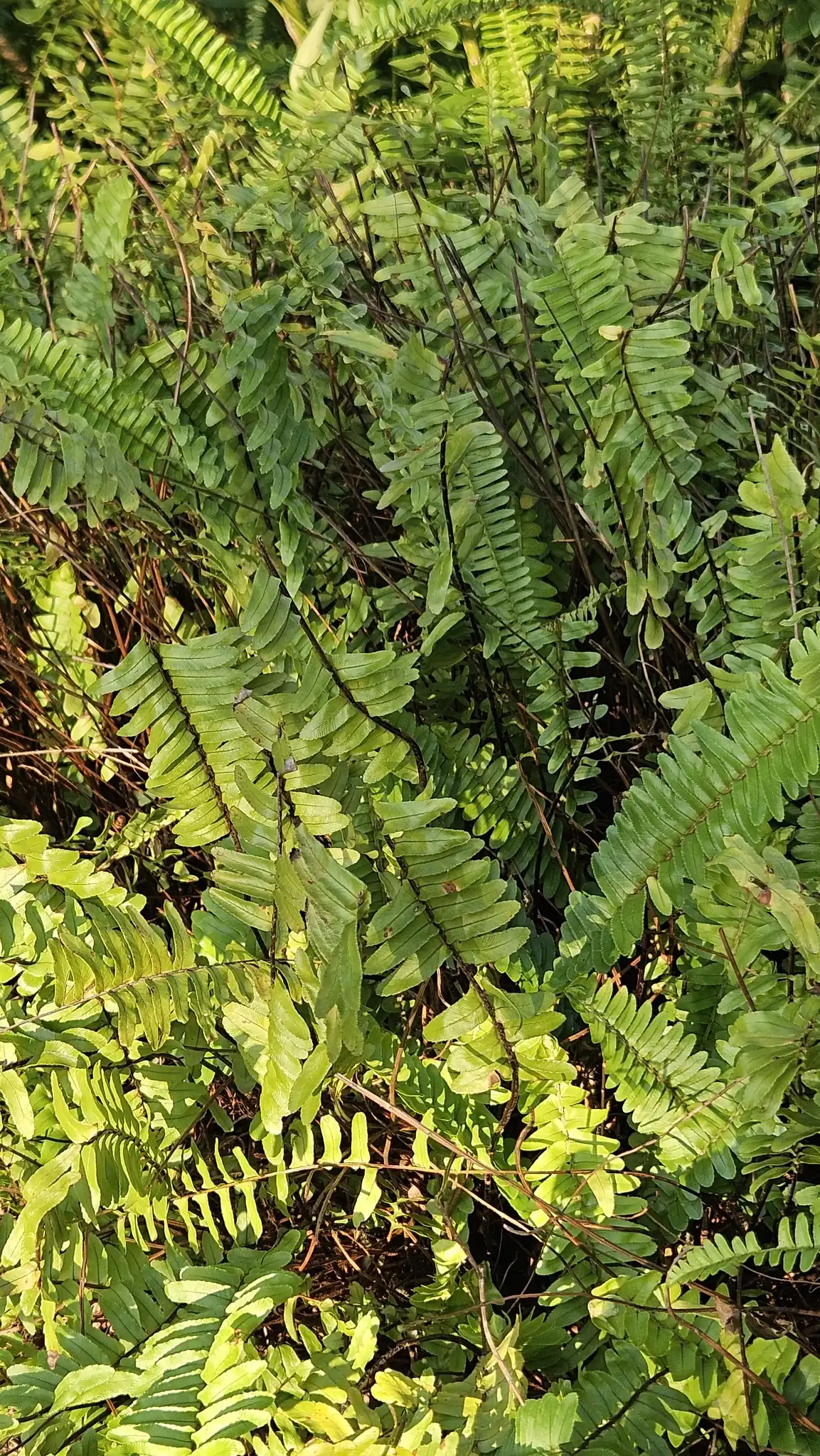
Nephrolepis cordifolia is a terrestrial or lithophytic fern forming dense clumps of erect to arching pinnate fronds up to three feet tall. It spreads rapidly through slender subterranean stolons that produce small, spherical starchy tubers that store moisture and nutrients.
Unlike many delicate ferns, this species features overlapping leaflets with a distinct rounded basal lobe hugging the main stalk and possesses exceptional drought tolerance owing to its underground tubers. In warm regions like Florida, its aggressive vegetative spread allows it to naturalize quickly into native woodland understories.
Uses & Benefits:
Essentials
At a Glance
Plant Type
Fern
Height
35"
Width
47"
Light
Partial Sun, Shade
Zones
8, 9, 10
Water
Low to medium
Humidity
High
Lifespan
Perennial
Native To
Africa, Asia, Australia, Pacific Islands
Toxicity
Non-toxic
Planting
How to Grow
- Plant in a well-draining soil mix rich in organic matter in partial to deep shade.
- Water thoroughly at planting and keep soil consistently moist until new fronds emerge.
- Reduce watering once established, allowing the top inch of soil to dry out between irrigations.
- Remove damaged or yellowed fronds at the soil surface in spring to encourage fresh growth.
Pro Tip
Avoid overwatering established indoor or shade plantings, as stagnant soil causes rapid rhizome and tuber rot.
Keep It Thriving
Care Guide
Do
- Provide bright filtered light or partial shade.
- Ensure soil drains freely to protect tubers from rot.
- Prune dead fronds cleanly at the base in early spring.
Don't
- Do not let potted plants sit in standing water.
- Do not plant outdoors near native southeastern woodlands where spread cannot be contained.
- Do not apply heavy doses of synthetic fertilizer.
Seasonal Care Calendar
| Task | Jan | Feb | Mar | Apr | May | Jun | Jul | Aug | Sep | Oct | Nov | Dec |
|---|---|---|---|---|---|---|---|---|---|---|---|---|
| Divide | ||||||||||||
| Fertilize | ||||||||||||
| Pest Check | ||||||||||||
| Prune |
Watch Out For
Pests & Diseases
Common Pests
Common Diseases
In the Garden
Landscape Uses & Companions
Landscape Uses
Companion Plants
Multiply
Propagation Methods
Good to Know
Common Questions
Narrow Swordfern questions
What zones can Narrow Swordfern grow in?
Narrow Swordfern is hardy in USDA Zones 8–10: in that range it survives winter in the ground. Colder than Zone 8, grow it in a container you can move to shelter for the winter, or as an annual.
Is Narrow Swordfern deer resistant?
Yes — Narrow Swordfern is rated deer-resistant. Deer typically pass it over, though extreme hunger can override any plant's defenses.
Does Narrow Swordfern need full sun?
Narrow Swordfern does best in part shade.
Is Narrow Swordfern drought tolerant?
Yes — once established (usually after the first full season), Narrow Swordfern handles dry spells with minimal watering. Water deeply its first year to build the root system that makes that possible.
More Nephrolepis to compare
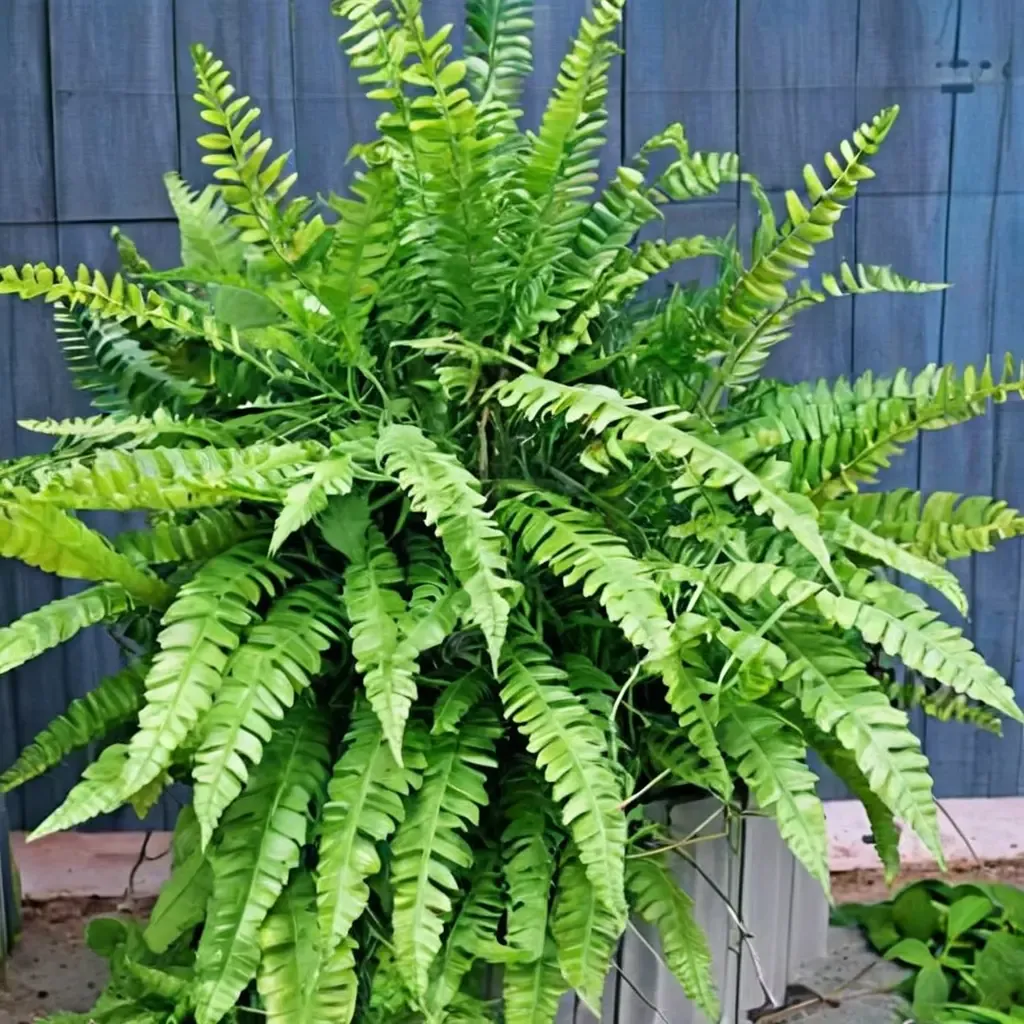
Godzilla Fern
Nephrolepis exaltata 'Godzilla'
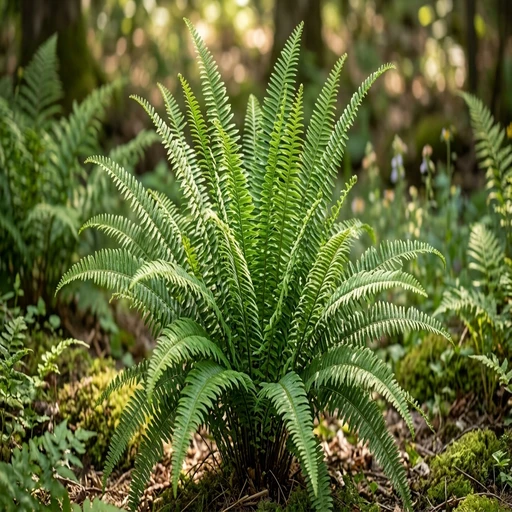
Kimberly Queen Fern
Nephrolepis obliterata 'Kimberly Queen'
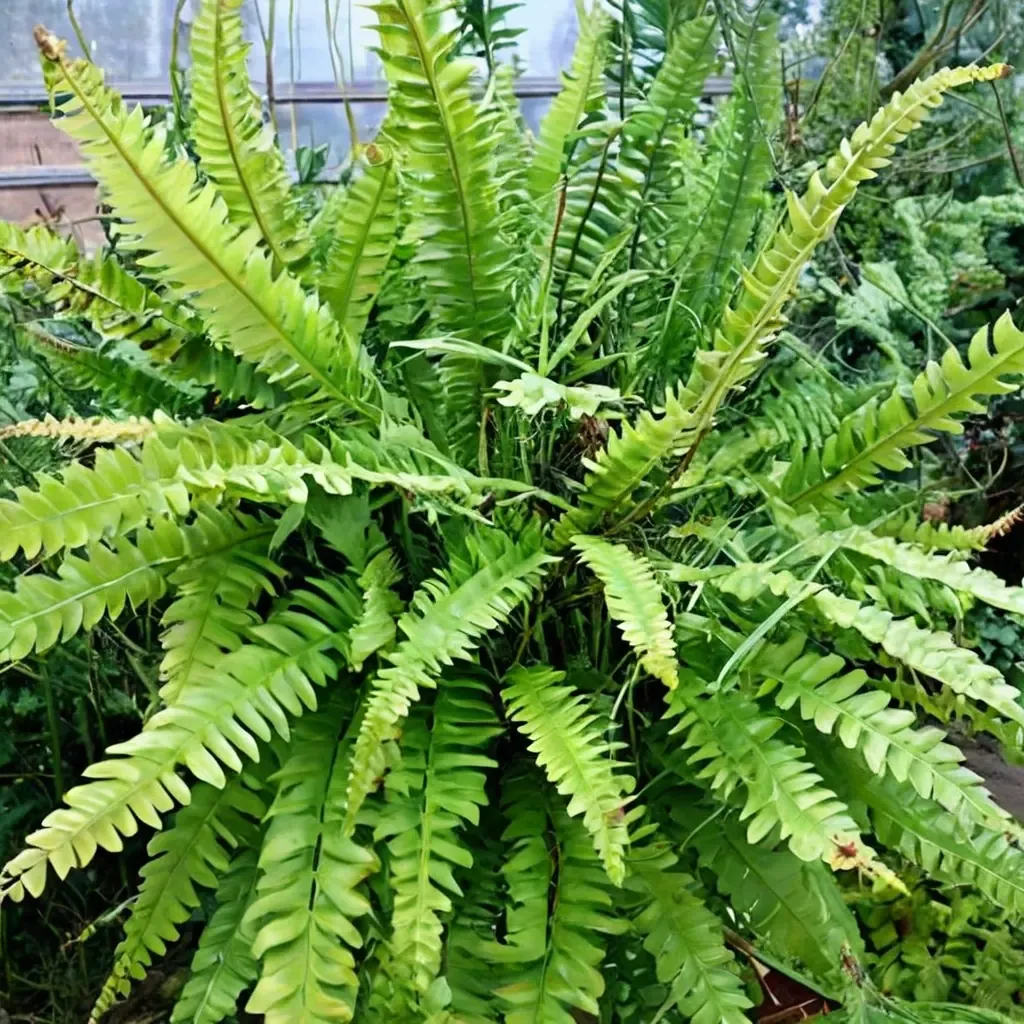
Boston Fern
Nephrolepis exaltata
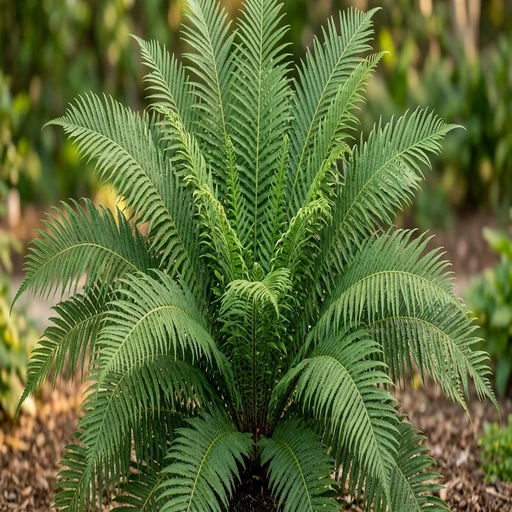
Macho Fern
Nephrolepis biserrata 'Macho'
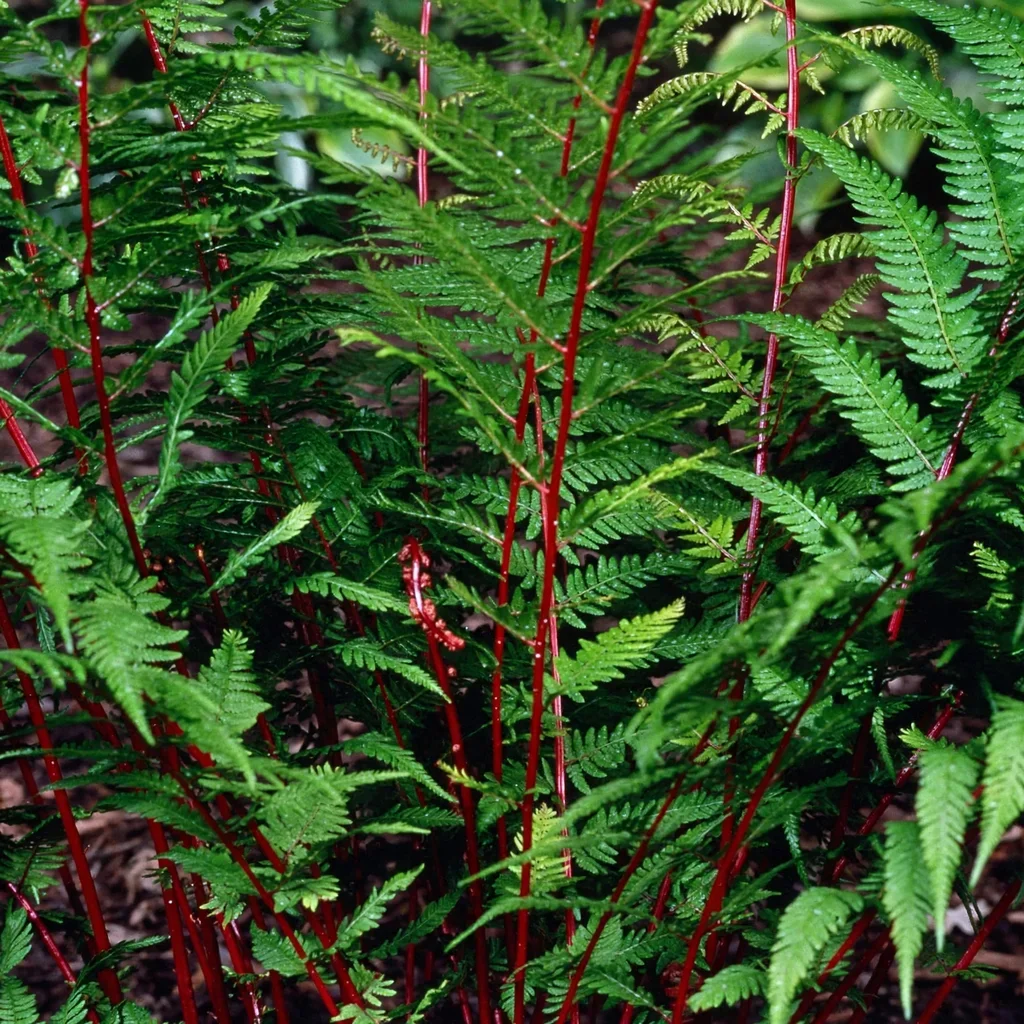
Lady in Red Fern
Nephrolepis exaltata 'Lady in Red'
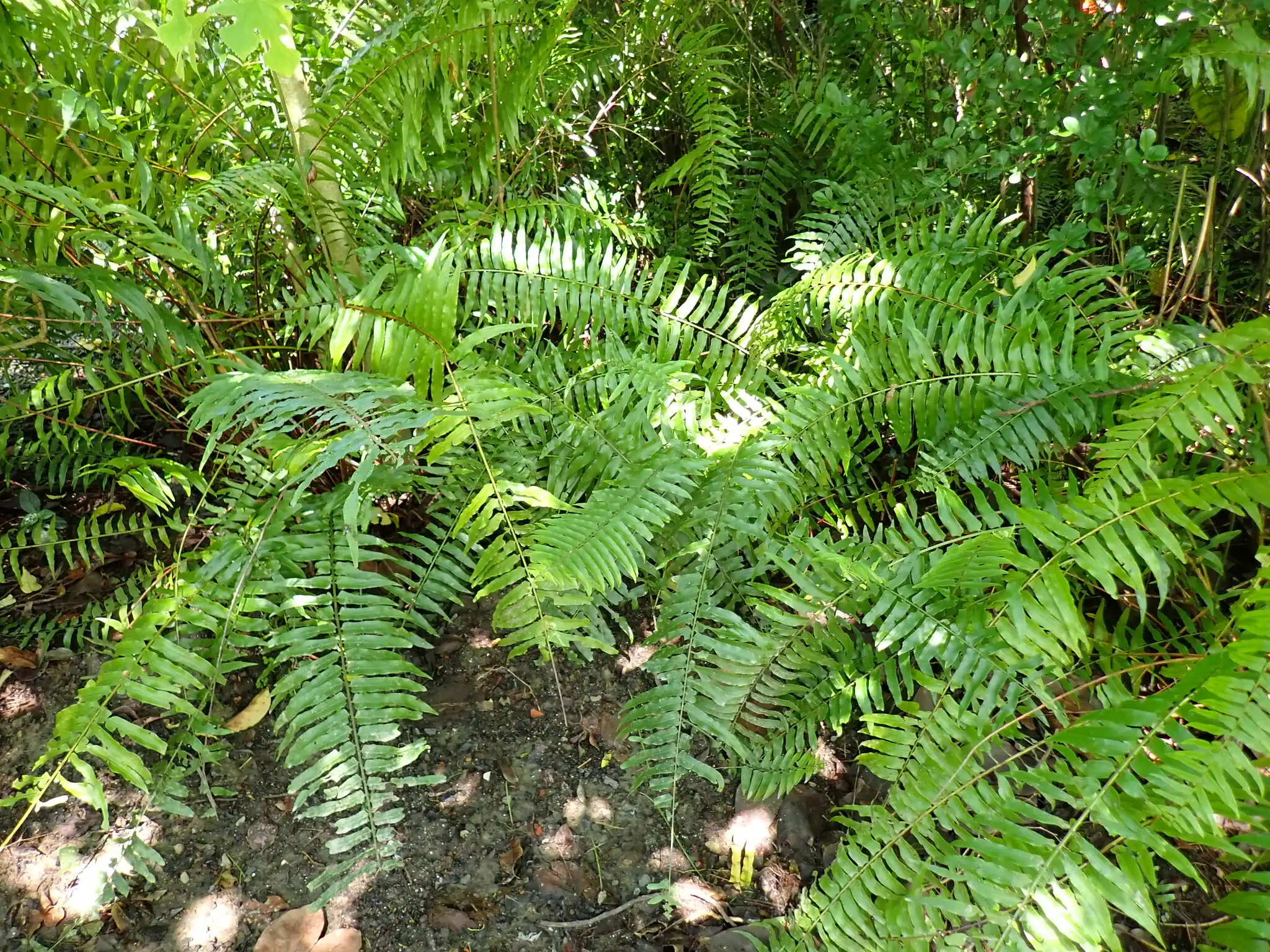
Fern
Nephrolepis biserrata
Keep exploring
Explore the genus
Hardy in your zone?
Grow Narrow Swordfern with confidence
See it in a design of your actual yard, get zone-matched care reminders, and track it season by season in your garden journal.