The Story
Plant Bio
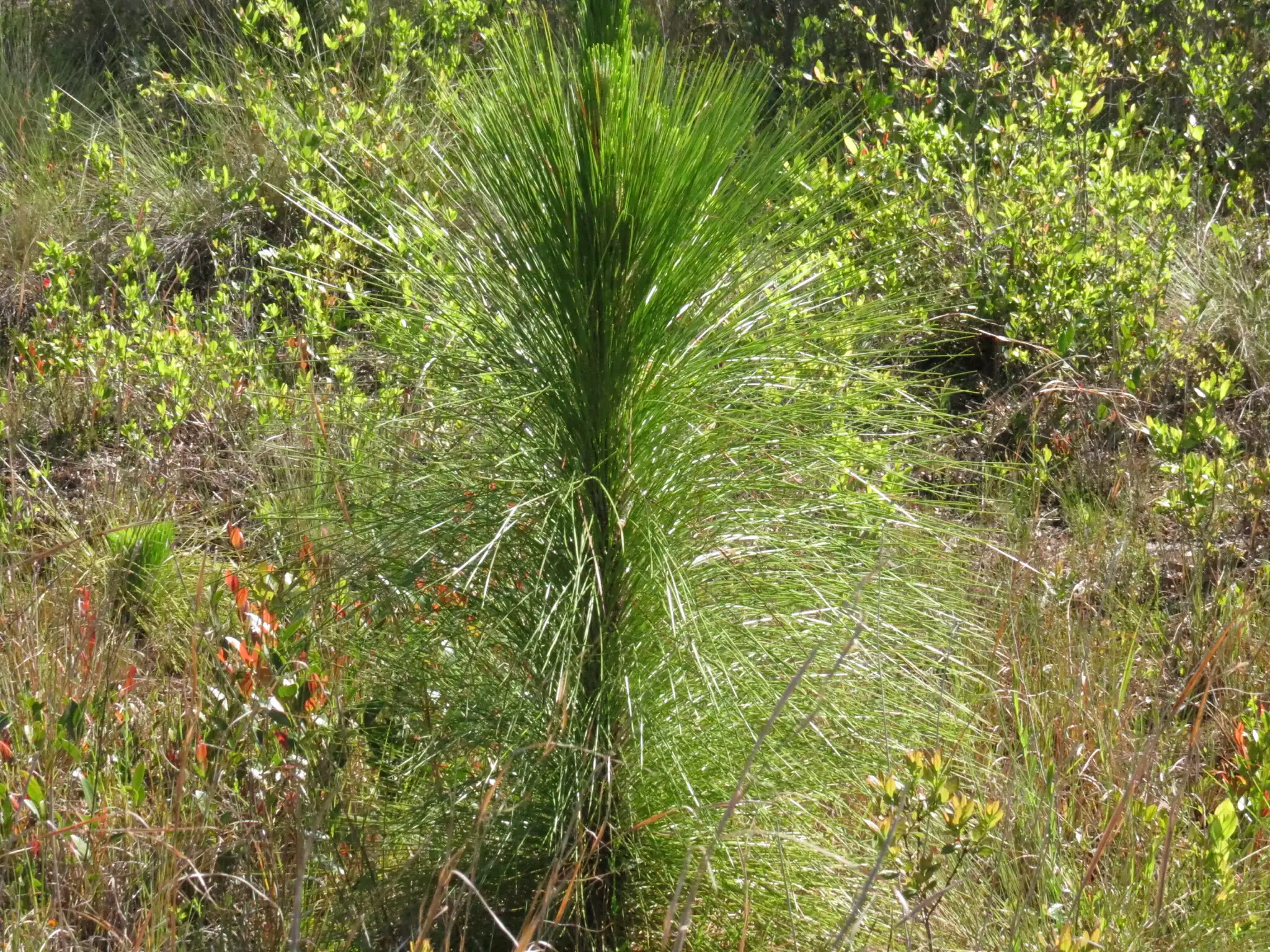
Pinus palustris is a large, long-lived evergreen conifer native to the southeastern United States. It is characterized by its very long needles, large cones, and a unique 'grass stage' in its juvenile years.
The species is defined by its remarkable life cycle, starting with a stemless 'grass stage' for several years to develop a deep taproot, followed by a rapid 'bolting' stage of height growth. Its needles can be up to 18 inches long.
Uses & Benefits:
Essentials
At a Glance
Plant Type
Tree
Height
960"
Width
480"
Light
Full Sun
Zones
7, 8, 9, 10
Water
Low
Humidity
Adaptable
Lifespan
Very long-lived tree (300+ years)
Native To
Southeastern United States
Toxicity
Mildly toxic if ingested
Planting
How to Grow
- Select a large, open site with full sun and sandy, well-drained soil.
- Dig a hole no deeper than the container and twice as wide.
- Carefully remove the seedling from the pot, disturbing the roots as little as possible.
- Place in the hole, ensuring the root collar is at or slightly above soil level.
- Backfill with native soil and water gently to settle.
- Keep the area around the seedling free of competing weeds and grass.
Pro Tip
Be patient with the grass stage; do not fertilize or overwater, as this can stress the plant and delay the bolting stage.
Keep It Thriving
Care Guide
Do
- Provide full, unobstructed sun throughout the day.
- Plant in very well-drained, preferably sandy, acidic soil.
- Protect the terminal bud from damage during the grass stage.
Don't
- Do not plant in shade or in wet, poorly drained soil.
- Do not fertilize; it is adapted to low-nutrient soils.
- Do not attempt to transplant established trees due to the deep taproot.
Seasonal Care Calendar
| Task | Jan | Feb | Mar | Apr | May | Jun | Jul | Aug | Sep | Oct | Nov | Dec |
|---|---|---|---|---|---|---|---|---|---|---|---|---|
| Plant |
Watch Out For
Pests & Diseases
Common Pests
Common Diseases
In the Garden
Landscape Uses & Companions
Landscape Uses
Companion Plants
Multiply
Propagation Methods
Good to Know
Common Questions
Longleaf Pine questions
What zones can Longleaf Pine grow in?
Longleaf Pine is hardy in USDA Zones 7–10. Inside that range it survives winter in the ground; outside it, grow it as an annual or a container plant you protect.
Is Longleaf Pine deer resistant?
Not reliably. Deer may browse Longleaf Pine, especially tender spring growth — plan on repellents or fencing where pressure is high.
Does Longleaf Pine need full sun?
Longleaf Pine does best in full sun (6+ hours).
Is Longleaf Pine drought tolerant?
Yes — once established (usually after the first full season), Longleaf Pine handles dry spells with minimal watering. Water deeply its first year to build the root system that makes that possible.
More Pinus to compare
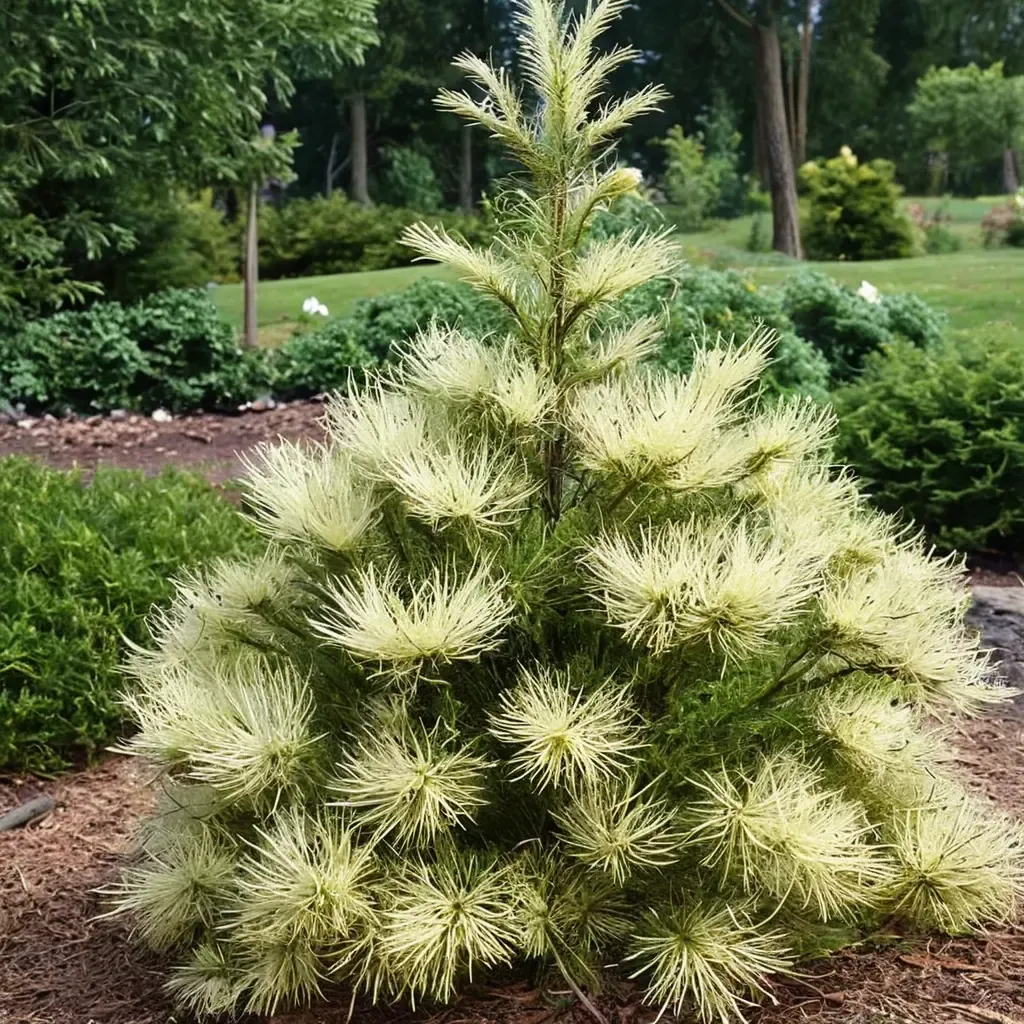
Golden Ghost Pine
Pinus densiflora 'Golden Ghost'
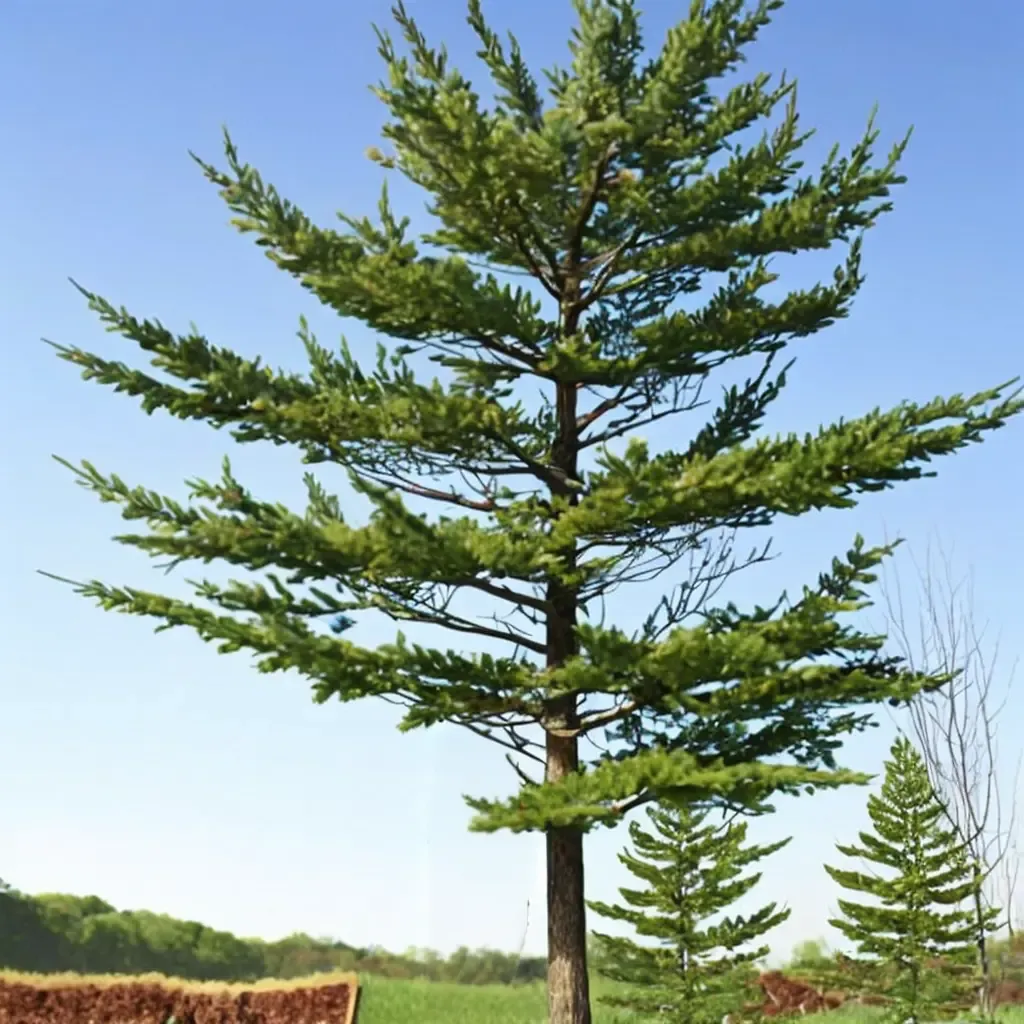
Eastern White Pine
Pinus strobus
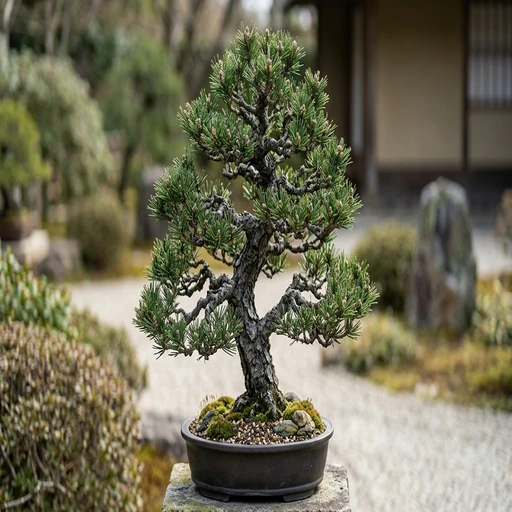
Thunderhead Japanese Black Pine
Pinus thunbergii 'Thunderhead'
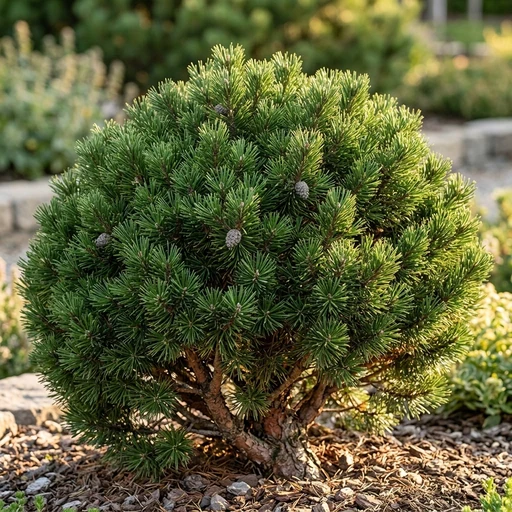
Slowmound Mugo Pine
Pinus mugo 'Slowmound'
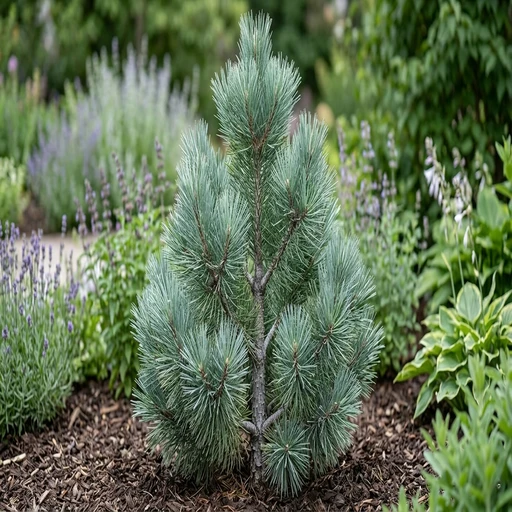
Vanderwolf's Pyramid Limber Pine
Pinus flexilis 'Vanderwolf'
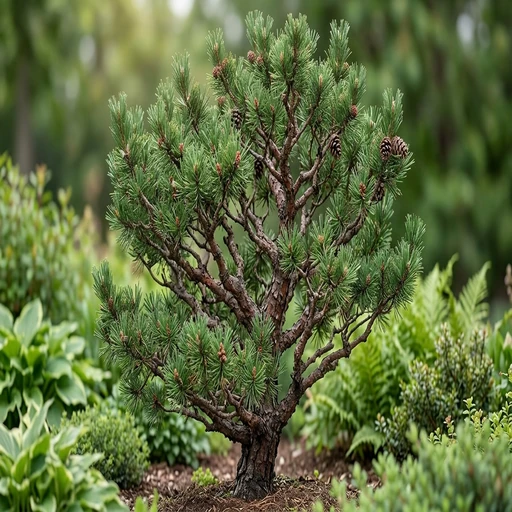
Virginia Pine
Pinus virginiana
Keep exploring
Explore the genus
Hardy in your zone?
Grow Longleaf Pine with confidence
See it in a design of your actual yard, get zone-matched care reminders, and track it season by season in your garden journal.