The Story
Plant Bio
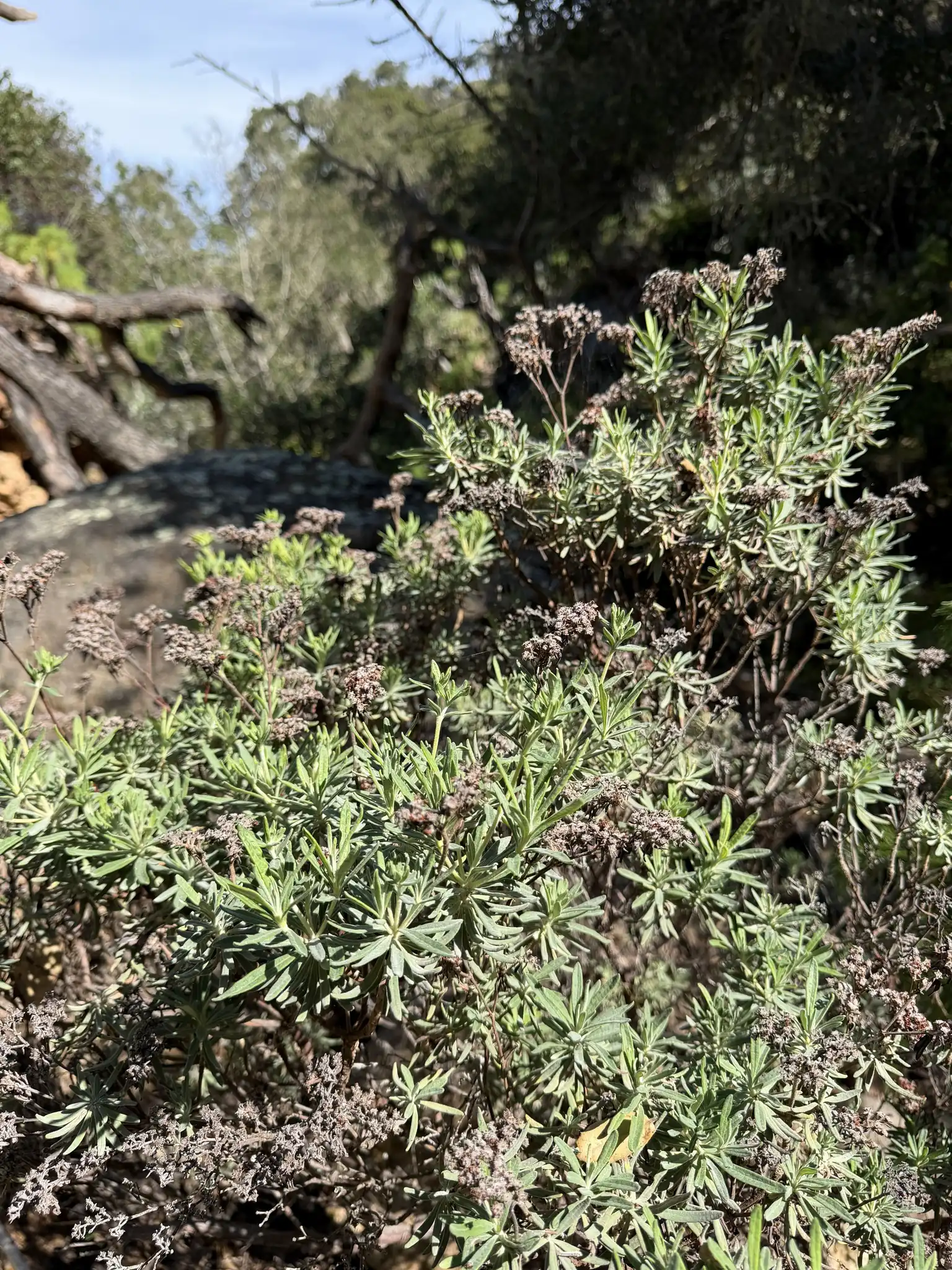
Eriogonum arborescens is a fast-growing evergreen woody shrub reaching two to six feet tall with shreddy, maroon-red bark and fine, silvery-gray foliage. From mid-spring through late summer, broad, flat-topped clusters of tiny creamy-pink flowers rise above the mounding canopy, maturing to a rich cinnamon-brown in fall.
Endemic to California's northern Channel Islands, this species develops a distinct woody trunk with age that creates a miniature tree-like architecture in dry landscapes. Its dense umbel-like blooms sustain native bees, butterflies, and beneficial insects while enduring extreme drought, thin soils, and ocean winds.
Uses & Benefits:
Essentials
At a Glance
Plant Type
Shrub
Height
71"
Width
118"
Light
Full Sun
Zones
7, 8, 9, 10
Water
Low
Humidity
Low to Moderate
Lifespan
Perennial
Native To
California Channel Islands
Toxicity
Non-toxic
Bloom period
Spring – Early fall
In flower about 7 months of the year
Planting
How to Grow
- Select a site receiving full sun with gritty, rapidly draining soil or a sloped position.
- Dig a planting hole equal in depth to the root ball and twice as wide, keeping the root crown elevated slightly above ambient soil level.
- Water thoroughly upon planting to settle soil around the roots.
- Irrigate every two to three weeks during the first summer only, allowing the top soil layer to dry completely between waterings.
- Cease supplemental summer watering after two years once the taproot system establishes.
Pro Tip
Prune lightly after flowering within leafy stem tissue only; cutting back into old bare wood will permanently kill those branches.
Keep It Thriving
Care Guide
Do
- Plant in full sun with sharp, lean drainage.
- Allow soil to dry thoroughly between waterings during initial establishment.
- Prune lightly within green growth to encourage bushier habit.
Don't
- Do not apply fertilizer, which weakens branch structure and shortens lifespan.
- Do not irrigate established plants during hot summer months.
- Do not cut deep into old bare wood lacking leaves.
Seasonal Care Calendar
| Task | Jan | Feb | Mar | Apr | May | Jun | Jul | Aug | Sep | Oct | Nov | Dec |
|---|---|---|---|---|---|---|---|---|---|---|---|---|
| Deadhead | ||||||||||||
| Pest Check | ||||||||||||
| Plant | ||||||||||||
| Prune |
Watch Out For
Pests & Diseases
Common Pests
Common Diseases
In the Garden
Landscape Uses & Companions
Landscape Uses
Multiply
Propagation Methods
Good to Know
Common Questions
Santa Cruz Island Buckwheat questions
What zones can Santa Cruz Island Buckwheat grow in?
Santa Cruz Island Buckwheat is hardy in USDA Zones 7–10: in that range it survives winter in the ground. Colder than Zone 7, grow it in a container you can move to shelter for the winter.
Is Santa Cruz Island Buckwheat deer resistant?
Yes — Santa Cruz Island Buckwheat is rated deer-resistant. Deer typically pass it over, though extreme hunger can override any plant's defenses.
When does Santa Cruz Island Buckwheat bloom?
Santa Cruz Island Buckwheat typically blooms from early spring to early fall. Exact timing shifts a week or two with your zone — Sow's bloom calendar maps it to your garden.
Does Santa Cruz Island Buckwheat need full sun?
Santa Cruz Island Buckwheat does best in full sun (6+ hours).
Is Santa Cruz Island Buckwheat drought tolerant?
Yes — once established (usually after the first full season), Santa Cruz Island Buckwheat handles dry spells with minimal watering. Water deeply its first year to build the root system that makes that possible.
More Eriogonum to compare
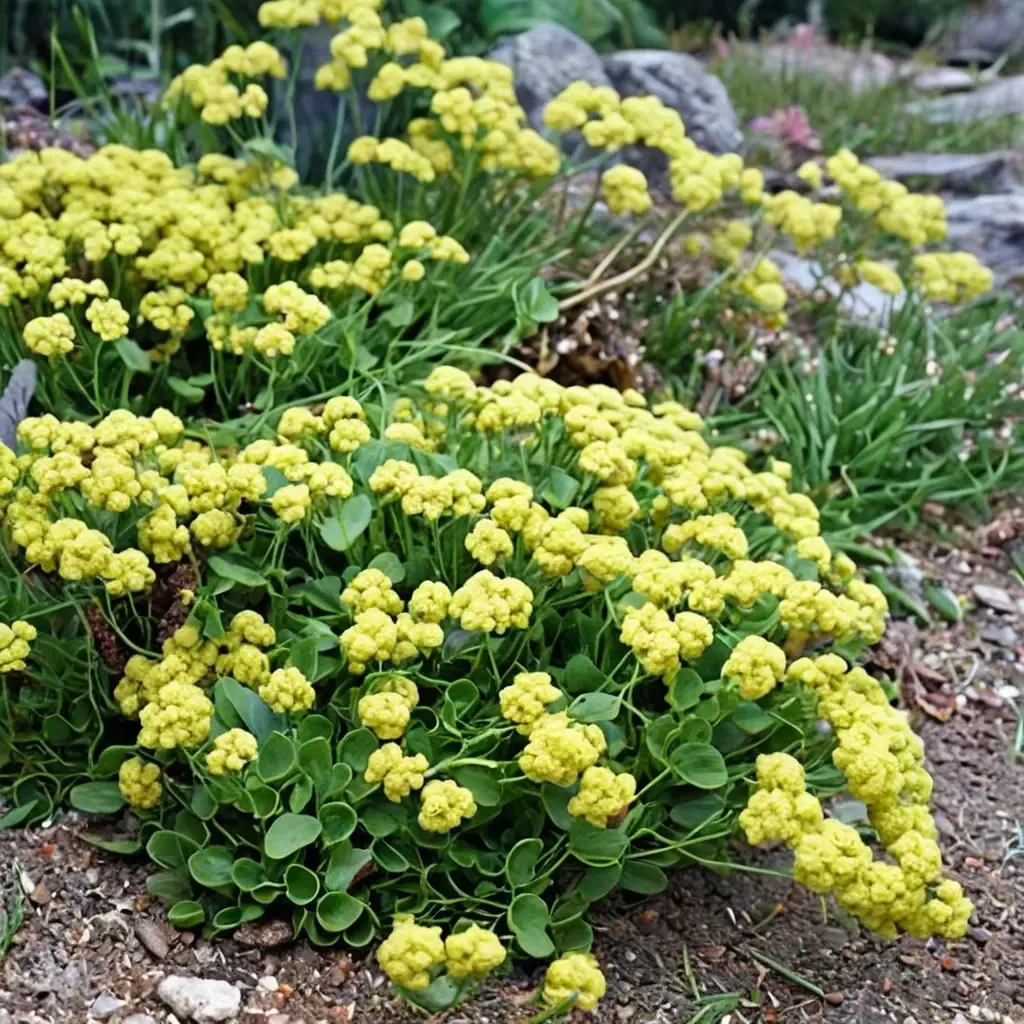
Golden Buckwheat
Eriogonum umbellatum 'aureum'
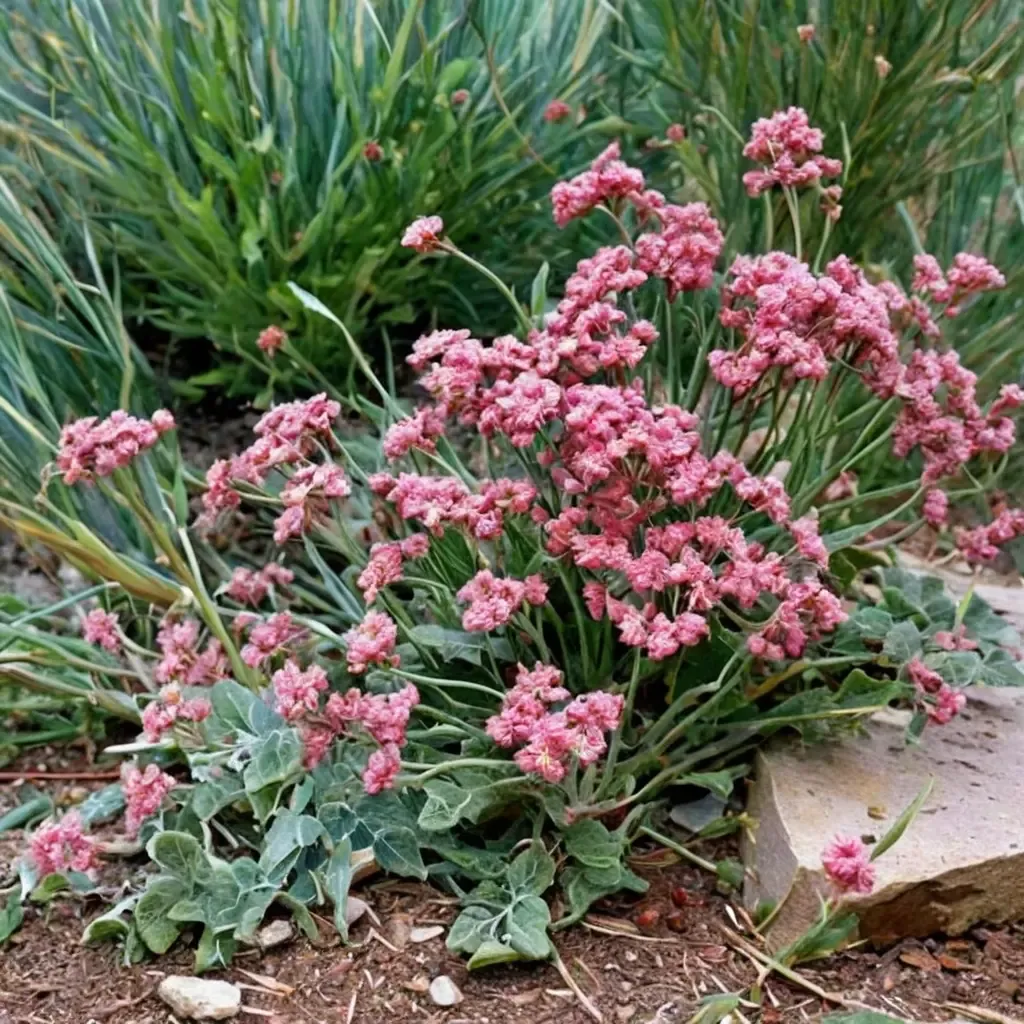
Red Buckwheat
Eriogonum grande 'rubescens'
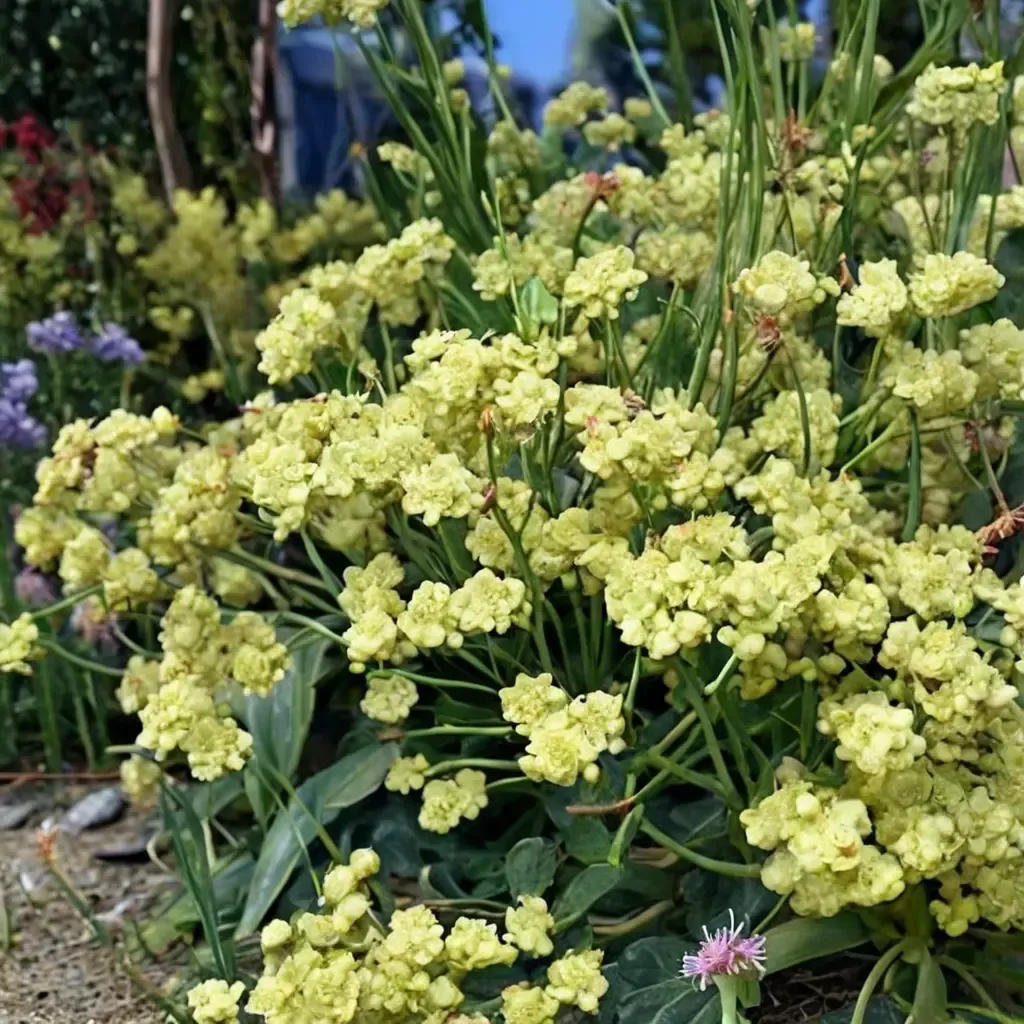
Ella Nelson's Yellow Buckwheat
Eriogonum nudum 'Ella Nelson's Yellow'
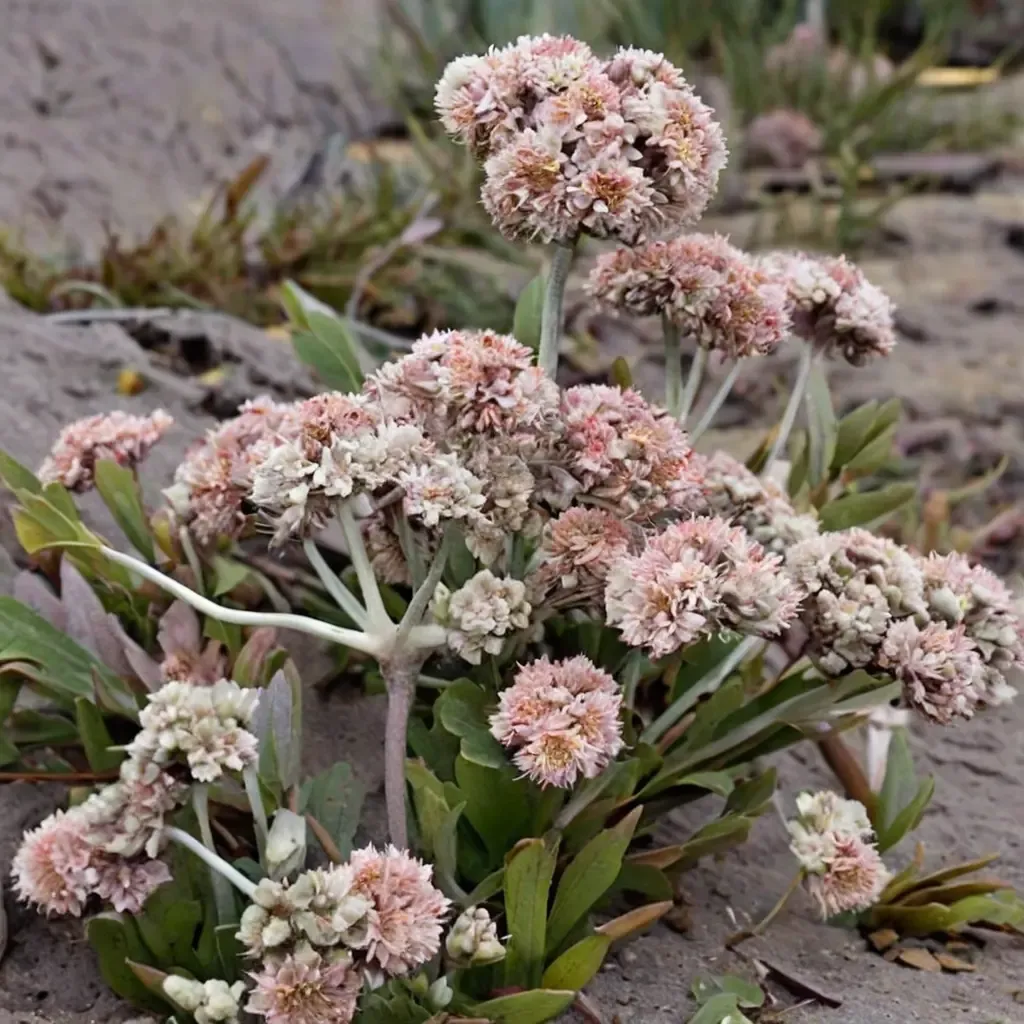
Broadleaf Buckwheat
Eriogonum latifolium
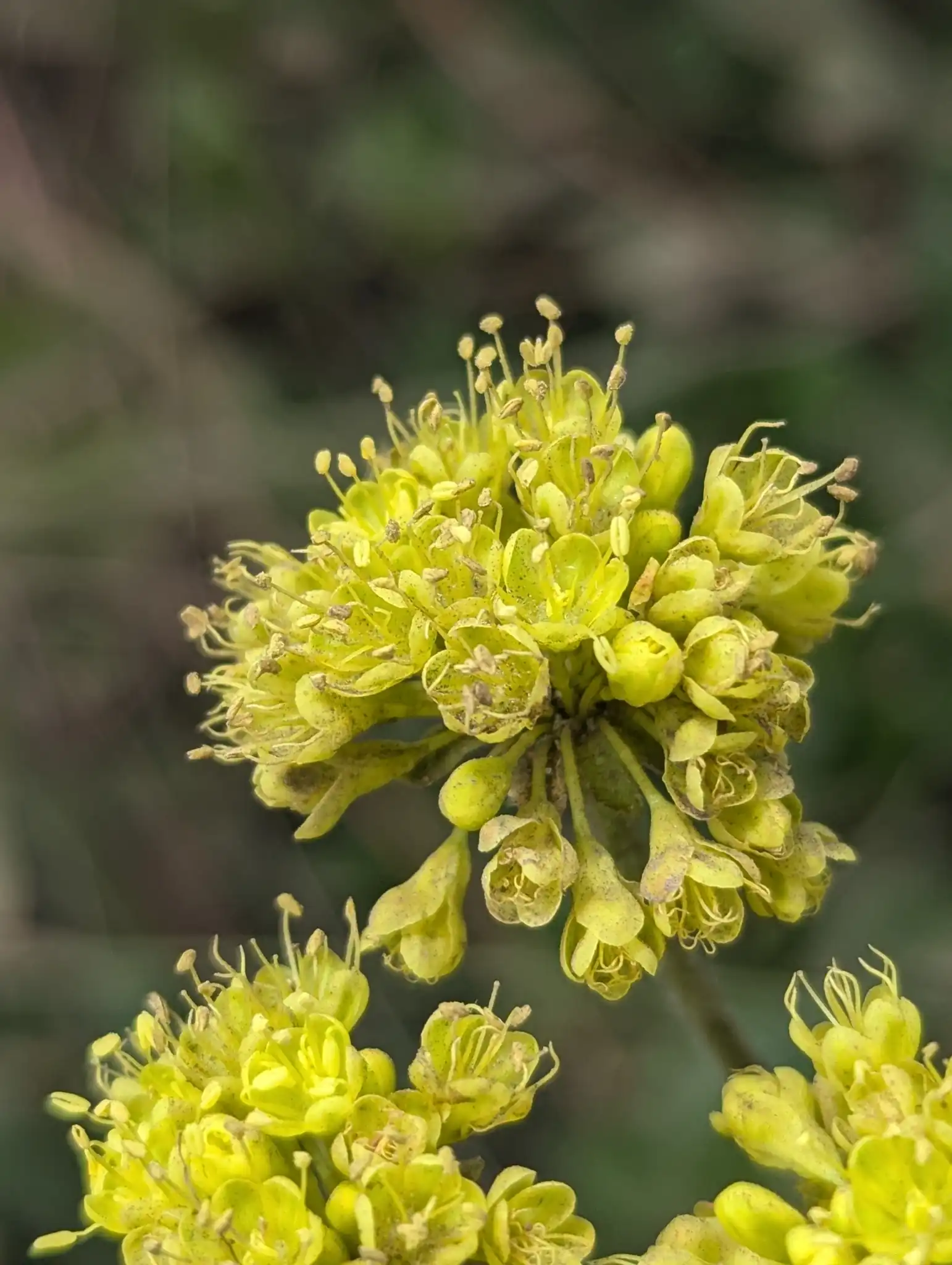
Sulphur Buckwheat
Eriogonum umbellatum
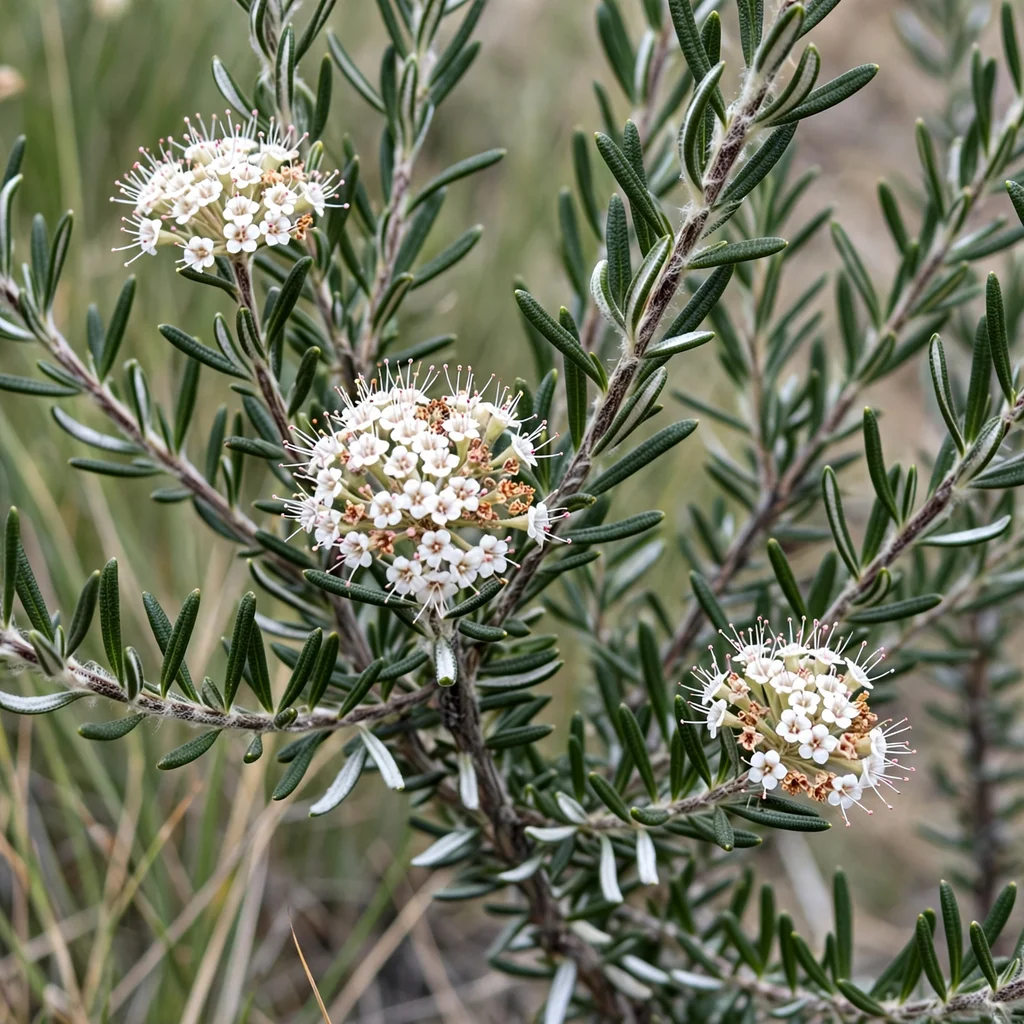
California Buckwheat
Eriogonum fasciculatum
Keep exploring
Explore the genus
Hardy in your zone?
Grow Santa Cruz Island Buckwheat with confidence
See it in a design of your actual yard, get zone-matched care reminders, and track it season by season in your garden journal.