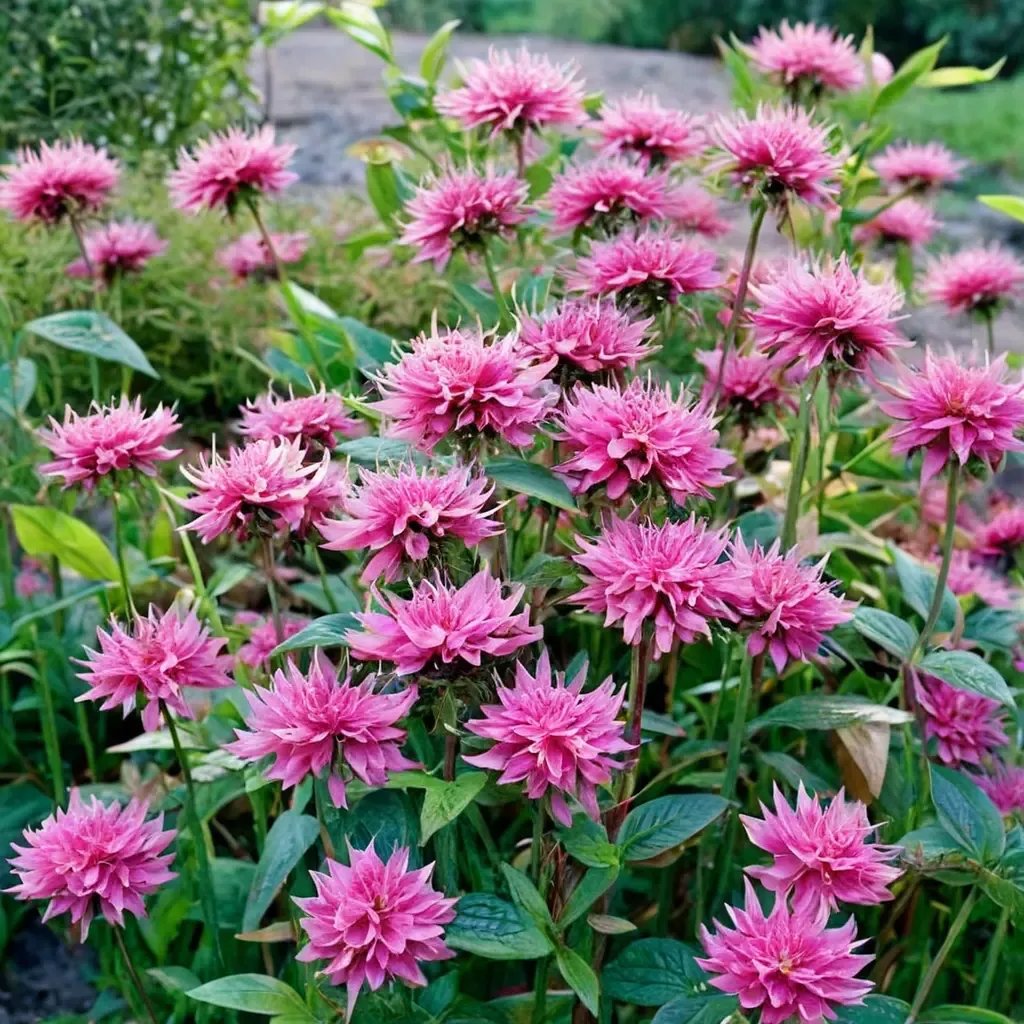
Species
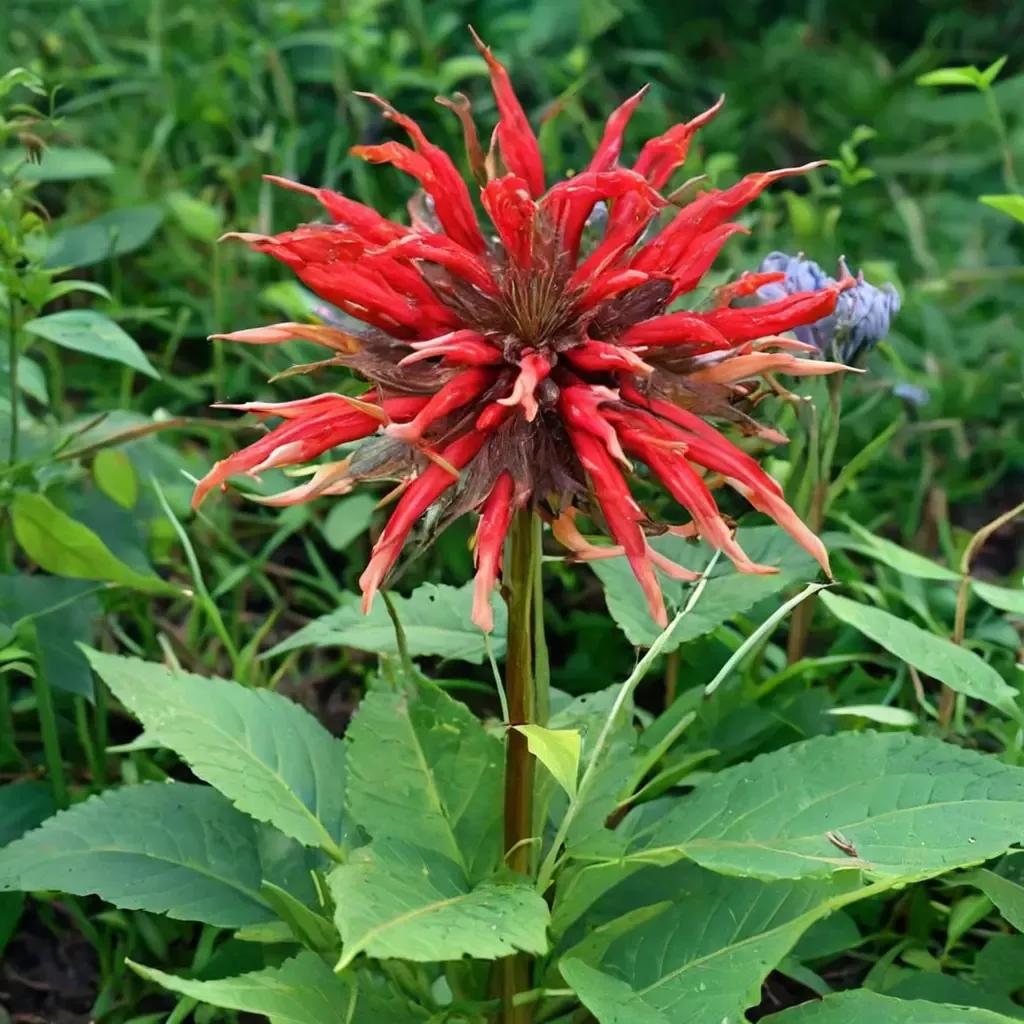 Monarda didymaBee Balm Oswego Tea
35 other cultivars
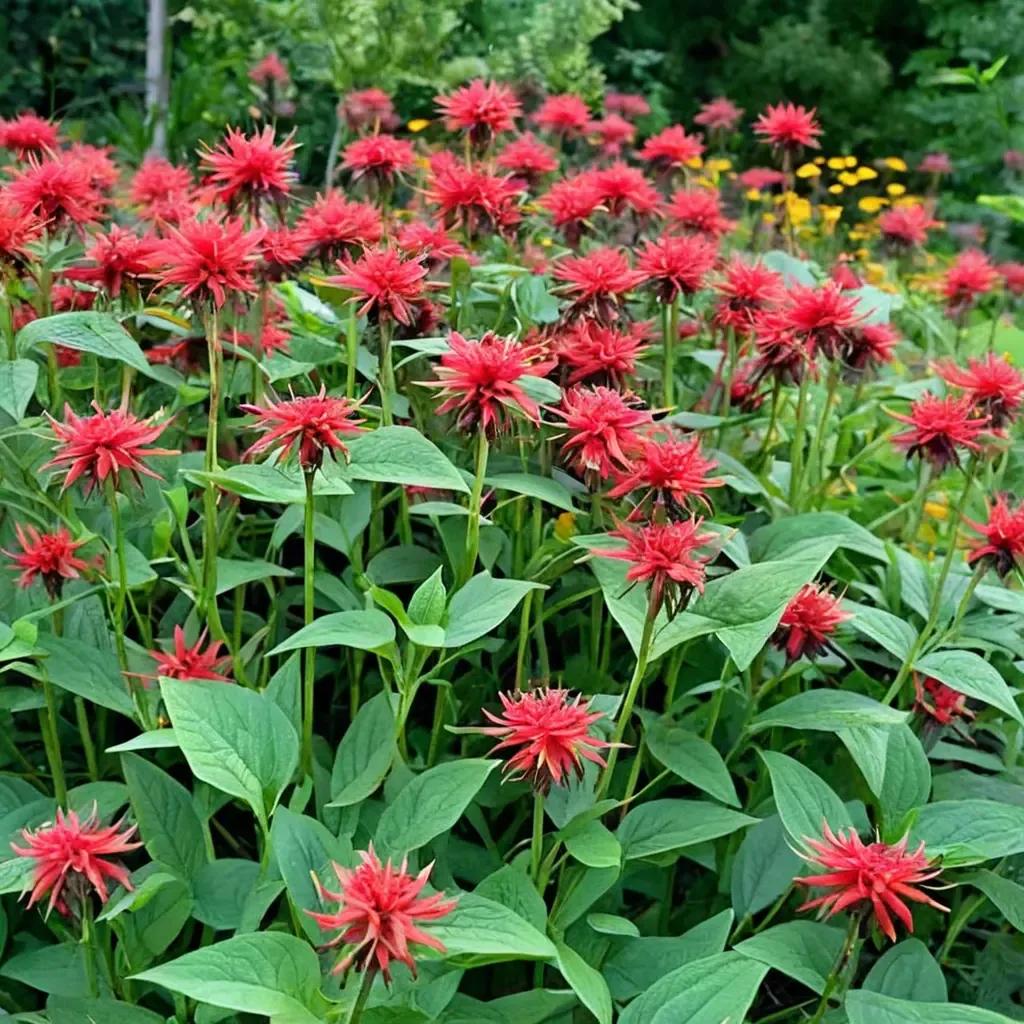 ‘Jacob Cline’'Jacob Cline' Bee Balm
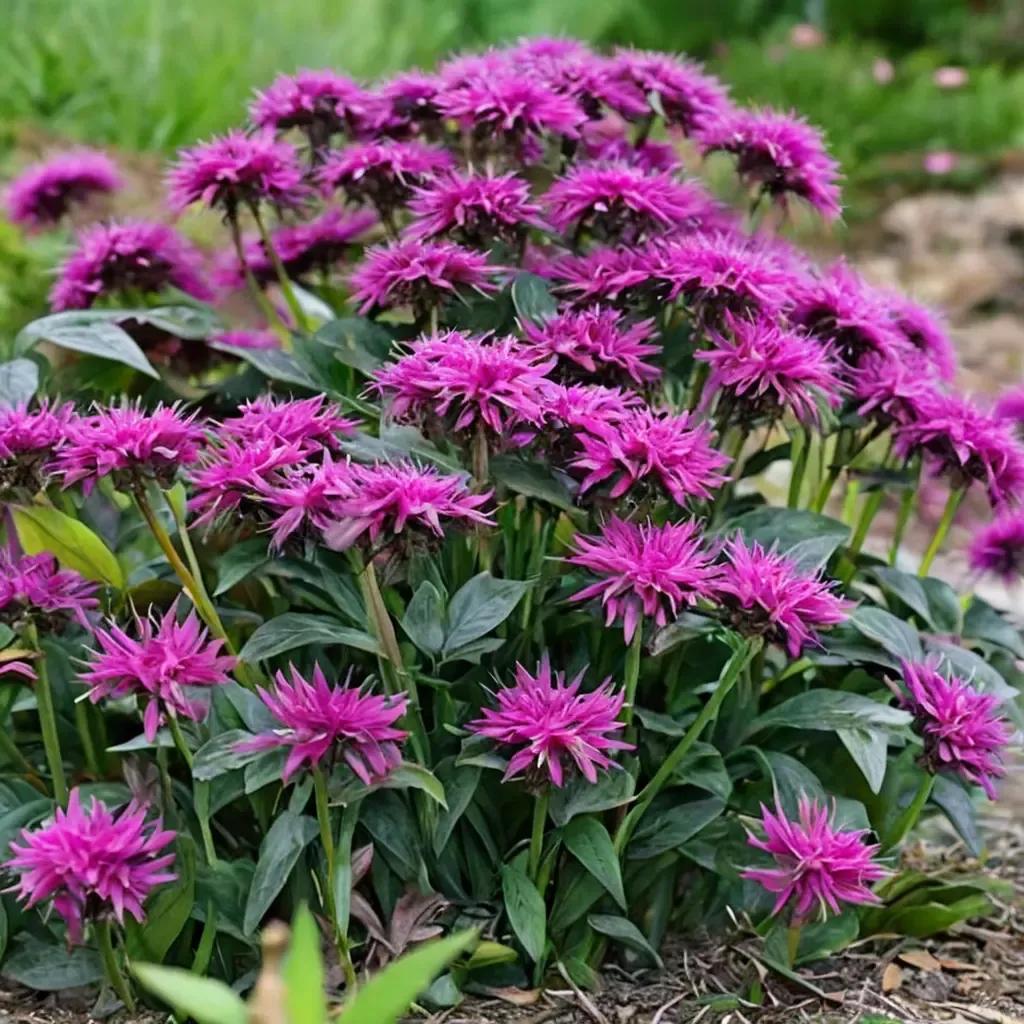 ‘Rockin' Raspberry’Rockin' Raspberry Bee Balm
 ‘Raspberry Wine’Raspberry Mint Bee Balm
 ‘Marshall’Marshall's Bee Balm
 ‘Petite Delight’Petite Delight Bee Balm
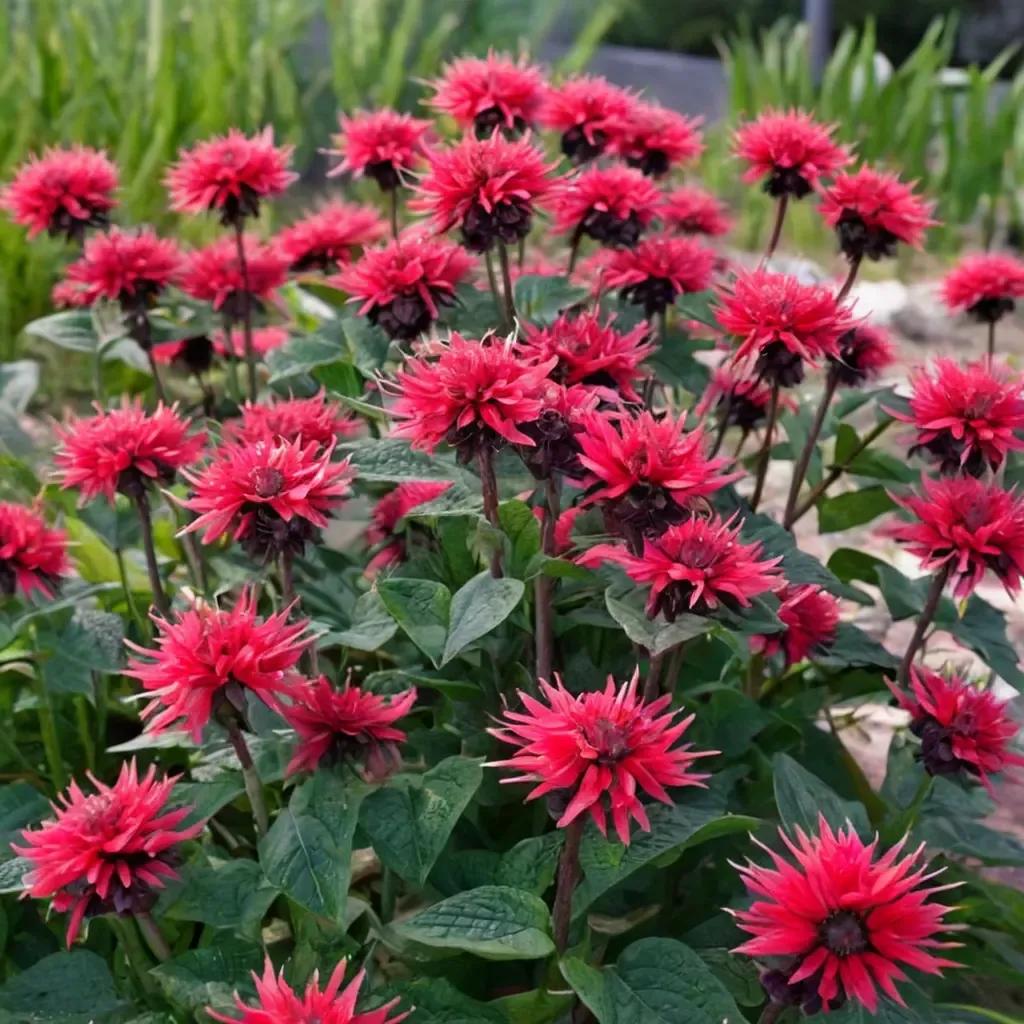 ‘Bee-Happy’Bee-Happy Bee Balm
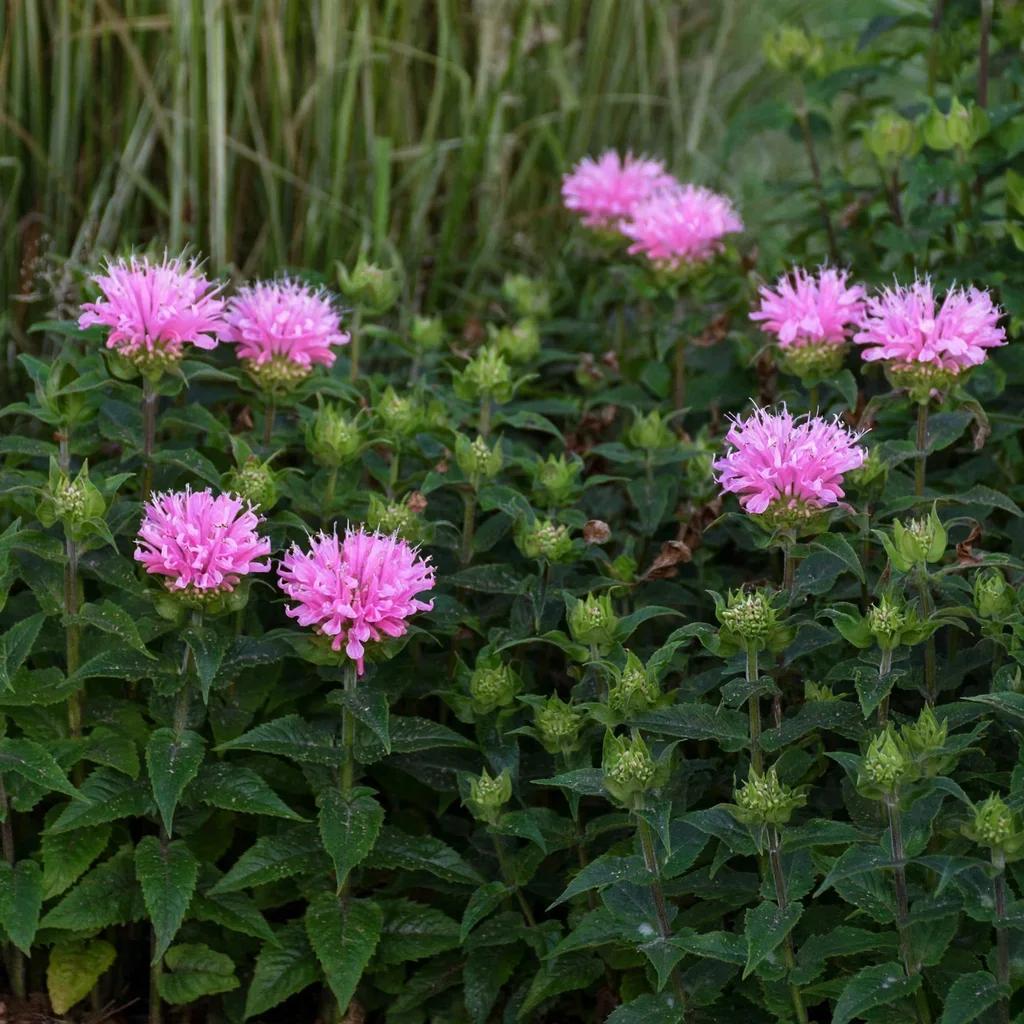 ‘Pink Frosting’Pink Frosting Bee Balm
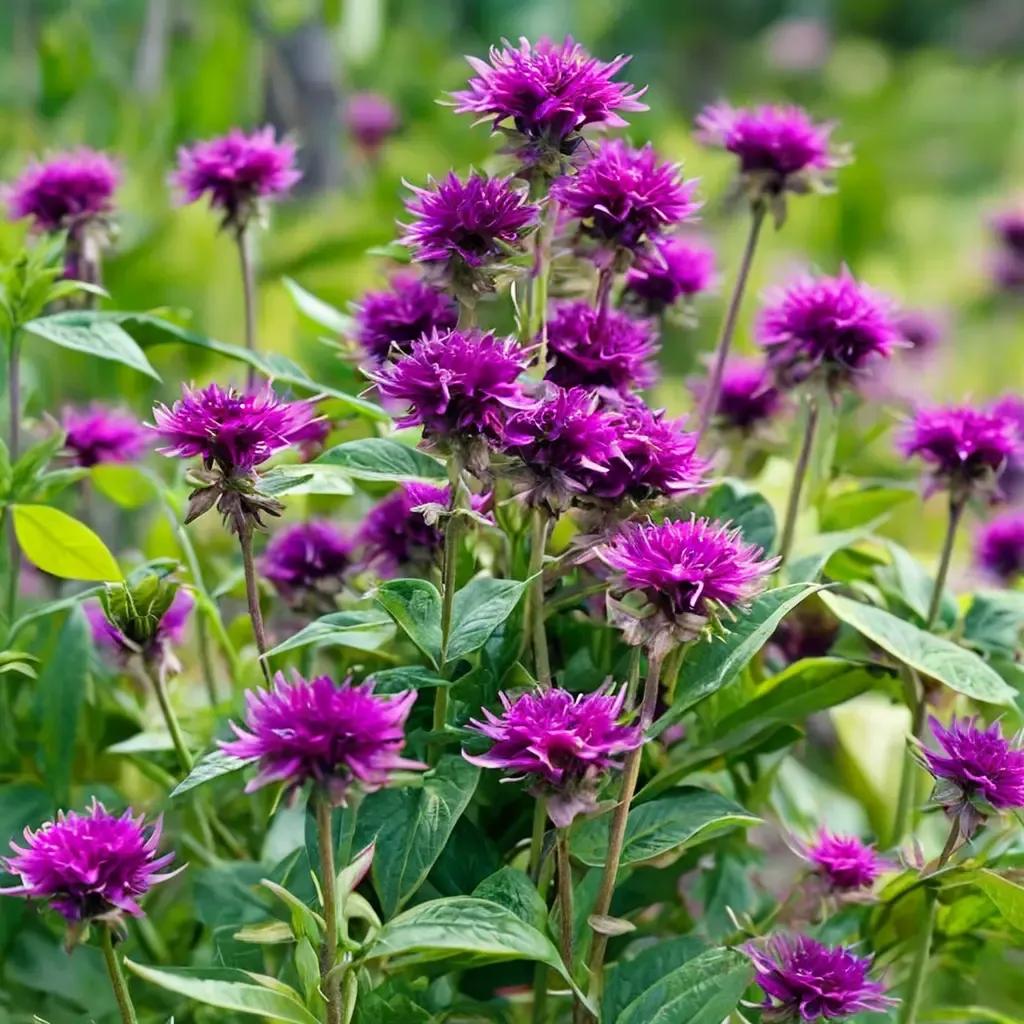 ‘Purple Rooster’Purple Rooster Bee Balm
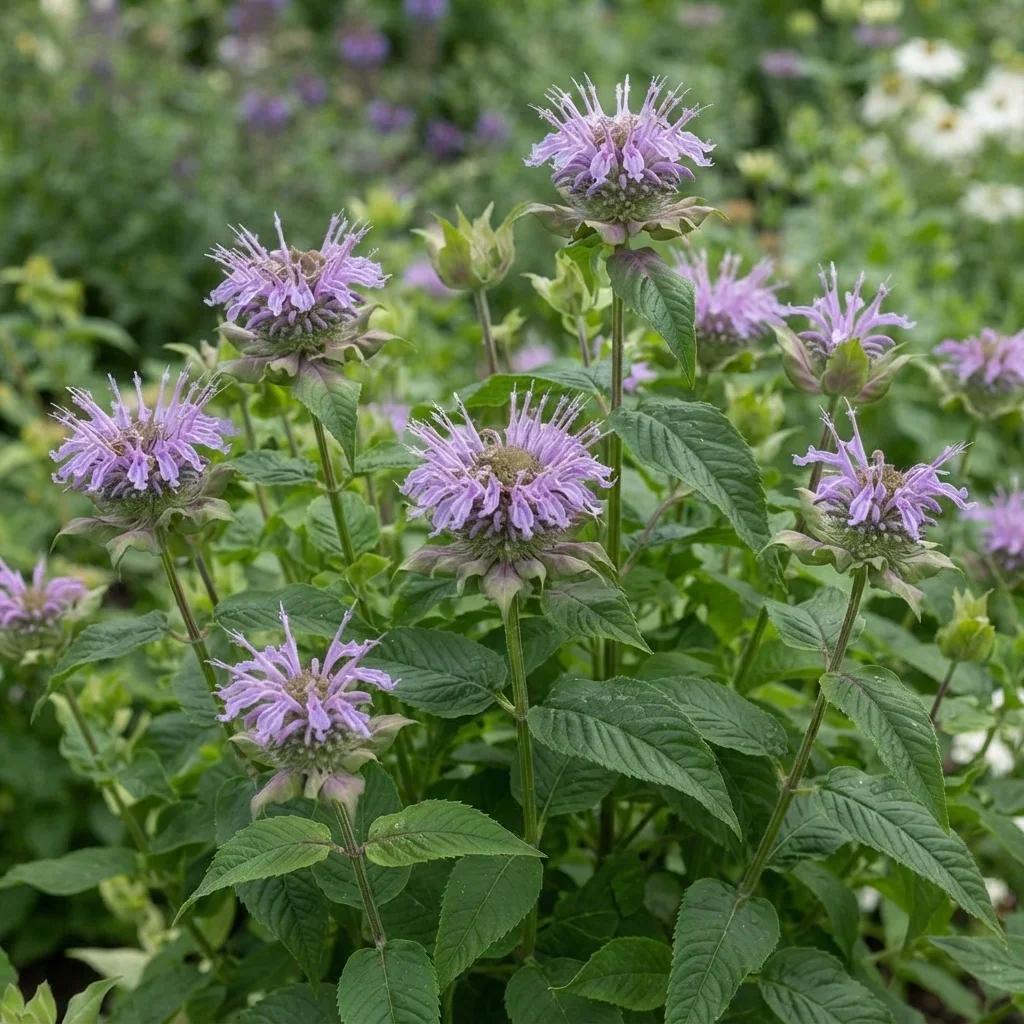 ‘Blue Moon’Blue Moon Bee Balm
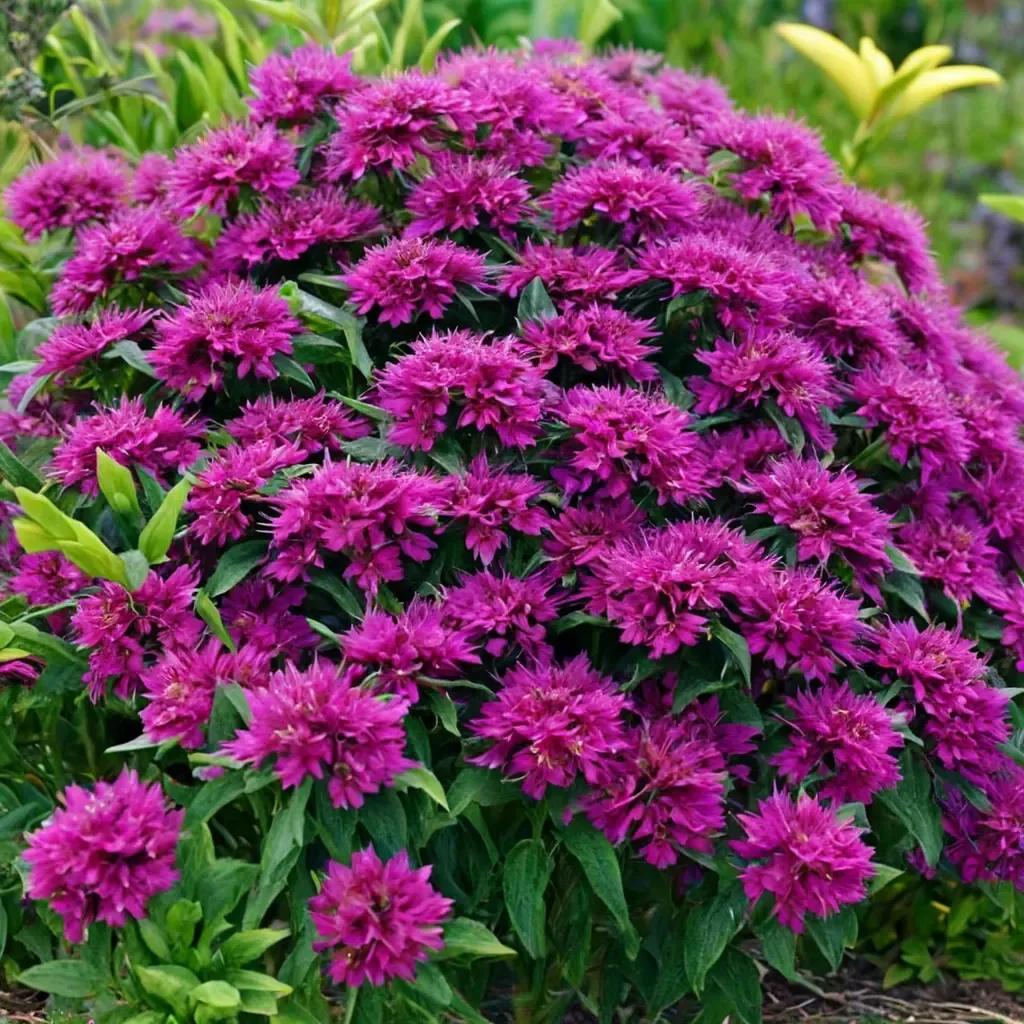 ‘Grape Gumball’Grape Gumball Bee Balm
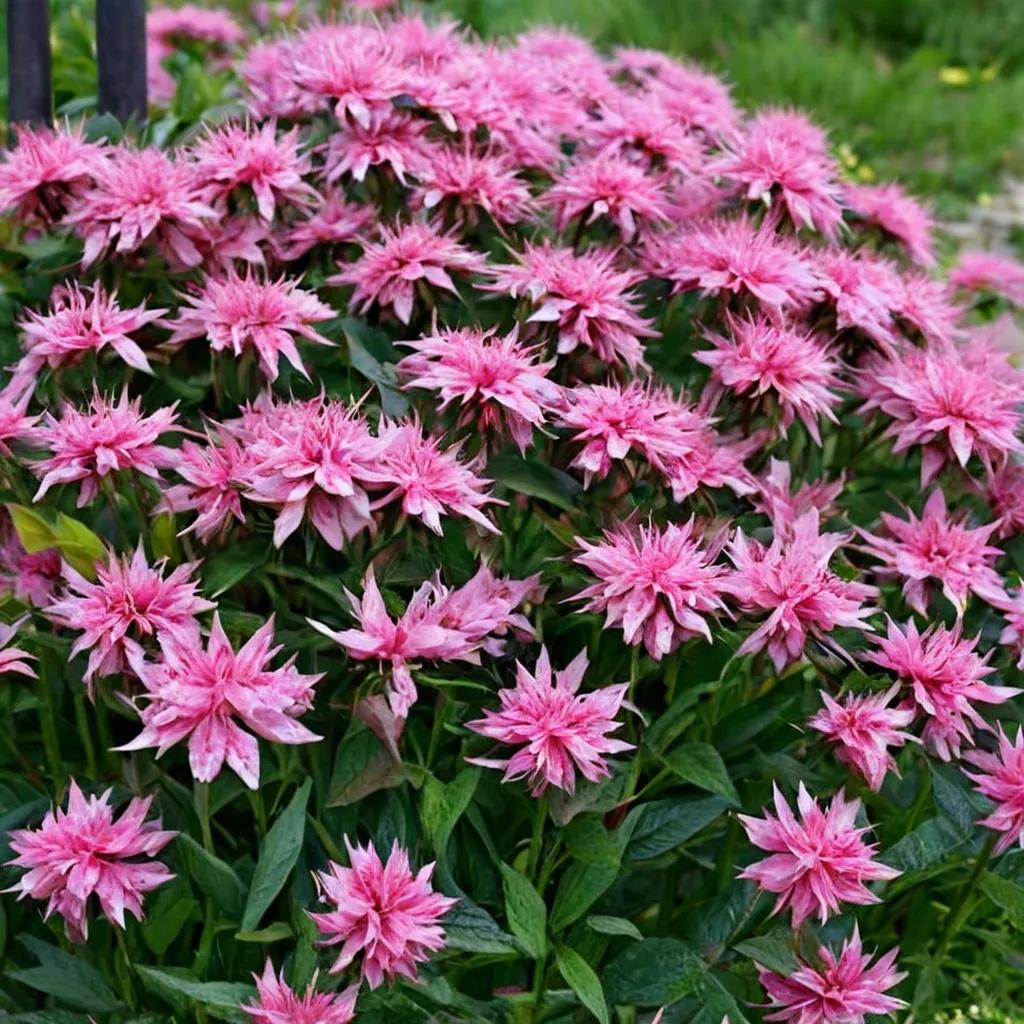 ‘Pink Chenille’Pink Chenille Bee Balm
 ‘Sugar Buzz Cherry Pops’Sugar Buzz Cherry Pops Bee Balm
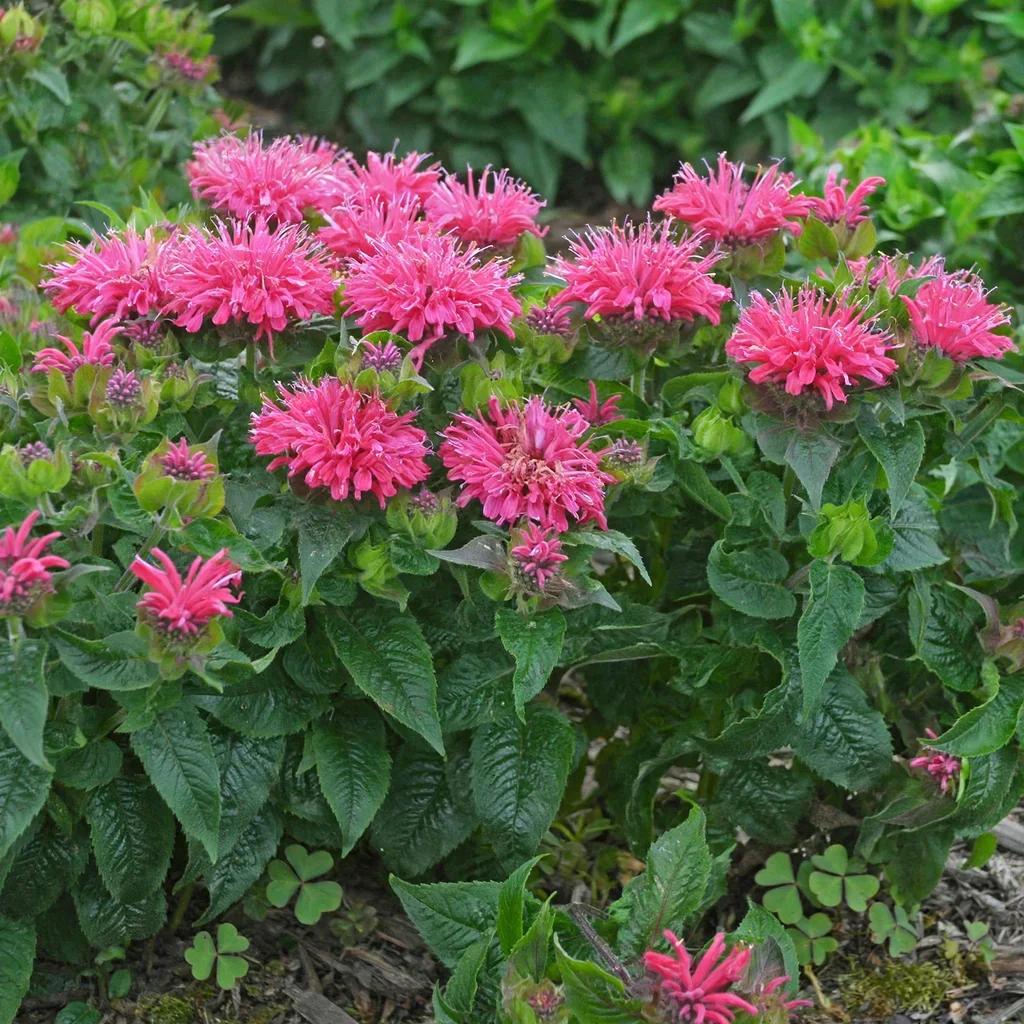 ‘Pardon My Cerise’Pardon My Cerise Bee Balm
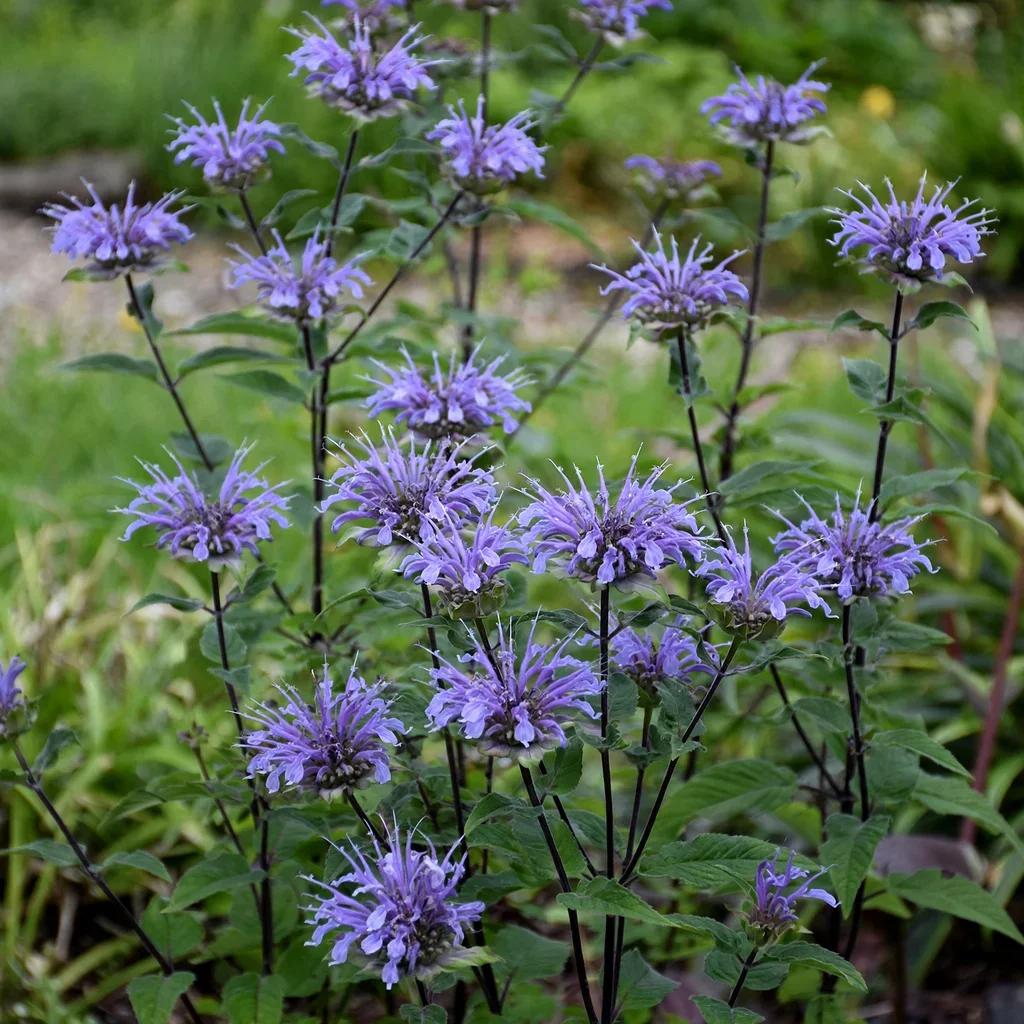 ‘Blue Stocking’Blue Stocking Bee Balm
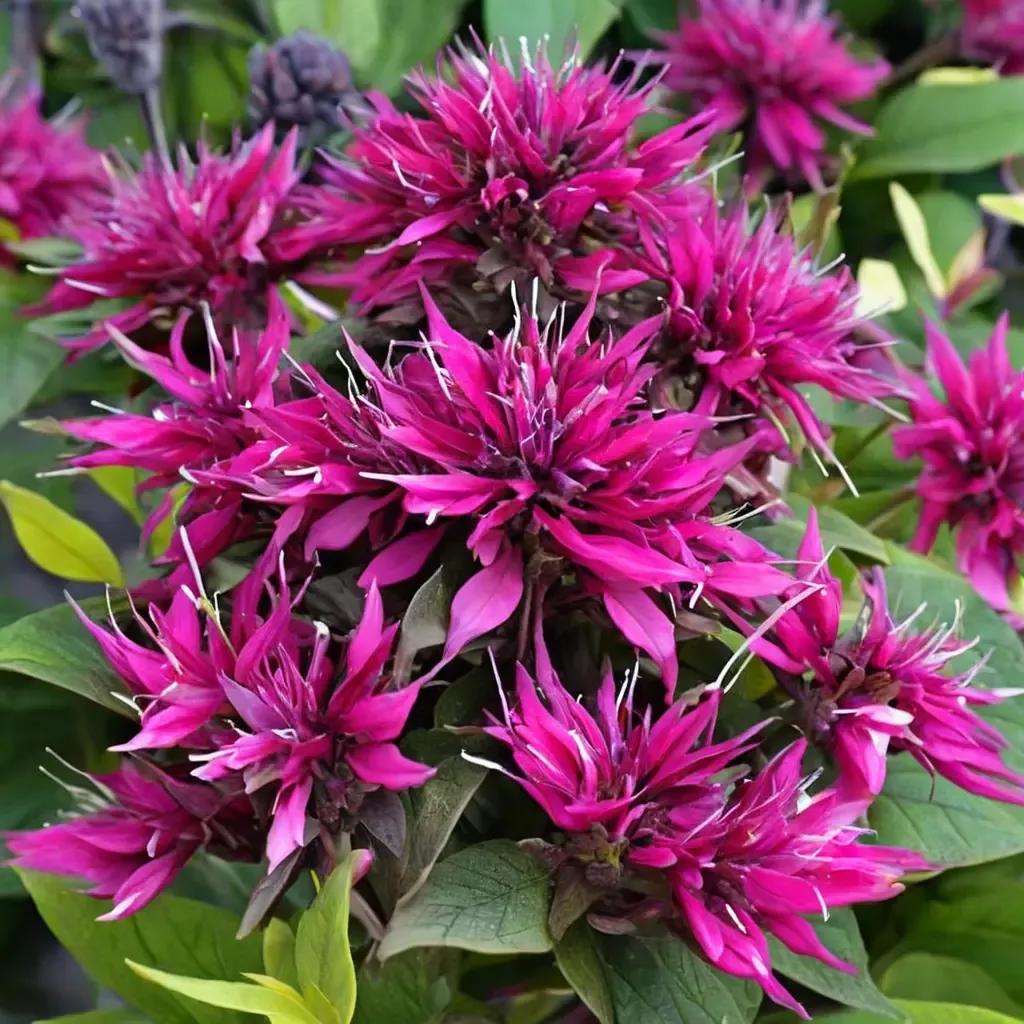 ‘Balmy Purple’Balmy Purple Bee Balm
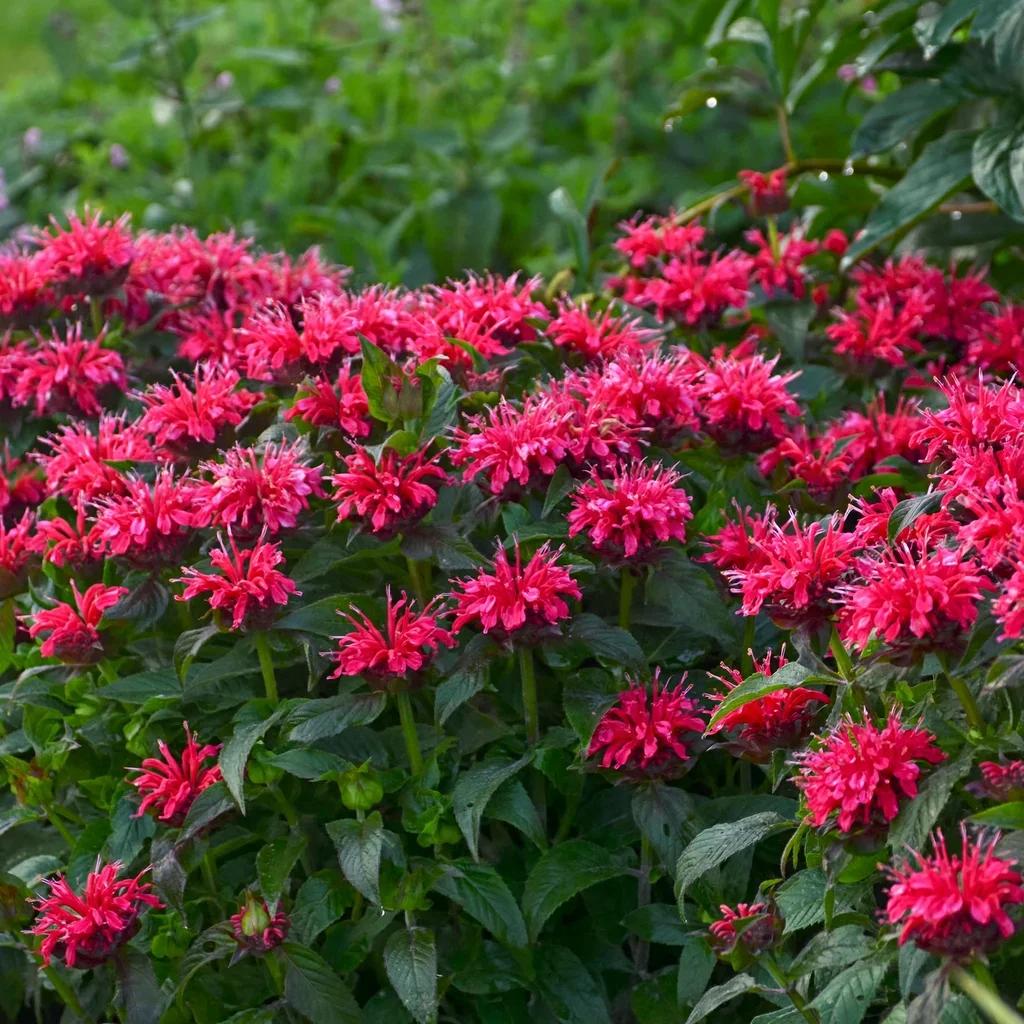 ‘Cherry Pops’Beebalm Cherry Pops
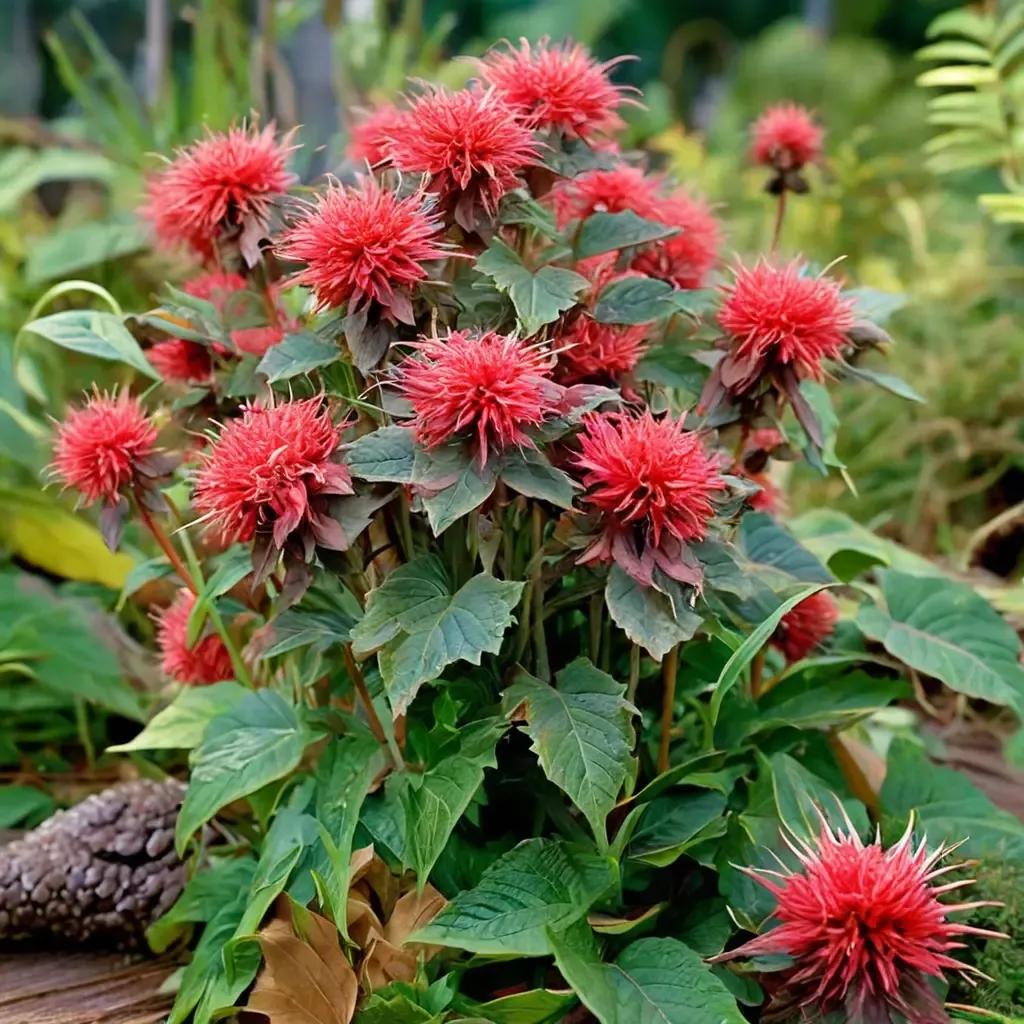 ‘Fireball’Fireball Bee Balm
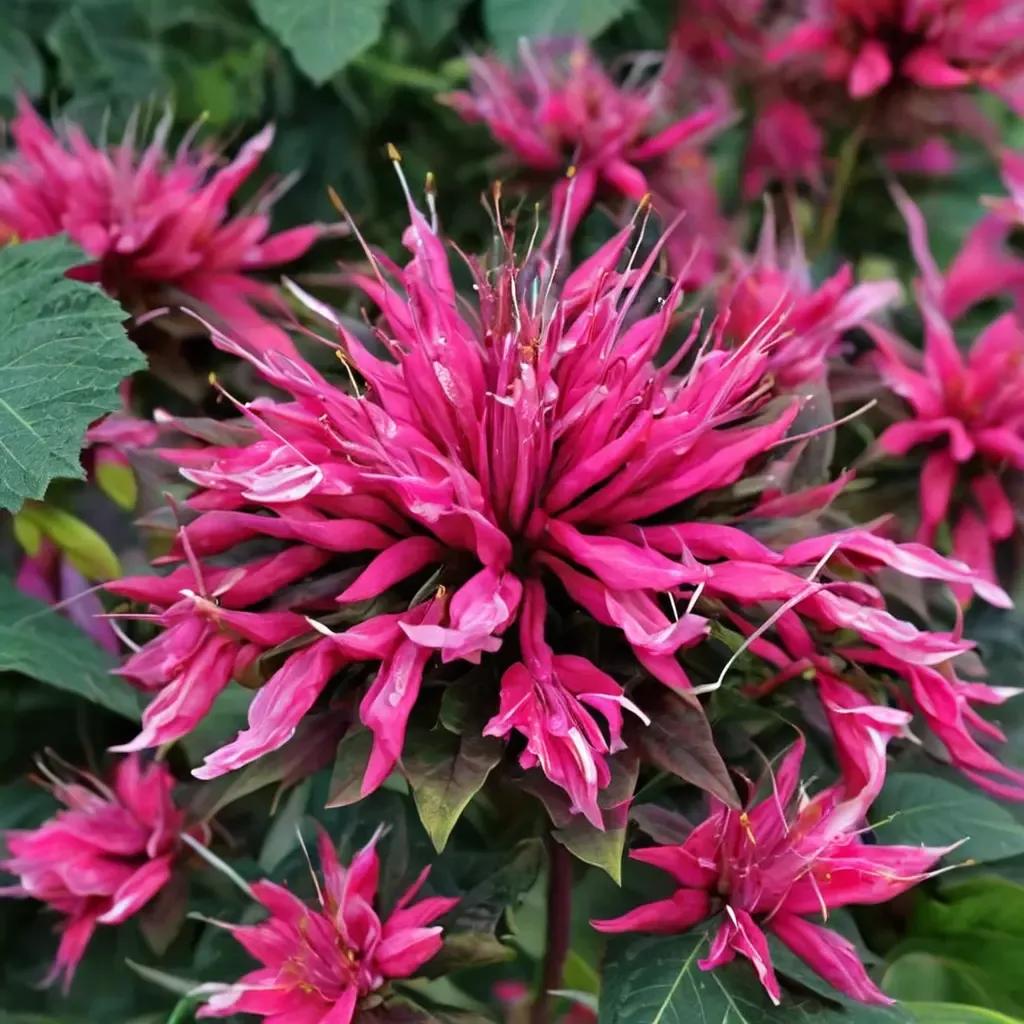 ‘Balmy Rose’Balmy Rose Bee Balm
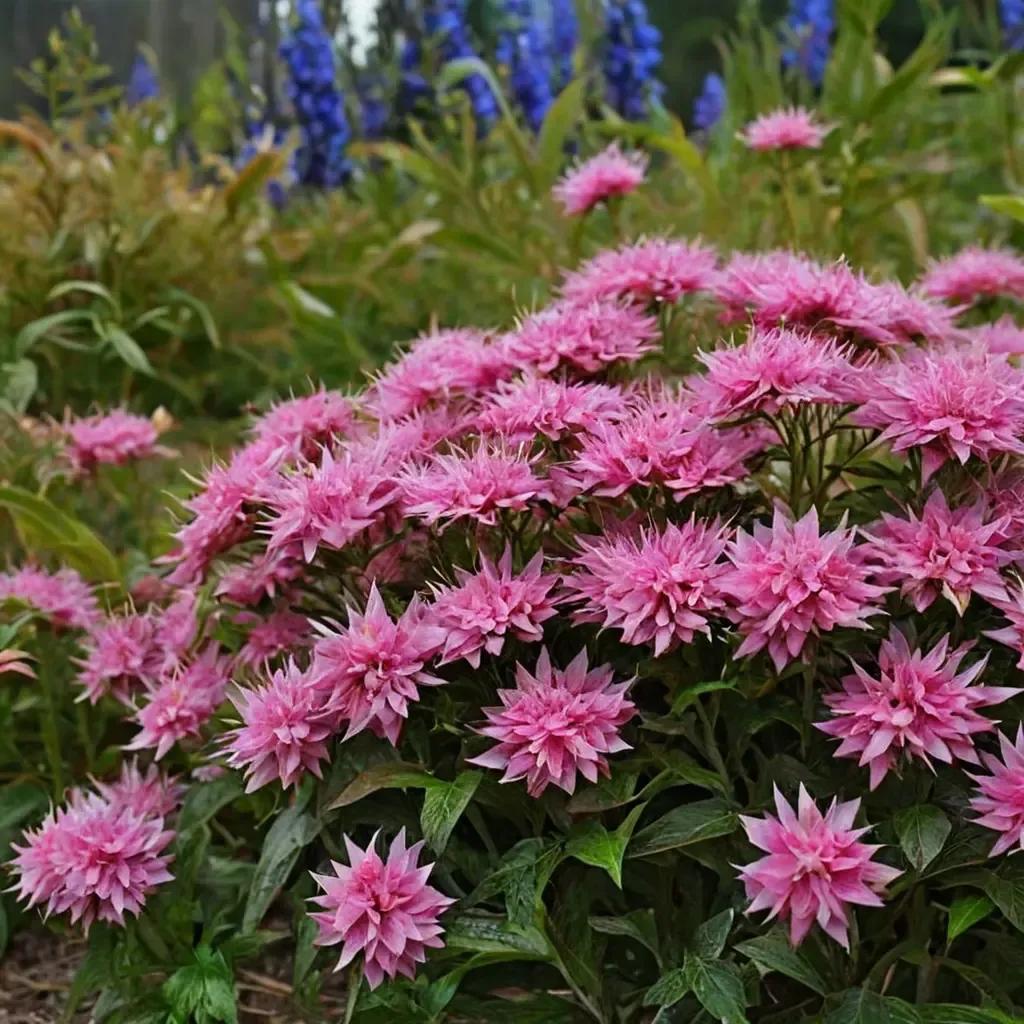 ‘Bubblegum Blast’Bubblegum Blast Bee Balm
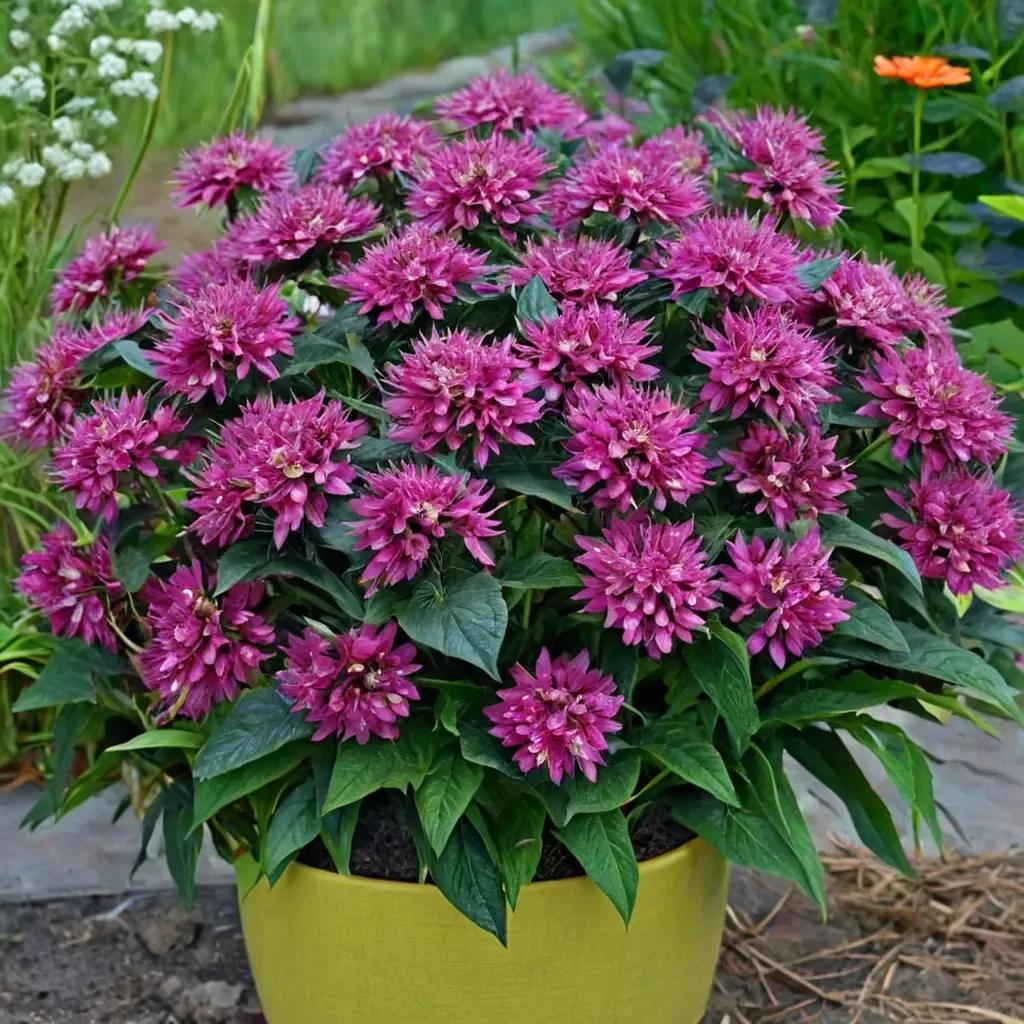 ‘Pardon My Purple’Pardon My Purple Bee Balm
 ‘Red Velvet’Red Velvet Bee Balm
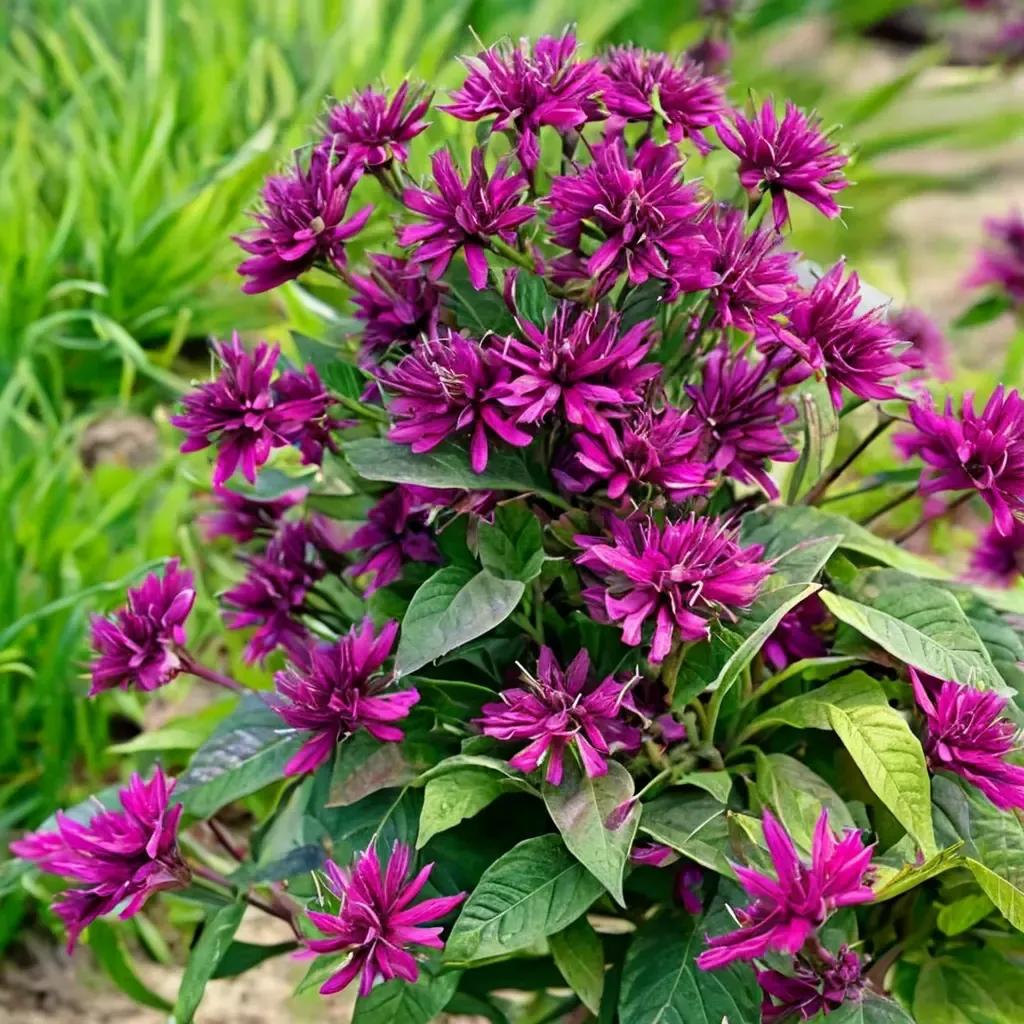 ‘Purple’Purple Bee Balm
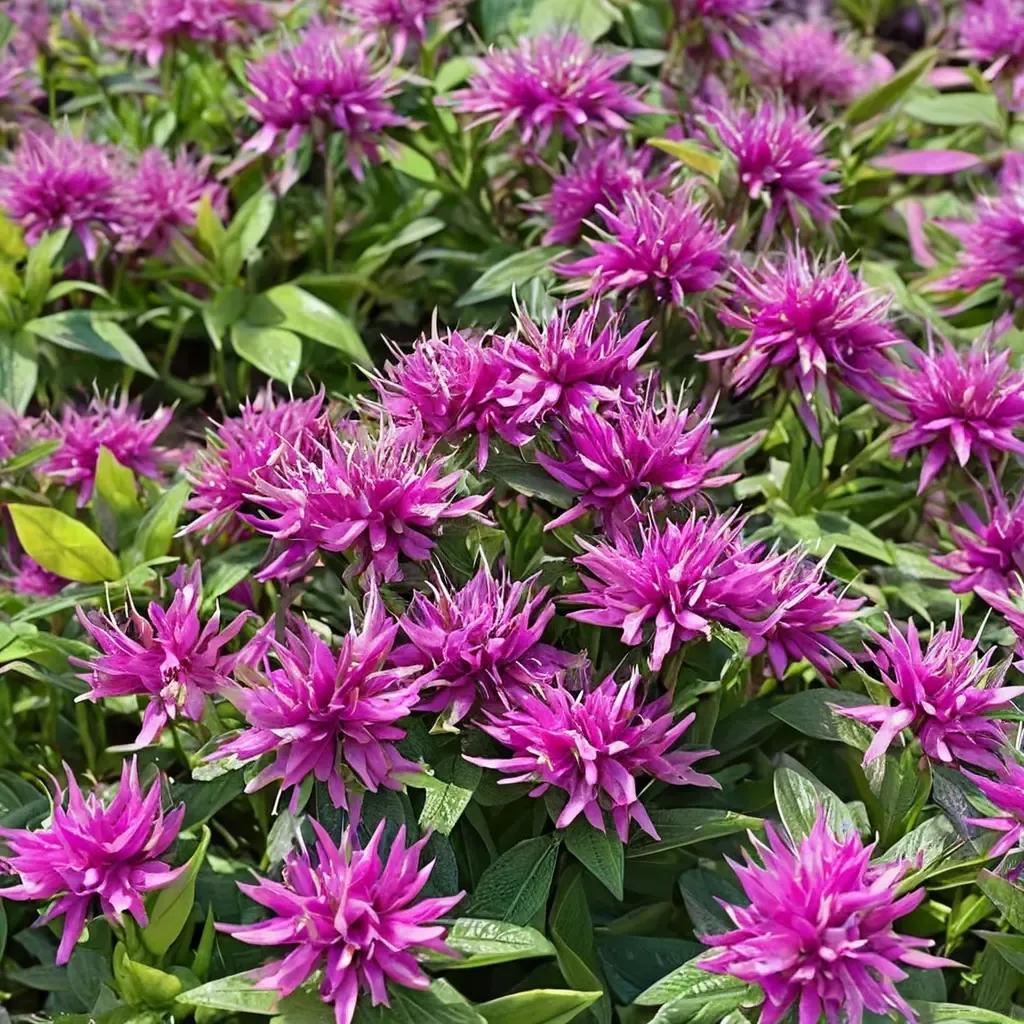 ‘Balmy Lilac’Balmy Lilac Bee Balm
 ‘Beauty of Cobham’Beauty of Cobham Beebalm
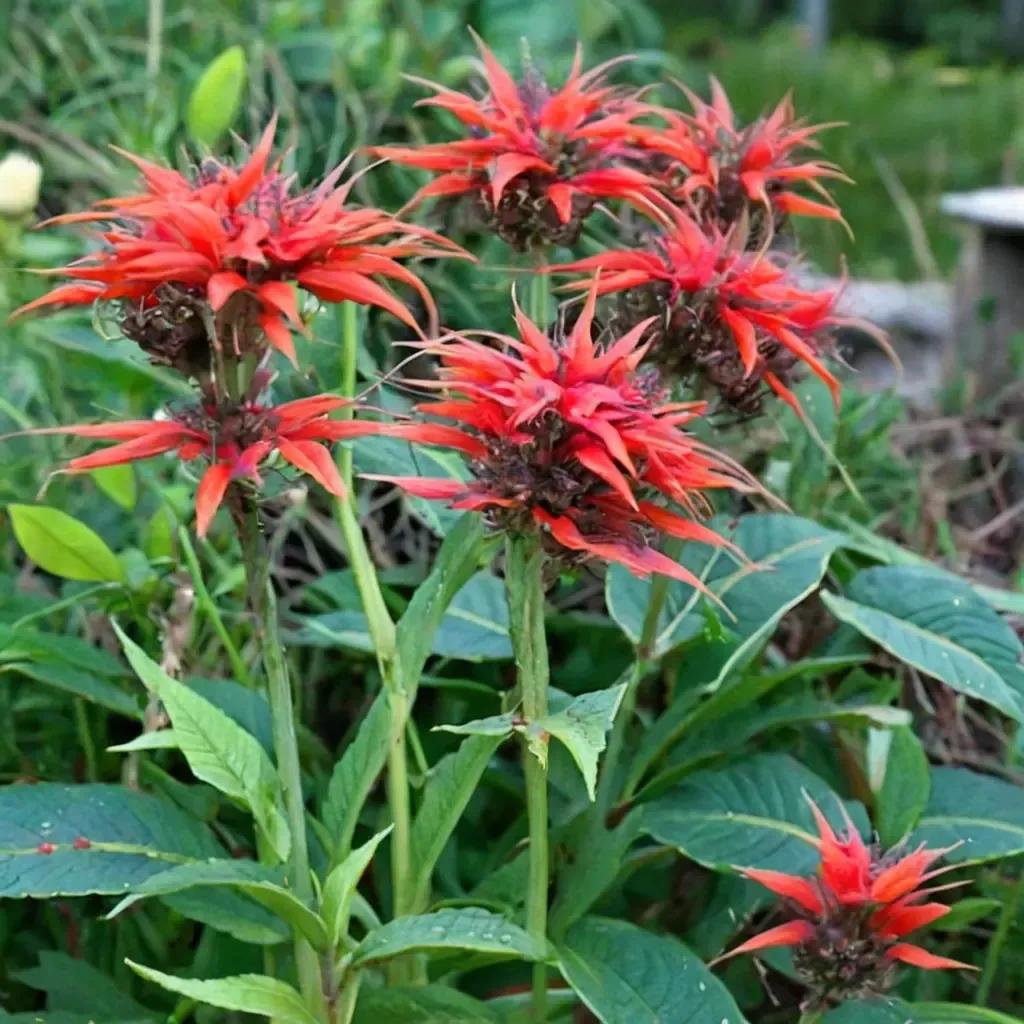 ‘Squaw’Squaw Bee Balm
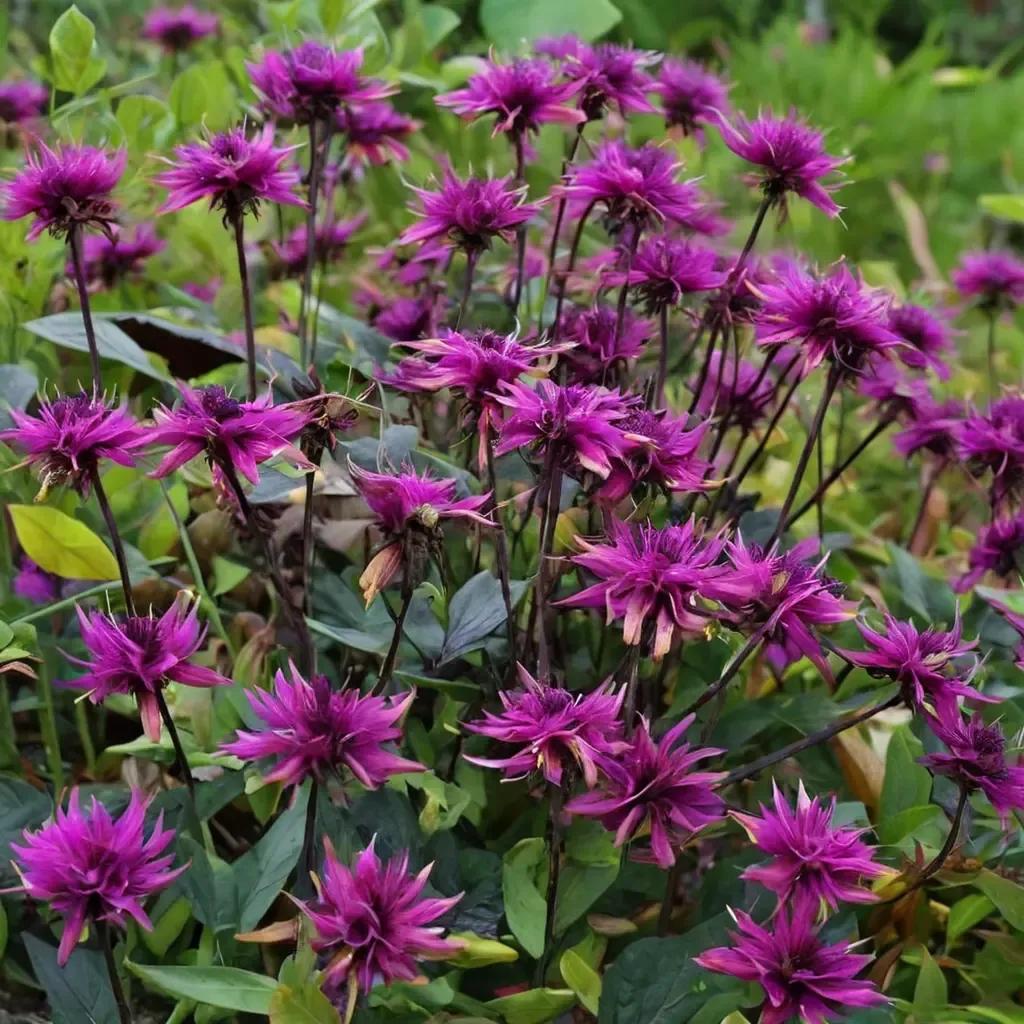 ‘West Acre Purple’West Acre Purple Bee Balm Bergamot
 ‘Lilac Lollipop’Lilac Lollipop Bee Balm
 ‘Gardenview Scarlet’Gardenview Scarlet Bee Balm
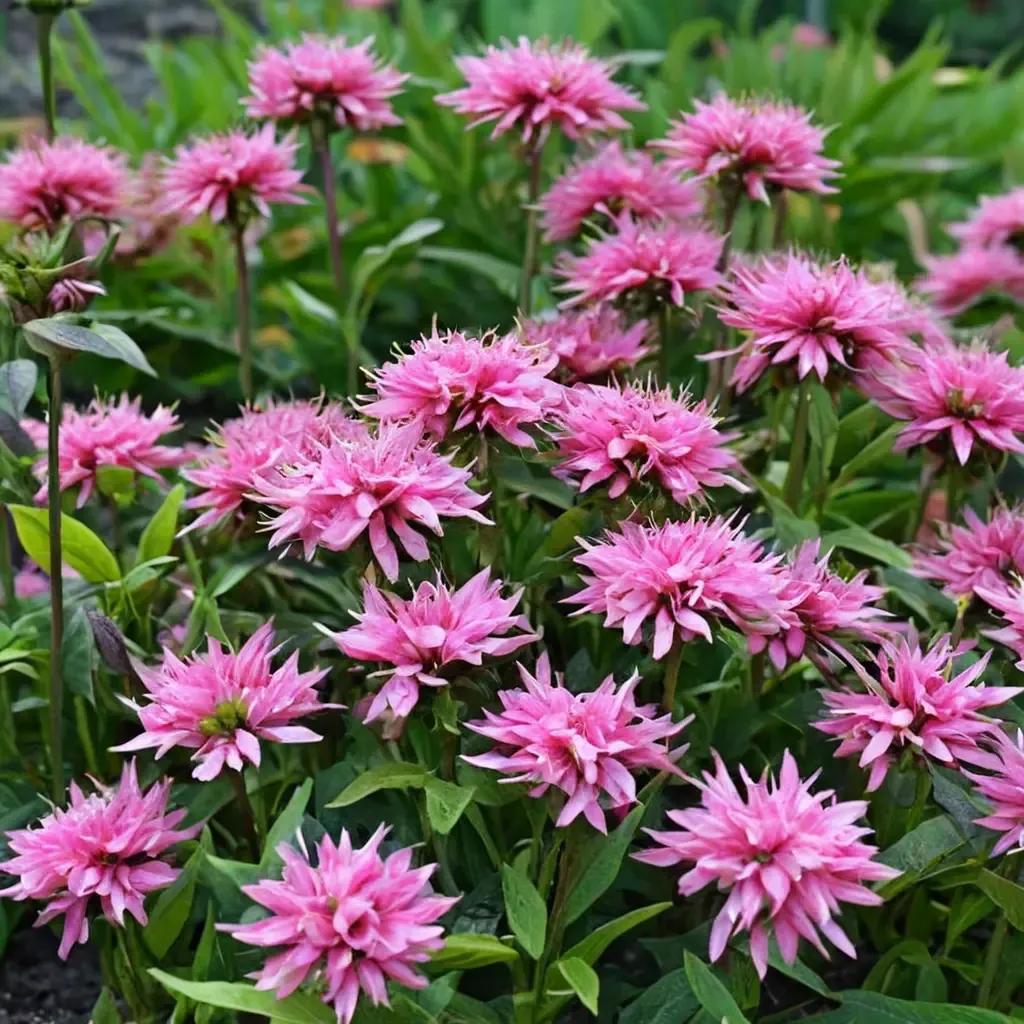 ‘Balmy Pink’Balmy Pink Bee Balm
 ‘Bee Pretty’Bee Pretty Bee Balm
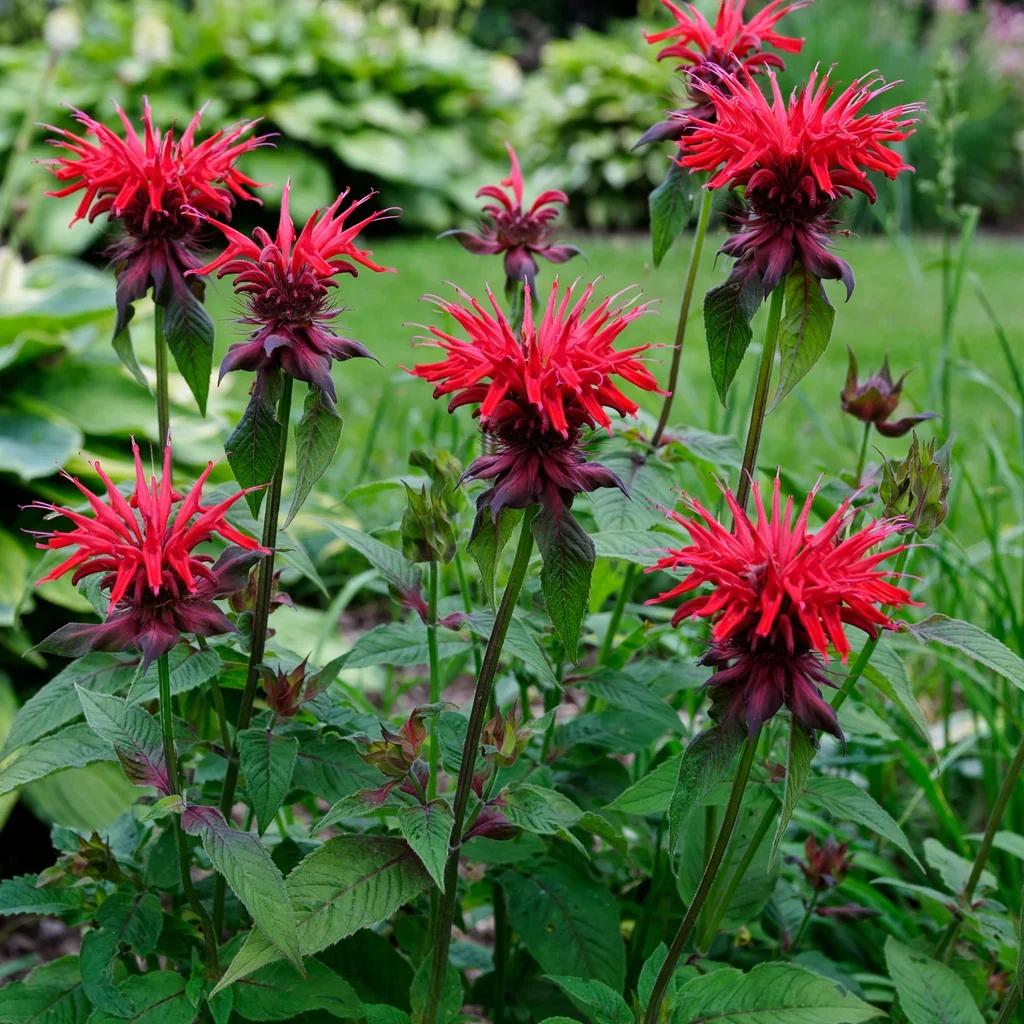 ‘Cambridge Scarlet’Scarlet Bee Balm
 ‘Electric Neon Pink’Electric Neon Pink Bee Balm
 ‘Leading Lady Razzberry’Leading Lady Razzberry Bee Balm
 ‘Scorpion’Scorpion Beebalm
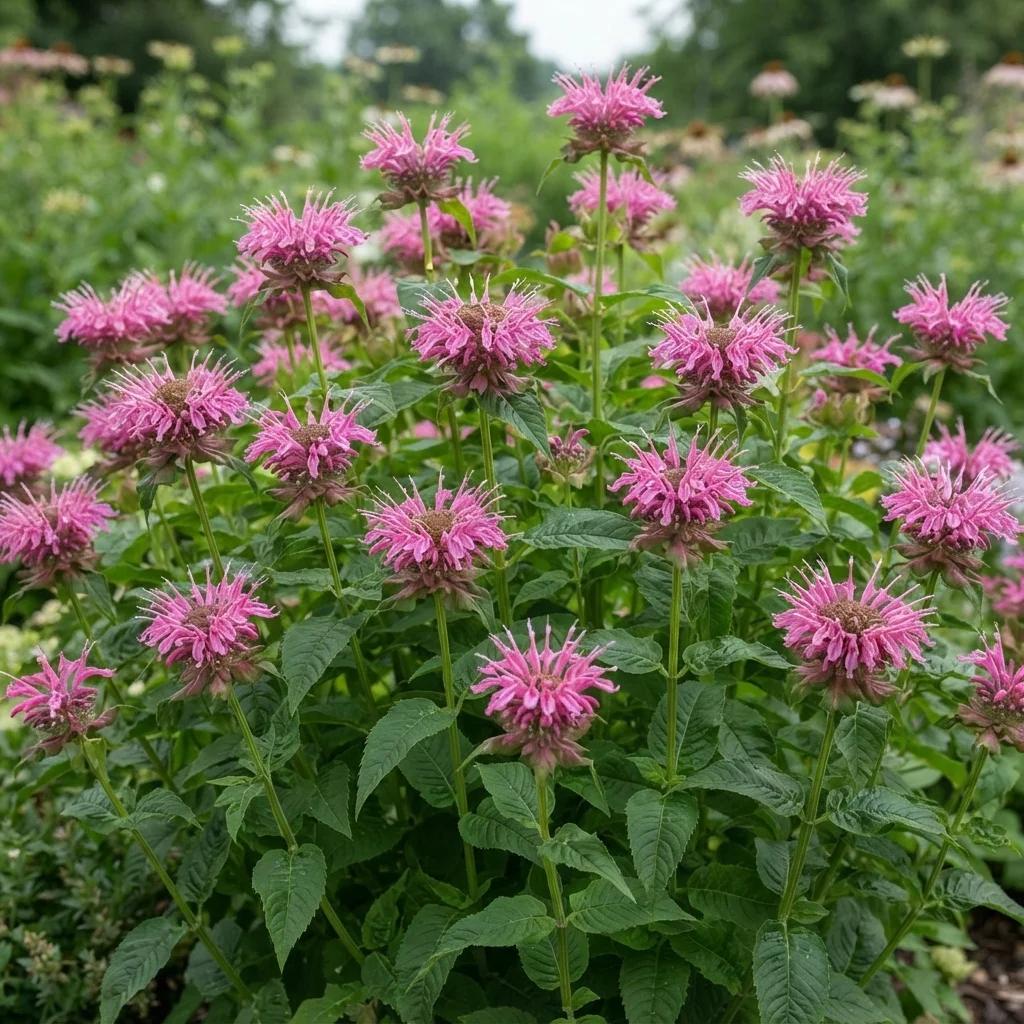 ‘Pardon My Pink’Bee Balm 'Pardon My Pink'
The Story
Plant Bio
Marshall's Delight is known for its vibrant red flowers and aromatic foliage, making it a favorite among gardeners.
This cultivar is particularly noted for its resistance to powdery mildew and its ability to attract pollinators.
Uses & Benefits:
Essentials
At a Glance
Plant Type
Perennial
Height
36"
Width
24"
Light
Full Sun, Partial Sun
Zones
4, 5, 6, 7, 8
Water
Moderate
Humidity
Average
Lifespan
Perennial
Native To
North America
Toxicity
Non-toxic to humans and pets
Bloom period
Mid-summer – Late summer
In flower about 2 months of the year
Planting
How to Grow
- Tuck seeds lightly into moist soil in early spring for best germination.
- Water regularly to keep soil consistently moist, especially during dry spells.
- Prune back after flowering to encourage bushier growth and more blooms.
- Divide clumps every 2-3 years in early spring or fall to rejuvenate plants.
- Mulch around the base to conserve moisture and suppress weeds.
- Transplant in early spring after the last frost for optimal establishment.
Pro Tip
Use well-draining soil and full sun for vibrant, healthy blooms.
Keep It Thriving
Care Guide
Do
- Water deeply once a week 🌱
- Prune after flowering to promote new growth
- Apply organic compost in early spring
- Plant in full sun for best performance
- Mulch to retain moisture
Don't
- Overwater to prevent root rot ❌
- Ignore deadheading blooms
- Plant in poorly drained soil ❌
- Forget to prune after flowering
- Use chemical fertilizers excessively
Seasonal Care Calendar
| Task | Jan | Feb | Mar | Apr | May | Jun | Jul | Aug | Sep | Oct | Nov | Dec |
|---|---|---|---|---|---|---|---|---|---|---|---|---|
| Deadhead | ||||||||||||
| Divide | ||||||||||||
| Prune |
Watch Out For
Pests & Diseases
Common Pests
Common Diseases
In the Garden
Landscape Uses & Companions
Landscape Uses
Multiply
Propagation Methods
Good to Know
Common Questions
Marshall's Delight Bee Balm questions
What zones can Marshall's Delight Bee Balm grow in?
Marshall's Delight Bee Balm is hardy in USDA Zones 4–8. Inside that range it survives winter in the ground; outside it, grow it as an annual or a container plant you protect.
Is Marshall's Delight Bee Balm deer resistant?
Yes — Marshall's Delight Bee Balm is rated deer-resistant. Deer typically pass it over, though extreme hunger can override any plant's defenses.
When does Marshall's Delight Bee Balm bloom?
Marshall's Delight Bee Balm typically blooms in mid-summer through late summer. Exact timing shifts a week or two with your zone — Sow's bloom calendar maps it to your garden.
Does Marshall's Delight Bee Balm need full sun?
Marshall's Delight Bee Balm does best in full sun to part shade. In hot climates, afternoon shade keeps blooms fresher longer.
More Monarda to compare
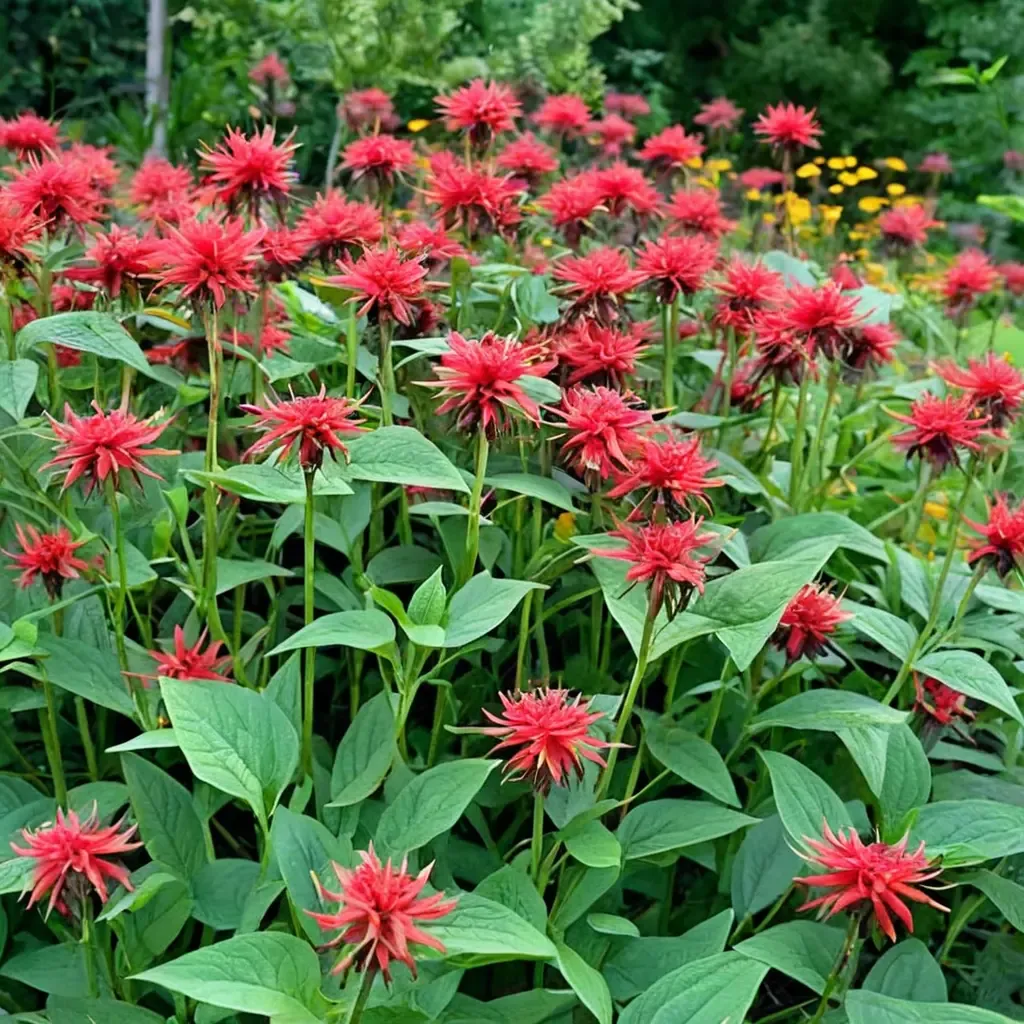
'Jacob Cline' Bee Balm
Monarda didyma 'Jacob Cline'
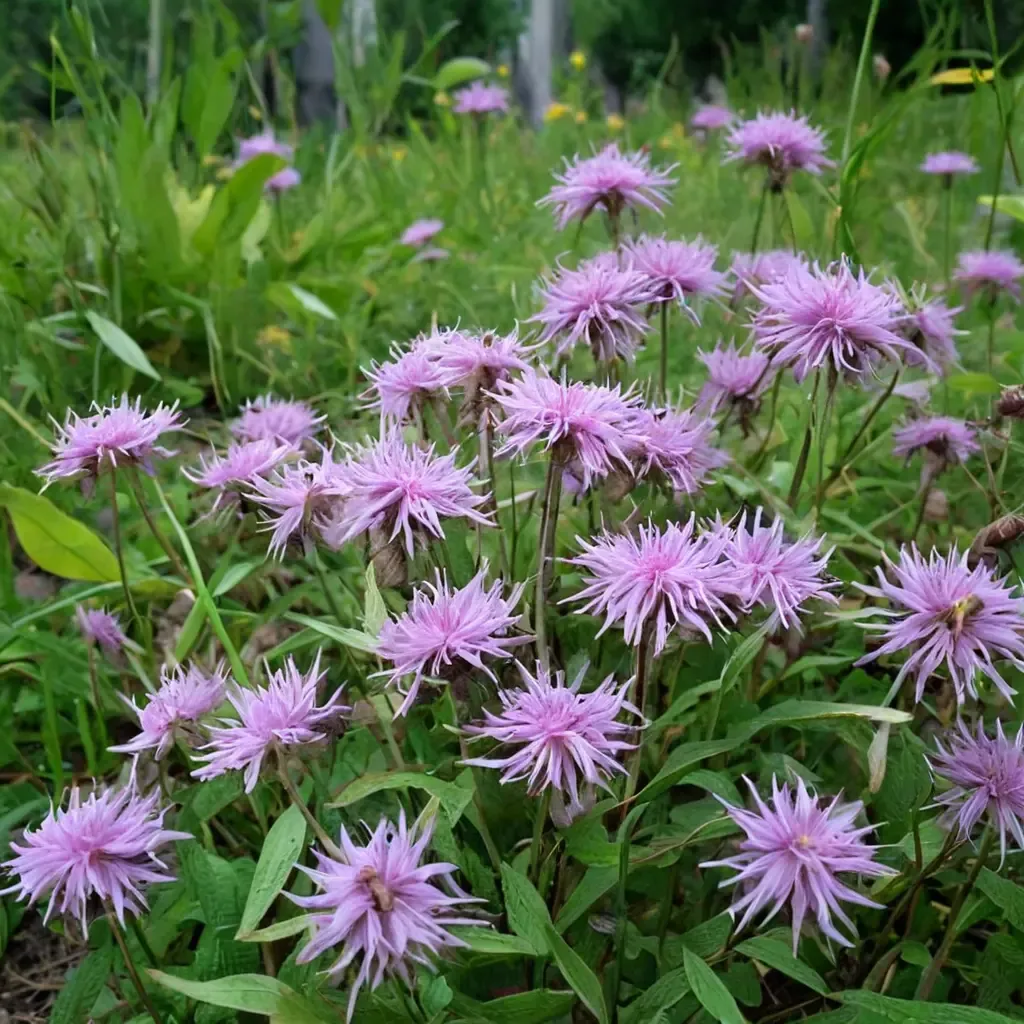
Wild Bergamot
Monarda fistulosa
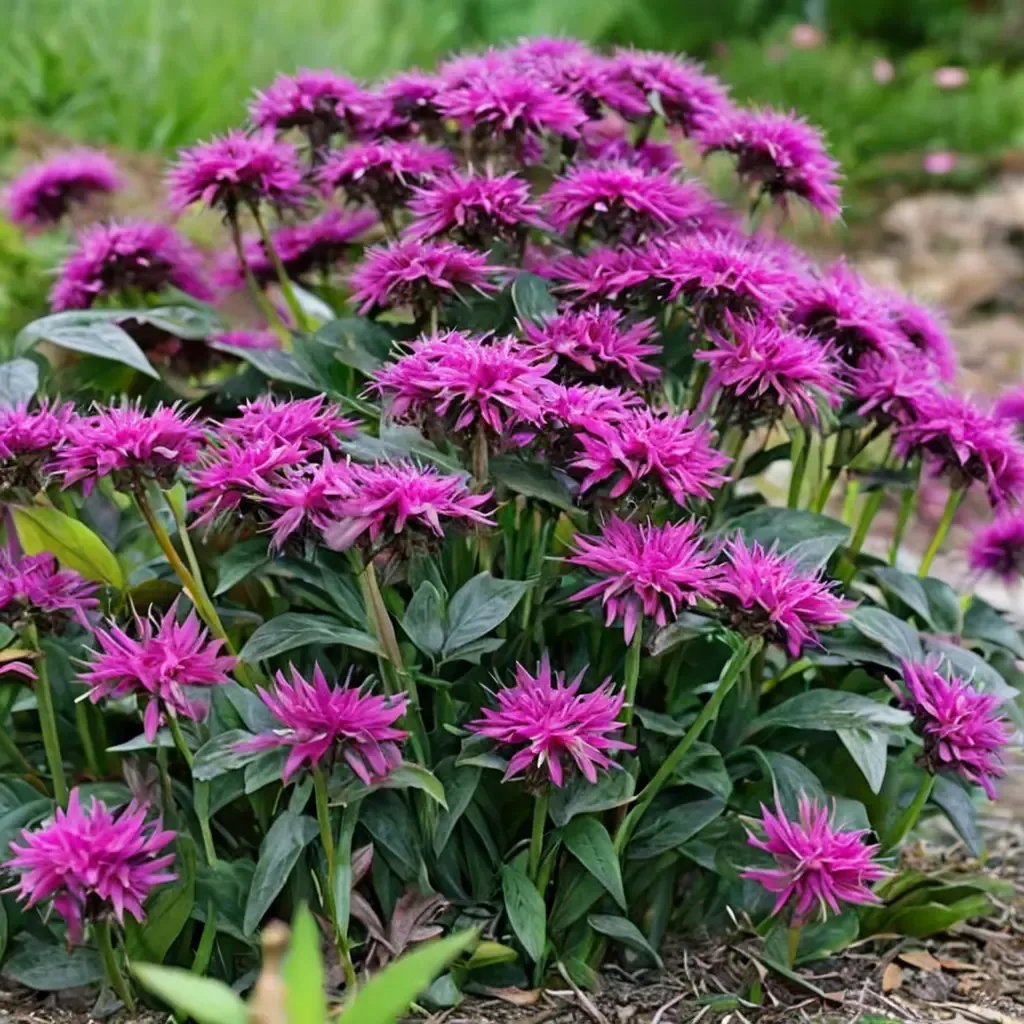
Rockin' Raspberry Bee Balm
Monarda didyma 'Rockin' Raspberry'
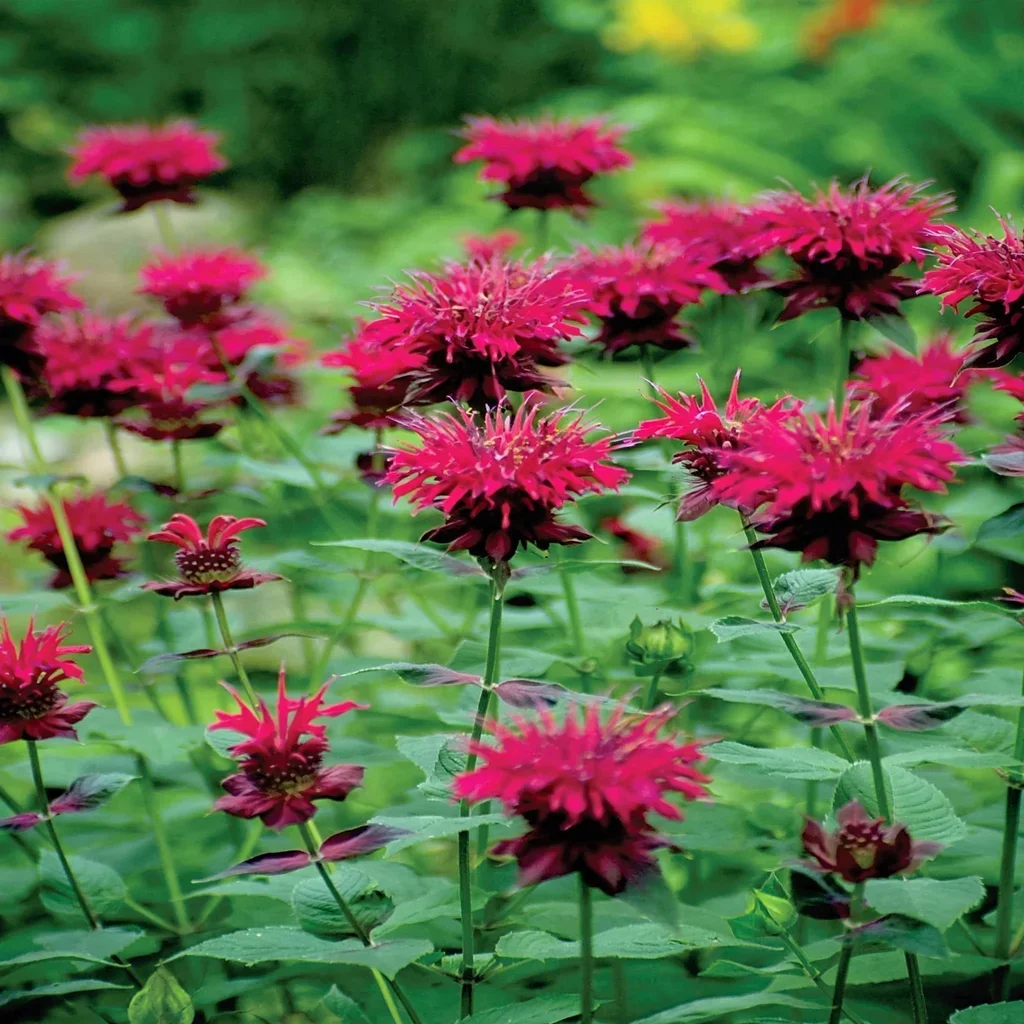
Raspberry Mint Bee Balm
Monarda didyma 'Raspberry Wine'
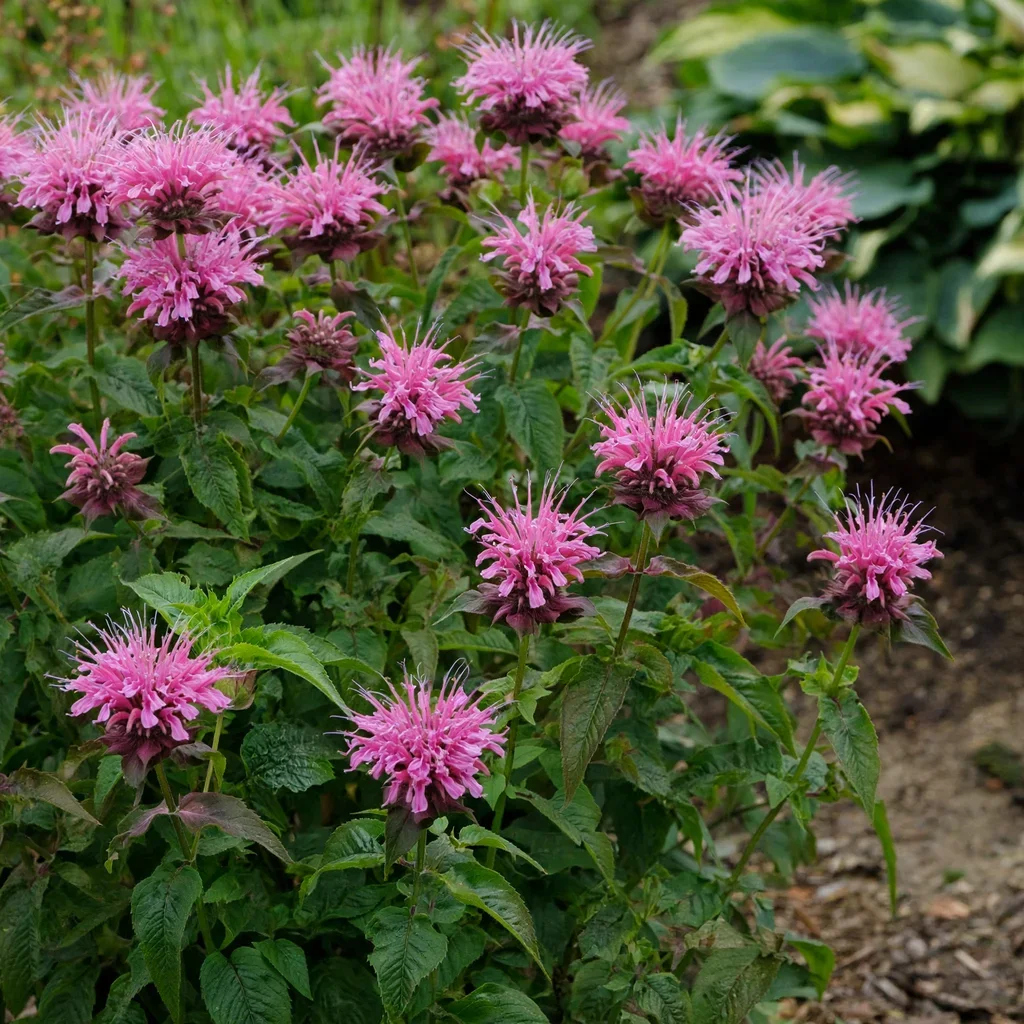
Marshall's Bee Balm
Monarda didyma 'Marshall'
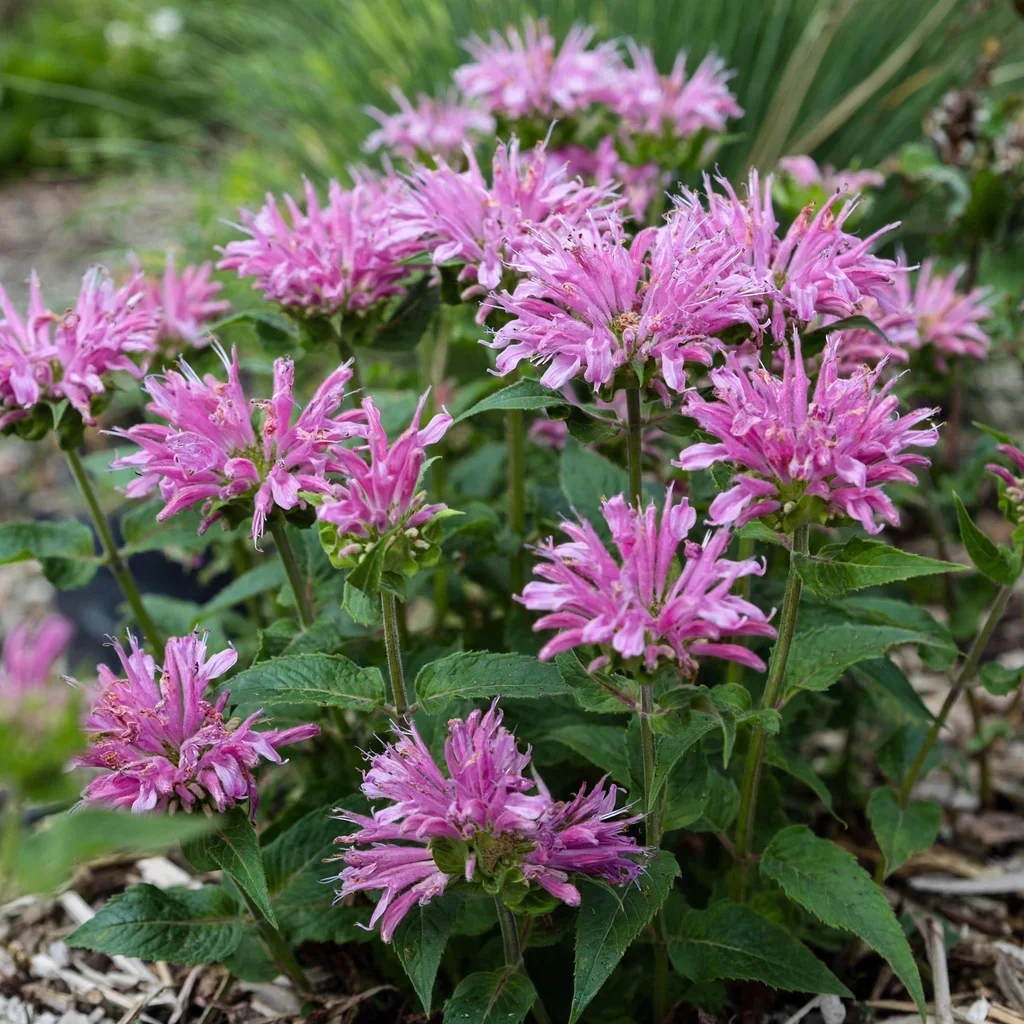
Petite Delight Bee Balm
Monarda didyma 'Petite Delight'
Keep exploring
Explore the genus
Hardy in your zone?
Grow Marshall's Delight Bee Balm with confidence
See it in a design of your actual yard, get zone-matched care reminders, and track it season by season in your garden journal.