The Story
Plant Bio
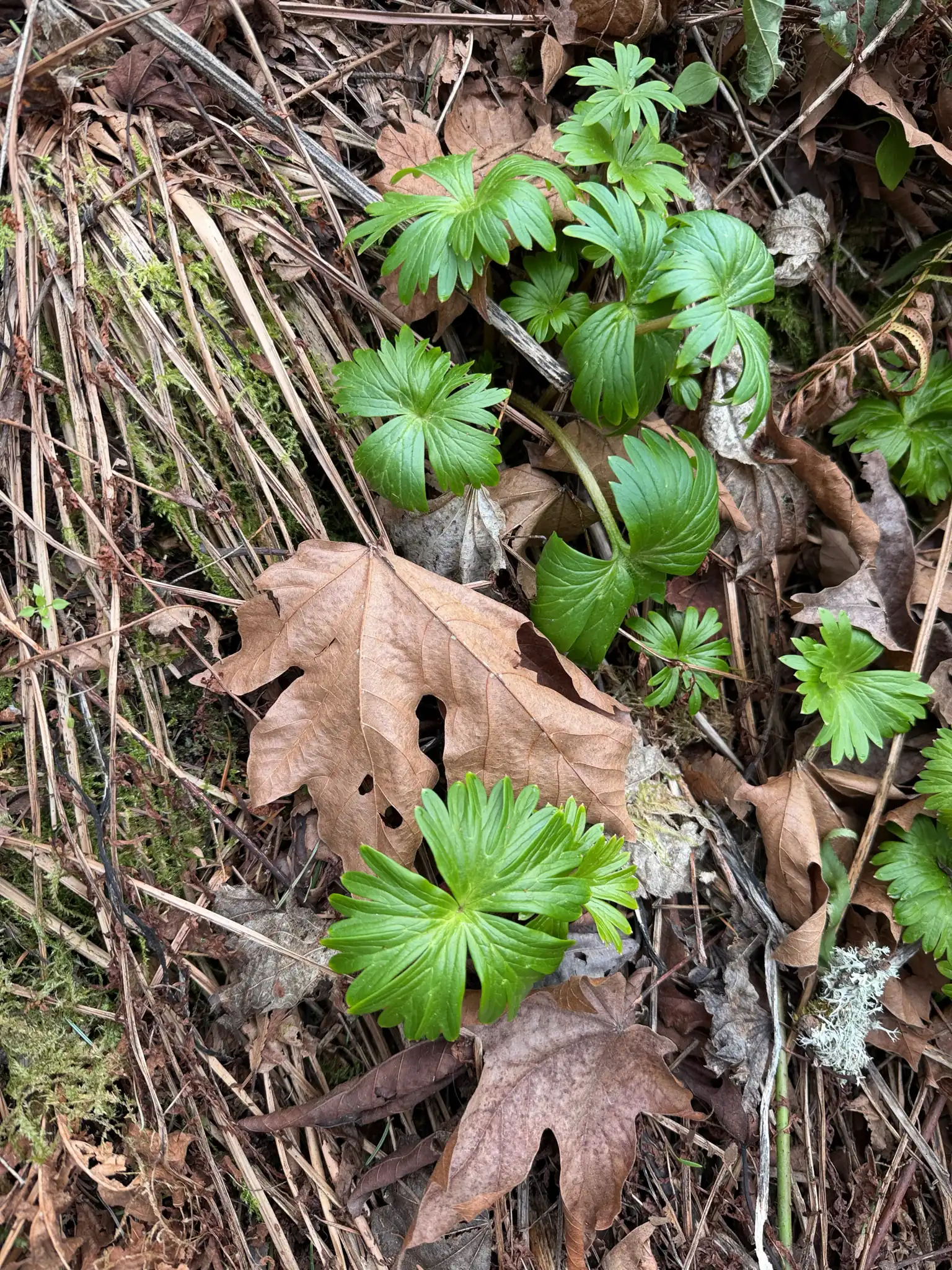
Delphinium trolliifolium, commonly known as Columbian larkspur, is a stately herbaceous perennial native to moist woodland understories and streambanks of the Pacific Northwest. Rising up to six feet tall on stout, hollow stems, it produces glossy, deeply segmented leaves and loose spires of deep purplish-blue flowers with contrasting white upper petals from mid-spring to early summer.
Unlike cultivated hybrid garden delphiniums that demand open sun, this woodland species thrives in moist semi-shaded conditions and constant cool humidity. All parts of the plant contain toxic diterpenoid alkaloids that render it unpalatable to browsing deer and livestock.
Uses & Benefits:
Essentials
At a Glance
Plant Type
Perennial
Height
71"
Width
35"
Light
Partial Sun, Shade
Zones
6, 7, 8, 9
Water
Moderate to High
Humidity
Moderate
Lifespan
Perennial
Native To
Pacific Northwest North America
Toxicity
High (fatal if ingested)
Bloom period
Late spring – Early summer
In flower about 2 months of the year
Planting
How to Grow
- Select a sheltered site receiving partial to full shade with rich, organic soil.
- Amend the planting site with leaf mold or organic compost to maintain steady moisture with sharp subsurface drainage.
- Set the crown level with the soil surface, taking care not to snap the hollow, brittle stems.
- Mulch around the base with organic compost and maintain soil moisture throughout the spring growing season.
Pro Tip
Plant on sloping ground or near natural moisture seeps where water moves freely, as standing water around dormant crowns causes root rot while dry soil halts growth.
Keep It Thriving
Care Guide
Do
- Provide light shade to shield foliage from direct afternoon sun
- Maintain consistently moist soil conditions through spring and early summer
- Top-dress the crown annually with leaf mold or rich organic compost
- Wear protective gloves when handling or trimming to prevent skin irritation
Don't
- Do not allow soil to dry out completely during active spring growth
- Do not plant in poorly drained low spots where water stagnates
- Do not apply heavy doses of concentrated high-nitrogen synthetic fertilizer
- Do not cut directly into dormant crown tissue when clearing old foliage
Seasonal Care Calendar
| Task | Jan | Feb | Mar | Apr | May | Jun | Jul | Aug | Sep | Oct | Nov | Dec |
|---|---|---|---|---|---|---|---|---|---|---|---|---|
| Deadhead | ||||||||||||
| Fertilize | ||||||||||||
| Pest Check | ||||||||||||
| Winter Prep |
Watch Out For
Pests & Diseases
Common Pests
Common Diseases
In the Garden
Landscape Uses & Companions
Landscape Uses
Multiply
Propagation Methods
Good to Know
Common Questions
Columbian Larkspur questions
What zones can Columbian Larkspur grow in?
Columbian Larkspur is hardy in USDA Zones 6–9: in that range it survives winter in the ground. Colder than Zone 6, grow it in a container you can move to shelter for the winter, or as an annual. Warmer than Zone 9, winter isn't the problem: it prefers colder winters, and summer heat can shorten its life.
Is Columbian Larkspur deer resistant?
Yes — Columbian Larkspur is rated deer-resistant. Deer typically pass it over, though extreme hunger can override any plant's defenses.
When does Columbian Larkspur bloom?
Columbian Larkspur typically blooms from late spring to early summer. Exact timing shifts a week or two with your zone — Sow's bloom calendar maps it to your garden.
Does Columbian Larkspur need full sun?
Columbian Larkspur does best in part shade.
More Delphinium to compare
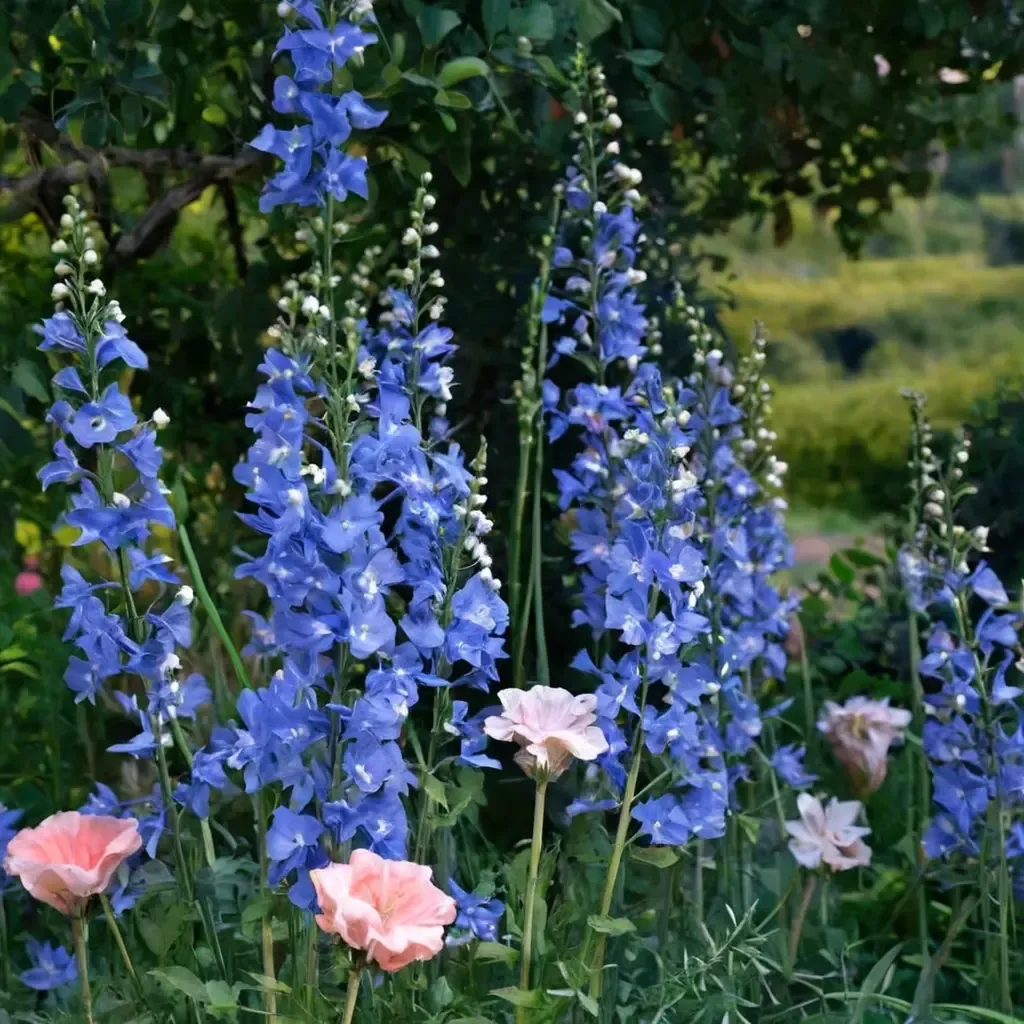
Delphinium 'Double Blue'
Delphinium elatum 'Double Blue'
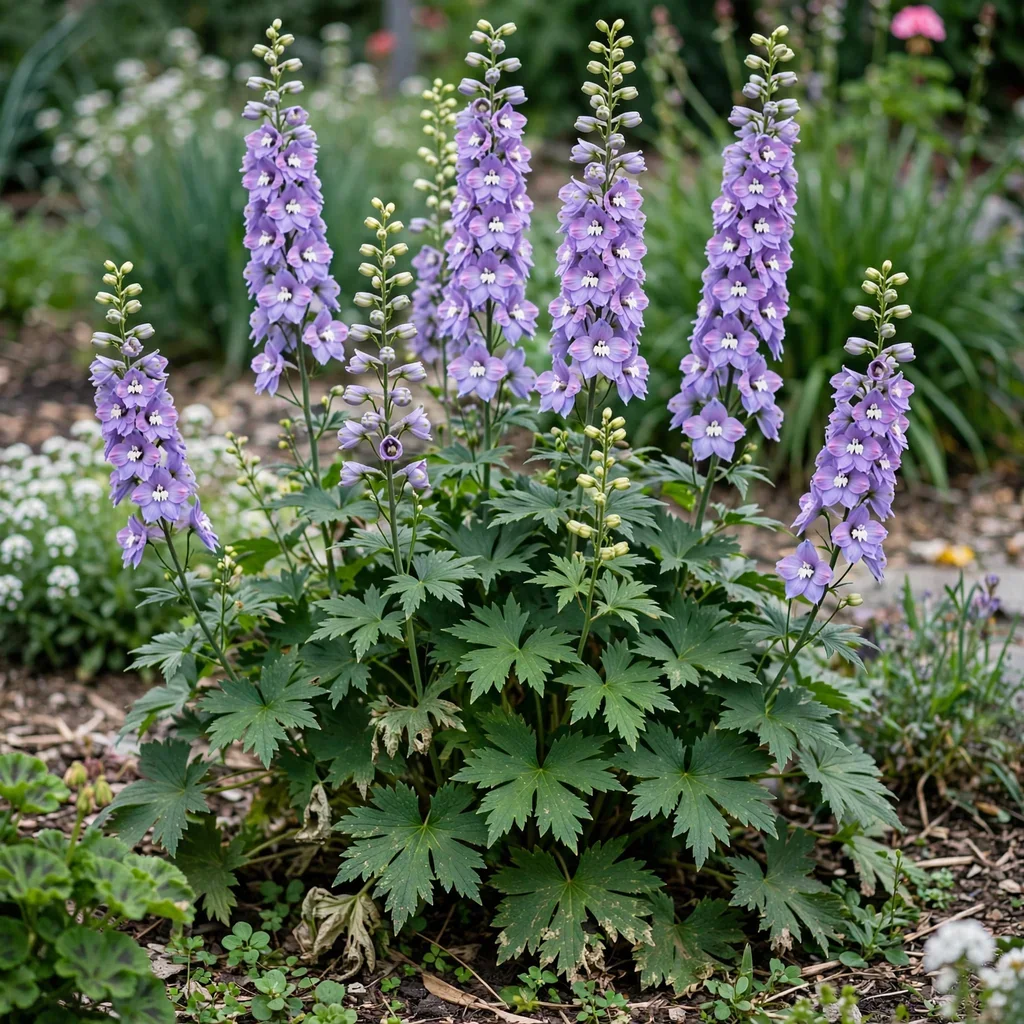
Larkspur
Delphinium elatum 'Magic Fountain Lavender'
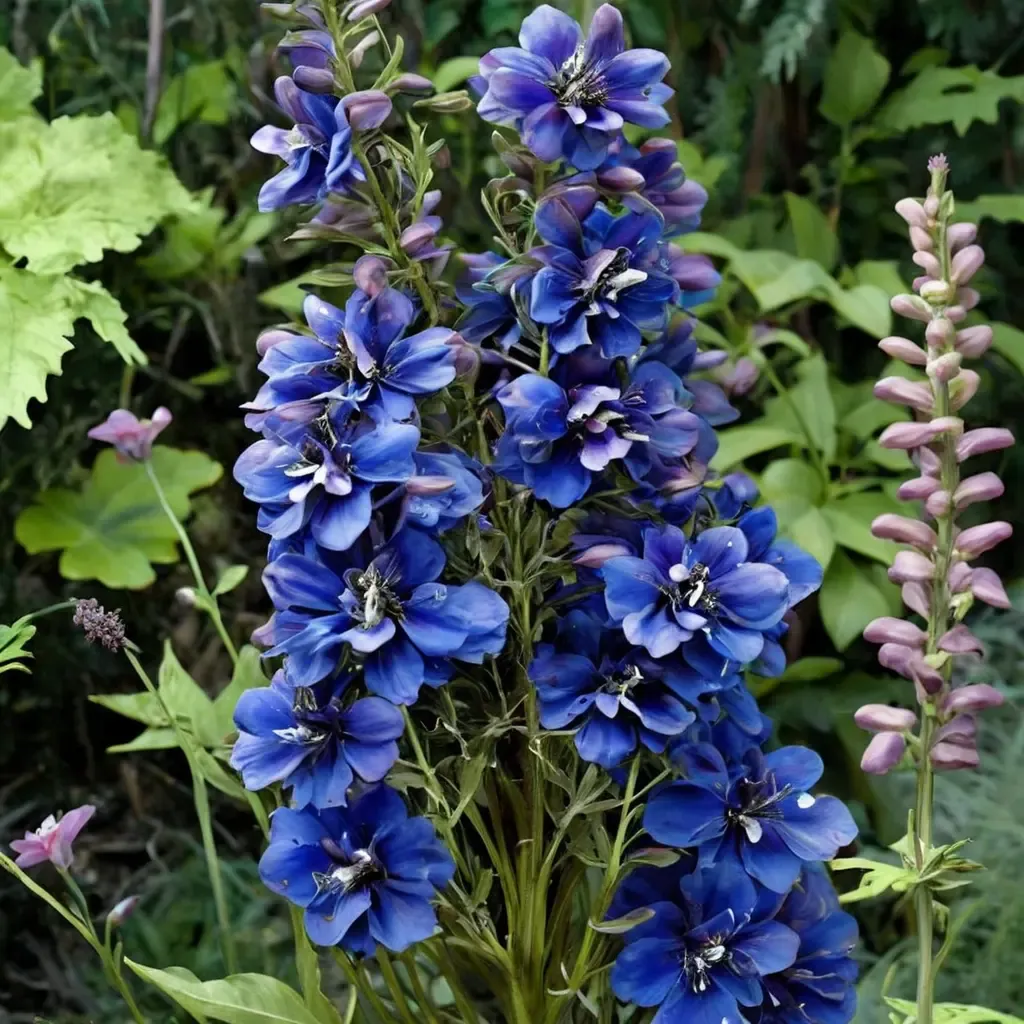
Belladonna Delphinium
Delphinium x belladonna 'Dark Blue Dark Bee'
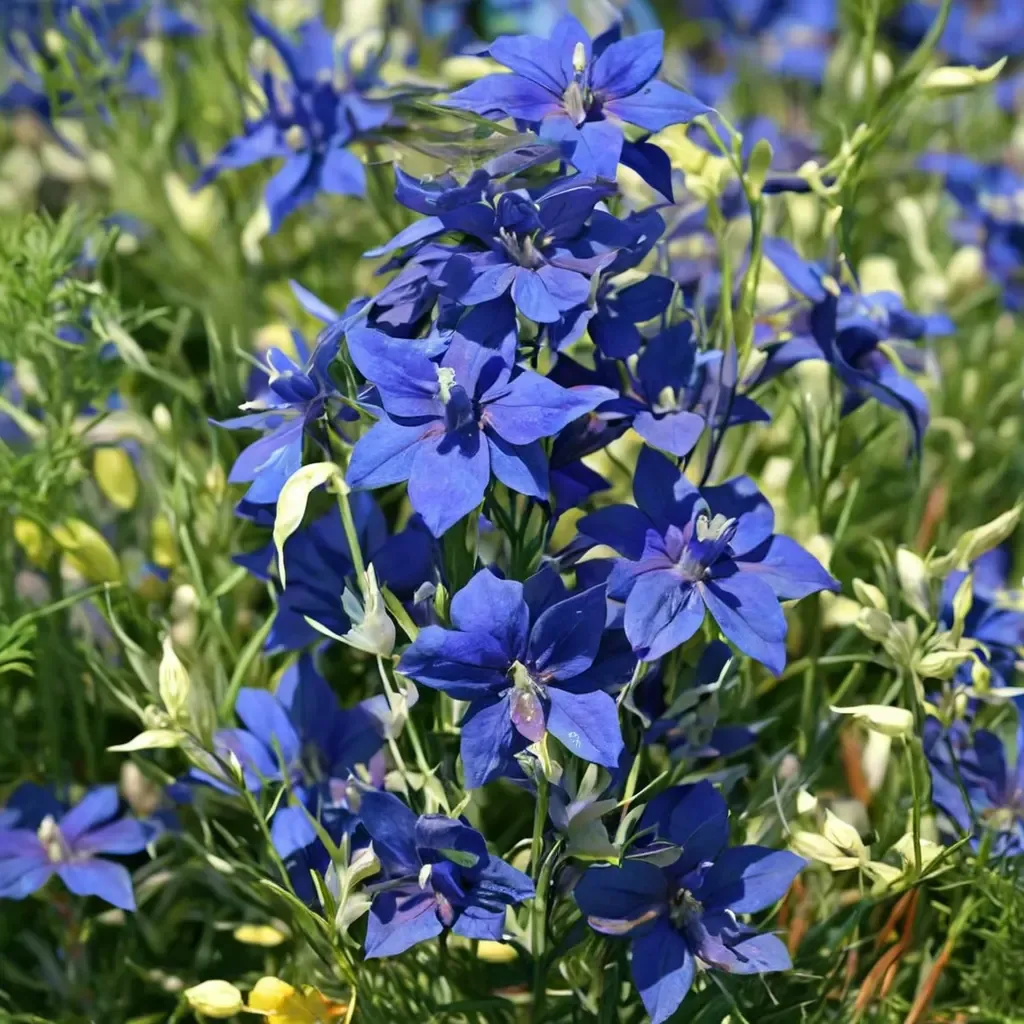
Summer Nights Larkspur
Delphinium elatum 'Summer Nights'
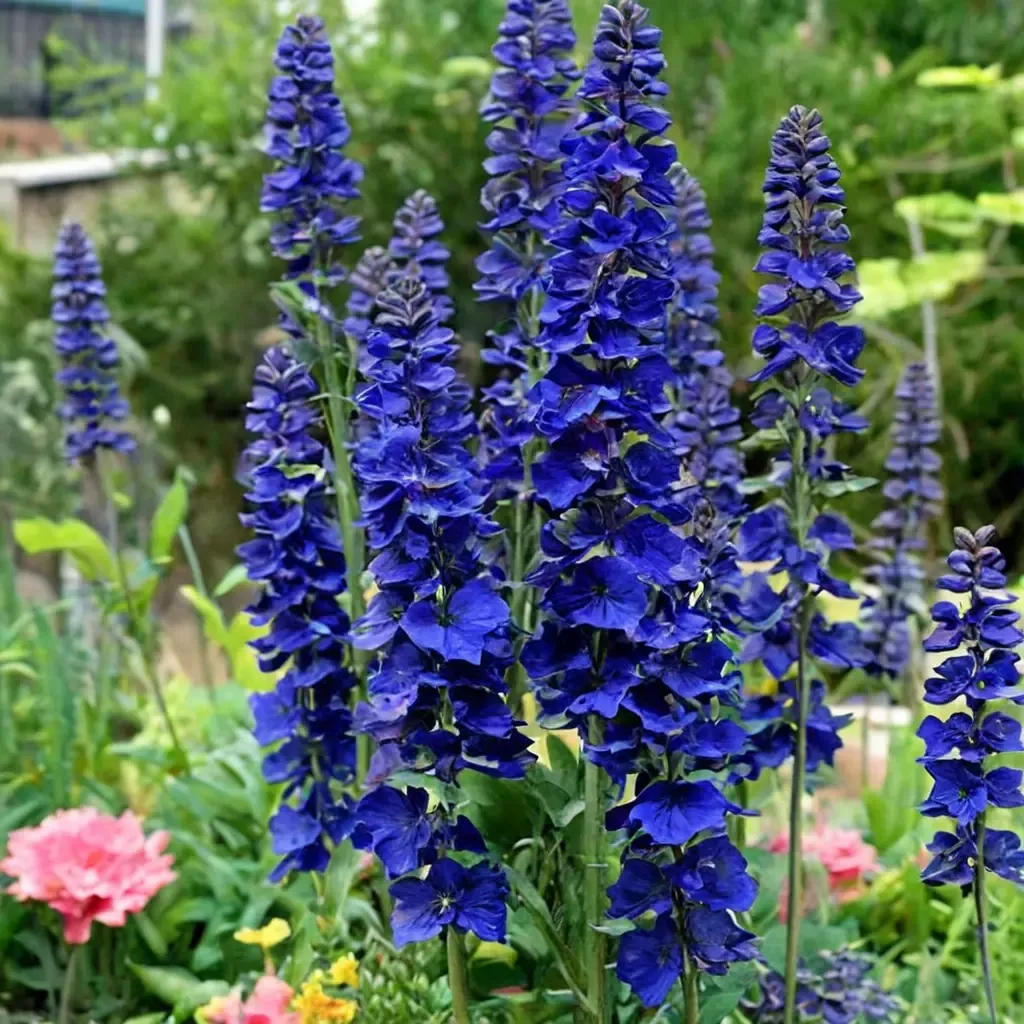
Faust Delphinium
Delphinium elatum 'Faust'
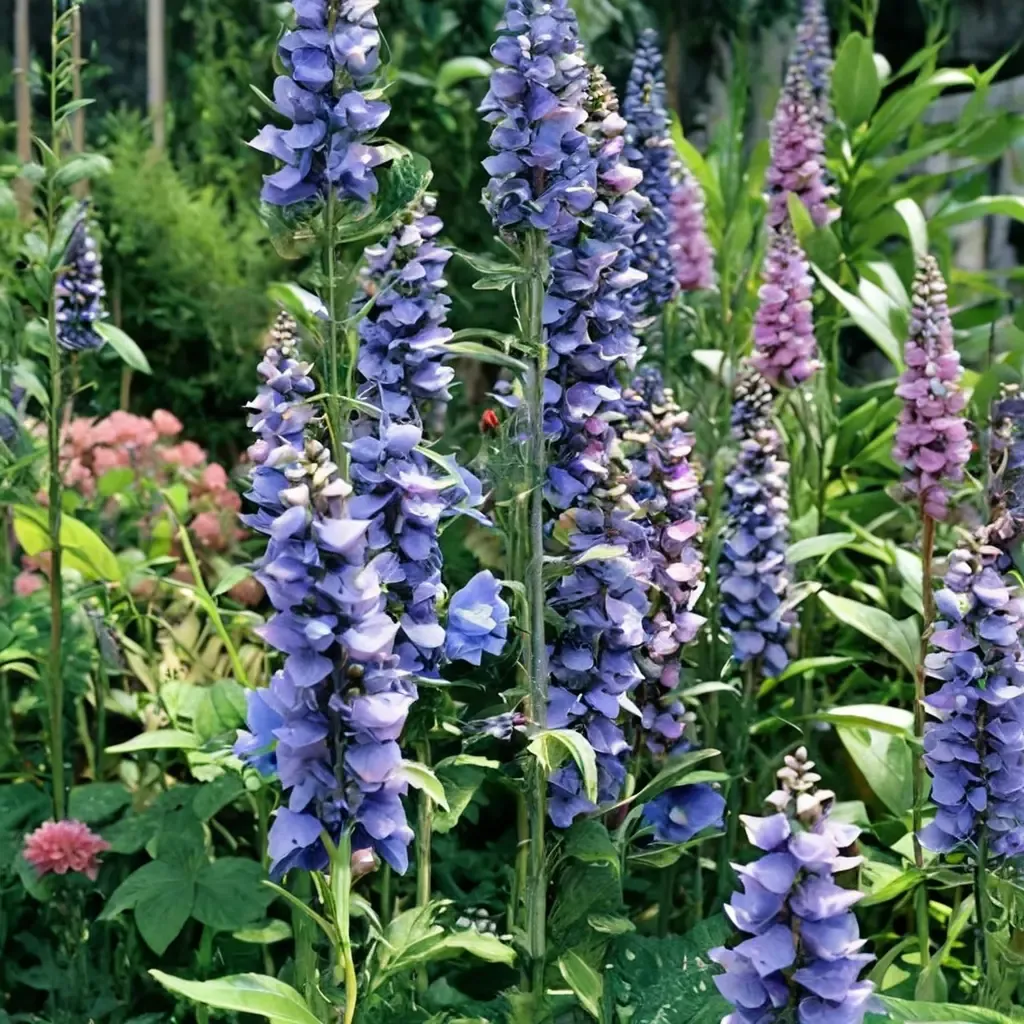
Pacific Giant Delphinium
Delphinium x belladonna 'Pacific Giant'
Keep exploring
Explore the genus
Hardy in your zone?
Grow Columbian Larkspur with confidence
See it in a design of your actual yard, get zone-matched care reminders, and track it season by season in your garden journal.