The Story
Plant Bio
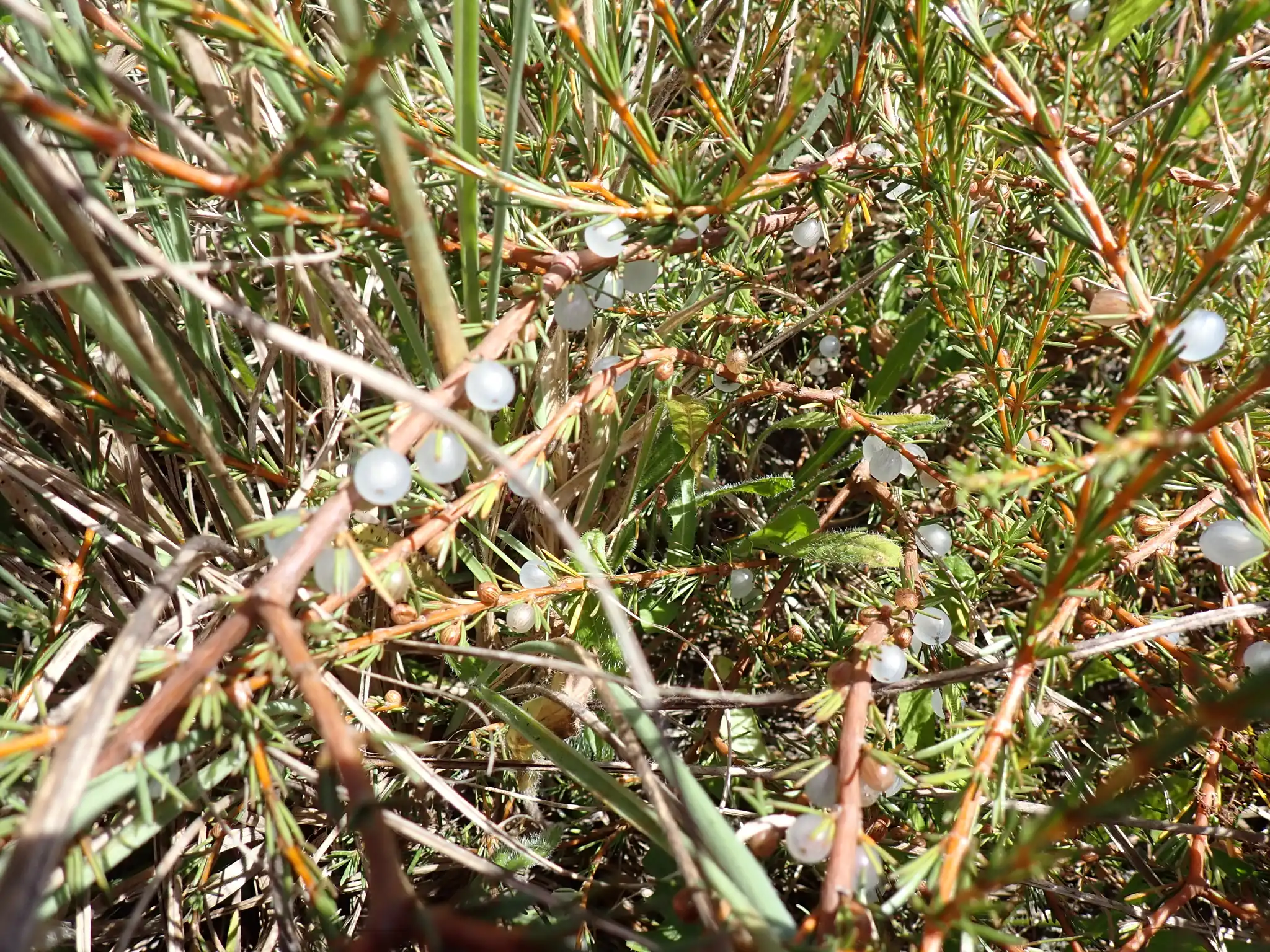
Coprosma acerosa is a dense, low-growing shrub native to New Zealand that forms wide, tangled mats of fine, interlaced branches. Its narrow, leathery leaves shift from yellowish-green to bronze-green as they mature, densely covering wiry, orange-brown stems.
The flexible, divaricating habit provides an exceptional low-profile groundcover that withstands severe coastal exposure and salt spray. Small, inconspicuous wind-pollinated flowers appear in late spring, producing pale translucent berries on female plants when a male pollinator is near.
Uses & Benefits:
Essentials
At a Glance
Plant Type
Groundcover
Height
16"
Width
42"
Light
Full Sun, Partial Sun
Zones
8, 9, 10
Water
Low
Humidity
Adapts well to coastal humidity
Lifespan
Perennial shrub
Native To
New Zealand
Toxicity
Non-toxic
Bloom period
Spring – Summer
In flower about 6 months of the year
Planting
How to Grow
- Select a site in full sun to partial shade with sharply draining, light sandy or gravelly soil.
- Dig a planting hole twice as wide as the root ball and equal to its depth.
- Position the plant so the crown sits level with or slightly above the surrounding grade.
- Water thoroughly at planting, then allow the top few inches of soil to dry out completely between waterings.
Pro Tip
Never trim into old, leafless woody interior stems; old wood lacks dormant buds and will not produce new growth.
Keep It Thriving
Care Guide
Do
- Plant in gritty, coarse soil with sharp drainage.
- Lightly tip-prune active green stems in spring to maintain shape.
- Provide full sun to maximize dense branching and coppery bronze leaf color.
Don't
- Do not plant in heavy clay or waterlogged soils.
- Do not cut hard into bare, leafless interior wood.
- Do not apply heavy doses of fertilizer, which causes weak, leggy growth.
Seasonal Care Calendar
| Task | Jan | Feb | Mar | Apr | May | Jun | Jul | Aug | Sep | Oct | Nov | Dec |
|---|---|---|---|---|---|---|---|---|---|---|---|---|
| Fertilize | ||||||||||||
| Mulch | ||||||||||||
| Pest Check | ||||||||||||
| Prune |
Watch Out For
Pests & Diseases
Common Pests
Common Diseases
In the Garden
Landscape Uses & Companions
Landscape Uses
Multiply
Propagation Methods
Good to Know
Common Questions
Sand Coprosma questions
What zones can Sand Coprosma grow in?
Sand Coprosma is hardy in USDA Zones 8–10: in that range it survives winter in the ground. Colder than Zone 8, grow it in a container you can move to shelter for the winter, or as an annual.
Is Sand Coprosma deer resistant?
Not reliably. Deer may browse Sand Coprosma, especially tender spring growth — plan on repellents or fencing where pressure is high.
When does Sand Coprosma bloom?
Sand Coprosma typically blooms from spring to summer. Exact timing shifts a week or two with your zone — Sow's bloom calendar maps it to your garden.
Does Sand Coprosma need full sun?
Sand Coprosma does best in full sun to part shade. In hot climates, afternoon shade keeps blooms fresher longer.
Is Sand Coprosma drought tolerant?
Yes — once established (usually after the first full season), Sand Coprosma handles dry spells with minimal watering. Water deeply its first year to build the root system that makes that possible.
More Coprosma to compare
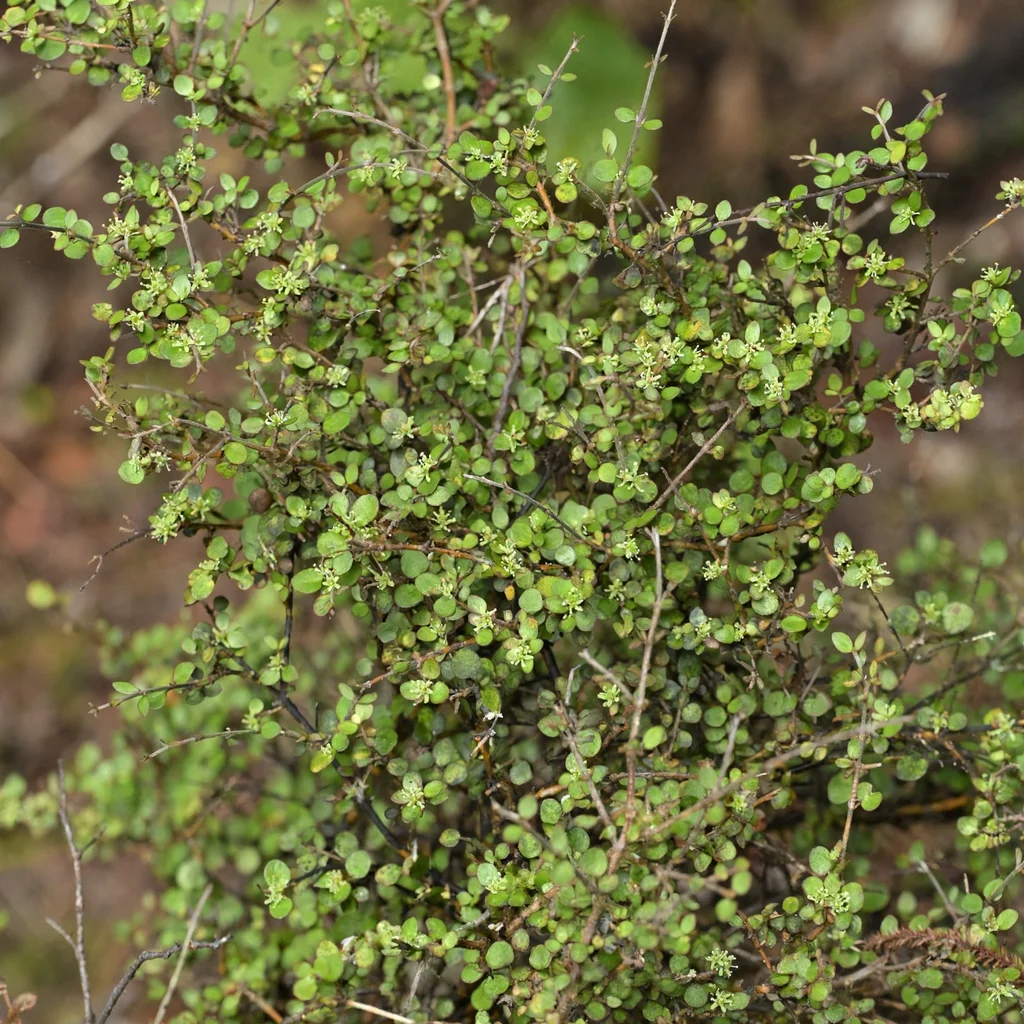
Twiggy Coprosma
Coprosma rhamnoides
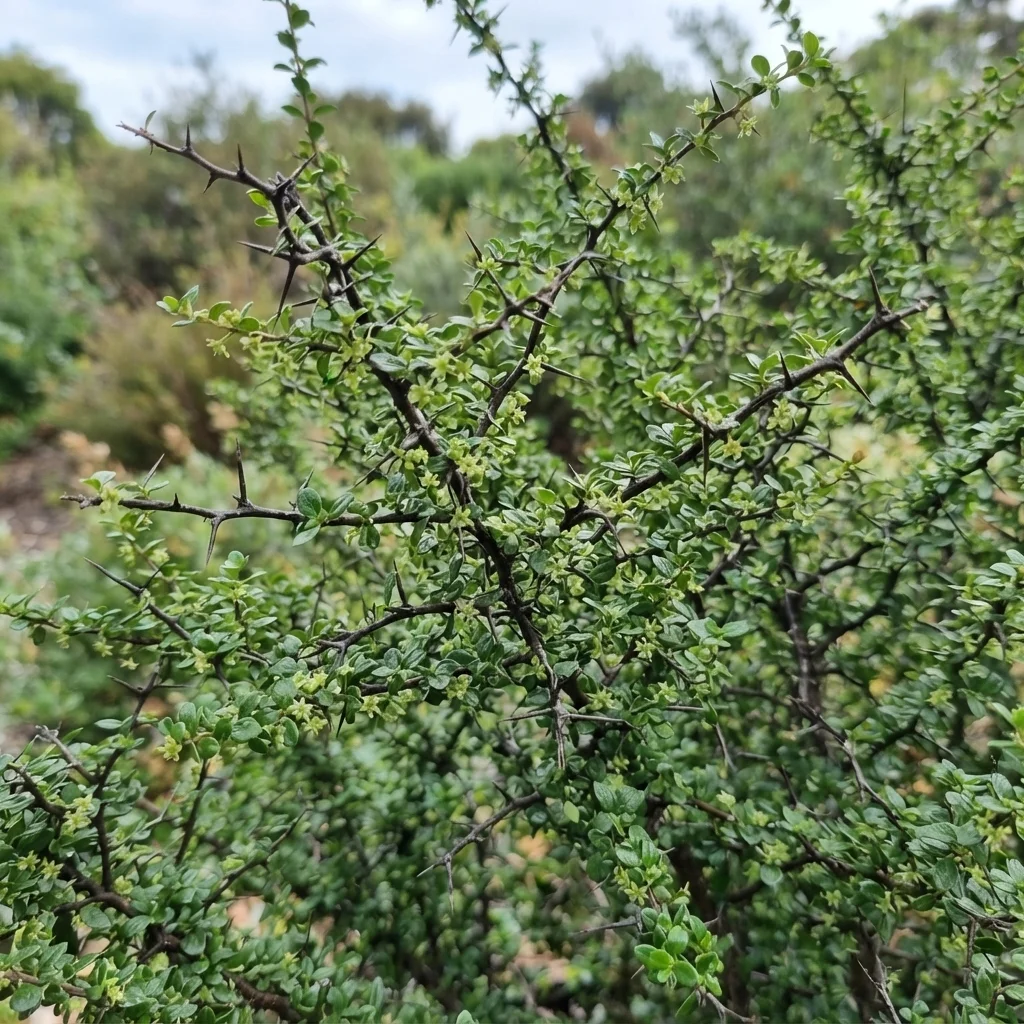
Prickly Currant-bush
Coprosma quadrifida
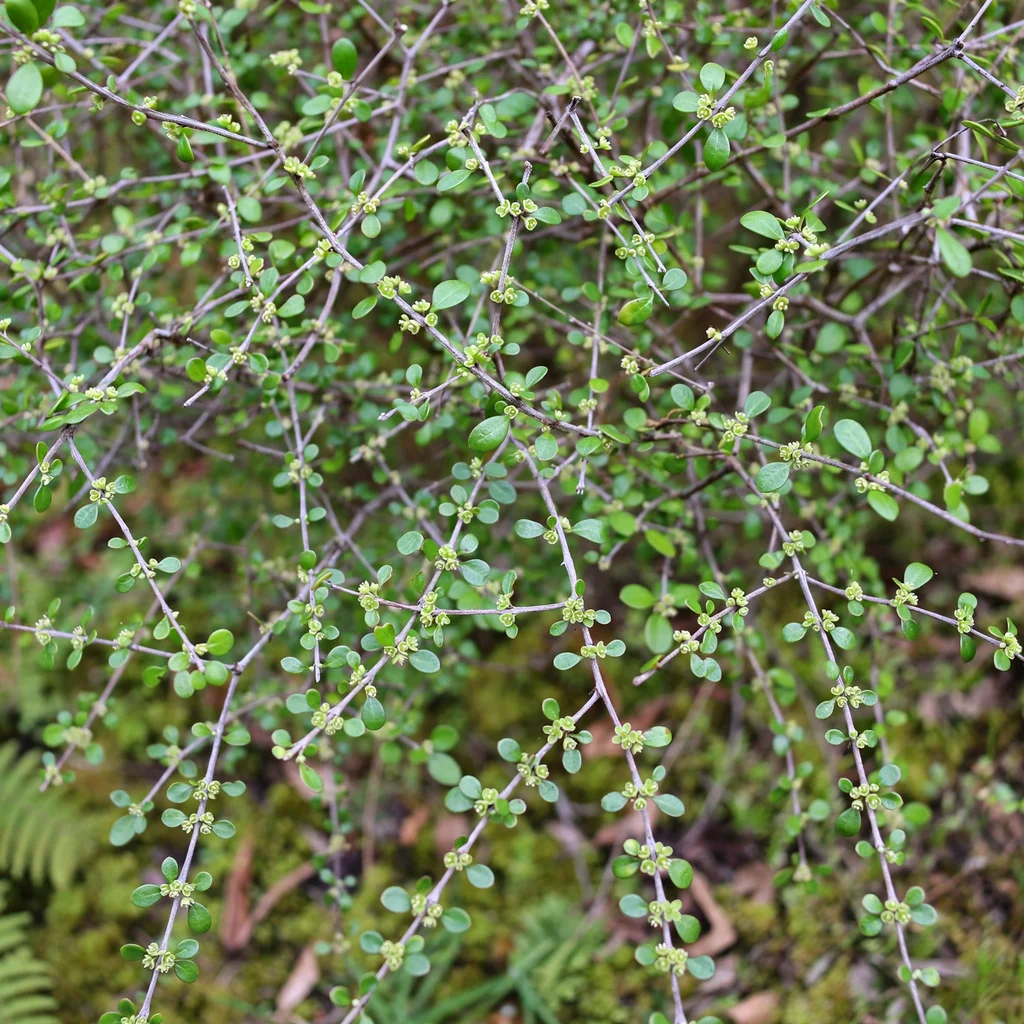
Green Coprosma
Coprosma virescens
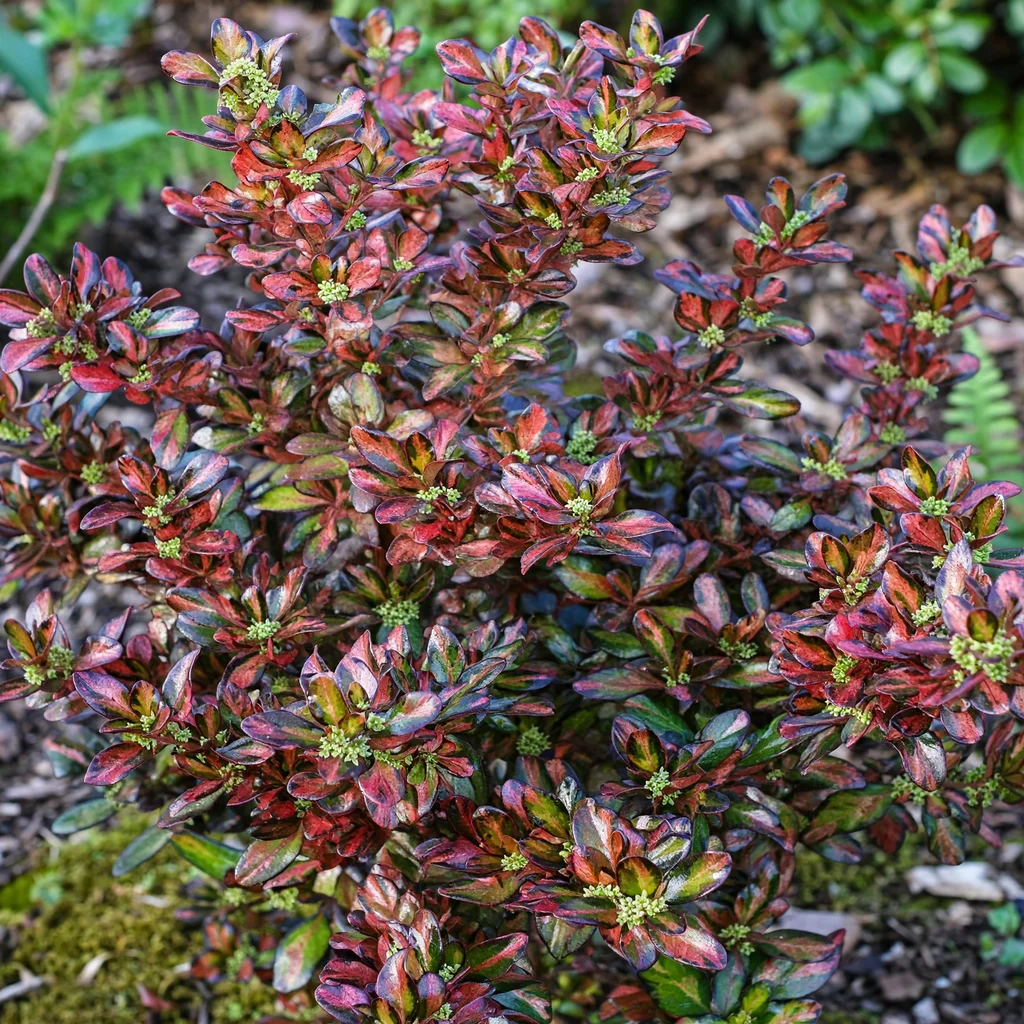
Evening Glow Mirror Plant
Coprosma repens 'Evening Glow'
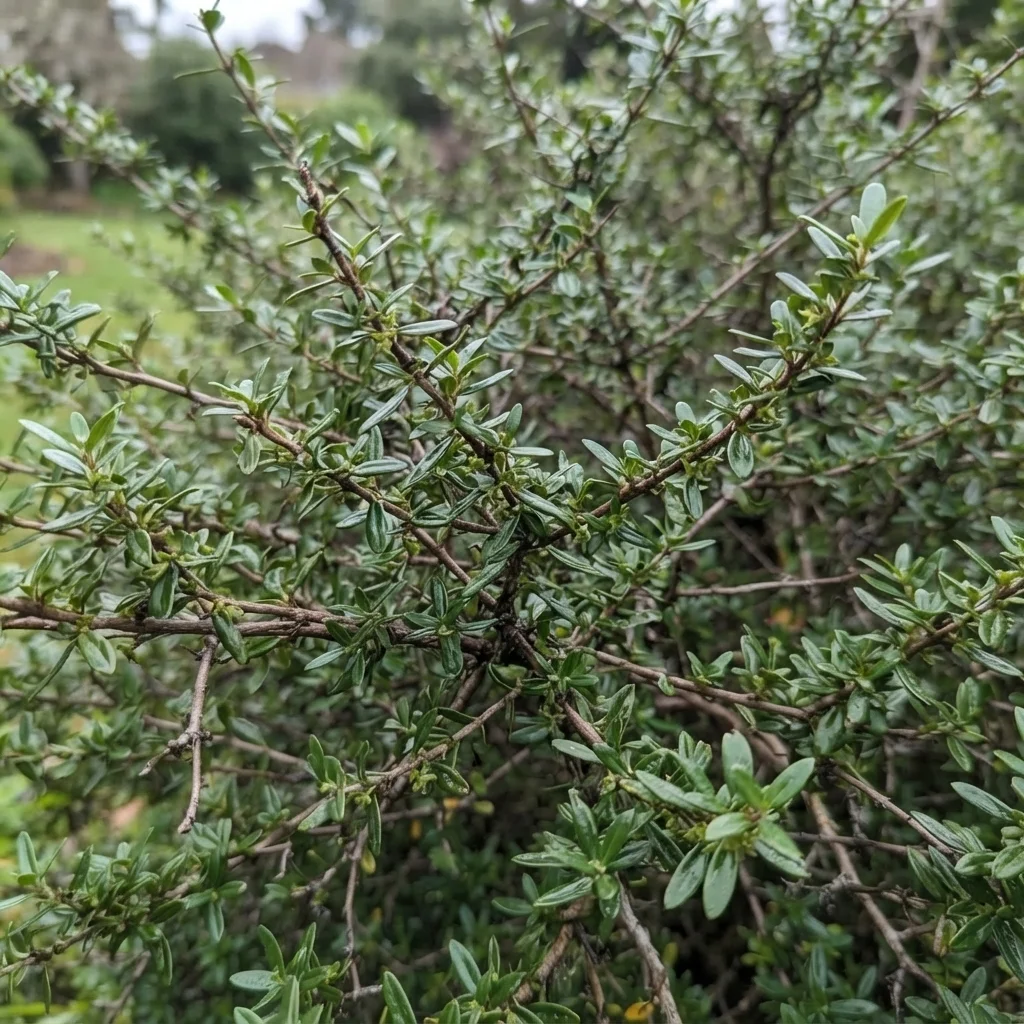
Mingimingi
Coprosma propinqua
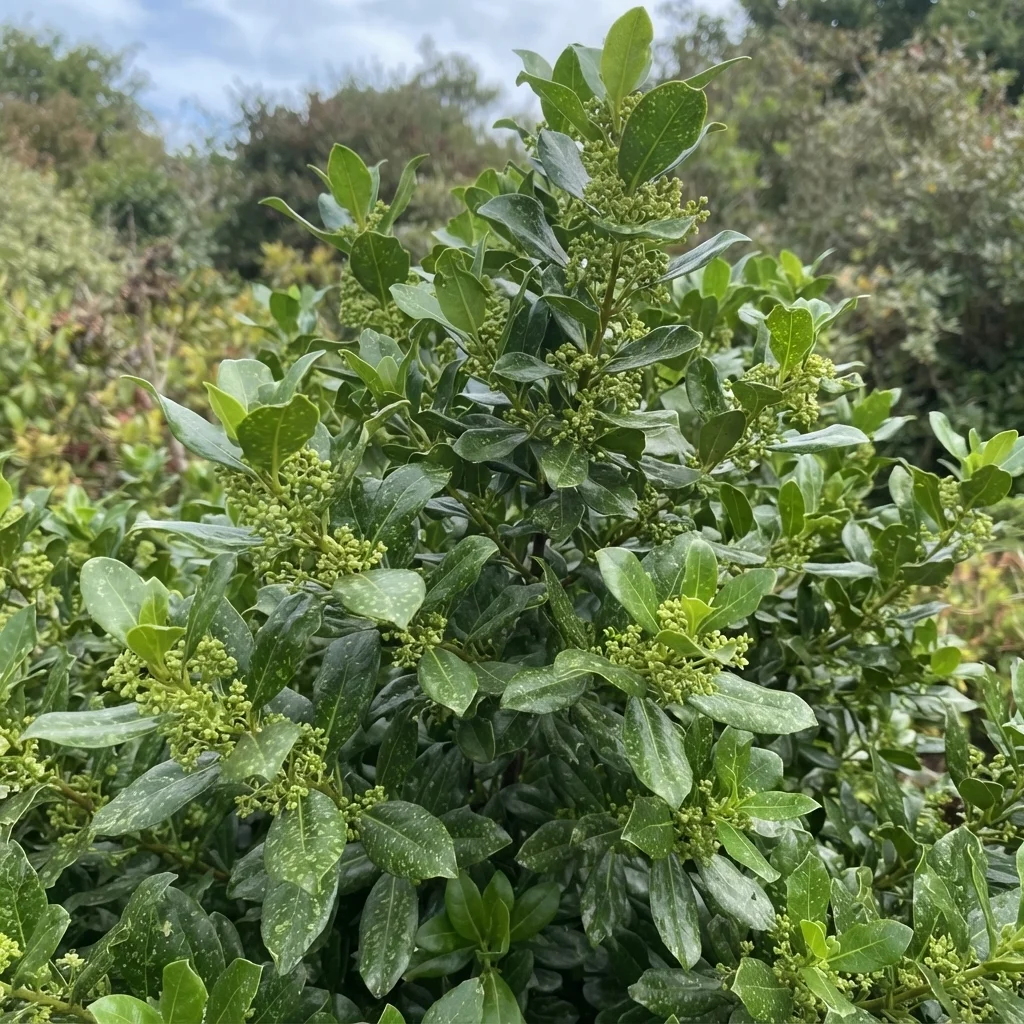
Karamu
Coprosma robusta
Keep exploring
Explore the genus
Hardy in your zone?
Grow Sand Coprosma with confidence
See it in a design of your actual yard, get zone-matched care reminders, and track it season by season in your garden journal.