The Story
Plant Bio
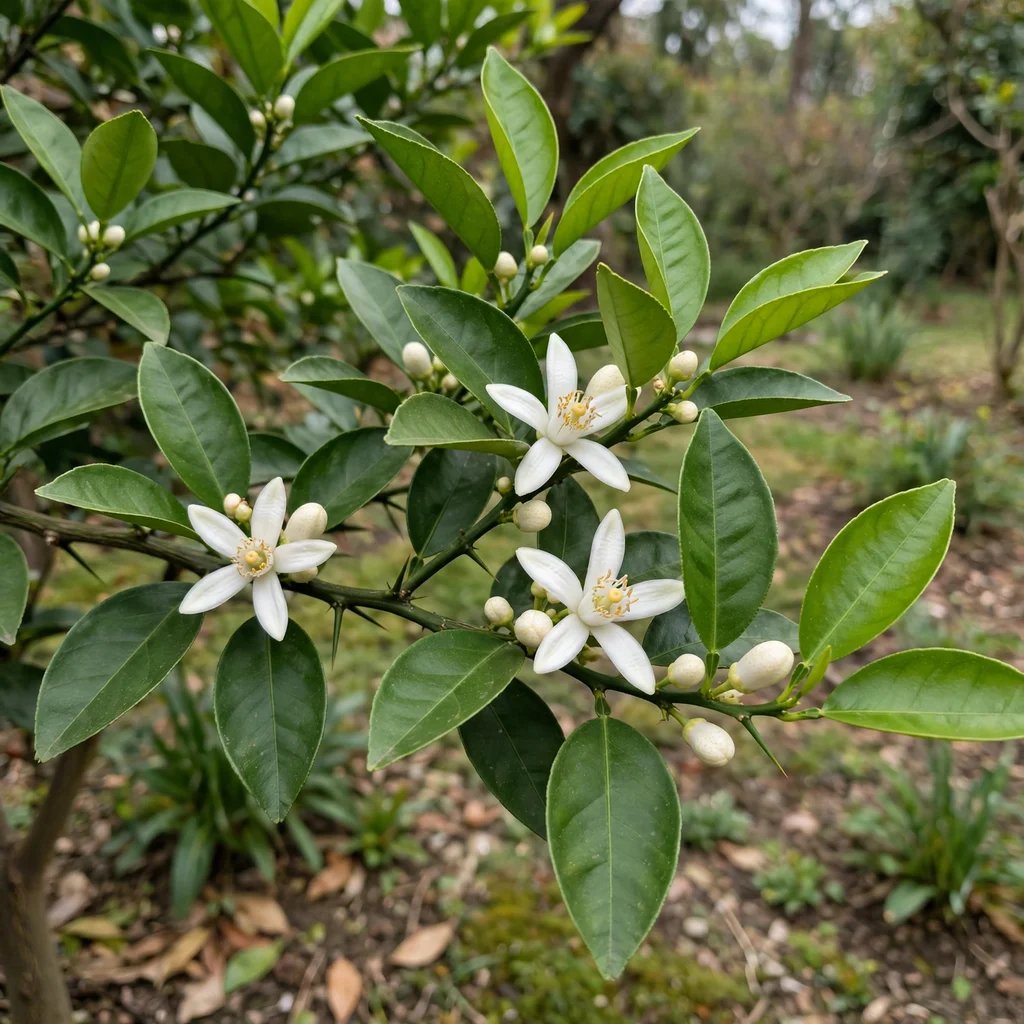
Citrus x unshiu, the satsuma mandarin, is an evergreen spreading shrub or small tree reaching 10 to 15 feet tall and wide, with a more open canopy and thinner young leaves than most citrus. Leaves are dark green and evergreen, and spring flowers are white, borne singly or in short clusters with little viable pollen.
This species is the most cold-tolerant commercial citrus, with mature wood surviving to about 15F once cold-acclimated while fruit is damaged near 30F. Fruit sets parthenocarpically and seedless without pollination, with a normal self-thinning drop in June and harvest in late fall.
Uses & Benefits:
Essentials
At a Glance
Plant Type
Fruit Vegetable
Height
150"
Width
150"
Light
Full Sun
Zones
8, 9, 10
Water
Moderate
Humidity
Moderate
Lifespan
Long-lived tree
Native To
SE China / S Japan
Toxicity
Nontoxic
Bloom period
Spring
In flower about 3 months of the year
Planting
How to Grow
- Plant in full sun in well-drained fertile loam with the graft union 4 to 6 inches above the soil line.
- Water deeply and regularly through the first two seasons; established trees need consistent water and do not tolerate standing water.
- Feed with a citrus fertilizer with micronutrients 3 to 4 times from spring to midsummer.
- Prune minimally to remove dead or crossing wood only; do not cut hard into old wood for shape.
- Protect ripening fruit from frost below about 30F even when the tree itself is hardy to 15F.
Pro Tip
Do not prune for fruit set or pick early for safety; it sets seedless fruit with no pollinator and drops excess fruit in June, but bring the harvest in before frost because fruit injures well above the temperature the wood survives.
Keep It Thriving
Care Guide
Do
- Feed with citrus fertilizer with micronutrients through spring to midsummer
- Water regularly and keep soil well-drained
- Allow the normal June fruit drop to thin the crop
Don't
- Do not plant with the graft union buried
- Do not hard-prune into bare old wood to force shape
- Do not leave mature fruit exposed to frost below 30F
Seasonal Care Calendar
| Task | Jan | Feb | Mar | Apr | May | Jun | Jul | Aug | Sep | Oct | Nov | Dec |
|---|---|---|---|---|---|---|---|---|---|---|---|---|
| Fertilize | ||||||||||||
| Harvest | ||||||||||||
| Pest Check | ||||||||||||
| Plant | ||||||||||||
| Winter Prep |
Watch Out For
Pests & Diseases
Common Pests
Common Diseases
In the Garden
Landscape Uses & Companions
Landscape Uses
Multiply
Propagation Methods
Good to Know
Common Questions
Satsuma Mandarin questions
What zones can Satsuma Mandarin grow in?
Satsuma Mandarin is hardy in USDA Zones 8–10: in that range it survives winter in the ground. Colder than Zone 8, grow it in a container you can move to shelter for the winter, or as an annual.
When does Satsuma Mandarin bloom?
Satsuma Mandarin typically blooms in spring. Exact timing shifts a week or two with your zone — Sow's bloom calendar maps it to your garden.
Does Satsuma Mandarin need full sun?
Satsuma Mandarin does best in full sun (6+ hours).
More Citrus to compare
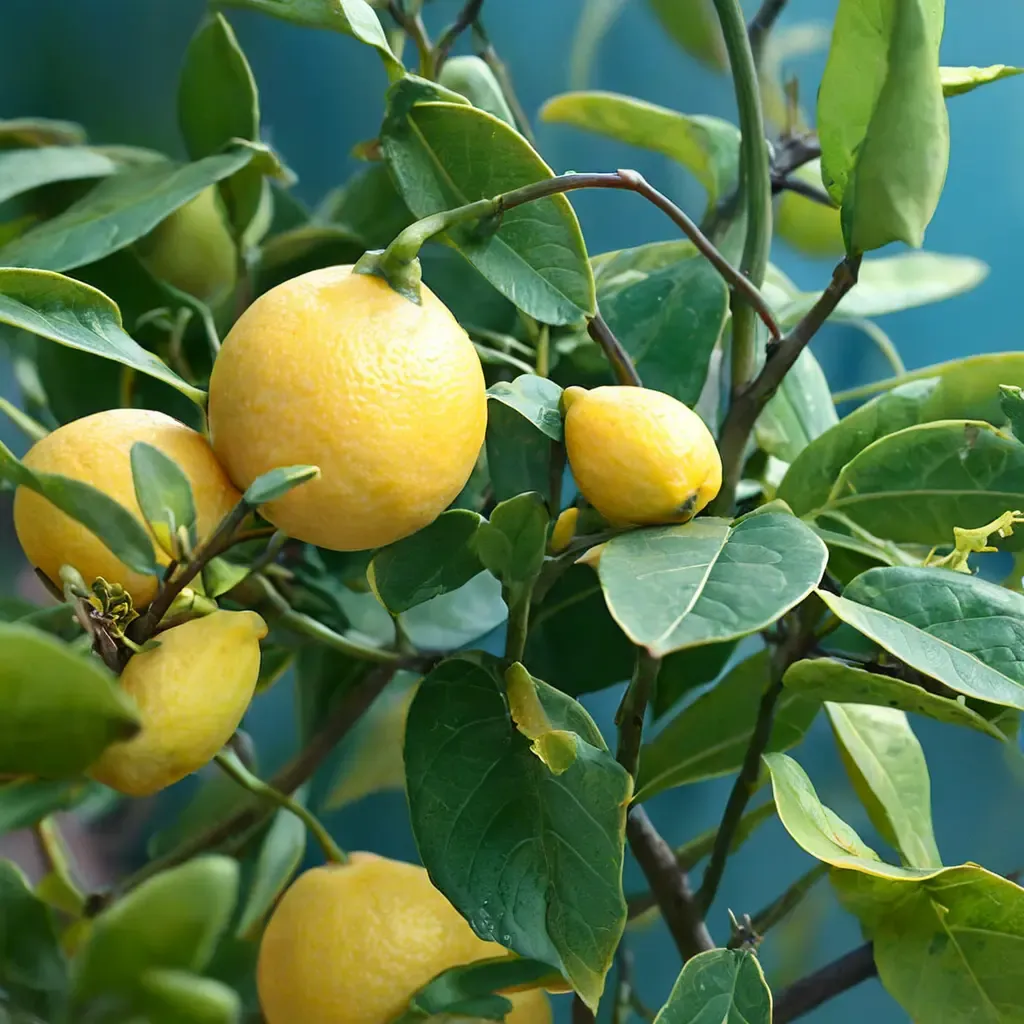
Meyer Lemon
Citrus limon 'Meyer'
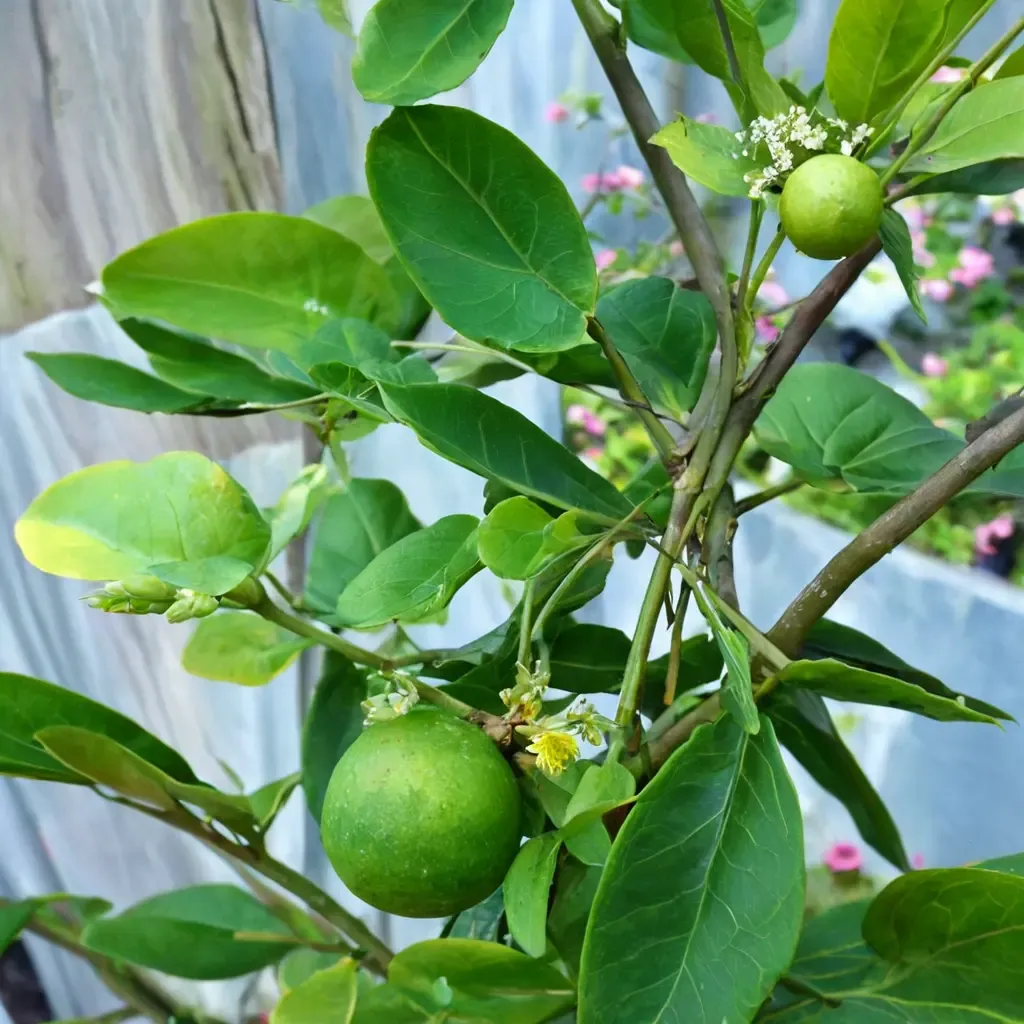
Key Lime
Citrus aurantiifolia
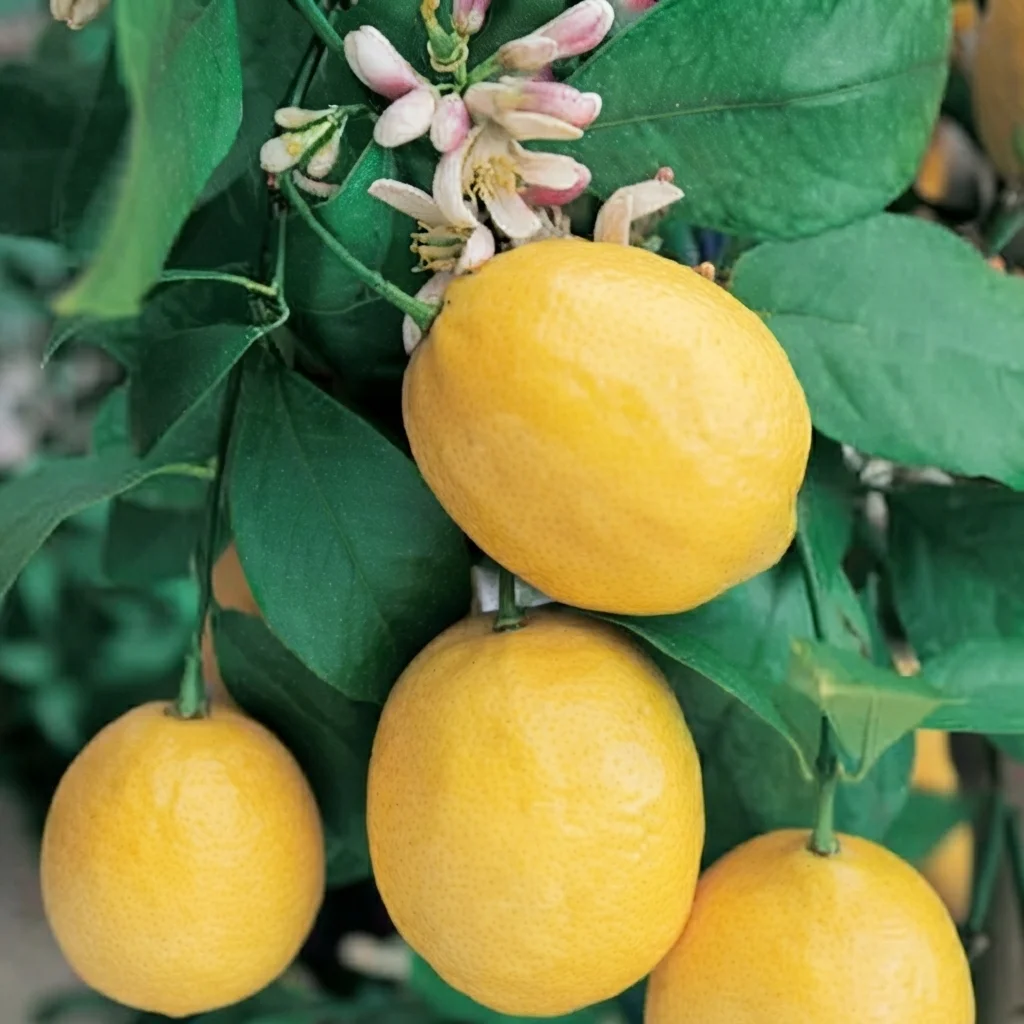
Eureka Lemon
Citrus limon 'Eureka'
Sanguinello Orange
Citrus reticulata 'Sanguinea'
Moro Blood Orange
Citrus sinensis 'Moro'
Calamondin
Citrus mitis
Keep exploring
Explore the genus
Hardy in your zone?
Grow Satsuma Mandarin with confidence
See it in a design of your actual yard, get zone-matched care reminders, and track it season by season in your garden journal.