The Story
Plant Bio
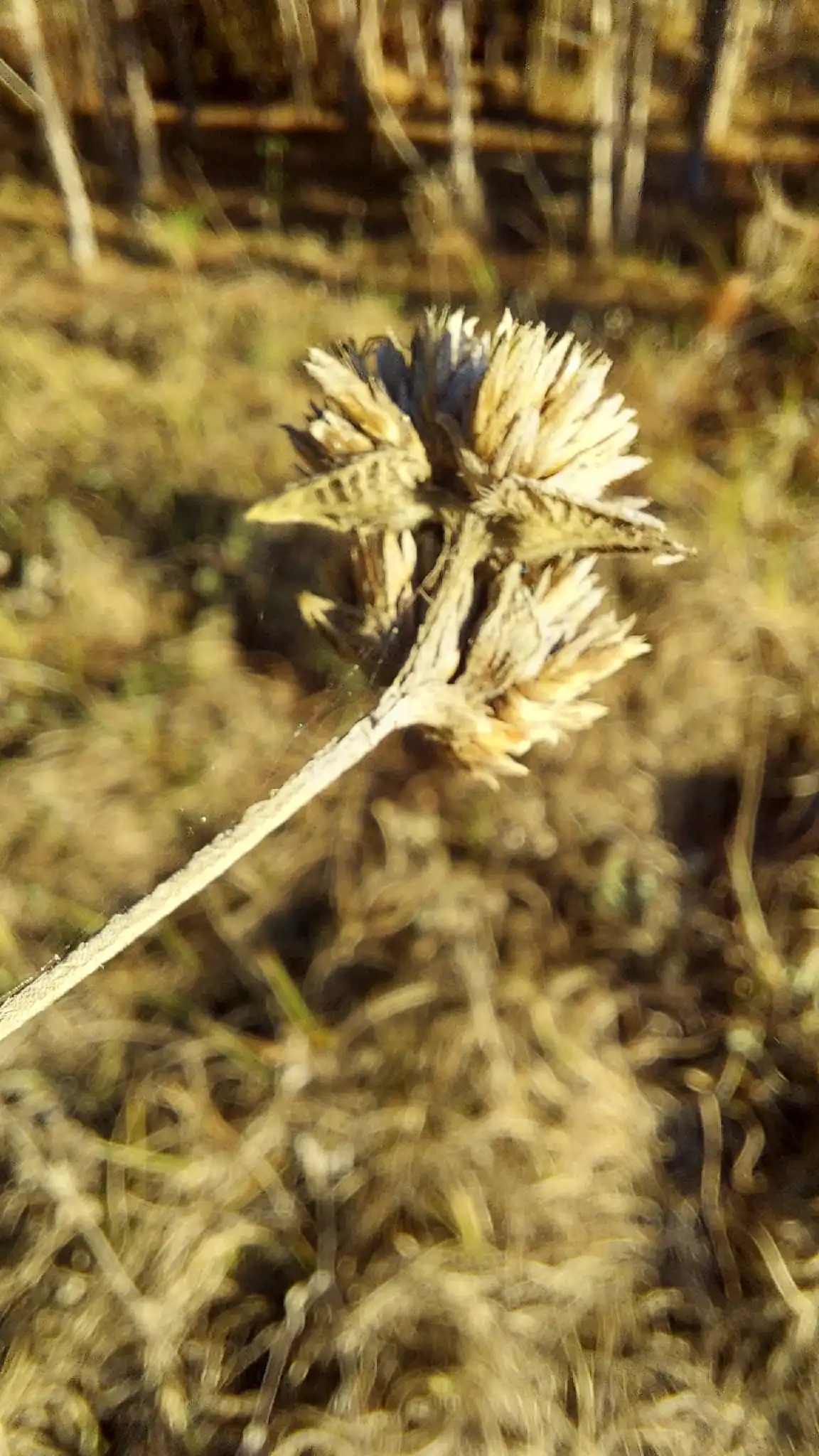
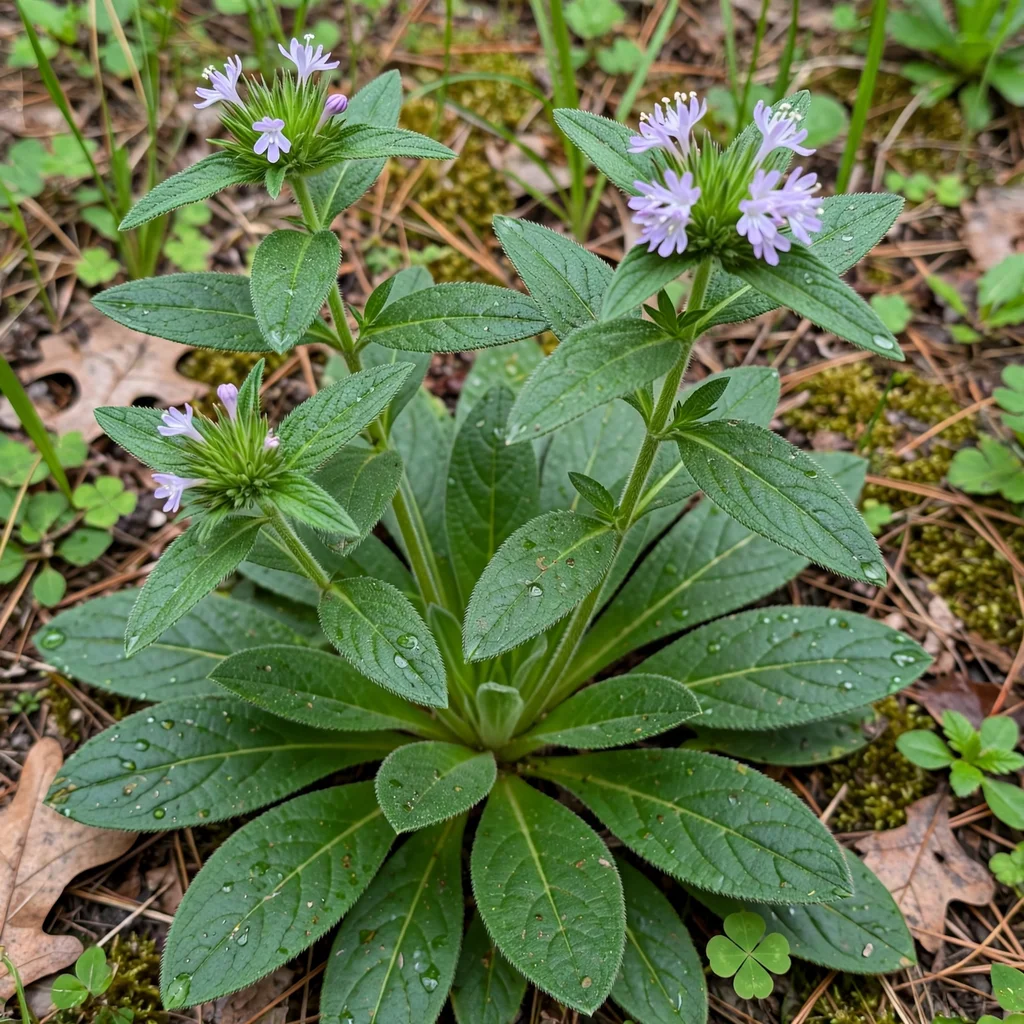
Elephantopus elatus is a perennial aster from the southeastern coastal plain, forming a flat rosette of large gray-hairy basal leaves with erect hairy stems rising two to three feet. The heads bear only lavender to pinkish white disk florets with no rays and set small dry achenes after bloom.
The name refers to the broad basal rosette that sits on the soil like an elephant footprint, not to the flower. Each head is cupped by three hairy leaf-like bracts, and the basal leaves persist through flowering, which separates it from Carolina elephantsfoot that loses them.
Uses & Benefits:
Essentials
At a Glance
Plant Type
Perennial
Height
30"
Width
10"
Light
Full Sun, Partial Sun, Shade
Water
Dry to medium
Humidity
Unknown
Lifespan
Perennial
Native To
Southeastern USA
Toxicity
Possibly toxic if ingested
Bloom period
Summer – Fall
In flower about 6 months of the year
Planting
How to Grow
- Plant rosettes in full sun to light shade in sandy, well-drained soil.
- Water to establish, then water only during extended dry spells.
- Leave the flat basal leaves exposed to light; do not bury or mulch over the crown.
- Allow seed heads to ripen for self-sowing in meadow plantings.
Pro Tip
Keep mulch and neighboring groundcovers pulled back from the flat basal rosette so the crown stays dry and sunlit.
Keep It Thriving
Care Guide
Do
- Plant in sandy soil with sharp drainage.
- Leave the basal rosette exposed to sun.
- Let seed mature if you want a naturalized patch.
Don't
- Do not bury the crown under deep mulch.
- Do not fertilize heavily to force taller stems.
- Do not ingest leaves or stems.
Seasonal Care Calendar
| Task | Jan | Feb | Mar | Apr | May | Jun | Jul | Aug | Sep | Oct | Nov | Dec |
|---|---|---|---|---|---|---|---|---|---|---|---|---|
| Deadhead | ||||||||||||
| Mulch | ||||||||||||
| Plant | ||||||||||||
| Propagate |
Watch Out For
Pests & Diseases
Common Pests
Common Diseases
In the Garden
Landscape Uses & Companions
Landscape Uses
Multiply
Propagation Methods
Good to Know
Common Questions
Tall Elephantsfoot questions
When does Tall Elephantsfoot bloom?
Tall Elephantsfoot typically blooms from summer to fall. Exact timing shifts a week or two with your zone — Sow's bloom calendar maps it to your garden.
Does Tall Elephantsfoot need full sun?
Tall Elephantsfoot does best in full sun to part shade. In hot climates, afternoon shade keeps blooms fresher longer.
Is Tall Elephantsfoot drought tolerant?
Yes — once established (usually after the first full season), Tall Elephantsfoot handles dry spells with minimal watering. Water deeply its first year to build the root system that makes that possible.
More Elephantopus to compare
Keep exploring
Explore the genus
Grow Tall Elephantsfoot with confidence
See it in a design of your actual yard, get zone-matched care reminders, and track it season by season in your garden journal.