The Story
Plant Bio
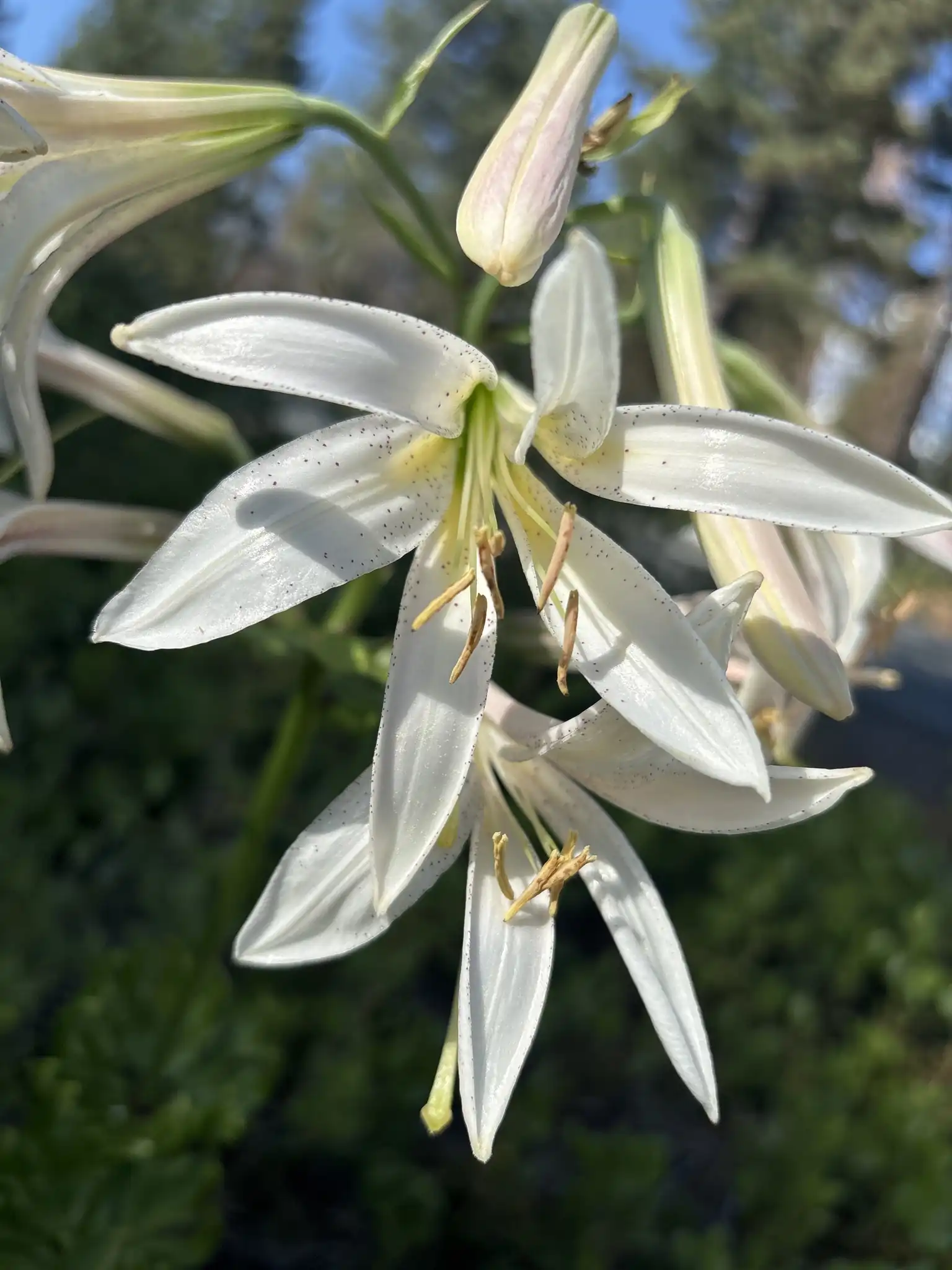
Lilium washingtonianum, commonly called the Washington lily, is an upright bulbous native to open coniferous forests and dry mountain slopes across the Cascades and Sierra Nevada. Tall, sturdy unbranched stems bear whorled narrow leaves topped by a terminal raceme of up to twenty-five intensely sweet-scented trumpet flowers.
The large flowers open pristine white with delicate maroon speckles before shifting to pinkish-purple and soft yellow as they age over summer. Named in honor of Martha Washington, this species relies on a strict summer-dry dormancy and requires shaded root zones paired with full sun on its upper foliage.
Uses & Benefits:
Essentials
At a Glance
Plant Type
Bulb Corm Tuber
Height
79"
Width
24"
Light
Full Sun, Partial Sun
Zones
6, 7, 8, 9
Water
Low to Moderate
Humidity
Low to Moderate
Lifespan
Perennial
Native To
Western United States
Toxicity
Toxic to cats
Bloom period
Summer
In flower about 3 months of the year
Planting
How to Grow
- Select a site in full sun or partial shade where low perennials or rocks provide deep shade over the soil root zone.
- Plant bulbs 6 to 8 inches deep in rich, gritty, sharply draining soil mixed with organic matter.
- Water regularly during active spring growth, then reduce moisture sharply after summer flowering to match its natural dry dormancy.
- Cut spent stalks down flush with the soil in late fall only after the foliage has died back fully.
Pro Tip
Never prune green stalks post-bloom; cut stems back to ground level only after foliage has yellowed and completely dried in fall to ensure bulbs store enough energy for next season.
Keep It Thriving
Care Guide
Do
- Ensure total soil drainage to prevent fungal bulb rot
- Shade the lower base and roots with stones, mulch, or low groundcovers
- Allow stems to yellow naturally before cutting them down in fall
Don't
- Do not overwater during late summer when bulbs enter dormancy
- Do not prune green foliage immediately after flowers fade
- Do not disturb established roots once planted
Seasonal Care Calendar
| Task | Jan | Feb | Mar | Apr | May | Jun | Jul | Aug | Sep | Oct | Nov | Dec |
|---|---|---|---|---|---|---|---|---|---|---|---|---|
| Deadhead | ||||||||||||
| Fertilize | ||||||||||||
| Pest Check | ||||||||||||
| Prune |
Watch Out For
Pests & Diseases
Common Pests
Common Diseases
In the Garden
Landscape Uses & Companions
Landscape Uses
Companion Plants
Multiply
Propagation Methods
Good to Know
Common Questions
Washington Lily questions
What zones can Washington Lily grow in?
Washington Lily is hardy in USDA Zones 6–9: in that range it survives winter in the ground. Colder than Zone 6, grow it in a container you can move to shelter for the winter, or as an annual. Warmer than Zone 9, winter isn't the problem: it prefers colder winters, and summer heat can shorten its life.
Is Washington Lily deer resistant?
Not reliably. Deer may browse Washington Lily, especially tender spring growth — plan on repellents or fencing where pressure is high.
When does Washington Lily bloom?
Washington Lily typically blooms in summer. Exact timing shifts a week or two with your zone — Sow's bloom calendar maps it to your garden.
Does Washington Lily need full sun?
Washington Lily does best in full sun to part shade. In hot climates, afternoon shade keeps blooms fresher longer.
Is Washington Lily drought tolerant?
Yes — once established (usually after the first full season), Washington Lily handles dry spells with minimal watering. Water deeply its first year to build the root system that makes that possible.
More Lilium to compare
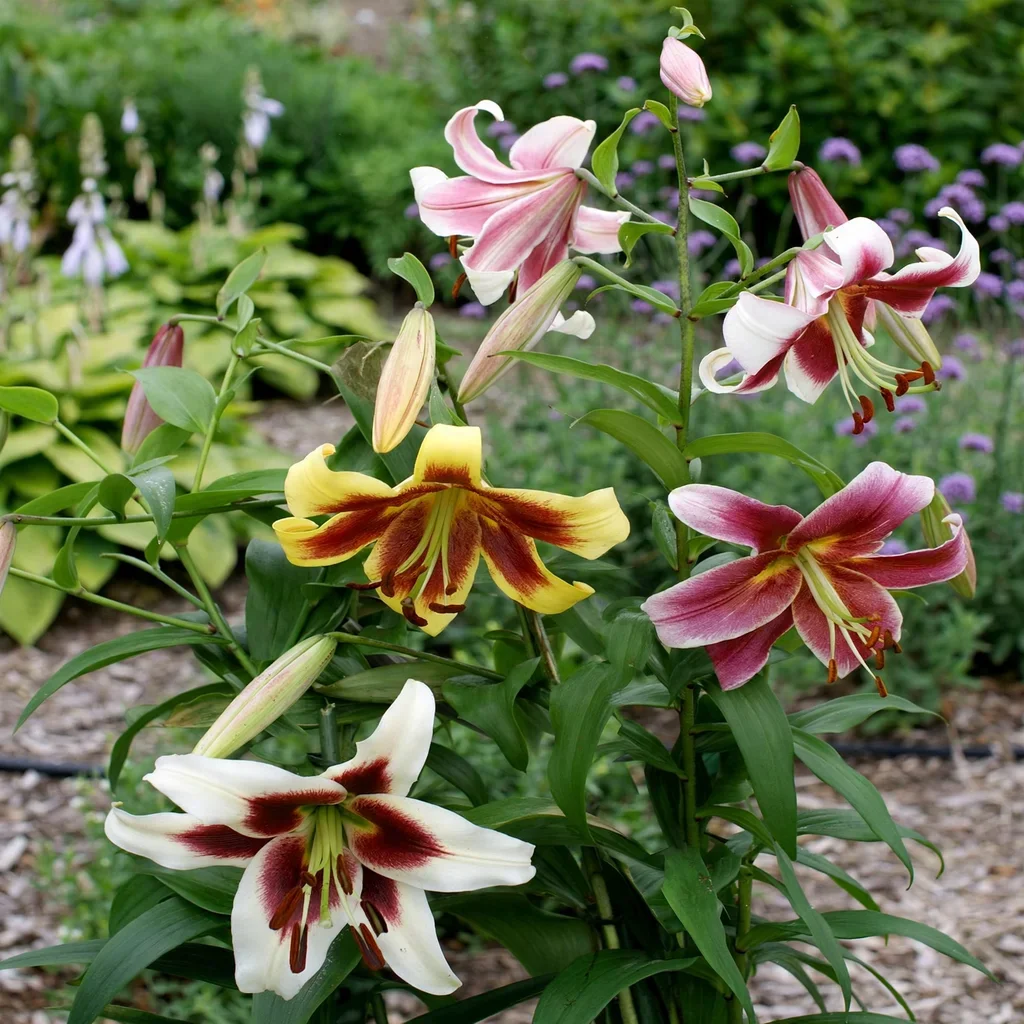
Tree Lily
Lilium x hybrida 'Tree Mix'
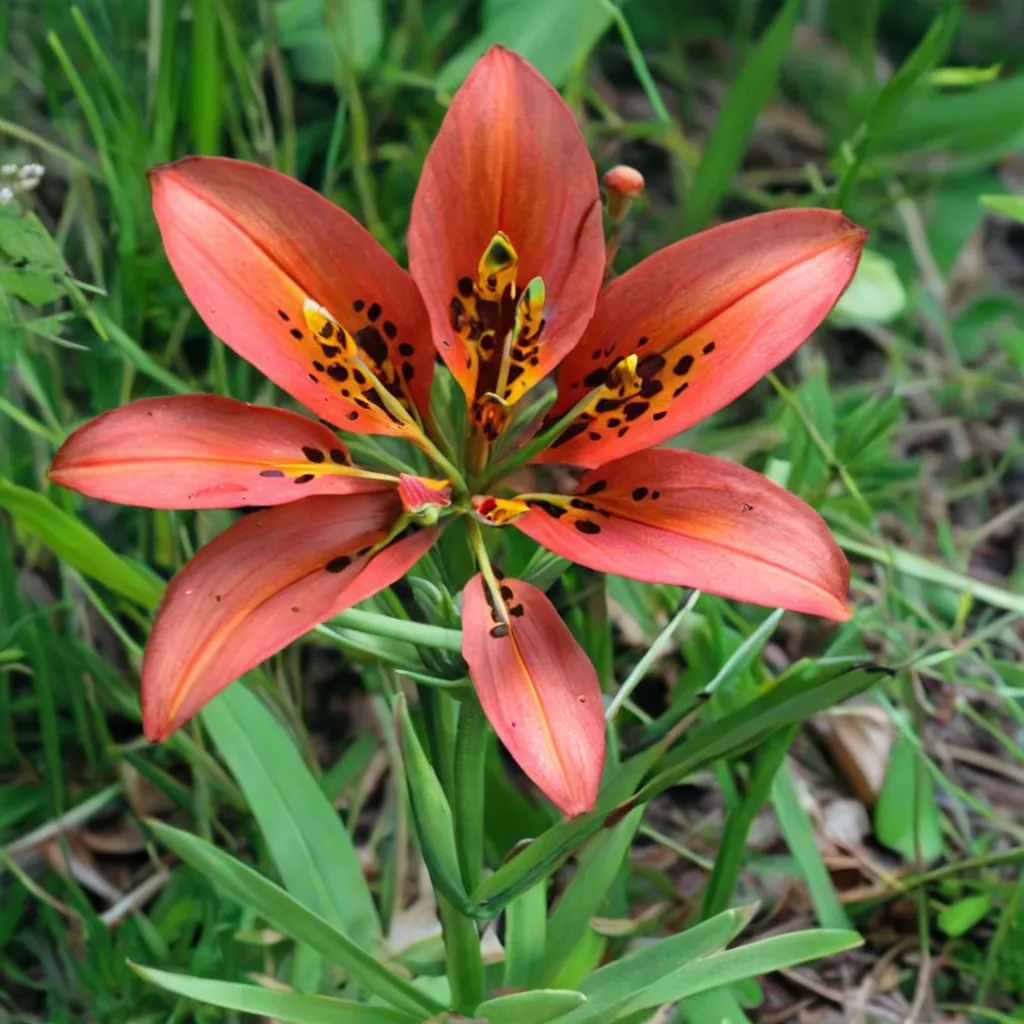
Wood Lily
Lilium philadelphicum
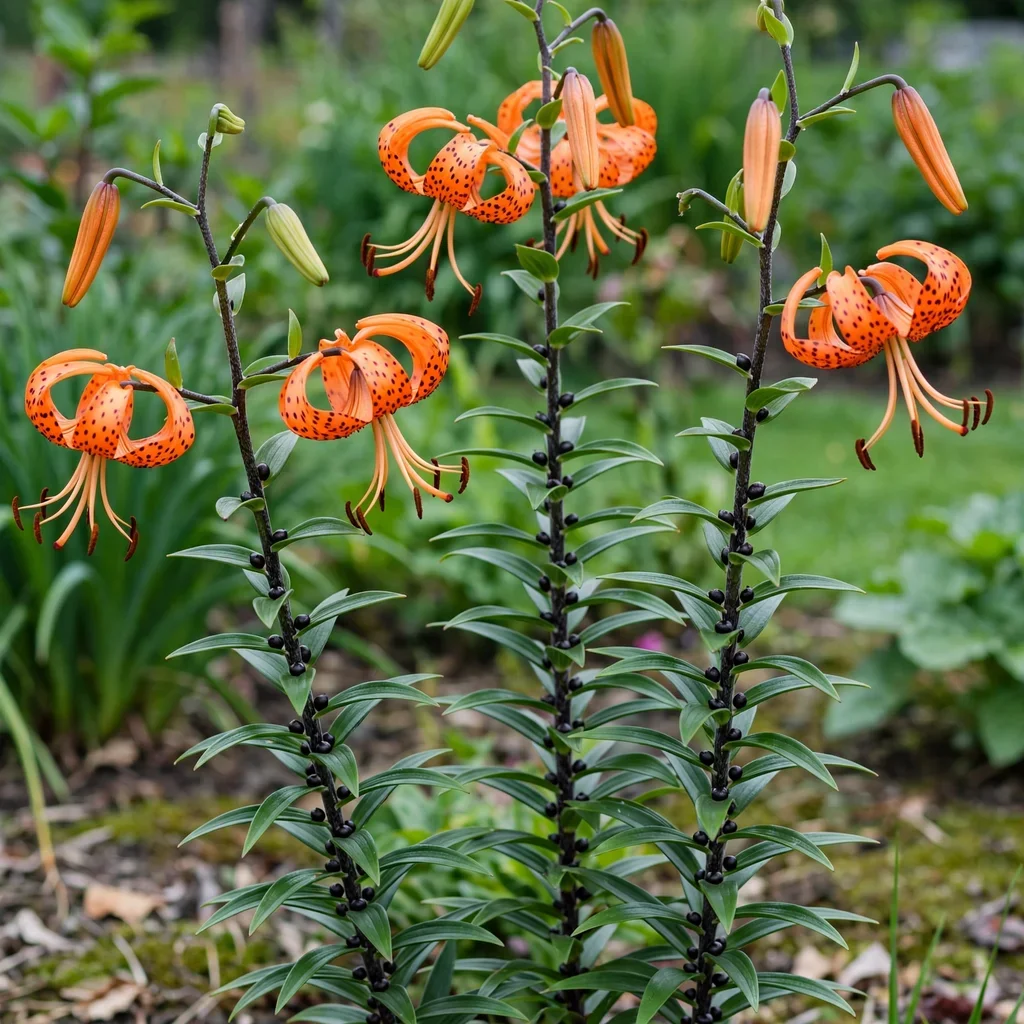
Tiger Lily
Lilium lancifolium
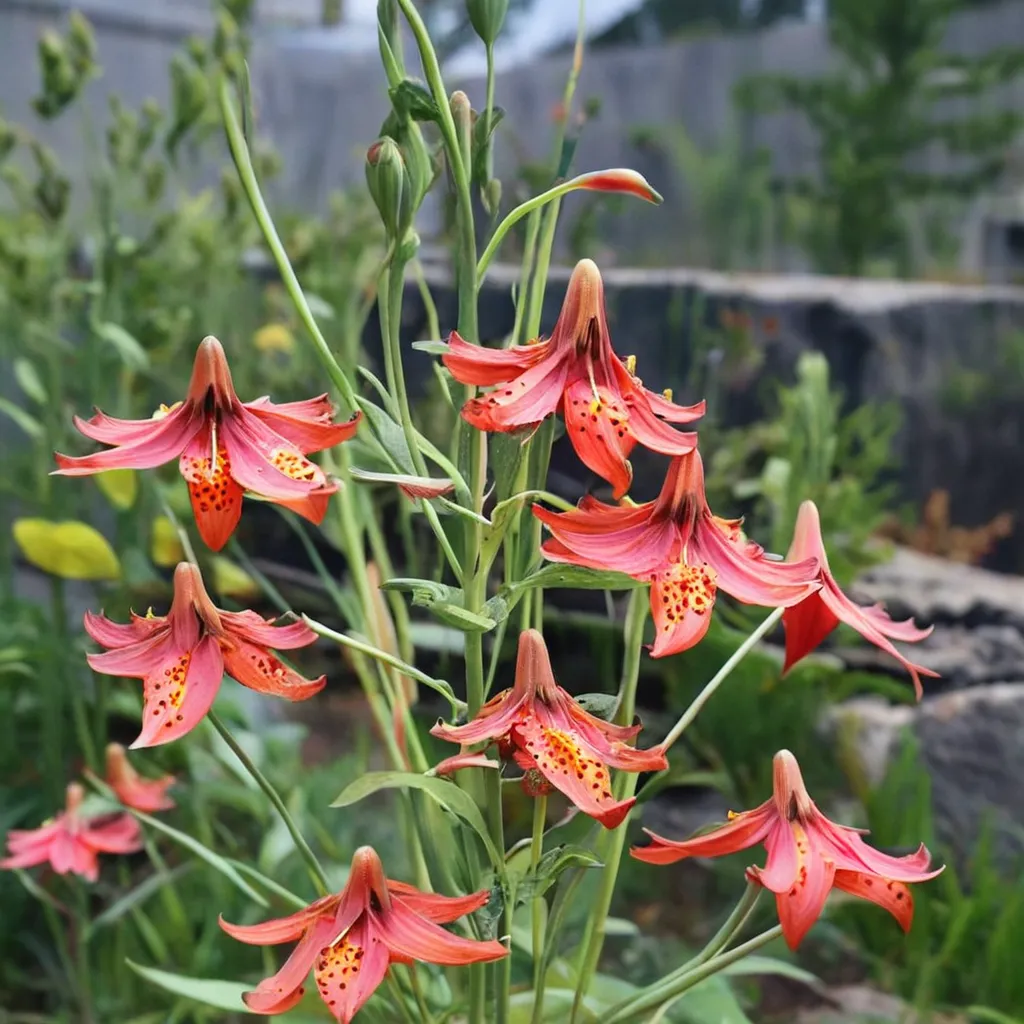
Canada Lily 'Reverend Walker'
Lilium canadense 'Reverend Walker'
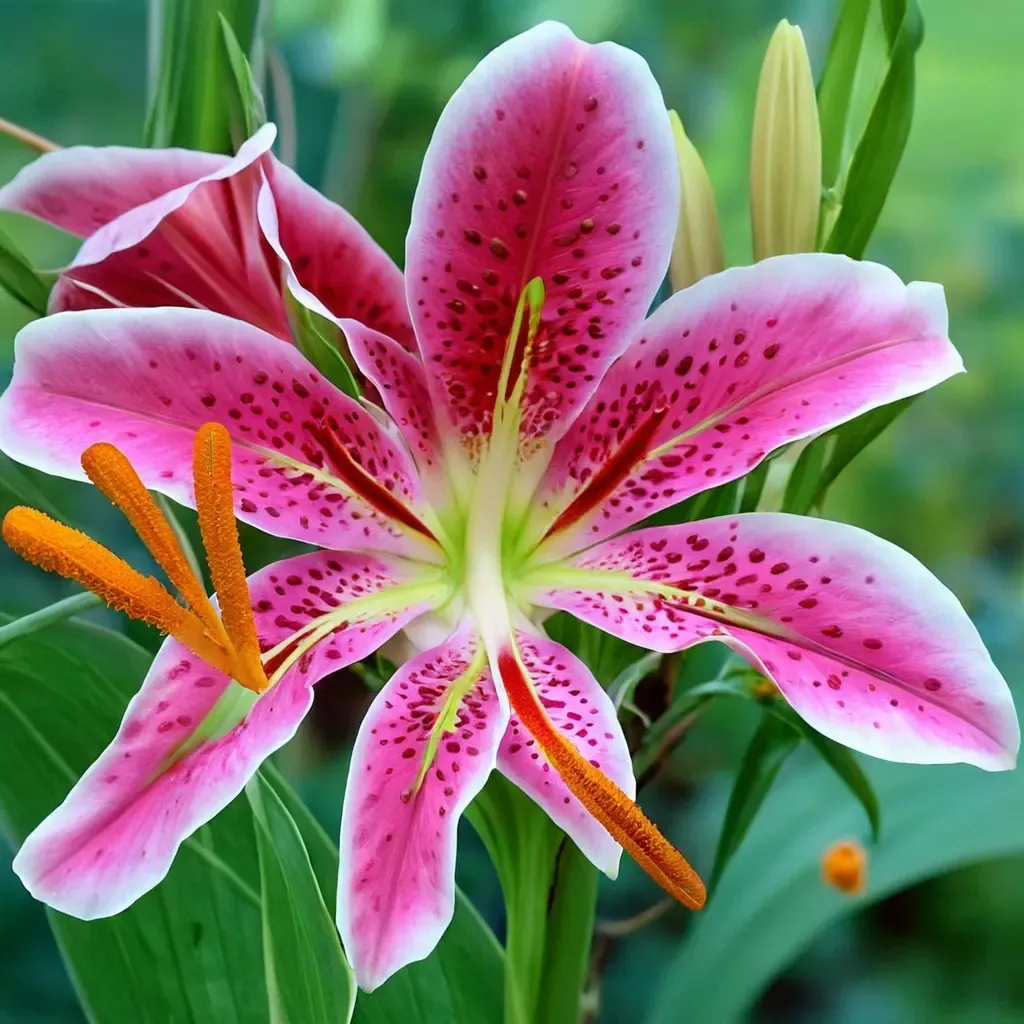
Stargazer Lily
Lilium lancifolium 'Stargazer'
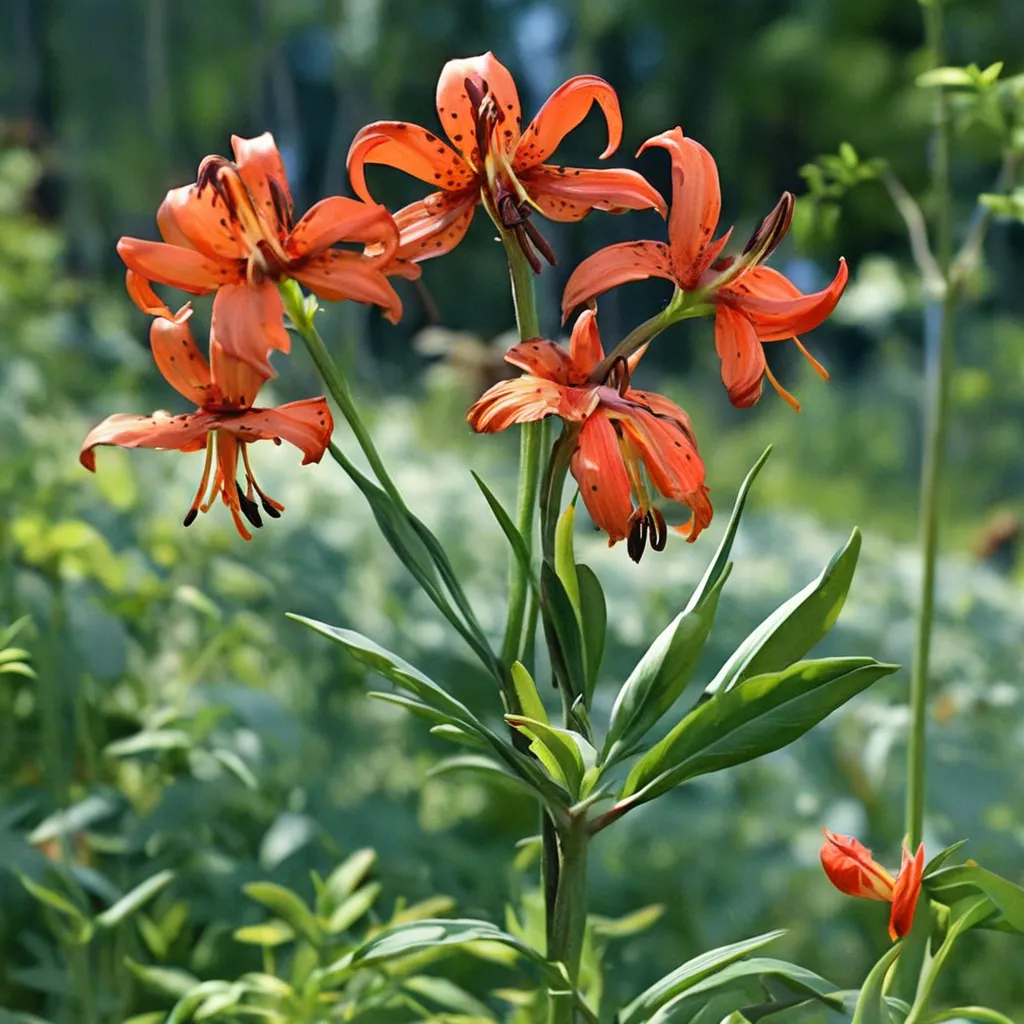
Michigan Lily
Lilium michiganense
Keep exploring
Explore the genus
Hardy in your zone?
Grow Washington Lily with confidence
See it in a design of your actual yard, get zone-matched care reminders, and track it season by season in your garden journal.