Species
1 other cultivar
The Story
Plant Bio
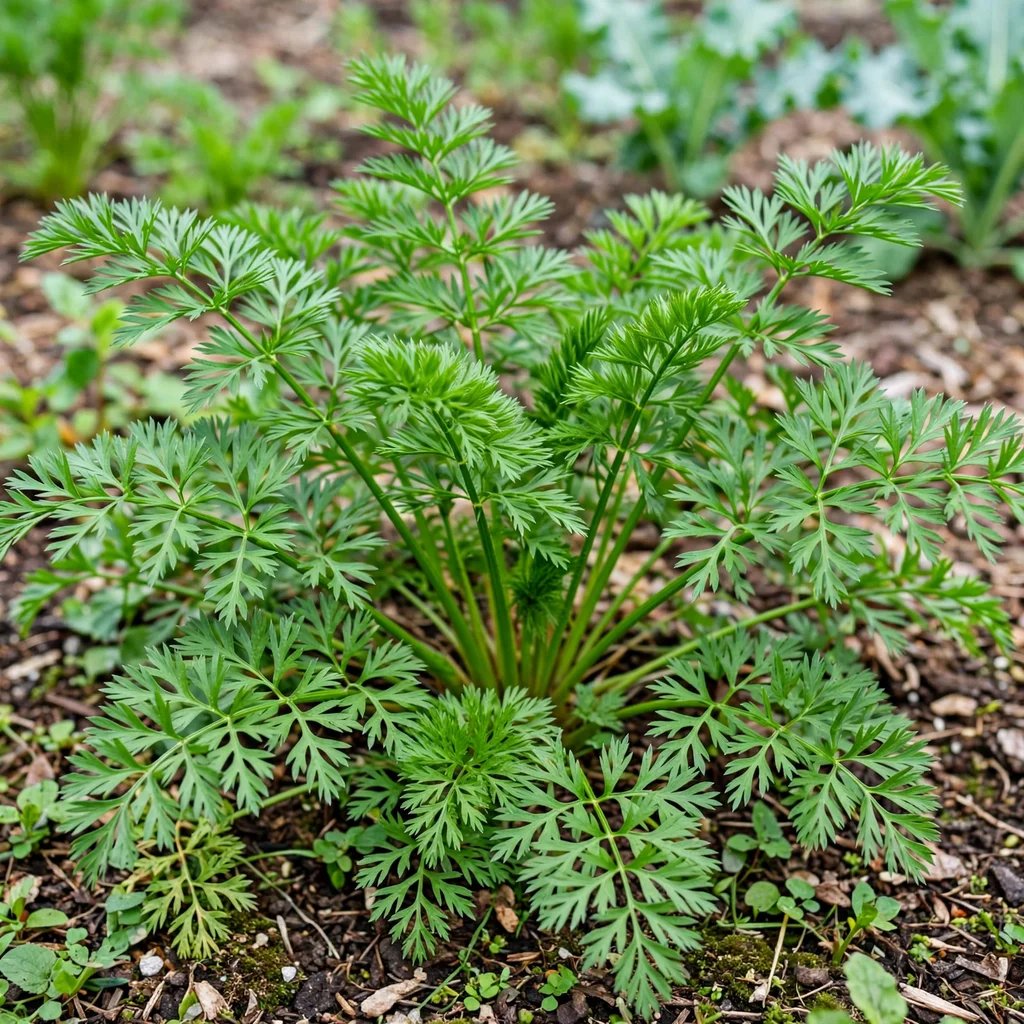
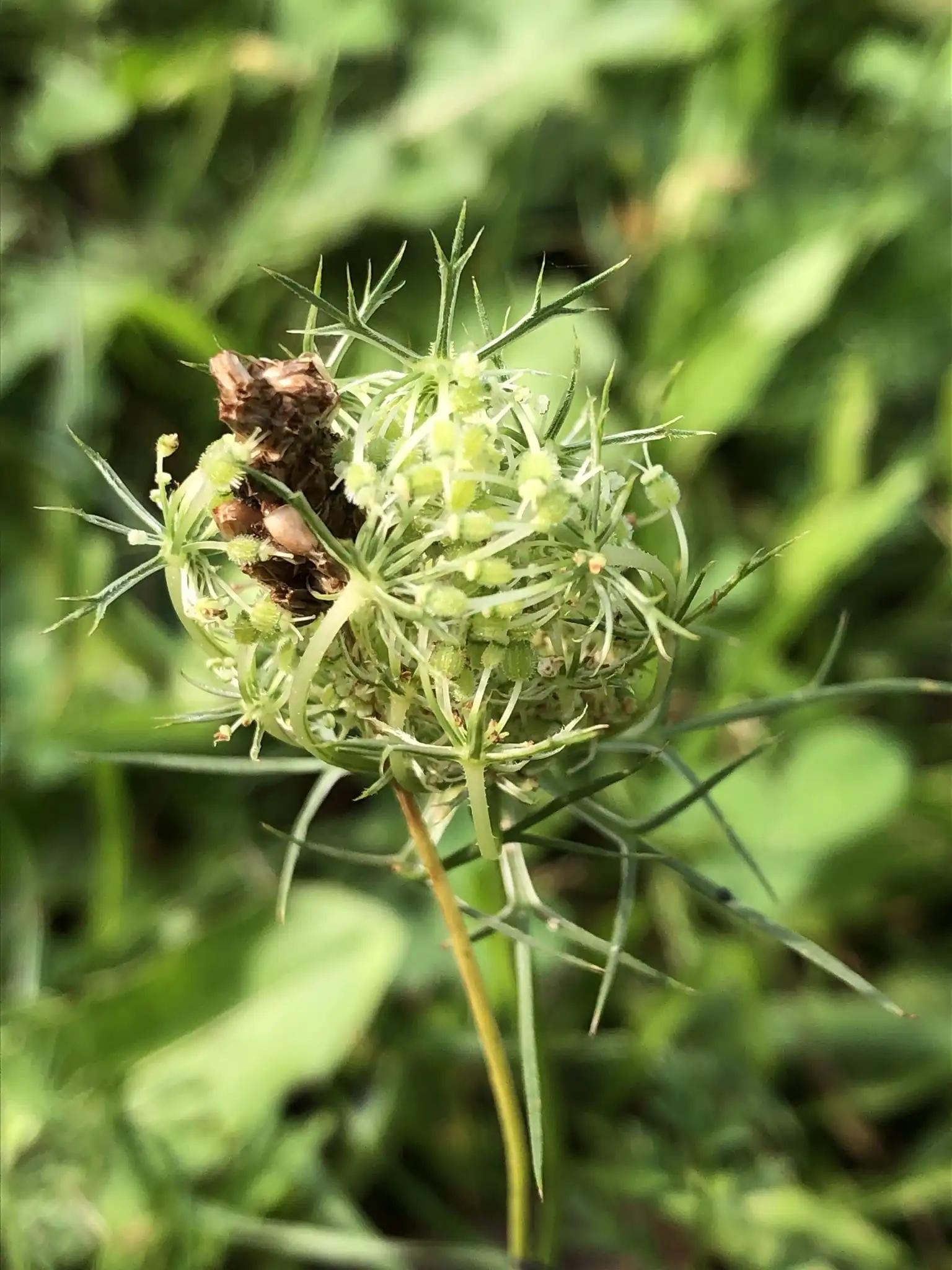
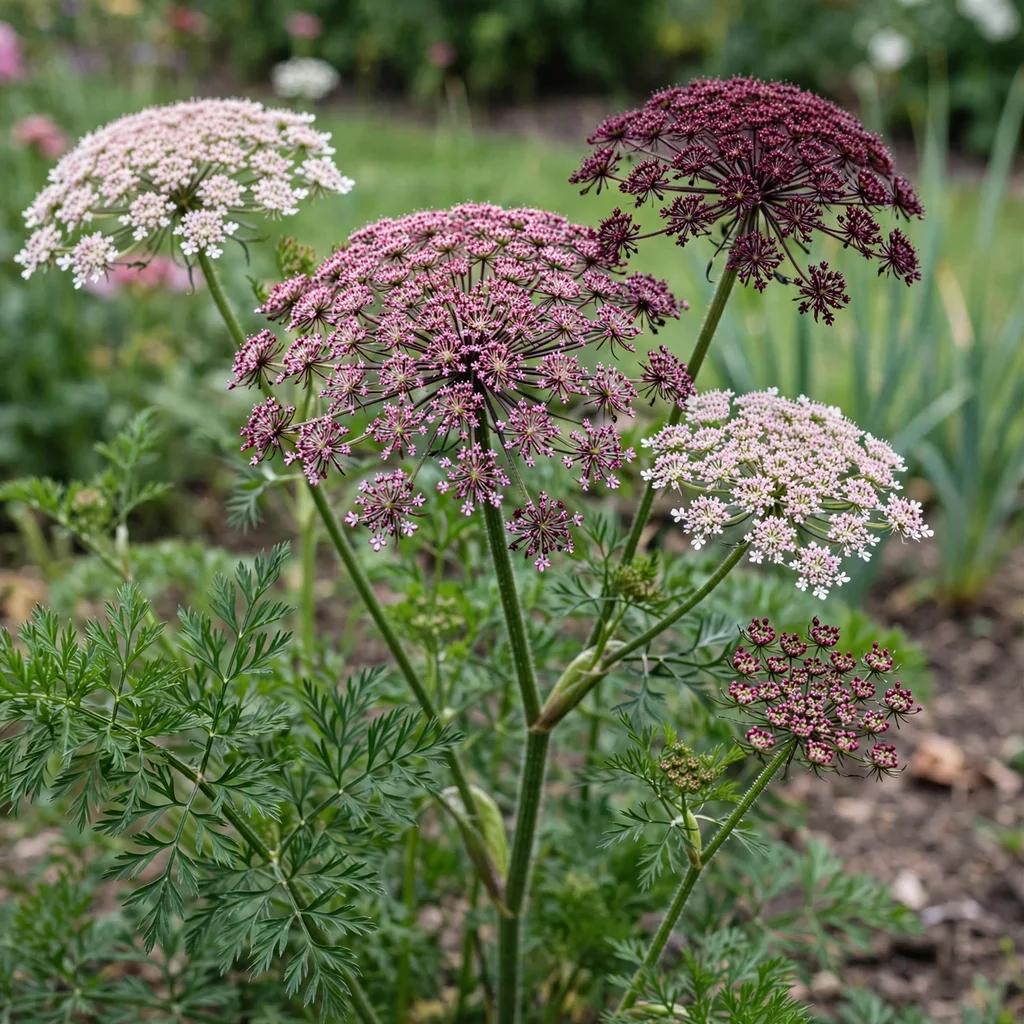
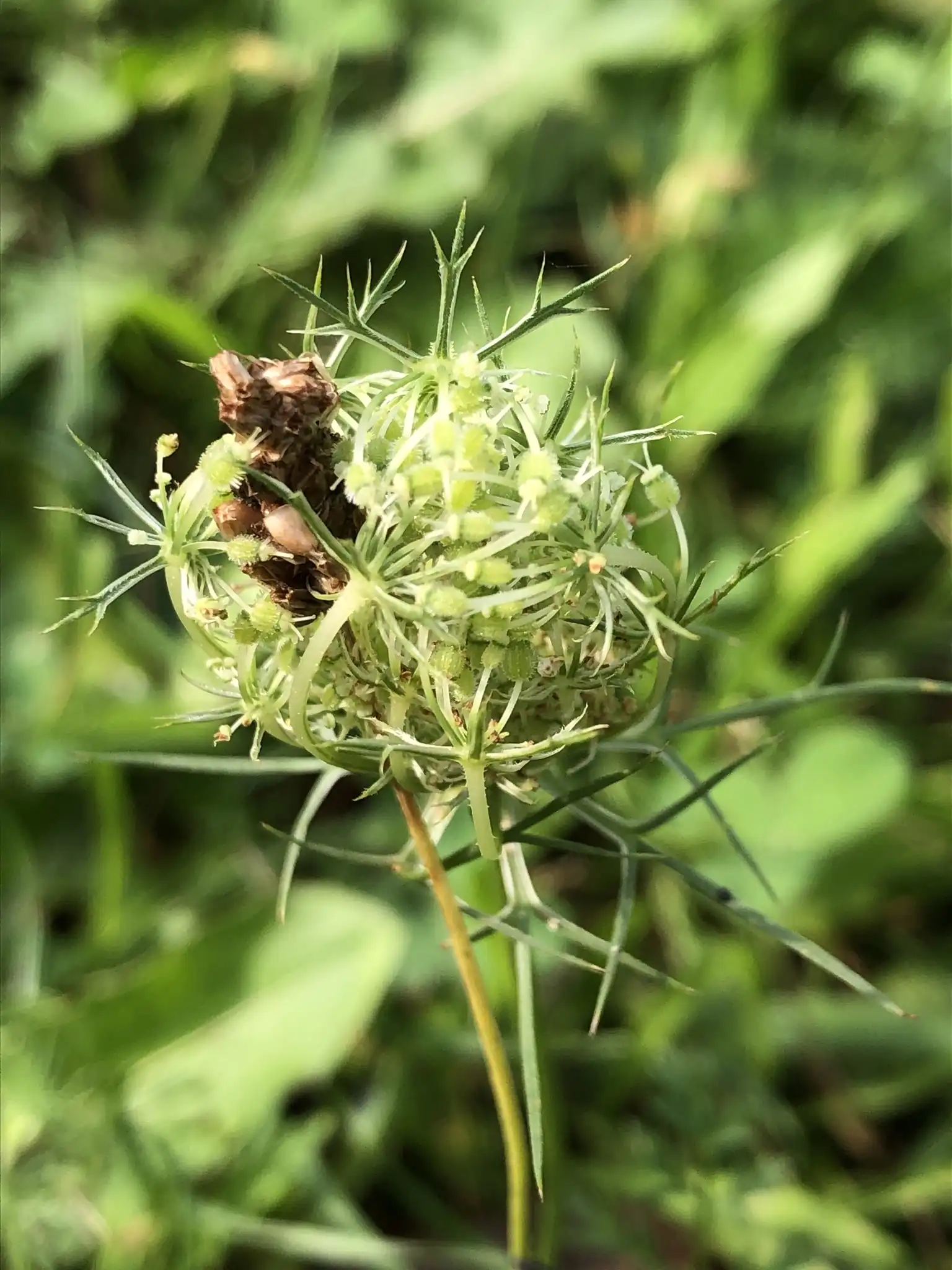
Daucus carota is a biennial umbellifer from open grassland and disturbed ground across temperate Eurasia and North Africa, grown as an annual for its tapered taproot. First-year plants form a rosette of finely divided ferny leaves; vernalized roots send up erect stems topped by flat compound umbels of small white flowers in the second year.
'Scarlet Nantes' is a 19th-century French heirloom Nantes type selected near Nantes for a blunt-ended, nearly coreless cylindrical root. Roots reach six to seven inches long with bright orange flesh, topped by strong ferny tops ten to twelve inches tall and ready to pull about sixty-five to seventy-five days from direct sowing.
Uses & Benefits:
Essentials
At a Glance
Plant Type
Fruit Vegetable
Height
12"
Width
8"
Light
Full Sun, Partial Sun
Zones
4, 5, 6, 7, 8, 9, 10
Water
Even moisture
Humidity
Average
Lifespan
Biennial grown as annual
Native To
Temperate Eurasia and North Africa
Toxicity
Foliage sap irritates skin in sun; roots edible
Bloom period
Summer
In flower about 3 months of the year
Planting
How to Grow
- Sow direct one-quarter inch deep where it will stand in full sun, in deeply loosened stone-free sandy loam at pH 6.0 to 6.6.
- Keep the seedbed evenly moist until germination, then thin seedlings to stand 2 inches apart.
- Weed shallowly by hand and water evenly; avoid fresh manure and heavy nitrogen fertilizer.
- Pull roots at 65 to 75 days when blunt shoulders push out, before plants bolt and turn woody.
- Sow in succession from mid-April through August for summer and fall harvest.
Pro Tip
Sow direct a quarter-inch deep in deeply loosened stone-free soil and thin early; transplanting or stony ground forks the taproot.
Keep It Thriving
Care Guide
Do
- Thin early to give roots room to size
- Keep soil evenly moist from sowing to harvest
- Weed shallowly by hand to avoid root disturbance
Don't
- Do not start indoors or transplant seedlings
- Do not sow in stony, cloddy or compacted ground
- Do not handle wet foliage in bright sun without gloves
- Do not let escapes set spiny seed and naturalize
Seasonal Care Calendar
| Task | Jan | Feb | Mar | Apr | May | Jun | Jul | Aug | Sep | Oct | Nov | Dec |
|---|---|---|---|---|---|---|---|---|---|---|---|---|
| Fertilize | ||||||||||||
| Harvest | ||||||||||||
| Pest Check | ||||||||||||
| Plant |
Watch Out For
Pests & Diseases
Common Pests
Common Diseases
In the Garden
Landscape Uses & Companions
Landscape Uses
Companion Plants
Multiply
Propagation Methods
Good to Know
Common Questions
Scarlet Nantes Carrot questions
What zones can Scarlet Nantes Carrot grow in?
Scarlet Nantes Carrot is hardy in USDA Zones 4–10: in that range it survives winter in the ground.
When does Scarlet Nantes Carrot bloom?
Scarlet Nantes Carrot typically blooms in summer. Exact timing shifts a week or two with your zone — Sow's bloom calendar maps it to your garden.
Does Scarlet Nantes Carrot need full sun?
Scarlet Nantes Carrot does best in full sun to part shade. In hot climates, afternoon shade keeps blooms fresher longer.
More Daucus to compare
Keep exploring
Explore the genus
Grow Scarlet Nantes Carrot with confidence
See it in a design of your actual yard, get zone-matched care reminders, and track it season by season in your garden journal.