The Story
Plant Bio
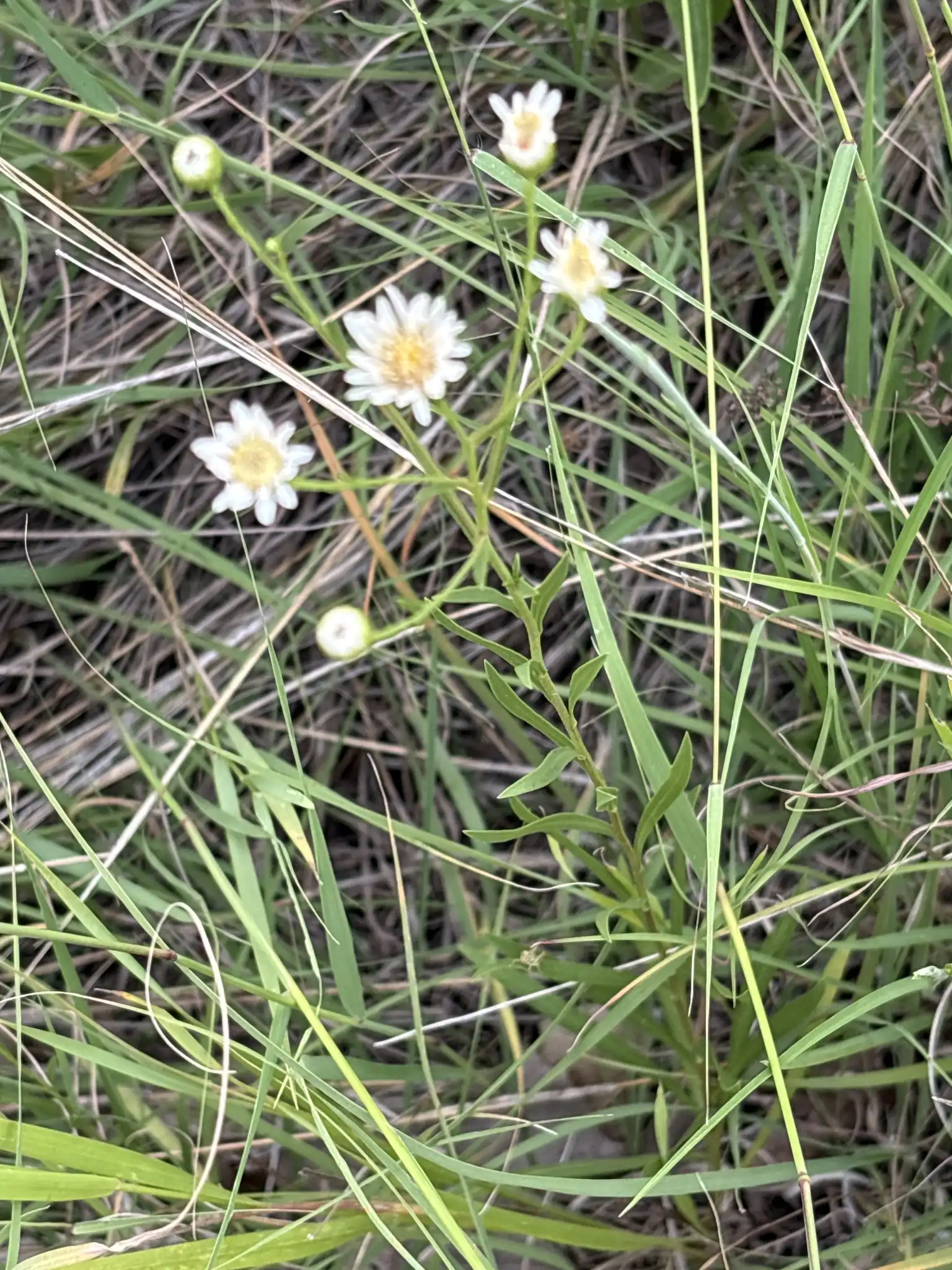
Solidago ptarmicoides, commonly known as upland white goldenrod, is an upright herbaceous perennial native to dry prairies, limestone pavements, and rocky outcrops across central and eastern North America. Rising eight to twenty-four inches high, it produces stiff, dark green linear leaves and flat-topped corymbs of bright white flowers from midsummer into fall.
Unlike most goldenrods that bear yellow spires, this species produces flat-topped clusters of daisy-like heads with distinct white ray florets surrounding pale yellow centers. Its strict requirement for sharp drainage and preference for lean, alkaline, or gravelly soils make it ideal for rock gardens and dry prairies where rich loams cause stem decay.
Uses & Benefits:
Essentials
At a Glance
Plant Type
Perennial
Height
24"
Width
20"
Light
Full Sun, Partial Sun
Zones
4, 5, 6, 7, 8
Water
Low
Humidity
Moderate
Lifespan
Perennial
Native To
North America
Toxicity
Non-toxic
Bloom period
Summer – Fall
In flower about 6 months of the year
Planting
How to Grow
- Choose a site in full sun with gravelly, sandy, or shallow limestone soil that drains rapidly after rainfall.
- Set container plants or divisions at the same soil depth as their original pots and firm gently.
- Water sparingly during the first few weeks until roots establish, keeping soil dry between applications.
- Refrain from adding high-nitrogen fertilizers or rich organic mulches around the plant base.
Pro Tip
Plant in lean, highly drained calcareous or gravelly soil in full sun; rich organic soils or heavy watering trigger weak, floppy growth and root rot.
Keep It Thriving
Care Guide
Do
- Provide full sun and sharp, mineral-rich soil drainage.
- Cut dead stems back to ground level in late fall after foliage dies back.
- Divide overcrowded clumps every three to four years in early spring.
Don't
- Do not plant in heavy clay, rich loam, or wet, poorly drained soil.
- Do not apply supplemental fertilizers or rich compost.
- Do not overwater established clumps during hot summer periods.
Seasonal Care Calendar
| Task | Jan | Feb | Mar | Apr | May | Jun | Jul | Aug | Sep | Oct | Nov | Dec |
|---|---|---|---|---|---|---|---|---|---|---|---|---|
| Divide | ||||||||||||
| Pest Check | ||||||||||||
| Prune | ||||||||||||
| Spring Cleanup |
Watch Out For
Pests & Diseases
Common Pests
Common Diseases
In the Garden
Landscape Uses & Companions
Landscape Uses
Multiply
Propagation Methods
Good to Know
Common Questions
Upland White Goldenrod questions
What zones can Upland White Goldenrod grow in?
Upland White Goldenrod is hardy in USDA Zones 4–8: in that range it survives winter in the ground. Warmer than Zone 8, winter isn't the problem: it prefers colder winters, and summer heat can shorten its life.
When does Upland White Goldenrod bloom?
Upland White Goldenrod typically blooms from summer to fall. Exact timing shifts a week or two with your zone — Sow's bloom calendar maps it to your garden.
Does Upland White Goldenrod need full sun?
Upland White Goldenrod does best in full sun to part shade. In hot climates, afternoon shade keeps blooms fresher longer.
Is Upland White Goldenrod drought tolerant?
Yes — once established (usually after the first full season), Upland White Goldenrod handles dry spells with minimal watering. Water deeply its first year to build the root system that makes that possible.
More Solidago to compare
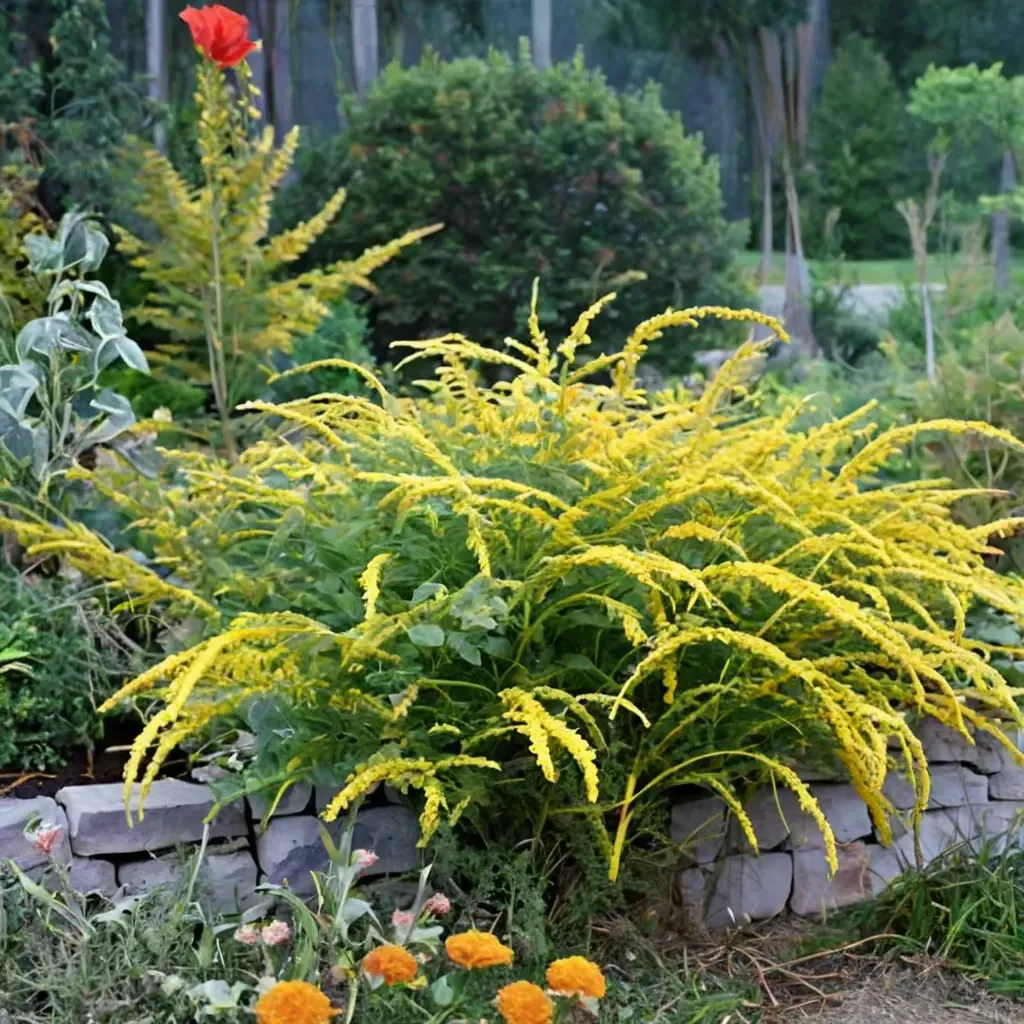
Fireworks Goldenrod
Solidago rugosa 'Fireworks'
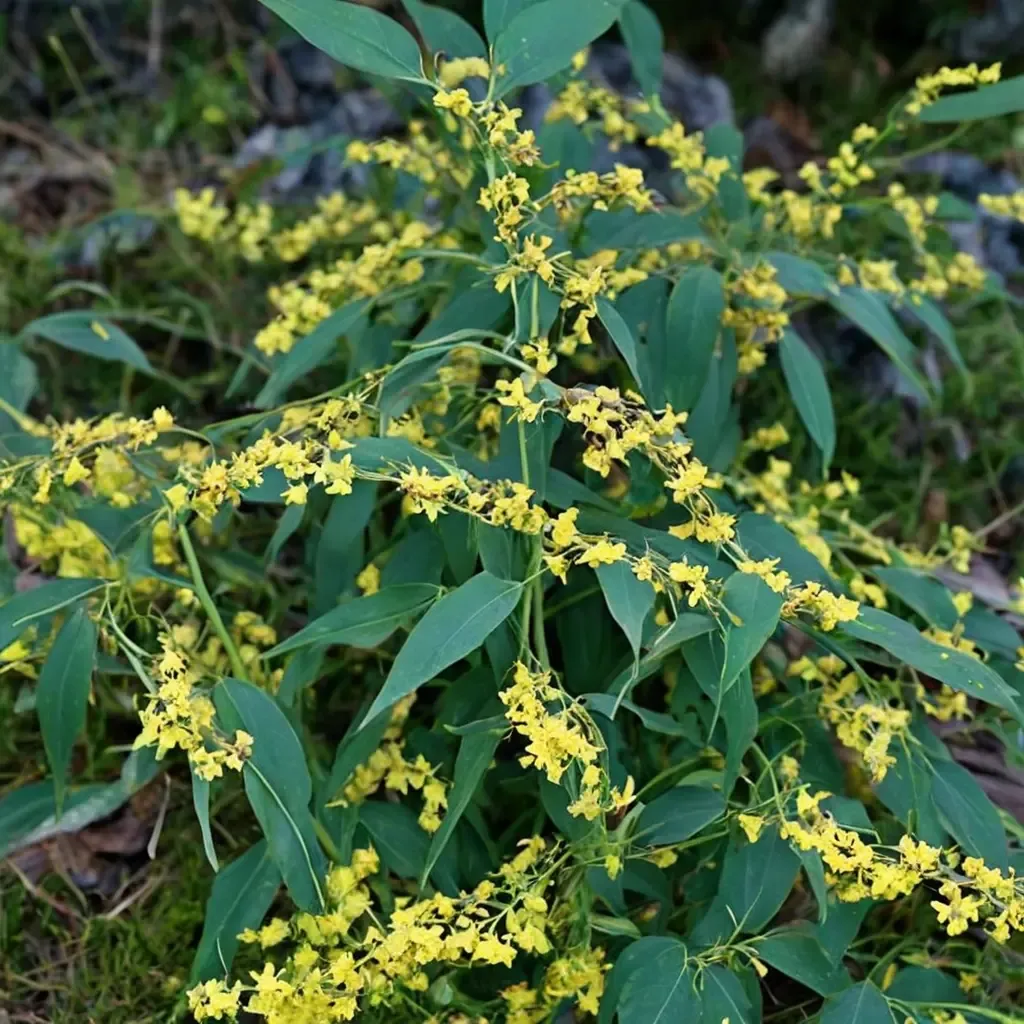
Bluestem Goldenrod
Solidago caesia
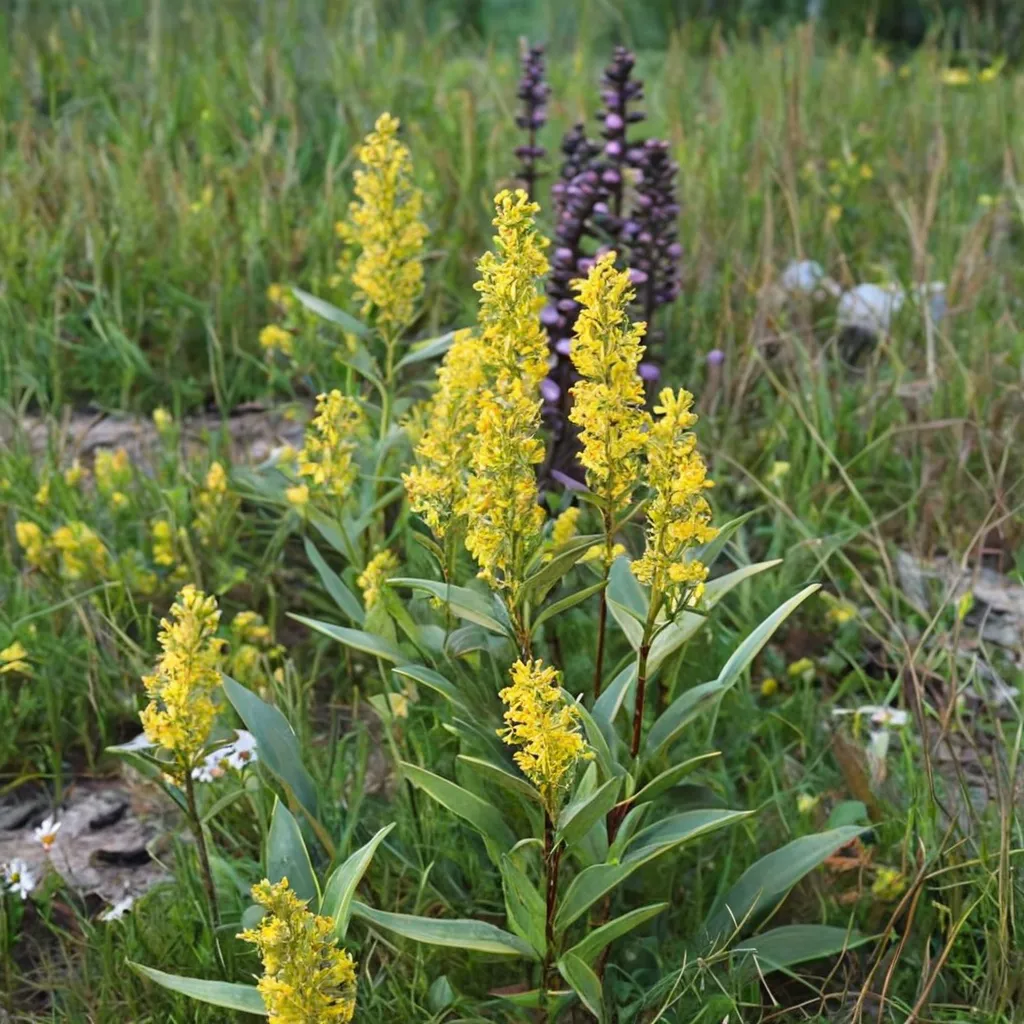
Showy Goldenrod
Solidago speciosa
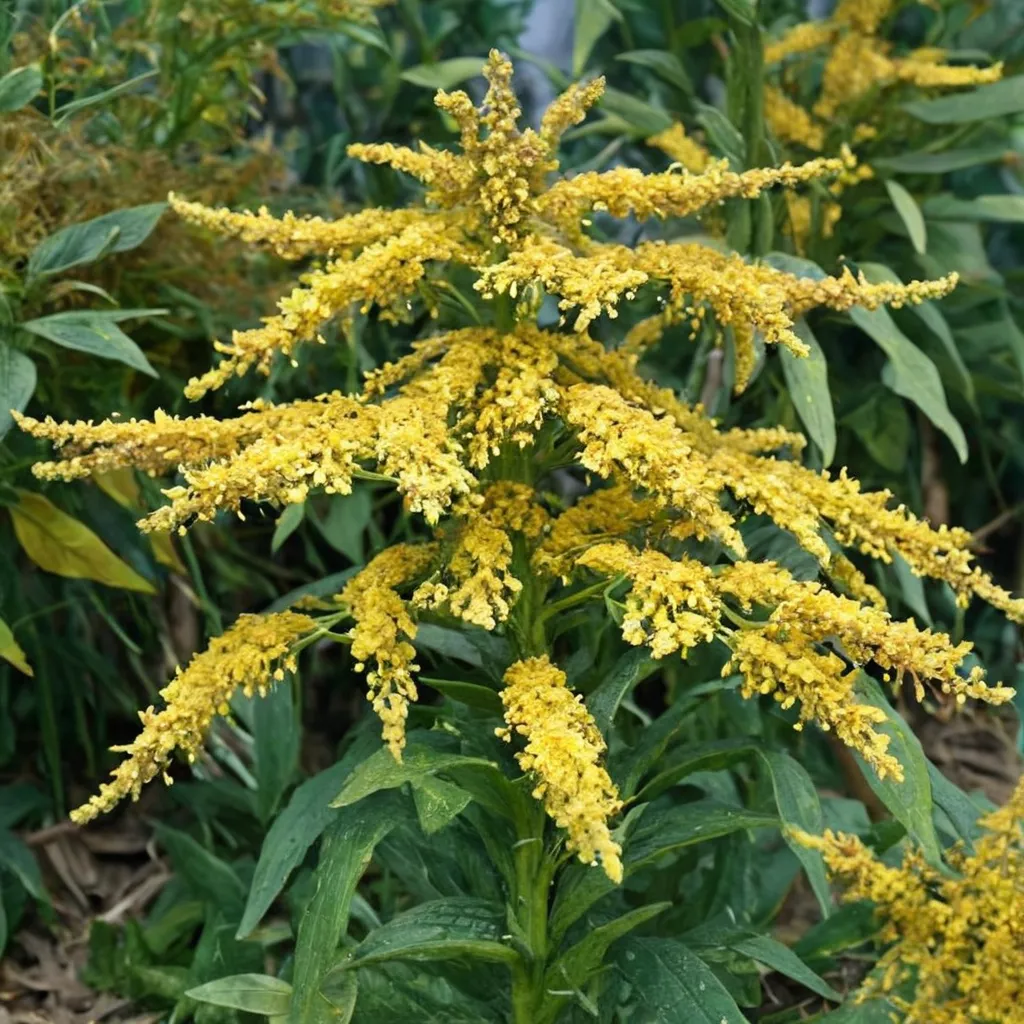
Goldenrod Peter Pan
Solidago x hybrida 'Peter Pan'
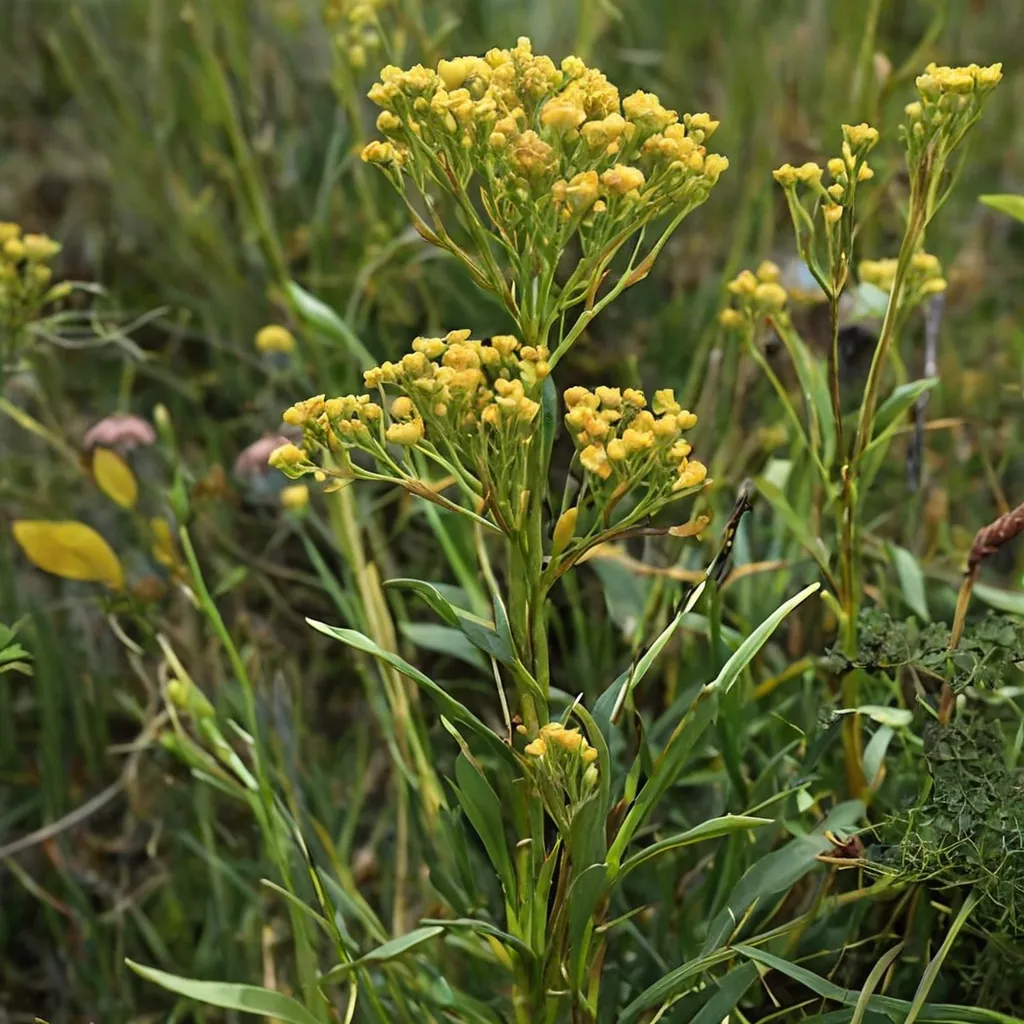
Ohio Goldenrod
Solidago ohioensis
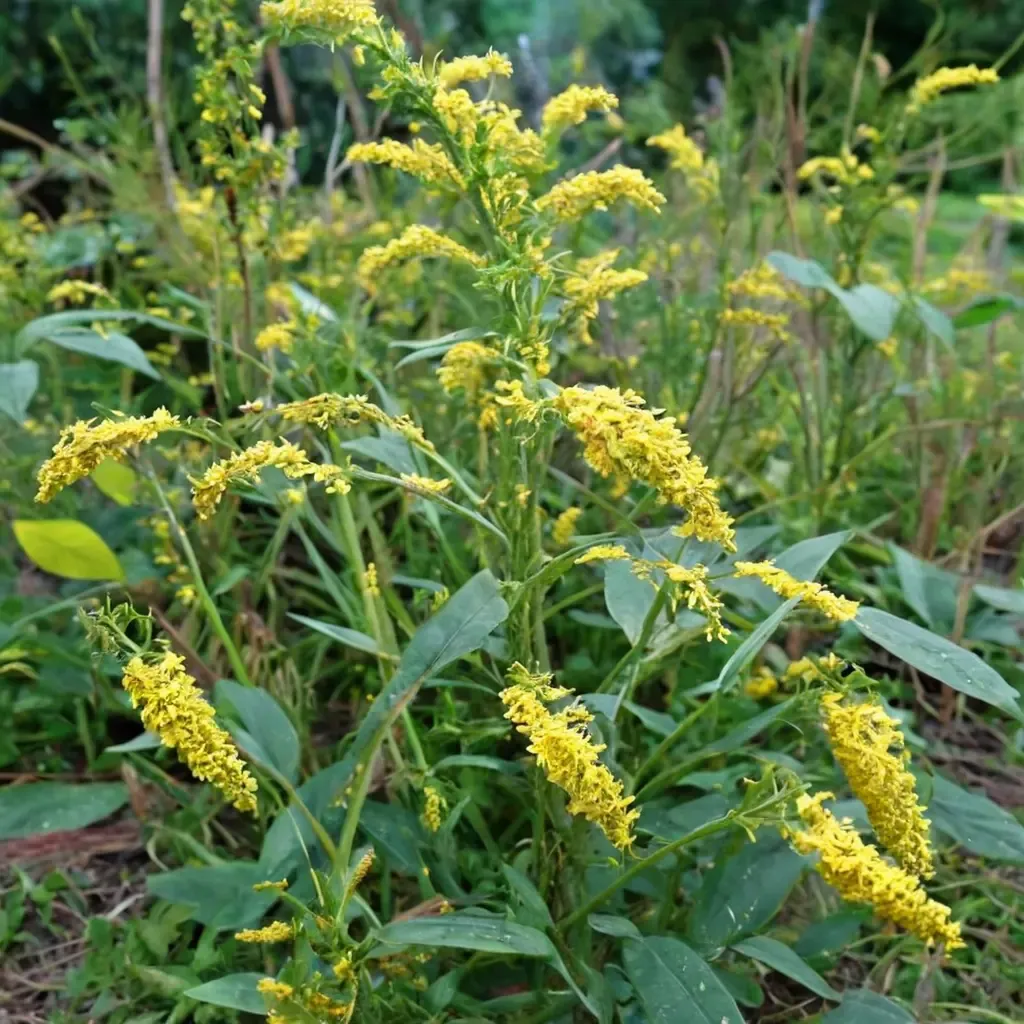
Wrinkleleaf Goldenrod
Solidago rugosa
Keep exploring
Explore the genus
Hardy in your zone?
Grow Upland White Goldenrod with confidence
See it in a design of your actual yard, get zone-matched care reminders, and track it season by season in your garden journal.