The Story
Plant Bio
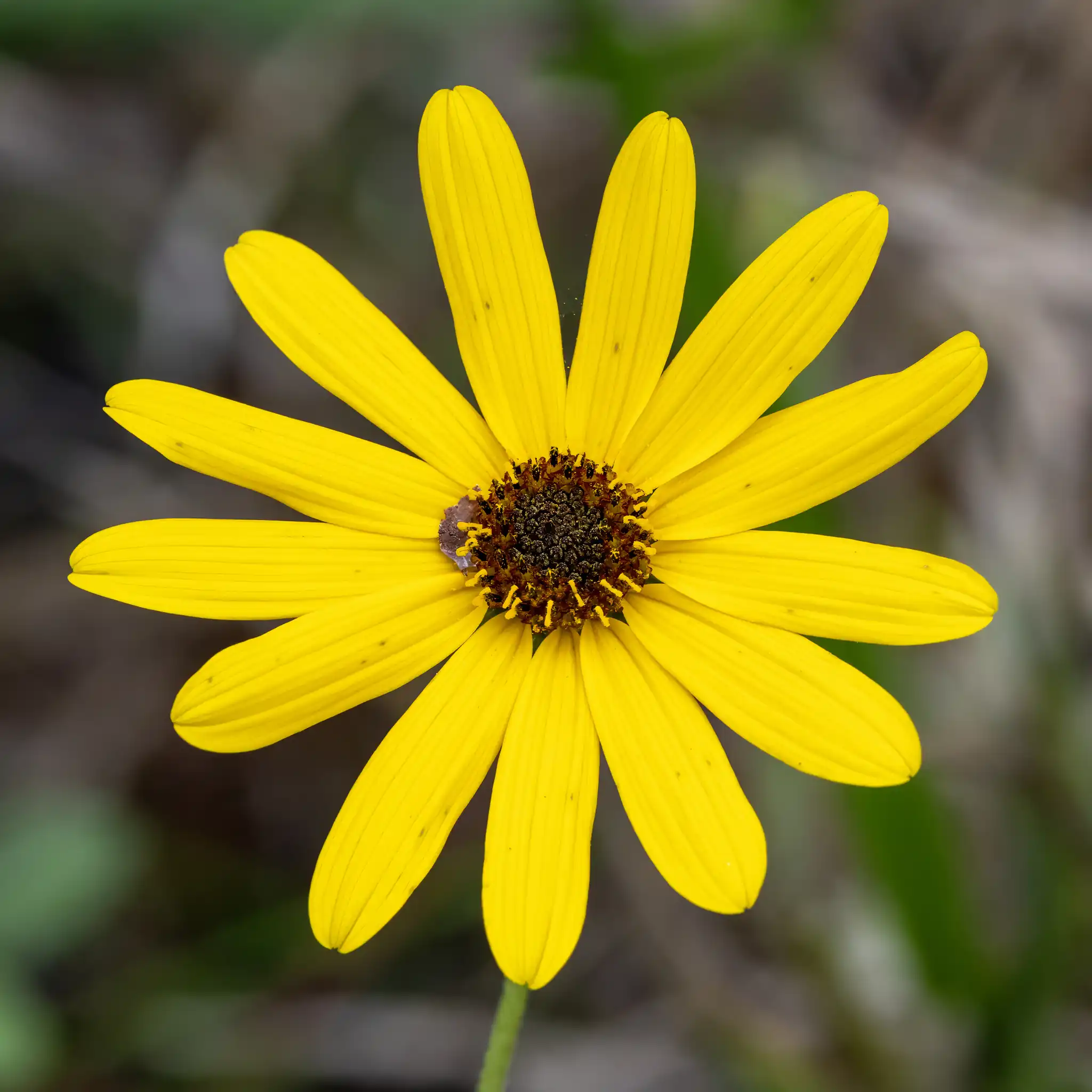
Helianthus floridanus is a rhizomatous perennial sunflower that forms spreading colonies from underground stems, with hairy upright stems 3 to 6 feet tall. The leaves are narrow, elliptical and rough-hairy, and each stem carries up to six daisy-like heads with yellow rays around a central disk.
Heads are 1 to 3 inches across with 10 to 20 yellow rays and a disk of more than 90 florets that opens red, purple or yellow. It flowers in September and October on moist acid sand and spreads by rhizomes into a patch, and it hybridizes with swamp sunflower where their ranges meet in southern Georgia and eastern Florida.
Uses & Benefits:
Essentials
At a Glance
Plant Type
Perennial
Height
72"
Width
36"
Light
Full Sun, Partial Sun
Zones
8, 9, 10
Water
Medium to wet
Humidity
Average to high
Lifespan
Perennial
Native To
Southeastern USA
Toxicity
Presumed non-toxic
Bloom period
Late summer – Autumn
In flower about 4 months of the year
Planting
How to Grow
- Plant in full sun with at least 6 hours of direct sun in moist, acidic sandy soil pH 5.0-6.0.
- Space plants 3 to 4 feet apart to allow rhizome spread and air movement between stems.
- Water to keep soil evenly moist through summer; do not let it dry out.
- Cut dormant stems to the ground in late winter before new shoots emerge.
- Divide congested colonies in early spring to control spread.
Pro Tip
Give it room to run in full sun and moist acid sand, and leave the fall seed heads standing for songbirds.
Keep It Thriving
Care Guide
Do
- Plant in full sun in moist acid sand with room for a spreading colony.
- Keep soil evenly moist through summer and into fall bloom.
- Leave seed heads through fall for birds and winter cover.
Don't
- Do not plant in dry or alkaline soil where growth stalls.
- Do not use overhead watering that keeps leaves wet overnight.
- Do not crowd stems without airflow in humid sites.
Seasonal Care Calendar
| Task | Jan | Feb | Mar | Apr | May | Jun | Jul | Aug | Sep | Oct | Nov | Dec |
|---|---|---|---|---|---|---|---|---|---|---|---|---|
| Divide | ||||||||||||
| Pest Check | ||||||||||||
| Plant | ||||||||||||
| Spring Cleanup | ||||||||||||
| Winter Prep |
Watch Out For
Pests & Diseases
Common Pests
Common Diseases
In the Garden
Landscape Uses & Companions
Landscape Uses
Multiply
Propagation Methods
Good to Know
Common Questions
Florida Sunflower questions
What zones can Florida Sunflower grow in?
Florida Sunflower is hardy in USDA Zones 8–10: in that range it survives winter in the ground. Colder than Zone 8, grow it in a container you can move to shelter for the winter, or as an annual.
When does Florida Sunflower bloom?
Florida Sunflower typically blooms from late summer to late fall. Exact timing shifts a week or two with your zone — Sow's bloom calendar maps it to your garden.
Does Florida Sunflower need full sun?
Florida Sunflower does best in full sun to part shade. In hot climates, afternoon shade keeps blooms fresher longer.
More Helianthus to compare
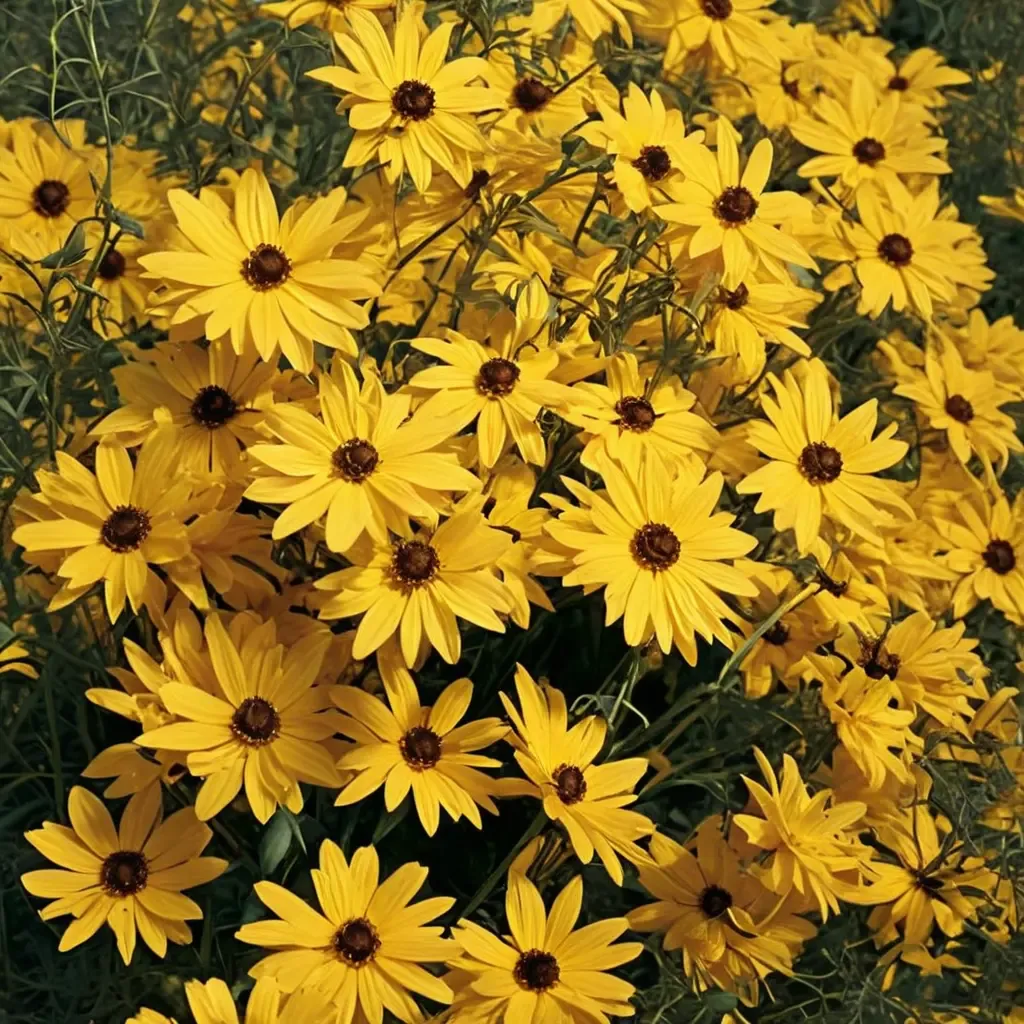
First Light Swamp Sunflower
Helianthus angustifolius 'First Light'
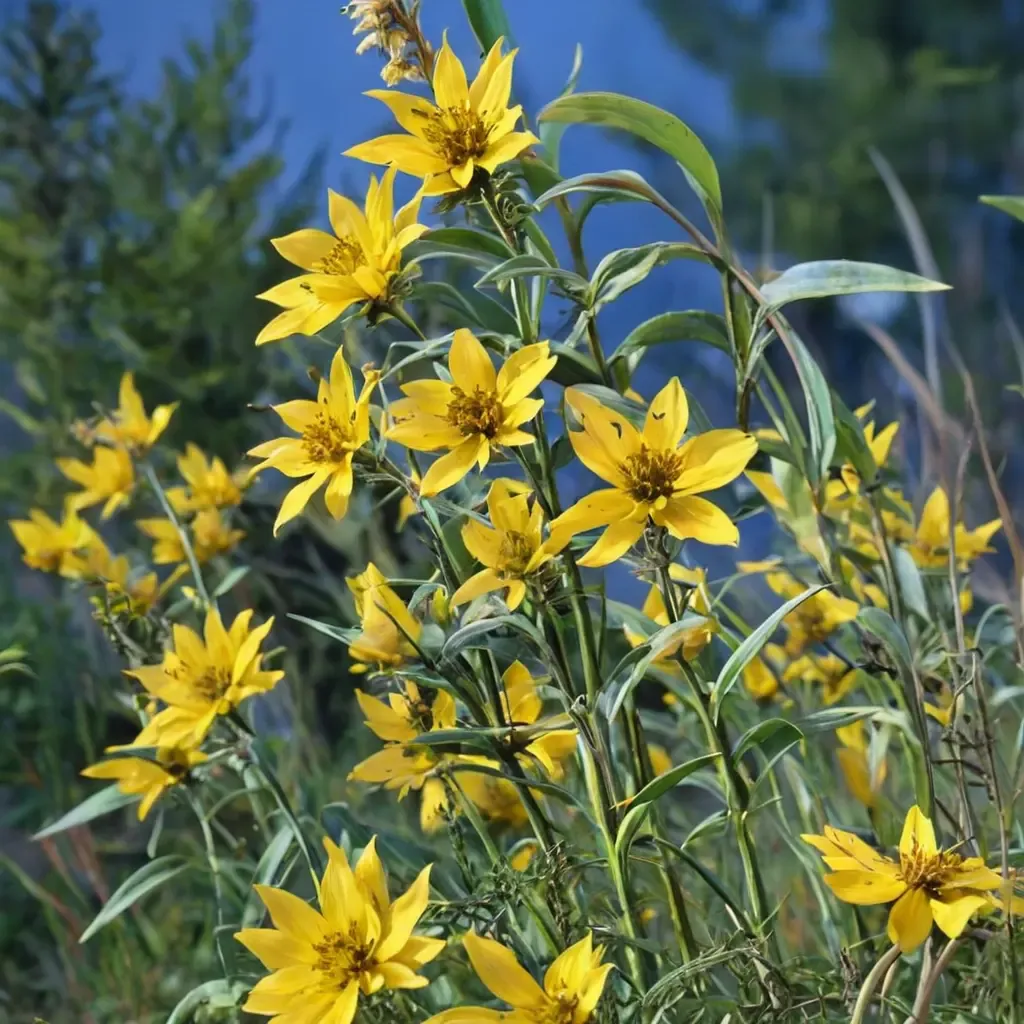
Maximilian sunflower
Helianthus maximiliani
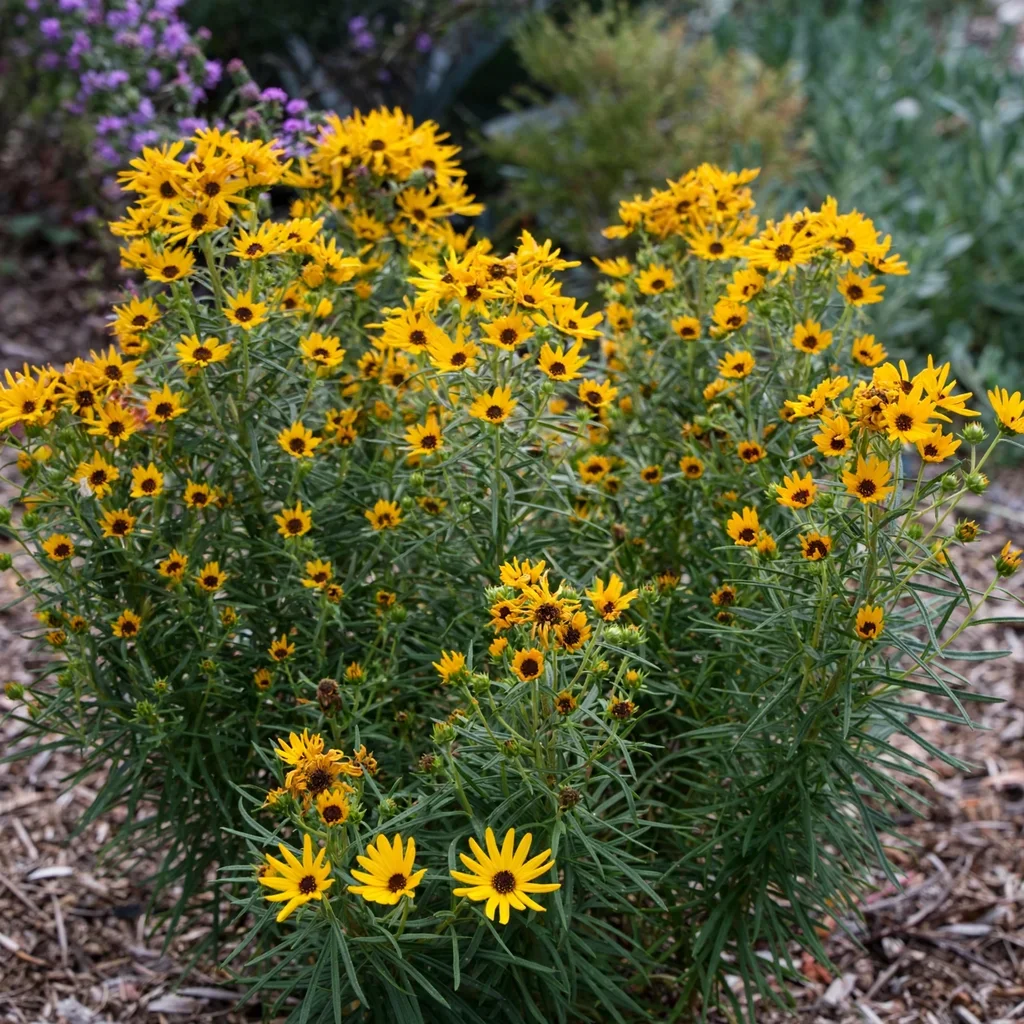
Narrow-Leaf Sunflower Low Down
Helianthus angustifolius 'Low Down'
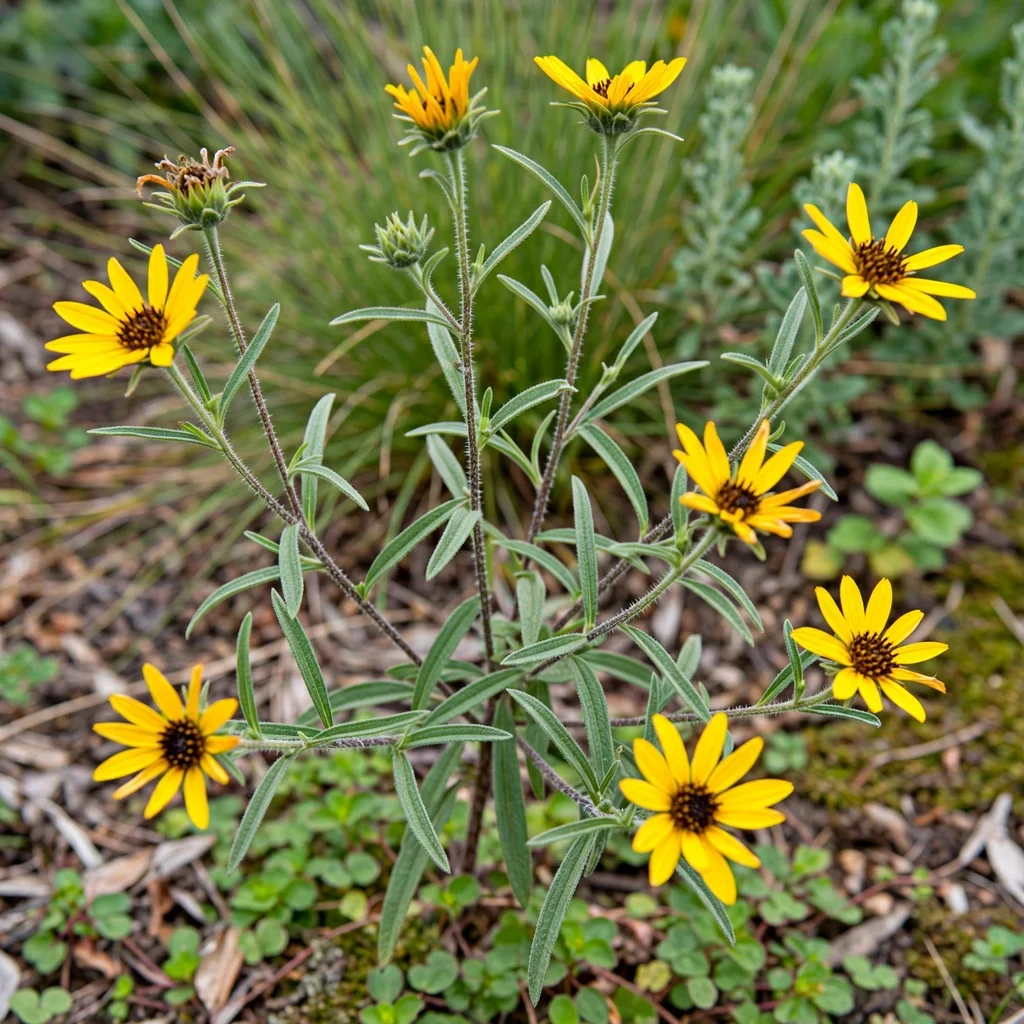
Bolander's Sunflower
Helianthus bolanderi
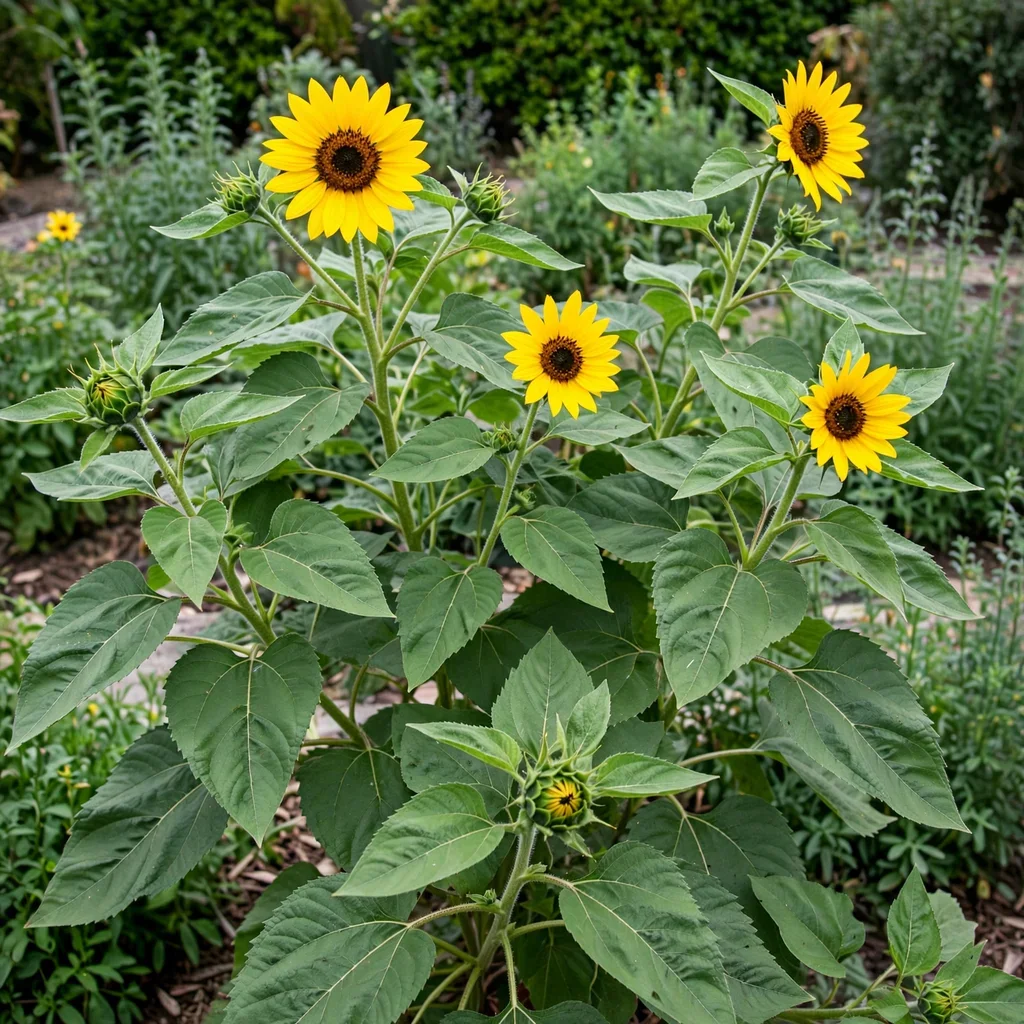
Table Mountain Sunflower
Helianthus annuus 'Table Mountain'
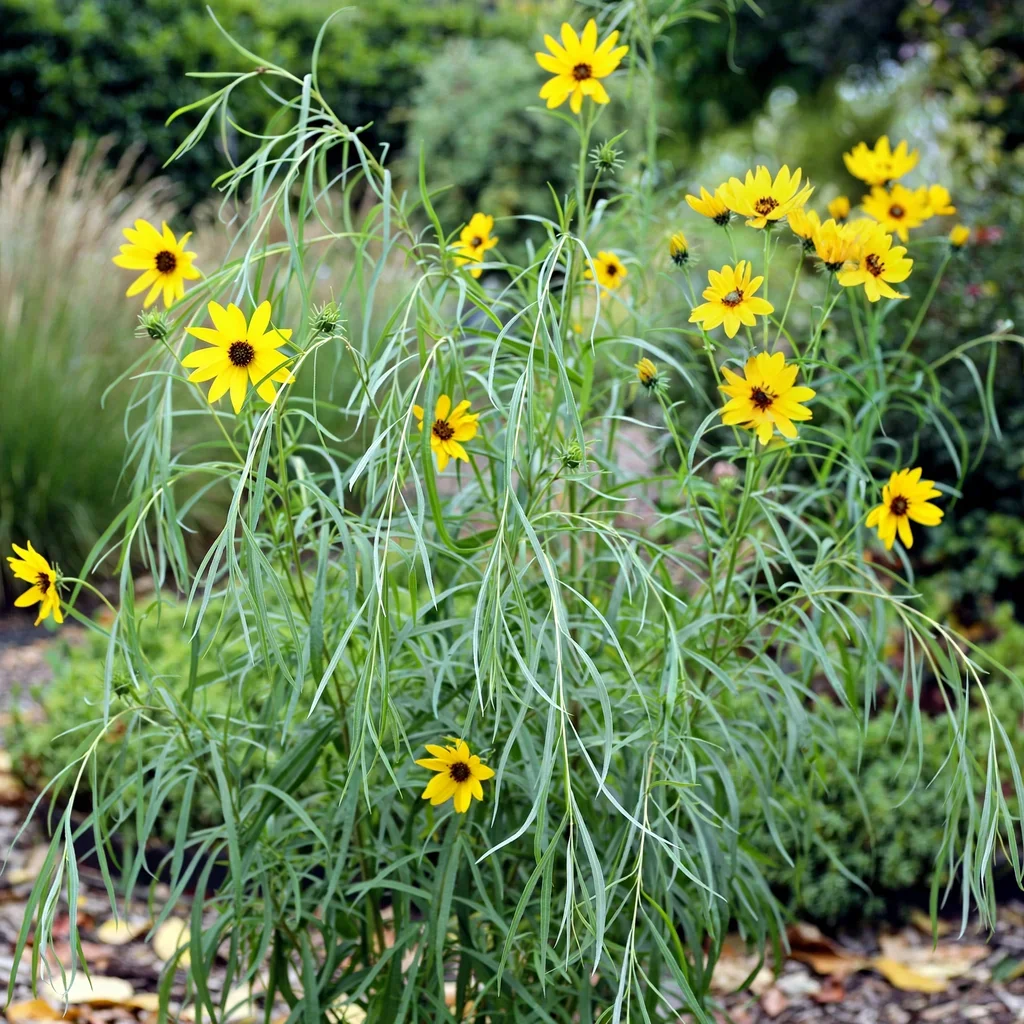
Salicifolius Sunflower Willowleaf Sunflower
Helianthus salicifolius
Keep exploring
Explore the genus
Hardy in your zone?
Grow Florida Sunflower with confidence
See it in a design of your actual yard, get zone-matched care reminders, and track it season by season in your garden journal.