The Story
Plant Bio
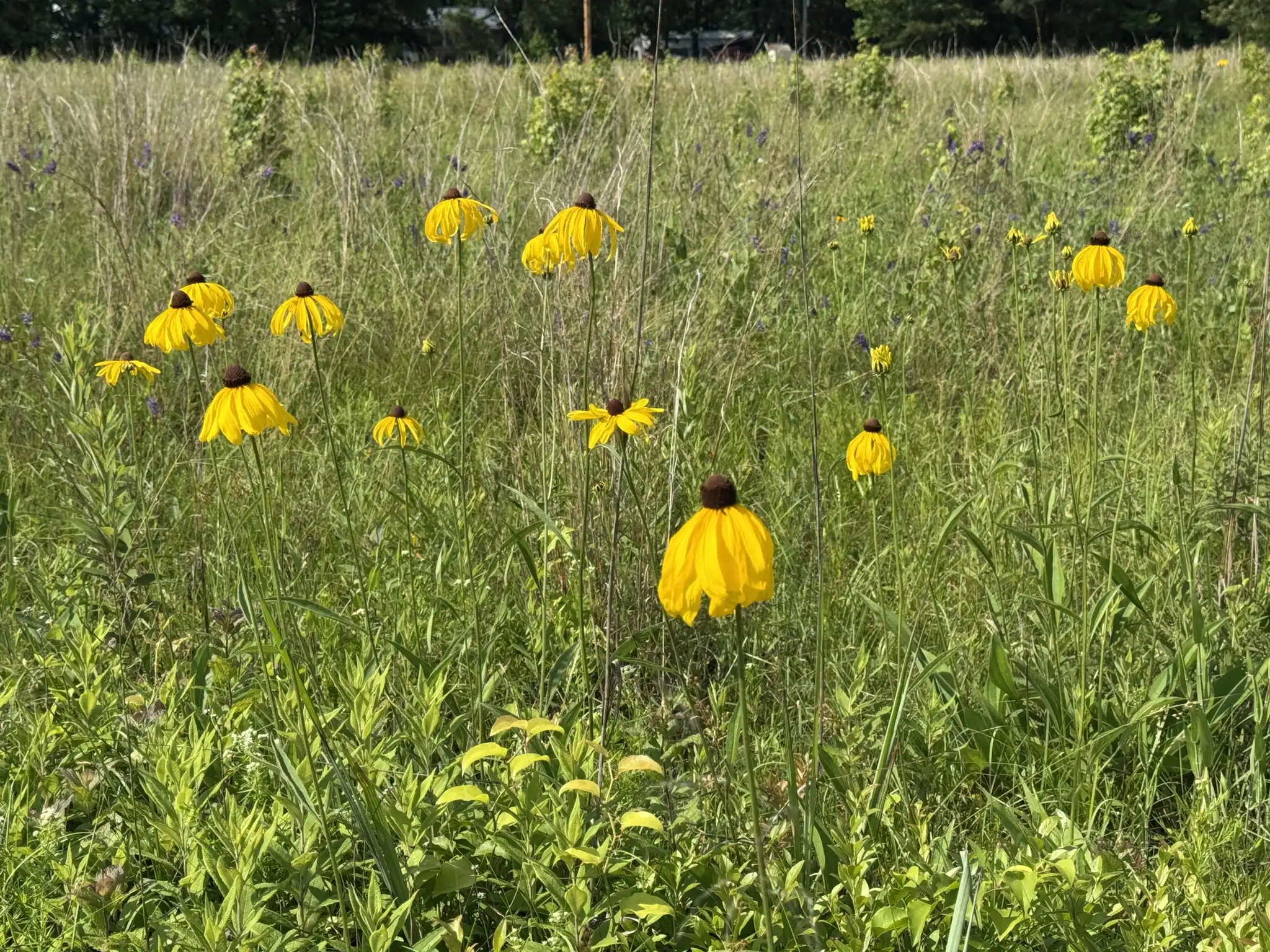
Rudbeckia grandiflora is an erect, rhizomatous perennial from a woody base, reaching two and a half to five feet tall with fibrous roots and rough-hairy stems. The basal leaves are long-petioled and the upper leaves sessile, with elliptic to ovate blades six to fifteen centimeters long that are shallow-toothed and prominently ribbed.
Unlike the short-lived clumping black-eyed Susan, this species spreads by rhizomes to form colonies and carries larger heads seven to ten centimeters across on tall stems. Each head bears eight to twelve drooping golden-yellow rays around a raised cone two to three centimeters long that opens grey-green and matures brown.
Uses & Benefits:
Essentials
At a Glance
Plant Type
Perennial
Height
60"
Width
36"
Light
Full Sun
Zones
4, 5, 6, 7, 8, 9
Water
Moist
Humidity
Unknown
Lifespan
Perennial
Native To
South-central United States
Toxicity
Unknown
Bloom period
Spring – Late summer
In flower about 6 months of the year
Planting
How to Grow
- Plant in full sun in moist, fertile soil with room for a 30 to 36 inch wide colony.
- Set crowns at the same depth they grew in the pot and water in deeply.
- Mulch 2 inches to hold moisture through the first summer.
- Water during dry spells the first year to establish the fibrous root system.
- Cut back dead stems in late winter before new basal leaves emerge.
Pro Tip
Deadhead spent cones to prolong bloom and lift edge rhizomes in early spring to keep the colony within bounds.
Keep It Thriving
Care Guide
Do
- Do give full sun and consistent moisture during bloom.
- Do deadhead to extend flowering from spring into late summer.
- Do divide congested rhizome clumps to renew vigor and limit spread.
Don't
- Do not confuse it with clumping Rudbeckia hirta types that do not run.
- Do not let colonies seed unchecked where spread is unwanted.
- Do not overhead water late in the day when foliage is prone to mildew.
Seasonal Care Calendar
| Task | Jan | Feb | Mar | Apr | May | Jun | Jul | Aug | Sep | Oct | Nov | Dec |
|---|---|---|---|---|---|---|---|---|---|---|---|---|
| Deadhead | ||||||||||||
| Divide | ||||||||||||
| Pest Check | ||||||||||||
| Plant | ||||||||||||
| Spring Cleanup |
Watch Out For
Pests & Diseases
Common Pests
Common Diseases
In the Garden
Landscape Uses & Companions
Landscape Uses
Multiply
Propagation Methods
Good to Know
Common Questions
Tall Coneflower questions
What zones can Tall Coneflower grow in?
Tall Coneflower is hardy in USDA Zones 4–9: in that range it survives winter in the ground. Warmer than Zone 9, winter isn't the problem: it prefers colder winters, and summer heat can shorten its life.
Is Tall Coneflower deer resistant?
Yes — Tall Coneflower is rated deer-resistant. Deer typically pass it over, though extreme hunger can override any plant's defenses.
When does Tall Coneflower bloom?
Tall Coneflower typically blooms from spring to summer. Exact timing shifts a week or two with your zone — Sow's bloom calendar maps it to your garden.
Does Tall Coneflower need full sun?
Tall Coneflower does best in full sun (6+ hours).
More Rudbeckia to compare
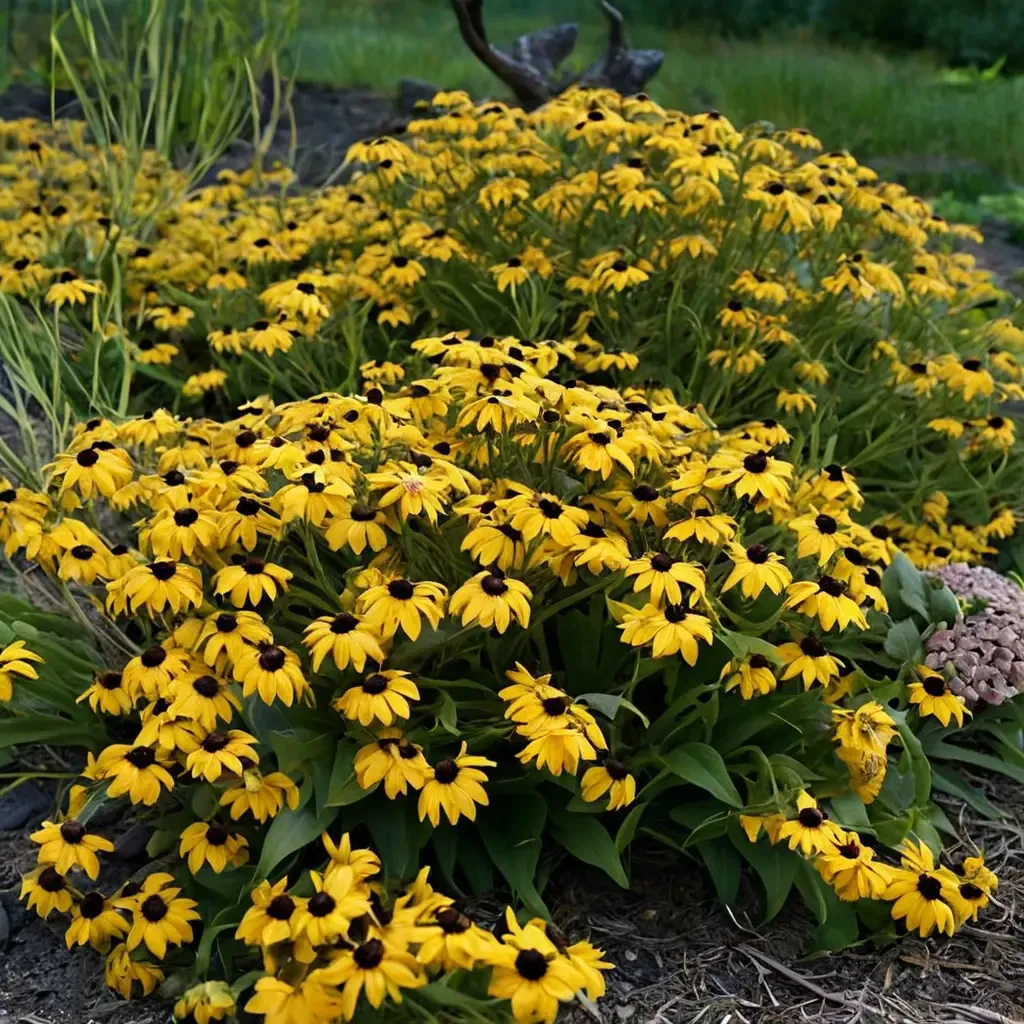
American Gold Rush Black-eyed Susan
Rudbeckia hirta 'American Gold Rush'

Goldsturm Black-eyed Susan
Rudbeckia fulgida 'Goldsturm'
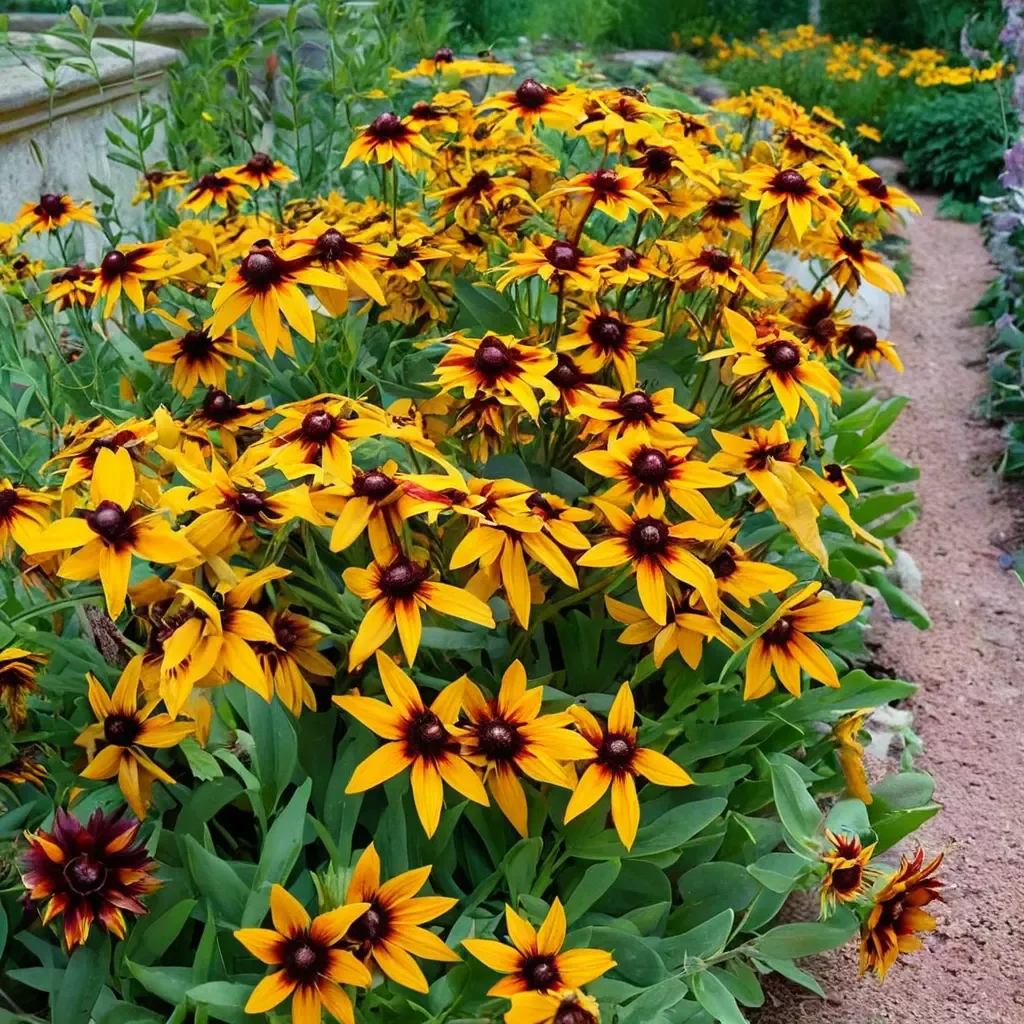
Autumn Colors Mix Black-eyed Susan
Rudbeckia hirta 'Autumn Colors Mix'
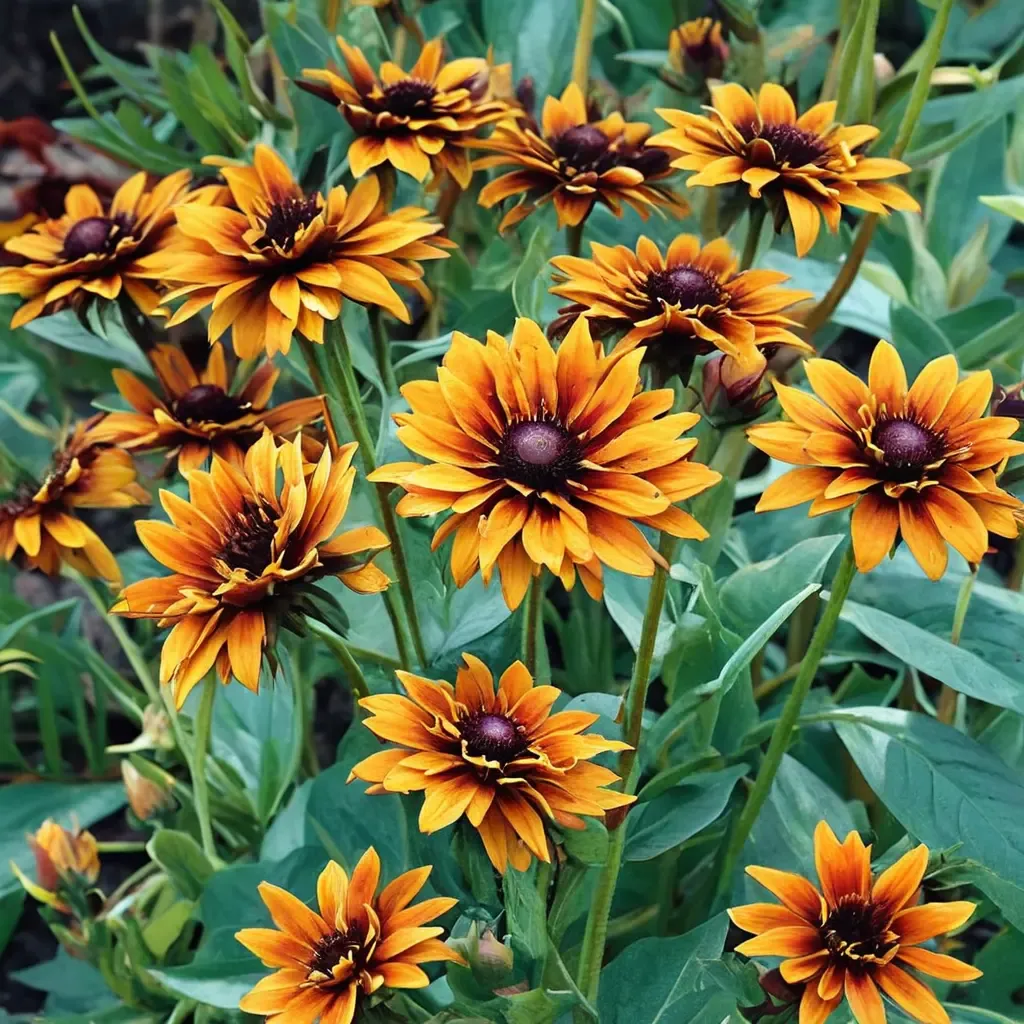
Cherokee Sunset Black-eyed Susan
Rudbeckia hirta 'Cherokee Sunset'
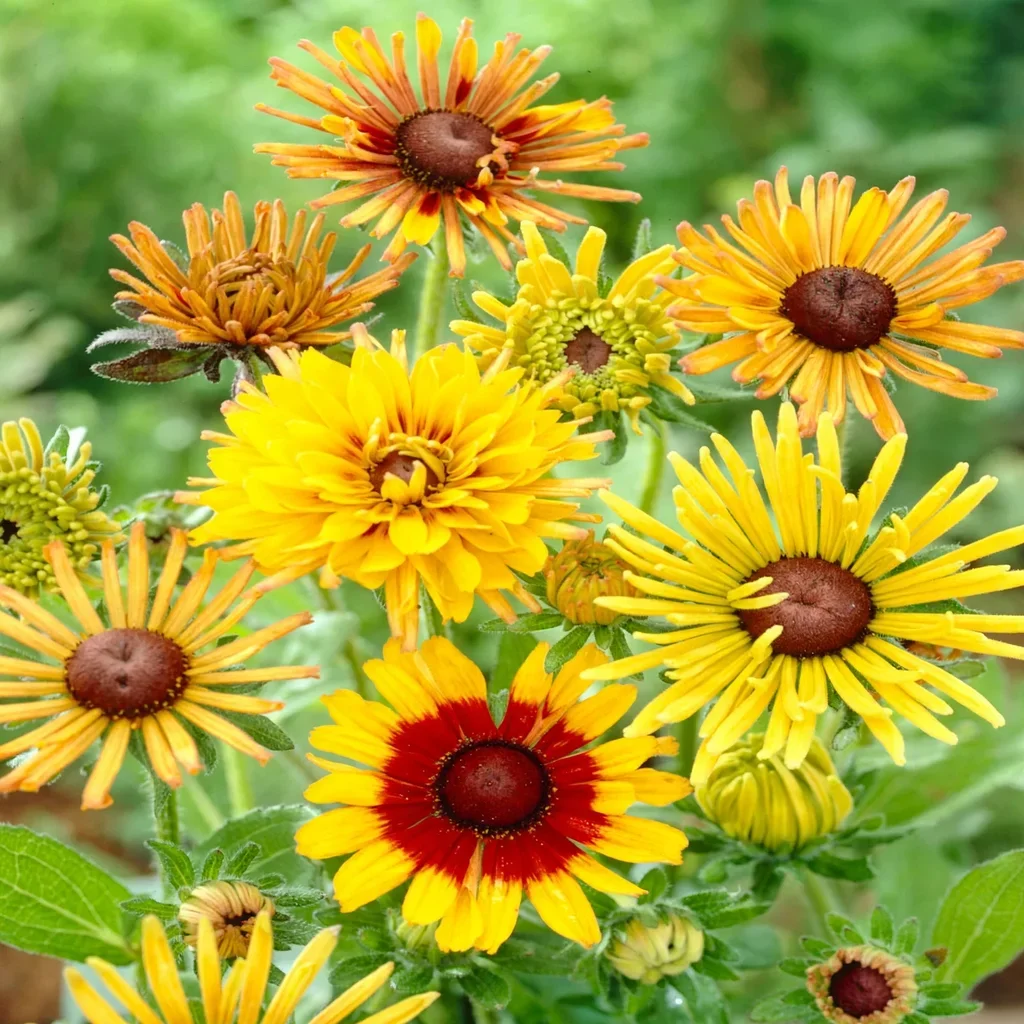
Chim Chiminee Black-eyed Susan
Rudbeckia hirta 'Chim Chiminee'
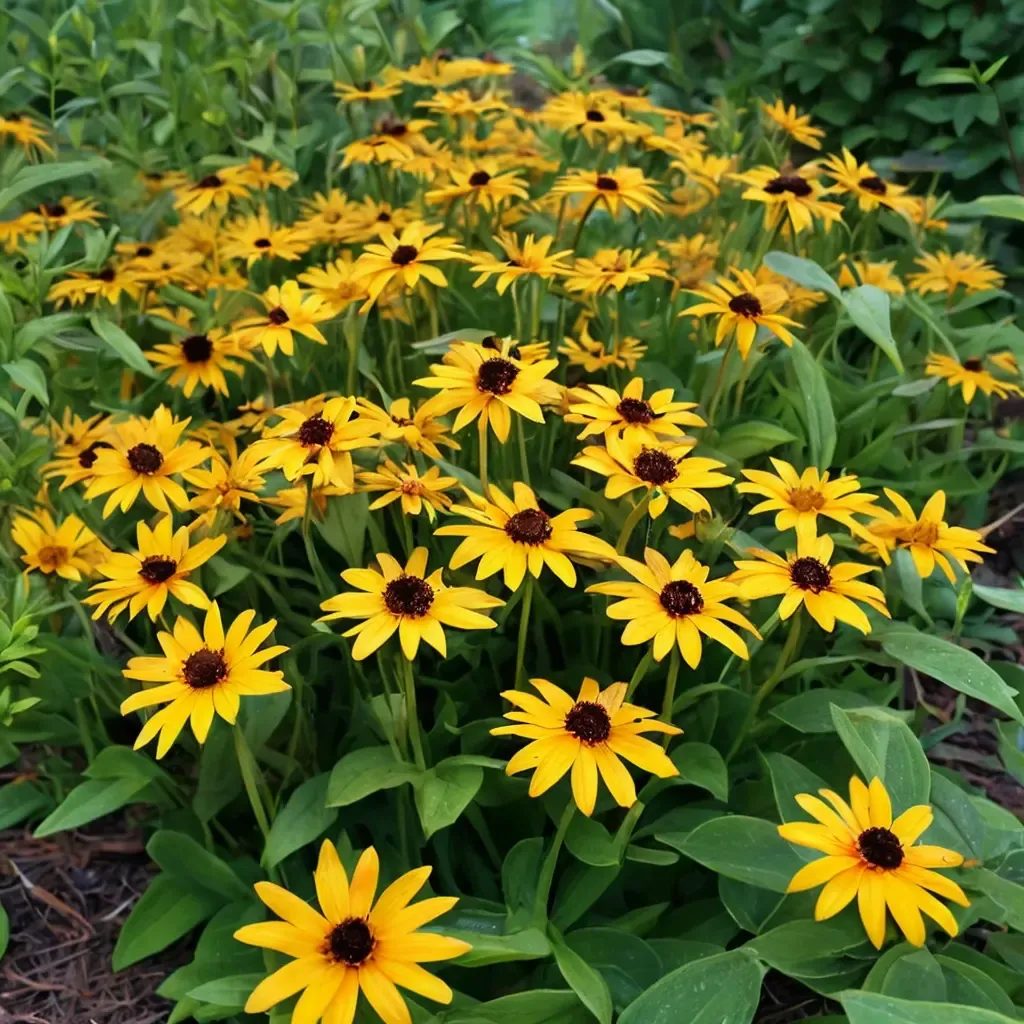
Black-eyed Susan
Rudbeckia hirta
Keep exploring
Explore the genus
Grow Tall Coneflower with confidence
See it in a design of your actual yard, get zone-matched care reminders, and track it season by season in your garden journal.