The Story
Plant Bio
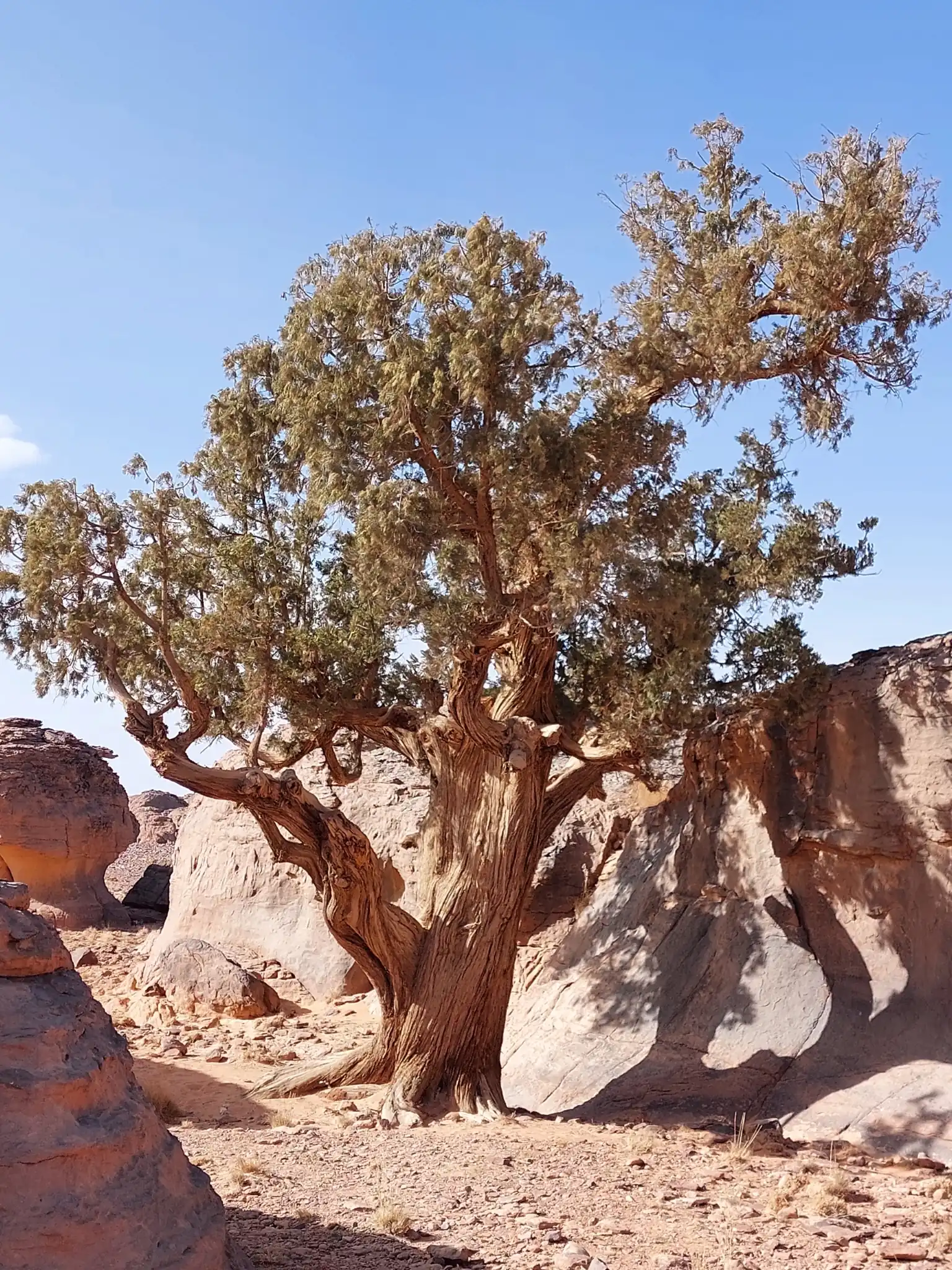
Cupressus dupreziana, the Saharan cypress, is an evergreen conifer reaching about 65 feet in cultivation, with a straight central trunk and bark that breaks into deep fissures of brown to reddish-brown with age. The foliage is held in dense sprays of tiny appressed scales dusted with wax, and like all cypresses it bears separate male and female cones on the same tree with seed maturing over two seasons.
It is distinguished from Italian cypress by lustrous grayish-green foliage that reads much bluer from its wax coating, each scale to about 1/16 inch with a white resin spot. Female cones are oval, about 3/4 to 1 inch long with six to eight scales, ripening from purple to brown, and much of the wild seed sets by apomixis through diploid pollen.
Uses & Benefits:
Essentials
At a Glance
Plant Type
Tree
Height
787"
Width
236"
Light
Full Sun
Zones
7, 8, 9, 10
Water
Low
Humidity
Low - needs dry air
Lifespan
Very long-lived; to 2,000 years wild
Native To
Southeast Algeria (Tassili n'Ajjer)
Toxicity
Unknown
Bloom period
Spring
In flower about 3 months of the year
Planting
How to Grow
- Plant in full sun in deep, well-drained sandy loam or alluvial gravel; set the crown level and water deeply at planting.
- Water regularly through the first summer to establish, then reduce to occasional deep soakings; established trees tolerate extreme drought.
- Keep the root zone dry in winter and avoid humid, poorly drained sites where growth stalls.
- Mulch with gravel or coarse bark clear of the trunk and protect young trees from freezes below 0F.
- Prune only to remove dead wood in late winter; do not cut into old leafless interior.
Pro Tip
Plant in full sun in deep, well-drained sandy loam and water only to establish; once rooted it persists on very low water and fails fastest in wet ground or humid summers.
Keep It Thriving
Care Guide
Do
- Give full sun and sharp drainage
- Water deeply but infrequently once established
- Allow room for a 20-foot spread
Don't
- Do not plant in wet clay or humid summer beds
- Do not shear into old bare wood
- Do not expect fast nursery-sized shade
Seasonal Care Calendar
| Task | Jan | Feb | Mar | Apr | May | Jun | Jul | Aug | Sep | Oct | Nov | Dec |
|---|---|---|---|---|---|---|---|---|---|---|---|---|
| Mulch | ||||||||||||
| Pest Check | ||||||||||||
| Plant | ||||||||||||
| Prune |
Watch Out For
Pests & Diseases
Common Pests
Common Diseases
In the Garden
Landscape Uses & Companions
Landscape Uses
Multiply
Propagation Methods
Good to Know
Common Questions
Saharan Cypress questions
What zones can Saharan Cypress grow in?
Saharan Cypress is hardy in USDA Zones 7–10: in that range it survives winter in the ground. Colder than Zone 7, winters are too cold for it to survive outdoors.
When does Saharan Cypress bloom?
Saharan Cypress typically blooms in spring. Exact timing shifts a week or two with your zone — Sow's bloom calendar maps it to your garden.
Does Saharan Cypress need full sun?
Saharan Cypress does best in full sun (6+ hours).
Is Saharan Cypress drought tolerant?
Yes — once established (usually after the first full season), Saharan Cypress handles dry spells with minimal watering. Water deeply its first year to build the root system that makes that possible.
More Cupressus to compare
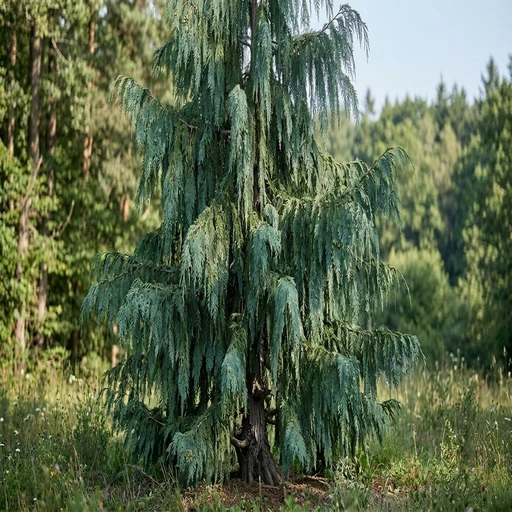
Weeping Blue Nootka Cypress
Cupressus nootkatensis 'Glauca Pendula'
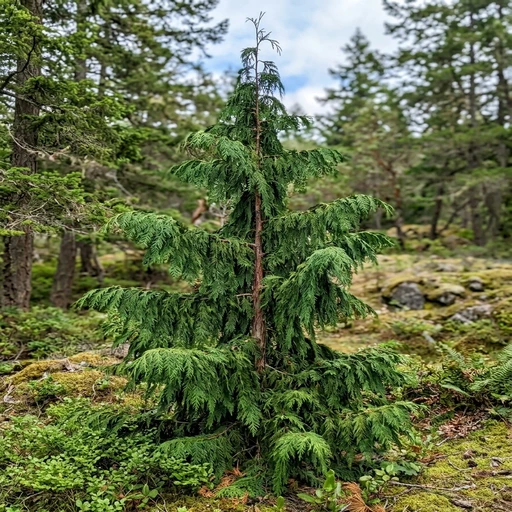
Weeping Nootka Cypress
Cupressus nootkatensis 'Pendula'
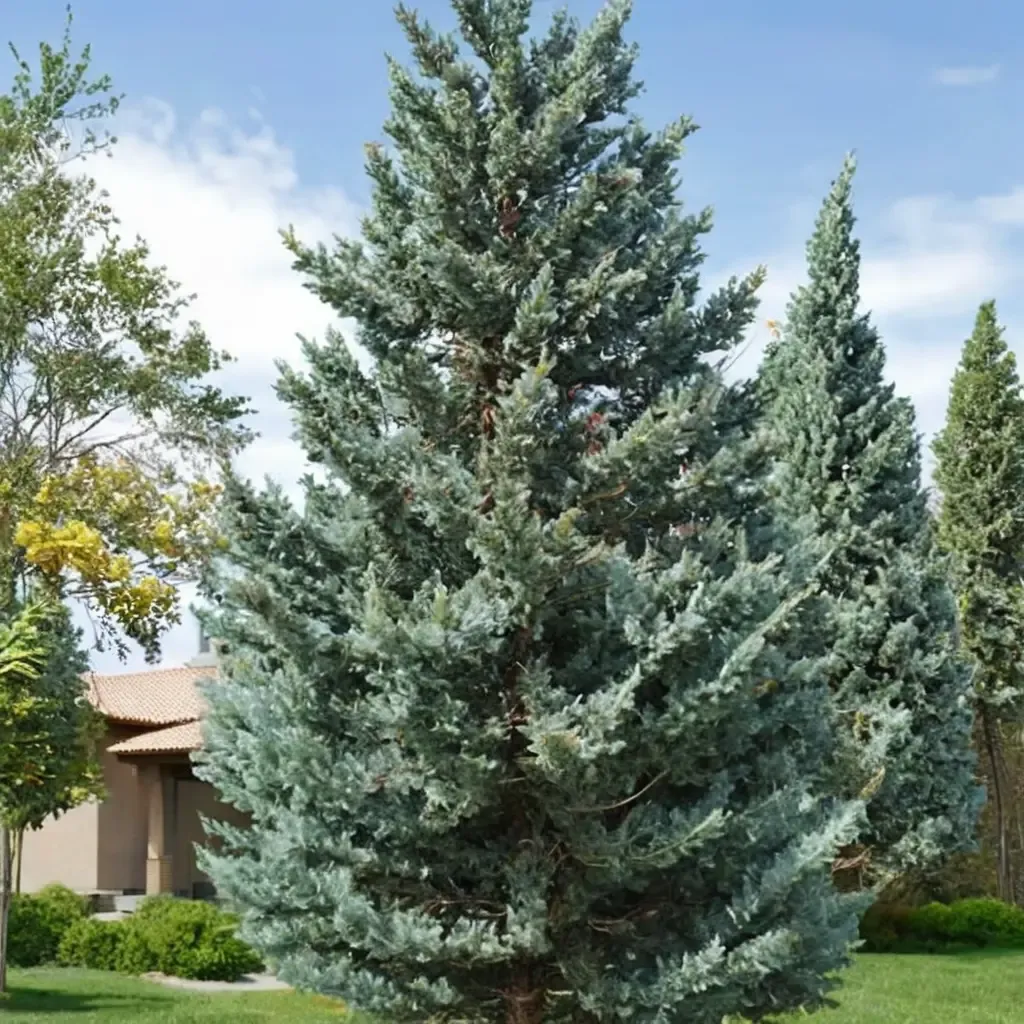
Arizona Cypress
Cupressus arizonica
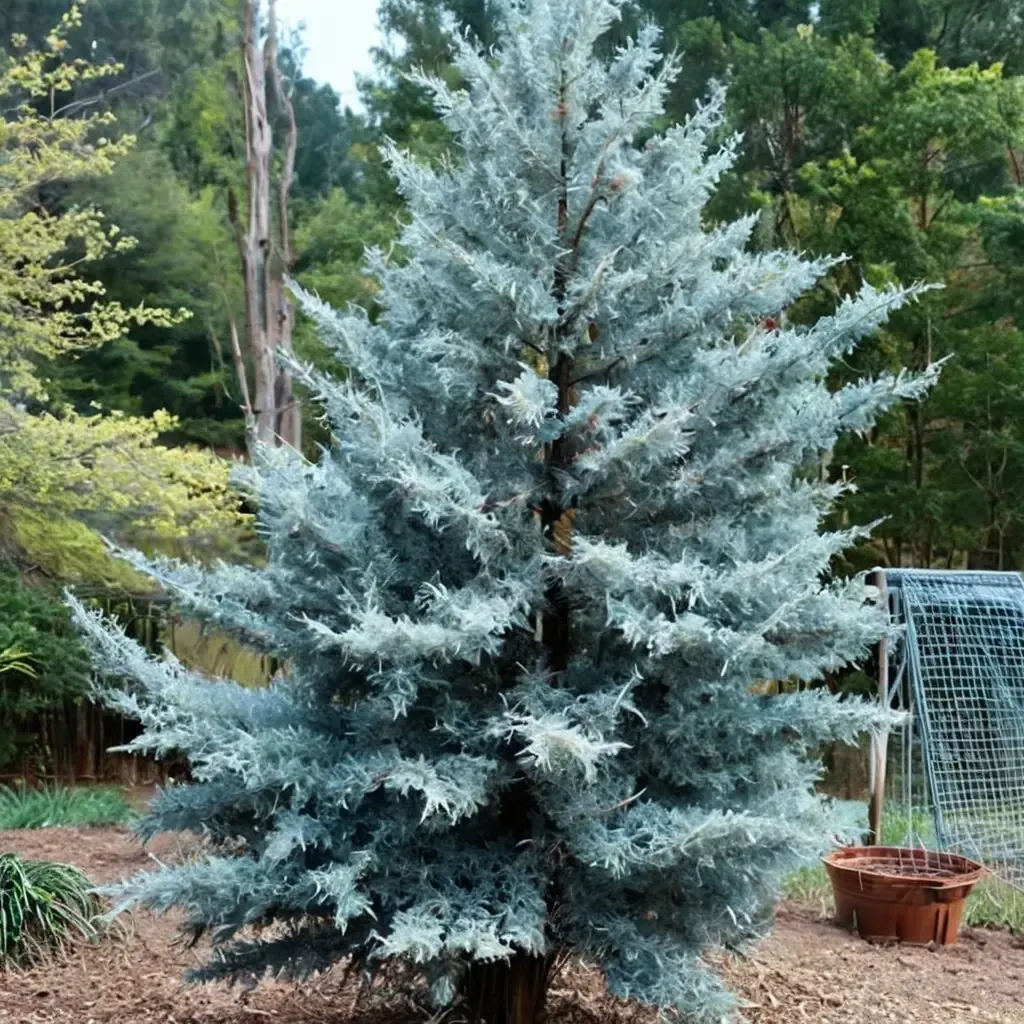
Blue Ice Arizona Cypress
Cupressus arizonica 'Blue Ice'
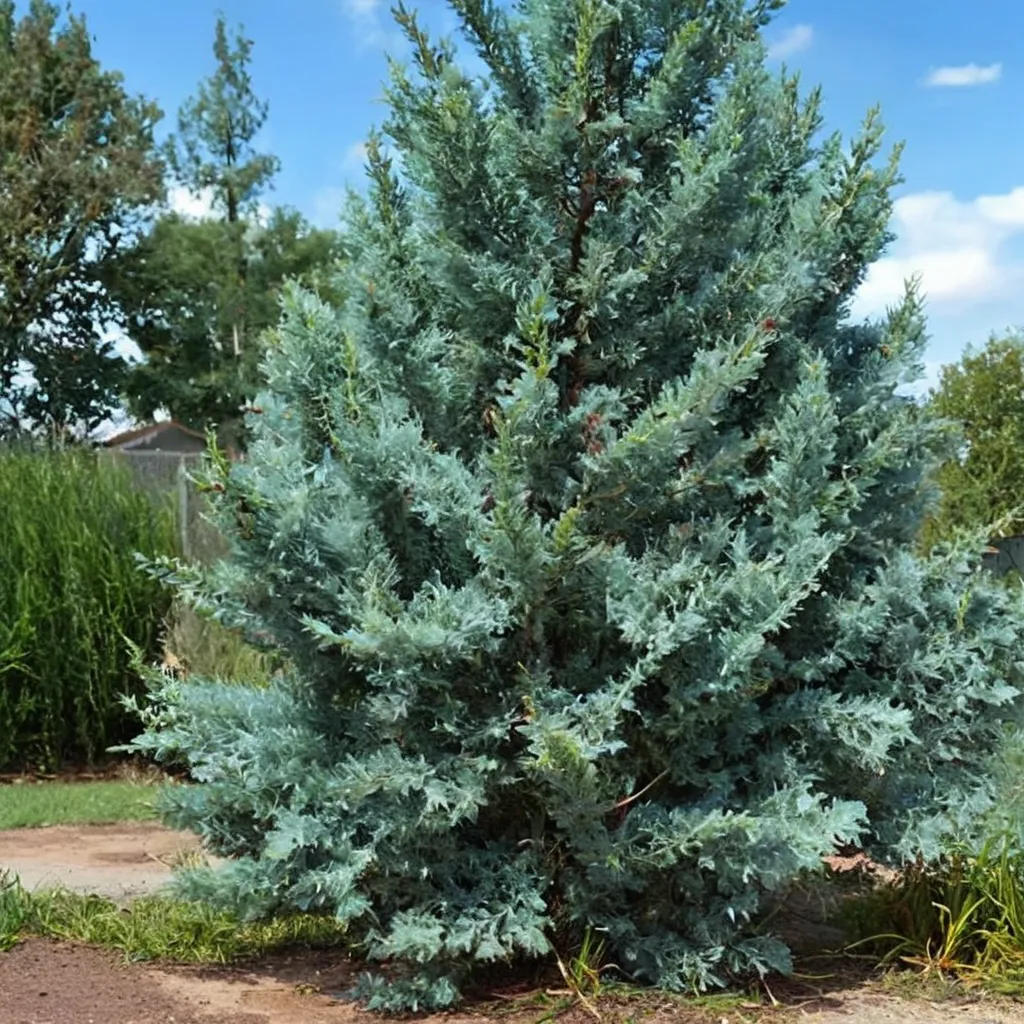
Arizona Cypress Carolina Sapphire
Cupressus arizonica 'Carolina Sapphire'
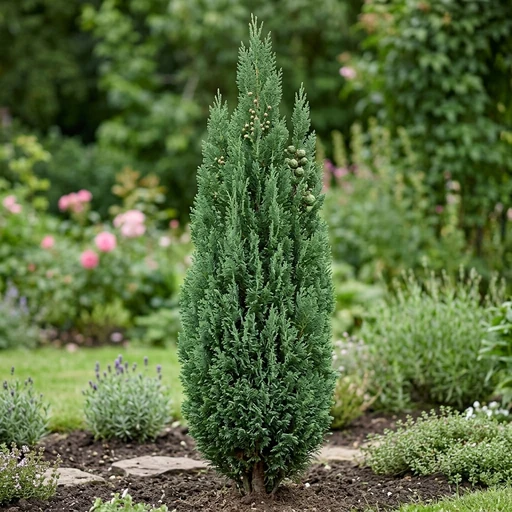
Italian Cypress
Cupressus sempervirens
Keep exploring
Explore the genus
Hardy in your zone?
Grow Saharan Cypress with confidence
See it in a design of your actual yard, get zone-matched care reminders, and track it season by season in your garden journal.