Also known as Pistache · 1 saves
Pistacia
Pistacia, the genus most gardeners know as pistache. We track 3 varieties; the ones most used by real gardeners.
The 3 most-saved Pistacia varieties
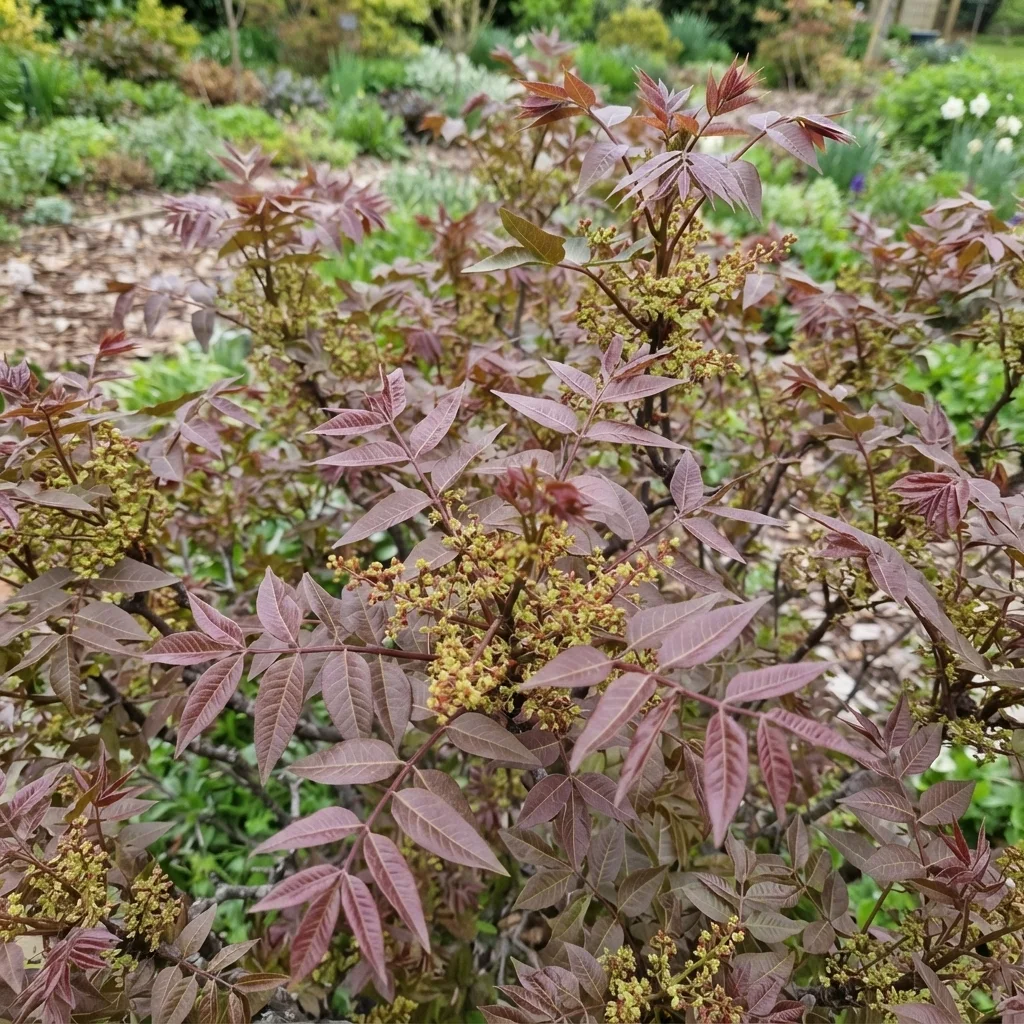
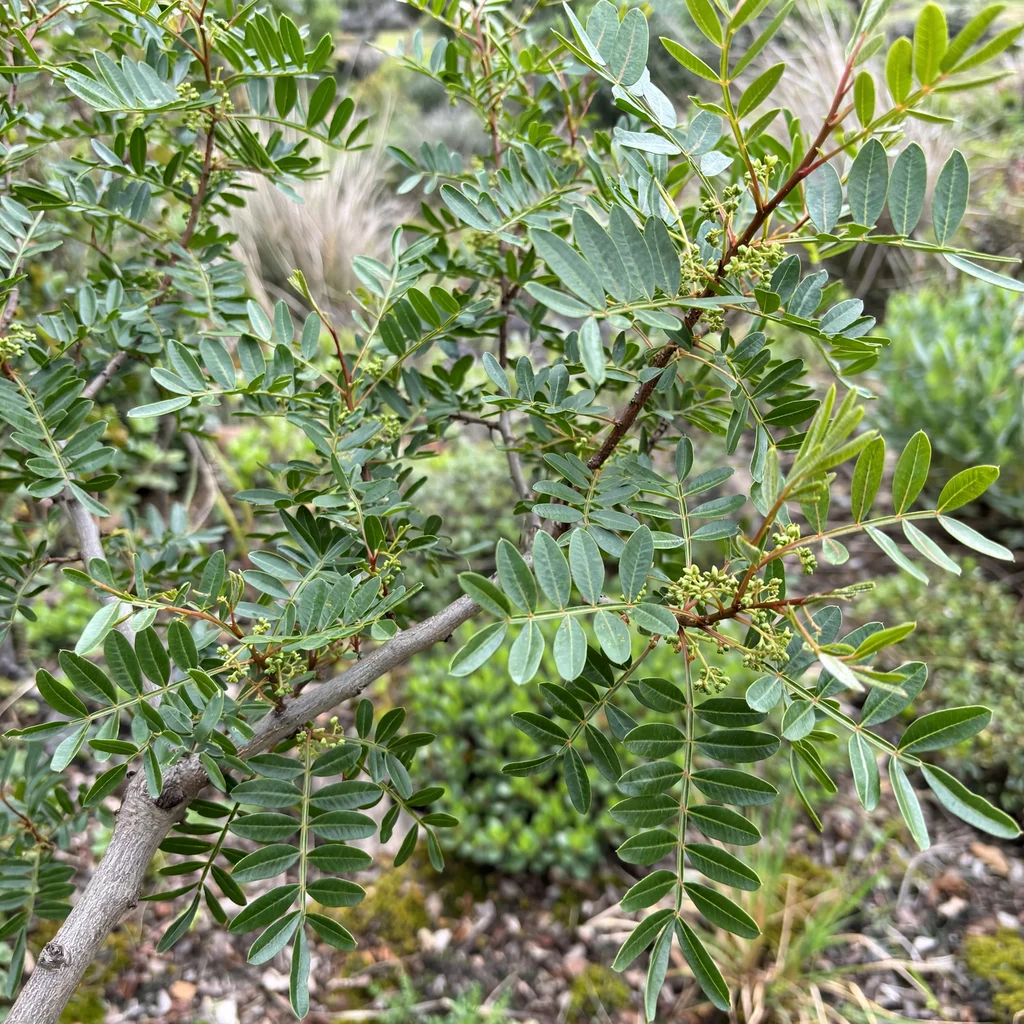
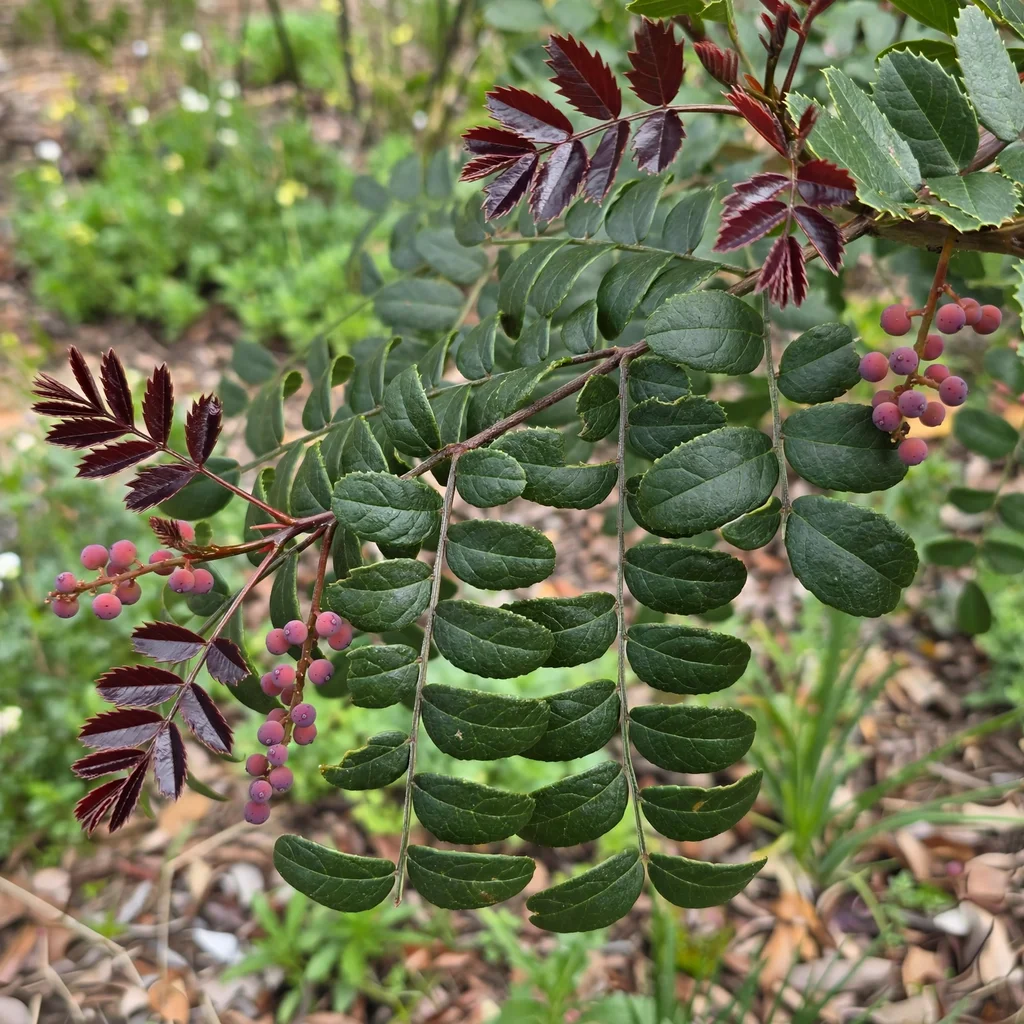
3 species of Pistacia
Each one is a parent of the varieties above.
Track your Pistacia in Sow
Save the Pistacia you grow and get care reminders timed to your zone.
How to grow Pistacia
Whats common across all Pistacia varieties in our catalog — drawn from the care records of the 3 most-grown of them.
The Pistacia year
- PruneFebruary and March100% of varieties
Thin lightly in late winter to shape the open crown; avoid heavy cuts.
- Check for PestsJune and July100% of varieties
Check shoot tips for aphids and spider mites in heat.
- PlantMarch and April67% of varieties
Plant in spring after frost into warm, well-drained limestone soil.
- Winter PrepNovember and December67% of varieties
Mulch the root zone to protect young trees from extreme winter temperatures.


Do
- Give full sun and sharp drainage over limestone or gravel.
- Float seed and sow only the sunk, filled seed.
- Leave female branches unpruned to set fall berries for birds.
- Prune structurally during late winter dormancy to maintain a strong central leader.
- Ensure the planting location has excellent drainage to prevent root rot.
Avoid
- Do not overwater or plant in clay that holds winter wet.
- Do not expect edible pistachios; the nuts are tiny and largely empty.
- Do not shear the open crown into a tight ball.
- Do not prune aggressively into old, leafless wood.
What goes wrong with Pistacia
| Problem | What you'll see | What to do |
|---|---|---|
| Aphids | Clusters on new reddish shoots causing curling and sticky honeydew. | Wash off with water and use neem or insecticidal soap only if pressure persists. |
| Spider mites | Stippled dull leaves in hot dry weather with fine webbing. | Rinse foliage, improve air flow, and use horticultural oil for heavy infestations. |
| Verticillium wilt | Branch dieback and vascular discoloration | Prune out infected branches and avoid planting in infested soil. |
| Root rot | Declining vigor and wilting in poorly drained soils | Improve soil drainage and avoid overwatering. |
| Root rot | Wilting and decline in wet or poorly drained soil. | Plant high in fast-draining calcareous soil and keep water low. |
| Powdery mildew | White powdery coating on leaves | Apply fungicides and ensure good air circulation around the canopy. |
| Verticillium wilt | Sudden branch wilt and dieback reported in the genus. | Avoid planting in infected soil and prune out affected wood with clean tools. |
Making more Pistacia
Seed
- Collect drupes in late summer when bright red.
- Float in water and discard floaters; keep only sunk filled seed.
- Cold-stratify 30-60 days at 41F after a 16-hour soak.
- Sow singly in deep containers in fast-draining mix and keep warm.
Cuttings
- Take half-ripe cuttings from juvenile growth in summer.
- Wound the base and apply rooting hormone.
- Stick in gritty perlite-sand mix with bottom heat.
- Keep humid but not wet until rooted, then pot on.
Pistacia questions
How many types of Pistacia are there?
The Sow catalog tracks 3 distinct Pistacia varieties. The most popular — ranked by 1 real gardeners — are shown first above.
What zones does Pistacia grow in?
Across its varieties, Pistacia covers USDA Zones 6–10. Individual varieties differ — each plant page lists its exact range, and Sow filters the catalog to your zone automatically.
When does Pistacia bloom?
Most Pistacia varieties bloom from spring to summer.
Which Pistacia should I choose?
Start from the most-saved varieties above — popularity across thousands of gardens is a strong signal of reliability — then filter by your zone and sun. In the Sow app you can preview any of them in a photo of your actual yard before you buy.