The Story
Plant Bio
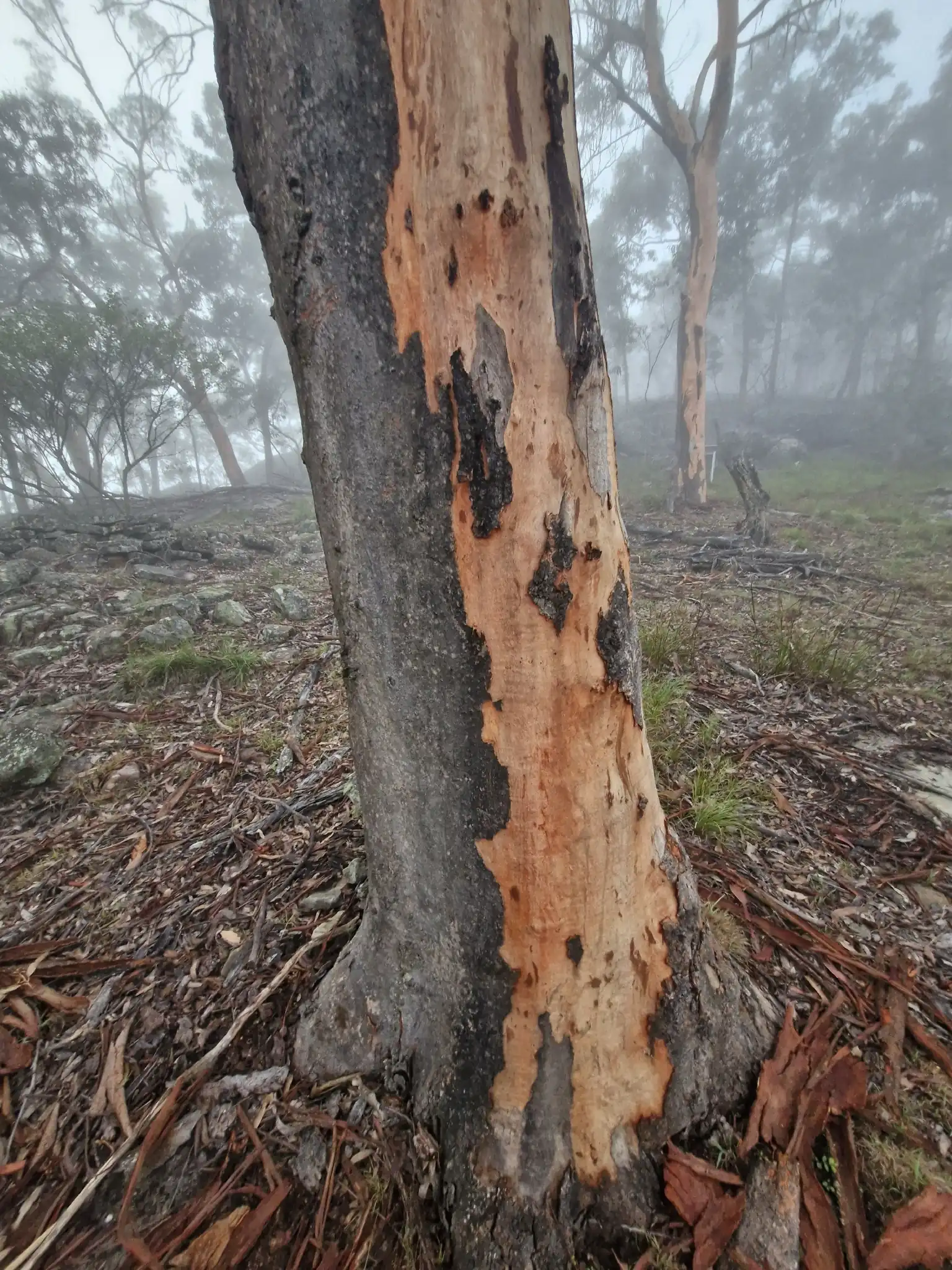
Eucalyptus punctata, commonly known as grey gum, is an evergreen tree native to eastern Australia that grows 30 to 100 feet tall with smooth bark shedding in large flakes to reveal mottled shades of grey, orange, cream, and brown. Its glossy dark green adult leaves are distinctly paler on the underside, and white summer-to-fall flowers give way to small woody seed capsules.
The distinctive multi-colored bark sheds continuously, creating an ever-changing mottled trunk texture throughout the year. In its native habitat, the foliage serves as a primary food source for koalas, while in warm North American landscapes it is grown as an evergreen shade tree or windbreak.
Uses & Benefits:
Essentials
At a Glance
Plant Type
Tree
Height
1378"
Width
591"
Light
Full Sun
Zones
8, 9, 10
Water
Low to Moderate
Humidity
Moderate to High
Lifespan
Perennial
Native To
Eastern Australia
Toxicity
Toxic if ingested; potential skin irritant
Bloom period
Summer – Fall
In flower about 6 months of the year
Planting
How to Grow
- Select a site in full sun with deep, well-draining sandy, loamy, or clay soil.
- Dig a planting hole as deep as the root ball and twice as wide, keeping native soil unamended.
- Gently position the tree without disturbing the root ball, backfill, and firm the soil lightly.
- Water thoroughly at planting and supply supplemental water during the first summer until established.
Pro Tip
Plant young tubestock directly into well-drained soil; eucalypts resent root disturbance and rarely develop stable taproots if planted from large root-bound containers.
Keep It Thriving
Care Guide
Do
- Plant in a sunny location with well-drained soil to prevent root rot.
- Stake young saplings loosely if planted in windy exposed locations.
- Prune lightly in spring to remove dead or damaged branches.
Don't
- Do not plant in heavy, waterlogged soils where water sits after rain.
- Do not prune hard into old, leafless wood, as regrowth will be slow or patchy.
- Do not over-fertilize with high-phosphorus formulas.
Seasonal Care Calendar
| Task | Jan | Feb | Mar | Apr | May | Jun | Jul | Aug | Sep | Oct | Nov | Dec |
|---|---|---|---|---|---|---|---|---|---|---|---|---|
| Fertilize | ||||||||||||
| Pest Check | ||||||||||||
| Prune | ||||||||||||
| Winter Prep |
Watch Out For
Pests & Diseases
Common Pests
Common Diseases
In the Garden
Landscape Uses & Companions
Landscape Uses
Multiply
Propagation Methods
Good to Know
Common Questions
Grey Gum questions
What zones can Grey Gum grow in?
Grey Gum is hardy in USDA Zones 8–10: in that range it survives winter in the ground. Colder than Zone 8, winters are too cold for it to survive outdoors.
Is Grey Gum deer resistant?
Not reliably. Deer may browse Grey Gum, especially tender spring growth — plan on repellents or fencing where pressure is high.
When does Grey Gum bloom?
Grey Gum typically blooms from summer to fall. Exact timing shifts a week or two with your zone — Sow's bloom calendar maps it to your garden.
Does Grey Gum need full sun?
Grey Gum does best in full sun (6+ hours).
Is Grey Gum drought tolerant?
Yes — once established (usually after the first full season), Grey Gum handles dry spells with minimal watering. Water deeply its first year to build the root system that makes that possible.
More Eucalyptus to compare
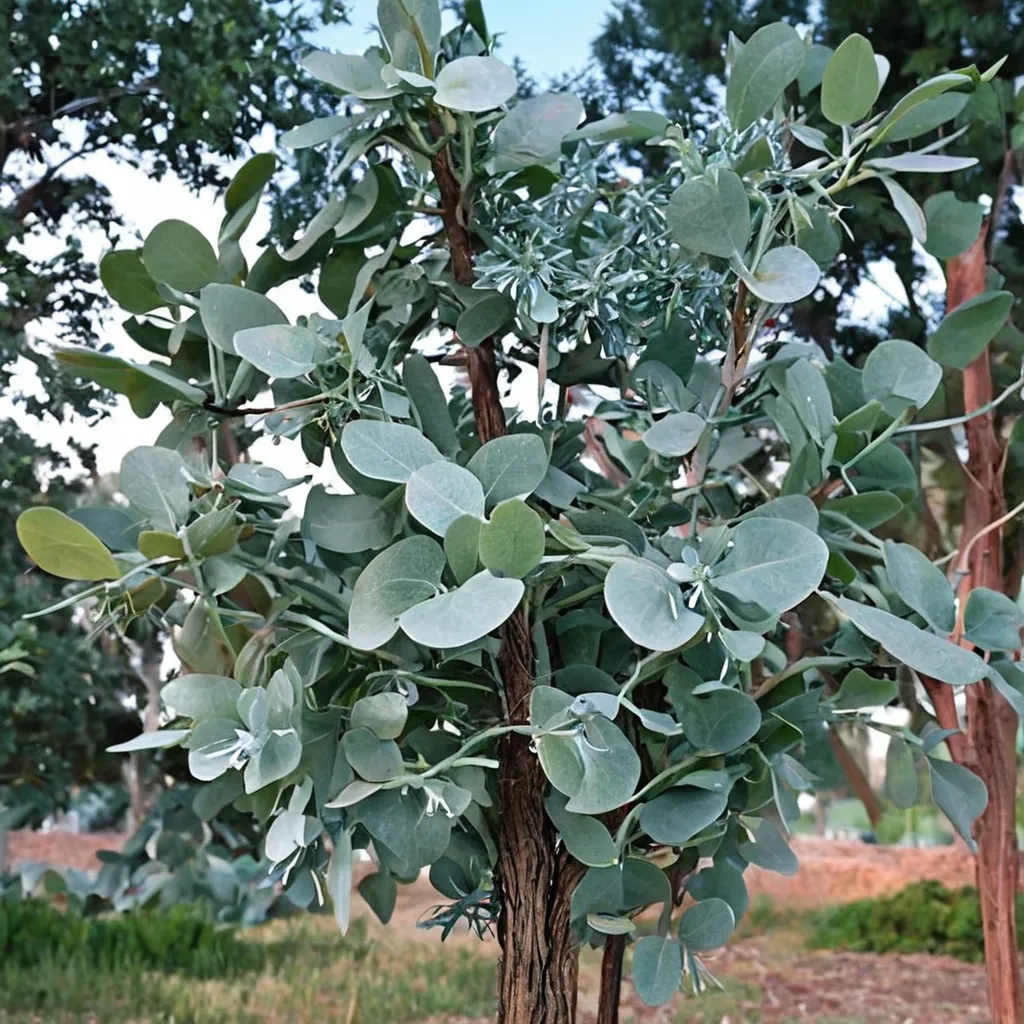
Silver Dollar Eucalyptus
Eucalyptus cinerea
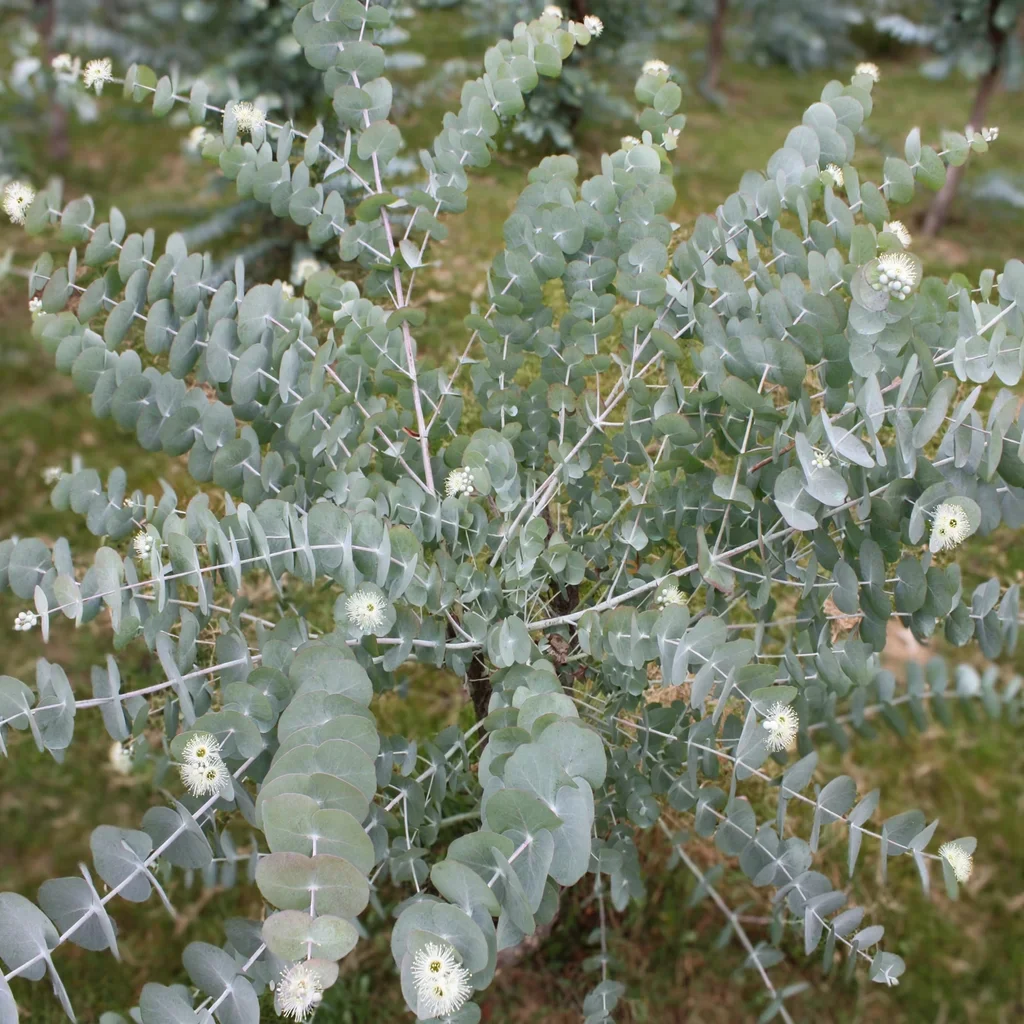
Silver Dollar Tree
Eucalyptus cinerea 'Silver Dollar Tree'
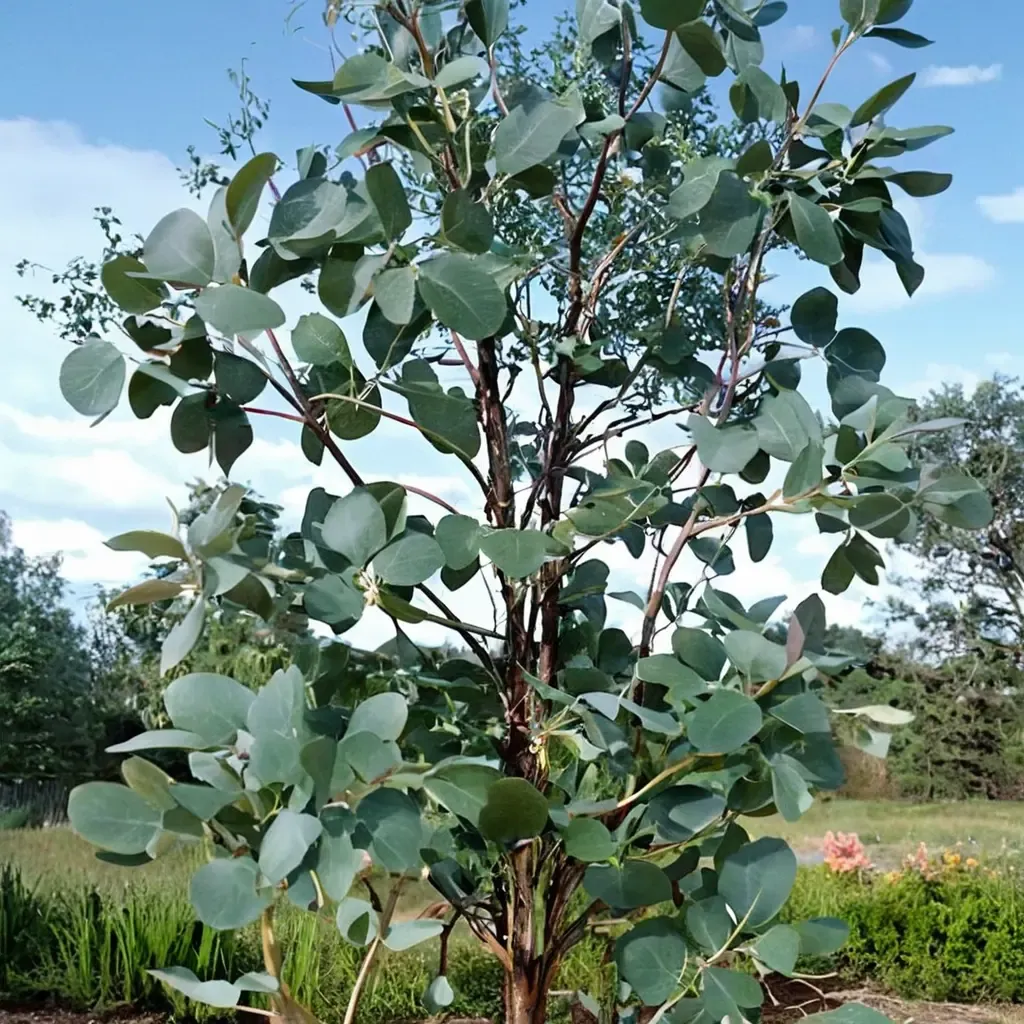
Omeo Gum
Eucalyptus neglecta
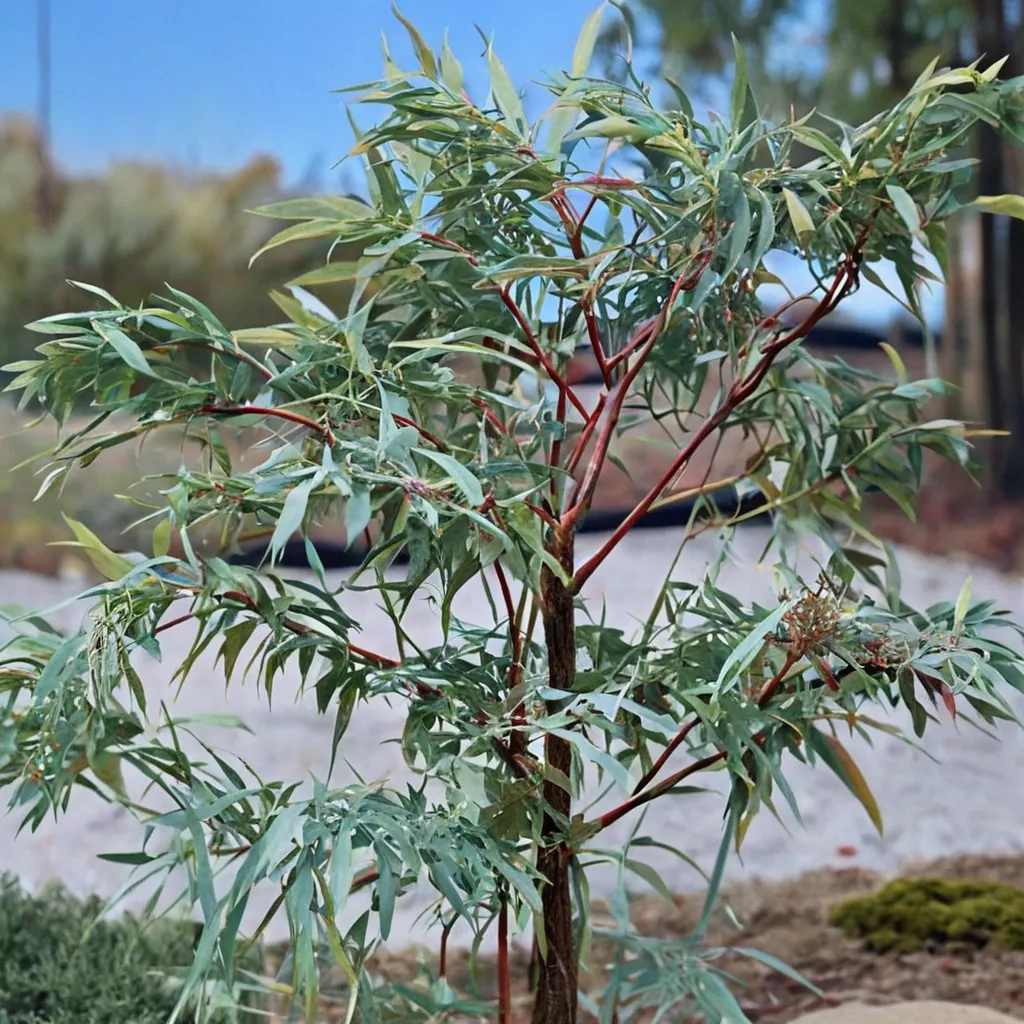
Narrow-leaved Peppermint Eucalyptus
Eucalyptus nicholii
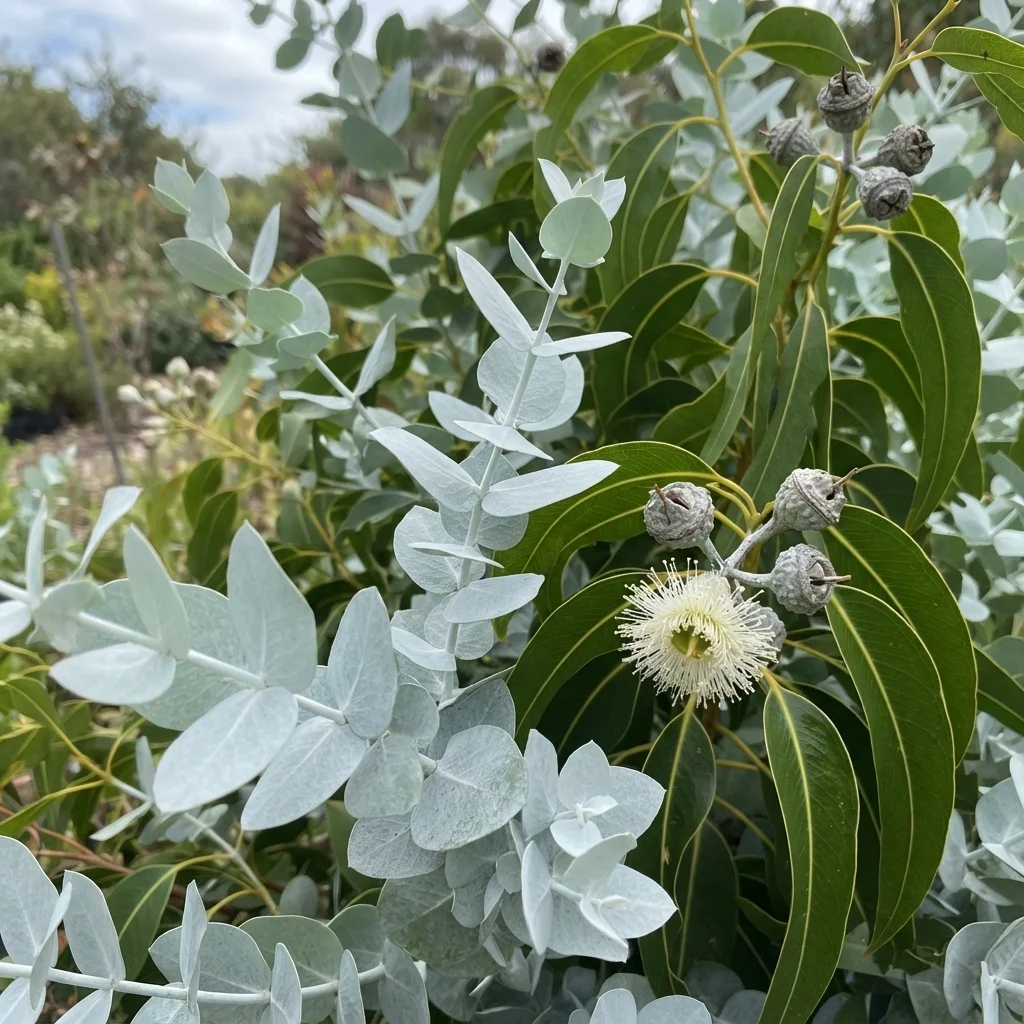
Tasmanian Blue Gum
Eucalyptus globulus
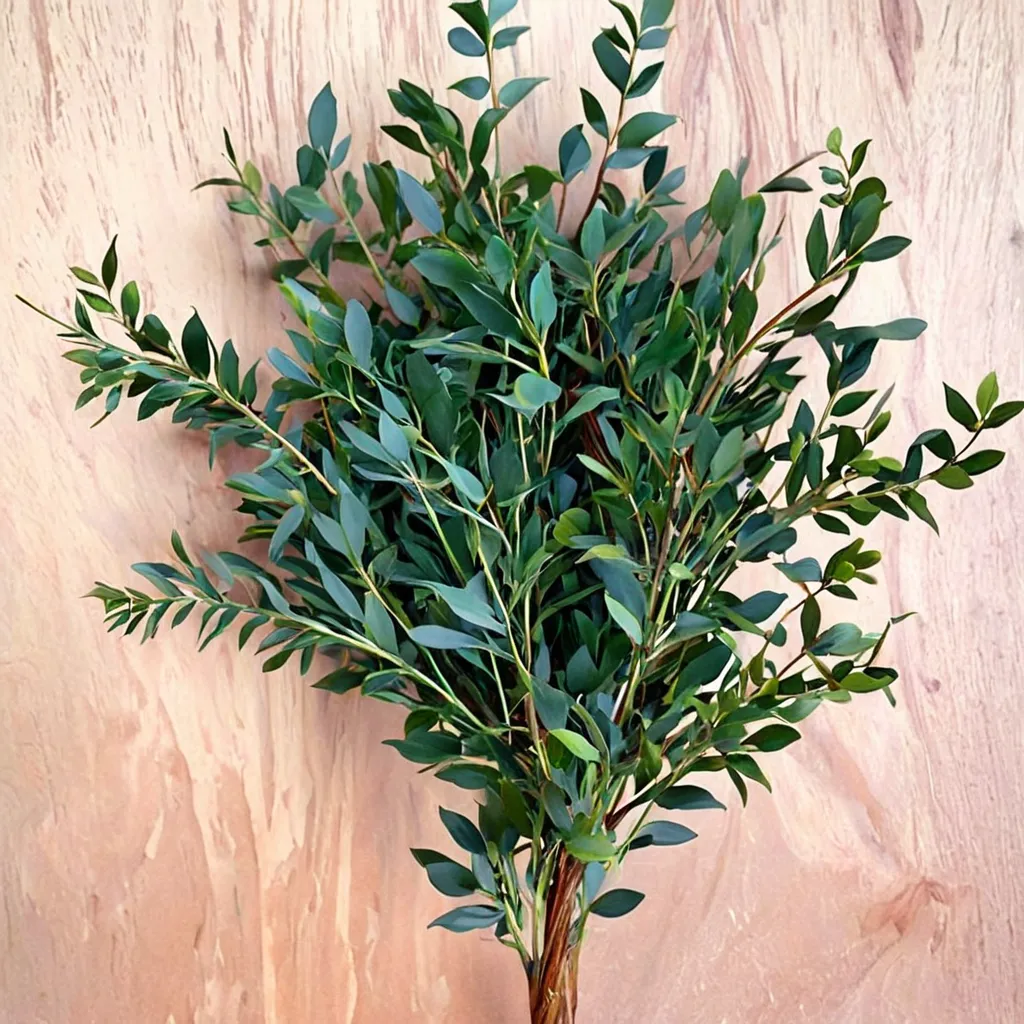
Small-leaved Gum
Eucalyptus parvula
Keep exploring
Explore the genus
Hardy in your zone?
Grow Grey Gum with confidence
See it in a design of your actual yard, get zone-matched care reminders, and track it season by season in your garden journal.