
The Story
Plant Bio
Cornus rugosa is a deciduous, multi-stemmed shrub native to cool understory woodlands, rocky banks, and forest edges across northern North America. It spreads via underground stolons to form thickets, bearing large, nearly circular leaves with downy undersides alongside young stems mottled in purple or red.
Distinguished by its broad leaves up to five inches across, this species produces flat-topped terminal clusters of small white flowers followed by light blue to white berries. Young stems retain green or yellowish tones with distinctive purplish blotches, providing secondary seasonal interest.
Uses & Benefits:
Essentials
At a Glance
Plant Type
Shrub
Height
118"
Width
118"
Light
Partial Sun, Shade
Zones
4, 5, 6, 7
Water
Moderate
Humidity
Moderate to cool
Lifespan
Perennial
Native To
North America
Toxicity
Non-toxic
Bloom period
Late spring – Mid summer
In flower about 3 months of the year
Planting
How to Grow
- Select a planting site in partial to full shade with moist, cool, well-draining soil.
- Amend sandy or heavy soils with compost or organic leaf mold to improve moisture retention.
- Set the root ball level with the surrounding soil and water deeply after planting.
- Apply a 3-inch layer of organic mulch across the root zone to preserve soil moisture and cool root temperatures.
Pro Tip
Plant in cool, organic-rich soil with partial shade; baking afternoon sun and exposed, dry soil cause severe leaf scorch and premature decline.
Keep It Thriving
Care Guide
Do
- Mulch root zones annually with leaf mold or compost to keep soil cool and retain moisture.
- Prune selectively in late winter to remove dead, diseased, or overcrowded stems.
Don't
- Do not shear annually, as hard shearing destroys the natural colonial habit and removes flowering wood.
- Do not plant in hot, dry, exposed locations subject to reflective heat.
Seasonal Care Calendar
| Task | Jan | Feb | Mar | Apr | May | Jun | Jul | Aug | Sep | Oct | Nov | Dec |
|---|---|---|---|---|---|---|---|---|---|---|---|---|
| Mulch | ||||||||||||
| Pest Check | ||||||||||||
| Propagate | ||||||||||||
| Prune |
Watch Out For
Pests & Diseases
Common Pests
Common Diseases
In the Garden
Landscape Uses & Companions
Landscape Uses
Multiply
Propagation Methods
Good to Know
Common Questions
Roundleaf Dogwood questions
What zones can Roundleaf Dogwood grow in?
Roundleaf Dogwood is hardy in USDA Zones 4–7: in that range it survives winter in the ground. Warmer than Zone 7, winter isn't the problem: it prefers colder winters, and summer heat can shorten its life.
Is Roundleaf Dogwood deer resistant?
Not reliably. Deer may browse Roundleaf Dogwood, especially tender spring growth — plan on repellents or fencing where pressure is high.
When does Roundleaf Dogwood bloom?
Roundleaf Dogwood typically blooms from late spring to mid-summer. Exact timing shifts a week or two with your zone — Sow's bloom calendar maps it to your garden.
Does Roundleaf Dogwood need full sun?
Roundleaf Dogwood does best in part shade.
Is Roundleaf Dogwood drought tolerant?
Yes — once established (usually after the first full season), Roundleaf Dogwood handles dry spells with minimal watering. Water deeply its first year to build the root system that makes that possible.
More Cornus to compare
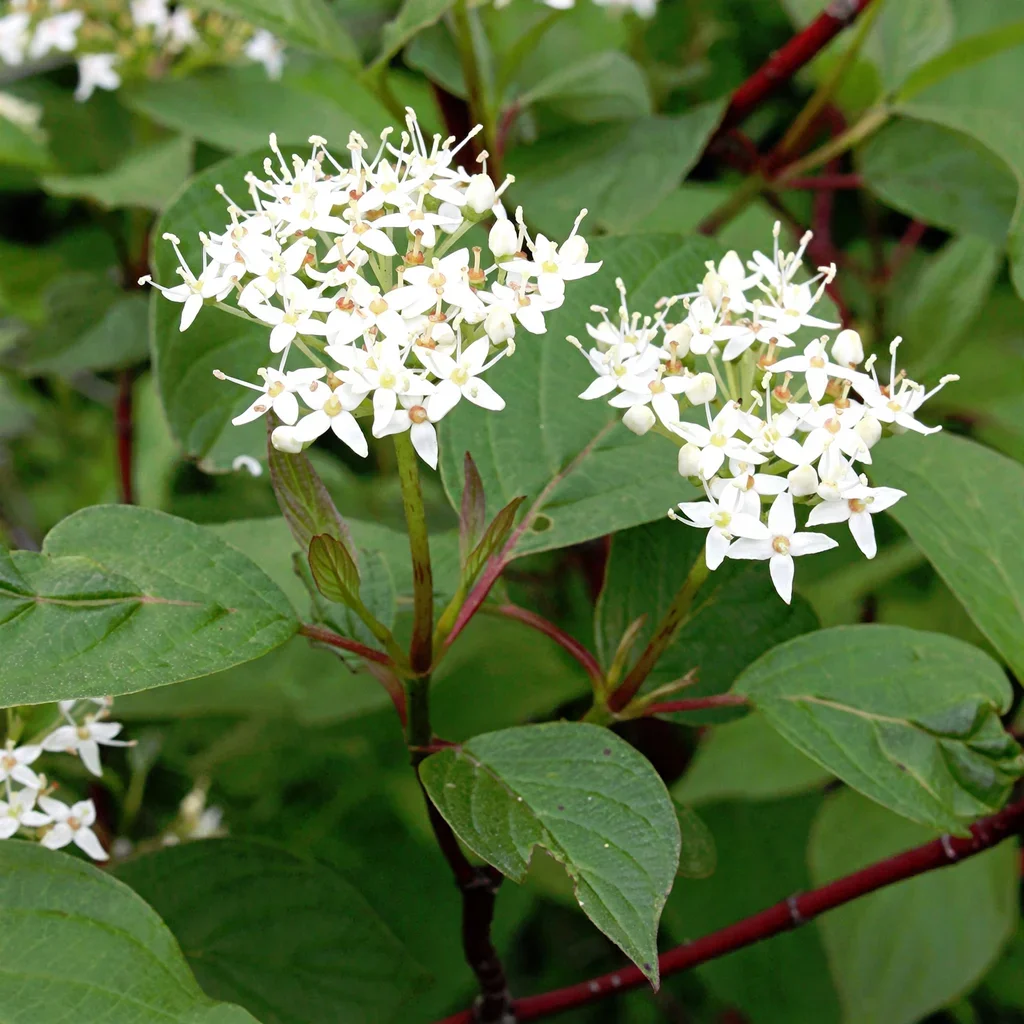
Red Twig Dogwood
Cornus sericea 'Red Twig'
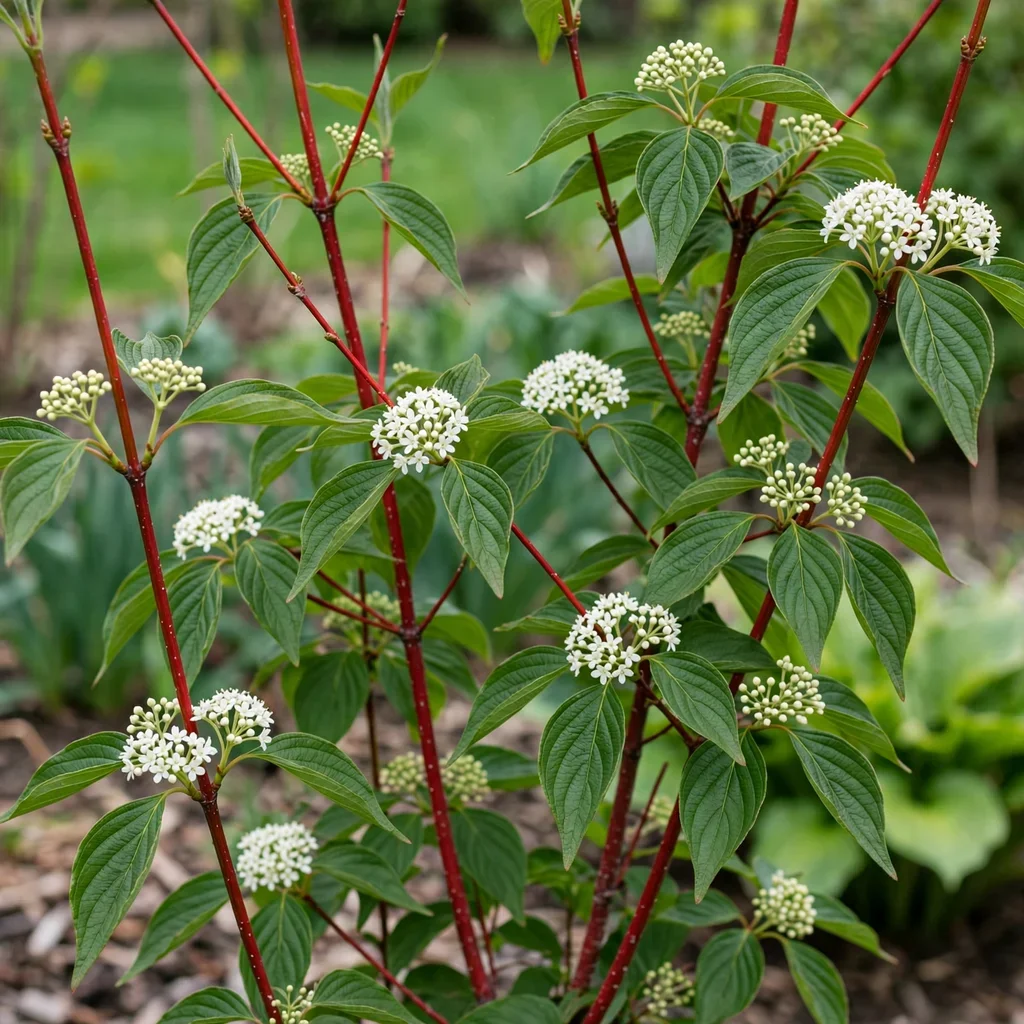
Arctic Fire Red Osier Dogwood
Cornus sericea 'Arctic Fire'
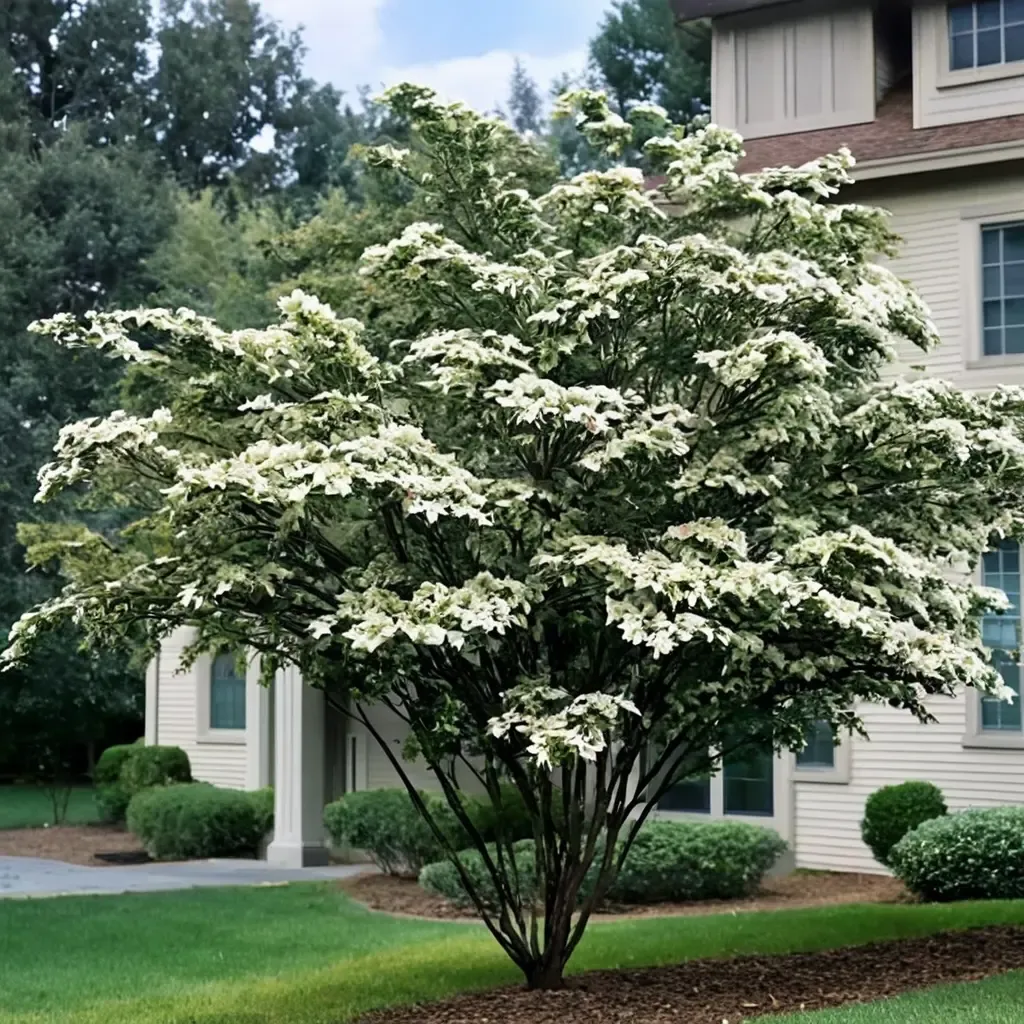
Kousa Dogwood
Cornus kousa
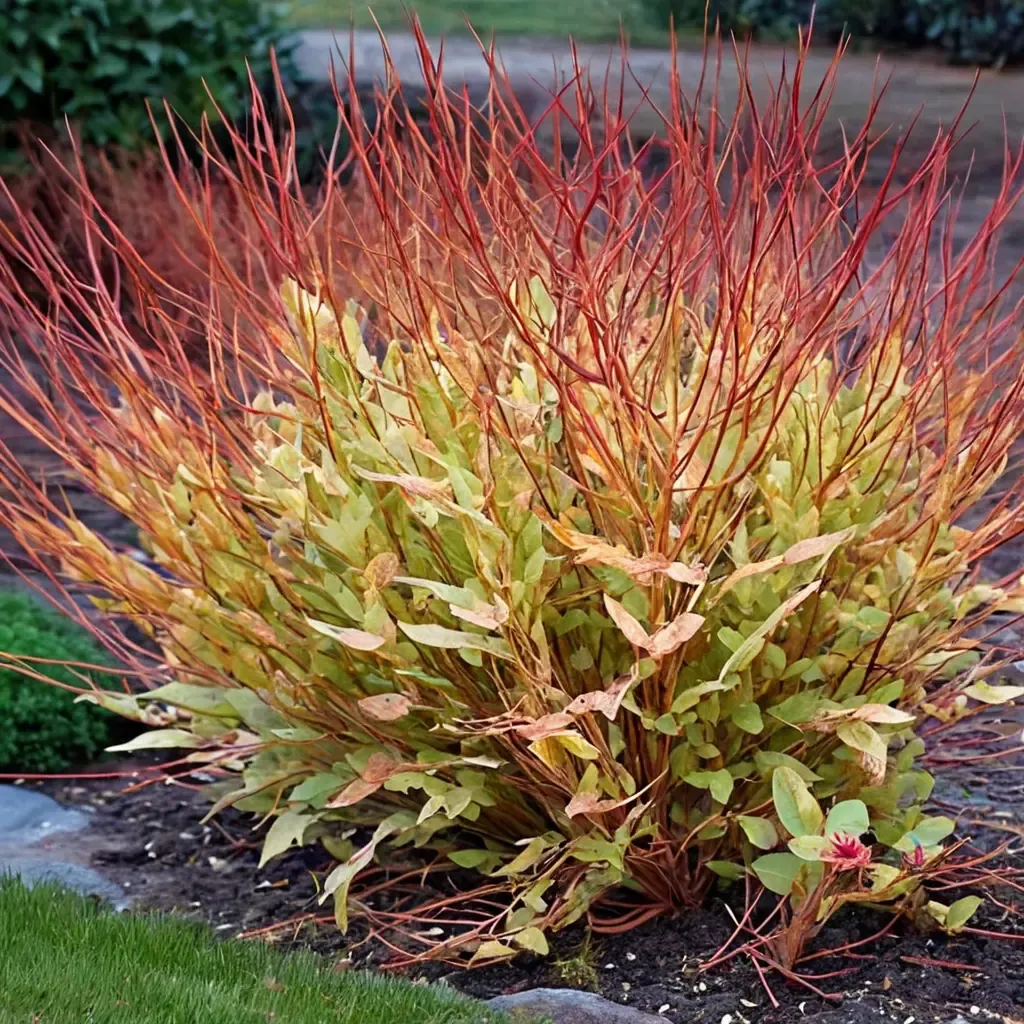
Midwinter Fire Dogwood
Cornus sanguinea 'Midwinter Fire'
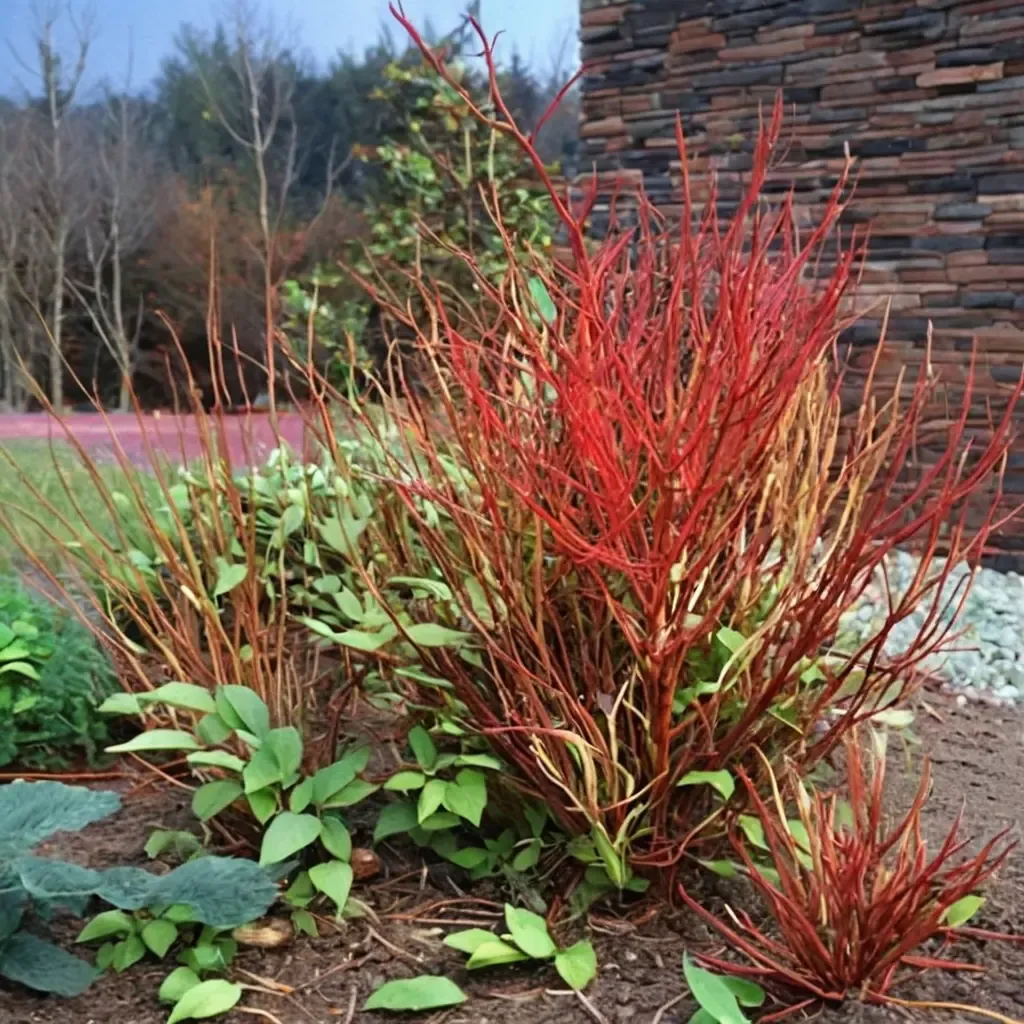
Cardinal Red Osier Dogwood
Cornus sericea 'Cardinal'
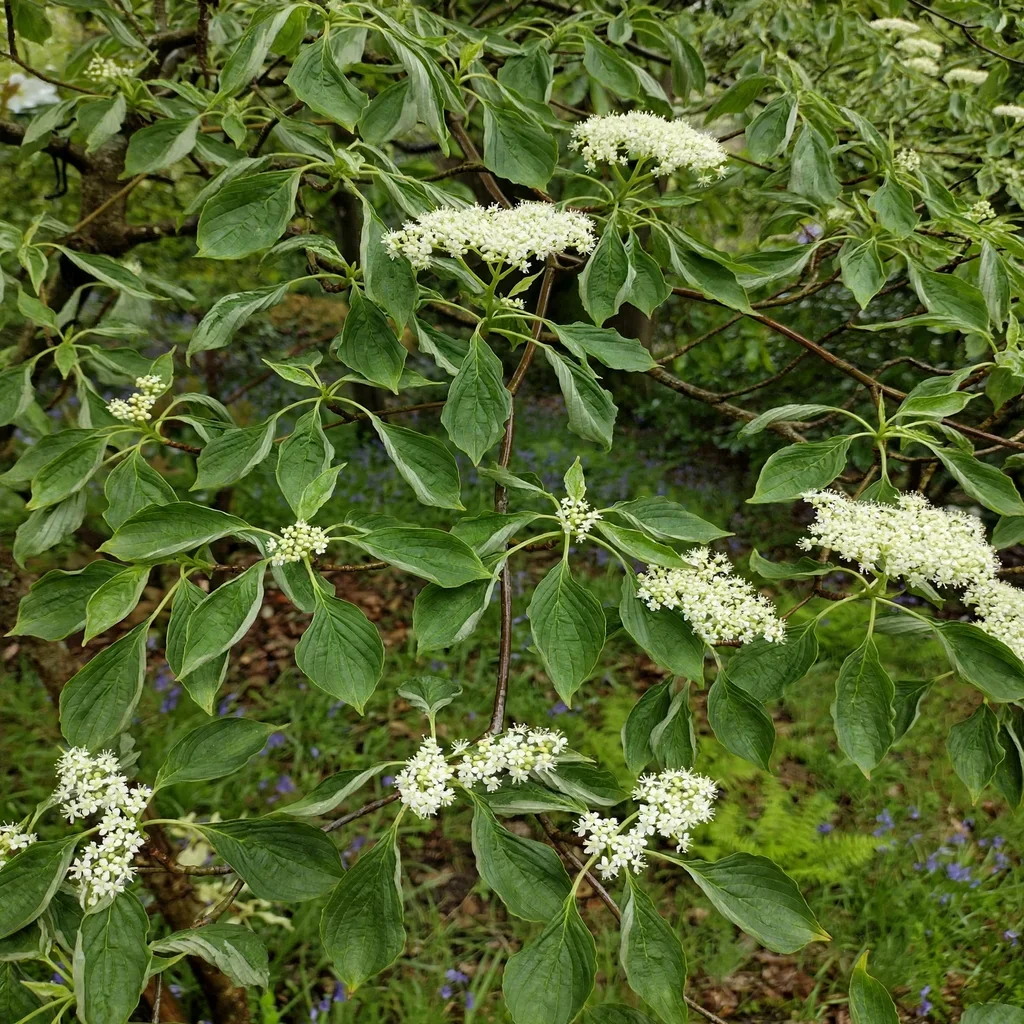
Giant Dogwood
Cornus controversa
Keep exploring
Explore the genus
Hardy in your zone?
Grow Roundleaf Dogwood with confidence
See it in a design of your actual yard, get zone-matched care reminders, and track it season by season in your garden journal.