The Story
Plant Bio
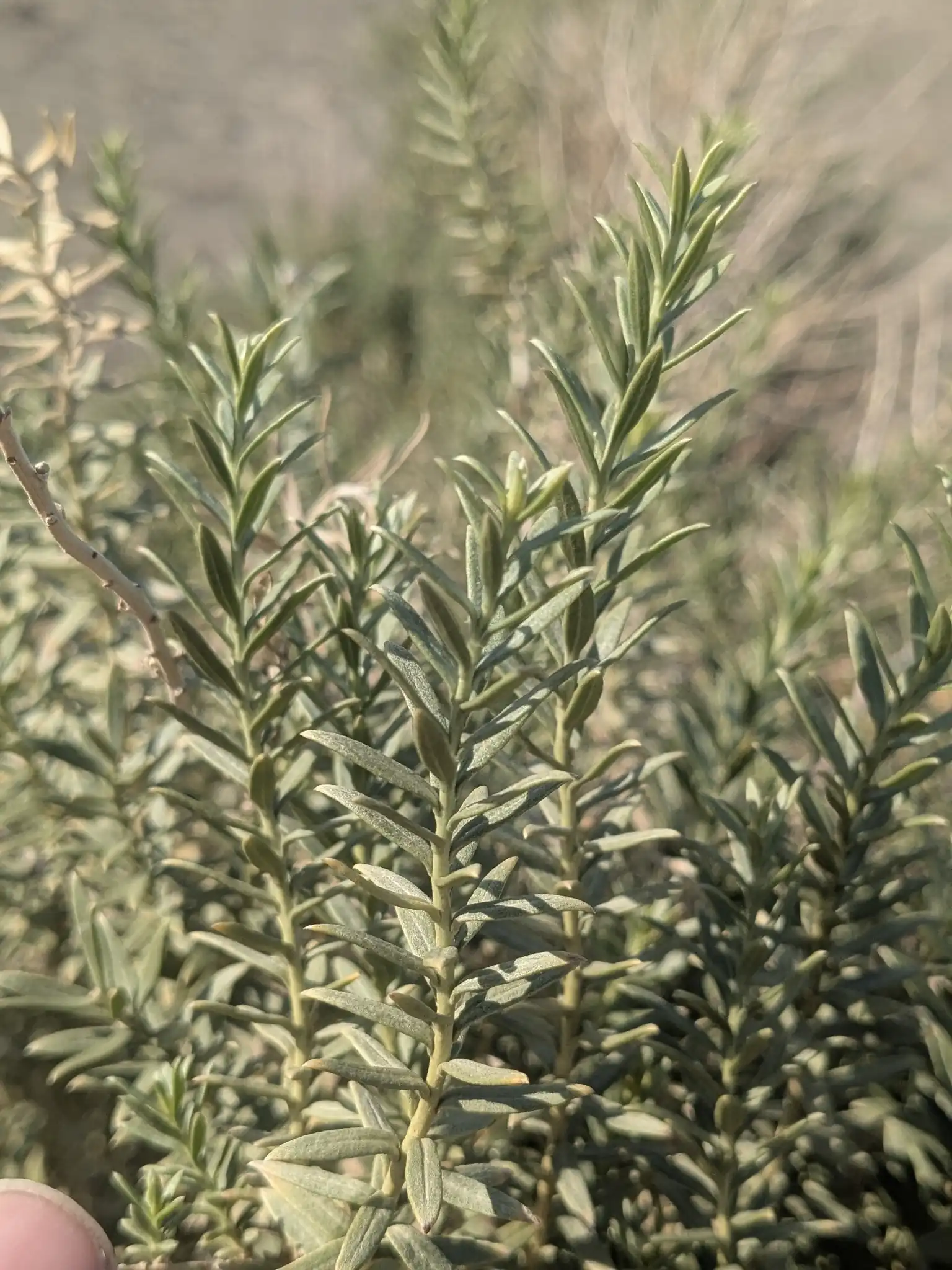
Pluchea sericea, commonly known as arrowweed, is an evergreen riparian shrub native to the southwestern United States and northwestern Mexico. It forms dense, thicket-forming stands of straight, wand-like stems clad in narrow leaves densely coated with silvery-white silky hairs.
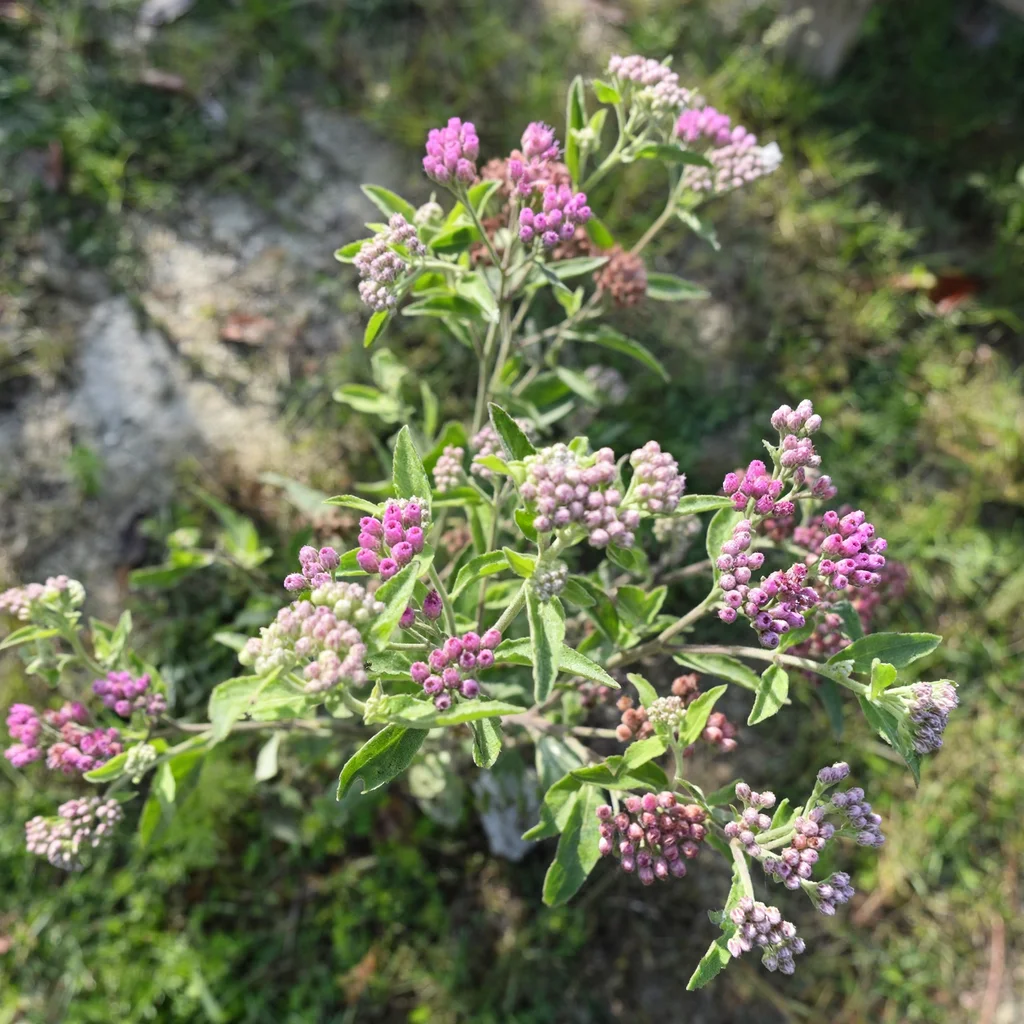
In late winter through summer, terminal clusters of small thimble-shaped heads open with pink to deep rose disk flowers that attract hummingbirds and native pollinators. Its extensive underground rhizomes make it exceptionally effective at binding desert soils and controlling erosion along dry washes.
Uses & Benefits:
Essentials
At a Glance
Plant Type
Shrub
Height
120"
Width
177"
Light
Full Sun
Zones
8, 9, 10
Water
Low to Moderate
Humidity
Low to Moderate
Lifespan
Perennial
Native To
North America
Toxicity
Non-toxic
Bloom period
Spring – Summer
In flower about 6 months of the year
Planting
How to Grow
- Select a site in full sun with well-draining, alluvial, or alkaline soil.
- Dig a planting hole twice as wide as the root ball and lower the plant so the crown sits level with the surrounding grade.
- Water deeply at planting to settle soil around the root system, establishing consistent moisture during the first season.
- Sever spreading subterranean rhizomes annually at the desired perimeter to limit colony expansion.
Pro Tip
Control unwanted spread by severing and pulling up peripheral underground rhizomes annually rather than relying solely on aboveground branch pruning.
Keep It Thriving
Care Guide
Do
- Provide full sun to maintain dense growth and strong silvery foliage color.
- Sever peripheral underground rhizomes regularly if containment is required.
Don't
- Do not plant in small, confined garden borders where spreading stems will overwhelm neighbors.
- Do not over-fertilize, as excess nutrients cause weak and leggy growth.
Seasonal Care Calendar
| Task | Jan | Feb | Mar | Apr | May | Jun | Jul | Aug | Sep | Oct | Nov | Dec |
|---|---|---|---|---|---|---|---|---|---|---|---|---|
| Pest Check | ||||||||||||
| Plant | ||||||||||||
| Propagate | ||||||||||||
| Prune |
Watch Out For
Pests & Diseases
Common Pests
Common Diseases
In the Garden
Landscape Uses & Companions
Landscape Uses
Multiply
Propagation Methods
Good to Know
Common Questions
Arrowweed questions
What zones can Arrowweed grow in?
Arrowweed is hardy in USDA Zones 8–10: in that range it survives winter in the ground. Colder than Zone 8, grow it in a container you can move to shelter for the winter.
Is Arrowweed deer resistant?
Not reliably. Deer may browse Arrowweed, especially tender spring growth — plan on repellents or fencing where pressure is high.
When does Arrowweed bloom?
Arrowweed typically blooms from spring to summer. Exact timing shifts a week or two with your zone — Sow's bloom calendar maps it to your garden.
Does Arrowweed need full sun?
Arrowweed does best in full sun (6+ hours).
Is Arrowweed drought tolerant?
Yes — once established (usually after the first full season), Arrowweed handles dry spells with minimal watering. Water deeply its first year to build the root system that makes that possible.
More Pluchea to compare
Keep exploring
Explore the genus
Hardy in your zone?
Grow Arrowweed with confidence
See it in a design of your actual yard, get zone-matched care reminders, and track it season by season in your garden journal.