The Story
Plant Bio
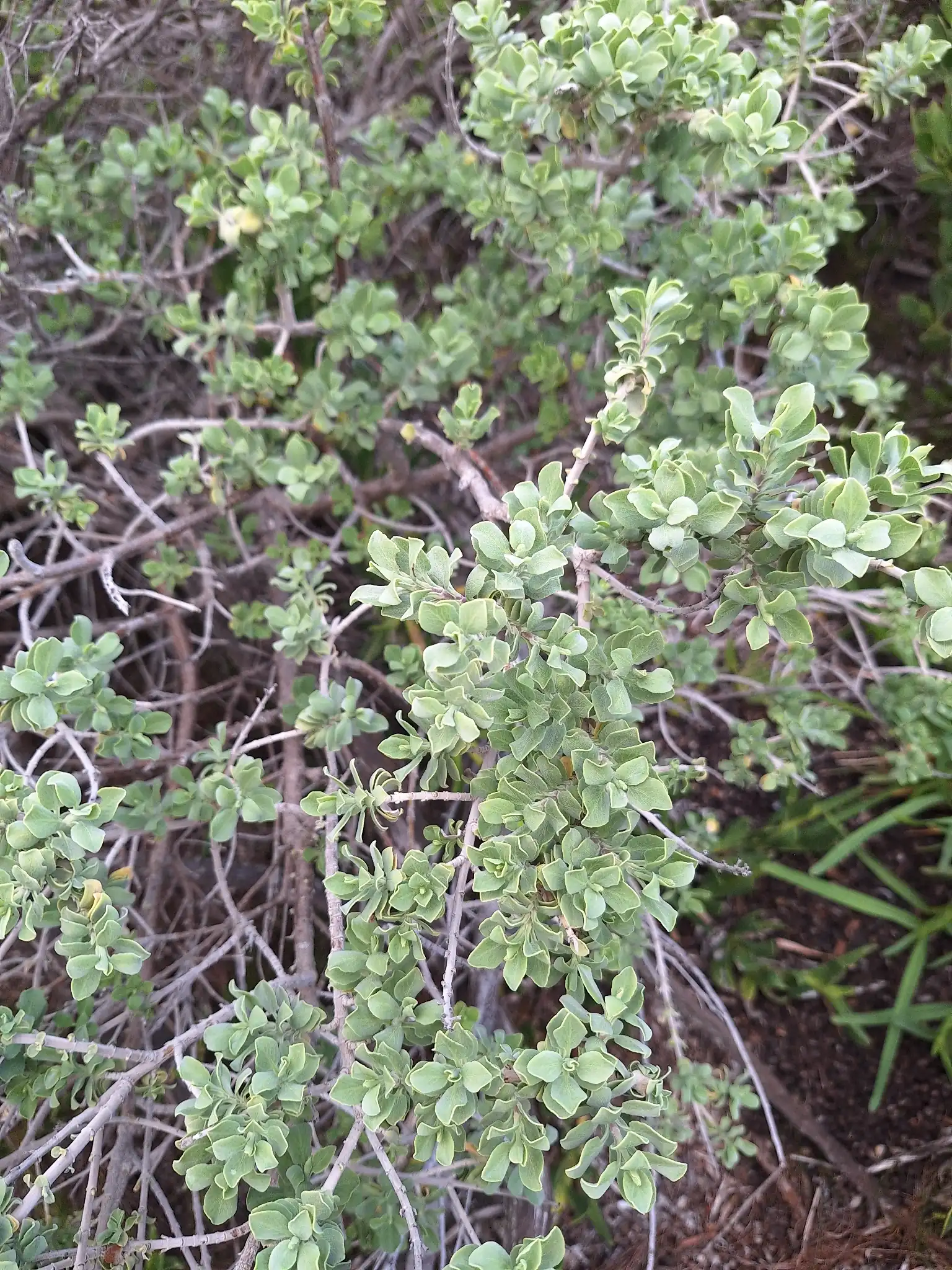
Salvia aurea is an evergreen shrub from South Africa's coastal dunes, reaching four to six feet tall with densely branched upright stems. The small rounded gray-green leaves are softly hairy and aromatic when crushed, and the hooded bilabiate flowers open yellow in loose spikes.
Flowers age from bright yellow to rusty orange-brown while the papery saucer-shaped calyx holds on long after the petals fall, so brown blooms are maturing normally rather than finished. It is still sold under the old invalid name Salvia africana-lutea, which refers to the same plant.
Uses & Benefits:
Essentials
At a Glance
Plant Type
Shrub
Height
72"
Width
60"
Light
Full Sun, Partial Sun
Zones
7, 8, 9, 10
Water
Low
Humidity
Low to moderate
Lifespan
5 years, short-lived shrub
Native To
South Africa - Cape Provinces
Toxicity
Unknown - no toxicity reported
Bloom period
Spring – Fall
In flower about 9 months of the year
Planting
How to Grow
- Plant in spring after frost in full sun in light, sandy, sharply drained soil.
- Set at the same depth as in the container and water in deeply to settle the roots.
- Mulch with gravel or compost, keeping mulch away from the stem crown.
- Water occasionally the first season, then only during extended dry spells.
- Tip-prune regularly and hard-prune by one-third after a flowering flush to keep it dense.
Pro Tip
Cut spent spikes back to leafy green growth and leave the rusty-brown calyces alone; they are the next stage of display, not dead flowers to strip.
Keep It Thriving
Care Guide
Do
- Grow in full sun with sharp drainage and airflow
- Prune lightly to shape and hard-prune by one-third to one-half in late winter
- Mulch and give occasional deep water in drought
Don't
- Don't overwater or plant in heavy wet soil
- Don't cut back into old bare wood
- Don't strip brown calyces thinking they are dead
Seasonal Care Calendar
| Task | Jan | Feb | Mar | Apr | May | Jun | Jul | Aug | Sep | Oct | Nov | Dec |
|---|---|---|---|---|---|---|---|---|---|---|---|---|
| Deadhead | ||||||||||||
| Mulch | ||||||||||||
| Pest Check | ||||||||||||
| Propagate | ||||||||||||
| Prune |
Watch Out For
Pests & Diseases
Common Pests
Common Diseases
In the Garden
Landscape Uses & Companions
Landscape Uses
Multiply
Propagation Methods
Good to Know
Common Questions
Beach Salvia questions
What zones can Beach Salvia grow in?
Beach Salvia is hardy in USDA Zones 7–10: in that range it survives winter in the ground. Colder than Zone 7, grow it in a container you can move to shelter for the winter.
Is Beach Salvia deer resistant?
Yes — Beach Salvia is rated deer-resistant. Deer typically pass it over, though extreme hunger can override any plant's defenses.
When does Beach Salvia bloom?
Beach Salvia typically blooms from spring to fall. Exact timing shifts a week or two with your zone — Sow's bloom calendar maps it to your garden.
Does Beach Salvia need full sun?
Beach Salvia does best in full sun to part shade. In hot climates, afternoon shade keeps blooms fresher longer.
Is Beach Salvia drought tolerant?
Yes — once established (usually after the first full season), Beach Salvia handles dry spells with minimal watering. Water deeply its first year to build the root system that makes that possible.
More Salvia to compare
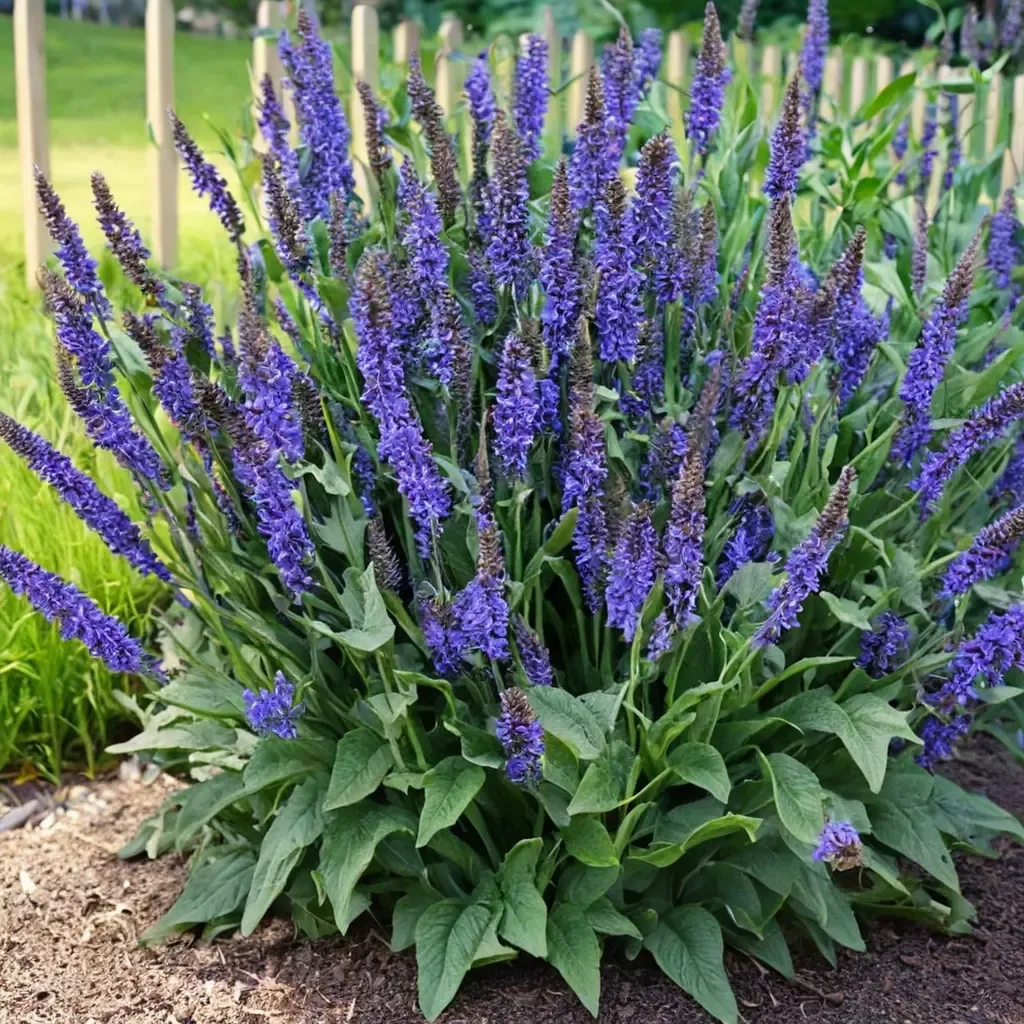
May Night Sage
Salvia nemorosa 'May Night'
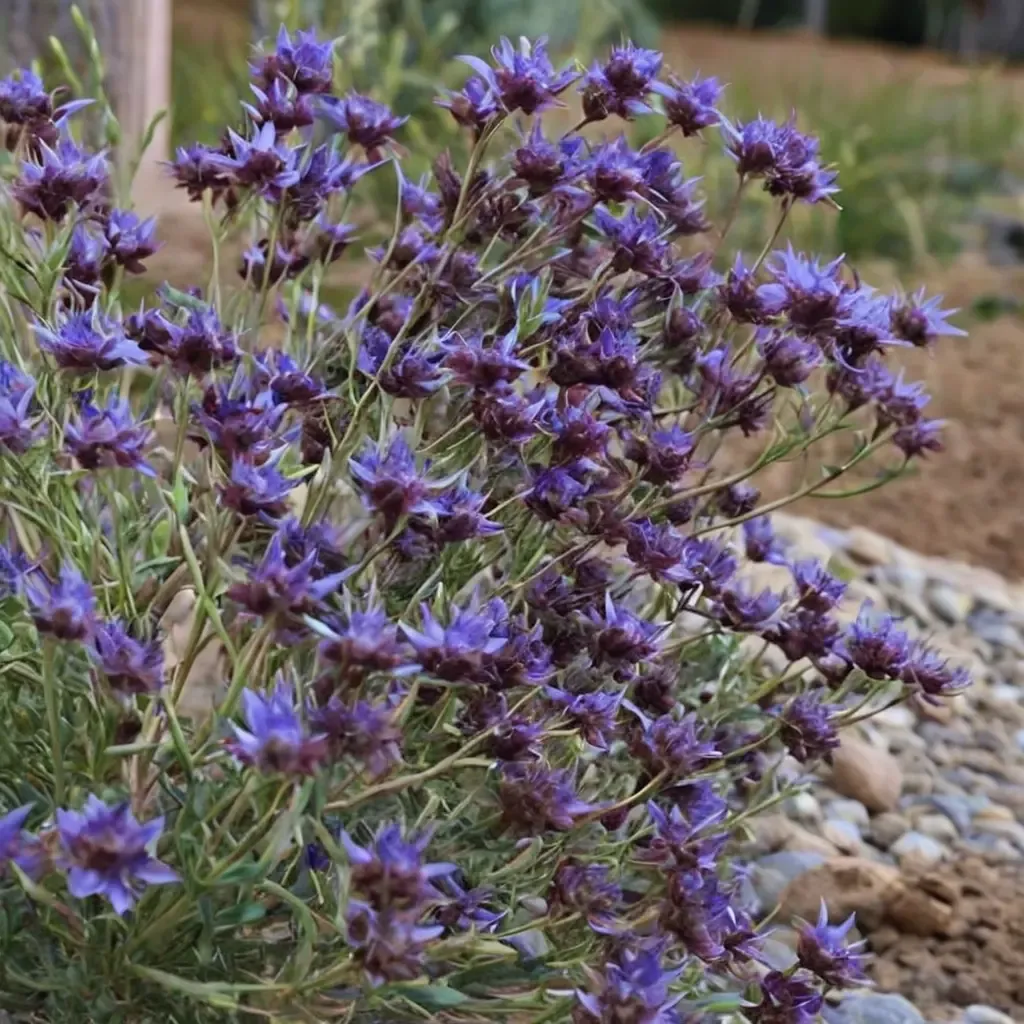
Celestial Blue Sage Wood Sage
Salvia nemorosa 'Celestial Blue'
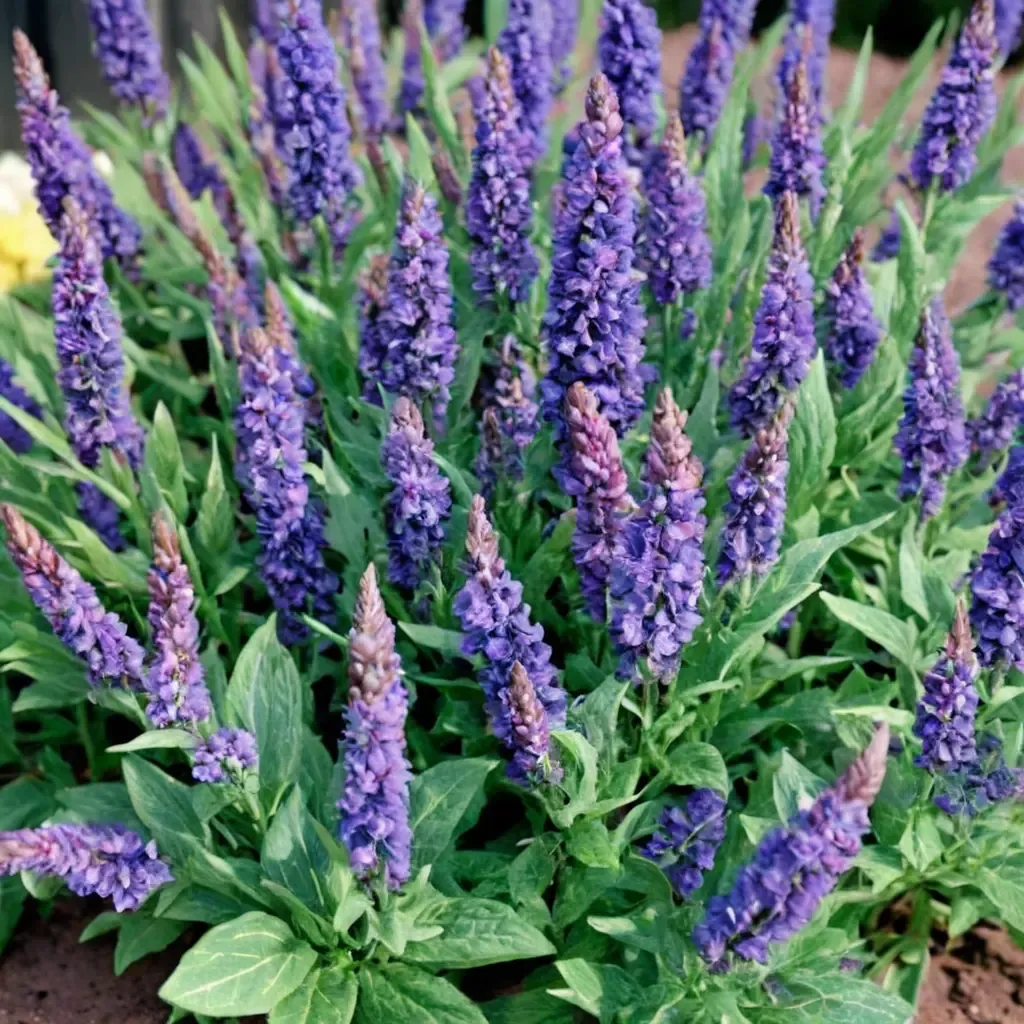
Marcus Woodland Sage
Salvia nemorosa 'Marcus'
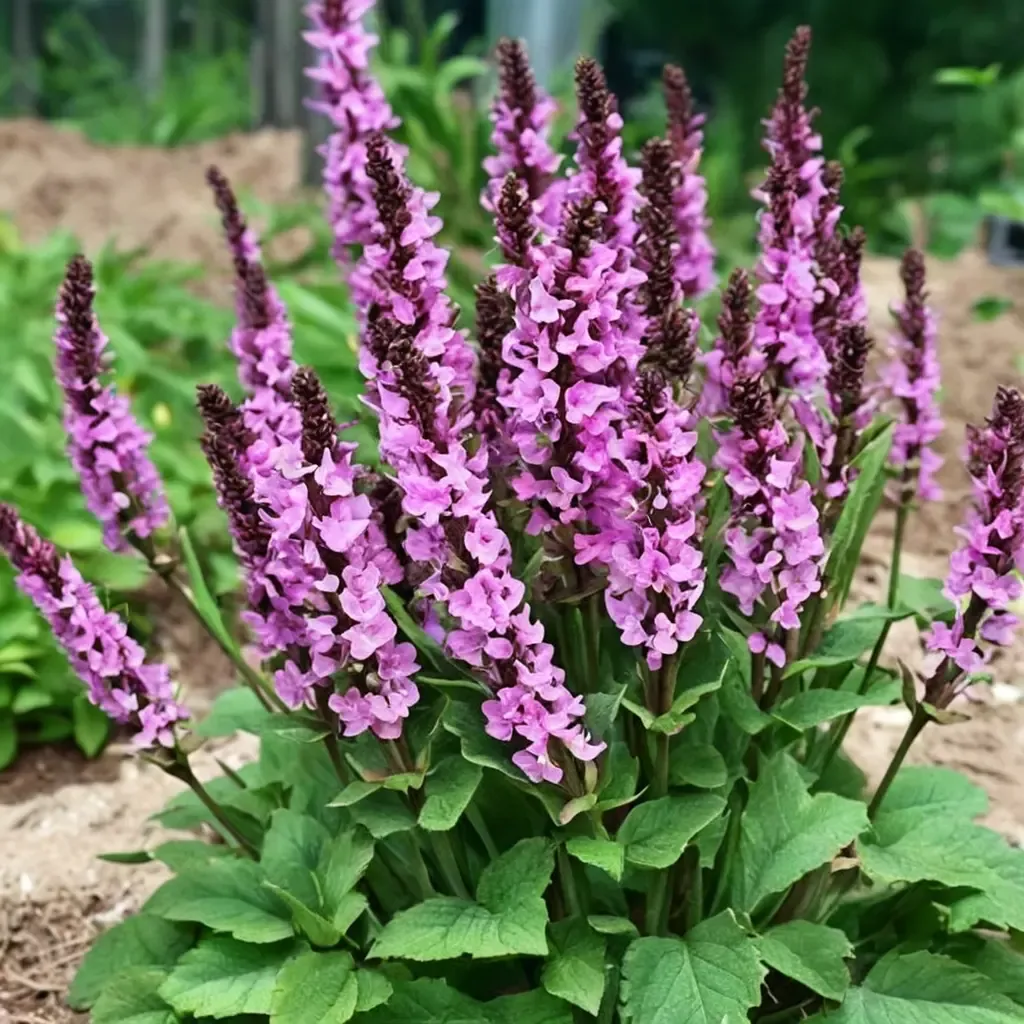
Rose Marvel Sage
Salvia nemorosa 'Rose Marvel'
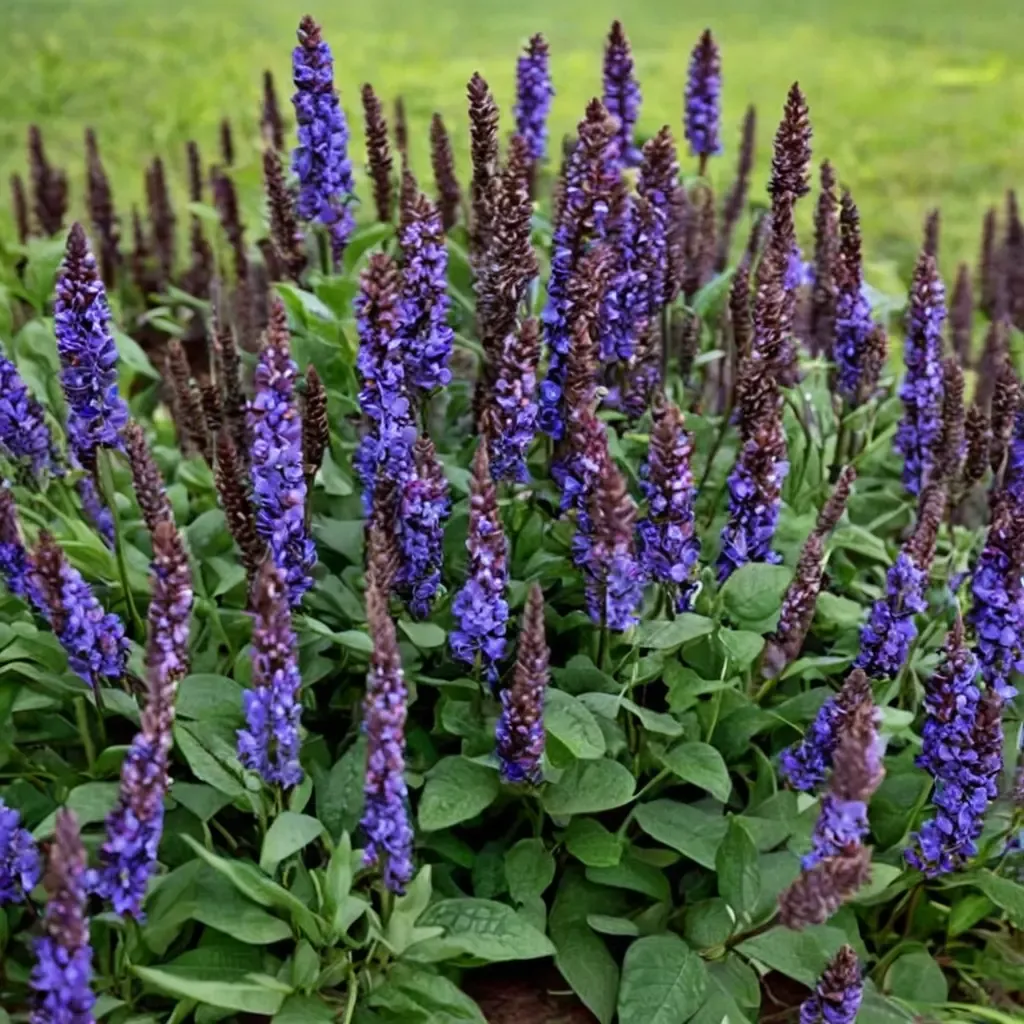
Bumbleblue Sage
Salvia nemorosa 'Bumbleblue'
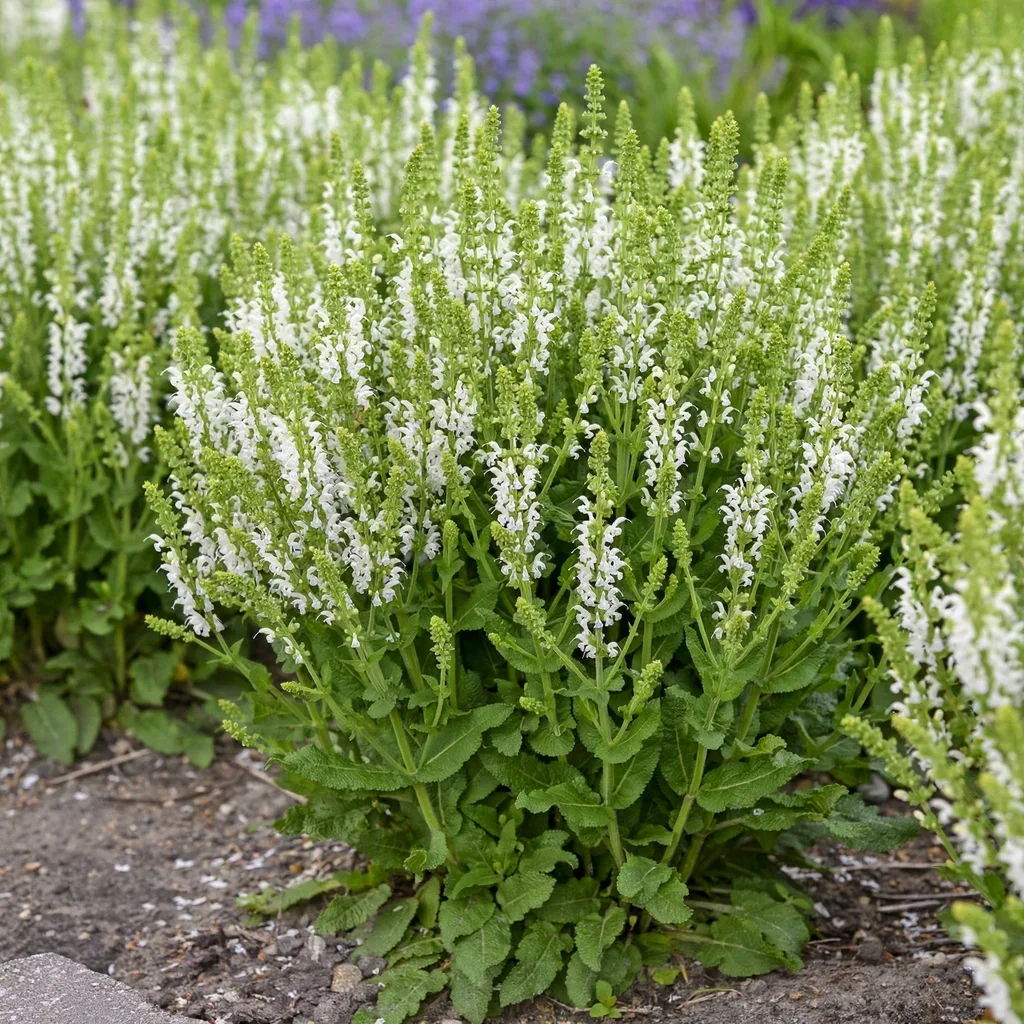
White Profusion Salvia
Salvia x hybrida 'White Profusion'
Keep exploring
Explore the genus
Hardy in your zone?
Grow Beach Salvia with confidence
See it in a design of your actual yard, get zone-matched care reminders, and track it season by season in your garden journal.