Popularity, clearly labeled
The Most Popular Ferns for Shade in Zone 9
Among ferns catalog-rated for shade rather than full sun, these are the genera Sow gardeners save most. Moisture and soil requirements vary substantially by species. Every representative here is catalog-rated hardy in Zone 9, whose standard minimum-temperature band begins near 20°F. The popularity ranking is recomputed only among matching Zone 9 records; hardiness alone does not establish that a plant will thrive on a particular site.
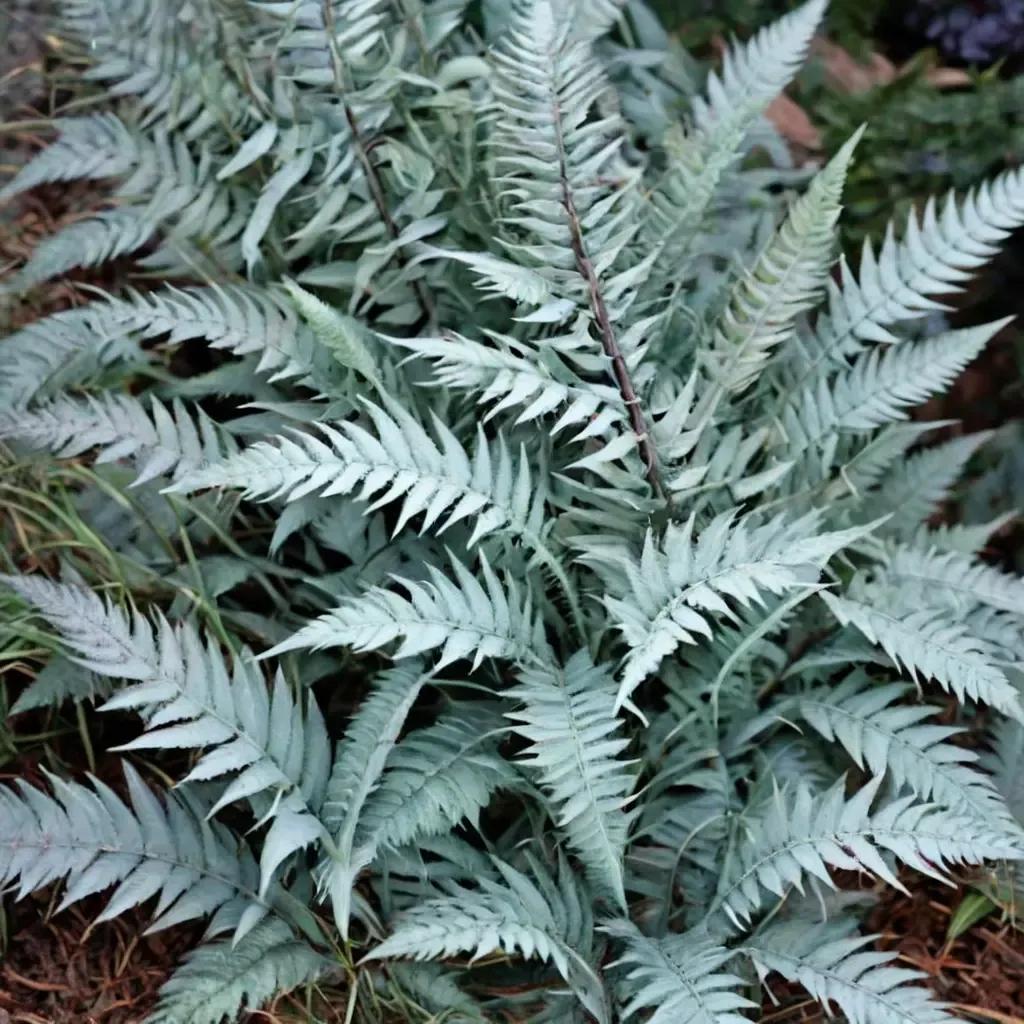
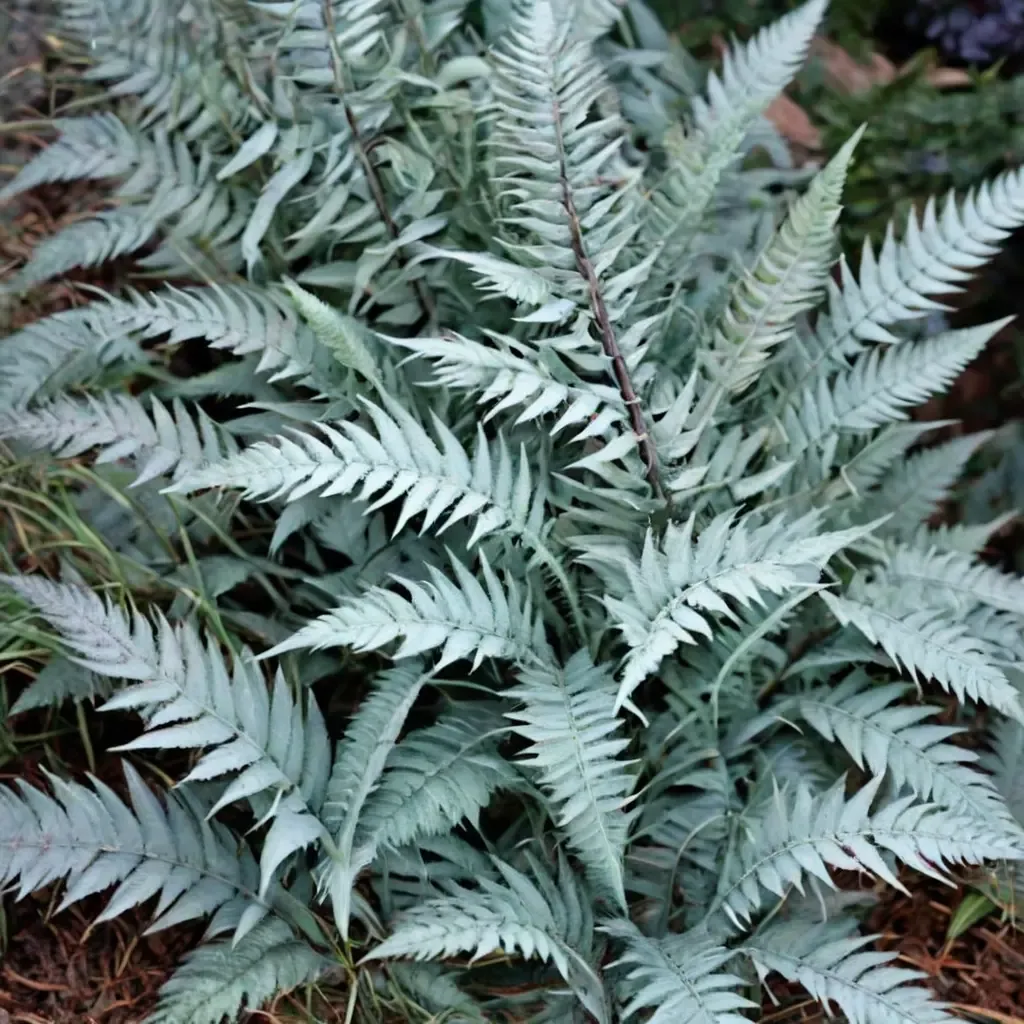
Lady Fern
Ranked by its most-saved matching variety; the full catalog includes 35 varieties. Finely cut fronds, often silver or burgundy-tinted, illuminate dark corners.
Zones 4–9All 35 varieties →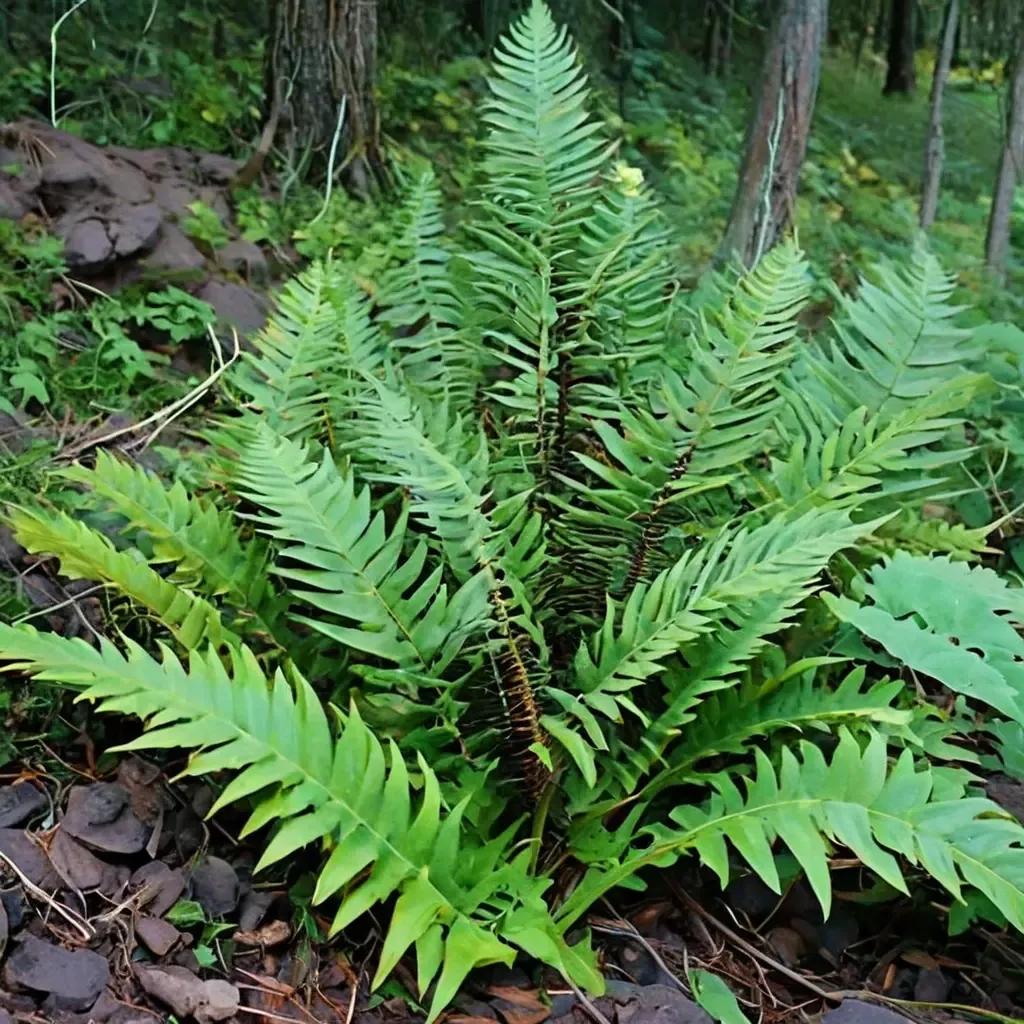
Shield Fern
Ranked by its most-saved matching variety; the full catalog includes 20 varieties. Firm, finely divided fronds make an orderly evergreen or semi-evergreen clump.
Zones 4–9All 20 varieties →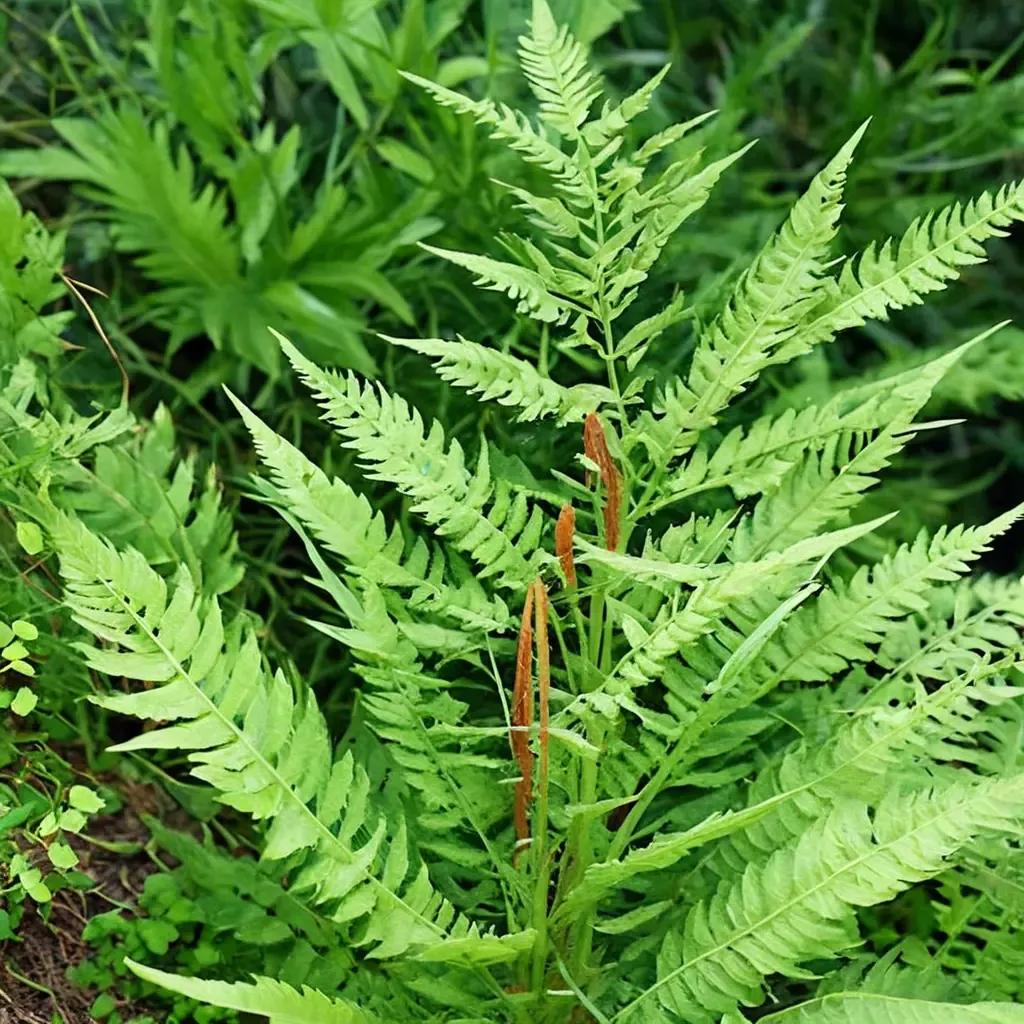
Royal Fern
Ranked by its most-saved matching variety; the full catalog includes 6 varieties. Large, stately fronds bring near-prehistoric presence to reliably moist ground.
Zones 4–10All 6 varieties →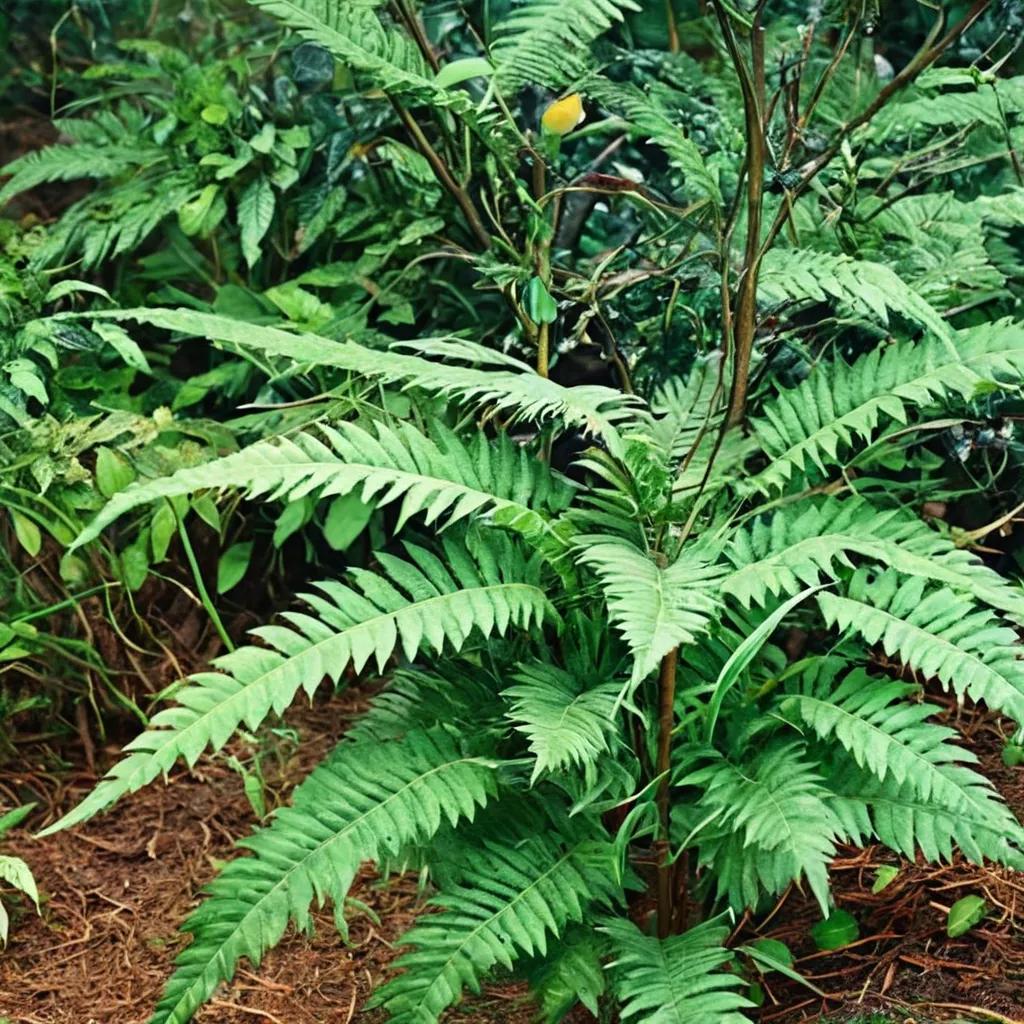
Wood Fern
Ranked by its most-saved matching variety; the full catalog includes 73 varieties. Substantial, shuttlecock-shaped fronds give shade beds dependable backbone.
Zones 5–9All 73 varieties →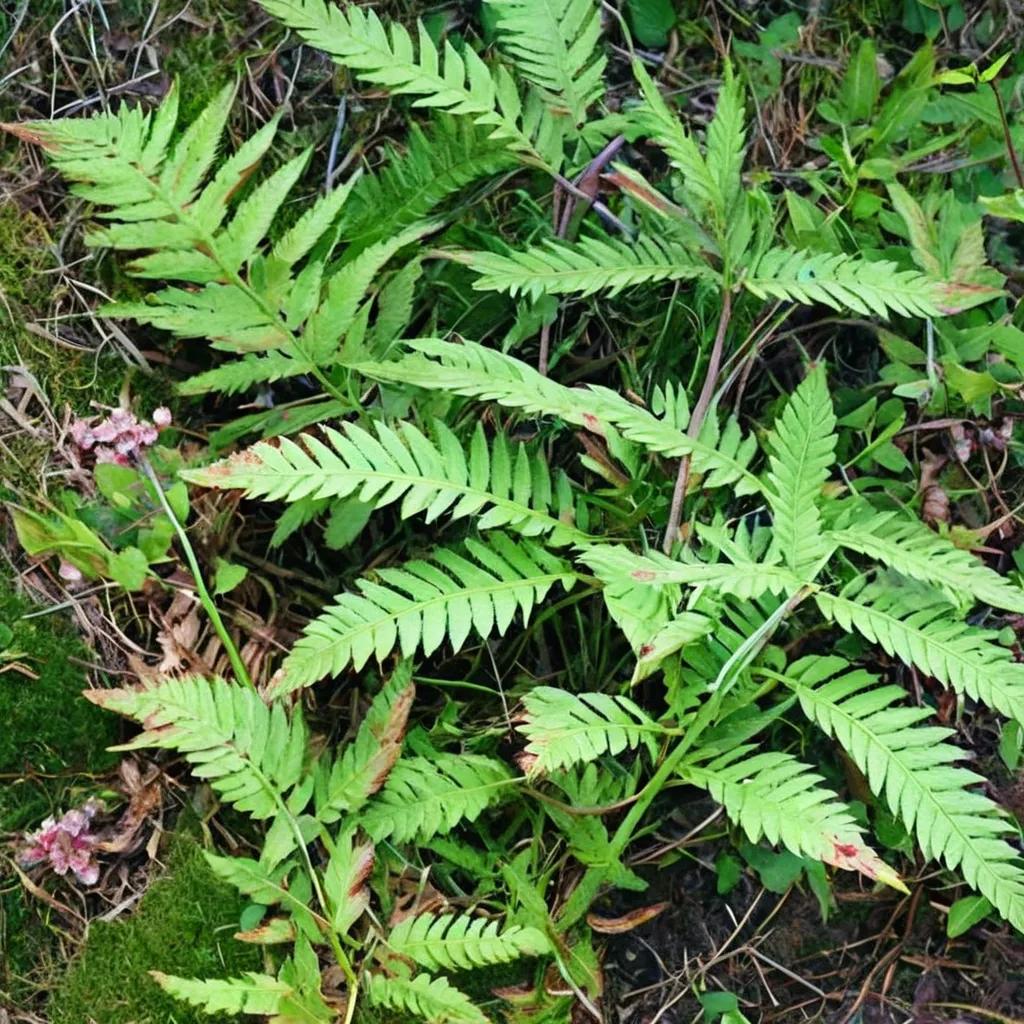
Chain Fern
Ranked by its most-saved matching variety; the full catalog includes 6 varieties. Large, chain-marked fronds make a bold statement beside water or in damp shade.
Zones 4–9All 6 varieties →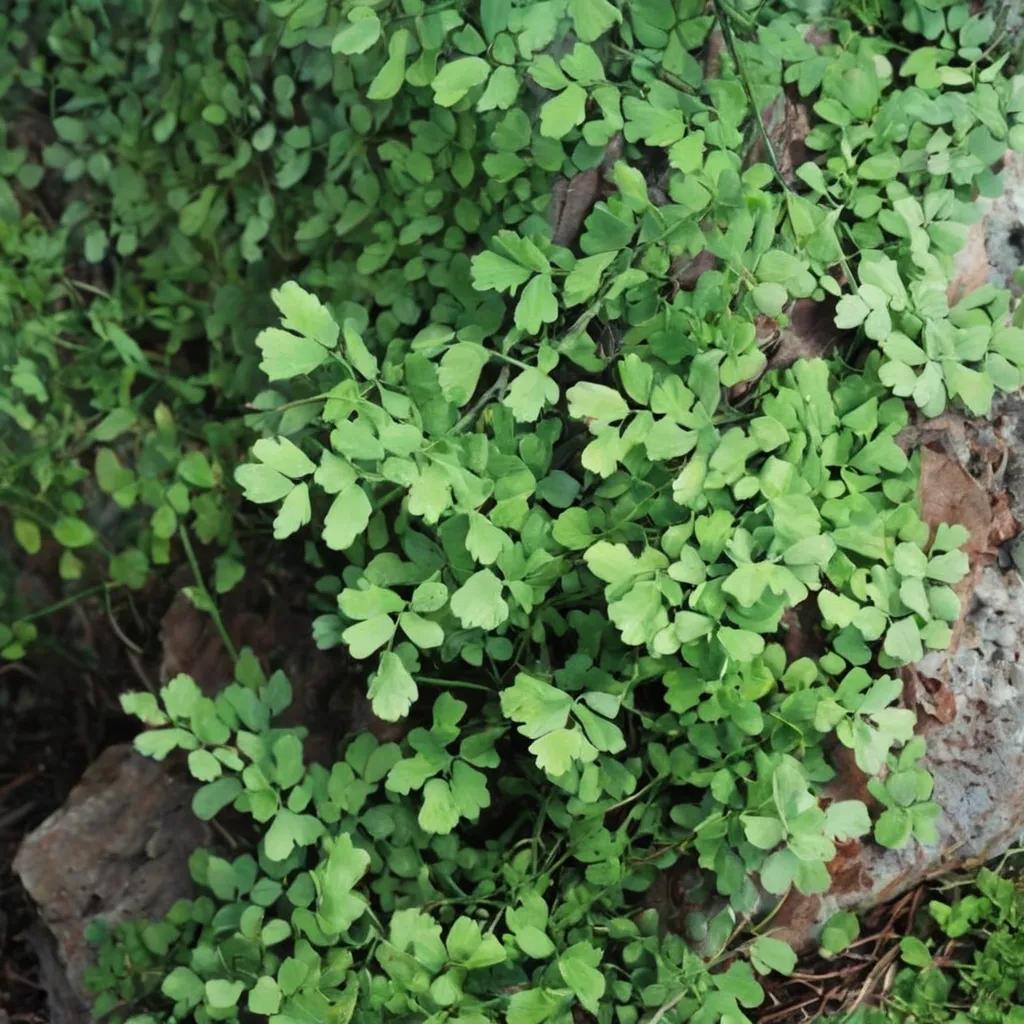
Maidenhair Fern
Ranked by its most-saved matching variety; the full catalog includes 15 varieties. Black stems and fan-shaped leaflets give maidenhair ferns unusual delicacy.
Zones 4–10All 15 varieties →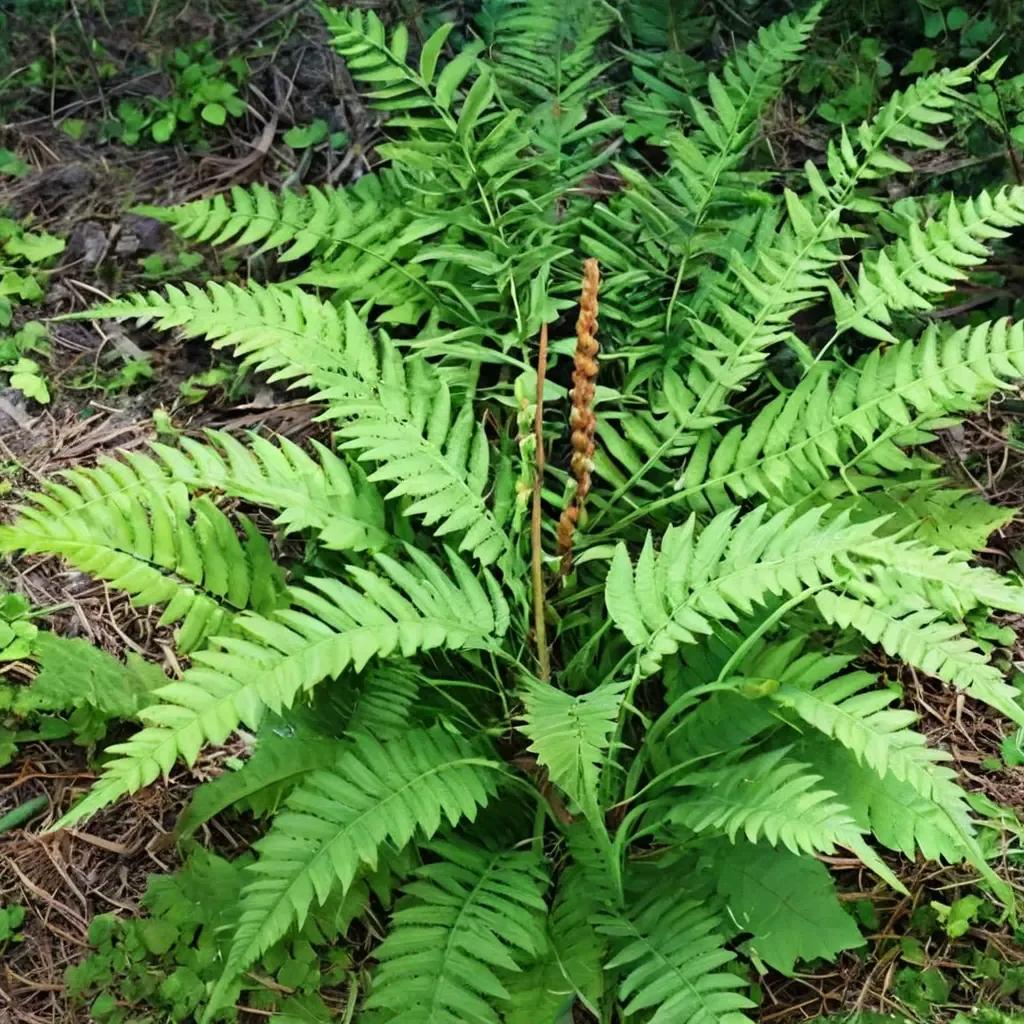
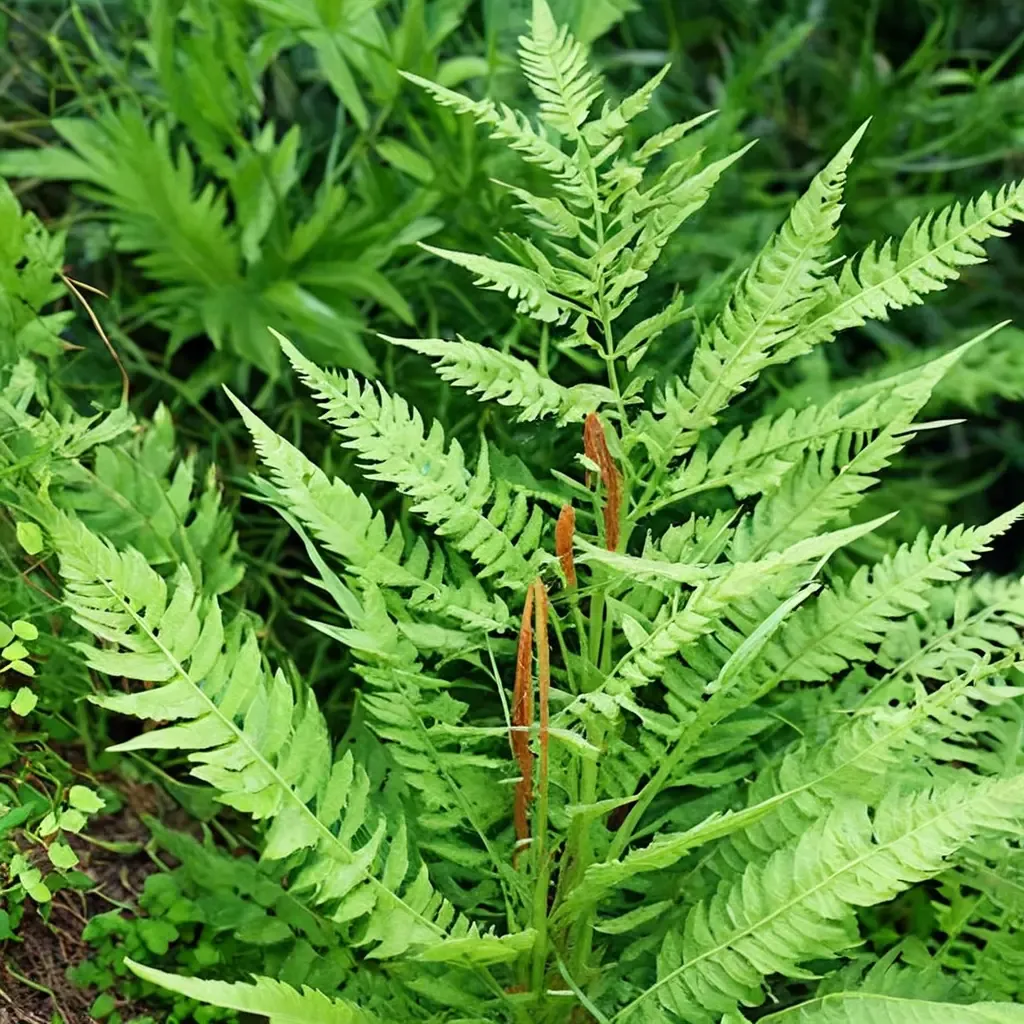
Cinnamon Fern
Ranked by its most-saved matching variety; the full catalog includes 1 variety. Cinnamon-colored fertile fronds rise through a bold crown of green foliage.
Zones 4–9All 1 variety →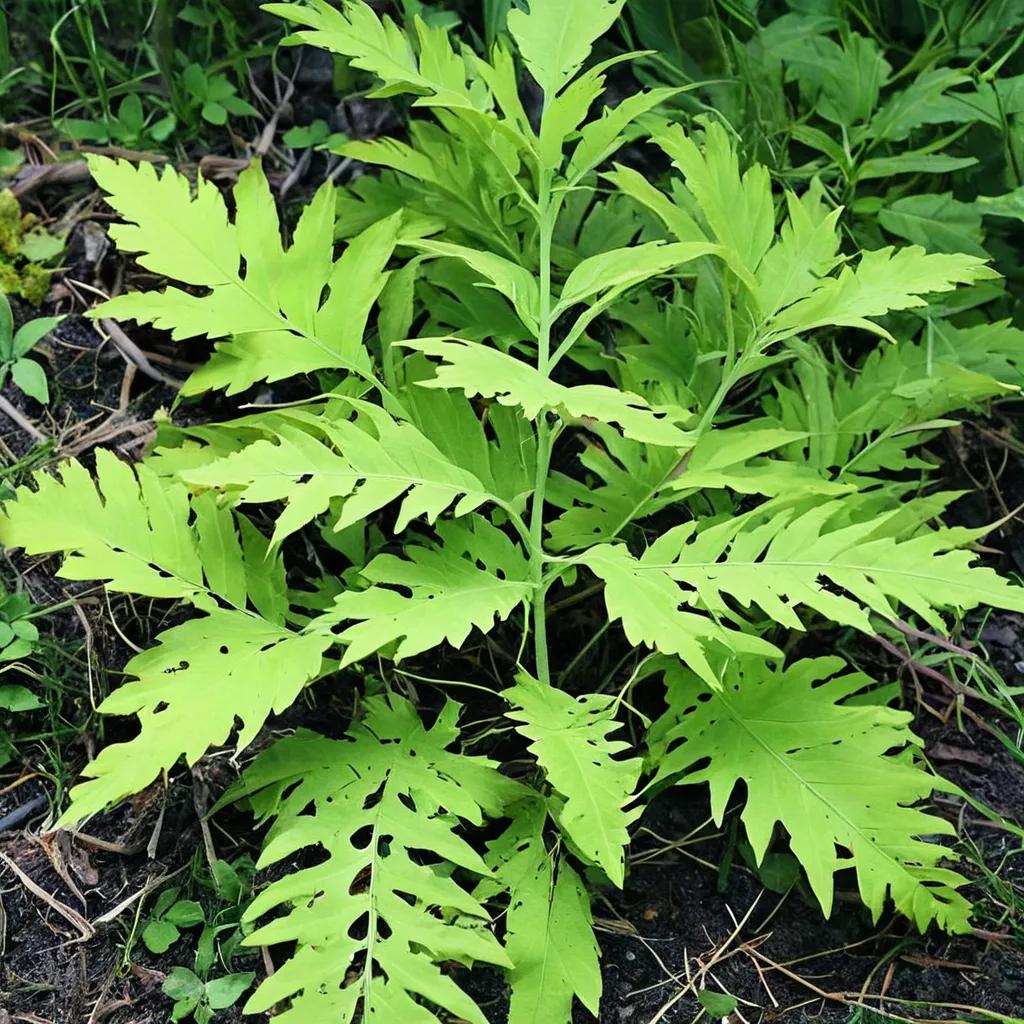
Sensitive Fern
Ranked by its most-saved matching variety; the full catalog includes 1 variety. Sensitive fern spreads into relaxed colonies, with bead-like fertile fronds for winter.
Zones 4–10All 1 variety →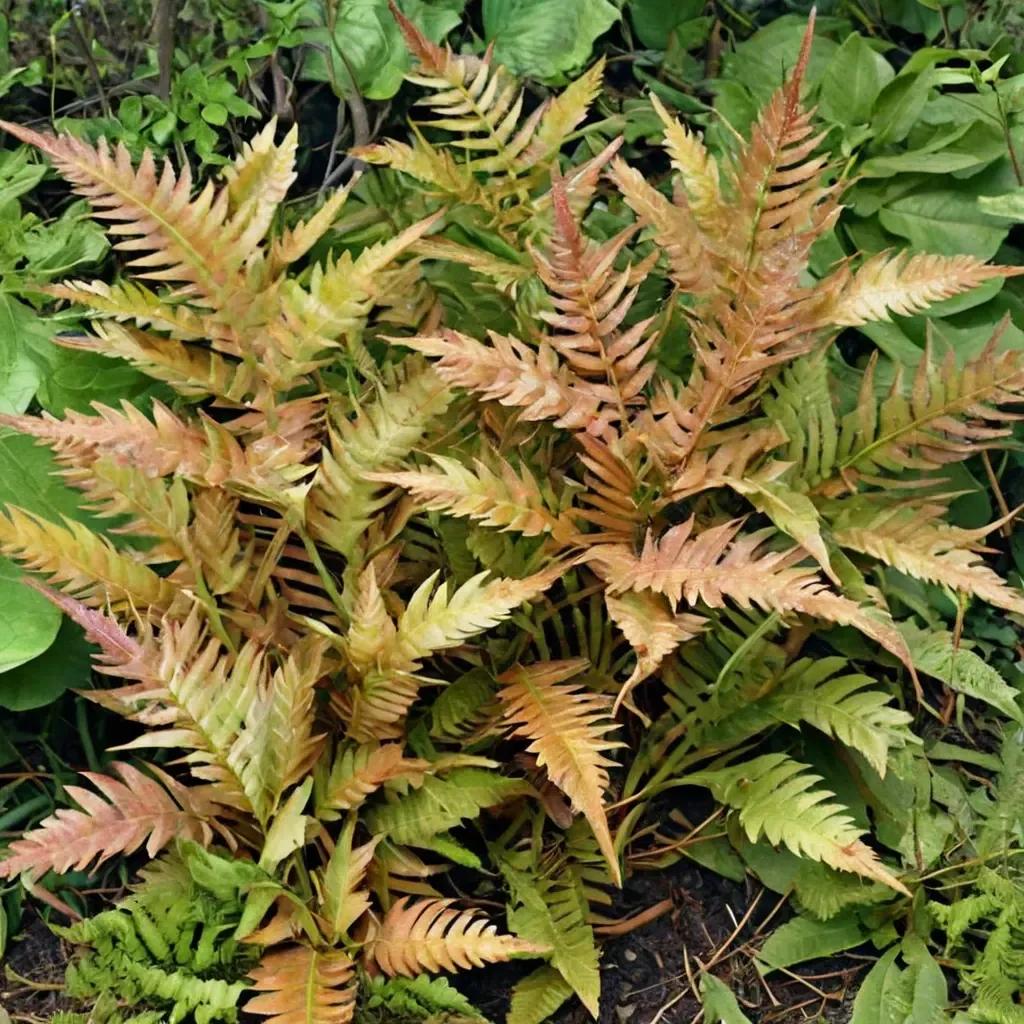
Boston Fern
Ranked by its most-saved matching variety; the full catalog includes 9 varieties. Long, arching fronds quickly create the full, cascading fern look.
Zones 5–9All 9 varieties →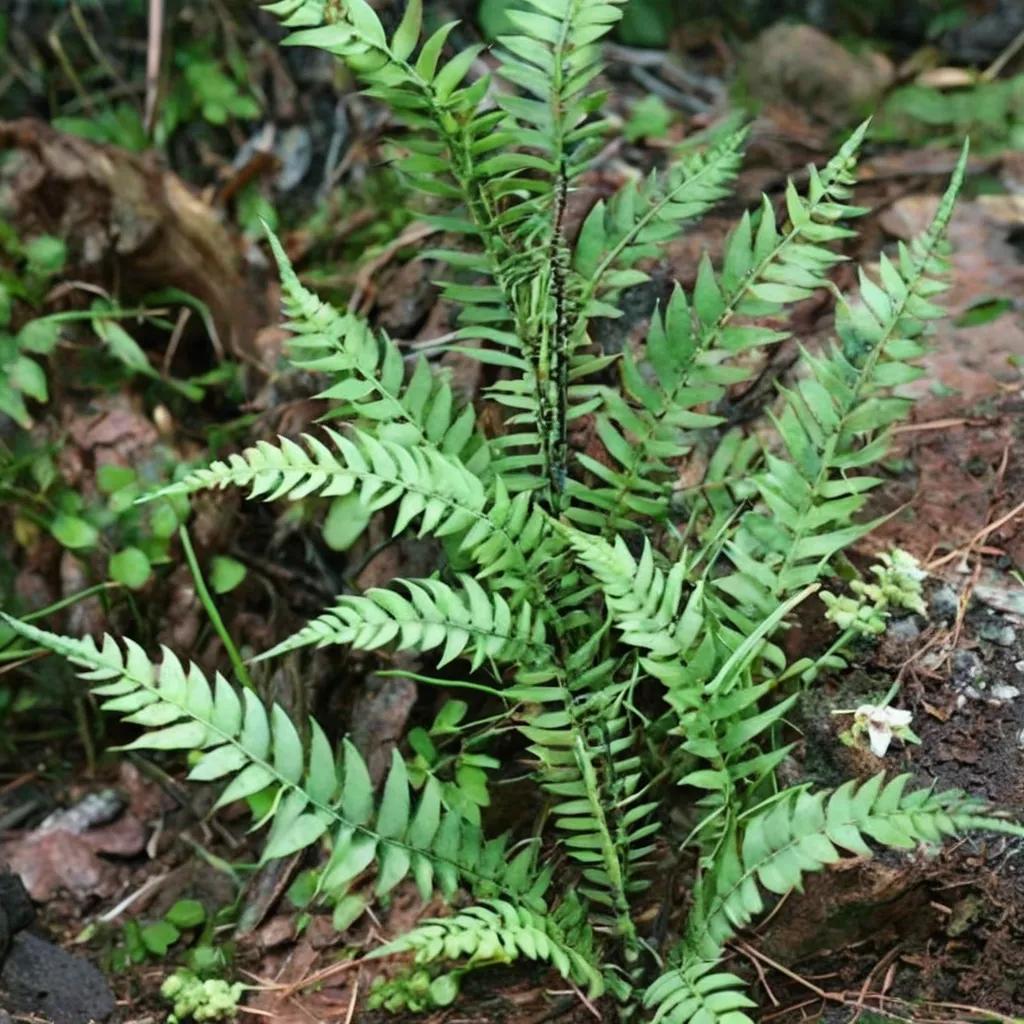
Spleenwort
Ranked by its most-saved matching variety; the full catalog includes 10 varieties. Distinctive fronds add crisp form to crevices, walls, and sheltered shade.
Zones 4–9All 10 varieties → 11
11Deparia
False Spleenwort
Ranked by its most-saved matching variety; the full catalog includes 1 variety. Its representative is notable for being easy-care.
Zones 5–9All 1 variety →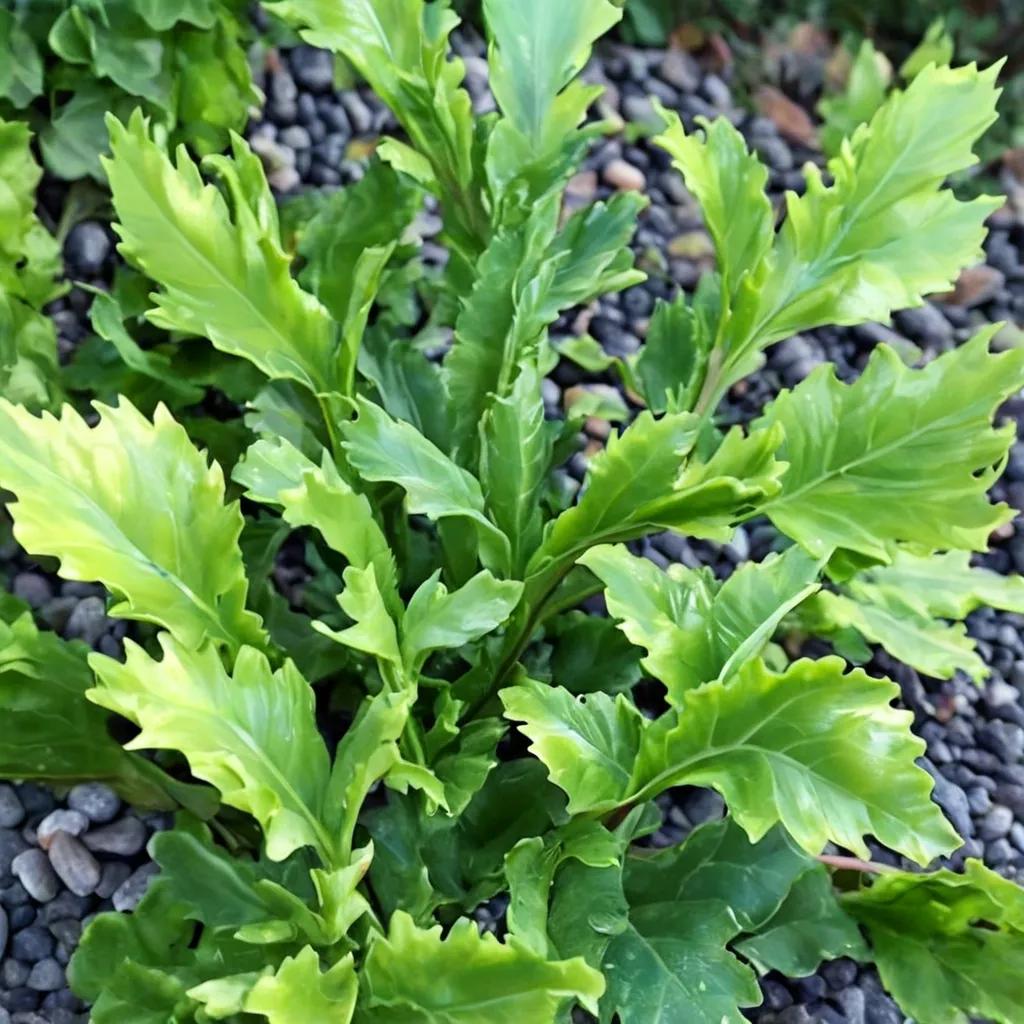
Hart's-tongue Fern
Ranked by its most-saved matching variety; the full catalog includes 2 varieties. Undivided, tongue-shaped fronds stand apart from the usual feathery fern texture.
Zones 5–9All 2 varieties →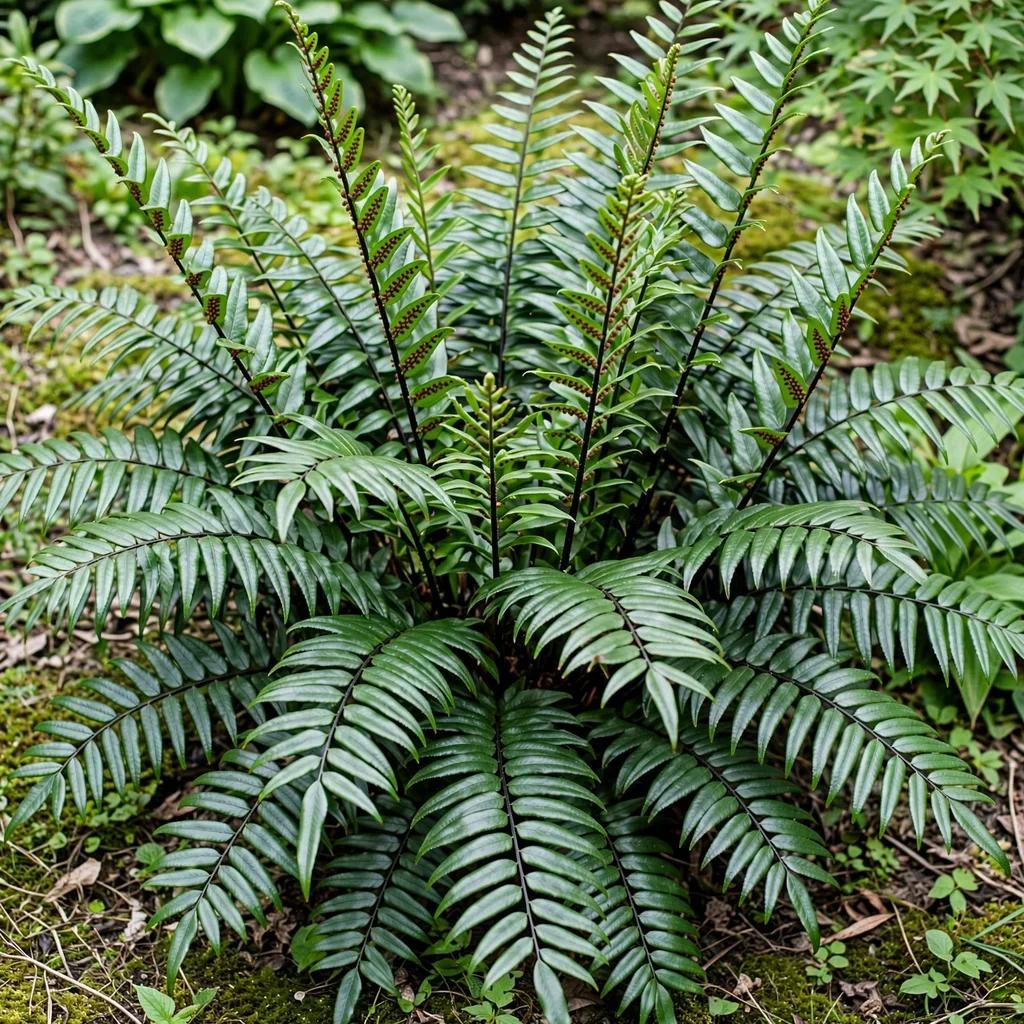
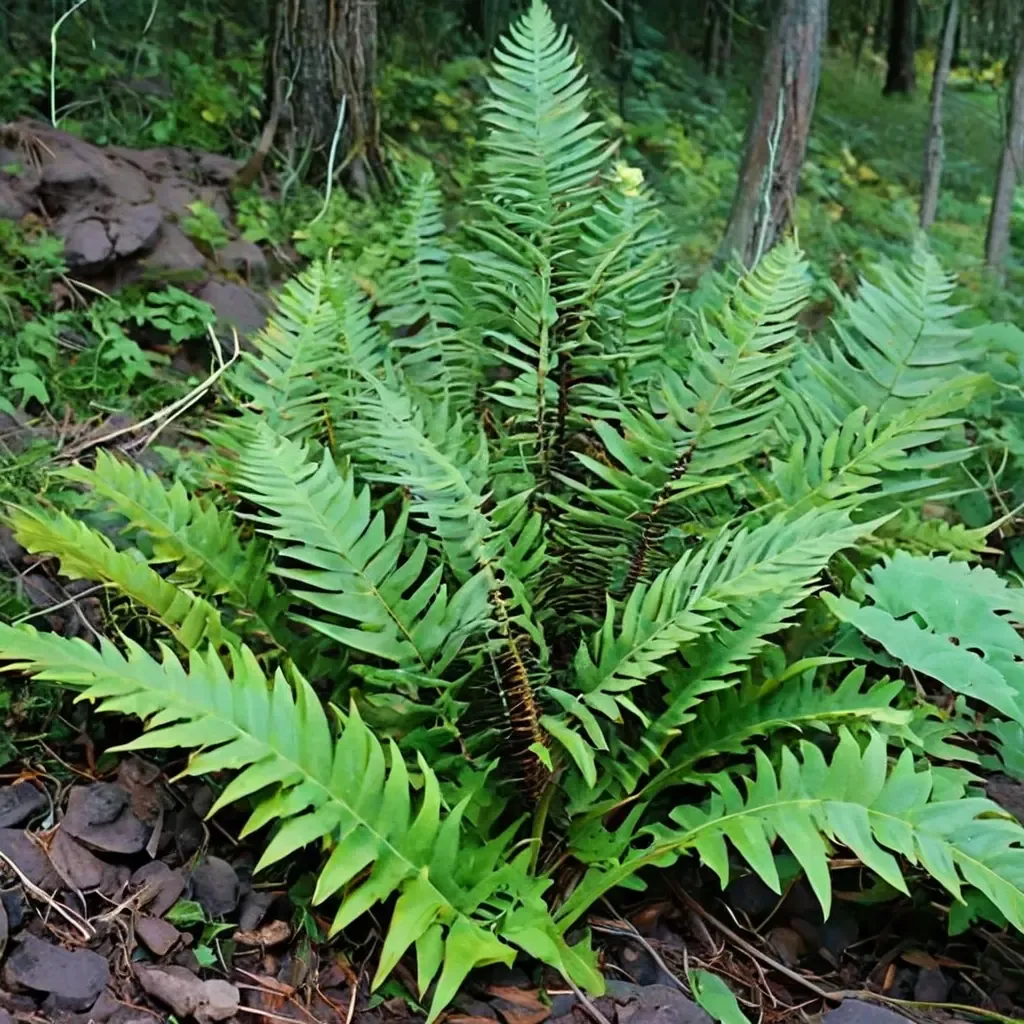
Holly Fern
Ranked by its most-saved matching variety; the full catalog includes 15 varieties. Glossy, holly-like leaflets make this fern feel unusually crisp and architectural.
Zones 5–9All 15 varieties →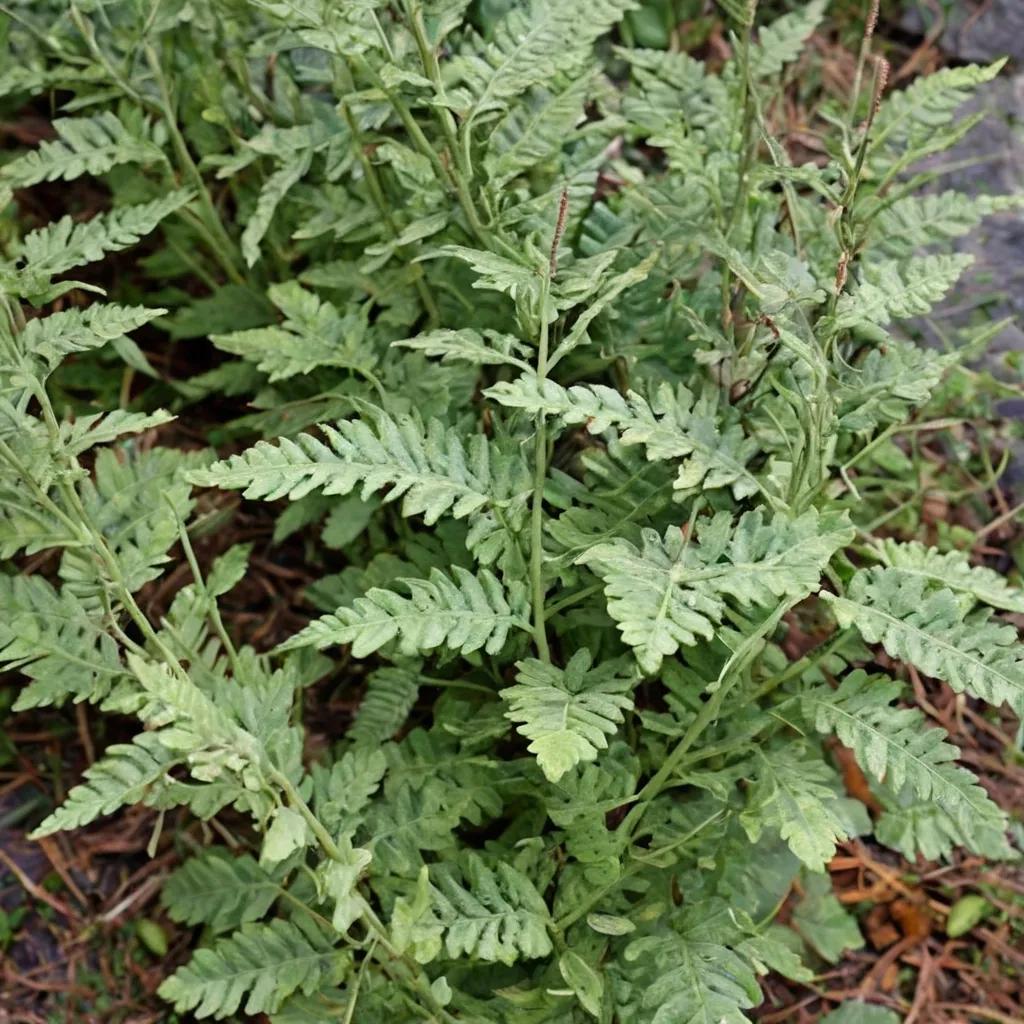
Ranked by its most-saved matching variety; the full catalog includes 2 varieties. Its representative is notable for being dry-spell tolerant and usually passed over by deer.
Zones 4–9All 2 varieties → 15
15Pellaea
Cliffbrake
Ranked by its most-saved matching variety; the full catalog includes 7 varieties. Its representative is notable for being dry-spell tolerant and easy-care.
Zones 4–9All 7 varieties →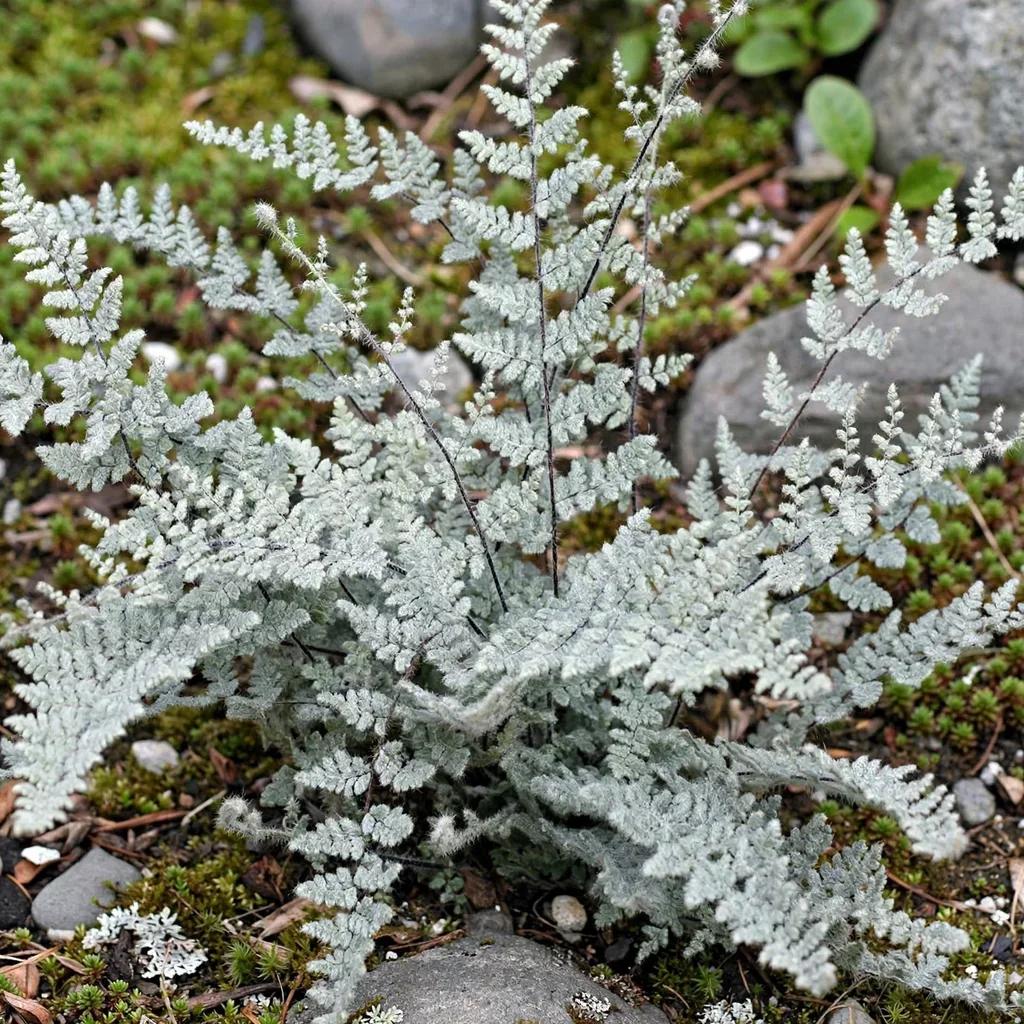
Lip Fern
Ranked by its most-saved matching variety; the full catalog includes 7 varieties. Small, often woolly fronds are adapted to rocky pockets other ferns avoid.
Zones 5–9All 7 varieties →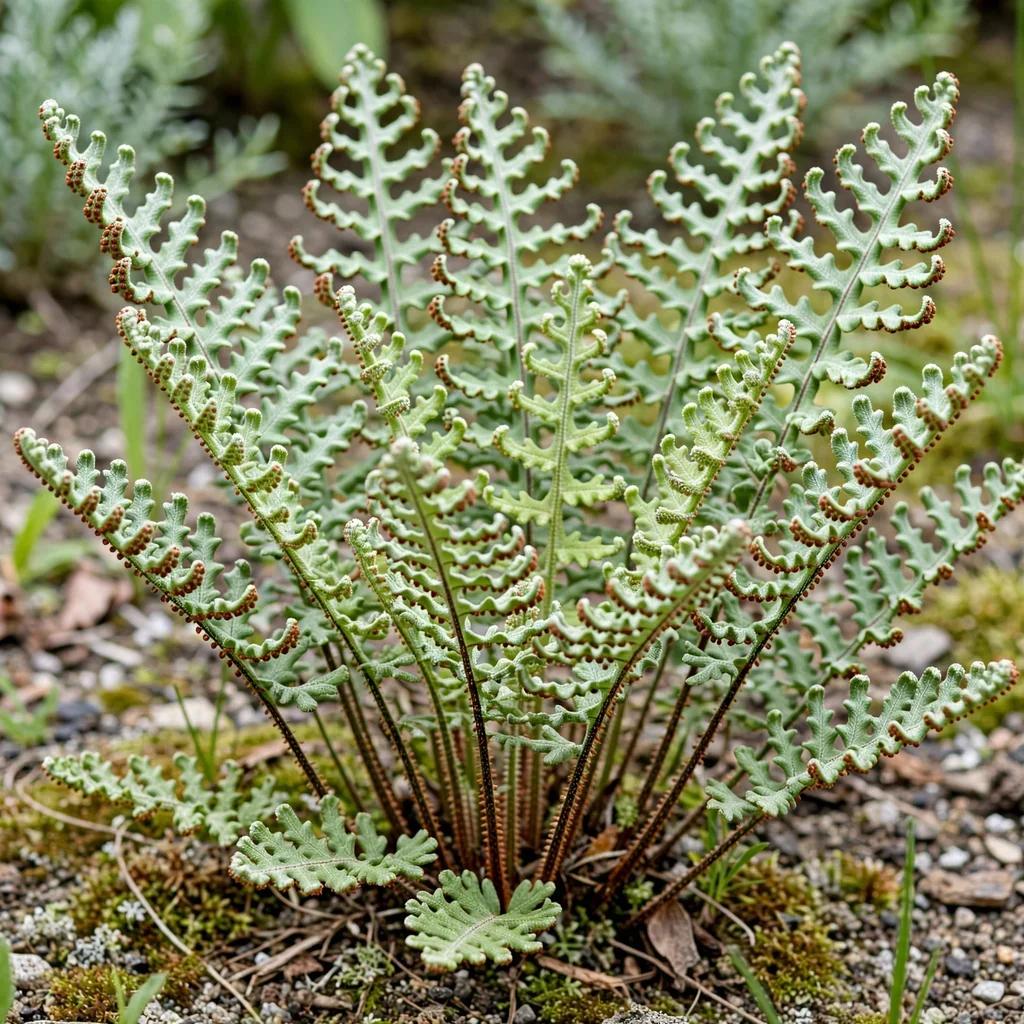
Star-scaled Fern
Ranked by its most-saved matching variety; the full catalog includes 2 varieties. Its representative is notable for being dry-spell tolerant and easy-care.
Zones 4–9All 2 varieties →
Maiden Fern
Ranked by its most-saved matching variety; the full catalog includes 11 varieties. Soft, fine-textured fronds spread naturally through moist woodland ground.
Zones 4–10All 11 varieties → 19
19Blechnum
Deer Fern
Ranked by its most-saved matching variety; the full catalog includes 1 variety. Orderly, ladder-like fronds bring a clean evergreen rhythm to sheltered shade.
Zones 4–9All 1 variety →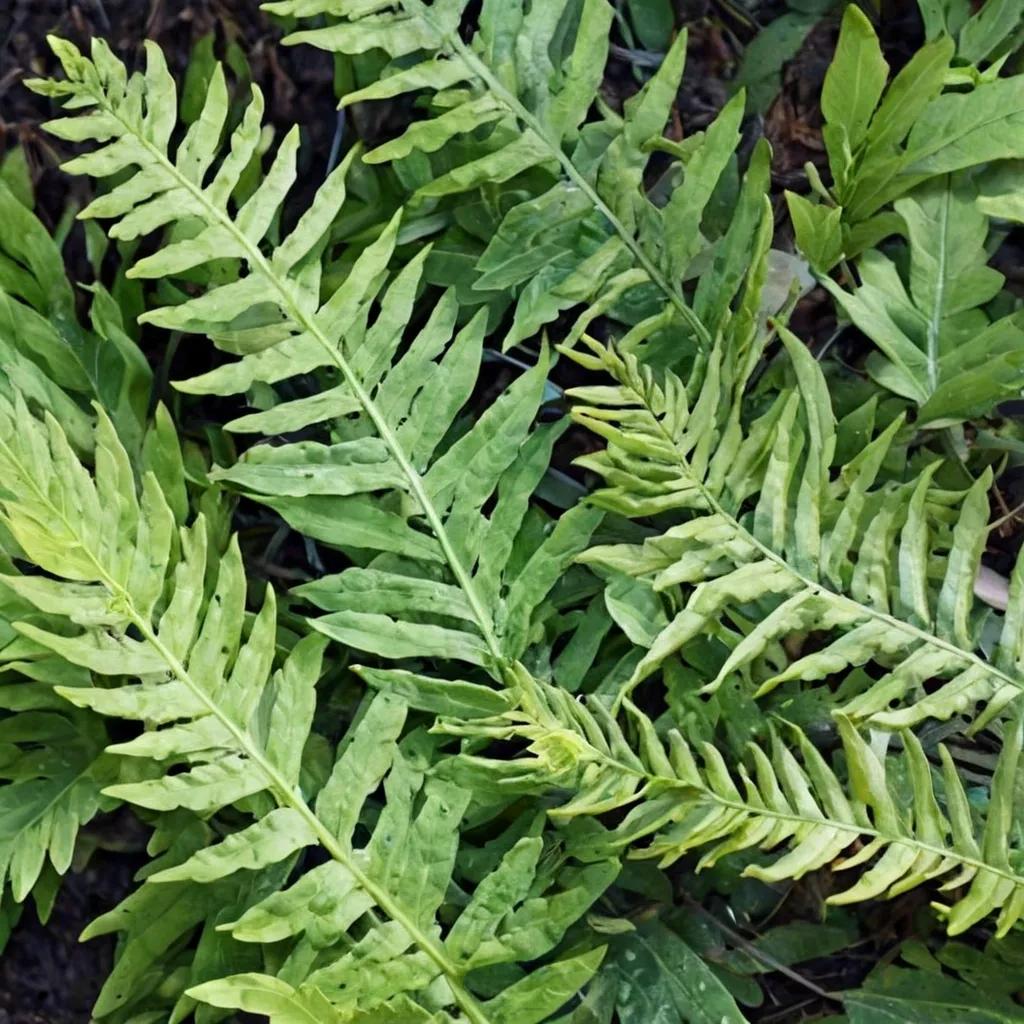
Polypody
Ranked by its most-saved matching variety; the full catalog includes 2 varieties. Its representative is notable for being North American native and usually passed over by deer.
Zones 6–9All 2 varieties →
About this list
How was this the most popular ferns for shade in zone 9 list ranked?
A plant must first match the catalog filters named in the title. Each genus is represented and ranked by its most-saved matching variety, so genera with many cultivars do not receive an automatic advantage.
Are all of these hardy in Zone 9?
Yes — every plant on this list is rated for Zone 9. Plants that could not survive a Zone 9 winter were excluded before ranking.
Do all ferns need shade and constant moisture?
Most want part-to-full shade, but drought is the bigger myth — autumn fern, tassel fern, and the cheilanthes group tolerate dry shade once established. Match the fern to your moisture rather than assuming they all want a bog.
When do I cut ferns back?
Leave the fronds through winter for cover, then cut deciduous ferns to the ground in early spring before the fiddleheads unfurl. Evergreen ferns just need last year’s tired fronds tidied.
Track these in your garden
Save the ones you plant and get care reminders timed to Zone 9.
Keep exploring
Browse & shop
More popularity lists
- Most Popular Perennials for Shade
- Most Popular Deer-Resistant Perennials
- Most Popular Plants Tagged for Pollinators
- Most Popular Drought-Tolerant Plants
- Most Popular Flowering Shrubs
- Most Popular Groundcovers for Shade
- Most Popular Privacy Shrubs and Screening Plants
- Most Popular North American Native Perennials