Popularity, clearly labeled
The Most Popular Groundcovers for Shade in Zone 10
Among groundcovers catalog-rated for shade rather than full sun, these are the genera Sow gardeners save most. Check local invasiveness guidance before choosing a spreading plant. Every representative here is catalog-rated hardy in Zone 10, whose standard minimum-temperature band begins near 30°F. The popularity ranking is recomputed only among matching Zone 10 records; hardiness alone does not establish that a plant will thrive on a particular site.
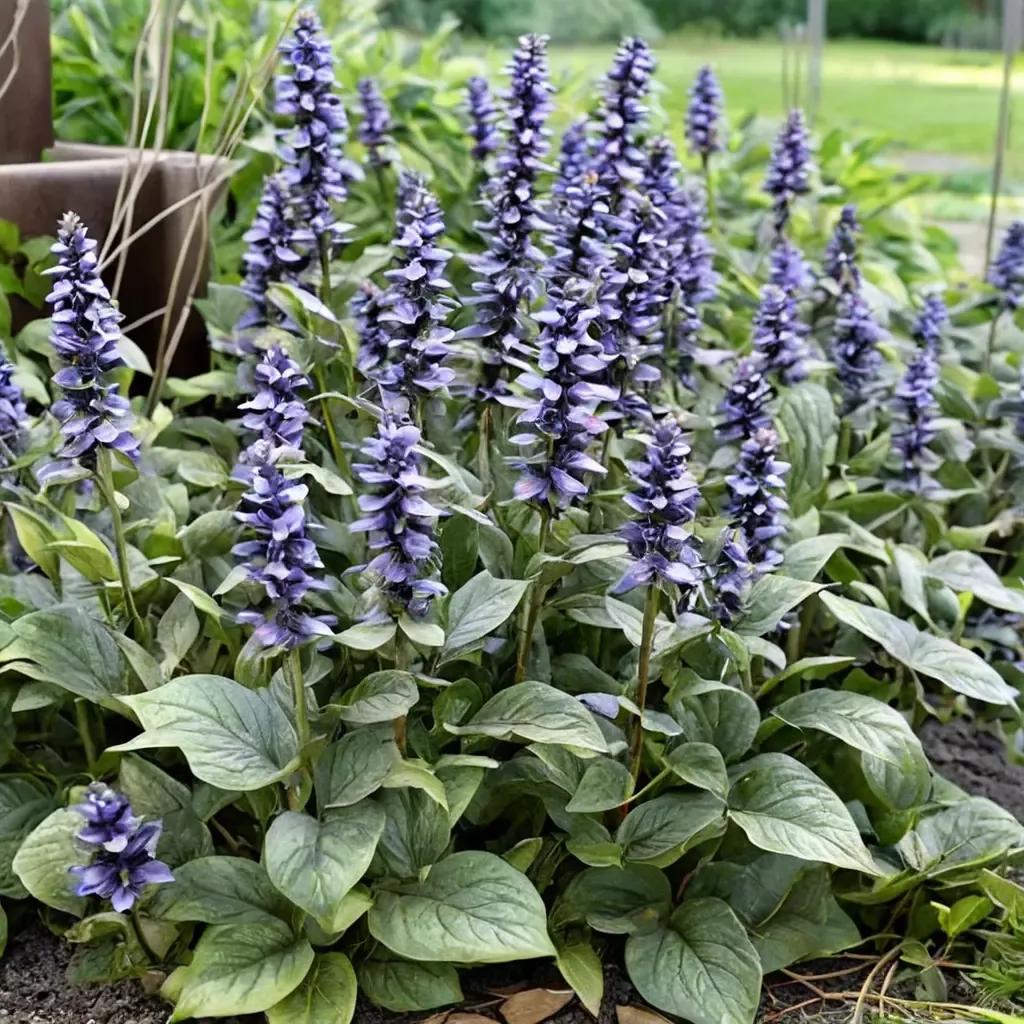
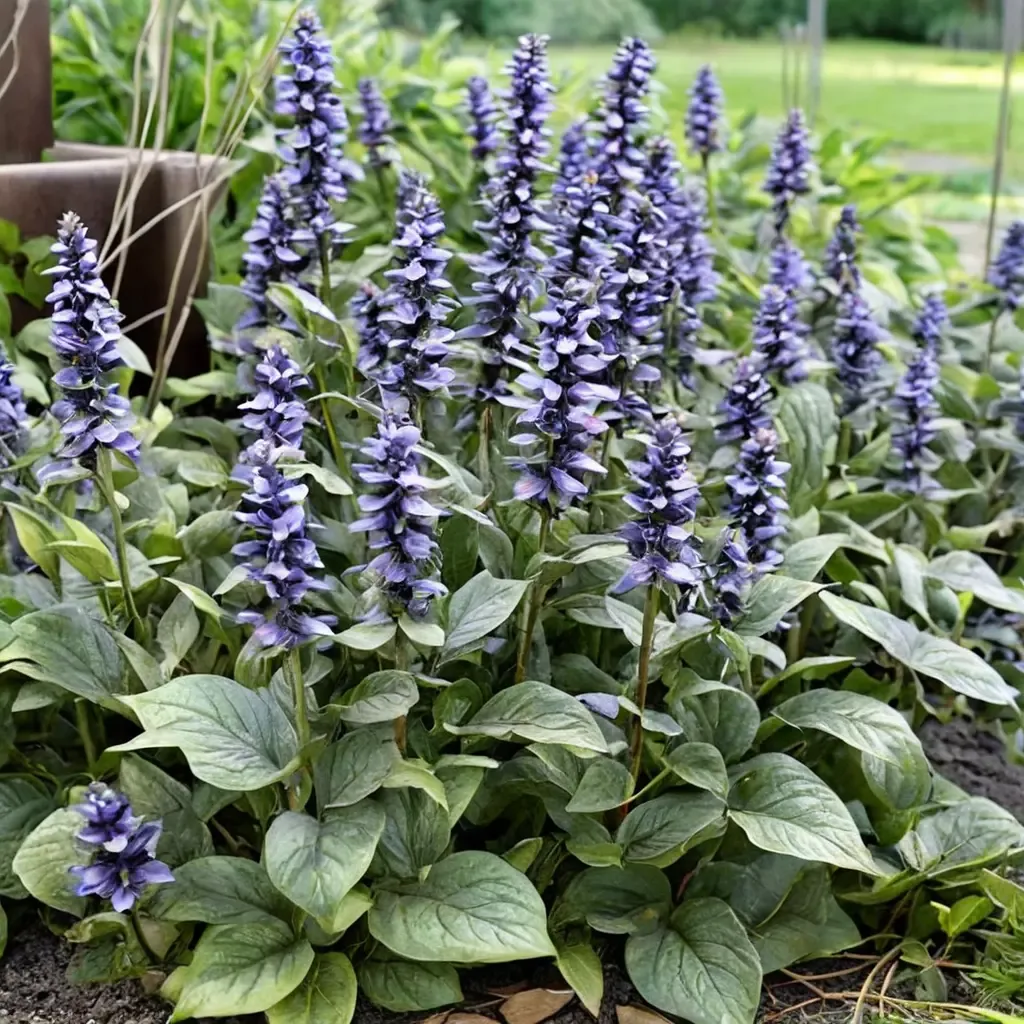
Bugleweed
Ranked by its most-saved matching variety; the full catalog includes 26 varieties. Glossy rosettes knit together quickly, followed by upright blue spring flowers.
Zones 4–10All 26 varieties →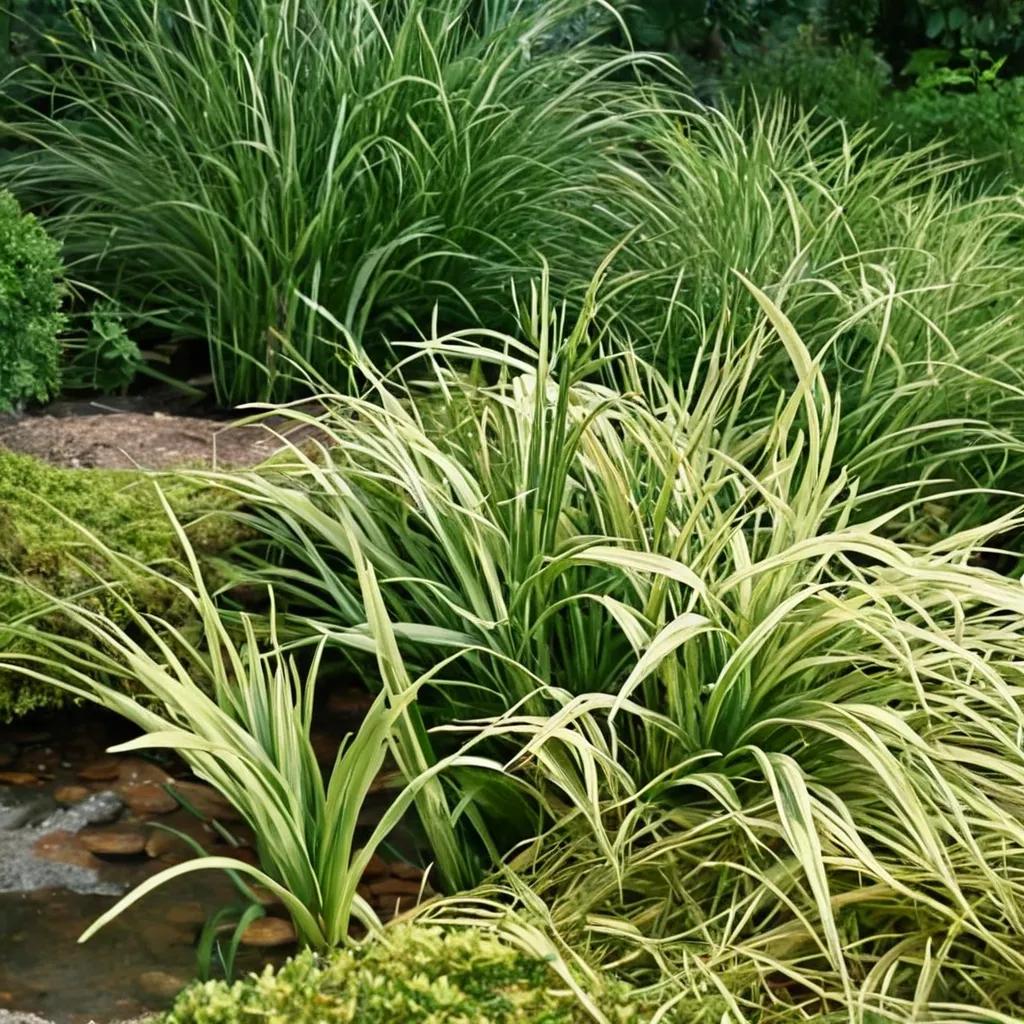
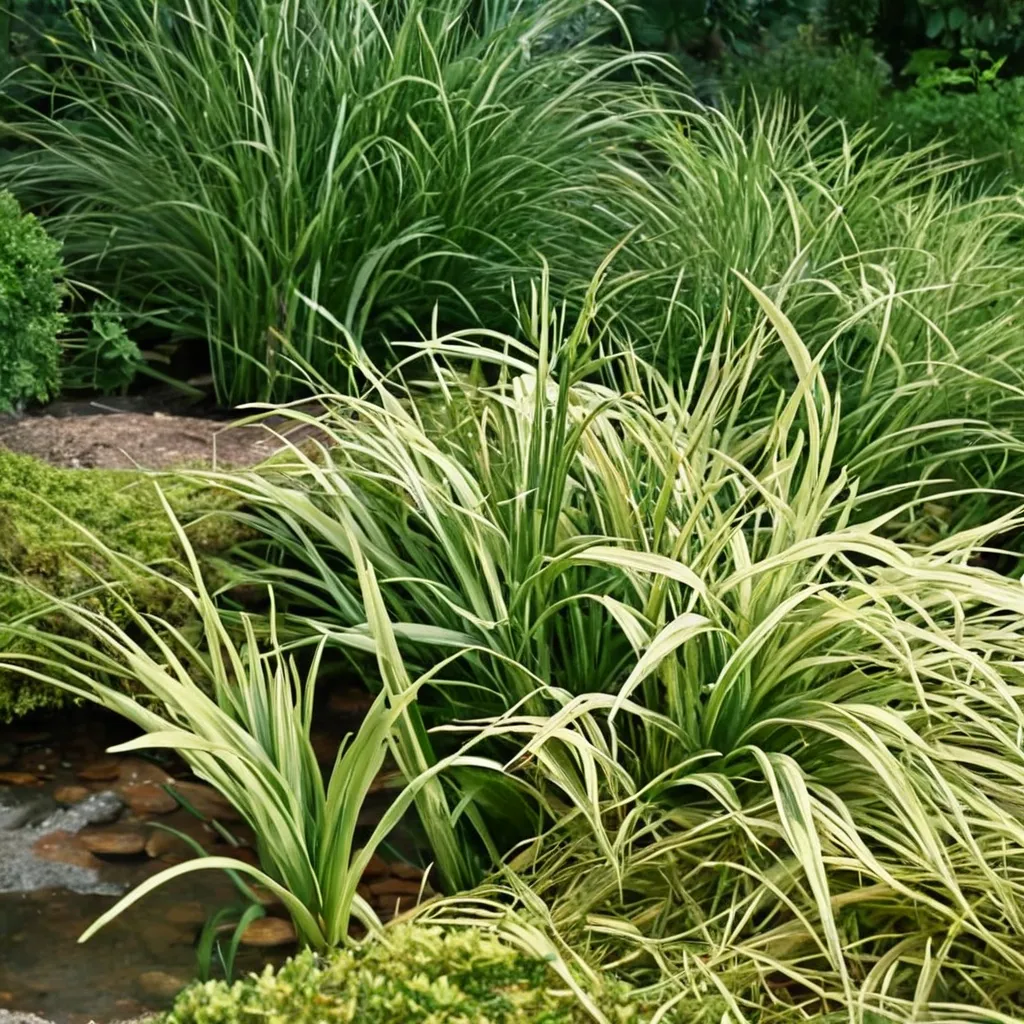
Sweet Flag
Ranked by its most-saved matching variety; the full catalog includes 14 varieties. Its representative is notable for being usually passed over by deer and late spring flowering.
Zones 5–10All 14 varieties →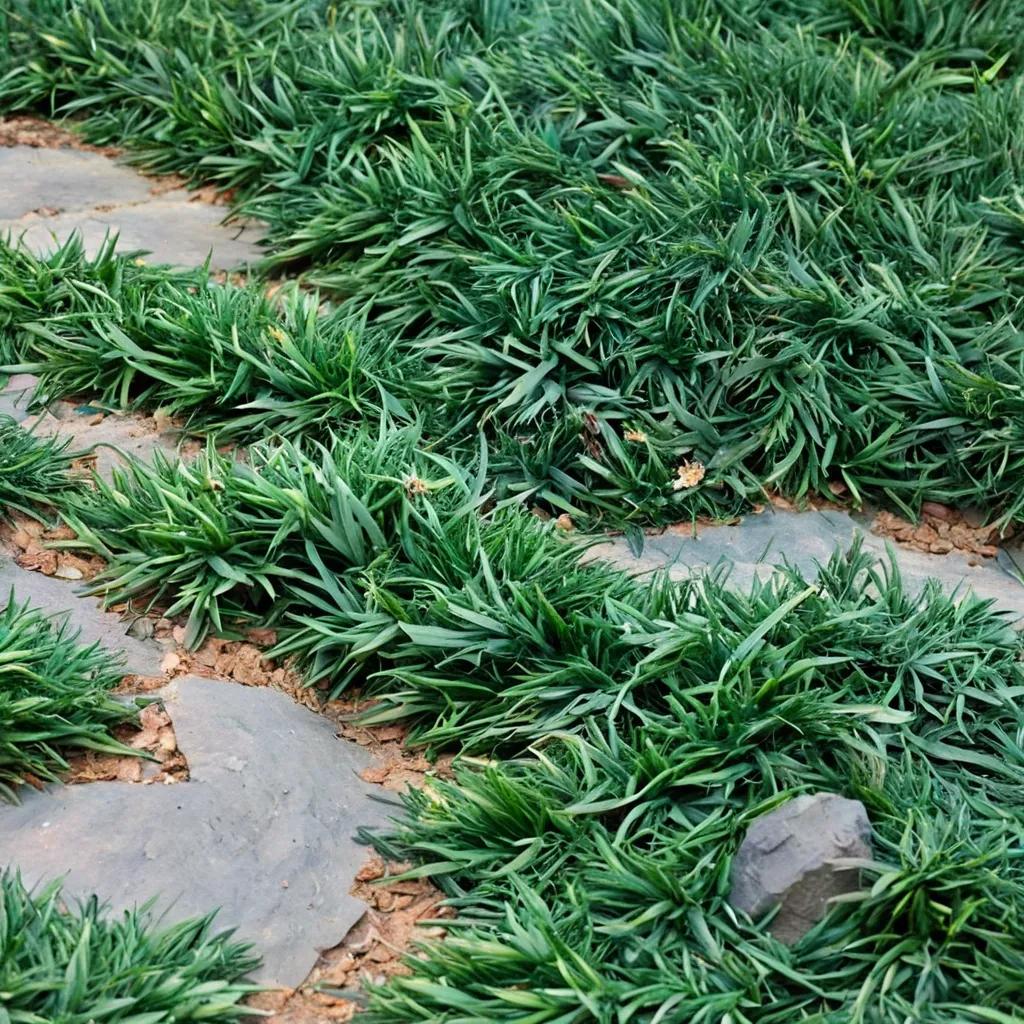
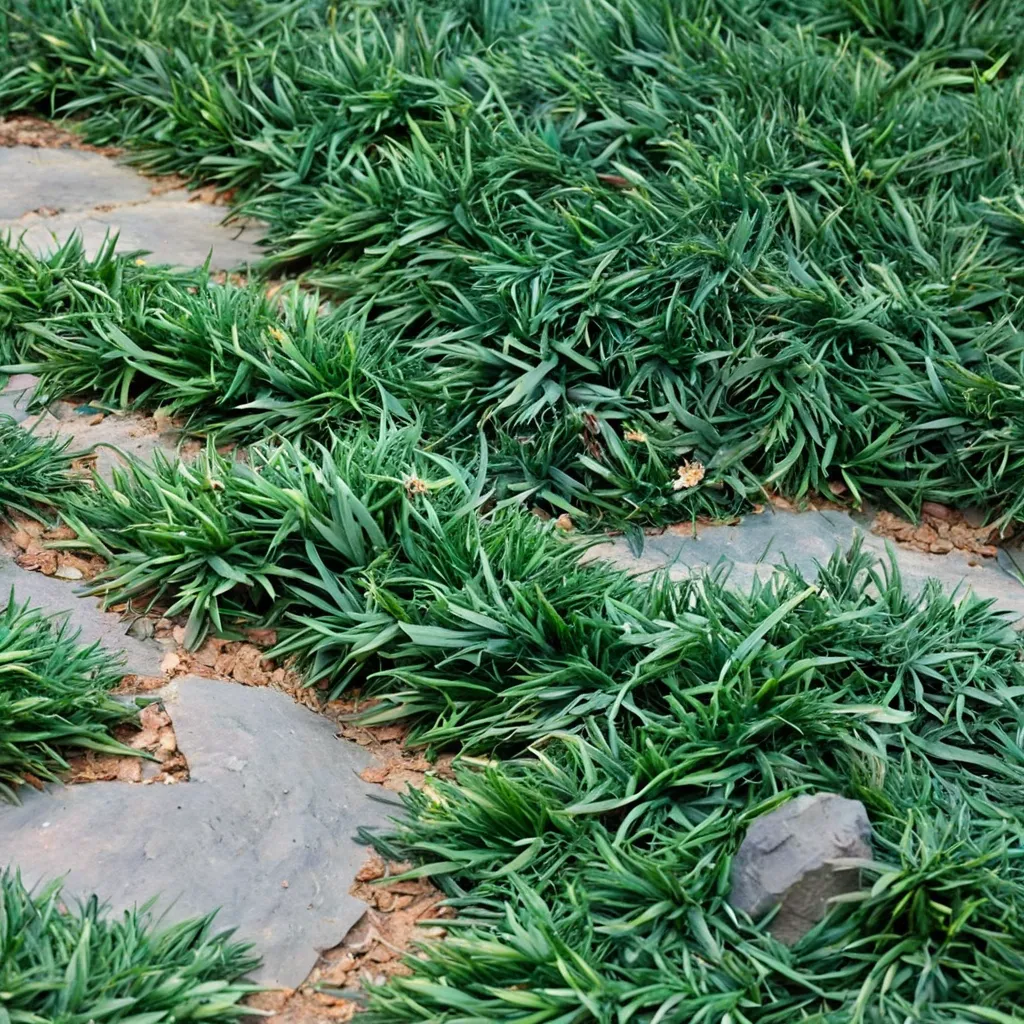
Mondo Grass
Ranked by its most-saved matching variety; the full catalog includes 23 varieties. Dark, grassy foliage creates a compact evergreen line in sun or shade.
Zones 6–10All 23 varieties →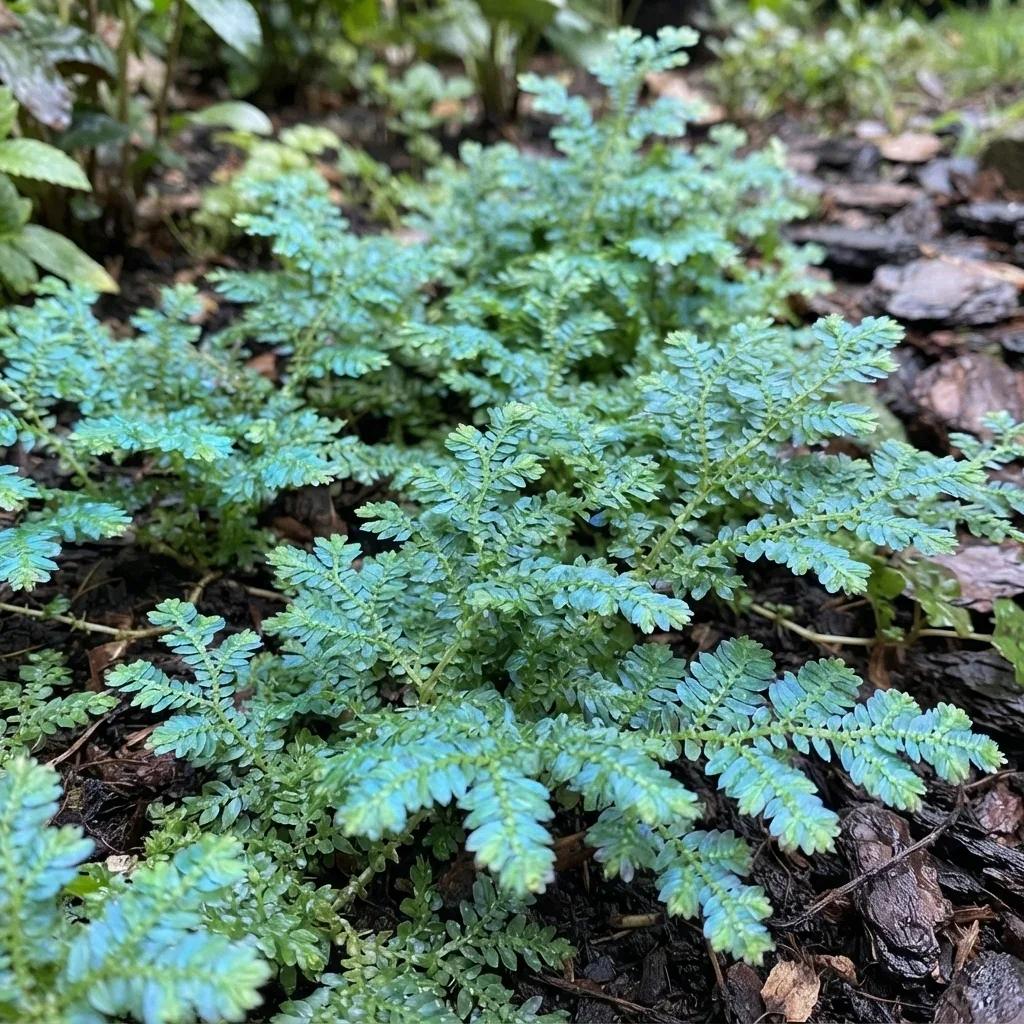
Spikemoss
Ranked by its most-saved matching variety; the full catalog includes 9 varieties. Its representative is notable for being usually passed over by deer and late fall flowering.
Zones 6–10All 9 varieties →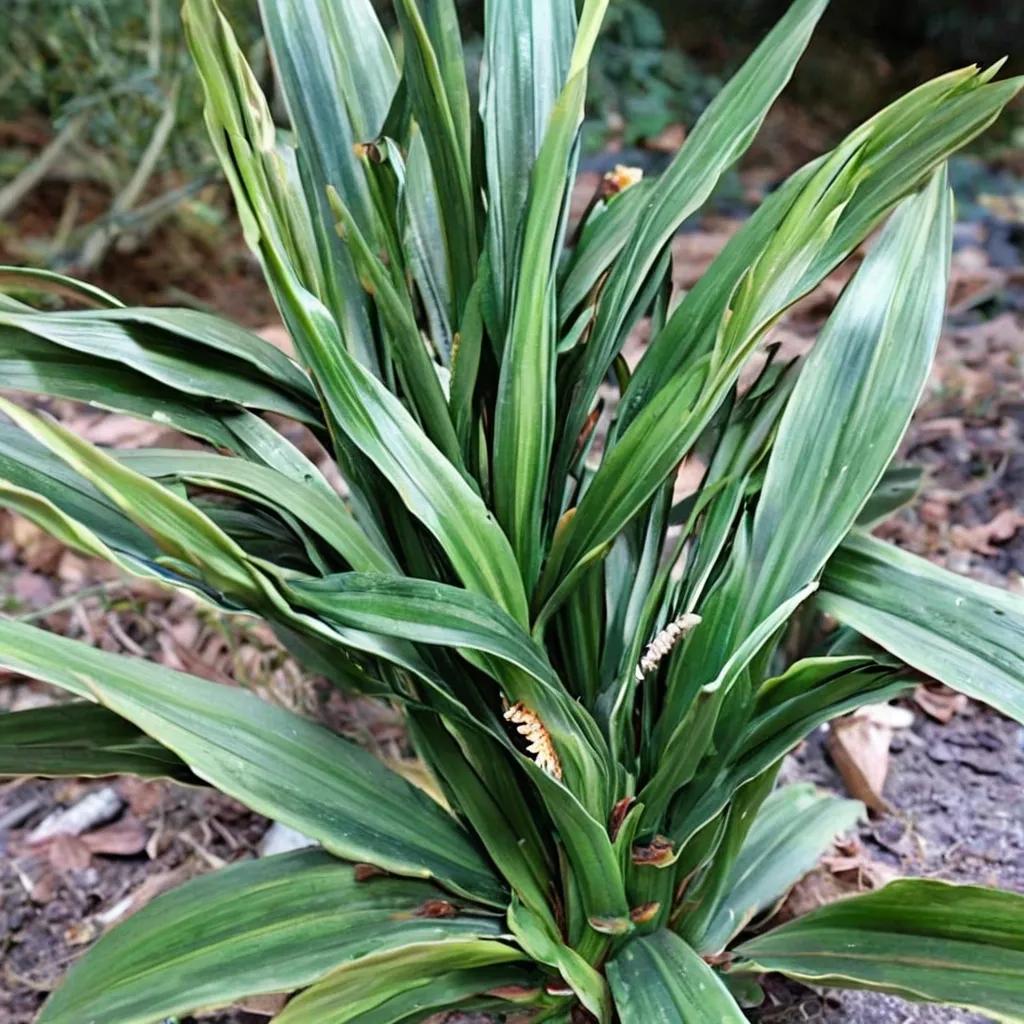
Nippon Lily
Ranked by its most-saved matching variety; the full catalog includes 14 varieties. Its representative is notable for being dry-spell tolerant and usually passed over by deer.
Zones 6–10All 14 varieties →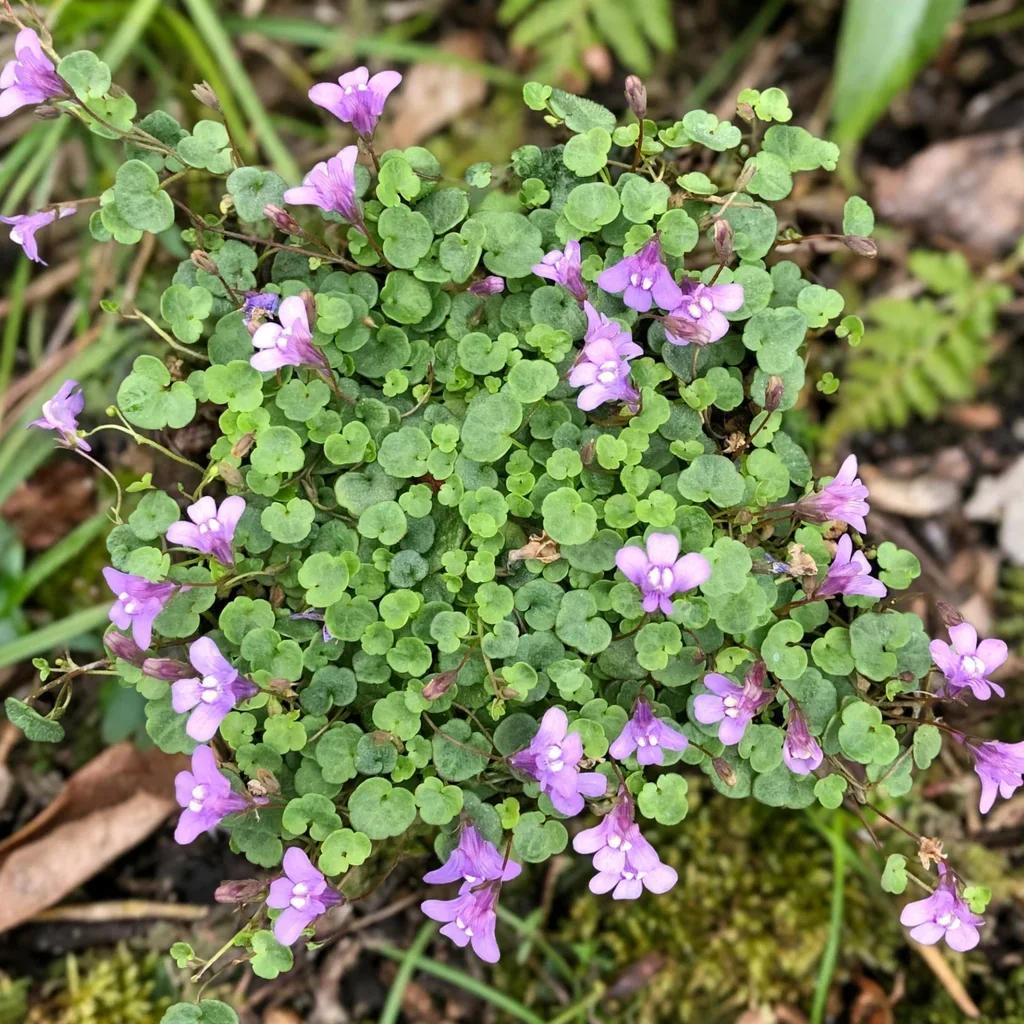
Kenilworth Ivy
Ranked by its most-saved matching variety; the full catalog includes 4 varieties. Its representative is notable for being early spring flowering and easy-care.
Zones 6–10All 4 varieties →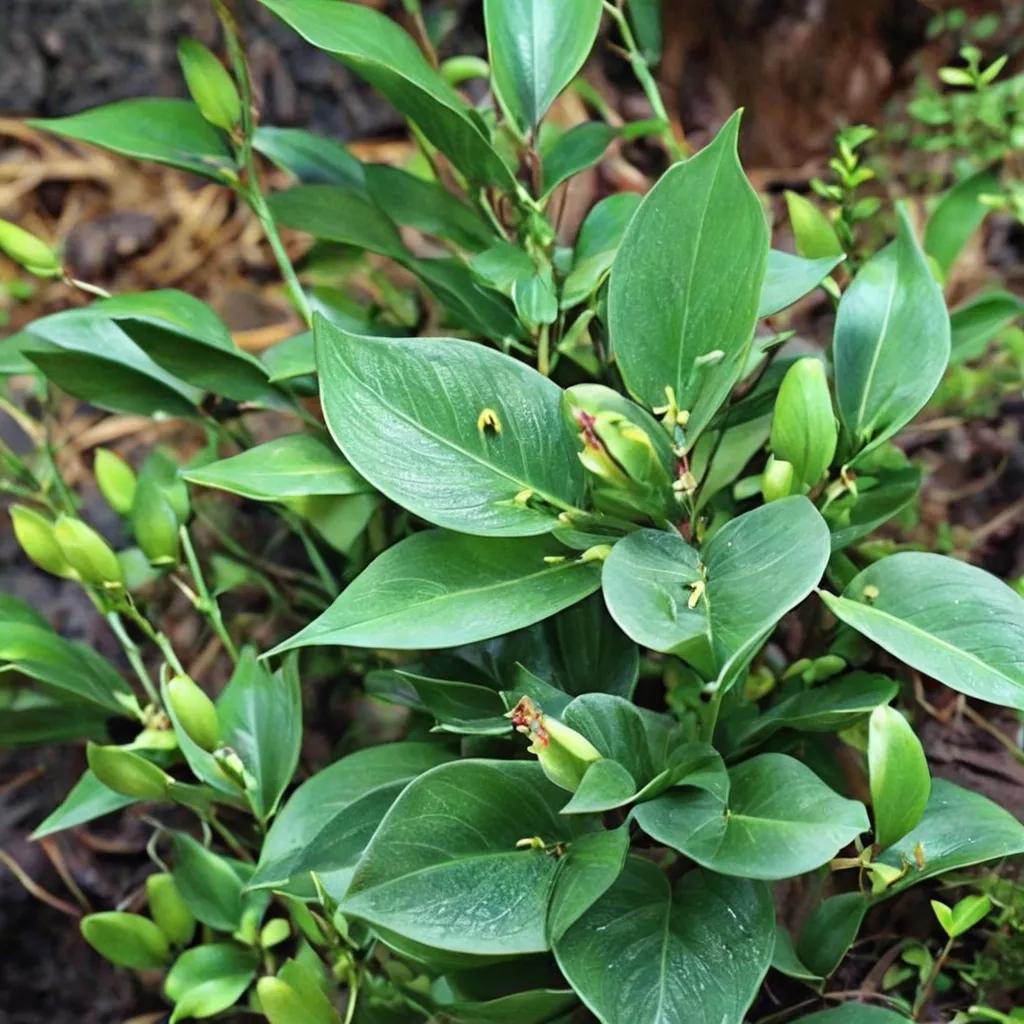
Butcher's Broom
Ranked by its most-saved matching variety; the full catalog includes 8 varieties. Its representative is notable for being dry-spell tolerant and usually passed over by deer.
Zones 7–10All 8 varieties →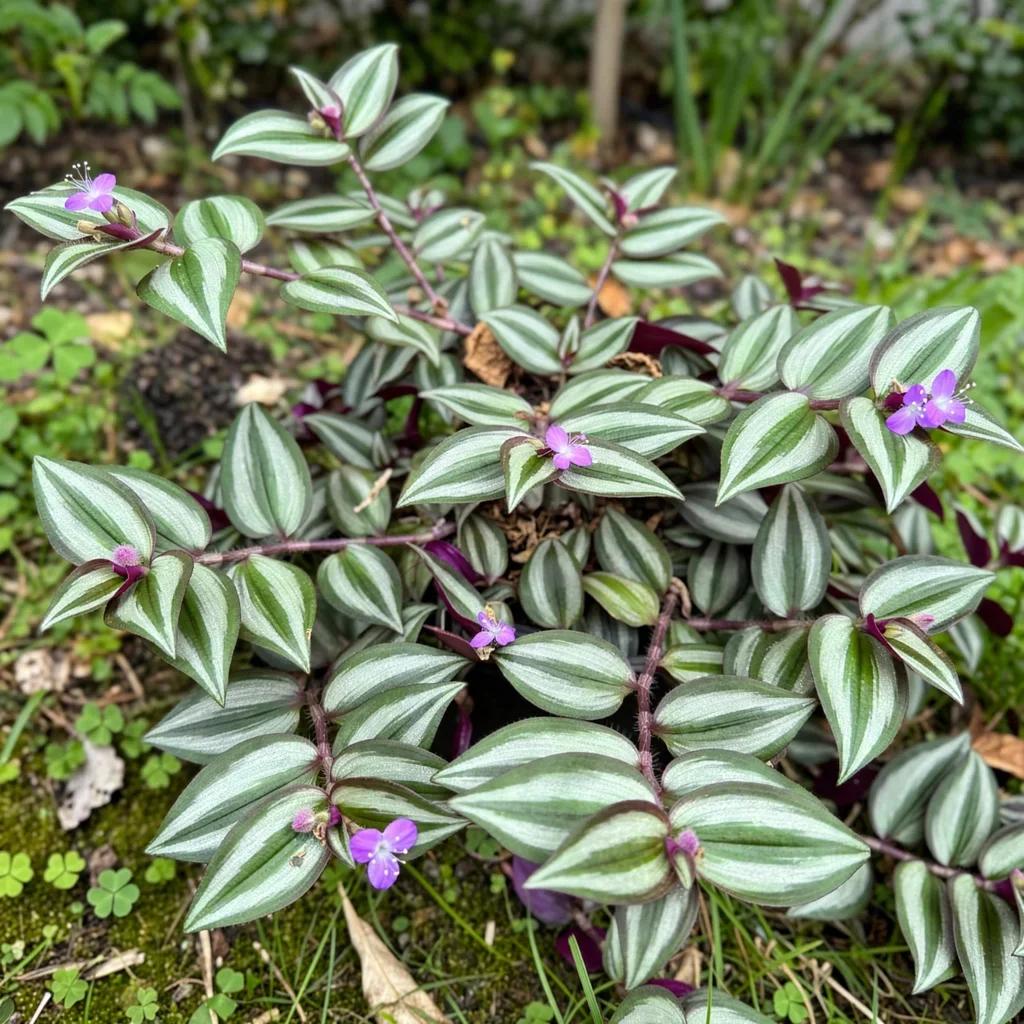
Spiderwort
Ranked by its most-saved matching variety; the full catalog includes 26 varieties. Its representative is notable for being North American native and usually passed over by deer.
Zones 9–10All 26 varieties →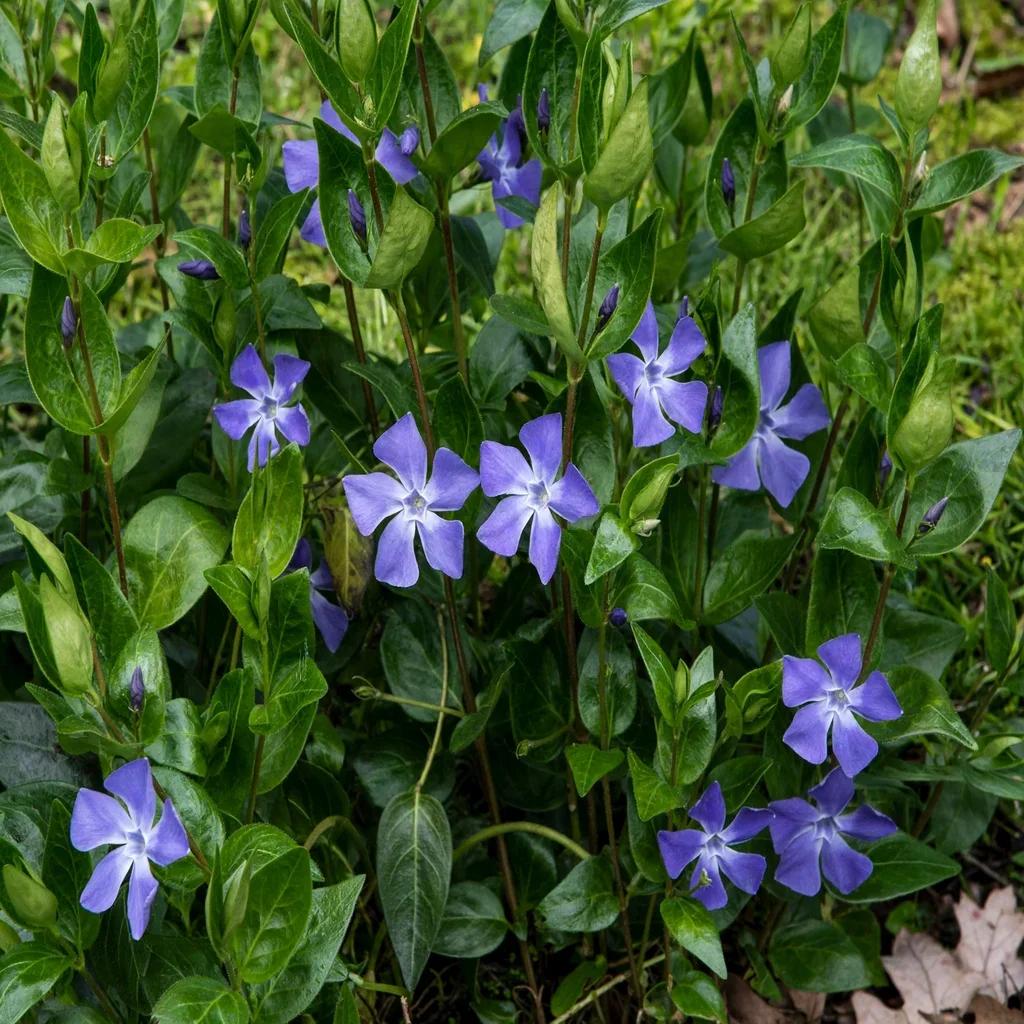
Periwinkle
Ranked by its most-saved matching variety; the full catalog includes 6 varieties. Evergreen trailing stems cover difficult shade quickly, where their spread can be bounded.
Zones 7–10All 6 varieties →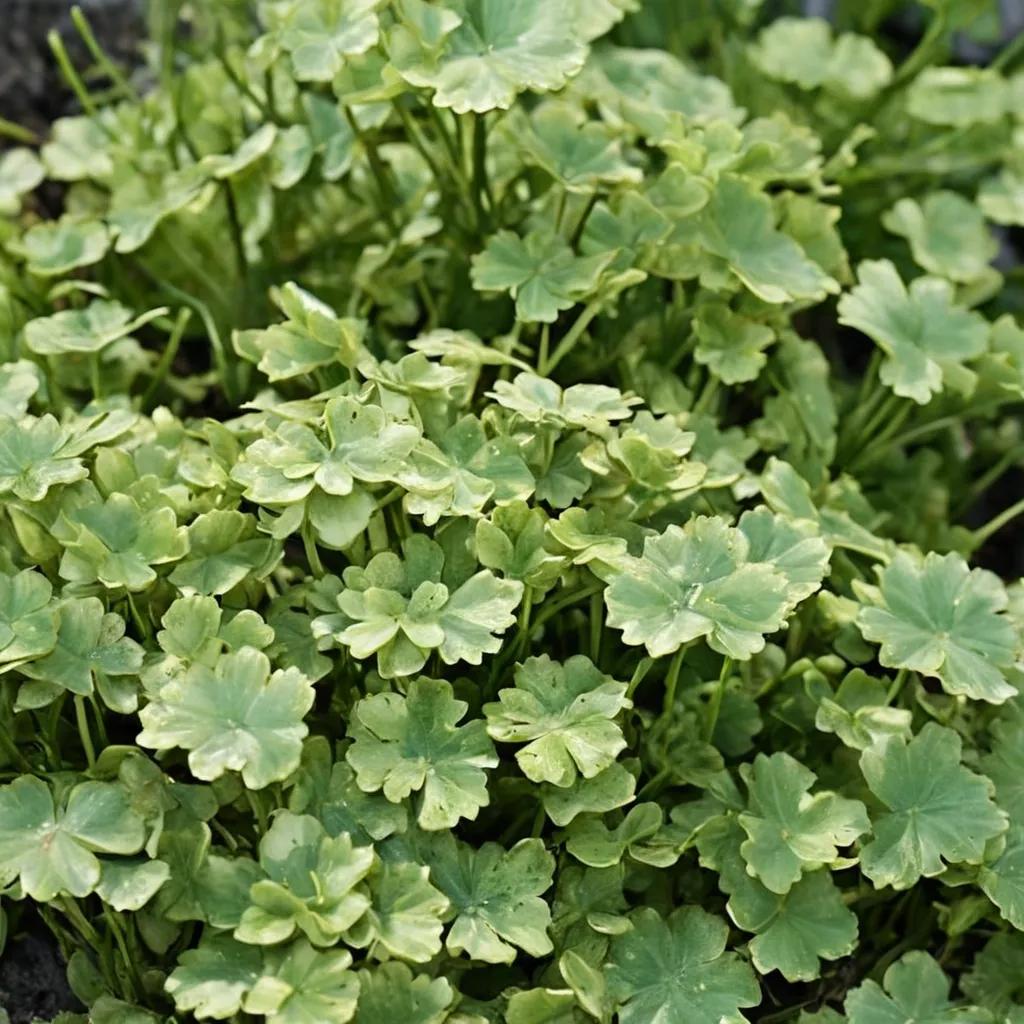
Water Pennywort
Ranked by its most-saved matching variety; the full catalog includes 1 variety. Its representative is notable for being late summer flowering and easy-care.
Zones 6–10All 1 variety →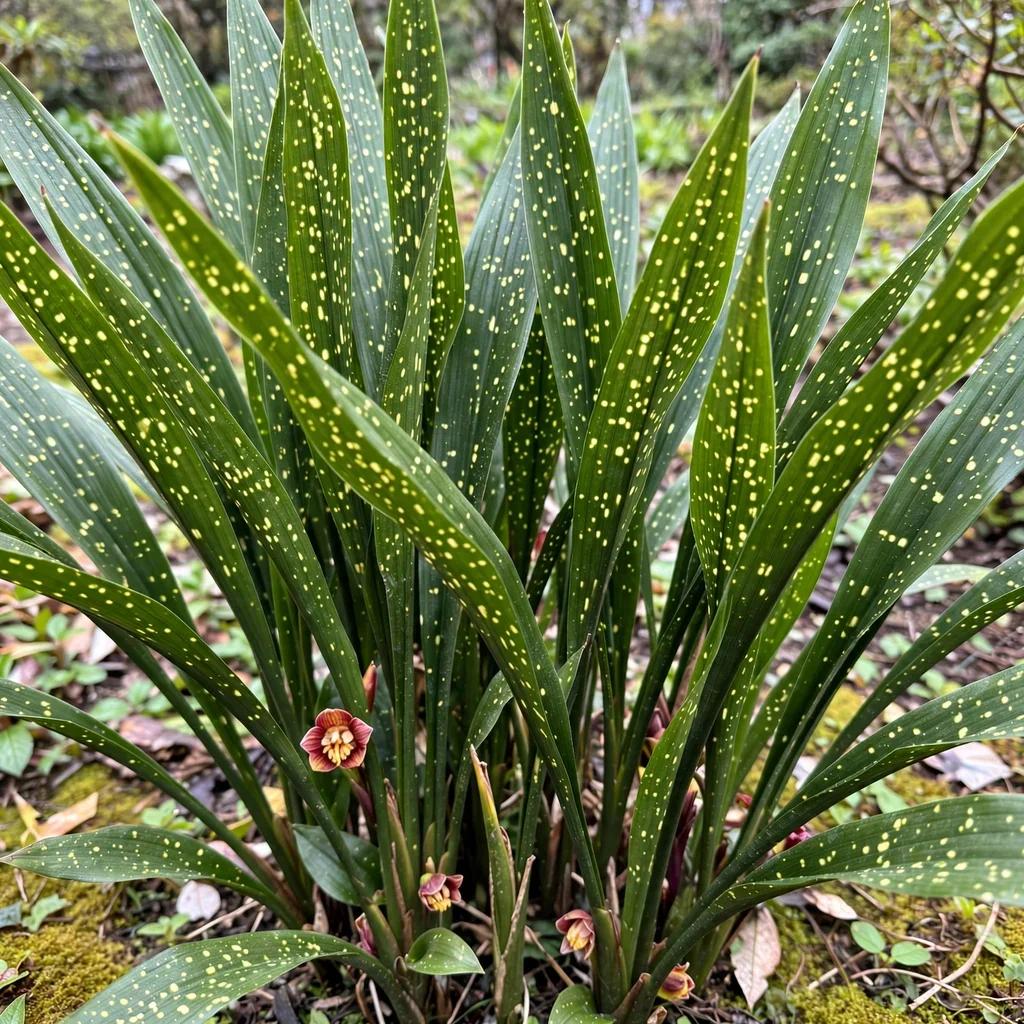
Cast Iron Plant
Ranked by its most-saved matching variety; the full catalog includes 40 varieties. Its representative is notable for being dry-spell tolerant and usually passed over by deer.
Zones 7–10All 40 varieties →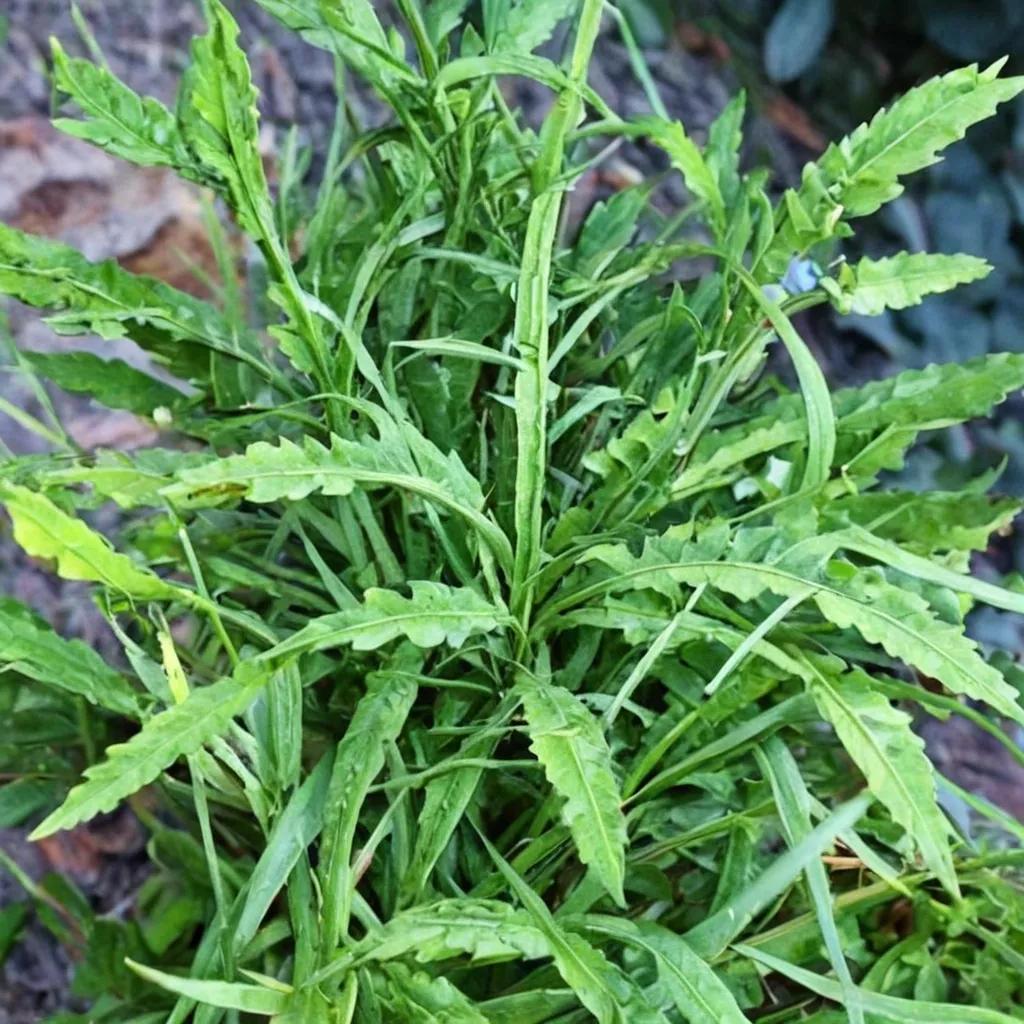 12
12Pteris
Brake Fern
Ranked by its most-saved matching variety; the full catalog includes 7 varieties. Its representative is notable for being easy-care.
Zones 8–10All 7 varieties →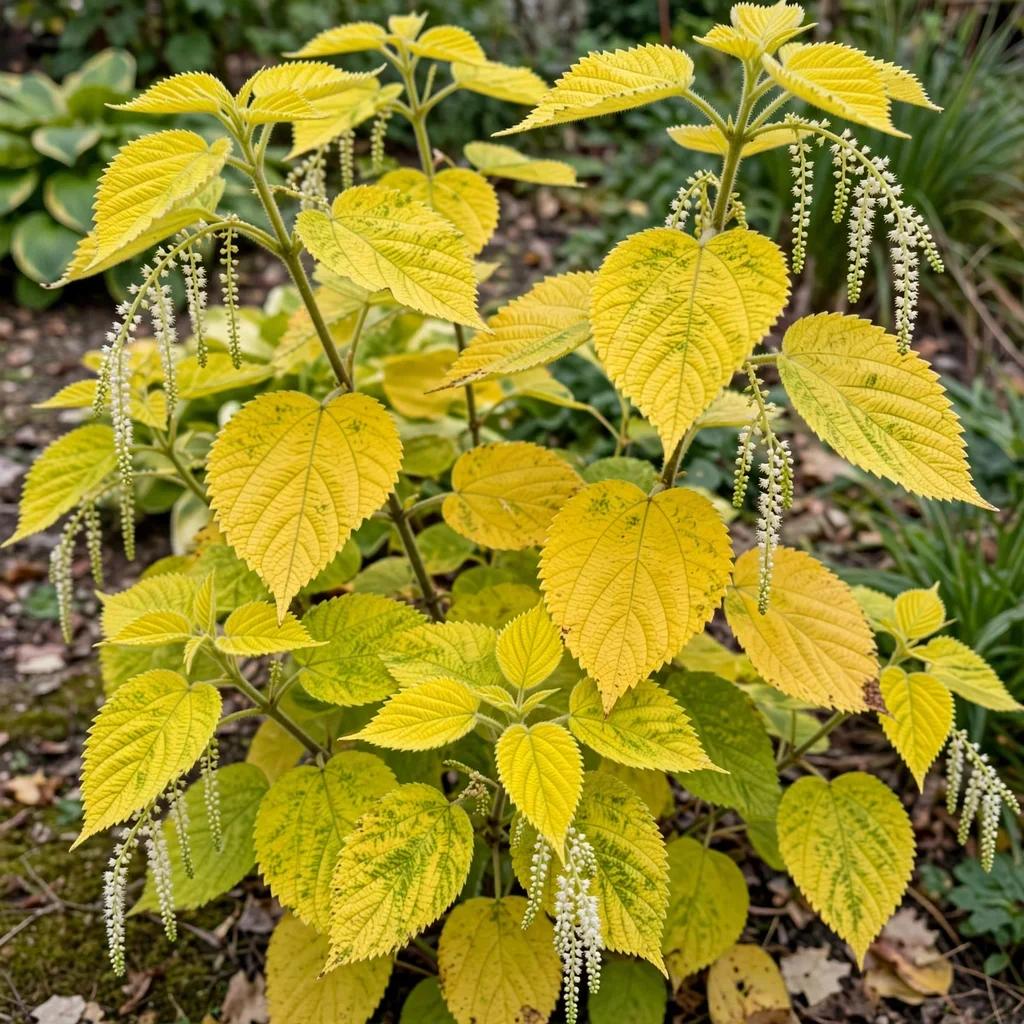
False Nettle
Ranked by its most-saved matching variety; the full catalog includes 4 varieties. Its representative is notable for being early fall flowering and easy-care.
Zones 7–10All 4 varieties →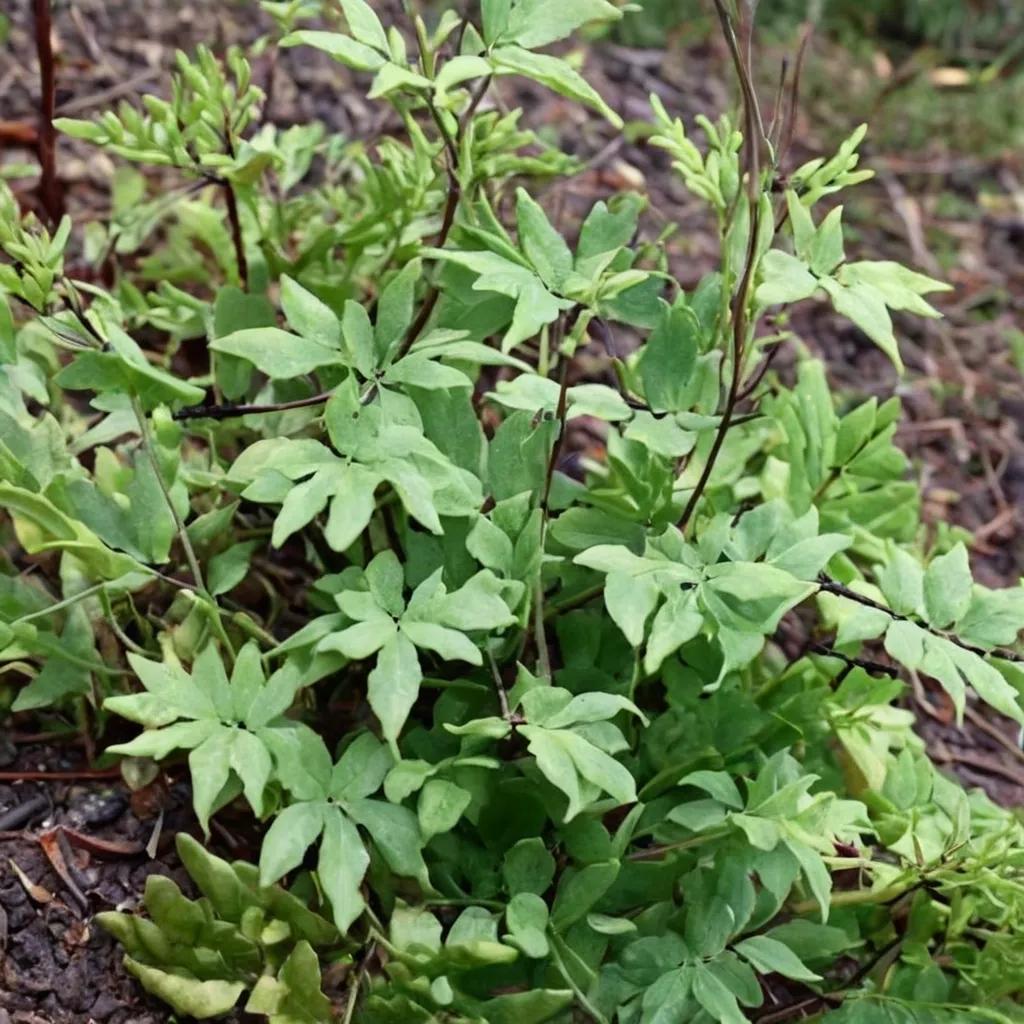 14
14Pellaea
Cliffbrake
Ranked by its most-saved matching variety; the full catalog includes 7 varieties. Its representative is notable for being dry-spell tolerant and early spring flowering.
Zones 9–10All 7 varieties →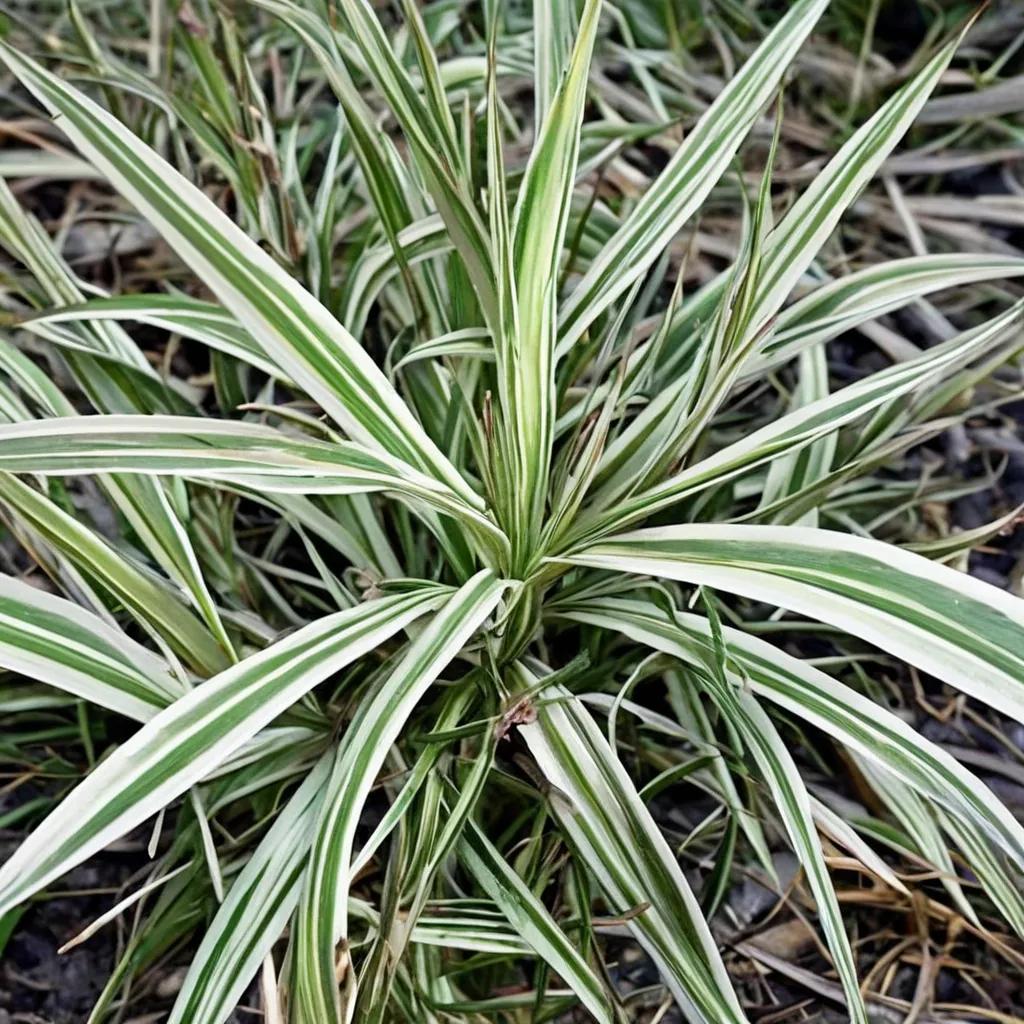 15
15Carex
Sedge
Ranked by its most-saved matching variety; the full catalog includes 90 varieties. Sedges offer an exceptional range of textures for weaving through difficult sites.
Zones 7–10All 90 varieties →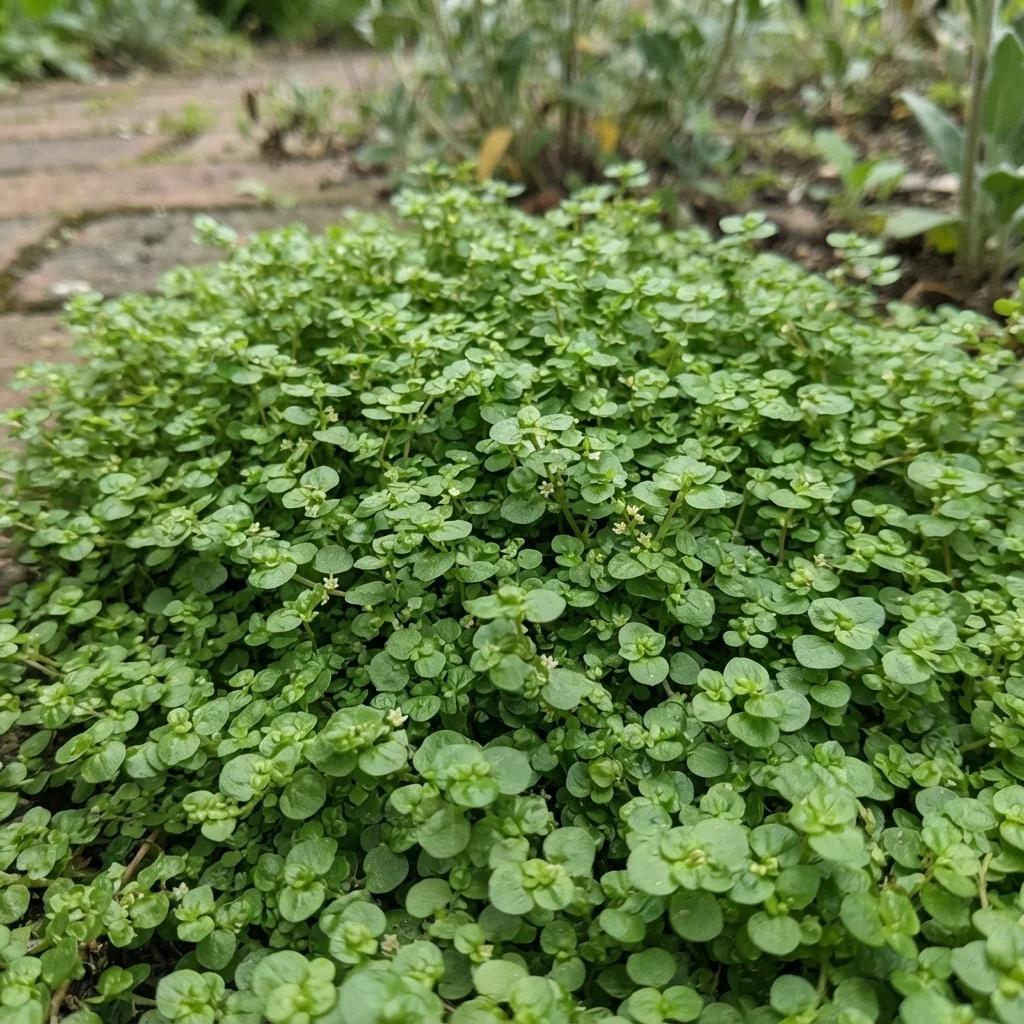
Ranked by its most-saved matching variety; the full catalog includes 1 variety. Its representative is notable for being spring flowering.
Zones 9–10All 1 variety →
About this list
How was this the most popular groundcovers for shade in zone 10 list ranked?
A plant must first match the catalog filters named in the title. Each genus is represented and ranked by its most-saved matching variety, so genera with many cultivars do not receive an automatic advantage.
Are all of these hardy in Zone 10?
Yes — every plant on this list is rated for Zone 10. Plants that could not survive a Zone 10 winter were excluded before ranking.
How fast do groundcovers spread?
The useful ones cover in 2–3 seasons. Faster spreaders exist but read the fine print — anything described as "vigorous" in a catalog can mean "invasive" in a garden.
Track these in your garden
Save the ones you plant and get care reminders timed to Zone 10.
Keep exploring
More popularity lists
- Most Popular Perennials for Shade
- Most Popular Deer-Resistant Perennials
- Most Popular Plants Tagged for Pollinators
- Most Popular Drought-Tolerant Plants
- Most Popular Flowering Shrubs
- Most Popular Groundcovers for Shade
- Most Popular Privacy Shrubs and Screening Plants
- Most Popular North American Native Perennials