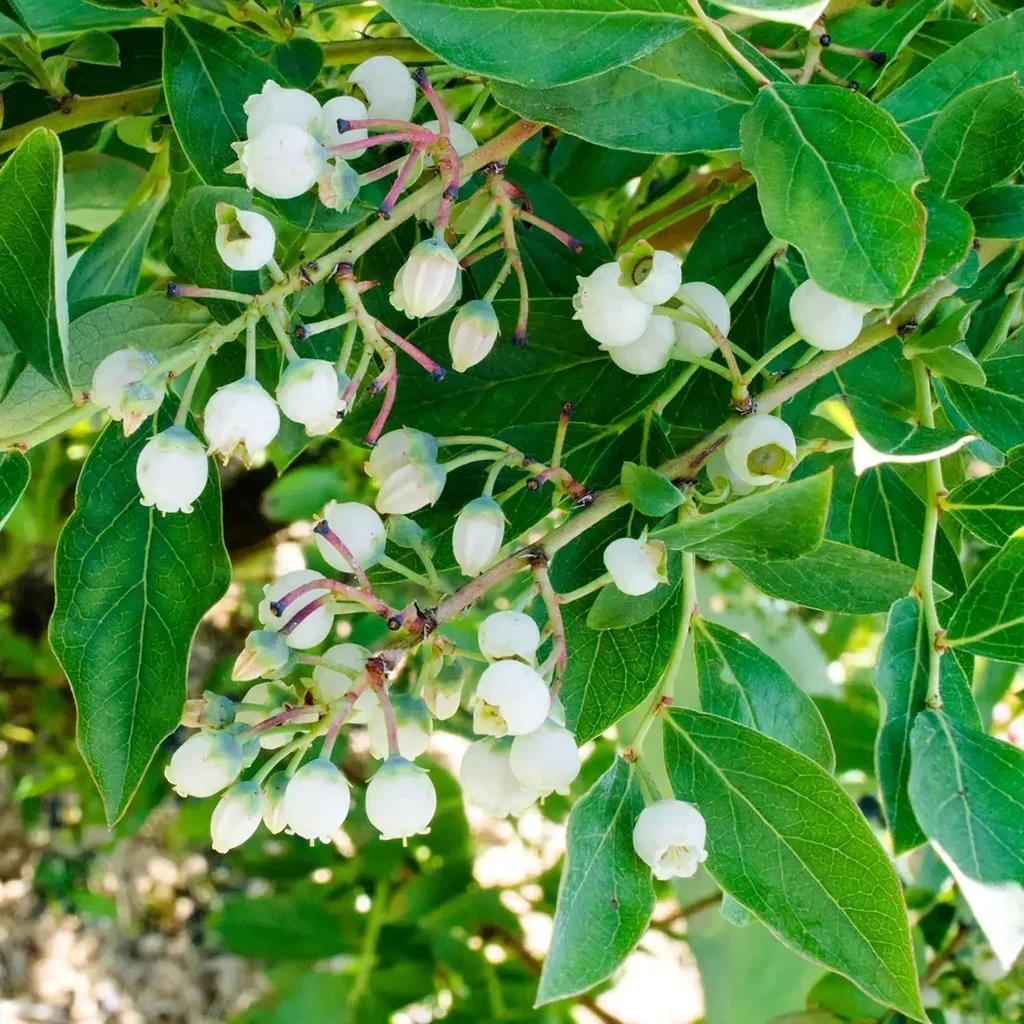
early season
Highbush blueberry
Vaccinium corymbosum
Supports mining, mason, blueberry, and bumble bees while also providing edible fruit.
Habitat roles
- Cited guide regions:
- Northeast, Southeast
- Growth form:
- Shrub
- Catalog example:
- Zones 4–9
Regional planting guide
Exact species from trusted regional guides, ordered to bring complementary habitat roles forward.
“North American native” is still a continental description, not proof a plant is native where you live. Confirm your ecoregion and current state or local guidance before planting.
We recommend choosing at least three species from each early, mid, and late bloom period where site size allows.
Five-role coverage
early season
Vaccinium corymbosum
Supports mining, mason, blueberry, and bumble bees while also providing edible fruit.
Habitat roles
early season
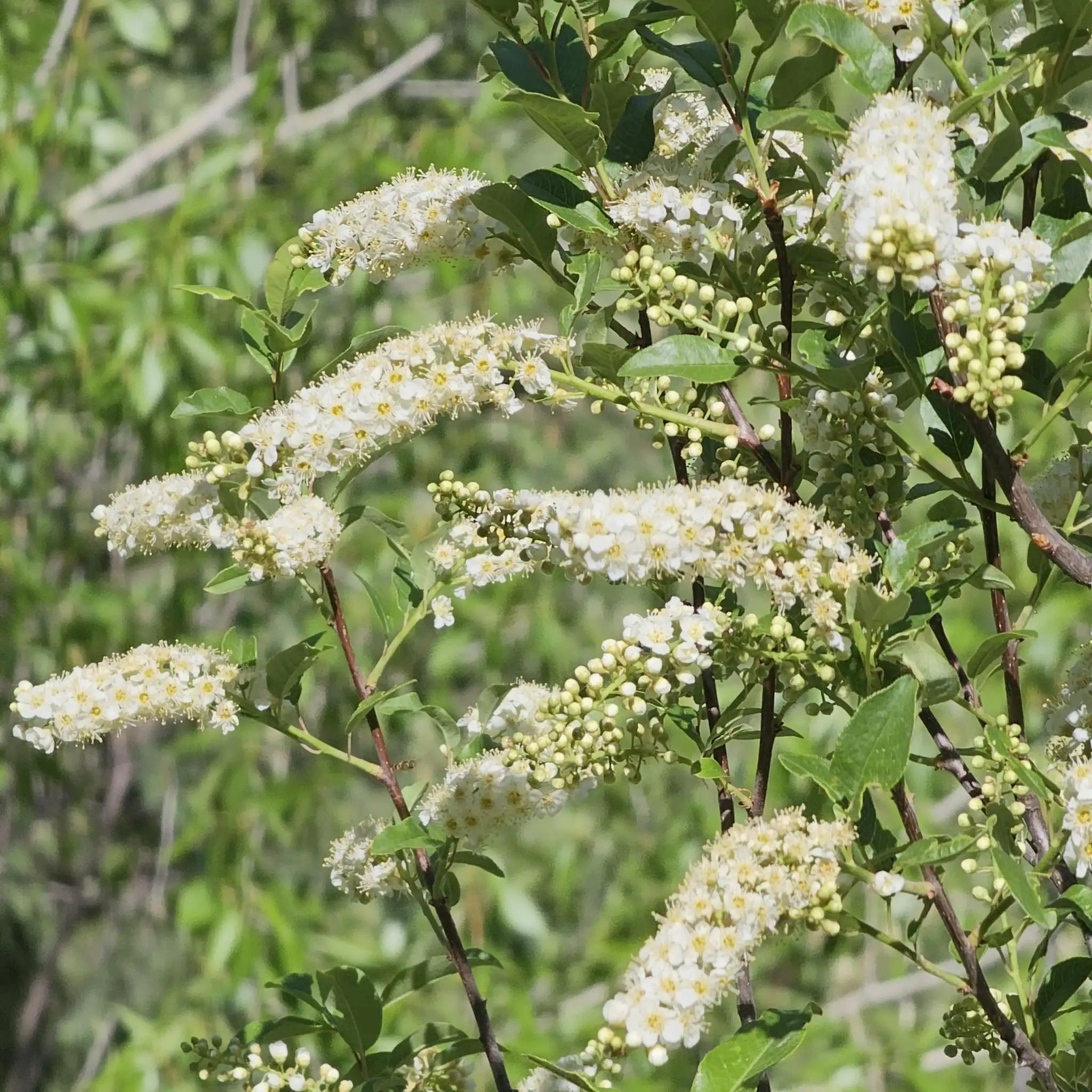
Prunus virginiana
A woody early-bloom option with flowers for pollinators and foliage used by caterpillars.
Habitat roles
early season
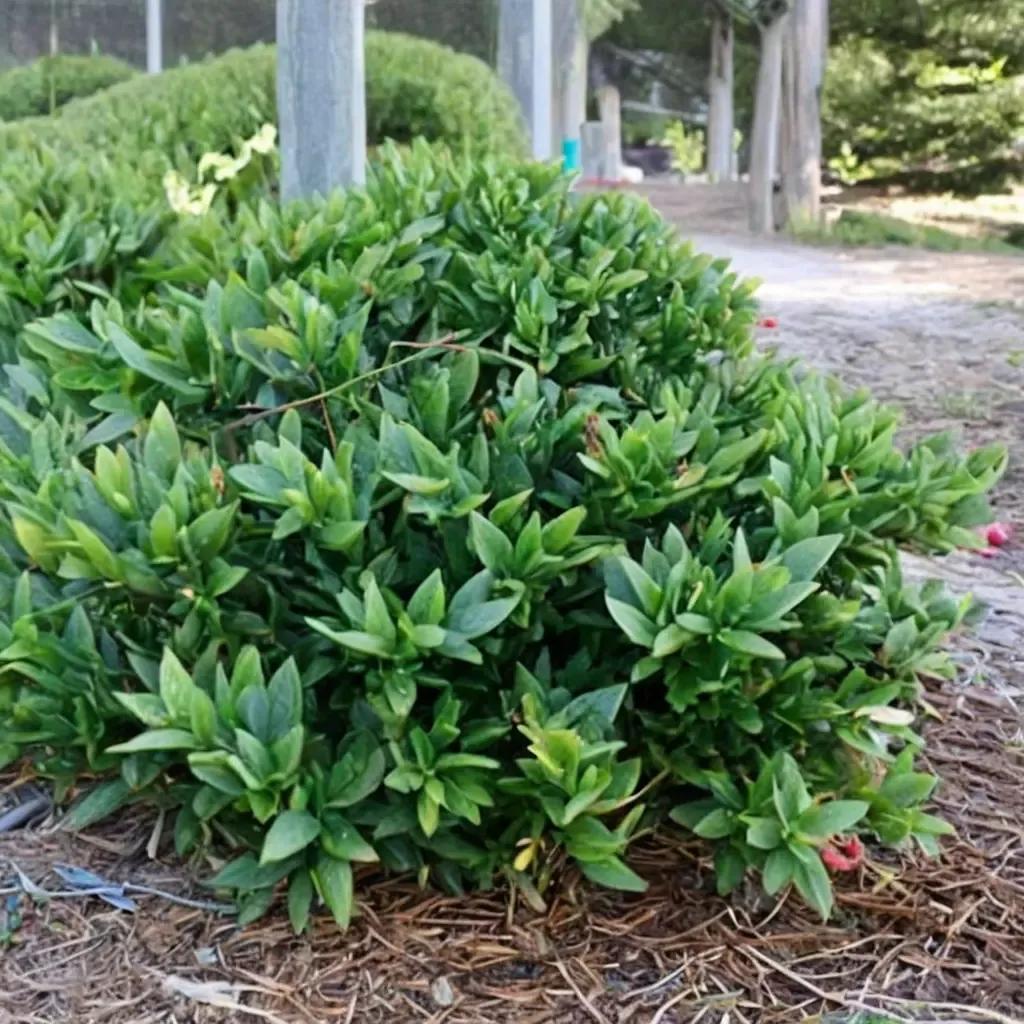
Rhamnus californica
An early-season woody resource for Southern Coast pollinators and butterfly larvae.
Habitat roles
early season
Salix discolor
Its catkins provide especially early spring forage; plants are separately pollen- and nectar-bearing.
Habitat roles
early season · mid season
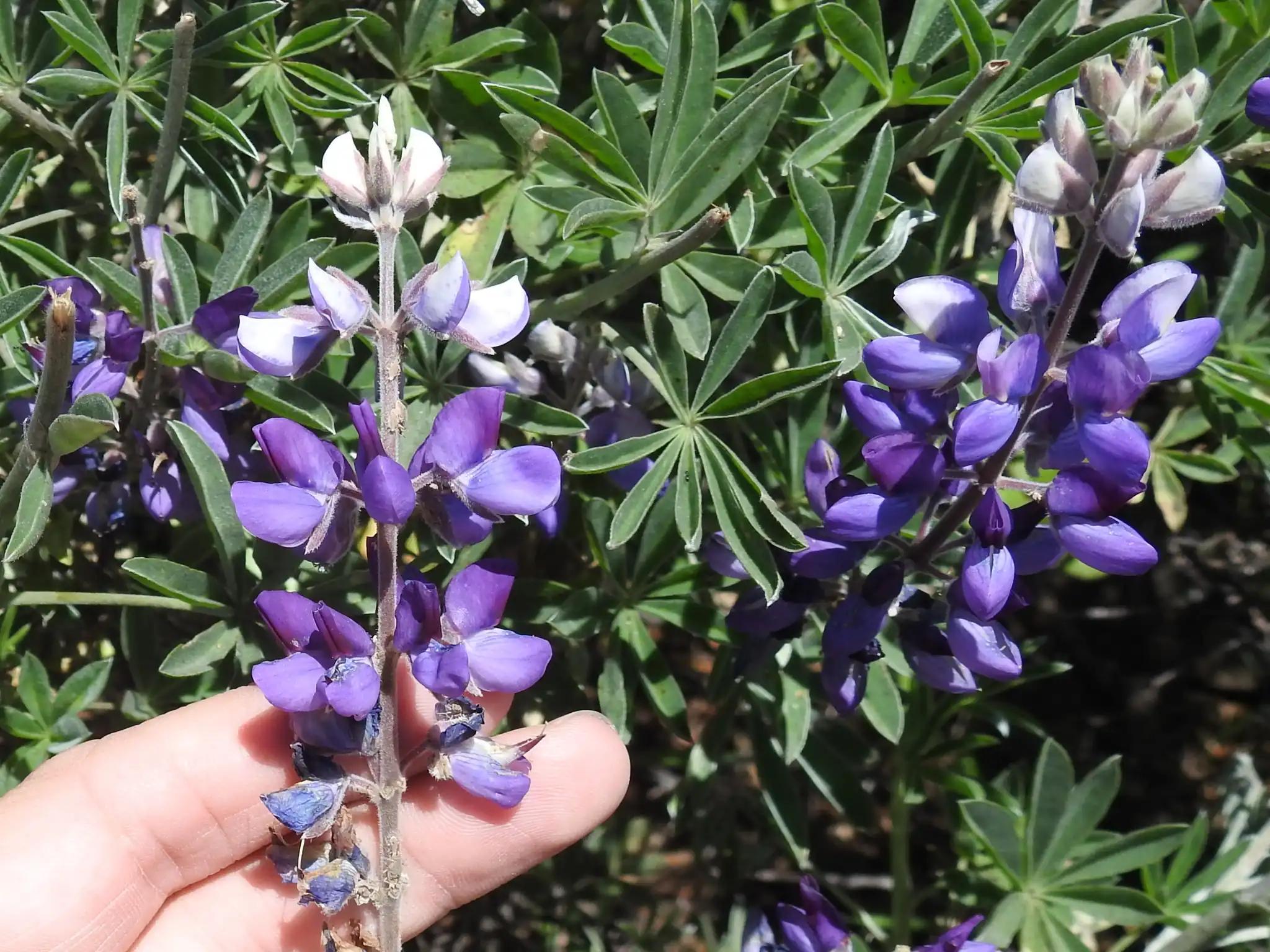
Lupinus albifrons
A low-water Sierra Foothills species supporting bumble bees and butterfly larvae.
Habitat roles
early season · mid season
Philadelphus lewisii
A woody early-to-mid bloom source that also supports beneficial insects and larvae.
Habitat roles
This recommended species is not yet available in Sow’s plant catalog.
early season · mid season
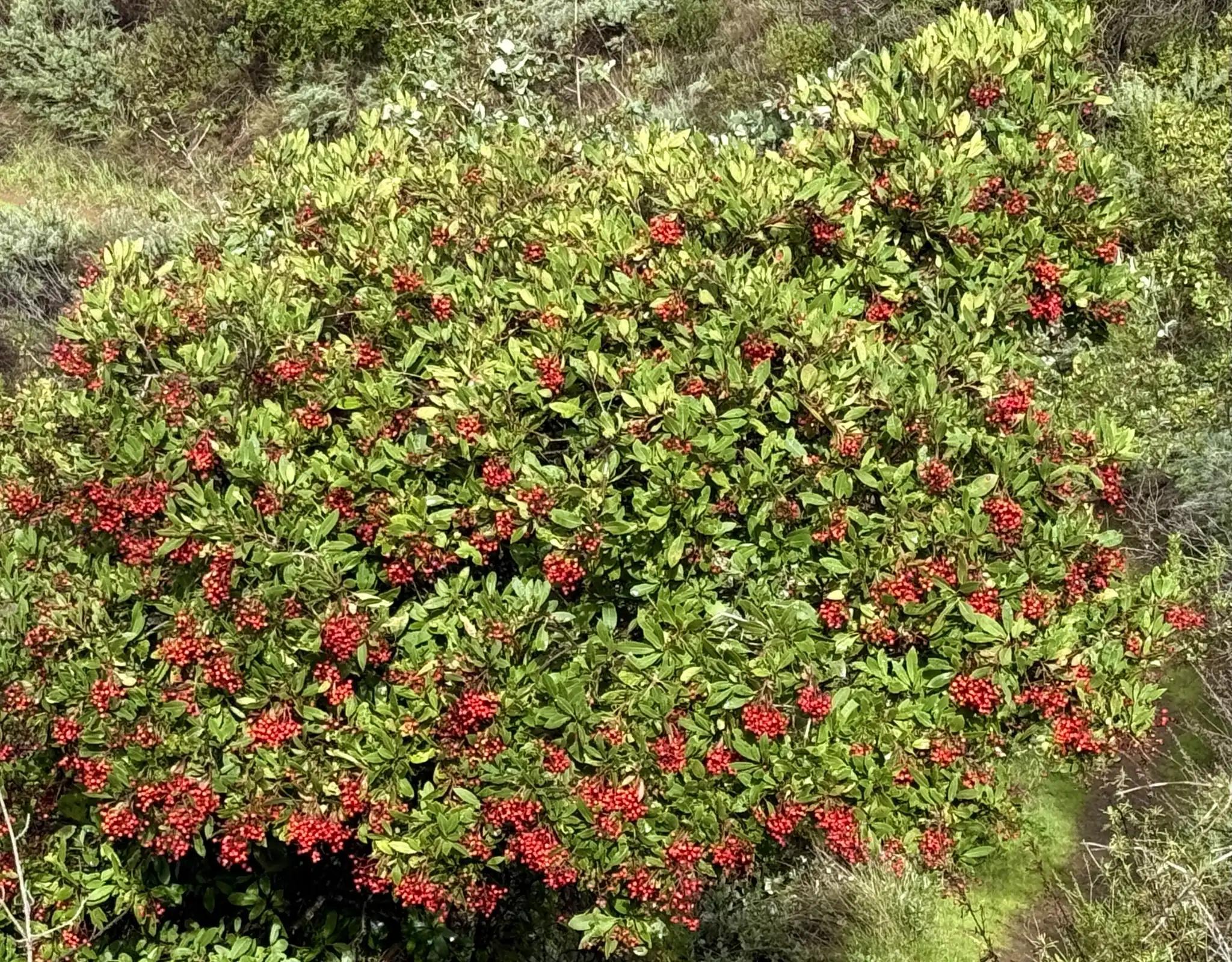
Heteromeles arbutifolia
A woody Southern Coast plant carrying flowers from the early into the middle bloom period.
Habitat roles
early season
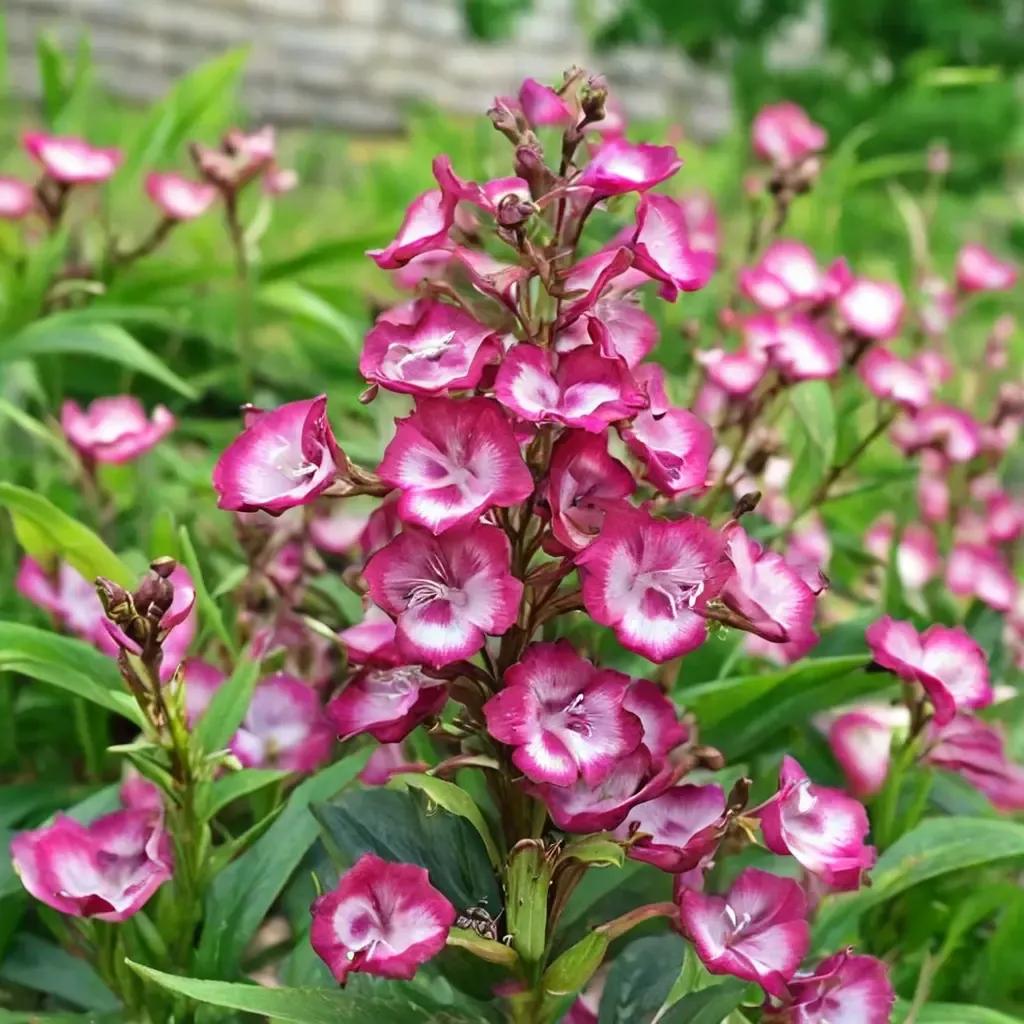
Geranium maculatum
Provides spring forage for several groups of native bees and tolerates some shade.
Habitat roles
early season
Zizia aurea
An early-season resource whose shallow flowers also serve small bees, flies, and beneficial wasps.
Habitat roles
early season · mid season
Mimulus guttatus
An early-to-mid-season Sierra Foothills species for moist sites.
Habitat roles
early season · mid season
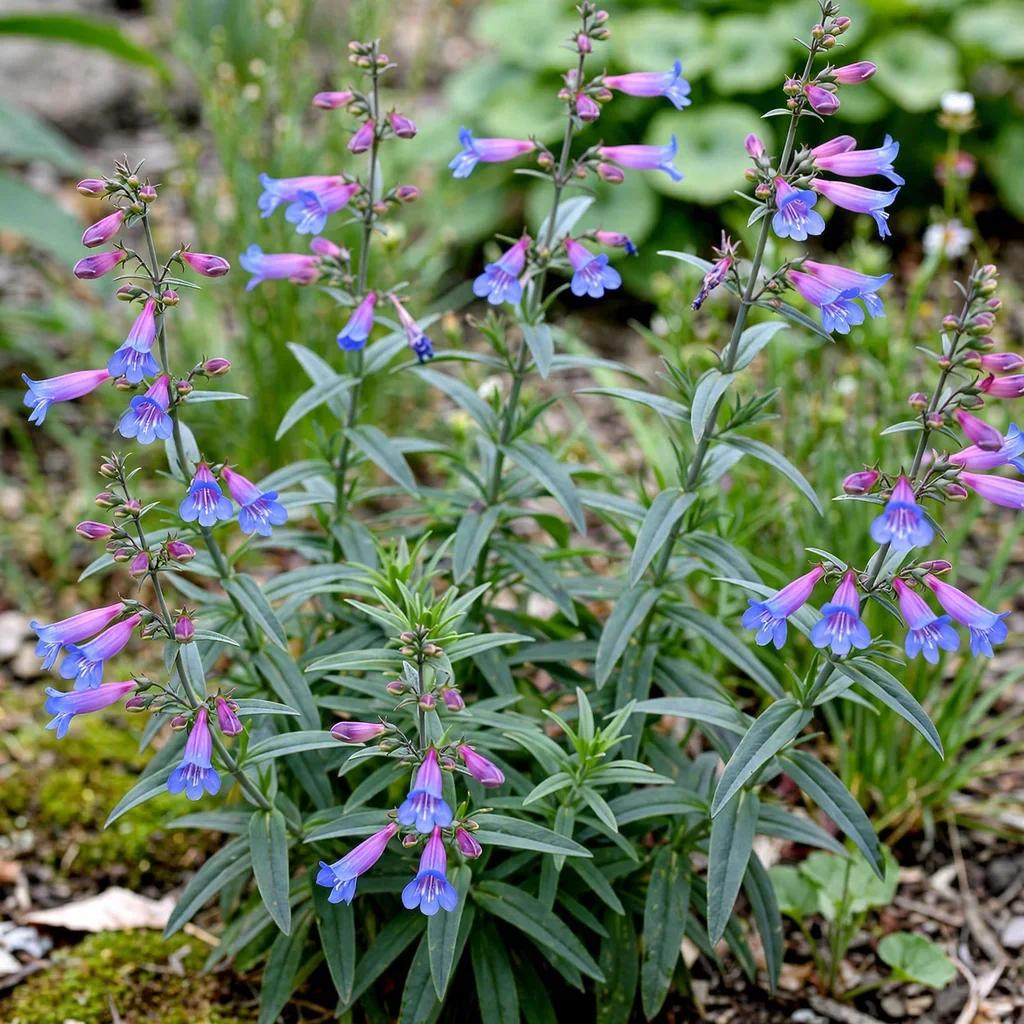
Penstemon heterophyllus
A low-water early-to-mid-season Southern Coast perennial.
Habitat roles
early season · mid season
Penstemon digitalis
Visited by bees, butterflies, and moths and adaptable to a range of soils.
Habitat roles
early season
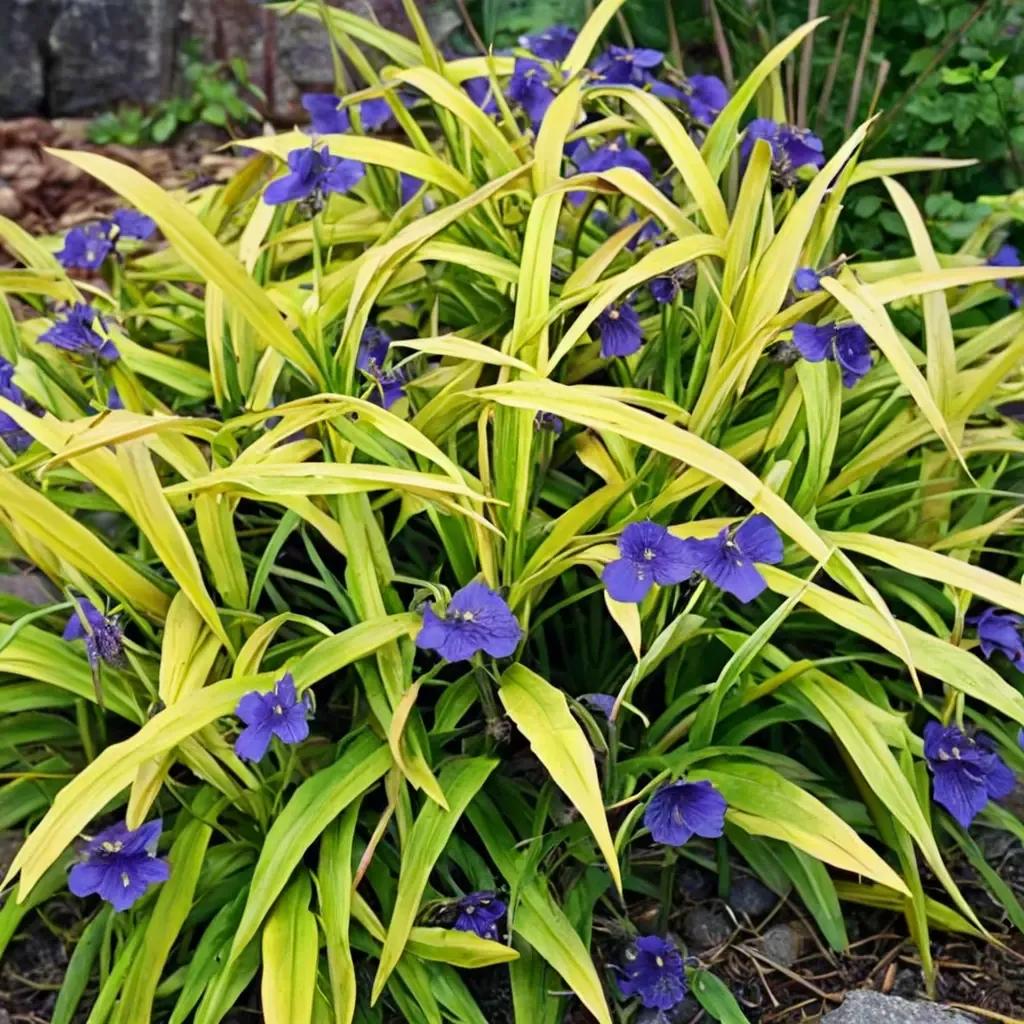
Tradescantia occidentalis
An early Northern Plains flower visited by bumble bees and other pollen-gathering insects.
Habitat roles
early season · mid season
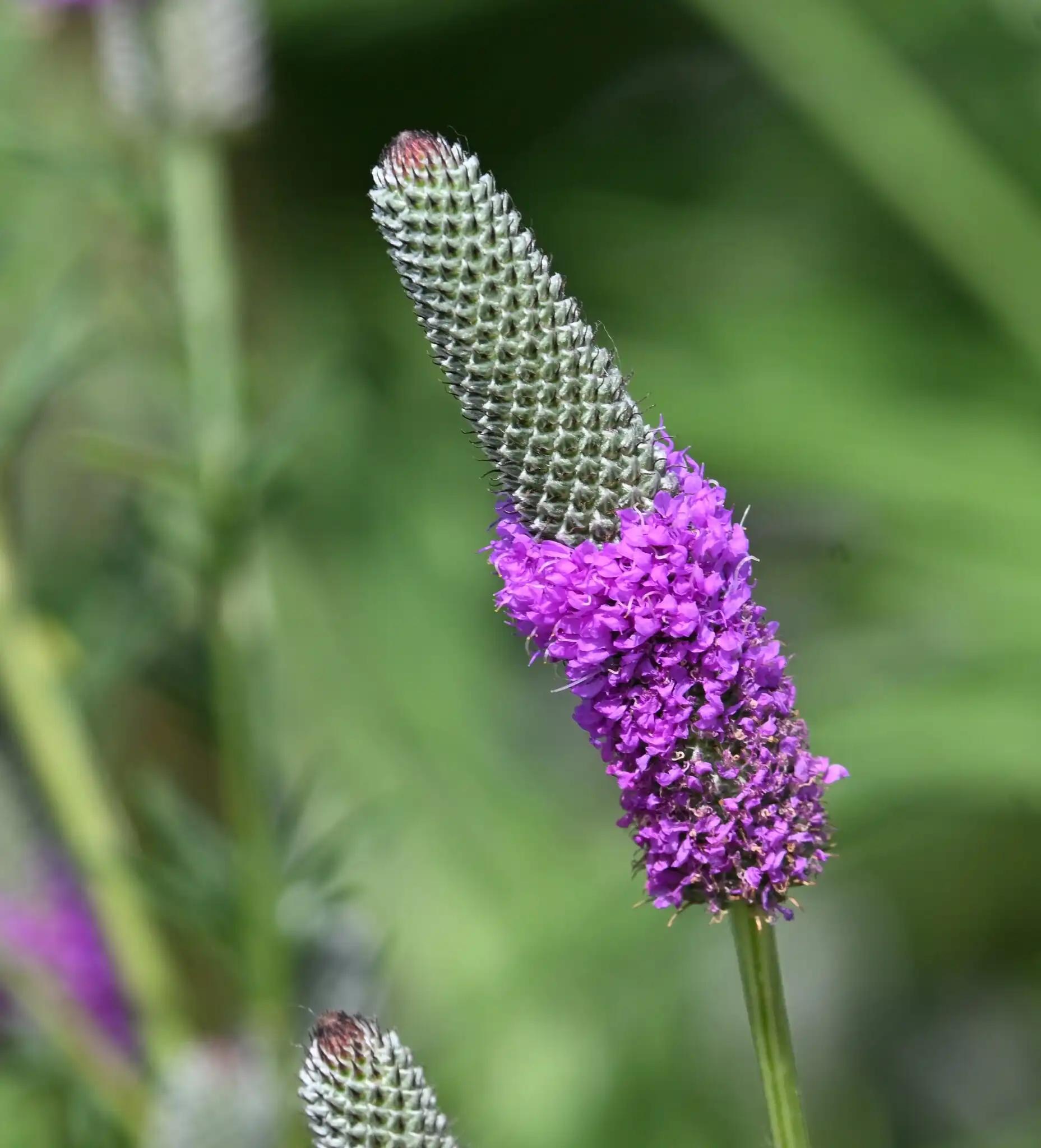
Dalea purpurea
A nitrogen-fixing prairie plant highly attractive to bees, butterflies, flies, and beetles.
Habitat roles
early season · mid season
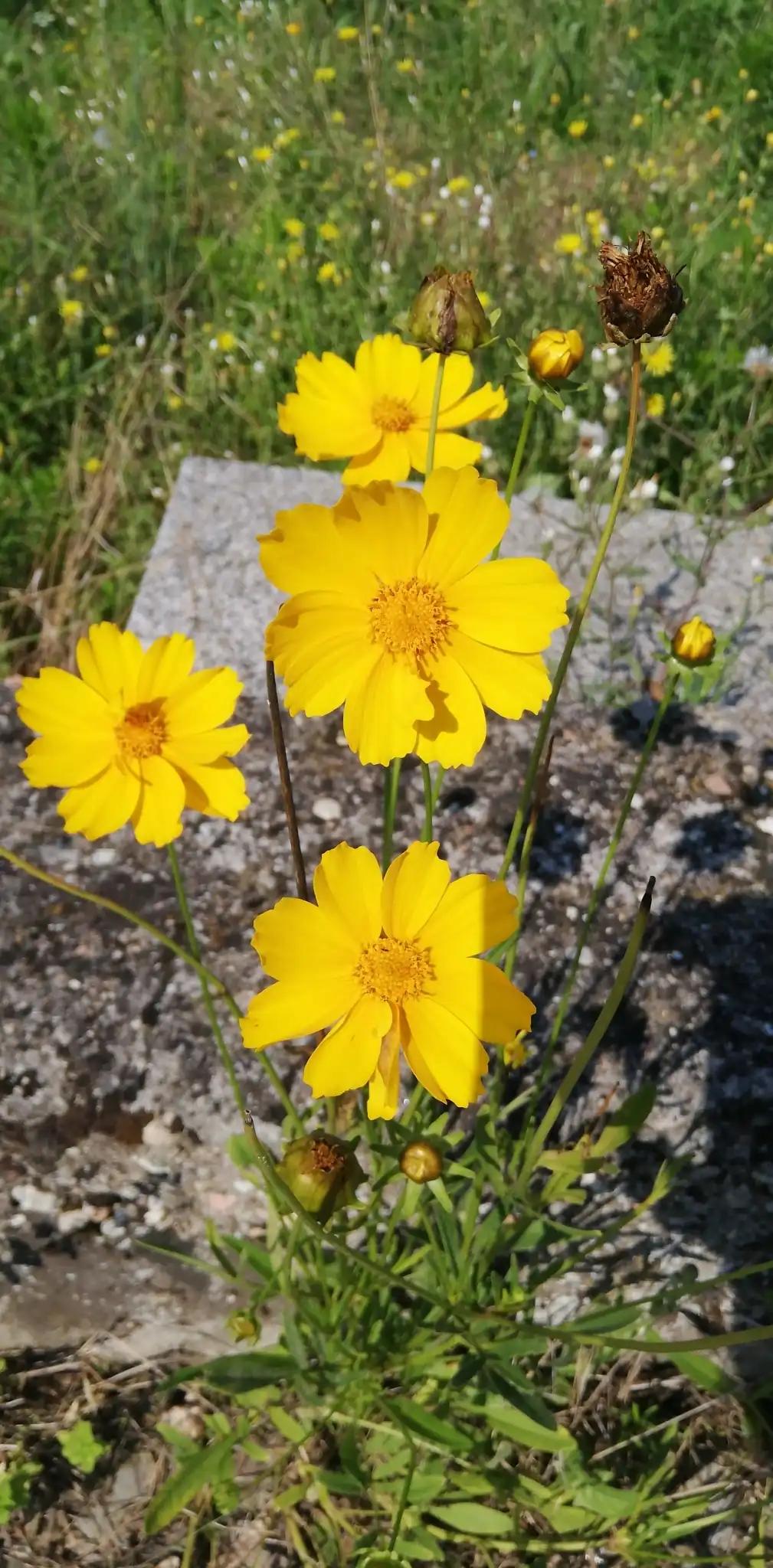
Coreopsis lanceolata
A dry-site Southeast selection that carries the bloom sequence into summer.
Habitat roles
How to use this page
Start with your region, then cover early, mid, and late bloom. A single “pollinator plant” cannot provide a season of habitat.
Match sunlight, soil moisture, mature size, and hardiness. Ecological value is most useful when the species also fits the conditions of the planting site.
Recheck current state and local guidance before buying, because plant classifications and recommendations can change over time.
Why plant choice must be narrowed to an ecoregion rather than treated as continent-wide.
The recommended next step for a ZIP-code and ecoregion-specific plant list.
Support for planning a succession of bloom from early spring through fall.
Exact Northeast species, bloom periods, and documented pollinator or host-plant roles.
Exact Southeast species, bloom periods, and documented pollinator or host-plant roles.
Exact Northern Plains species, bloom periods, and documented pollinator or host-plant roles.
Exact California Sierra Foothills species, bloom periods, and ecological roles.
Exact Southern California species, bloom periods, and ecological roles.
Exact Midwest species, bloom periods, and documented pollinator or host-plant roles.
Ranks locally native plant genera by the butterflies and moths they host, connecting host plants to caterpillars and the birds that eat them.
Identifies Vaccinium corymbosum as a native shrub whose fruit provides summer and early-fall food for birds and mammals.
Connects native tree and shrub cover and leaf litter with winter bird abundance and feeding activity in residential yards.
Guidance for combining native trees, understory plants, and leaf litter into sheltered habitat where insects can complete their life cycles.
Guidance for retaining natural nesting and overwintering features such as stems, seed heads, wood, soil, and leaf litter.
Connects fruit- and seed-bearing plants, retained flower heads, shrubs, and grasses with food, shelter, and winter structure for birds.
Documents Prunus virginiana fruit, cover, and nesting value for birds and its use in shelterbelts and habitat plantings.
Documents California coffeeberry fruit use by birds and its value in hedgerow plantings.
Documents Heteromeles arbutifolia as an evergreen shrub with fruit that persists into winter and is used by birds.
For a finer geographic match, use the Pollinator Partnership Find Your Roots tool.
Save exact species, check mature size and hardiness, then place them in a design you can keep refining.