The Story
Plant Bio
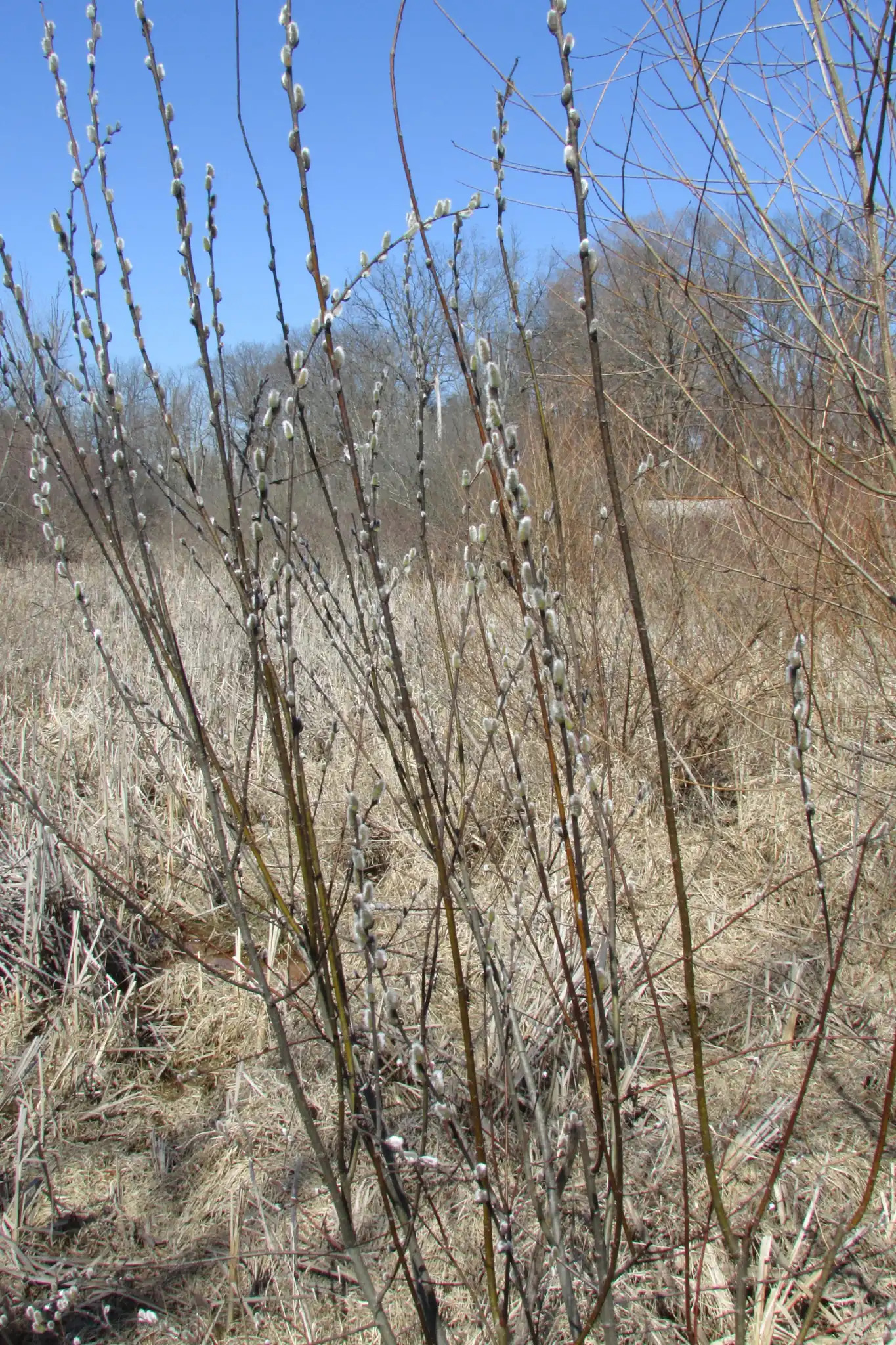
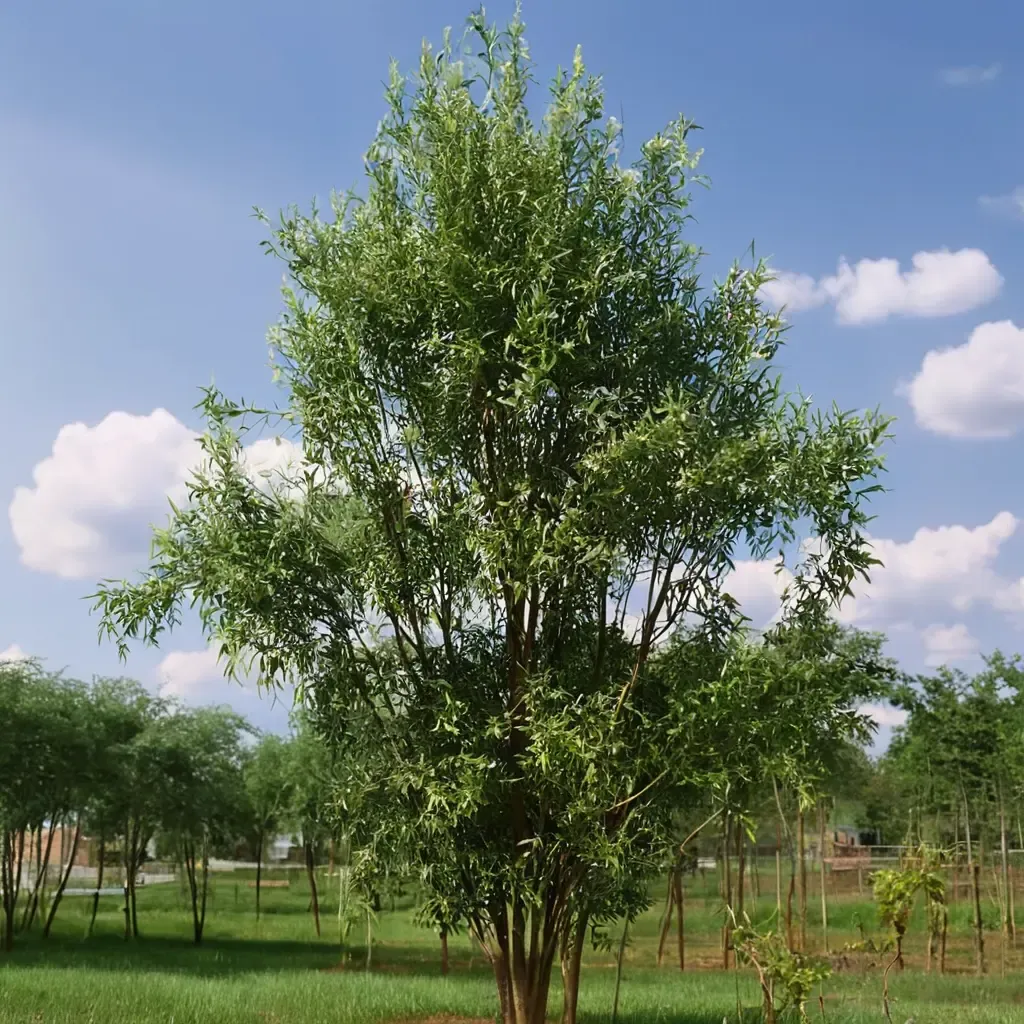
Salix discolor, the American pussy willow, is a fast-growing, multi-stemmed deciduous shrub or small tree native to North America. It is most famous for the soft, furry, silvery-gray catkins that appear on its bare stems in late winter, heralding the arrival of spring.
As one of the very first plants to bloom, pussy willow provides a critical, early-season source of pollen and nectar for emerging native bees and other pollinators. The showy catkins are produced on male plants, while female plants have smaller, less conspicuous greenish catkins.
Uses & Benefits:
Essentials
At a Glance
Plant Type
Shrub
Height
180"
Width
144"
Light
Full Sun
Zones
4, 5, 6, 7, 8
Water
Medium to wet
Humidity
High
Lifespan
Short-lived shrub
Native To
North America
Toxicity
Non-toxic
Bloom period
Late winter – Early spring
In flower about 2 months of the year
Planting
How to Grow
- Select a location in full sun with consistently moist or wet soil.
- Dig a hole that is as deep and twice as wide as the container.
- Place the plant in the hole, ensuring it's at the same depth it was in the pot.
- Backfill with soil and water thoroughly.
- Pussy willows establish quickly and require little care.
- Prune hard after flowering to control size and promote new growth.
Pro Tip
For the best display of catkins, coppice the shrub by cutting all stems back to about 6-12 inches from the ground every 1-2 years, right after flowering.
Keep It Thriving
Care Guide
Do
- Provide plenty of moisture; this plant loves wet feet.
- Plant in full sun for the most vigorous growth and best catkin production.
- Cut stems in late winter to force indoors in a vase of water.
- Prune regularly after blooming to maintain a desirable shape and size.
- Use it for erosion control on moist banks.
Don't
- Don't plant in dry, sandy soil.
- Avoid planting near septic systems or water lines, as the roots are water-seeking.
- Don't let it get overgrown; regular pruning is key.
- Don't expect showy catkins from a female plant.
Seasonal Care Calendar
| Task | Jan | Feb | Mar | Apr | May | Jun | Jul | Aug | Sep | Oct | Nov | Dec |
|---|---|---|---|---|---|---|---|---|---|---|---|---|
| Propagate | ||||||||||||
| Prune |
Watch Out For
Pests & Diseases
Common Pests
Common Diseases
In the Garden
Landscape Uses & Companions
Landscape Uses
Multiply
Propagation Methods
Good to Know
Common Questions
Pussy Willow questions
What zones can Pussy Willow grow in?
Pussy Willow is hardy in USDA Zones 4–8. Inside that range it survives winter in the ground; outside it, grow it as an annual or a container plant you protect.
Is Pussy Willow deer resistant?
Not reliably. Deer may browse Pussy Willow, especially tender spring growth — plan on repellents or fencing where pressure is high.
When does Pussy Willow bloom?
Pussy Willow typically blooms in late winter through early spring. Exact timing shifts a week or two with your zone — Sow's bloom calendar maps it to your garden.
Does Pussy Willow need full sun?
Pussy Willow does best in full sun (6+ hours).
More Salix to compare
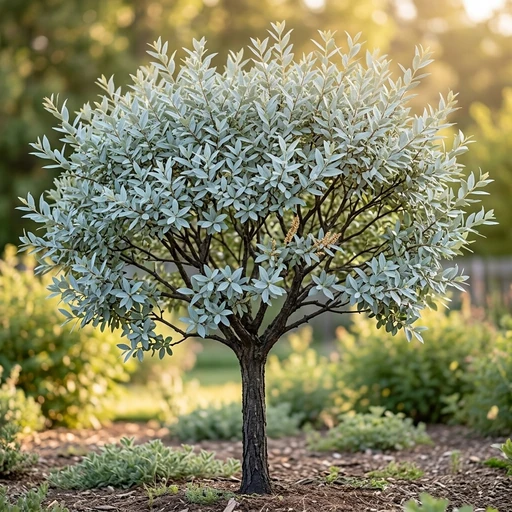
Black Willow
Salix nigra
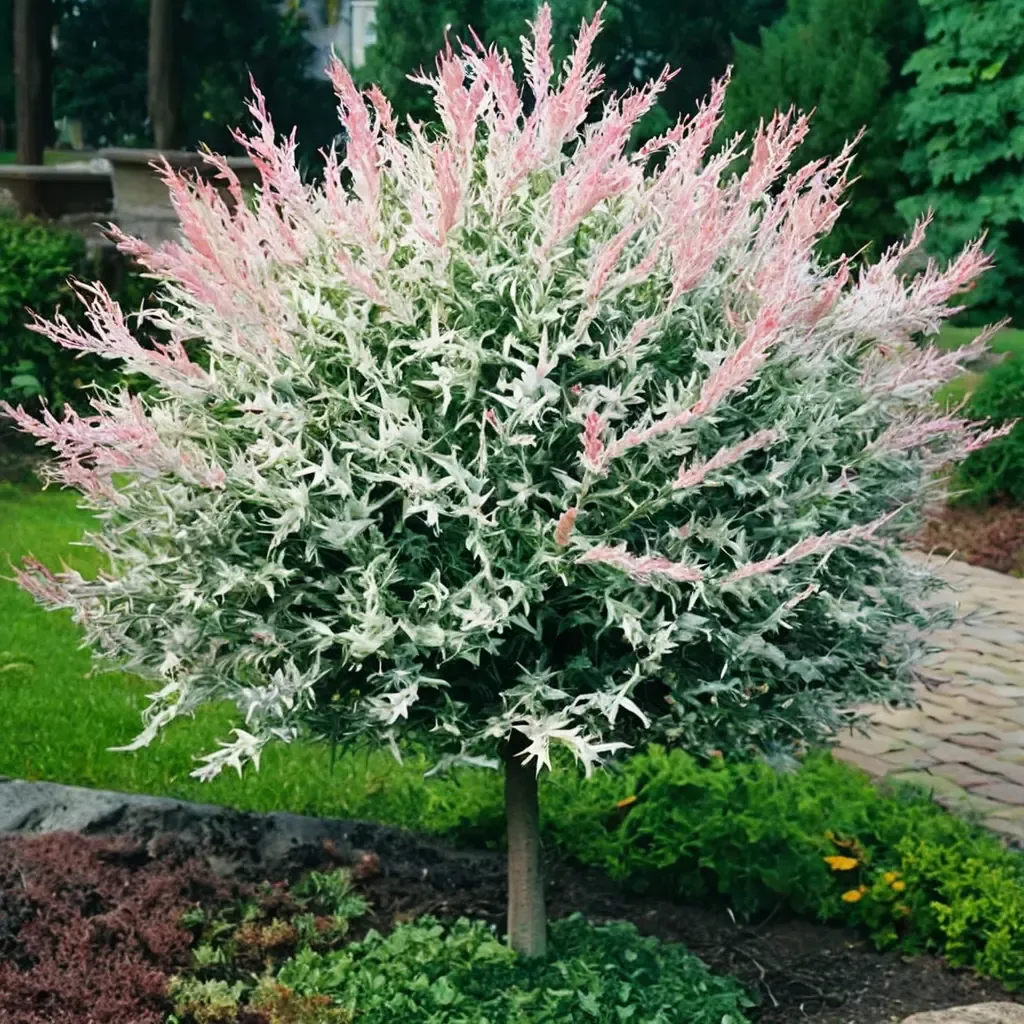
Dappled Willow
Salix integra 'Hakuro-nishiki'

Weeping Willow
Salix x sepulcralis 'Mix'
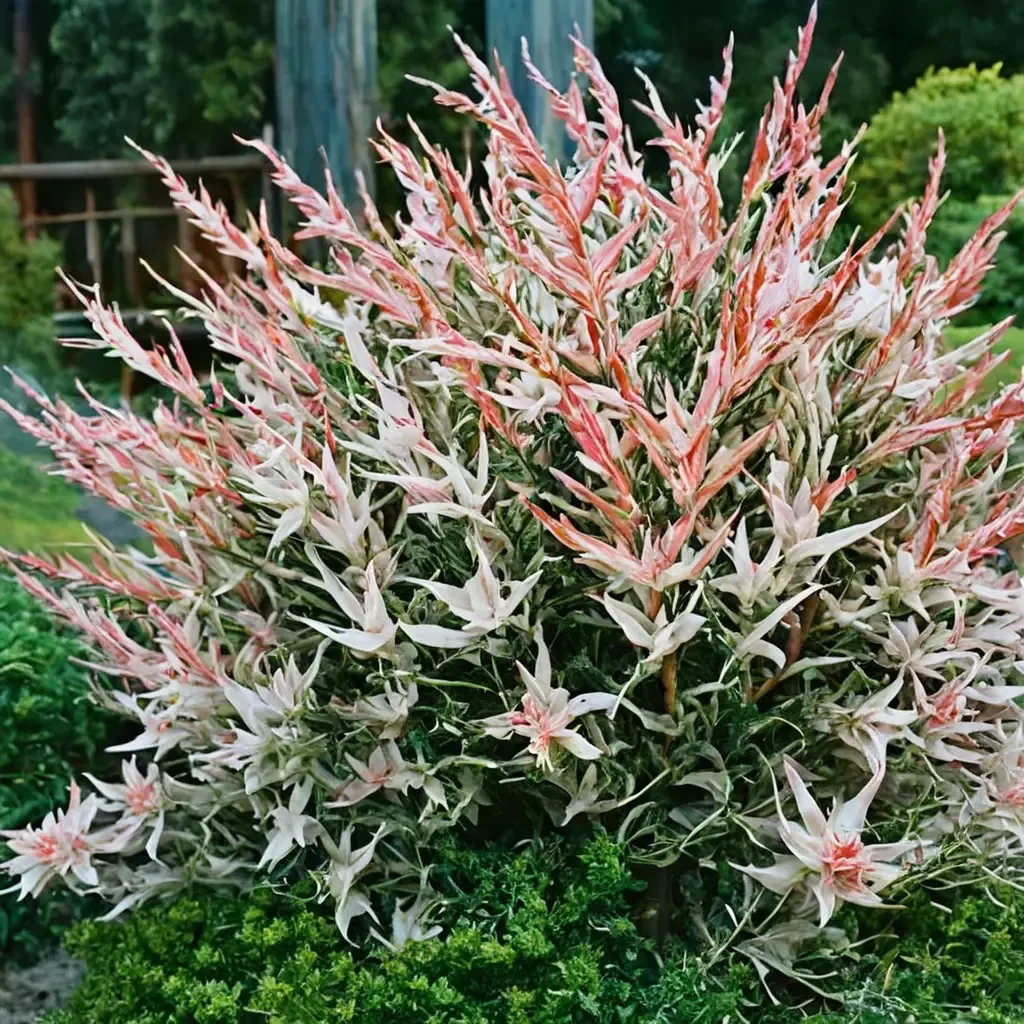
Flamingo Dappled Willow
Salix integra 'Flamingo'
Corkscrew Willow
Salix babylonica 'Tortuosa'

White Willow
Salix alba
Keep exploring
Explore the genus
Hardy in your zone?
Grow Pussy Willow with confidence
See it in a design of your actual yard, get zone-matched care reminders, and track it season by season in your garden journal.