Zone 7 · winter lows 0°F to 10°F
March garden checklist for Zone 7
Every March job that matters, limited to plants that actually survive Zone 7 winters (0°F to 10°F). Last frost lands around mid-April.
Plant in March
Sow seeds in early spring or fall; transplant seedlings in spring.

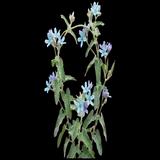

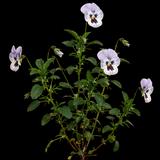


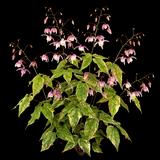

Prune in March
Cut old foliage back to 4-6 inches before new growth starts (late winter).
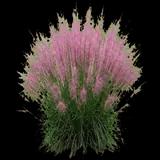


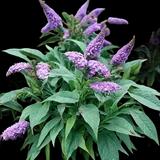



Spring Cleanup in March
Cut back old stems to the ground before new growth emerges.

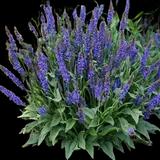



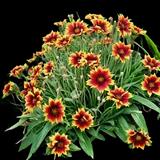
Divide in March
Divide clumps every 3-4 years to maintain vigor




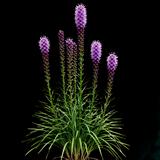

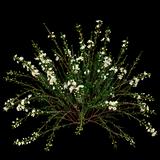

Fertilize in March
Apply a balanced, slow-release fertilizer for evergreens in early spring.

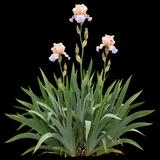

Propagate in March
Take hardwood cuttings during dormancy and stick them in moist ground.




Spray Treatment in March
Apply dormant oil spray to control overwintering pests






What's blooming in March
In flower around now and hardy in Zone 7.


Frost dates and bloom windows are typical ranges, not guarantees — your microclimate moves them by weeks. Sow uses your real local forecast instead.
March questions
What should I be doing in my Zone 7 garden in March?
The jobs that matter most this month are plant, prune, spring cleanup, divide. Each section above lists the specific plants that need that job in March, filtered to what survives Zone 7 — drawn from the care schedules of the plants gardeners actually grow.
When is the last frost in Zone 7?
In Zone 7, the last spring frost typically lands around mid-April and the first fall frost around late October, with winter lows of 0°F to 10°F. Those two dates bracket most planting decisions — check your local forecast before acting on either, since microclimate and elevation shift them by weeks.
What's blooming in March?
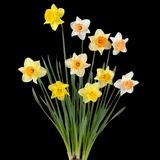
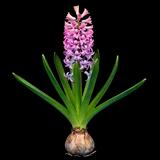
Common Blue Violet, Daffodil Narcissus Hybrida Mix, Pacific Hybrids Primrose, Hellebore Wedding Party Mix, Jumbo Mixed Hyacinth and others are in flower around now in Zone 7. The full list is above.
Keep exploring
Nearby months
Get March's tasks for your own plants
Sow builds this checklist from the plants actually in your yard — and adjusts it to your real forecast, so a wet week skips the watering and a frost warning reaches you first.