4 saves
Carmichaelia
We track 4 varieties; the ones most used by real gardeners.
The 4 most-saved Carmichaelia varieties
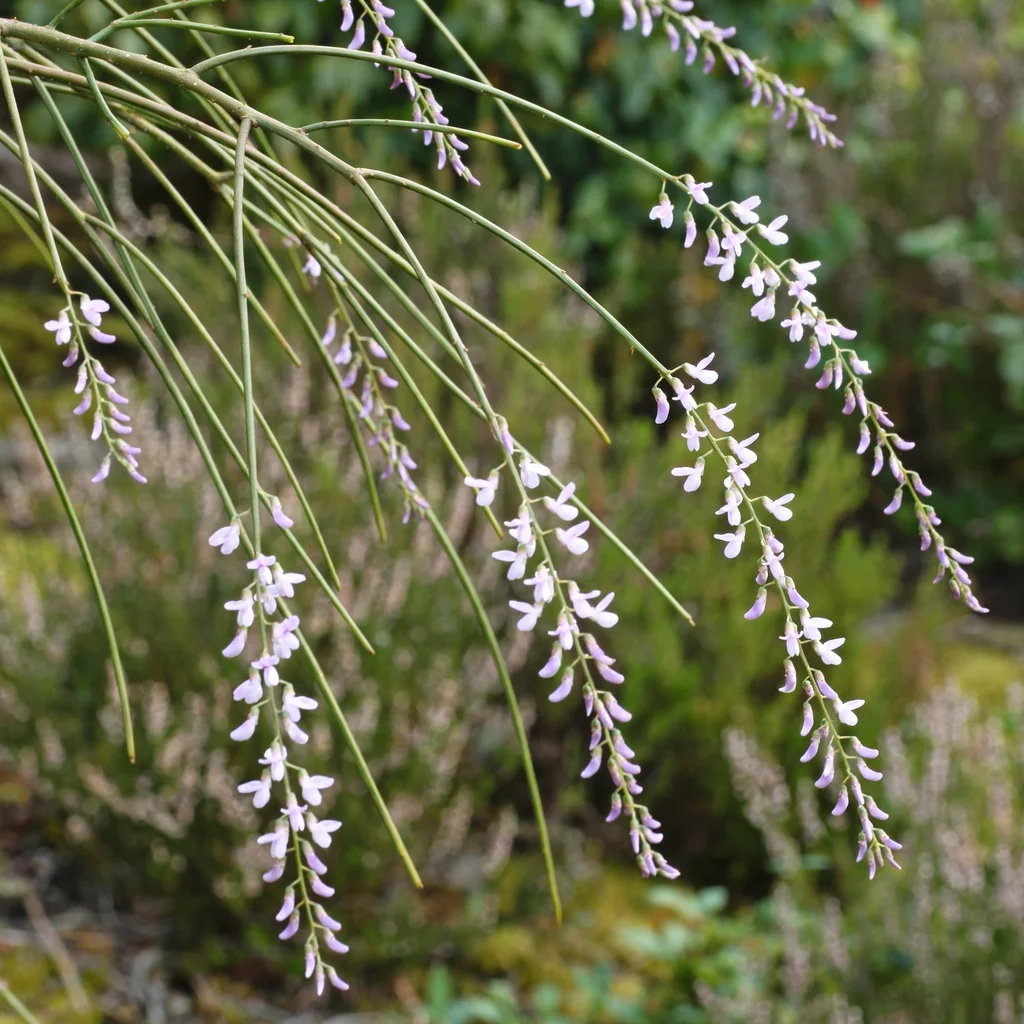
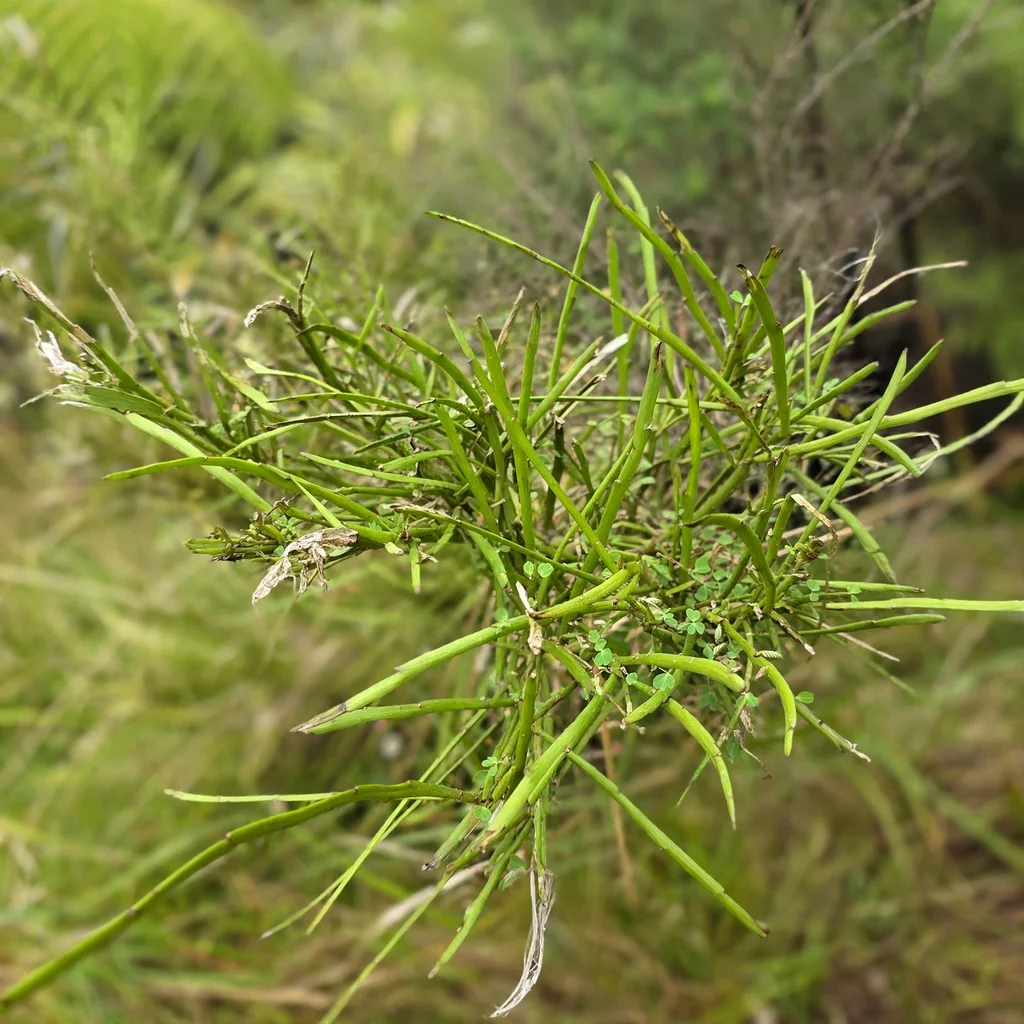
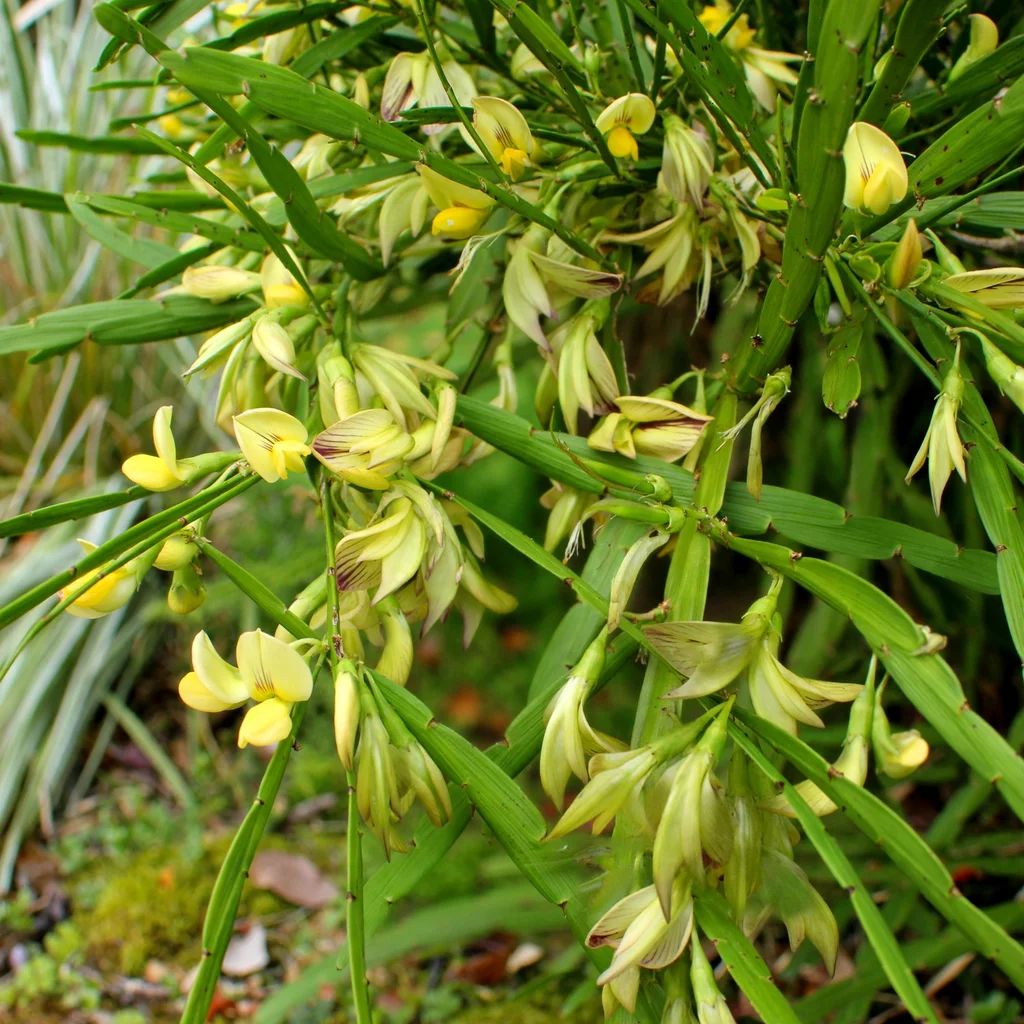
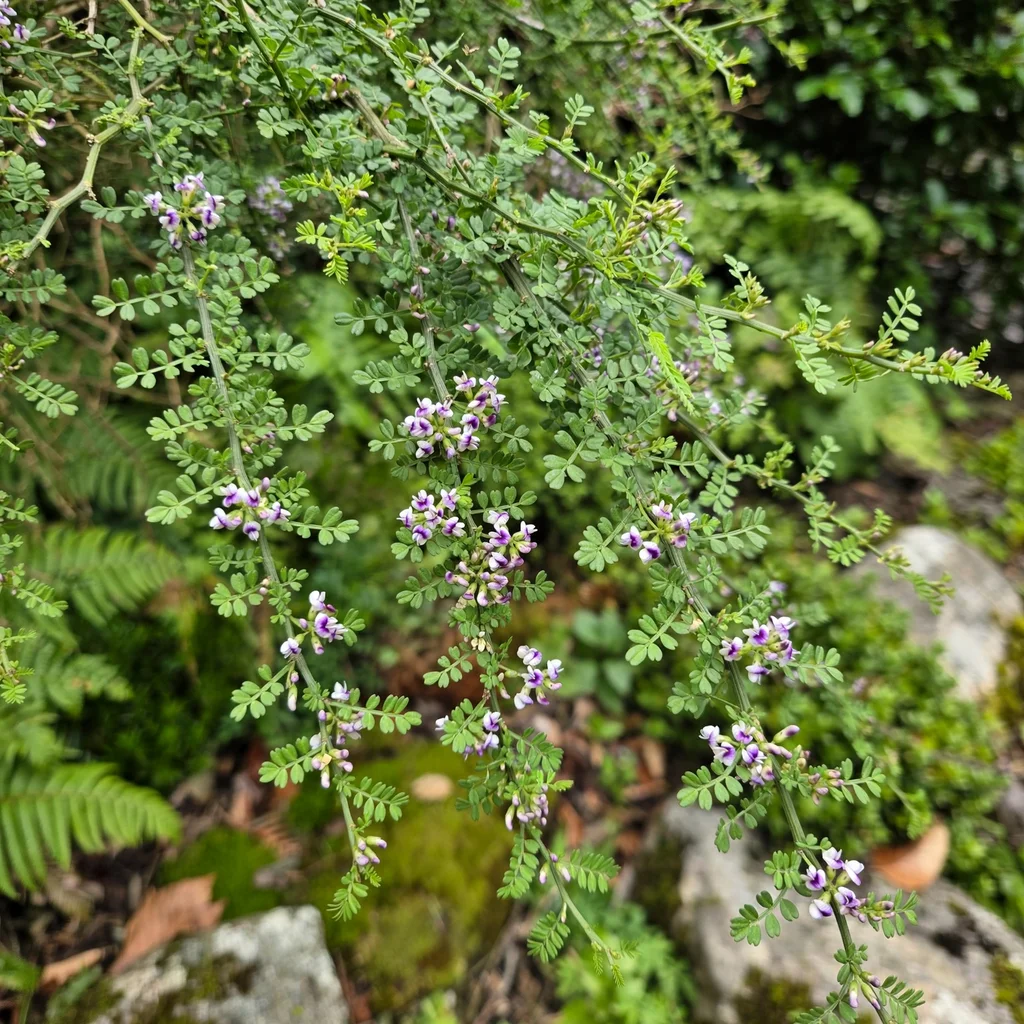
4 species of Carmichaelia
Each one is a parent of the varieties above.
Track your Carmichaelia in Sow
Save the Carmichaelia you grow and get care reminders timed to your zone.
How to grow Carmichaelia
Whats common across all Carmichaelia varieties in our catalog — drawn from the care records of the 4 most-grown of them.
The Carmichaelia year
- PruneJuly and August100% of varieties
Trim green branchlets lightly after flowering to maintain structure, avoiding old wood.
- Check for PestsMay–July100% of varieties
Check green cladodes for signs of spider mites or scale insects as temperatures rise.
- PlantApril and May75% of varieties
Plant in early spring or early autumn to establish roots before extreme heat or cold.
- FertilizeMarch50% of varieties
Feed sparingly in early spring with a low-rate balanced fertilizer if soil is deficient.
- Winter PrepNovember50% of varieties
Protect potted plants or young specimens from frost using fleece or temporary shelter.


Do
- Plant in sharply draining, lean soil to prevent stem and root decay.
- Position in full sun and shelter from harsh, freezing winds.
- Lightly trim green stems after flowering to maintain a compact habit.
- Plant in coarse, sharply draining soil to prevent root issues.
- Trim tips lightly after spring and summer flowering finishes.
Avoid
- Do not plant in heavy clay or waterlogged soils.
- Do not prune deeply into old, leafless brown wood.
- Do not apply heavy doses of nitrogen or phosphorus fertilizers.
- Do not cut back into old, bare wood during pruning.
What goes wrong with Carmichaelia
| Problem | What you'll see | What to do |
|---|---|---|
| Aphids | Clusters of small sap-sucking insects on young spring growth flushes. | Wash off insects with a strong stream of water or apply insecticidal soap. |
| Spider mites | Fine stippling and webbing visible across flattened green branchlets in dry conditions. | Increase humidity or rinse affected stem surfaces with a gentle spray of water. |
| Spider Mites | Fine webbing and stippled, pale discoloration on foliage and green twigs during hot, dry weather. | Increase local airflow and spray affected areas with horticultural oil or water. |
| Root rot | Rapid yellowing, wilting, and collapse of stems due to fungal root destruction in wet soil. | Improve drainage immediately or move the plant to a raised gravel bed. |
| Root Rot | Yellowing or rapid browning and collapse of stems caused by excess soil moisture. | Ensure sharp drainage in the soil and reduce watering frequency immediately. |
| Powdery Mildew | White powder on green stems in humid, stagnant locations. | Provide open air circulation and avoid overhead watering. |
Making more Carmichaelia
Seed
- Collect ripe seed pods in late summer and extract clean seeds.
- Scarify the seed coat lightly with sandpaper or nick with a blade to break dormancy.
- Sow in seed trays filled with gritty compost and cover lightly.
- Keep warm and moderately moist until germination occurs.
Semi-hardwood Cuttings
- Take 3-4 inch semi-hardwood cuttings from mature shoots in late summer.
- Strip the lower leaflets and dip the base in rooting hormone powder.
- Insert cuttings into a free-draining medium of coarse sand and perlite.
- Maintain high humidity and indirect light until roots form.
Carmichaelia questions
How many types of Carmichaelia are there?
The Sow catalog tracks 4 distinct Carmichaelia varieties. The most popular — ranked by 4 real gardeners — are shown first above.
What zones does Carmichaelia grow in?
Across its varieties, Carmichaelia covers USDA Zones 8–10. Individual varieties differ — each plant page lists its exact range, and Sow filters the catalog to your zone automatically.
When does Carmichaelia bloom?
Most Carmichaelia varieties bloom from spring to summer.
Which Carmichaelia should I choose?
Start from the most-saved varieties above — popularity across thousands of gardens is a strong signal of reliability — then filter by your zone and sun. In the Sow app you can preview any of them in a photo of your actual yard before you buy.