1 saves
Combretum
We track 3 varieties; the ones most used by real gardeners.
The 3 most-saved Combretum varieties
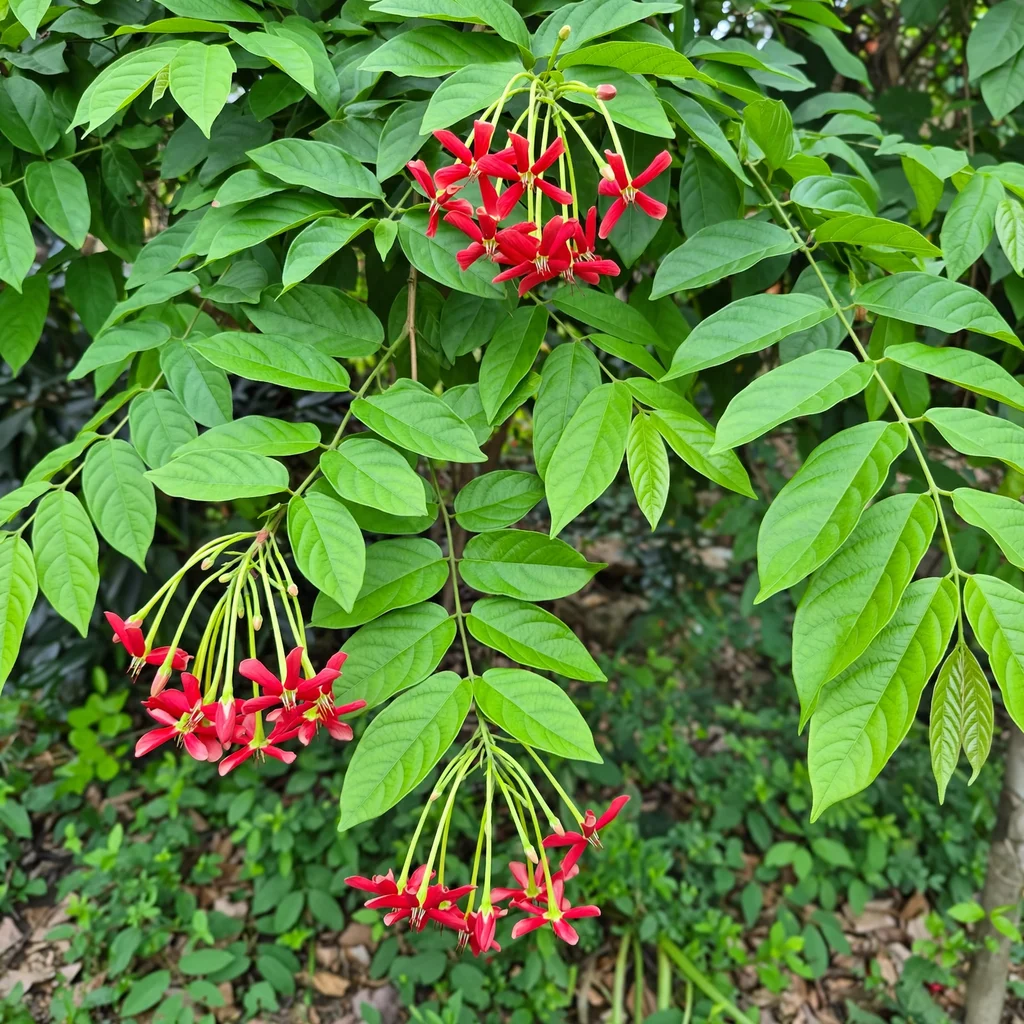
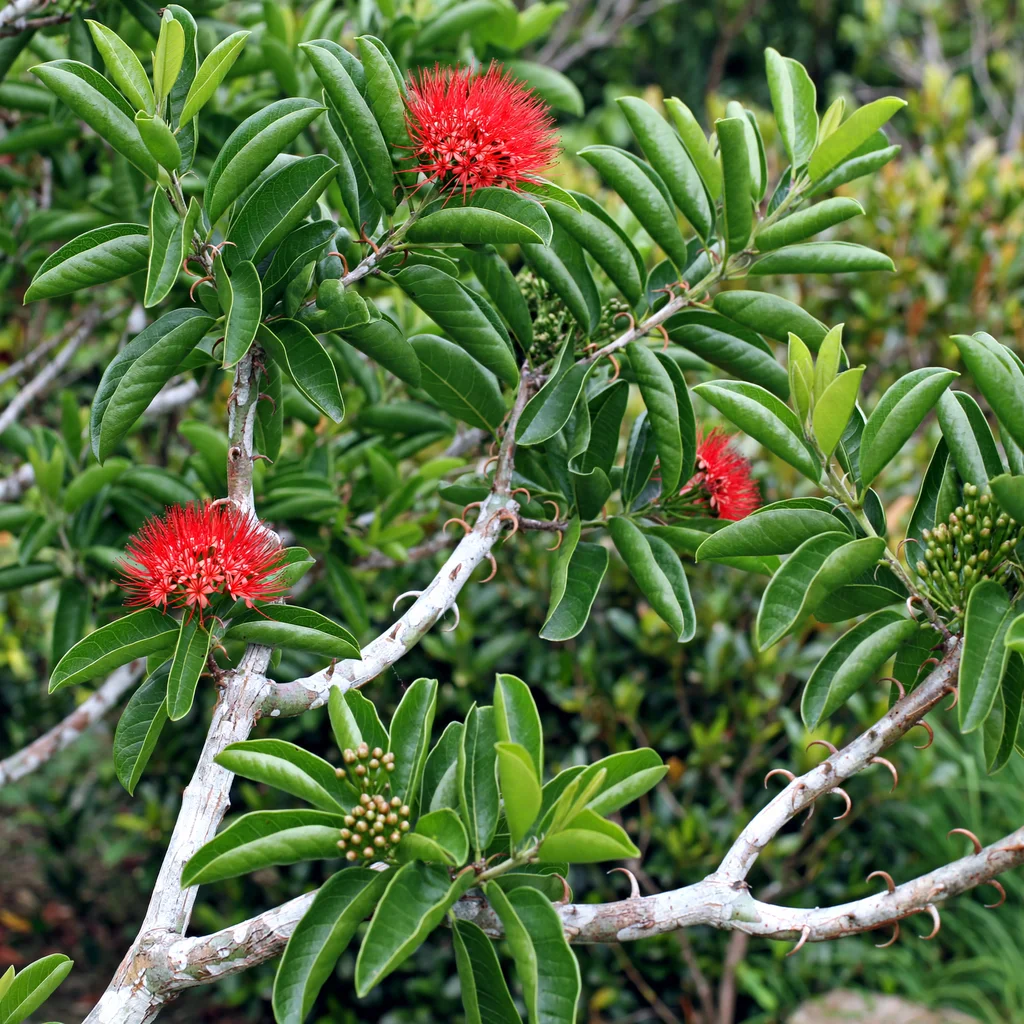
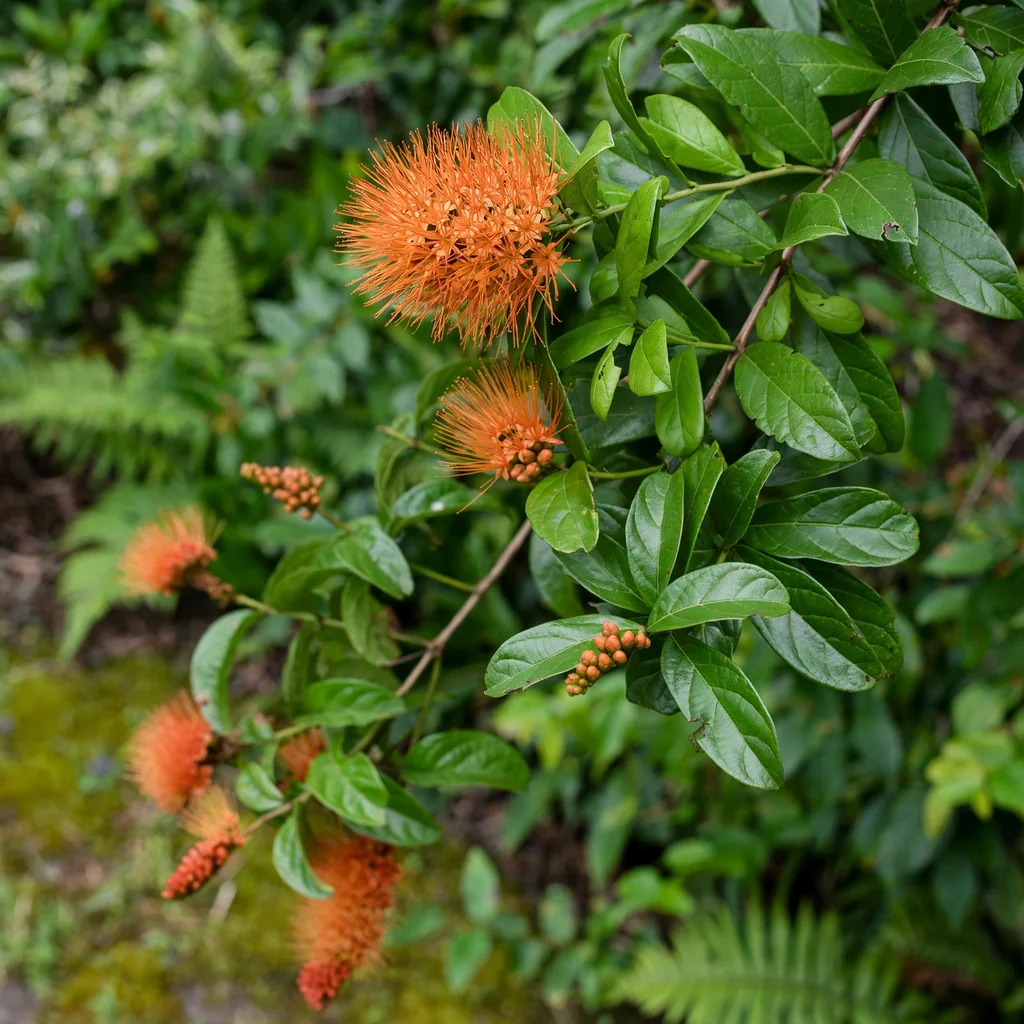
3 species of Combretum
Each one is a parent of the varieties above.
Track your Combretum in Sow
Save the Combretum you grow and get care reminders timed to your zone.
How to grow Combretum
Whats common across all Combretum varieties in our catalog — drawn from the care records of the 3 most-grown of them.
The Combretum year
- PruneSeptember and October100% of varieties
Prune after flowering to shape and control vine length.
- FertilizeApril, June and August100% of varieties
Feed every 3 to 6 weeks in active growth with balanced water-soluble fertilizer plus micronutrients.
- Check for PestsJune and July100% of varieties
Check shoot tips and leaf undersides for mites and sap-suckers; rinse or treat with insecticidal soap.
- Winter PrepOctober and November67% of varieties
Move pots indoors to bright light above 60 degrees before cold nights.
- StakeMarch and April67% of varieties
Tie new stems to trellis or stake as spring growth resumes.


Do
- Do give full sun and heat for continuous bloom.
- Do water regularly in summer, then ease off in winter.
- Do prune after flowering to control vine growth.
- Do overwinter containers indoors above 60 degrees in bright light.
- Give full sun and high winter light for flowering
Avoid
- Don't plant outdoors where frost occurs without a container plan.
- Don't overwater or leave pots standing in water.
- Don't expect bloom in cold or low light.
- Don't eat any part; ingestion safety is unconfirmed.
What goes wrong with Combretum
| Problem | What you'll see | What to do |
|---|---|---|
| Spider mites | Stippled leaves and fine webbing in hot dry indoor conditions; rarely serious outdoors | Rinse foliage with water and apply insecticidal soap or neem oil to leaf undersides |
| Mealybugs | White cottony clusters in leaf axils and on new growth | Dab with alcohol or apply horticultural oil; avoid overfertilizing |
| Aphids | Distorted young growth and sticky honeydew on foliage. | Blast affected shoot tips with a strong jet of water or apply insecticidal soap. |
| Scale insects | Small waxy bumps along stems and leaf midribs accompanied by leaf yellowing. | Prune out heavy infestations and apply horticultural oil during dormant periods. |
| Root rot | Wilting despite wet soil from waterlogged mix | Use free-draining loamy mix with sand and let surface dry between waterings |
| Leaf spot | Dark spots on leaves reported only in generic nursery listings | Improve air circulation and avoid overhead watering; remove spotted leaves |
| Powdery mildew | White powdery coating on foliage and stem tips. | Ensure full sun exposure and prune to improve air circulation through the canopy. |
Making more Combretum
Seed
- Sow fresh seed in organic loam mixed with 30 percent sand
- Keep moist at 72 to 75 degrees
- Provide bright light and steady warmth
- Transplant seedlings to individual pots once rooted
Woody tip cuttings
- Take 4 to 6 inch woody tip cuttings
- Insert in moist sandy loam mix
- Hold warm and humid in bright indirect light
- Pot up once roots form and train early if a standard is wanted
Combretum questions
How many types of Combretum are there?
The Sow catalog tracks 3 distinct Combretum varieties. The most popular — ranked by 1 real gardeners — are shown first above.
What zones does Combretum grow in?
Across its varieties, Combretum covers USDA Zones 9–10. Individual varieties differ — each plant page lists its exact range, and Sow filters the catalog to your zone automatically.
When does Combretum bloom?
Most Combretum varieties bloom from spring to fall.
Which Combretum should I choose?
Start from the most-saved varieties above — popularity across thousands of gardens is a strong signal of reliability — then filter by your zone and sun. In the Sow app you can preview any of them in a photo of your actual yard before you buy.