Also known as Pig's Ear · 12 saves
Cotyledon
Cotyledon, the genus most gardeners know as pig's ear. We track 4 varieties; the ones most used by real gardeners.
The 4 most-saved Cotyledon varieties
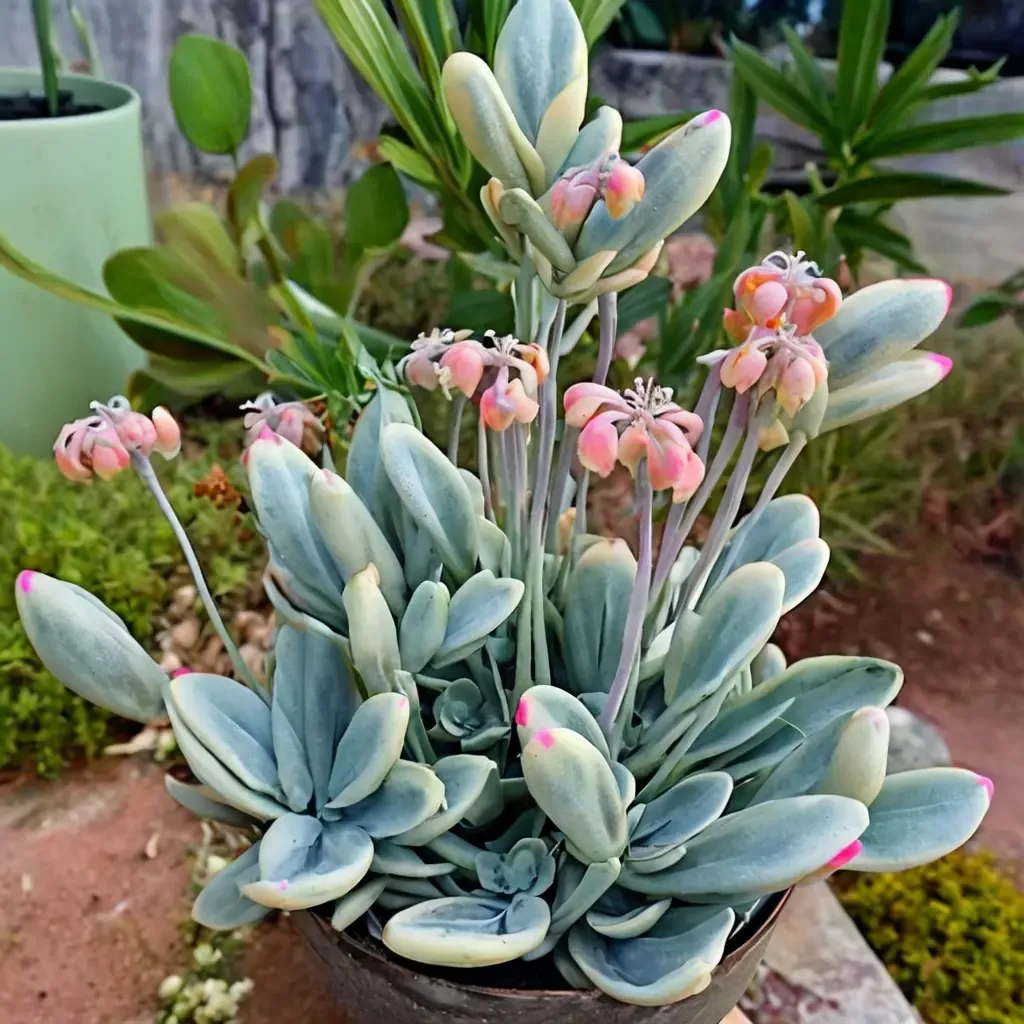
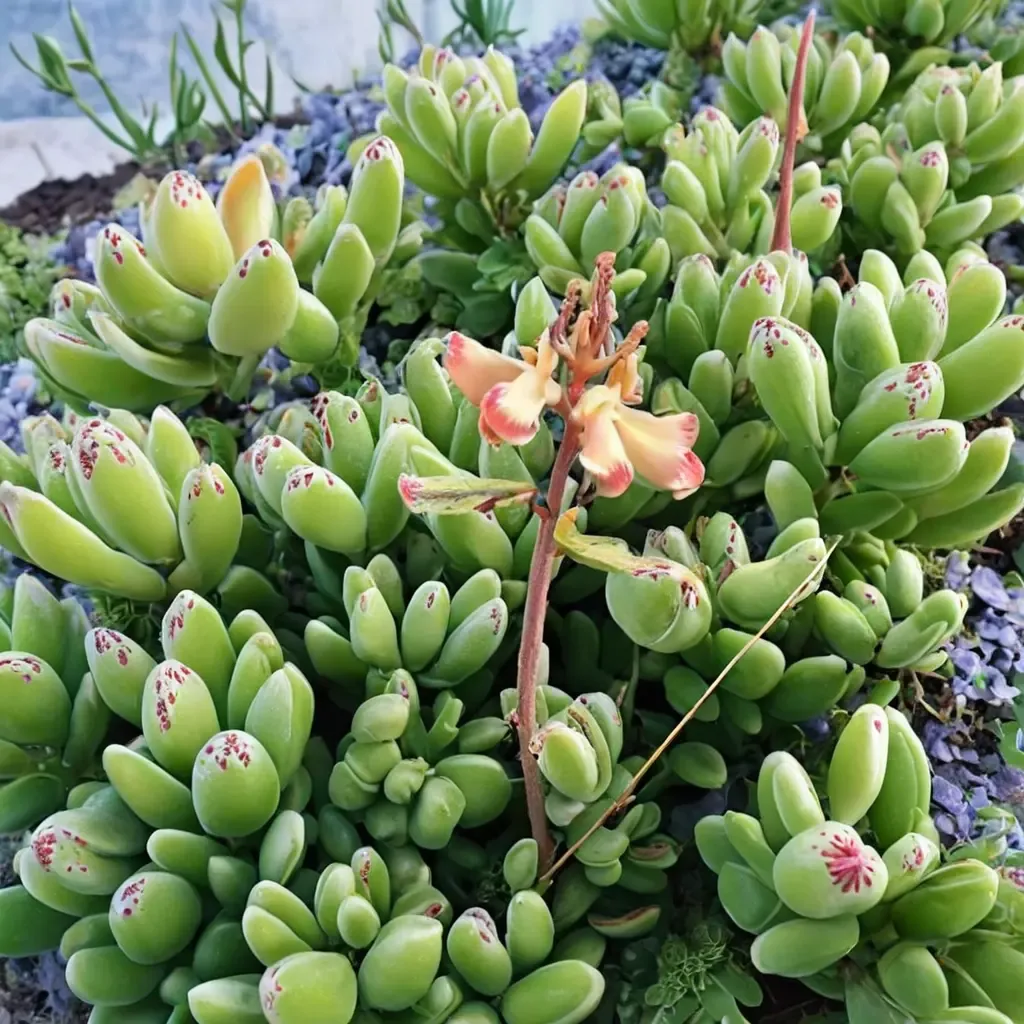
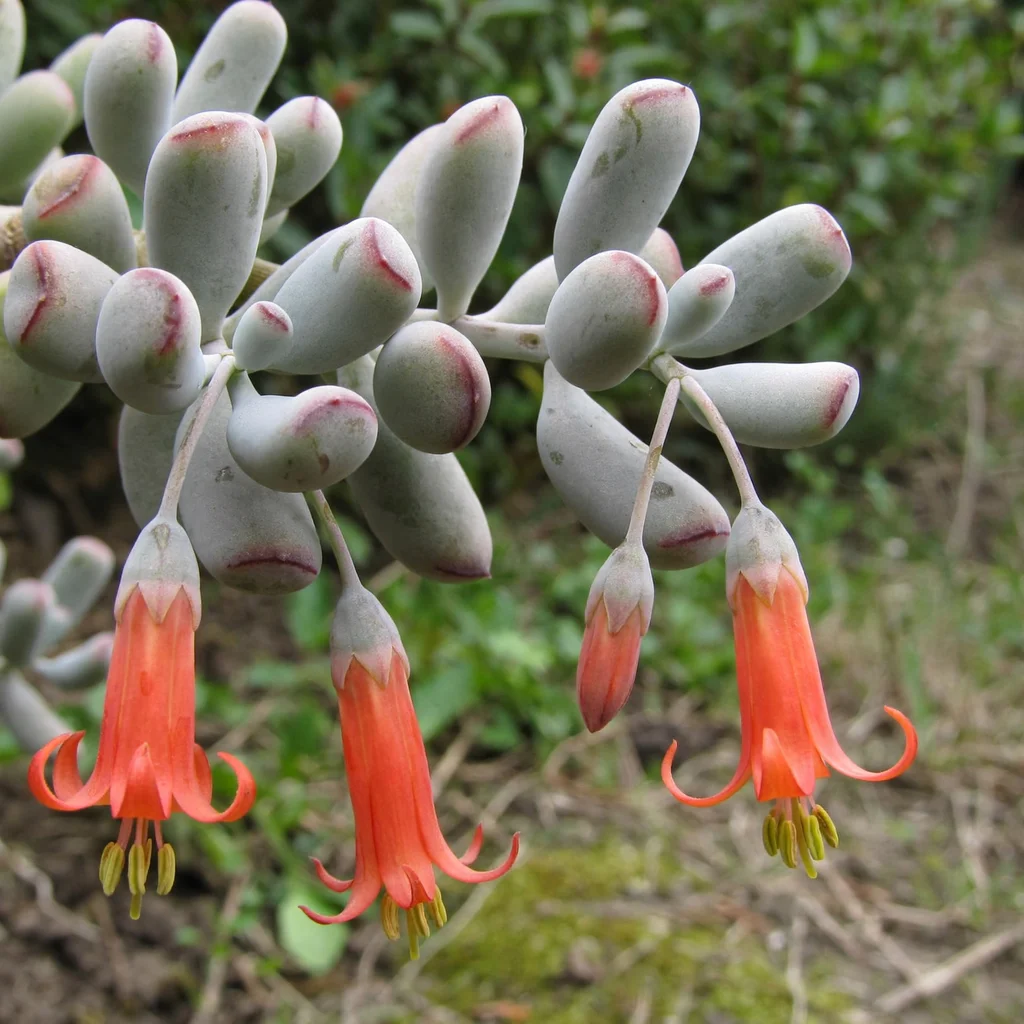
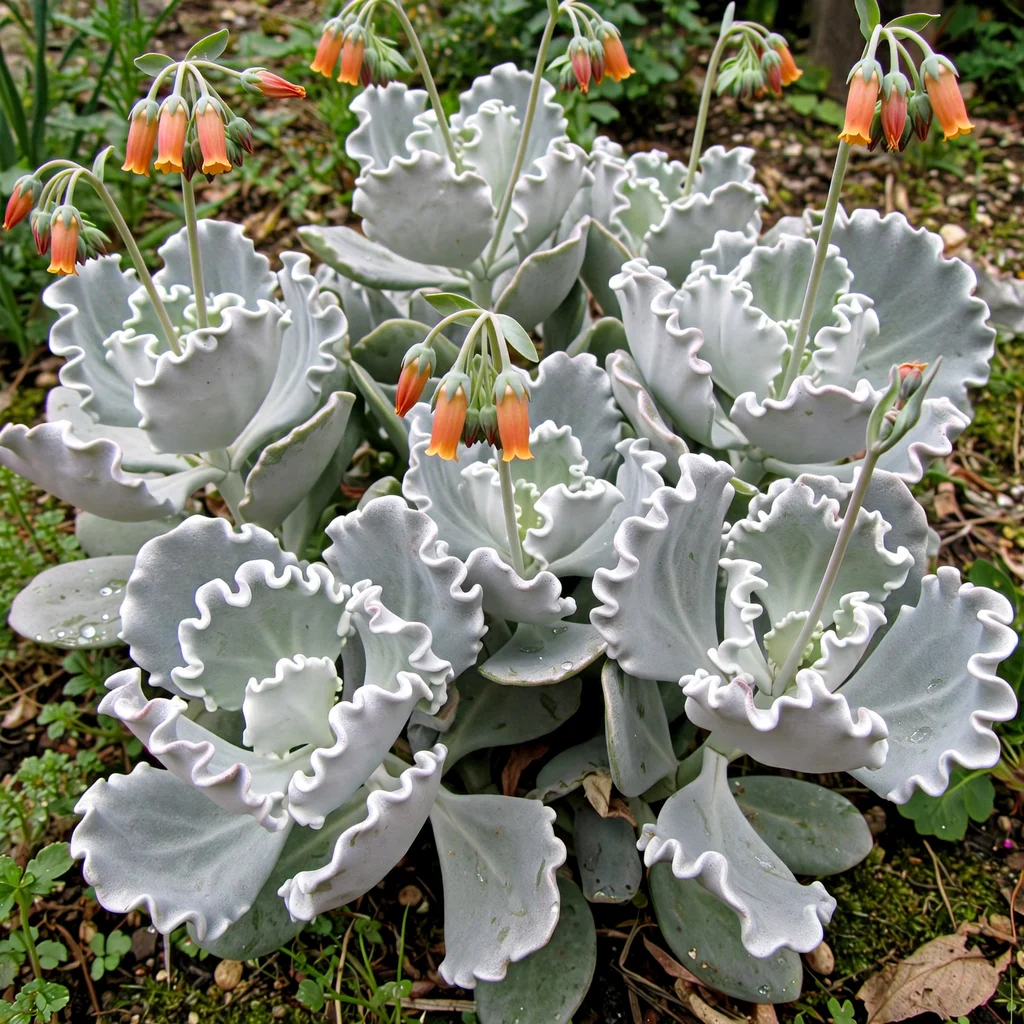
Species of Cotyledon
Each one is a parent of the varieties above.
Track your Cotyledon in Sow
Save the Cotyledon you grow and get care reminders timed to your zone.
How to grow Cotyledon
Whats common across all Cotyledon varieties in our catalog — drawn from the care records of the 4 most-grown of them.
The Cotyledon year
- PropagateMay–July100% of varieties
Take leaf or stem cuttings; callus before rooting in dry grit.
- Check for PestsJune and July75% of varieties
Check leaf axils and flower stalks for mealybugs, aphids and spider mites.
- Winter PrepNovember75% of varieties
Move pots under cover before hard frost; keep dry, hardy to 25F.
- FertilizeMay–August75% of varieties
Feed monthly with a diluted cactus/succulent fertilizer during growing season.
- PruneAugust and September50% of varieties
Remove spent 1-foot flower stalks and dead leaves only; leave farina intact.


Do
- Give full sun for tight silver growth
- Allow soil to dry between waters
- Remove spent flower stalks and dead leaves
- Provide bright, direct sunlight for at least 6 hours daily 🌞
- Allow soil to dry out completely between watering 💧
Avoid
- Do not overhead-water or wash the leaves
- Do not overwater or fertilize heavily
- Do not strip the white farina
- Avoid overwatering, which can cause root rot ❌
What goes wrong with Cotyledon
| Problem | What you'll see | What to do |
|---|---|---|
| Mealybugs | Cottony clusters in leaf axils with honeydew and sooty mold | Wipe off with alcohol swab and treat with insecticidal soap; improve air flow |
| Aphids | Clustered soft insects on flower stalks and new growth | Blast off with water directed at stalk only, or apply insecticidal soap |
| Spider mites | Fine webbing and speckled foliage | Use miticide or insecticidal soap; increase humidity |
| Root rot | Soft translucent leaves and blackened stem base from overwatering | Unpot, cut to firm tissue, let dry and re-root in dry gritty mix |
| Root Rot | Wilting and blackened roots | Improve drainage and reduce watering |
| Root and stem rot | Soft translucent stems and mushy base from waterlogged mix | Unpot, cut back to firm tissue, repot in dry gritty mix and withhold water until rooted |
Making more Cotyledon
Stem or leaf cuttings
- Twist off a firm leaf or cut a stem section in early summer.
- Let the cut end callus in shade for 3 to 5 days.
- Set on dry gritty cactus mix without burying.
- Mist sparingly only after roots form.
cuttings
- Select a healthy leaf or stem segment in spring.
- Allow cuttings to callus for 3-4 days in dry, shaded area.
- Plant in well-draining soil, water sparingly after planting.
- Keep in bright, indirect sunlight for root development.
- Wait 4-6 weeks for roots to establish.
Cotyledon questions
How many types of Cotyledon are there?
The Sow catalog tracks 4 distinct Cotyledon varieties. The most popular — ranked by 12 real gardeners — are shown first above.
What zones does Cotyledon grow in?
Across its varieties, Cotyledon covers USDA Zones 9–10. Individual varieties differ — each plant page lists its exact range, and Sow filters the catalog to your zone automatically.
When does Cotyledon bloom?
Most Cotyledon varieties bloom from late spring to late summer.
Which Cotyledon should I choose?
Start from the most-saved varieties above — popularity across thousands of gardens is a strong signal of reliability — then filter by your zone and sun. In the Sow app you can preview any of them in a photo of your actual yard before you buy.