Also known as Wild Rye · 135 saves
Elymus
Elymus, the genus most gardeners know as wild rye. We track 5 varieties; the ones most used by real gardeners.
The 5 most-saved Elymus varieties
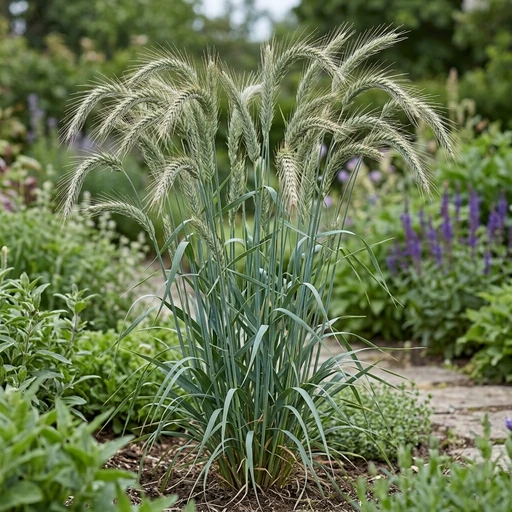
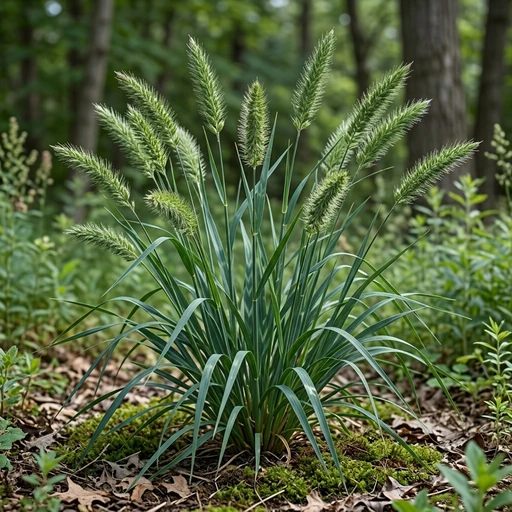
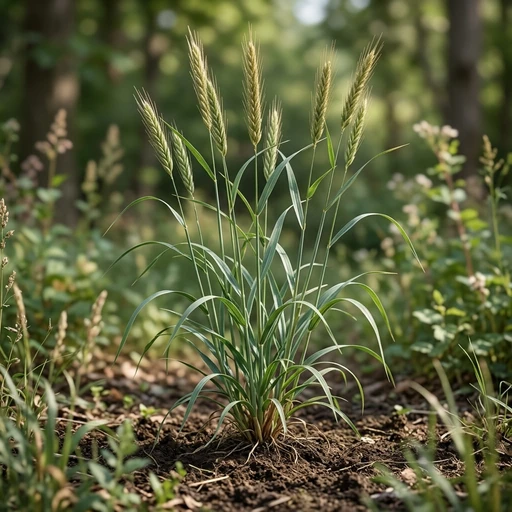
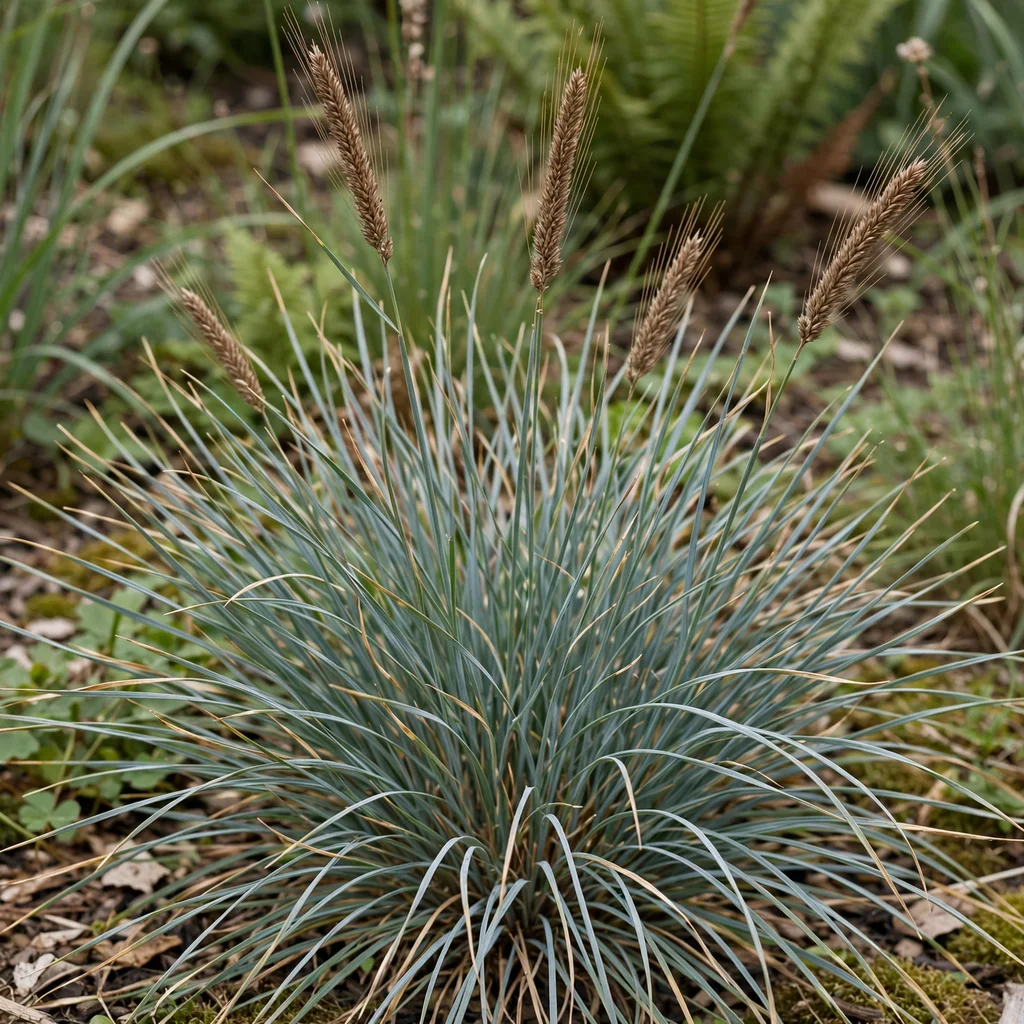
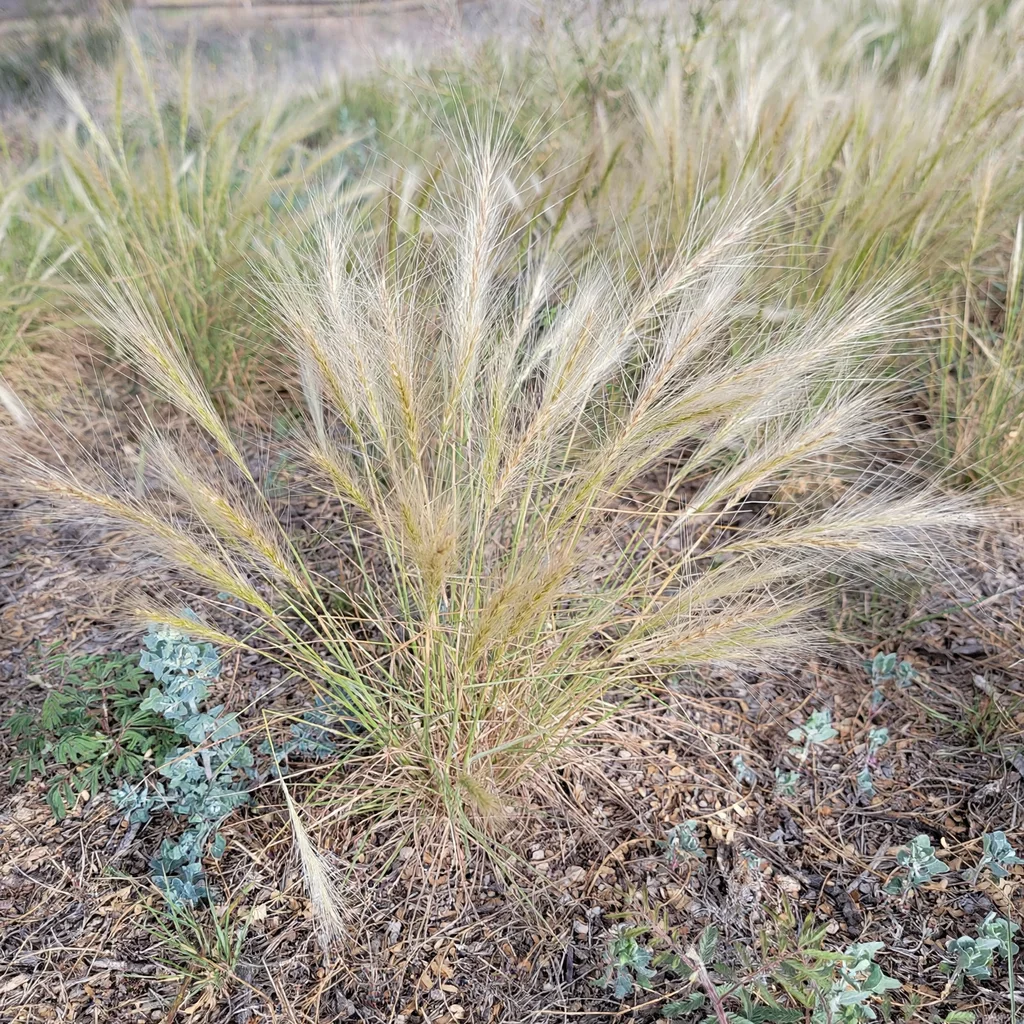
2 species of Elymus
Each one is a parent of the varieties above.
Track your Elymus in Sow
Save the Elymus you grow and get care reminders timed to your zone.
How to grow Elymus
Whats common across all Elymus varieties in our catalog — drawn from the care records of the 5 most-grown of them.
The Elymus year
- PlantApril, May, October and November100% of varieties
Sow seed in fall or early spring where plants are to grow.
- Spring CleanupMarch100% of varieties
Clear winter debris from around tufts without cutting into the crown.
- Check for PestsJune and July40% of varieties
Check for grasshoppers, aphids, and rust during flowering.


Do
- Plant in lean, well-drained soil in full sun to part shade.
- Allow fall seed drop to renew short-lived clumps.
- Site away from pets and livestock because of awned heads.
- Provide consistently moist soil.
- Plant in sun or light shade.
Avoid
- Do not fertilize to push summer growth; it shortens plant life.
- Do not cut tufts to the crown each year.
- Do not graze or handle mature awned heads in summer.
- Don't plant in very dry, sandy soils.
What goes wrong with Elymus
| Problem | What you'll see | What to do |
|---|---|---|
| Grasshoppers | Chewed leaf blades and clipped seed heads in summer. | Tolerate light feeding; protect young restoration seedlings with row cover and remove nearby weed hosts. |
| Aphids | Sticky leaves and stunted new growth from sap feeding. | Dislodge with a strong jet of water and preserve lady beetles and lacewings. |
| None significant | Generally free of serious pest issues. | No action is typically required. |
| Spider Mites | Fine webbing and yellow stippling on blue foliage during hot, dry spells. | Increase ambient humidity around plants and wash foliage with water sprays. |
| Rust | Small orange or brown pustules on leaves, especially in humid weather. | Ensure good air circulation. Not usually a serious problem in a garden setting. |
| Leaf and stem rust | Orange-brown pustules on leaves and stems. | Improve air flow, avoid overhead watering, and remove badly rusted foliage. |
| Powdery mildew | White powdery coating on leaves in crowded stands. | Thin to improve air circulation and cut out affected leaves. |
Making more Elymus
Seed
- Collect ripe straw-colored heads in late summer when seed strips easily.
- Clean seed and sow in fall or early spring where plants are to grow.
- Press seed just under the soil surface in well-drained soil.
- Water lightly until established, then withhold extra water.
Division
- Dig up mature, established clumps in early spring as new green growth begins.
- Slice the root mass into smaller sections using a sharp spade, retaining leaves and roots on each.
- Replant divisions immediately at the original soil depth in well-draining soil.
- Water thoroughly and keep moist for several weeks until root systems re-establish.
Elymus questions
How many types of Elymus are there?
The Sow catalog tracks 5 distinct Elymus varieties. The most popular — ranked by 135 real gardeners — are shown first above.
What zones does Elymus grow in?
Across its varieties, Elymus covers USDA Zones 4–9. Individual varieties differ — each plant page lists its exact range, and Sow filters the catalog to your zone automatically.
When does Elymus bloom?
Most Elymus varieties bloom in summer.
Which Elymus should I choose?
Start from the most-saved varieties above — popularity across thousands of gardens is a strong signal of reliability — then filter by your zone and sun. In the Sow app you can preview any of them in a photo of your actual yard before you buy.