Also known as Horsetail · 44 saves
Equisetum
Equisetum, the genus most gardeners know as horsetail. We track 4 varieties; the ones most used by real gardeners.
The 3 most-saved Equisetum varieties
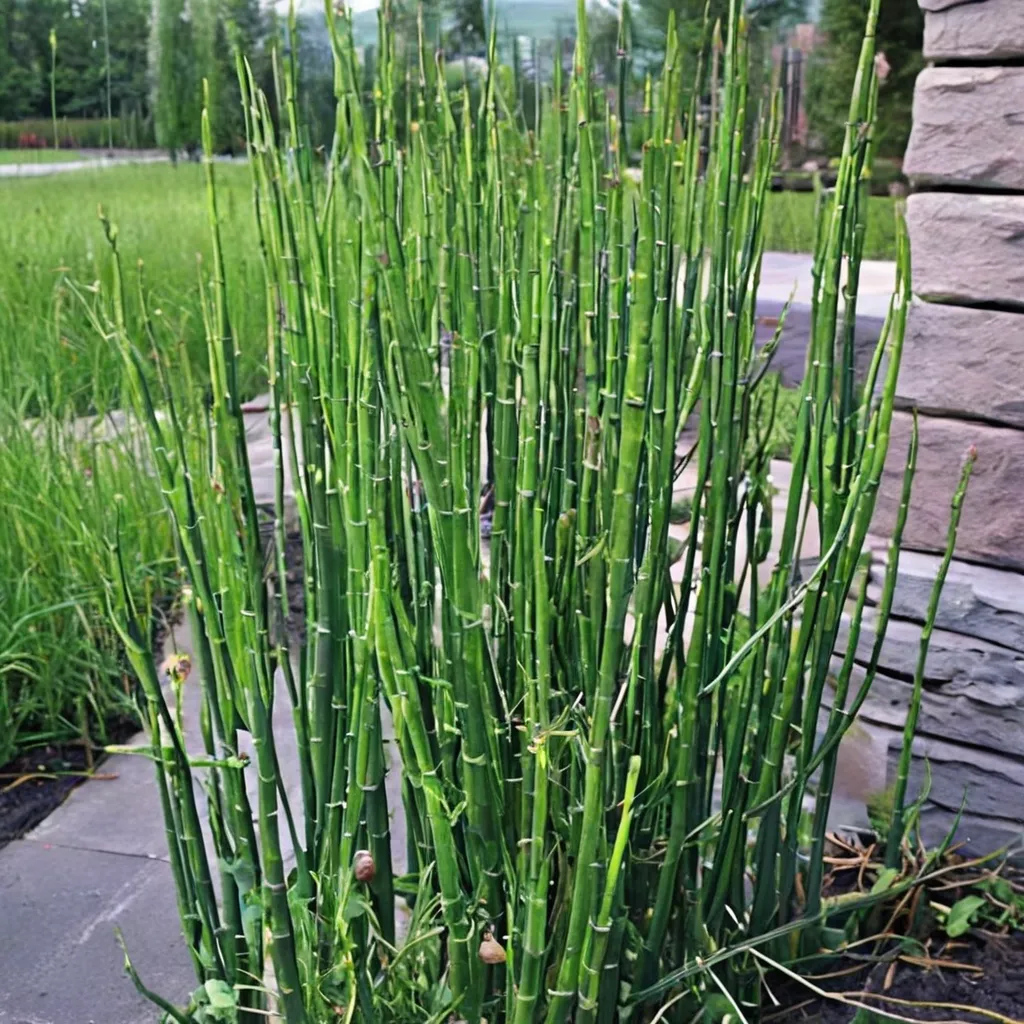
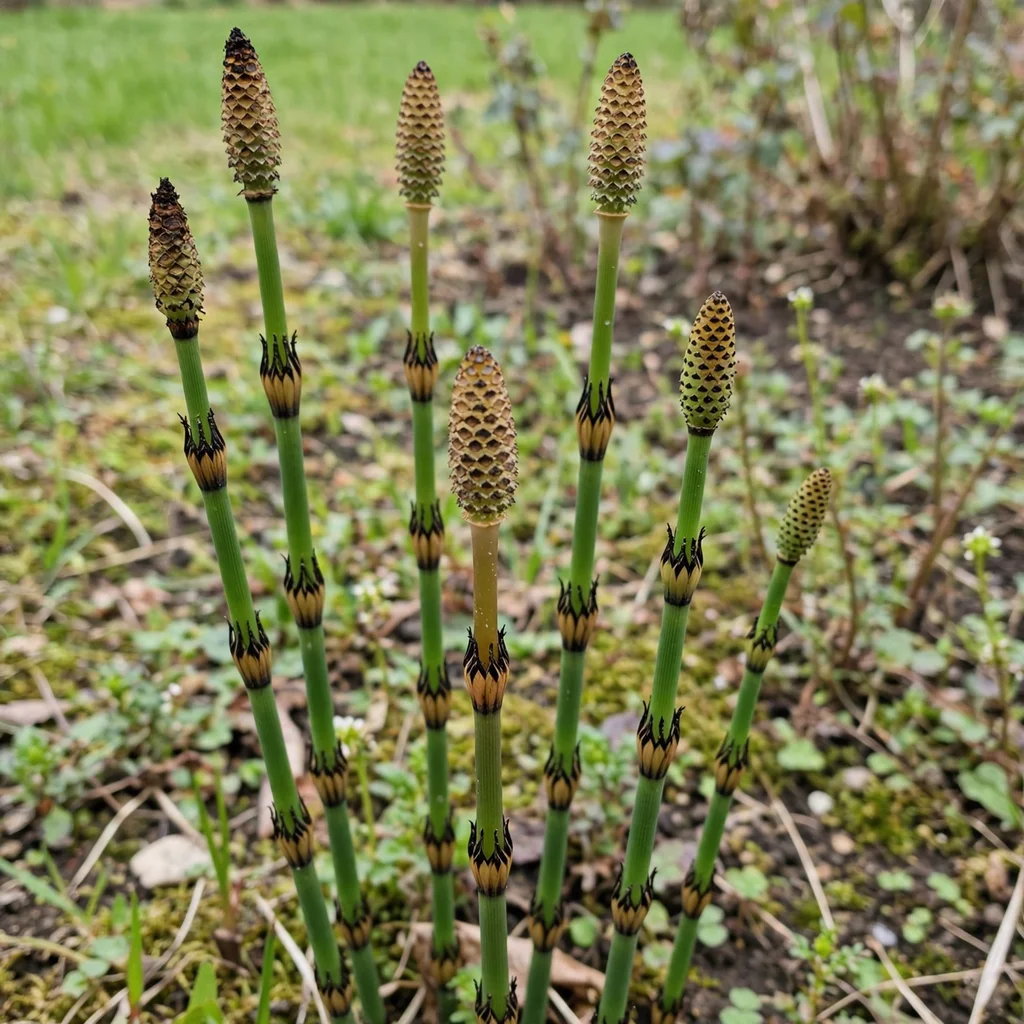
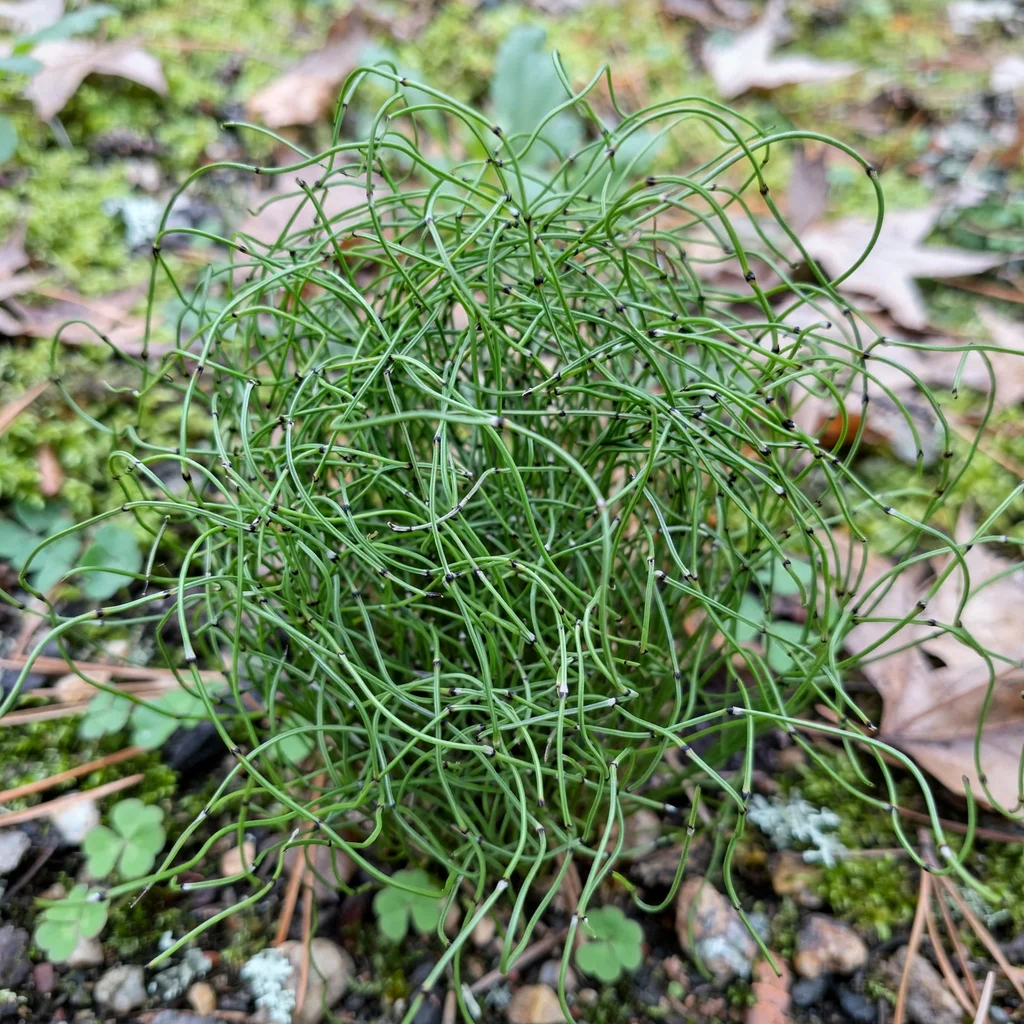
Browse all 4 Equisetum varieties →
3 species of Equisetum
Each one is a parent of the varieties above.
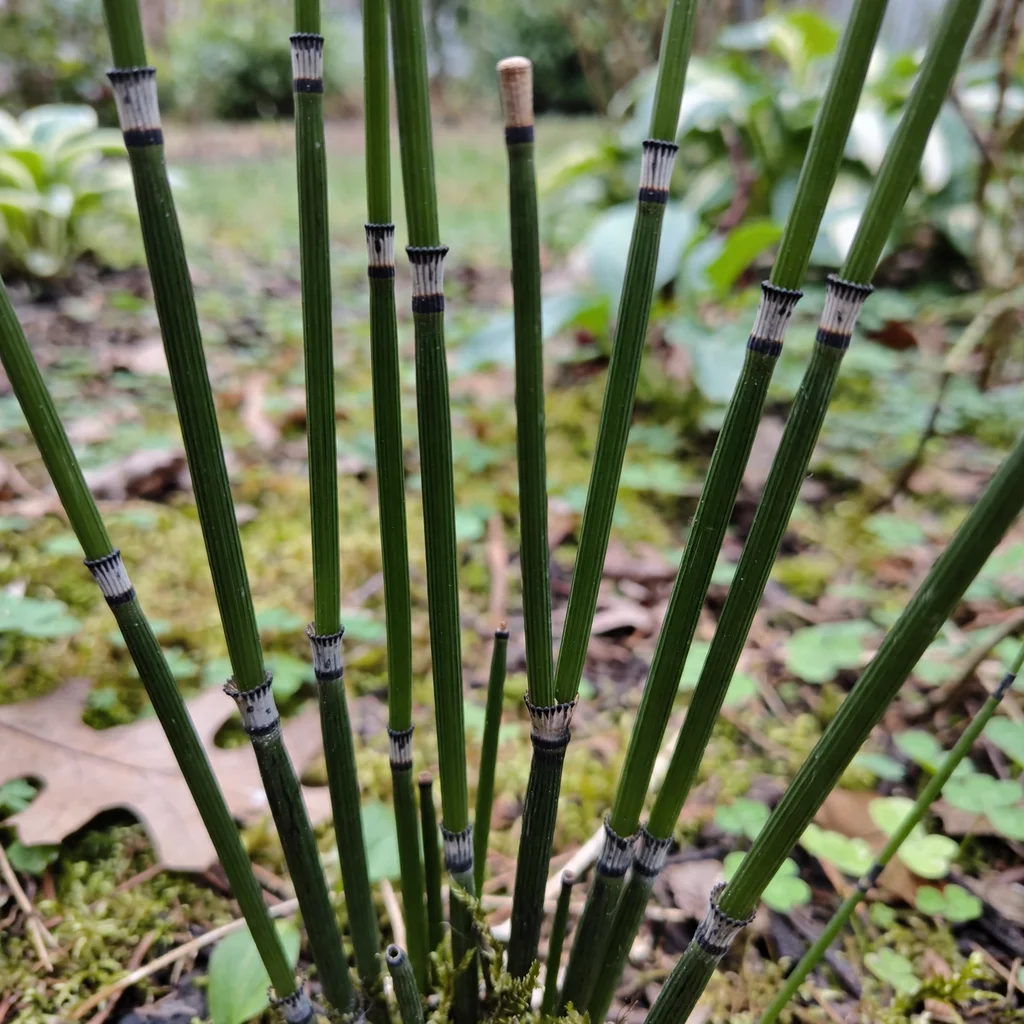
Track your Equisetum in Sow
Save the Equisetum you grow and get care reminders timed to your zone.
How to grow Equisetum
Whats common across all Equisetum varieties in our catalog — drawn from the care records of the 4 most-grown of them.
The Equisetum year
- DivideMarch and April100% of varieties
Divide or check rhizome barriers every few years to maintain control
- PlantApril and May75% of varieties
Plant in spring or fall; use submerged containers to prevent aggressive spread
- Check for PestsJune and July75% of varieties
Inspect fresh stems for aphids or stem rots in crowded stands.
- Winter PrepNovember75% of varieties
Ensure containers submerged in ponds sit below the ice freezing depth.
- PruneMarch50% of varieties
Cut back old, brown, or damaged canes close to the ground
- Spring CleanupMarch and April50% of varieties
Remove any winter-damaged or broken stems


Do
- Keep soil consistently moist 🌱
- Provide partial shade for best foliage color
- Divide every 2–3 years to prevent overcrowding
- Grow within heavy-duty subterranean root barriers or submerged sealed pots.
- Maintain consistently wet, saturated soil conditions.
Avoid
- Avoid dry or overly sandy soils ❌
- Do not plant in full sun in very hot climates
- Refrain from over-fertilizing to prevent legginess
- Do not plant directly into uncontained open garden beds.
What goes wrong with Equisetum
| Problem | What you'll see | What to do |
|---|---|---|
| Aphids | Sticky residue on foliage | Use neem oil spray or insecticidal soap |
| Slugs and snails | Ragged chewing on young stem tips in wet beds; rarely serious on this plant | Hand-pick at night and reduce sheltering debris; trap with boards near containers |
| Root rot | Wilting and browning of foliage | Improve drainage and reduce watering |
| Fungal stem rot | Browning or soft, decaying tissue near stem bases in stagnant conditions. | Thin dense stands to improve air circulation and prevent water stagnation. |
| Crown rot | Soft dark bases in stagnant warm water; uncommon | Thin the clump for air and water movement; replant divisions in fresh wet sand |
Making more Equisetum
division
- Dig up mature clumps in early spring.
- Separate rhizomes with a sharp knife (takes 6 weeks).
- Plant divisions at same depth as before.
Rhizome Division
- Dig up a section of mature rhizomes in early spring before fresh growth begins.
- Sever rhizome sections into pieces containing at least one healthy growth node.
- Replant divisions immediately into moist soil or pots submerged in water.
- Keep soil saturated until new jointed stems emerge.
Equisetum questions
How many types of Equisetum are there?
The Sow catalog tracks 4 distinct Equisetum varieties. The most popular — ranked by 44 real gardeners — are shown first above.
What zones does Equisetum grow in?
Across its varieties, Equisetum covers USDA Zones 4–10. Individual varieties differ — each plant page lists its exact range, and Sow filters the catalog to your zone automatically.
Which Equisetum should I choose?
Start from the most-saved varieties above — popularity across thousands of gardens is a strong signal of reliability — then filter by your zone and sun. In the Sow app you can preview any of them in a photo of your actual yard before you buy.