Also known as Polka Dot Plant · 8 saves
Hypoestes
Hypoestes, the genus most gardeners know as polka dot plant. We track 3 varieties; the ones most used by real gardeners.
The 3 most-saved Hypoestes varieties
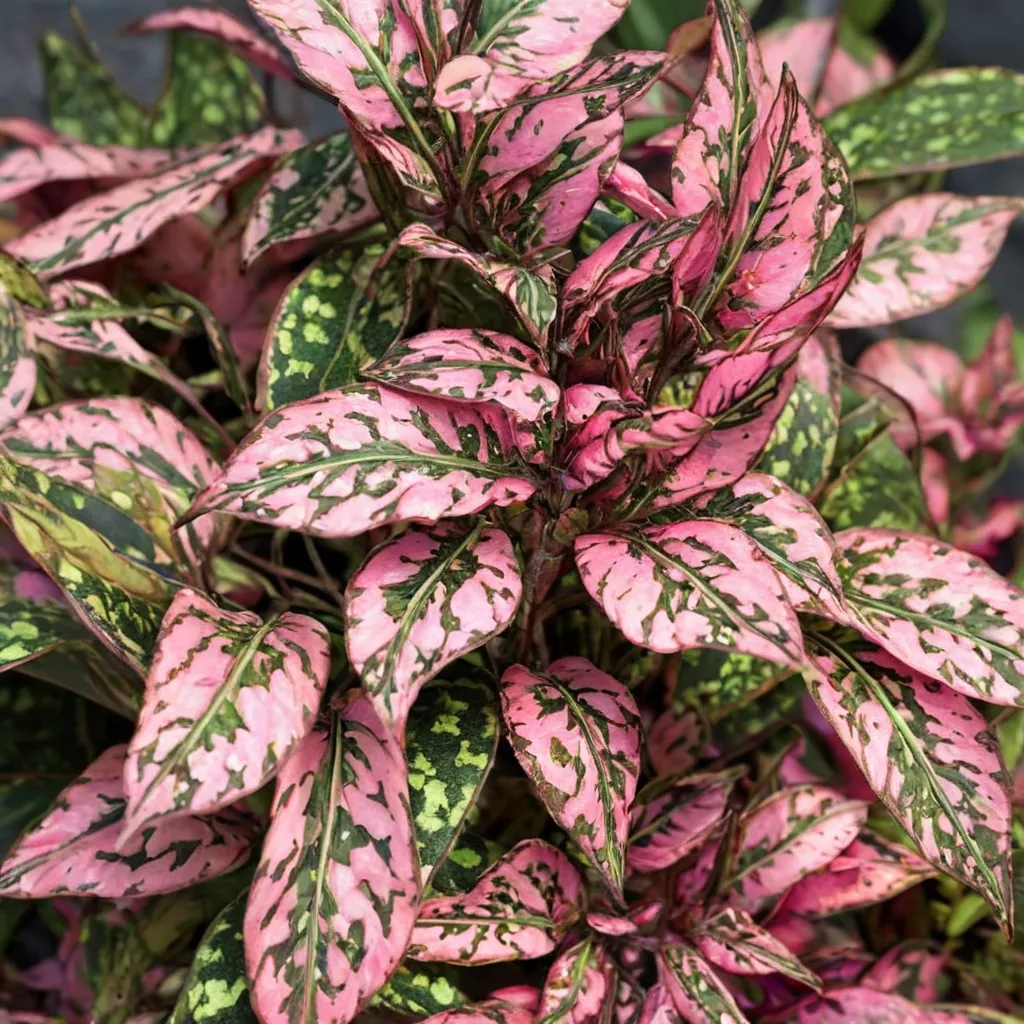
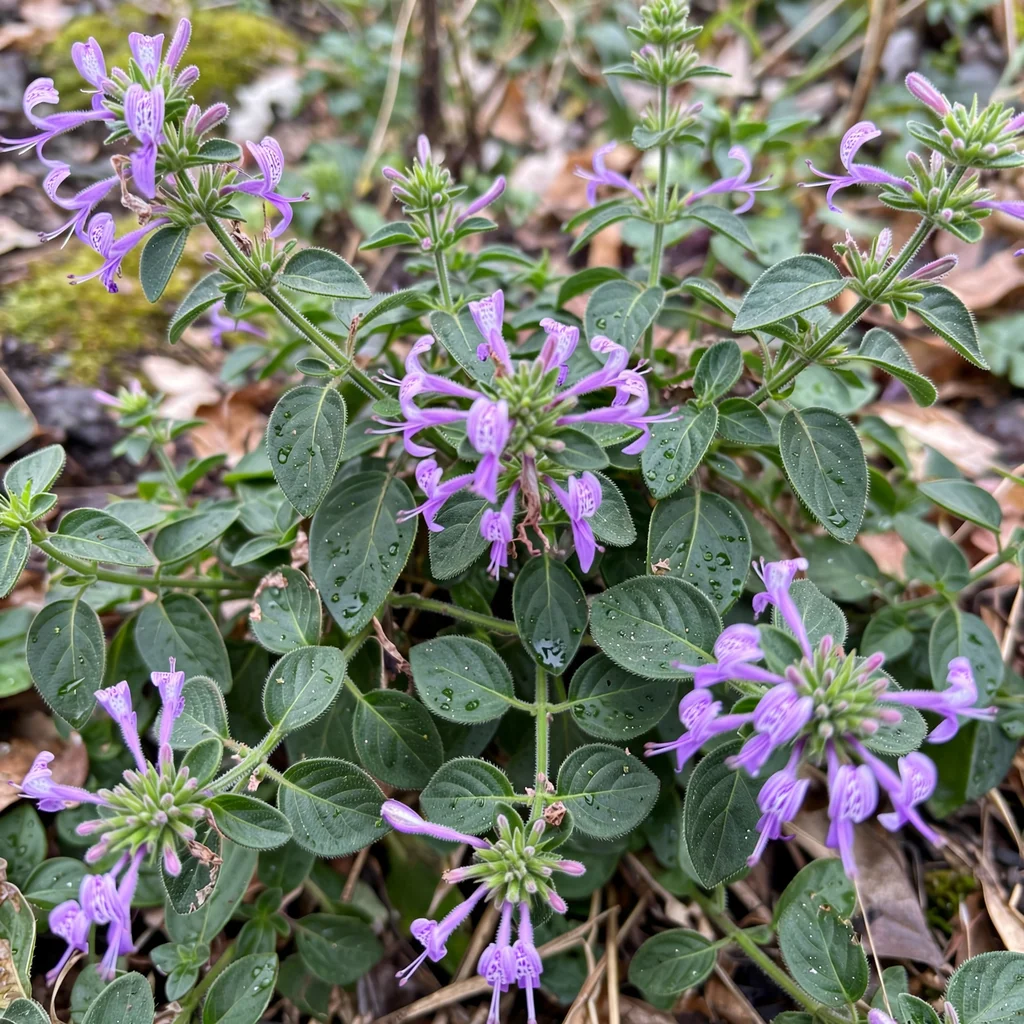
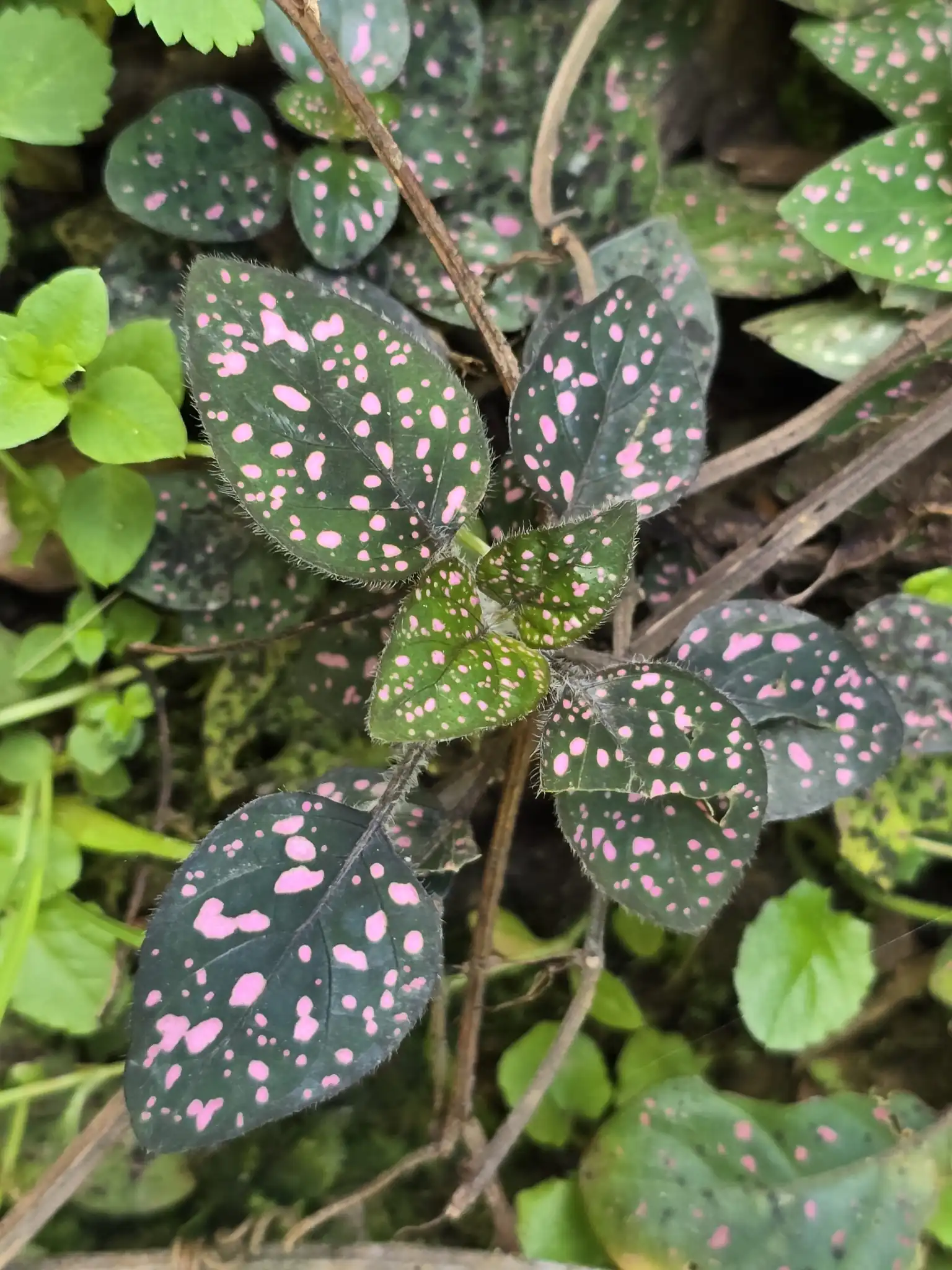
2 species of Hypoestes
Each one is a parent of the varieties above.
Track your Hypoestes in Sow
Save the Hypoestes you grow and get care reminders timed to your zone.
How to grow Hypoestes
Whats common across all Hypoestes varieties in our catalog — drawn from the care records of the 3 most-grown of them.
The Hypoestes year
- Pinch TipsJune–August100% of varieties
Tip-prune through summer to force branching and stop legginess.
- PlantMay67% of varieties
Set out after last frost in moist well-drained soil.


Do
- Do tip-prune regularly during active growth to keep plants bushy.
- Do grow in moist, well-drained soil with room for air movement.
- Do cut back hard after flowering to renew from the base.
- Water regularly to keep soil moist 🌱
- Prune lightly after flowering
Avoid
- Do not leave plants unpruned through winter or they go woody and open.
- Do not keep soil soggy or crowd plants where leaves stay wet.
- Avoid overwatering to prevent root rot ❌
- Don’t expose to direct harsh sunlight
What goes wrong with Hypoestes
| Problem | What you'll see | What to do |
|---|---|---|
| Aphids | Sticky residue and distorted leaves | Use insecticidal soap or neem oil |
| Spider mites | Yellowing and wilting leaves with fine webbing in dry, still air | Rinse foliage, improve air circulation, and apply insecticidal soap or horticultural oil to leaf undersides |
| Whiteflies and aphids | Sap-sucking clusters on new growth and leaf undersides that distort leaves | Dislodge with water and treat with insecticidal soap, conserving natural predators |
| Whitefly | Tiny white insects rising from the leaf undersides when the plant is disturbed | Use yellow sticky traps and insecticidal soap; a warm indoor position makes it worse |
| Root rot | Wilting and blackened roots | Improve drainage and reduce watering |
| Powdery mildew | White powdery coating on leaves in poor ventilation | Space for airflow, remove affected leaves, and apply fungicide or baking soda-water spray |
| Leaf spot | Dark spots and molds on leaves in wet, crowded plantings | Avoid overhead watering, remove spotted leaves, and improve ventilation |
Making more Hypoestes
Seed
- Collect seed after flowering before capsules scatter.
- Sow on the surface of moist seed mix and press in lightly.
- Keep warm and evenly moist until germination.
- Grow on in bright light and pinch tips to form bushy transplants.
Cuttings
- Select healthy stem
- Cut 4-inch section
- Dip in rooting hormone
- Plant in moist soil
- Mist regularly
- Wait 4-6 weeks for roots
Hypoestes questions
How many types of Hypoestes are there?
The Sow catalog tracks 3 distinct Hypoestes varieties. The most popular — ranked by 8 real gardeners — are shown first above.
What zones does Hypoestes grow in?
Across its varieties, Hypoestes covers USDA Zones 8–10. Individual varieties differ — each plant page lists its exact range, and Sow filters the catalog to your zone automatically.
When does Hypoestes bloom?
Most Hypoestes varieties bloom year-round.
Which Hypoestes should I choose?
Start from the most-saved varieties above — popularity across thousands of gardens is a strong signal of reliability — then filter by your zone and sun. In the Sow app you can preview any of them in a photo of your actual yard before you buy.