1 saves
Mallotus
We track 3 varieties; the ones most used by real gardeners.
The 3 most-saved Mallotus varieties
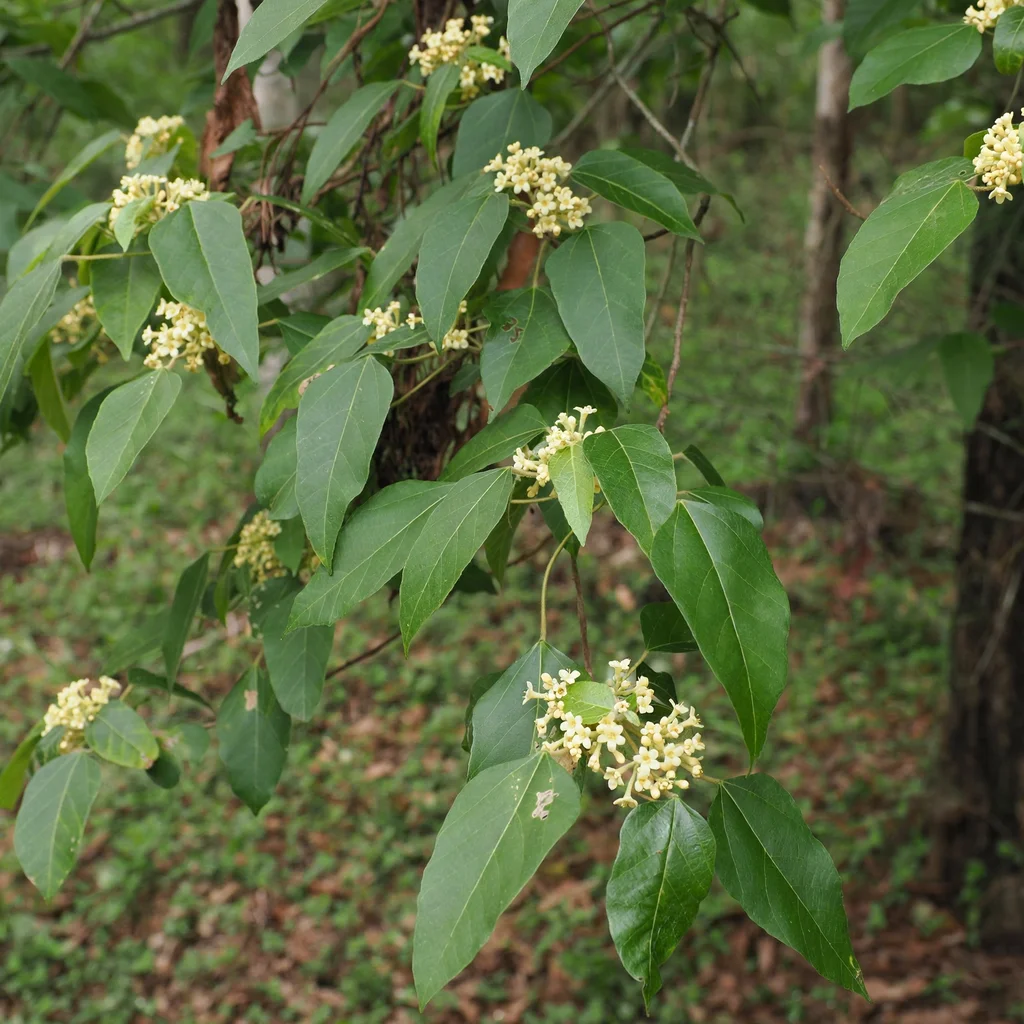
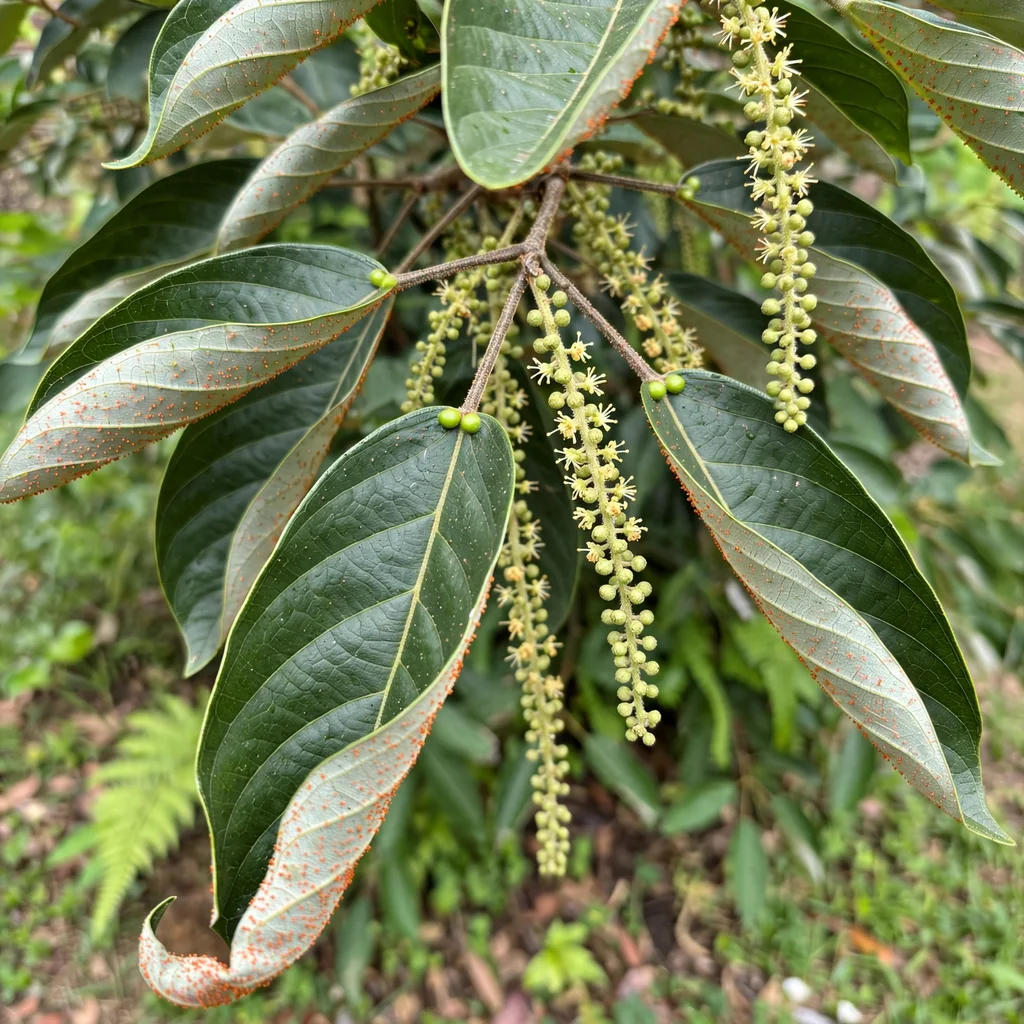
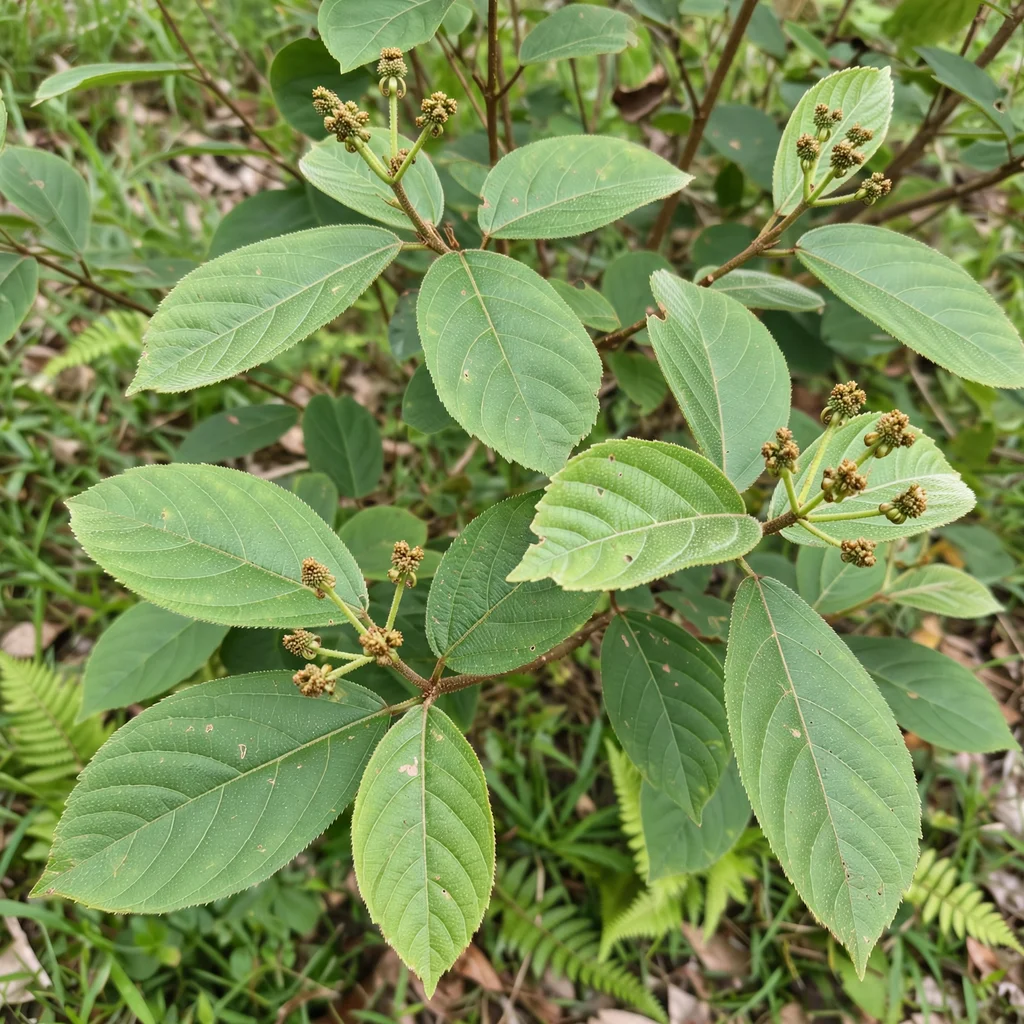
3 species of Mallotus
Each one is a parent of the varieties above.
Track your Mallotus in Sow
Save the Mallotus you grow and get care reminders timed to your zone.
How to grow Mallotus
Whats common across all Mallotus varieties in our catalog — drawn from the care records of the 3 most-grown of them.
The Mallotus year
- PruneMarch and April100% of varieties
Tip-prune lightly in early spring to direct growth and maintain canopy density.
- FertilizeMarch and May100% of varieties
Apply a balanced, slow-release organic fertilizer as active spring growth resumes.
- Check for PestsJune and July100% of varieties
Inspect leaf undersides for scale insects and spider mites.


Do
- Provide good drainage to prevent root rot in humid conditions.
- Wear gloves when handling or pruning to avoid skin irritation from the powdery fruit coat and sap.
- Plant both male and female specimens nearby if fruit set and seed production are desired.
- Maintain a thick layer of organic mulch over the root zone.
- Provide supplemental irrigation during extended hot, dry spells.
Avoid
- Do not prune hard into old, leafless wood.
- Do not allow containerized roots to sit in stagnant water.
- Do not allow soil around the roots to become saturated or waterlogged.
- Avoid heavy pruning into old leafless wood.
What goes wrong with Mallotus
| Problem | What you'll see | What to do |
|---|---|---|
| Spider mites | Fine webbing on leaf undersides and stippled foliage under warm, dry greenhouse conditions. | Increase ambient humidity and rinse foliage with water sprays or apply insecticidal soap. |
| Aphids | Clustered soft-bodied insects feeding on tender new growth tips. | Rinse shoots with water or spray with horticultural soap. |
| Scale insects | Small raised bumps on stems and leaf undersides accompanied by sticky honeydew. | Scrape off light infestations manually or apply horticultural oil during cool periods. |
| Spider Mites | Fine webbing beneath foliage accompanied by stippled, pale leaves under hot, dry indoor conditions. | Mist foliage to increase humidity and wash leaves with a steady stream of water or insecticidal soap. |
| Root rot | Wilting foliage, yellowing leaves, and blackened roots caused by Phytophthora or Pythium pathogens in waterlogged soil. | Improve soil drainage and reduce watering frequency. |
| Root Rot | Foliage yellowing and canopy dieback caused by waterlogged planting media. | Improve soil drainage and reduce irrigation frequency. |
Making more Mallotus
Seed
- Harvest fresh mature fruit capsules and collect clean seed.
- Sow seeds immediately into a well-draining moist seed-raising mix.
- Maintain bottom heat and humid warm conditions to encourage germination.
- Pot up seedlings into individual containers once the first true leaves expand.
Seed propagation
- Collect ripe bristly capsules when they begin to split open.
- Extract fresh seeds and sow immediately into a well-draining seed-starting mix.
- Keep the soil moist and maintain warm ambient temperatures.
- Transplant young seedlings into individual pots once they produce true leaves.
Mallotus questions
How many types of Mallotus are there?
The Sow catalog tracks 3 distinct Mallotus varieties. The most popular — ranked by 1 real gardeners — are shown first above.
What zones does Mallotus grow in?
Across its varieties, Mallotus covers USDA Zones 9–10. Individual varieties differ — each plant page lists its exact range, and Sow filters the catalog to your zone automatically.
When does Mallotus bloom?
Most Mallotus varieties bloom from spring to summer.
Which Mallotus should I choose?
Start from the most-saved varieties above — popularity across thousands of gardens is a strong signal of reliability — then filter by your zone and sun. In the Sow app you can preview any of them in a photo of your actual yard before you buy.