0 saves
Nestegis
We track 3 varieties; the ones most used by real gardeners.
The 3 most-saved Nestegis varieties
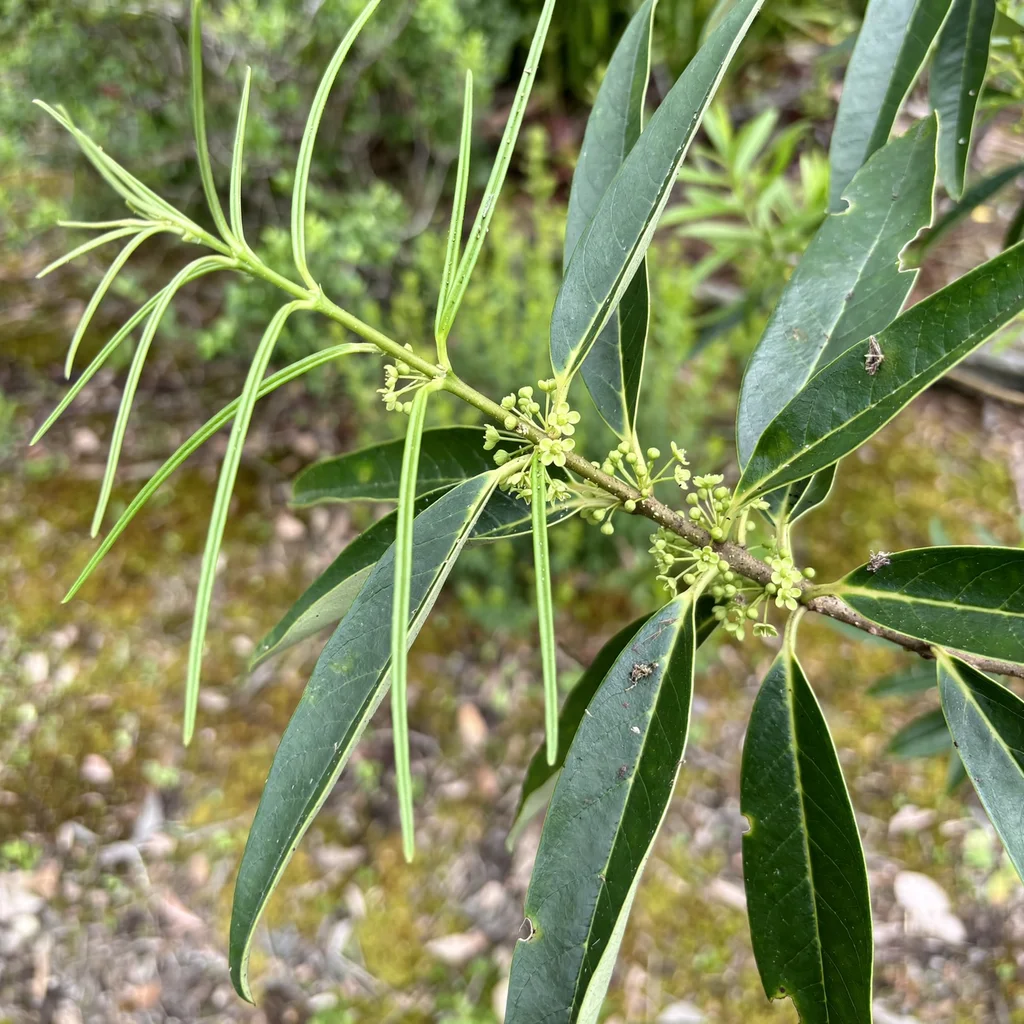
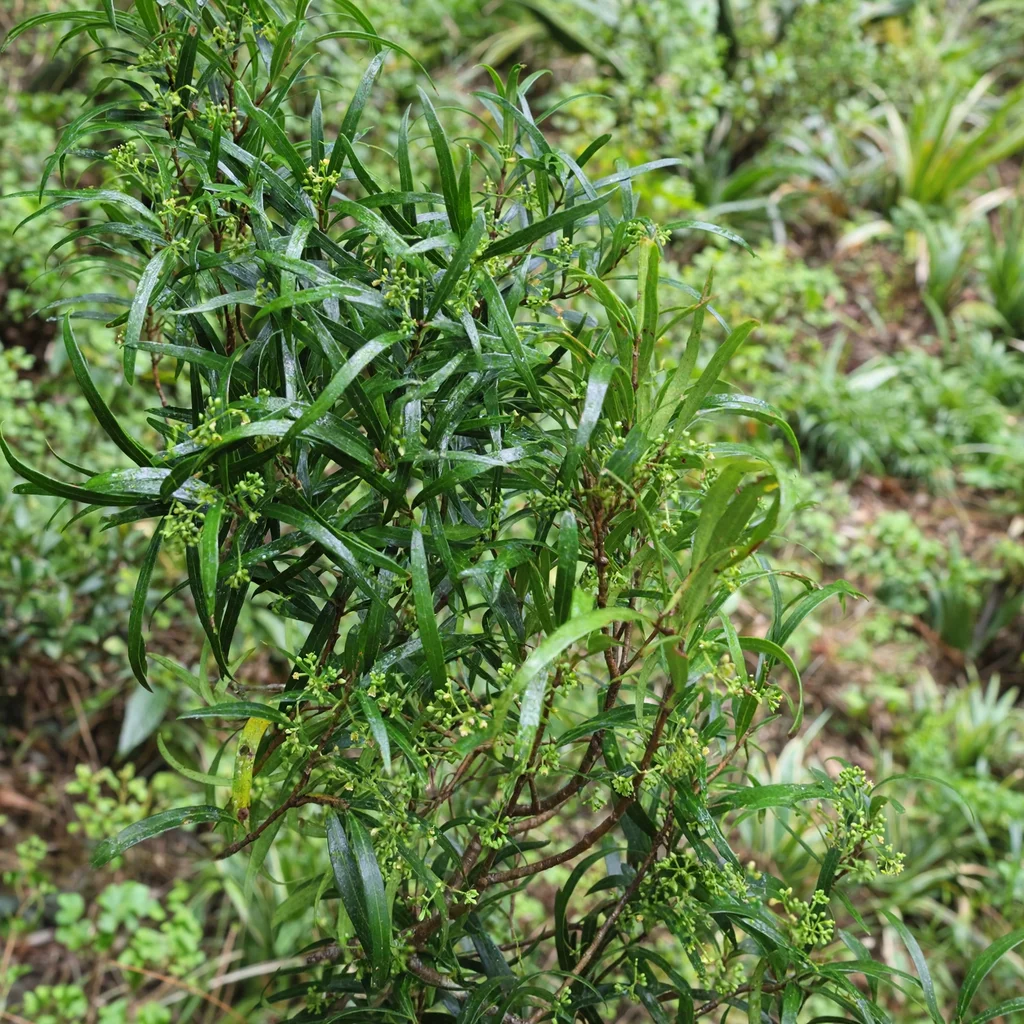
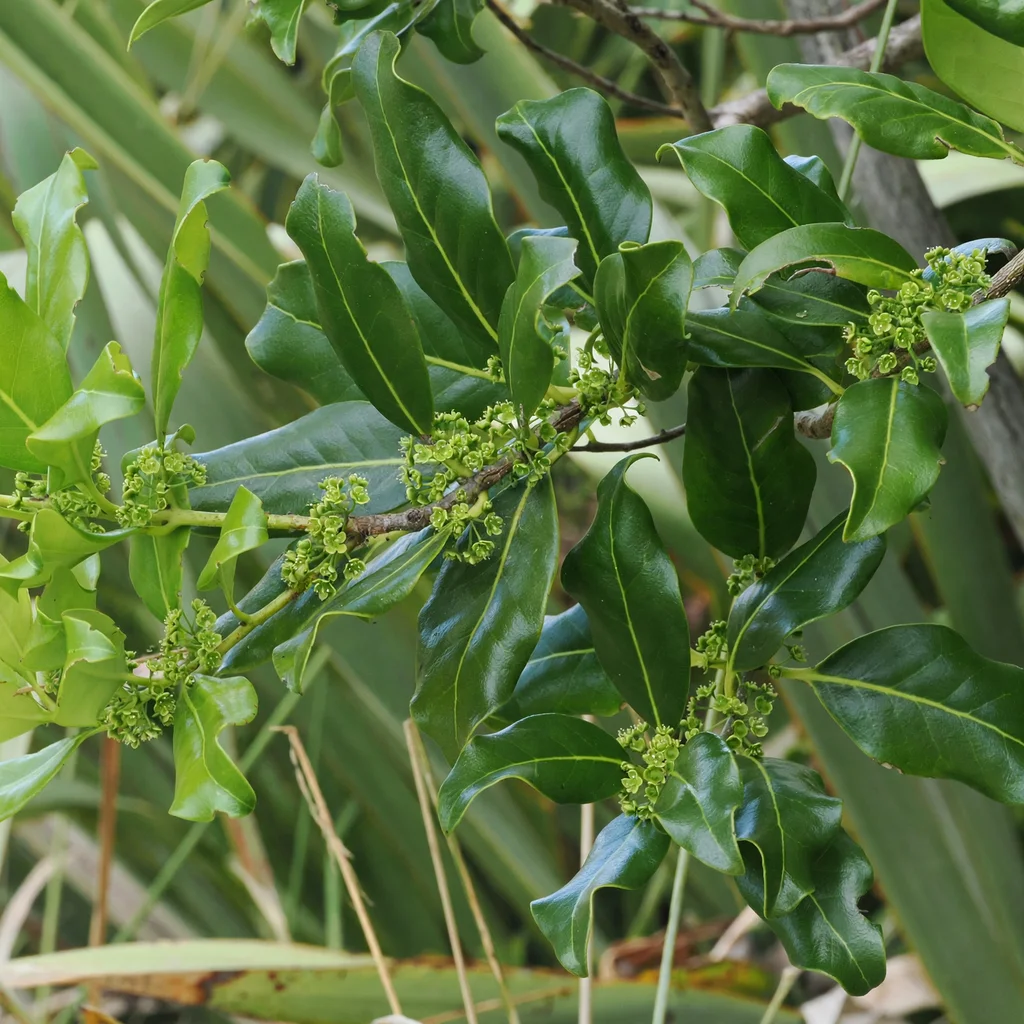
3 species of Nestegis
Each one is a parent of the varieties above.
Track your Nestegis in Sow
Save the Nestegis you grow and get care reminders timed to your zone.
How to grow Nestegis
Whats common across all Nestegis varieties in our catalog — drawn from the care records of the 3 most-grown of them.
The Nestegis year
- MulchMay100% of varieties
Apply a fresh layer of organic mulch to conserve soil moisture.
- PruneMarch and April100% of varieties
Prune light top growth to shape, avoiding cuts into old bare wood.
- Check for PestsJune and July100% of varieties
Inspect fresh growth for aphids or scale insects.
- FertilizeApril67% of varieties
Apply a balanced organic fertilizer around the dripline in spring.


Do
- Plant in well-drained loam or clay soils.
- Provide shelter from strong, direct coastal winds.
- Water young plants regularly until deep root systems establish.
- Plant in free-draining soils to prevent root oxygen deprivation.
- Protect young foliage from deer and rabbit browsing in open landscapes.
Avoid
- Do not cut back into old, bare wood when shaping.
- Do not allow container media to become waterlogged.
- Do not allow water to pool or stagnate around the root crown.
- Do not shear annually or prune into old bare branches.
What goes wrong with Nestegis
| Problem | What you'll see | What to do |
|---|---|---|
| Aphids | Distorted young foliage and sticky honeydew on leaf surfaces. | Rinse off colonies with a strong spray of water or apply insecticidal soap. |
| Spider mites | Faint yellow stippling and light webbing on leaf undersides during dry heat. | Increase humidity around young plants and apply horticultural oil. |
| Scale insects | Small waxy brown shell-like bumps along young stems and lower leaf surfaces. | Apply horticultural oil during cool periods or wipe away minor infestations manually. |
| Root rot | Foliage yellowing and dieback caused by soggy, unoxygenated soil conditions. | Improve soil drainage and avoid overwatering or low-lying planting sites. |
| Root Rot | Yellowing leaves and branch dieback caused by waterlogged media. | Improve soil drainage and reduce irrigation frequency. |
Making more Nestegis
Seed
- Clean the flesh completely from ripe fruit to remove germination inhibitors.
- Sow seeds in containers filled with a moist, well-drained seed compost.
- Place in a cold frame or shaded greenhouse to germinate over several months.
- Pot up individual seedlings once true leaves emerge.
Semi-hardwood cuttings
- Take semi-hardwood cuttings from firm current-season stems in late summer.
- Strip lower leaves and dip the cut base in rooting hormone powder.
- Insert cuttings into a gritty propagation mix under high humidity.
- Maintain warmth until root systems establish before hardening off.
Nestegis questions
How many types of Nestegis are there?
The Sow catalog tracks 3 distinct Nestegis varieties. The most popular — ranked by 0 real gardeners — are shown first above.
What zones does Nestegis grow in?
Across its varieties, Nestegis covers USDA Zones 8–10. Individual varieties differ — each plant page lists its exact range, and Sow filters the catalog to your zone automatically.
When does Nestegis bloom?
Most Nestegis varieties bloom from late spring to early summer.
Which Nestegis should I choose?
Start from the most-saved varieties above — popularity across thousands of gardens is a strong signal of reliability — then filter by your zone and sun. In the Sow app you can preview any of them in a photo of your actual yard before you buy.