Also known as Umbrella Tree · 22 saves
Schefflera
Schefflera, the genus most gardeners know as umbrella tree. We track 4 varieties; the ones most used by real gardeners.
The 4 most-saved Schefflera varieties
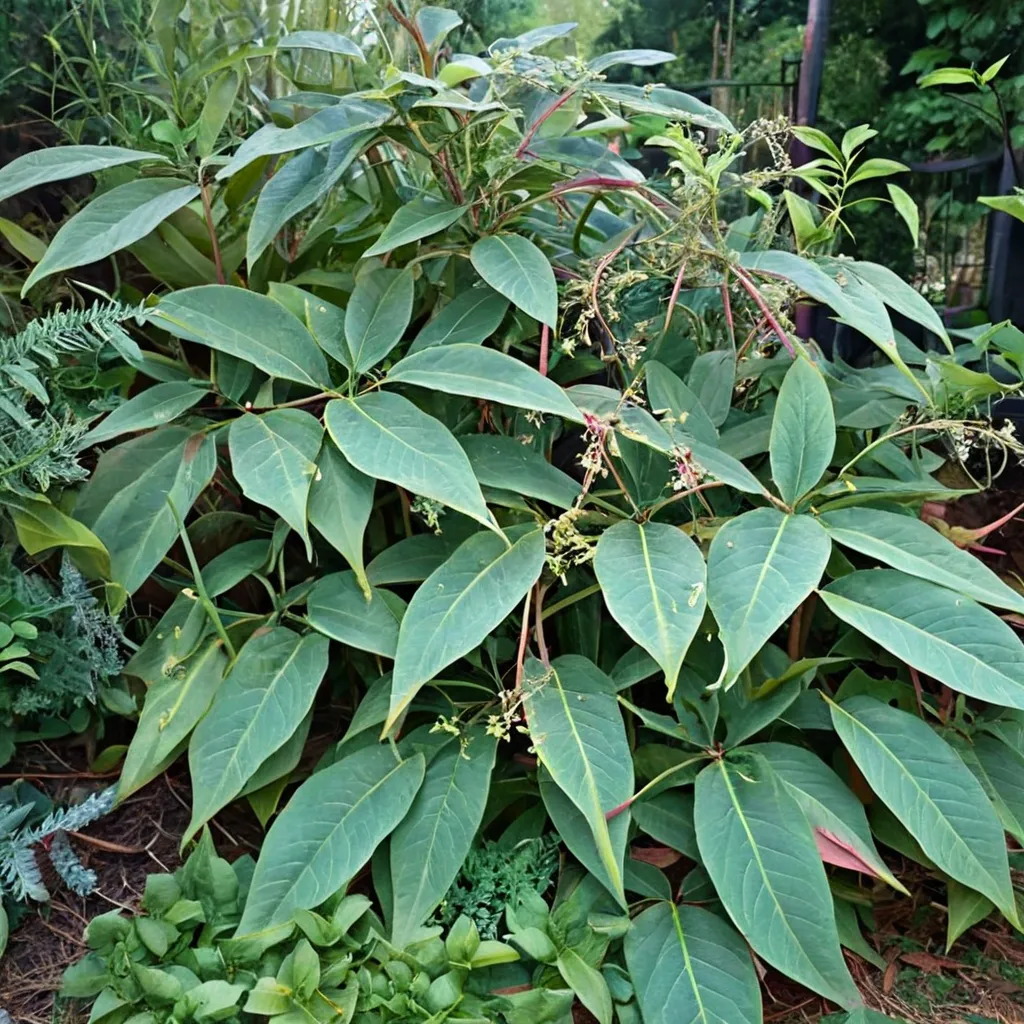
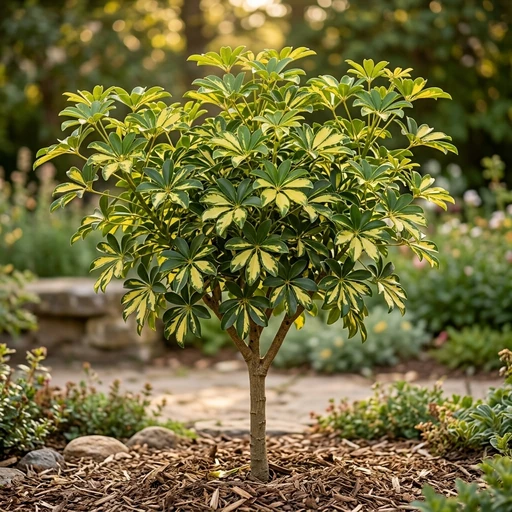
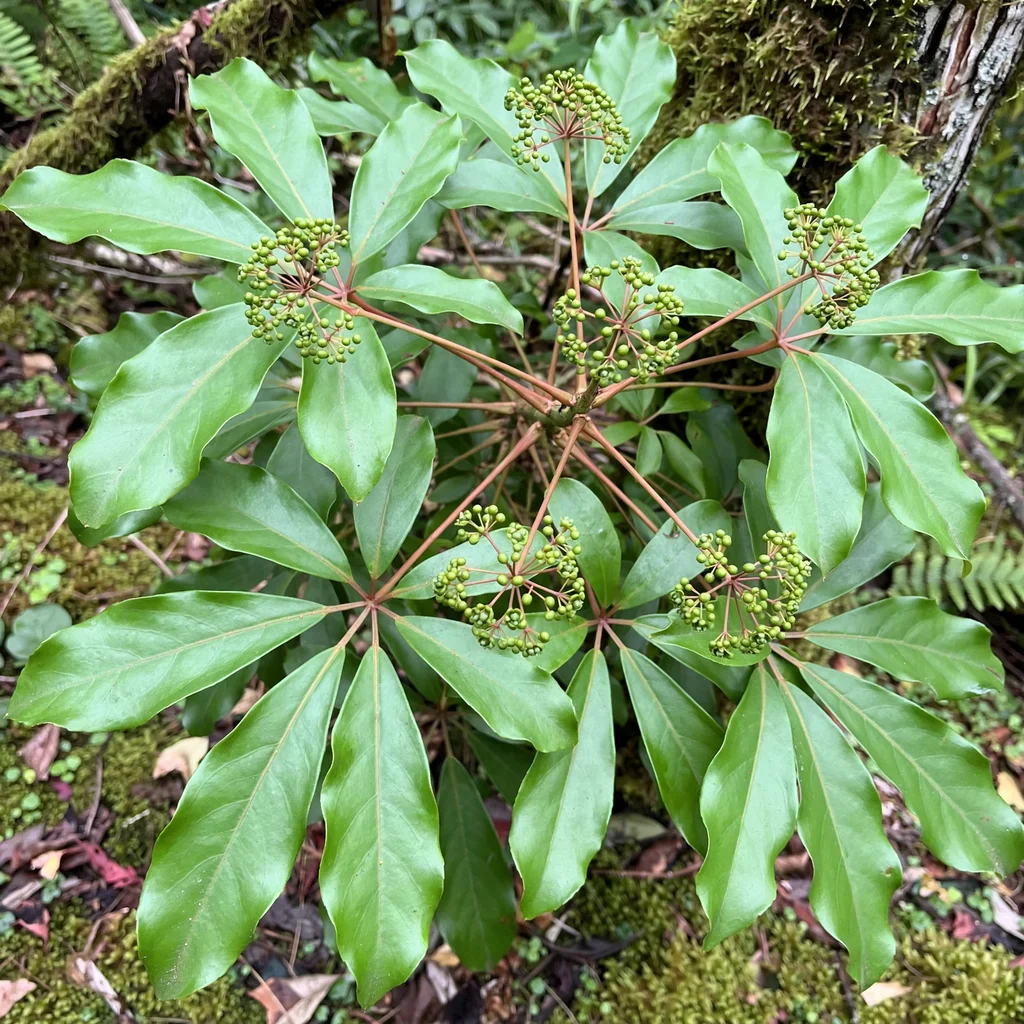
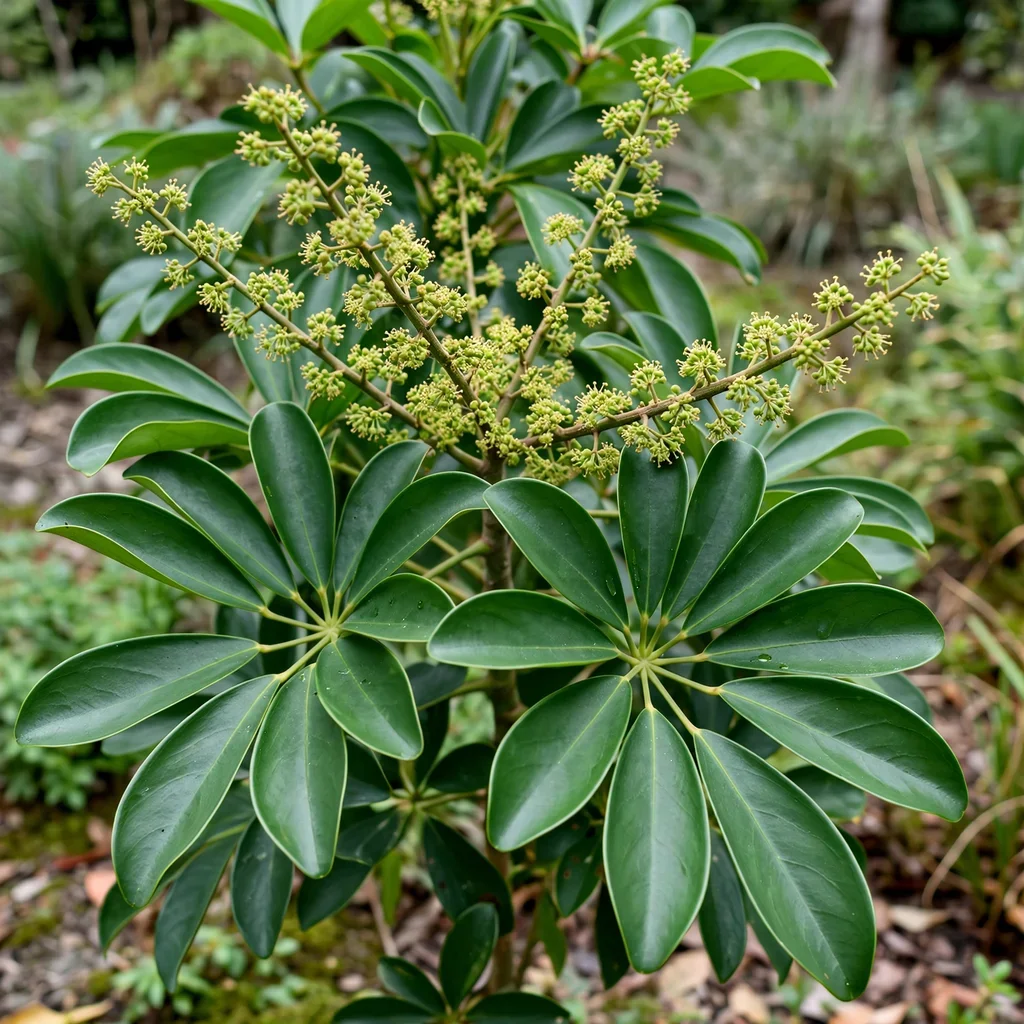
2 species of Schefflera
Each one is a parent of the varieties above.
Track your Schefflera in Sow
Save the Schefflera you grow and get care reminders timed to your zone.
How to grow Schefflera
Whats common across all Schefflera varieties in our catalog — drawn from the care records of the 4 most-grown of them.
The Schefflera year
- PruneMarch and April100% of varieties
Remove dead wood sparingly without cutting back into old, bare branches.
- FertilizeApril and May75% of varieties
Apply a balanced liquid fertilizer sparingly during active spring growth.
- Check for PestsJuly50% of varieties
Check leaf undersides and petioles for scale insects and spider mites.
- Winter PrepNovember50% of varieties
Protect young specimens from freezing weather or move pots indoors.


Do
- Do maintain high humidity and consistently damp soil.
- Do shelter young plants from freezing temperatures and dry winds.
- Do prune lightly by removing only dead or damaged wood.
- Give it bright indirect light 🪟
- Let the compost surface dry between waterings 💧
Avoid
- Don't prune hard into bare, old wood as stems fail to re-sprout.
- Don't let the root zone dry out completely between waterings.
- Don't plant in direct afternoon sun where foliage will scorch.
- Leave it standing in water ❌
What goes wrong with Schefflera
| Problem | What you'll see | What to do |
|---|---|---|
| Spider mites | Fine webbing and stippled foliage in warm, dry air. | Increase humidity around the canopy and spray foliage with horticultural oil. |
| Scale insects | Waxy brown bumps adhering along reddish leaf petioles and stems. | Wipe off with rubbing alcohol or apply a systemic insecticidal control. |
| Aphids | Clustered insects feeding on soft stems and new leaf shoots. | Rinse off stems with a strong water stream or apply insecticidal soap. |
| Deer browsing | Torn leaf margins and stripped lower shoots. | Protect young plants with physical netting or protective fencing. |
| Root rot | Foliage yellowing and root decay from waterlogging in poorly draining pots. | Ensure container drainage holes remain unobstructed and use coarse soil. |
| Powdery mildew | Dusty white coating on foliage during humid, stagnant periods. | Improve air circulation around the canopy and avoid wetting foliage at night. |
| Root Rot | Wilting, yellowing leaves, mushy stems at the base, caused by overwatering. | Allow soil to dry out. Repot into fresh, well-draining soil, trimming away any black, mushy roots. Water less frequently. |
Making more Schefflera
Seed
- Collect fresh purple berries in late autumn or winter.
- Clean the pulp away from the seeds immediately after harvesting.
- Sow seeds into a moist, seed-raising potting mixture.
- Maintain high humidity and partial warmth until germination occurs.
Stem cuttings
- Take a shoot tip with several leaves in spring or summer.
- Root in free-draining compost with gentle bottom heat.
- Pot on once new growth appears.
Schefflera questions
How many types of Schefflera are there?
The Sow catalog tracks 4 distinct Schefflera varieties. The most popular — ranked by 22 real gardeners — are shown first above.
What zones does Schefflera grow in?
Across its varieties, Schefflera covers USDA Zones 7–10. Individual varieties differ — each plant page lists its exact range, and Sow filters the catalog to your zone automatically.
When does Schefflera bloom?
Most Schefflera varieties bloom in mid- to late summer.
Which Schefflera should I choose?
Start from the most-saved varieties above — popularity across thousands of gardens is a strong signal of reliability — then filter by your zone and sun. In the Sow app you can preview any of them in a photo of your actual yard before you buy.