Also known as Bully · 3 saves
Sideroxylon
Sideroxylon, the genus most gardeners know as bully. We track 3 varieties; the ones most used by real gardeners.
The 3 most-saved Sideroxylon varieties
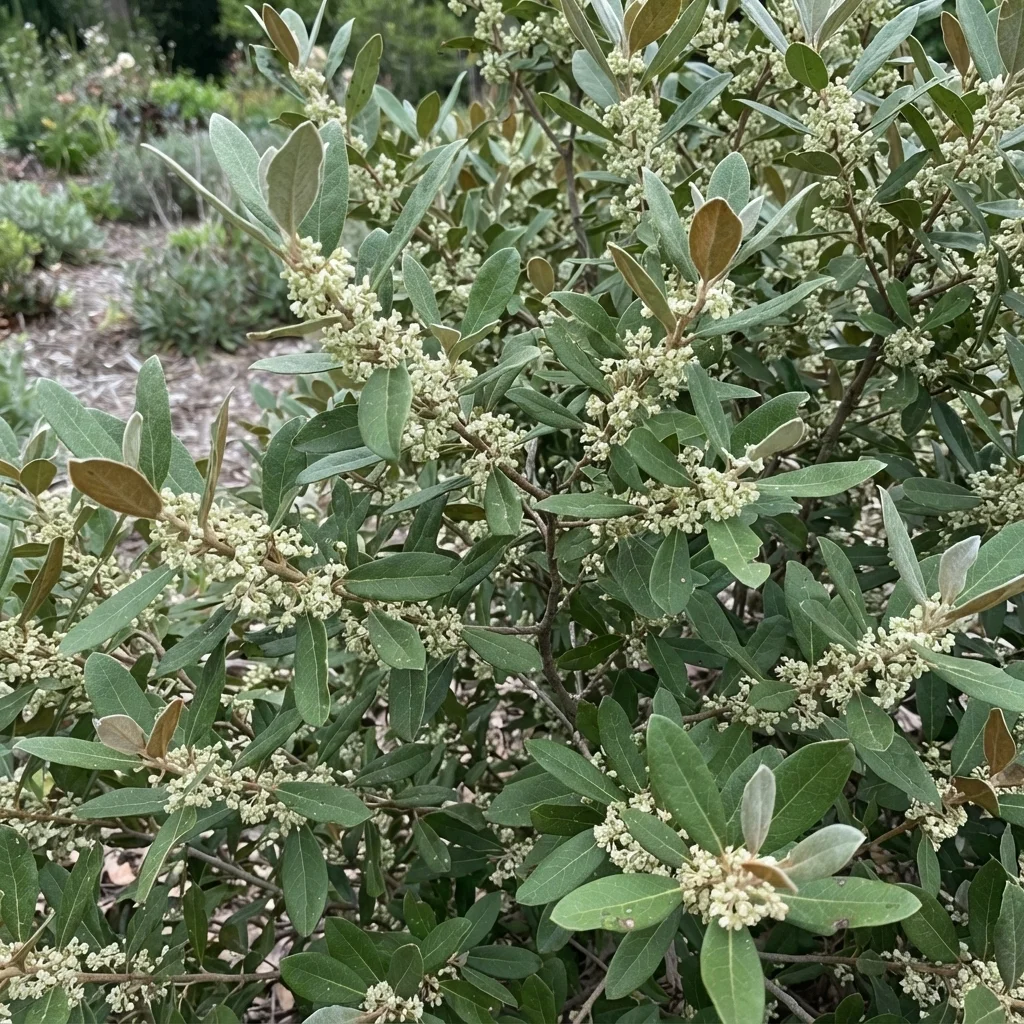
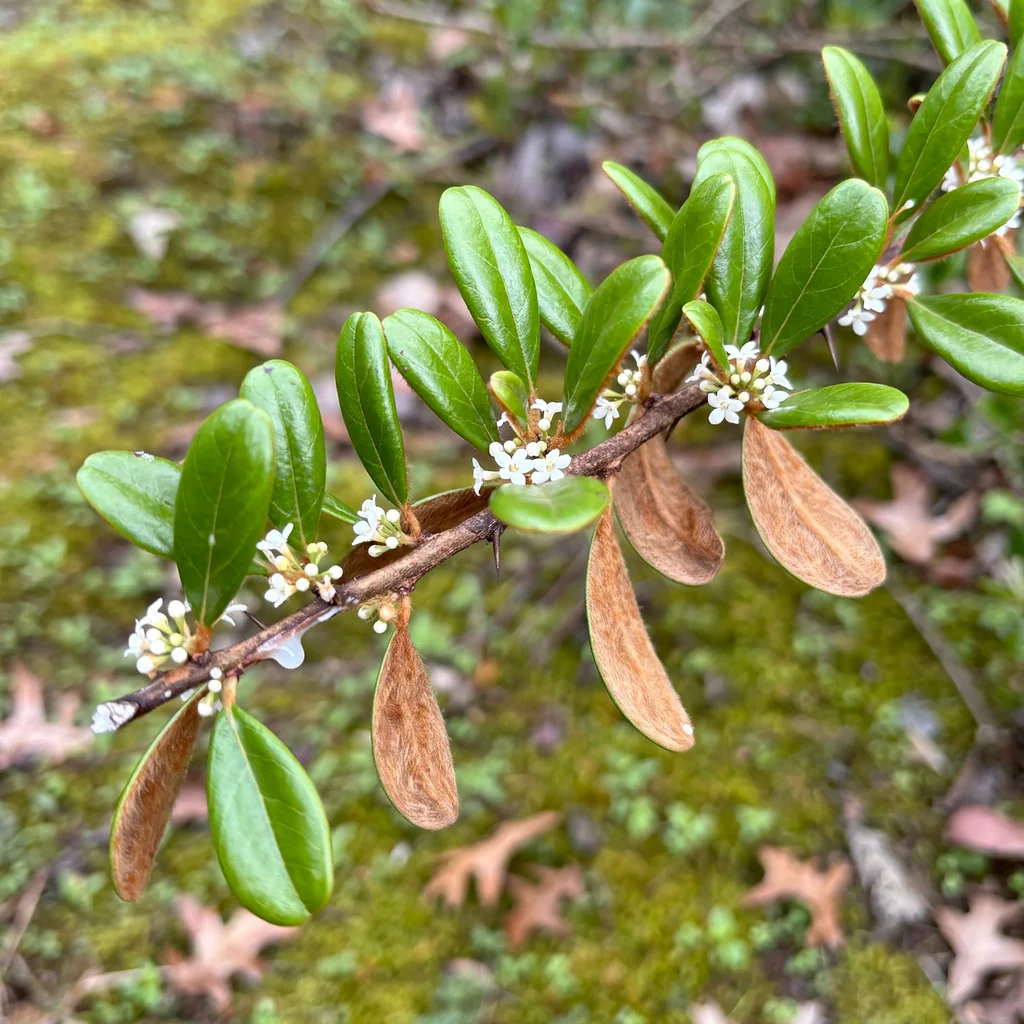
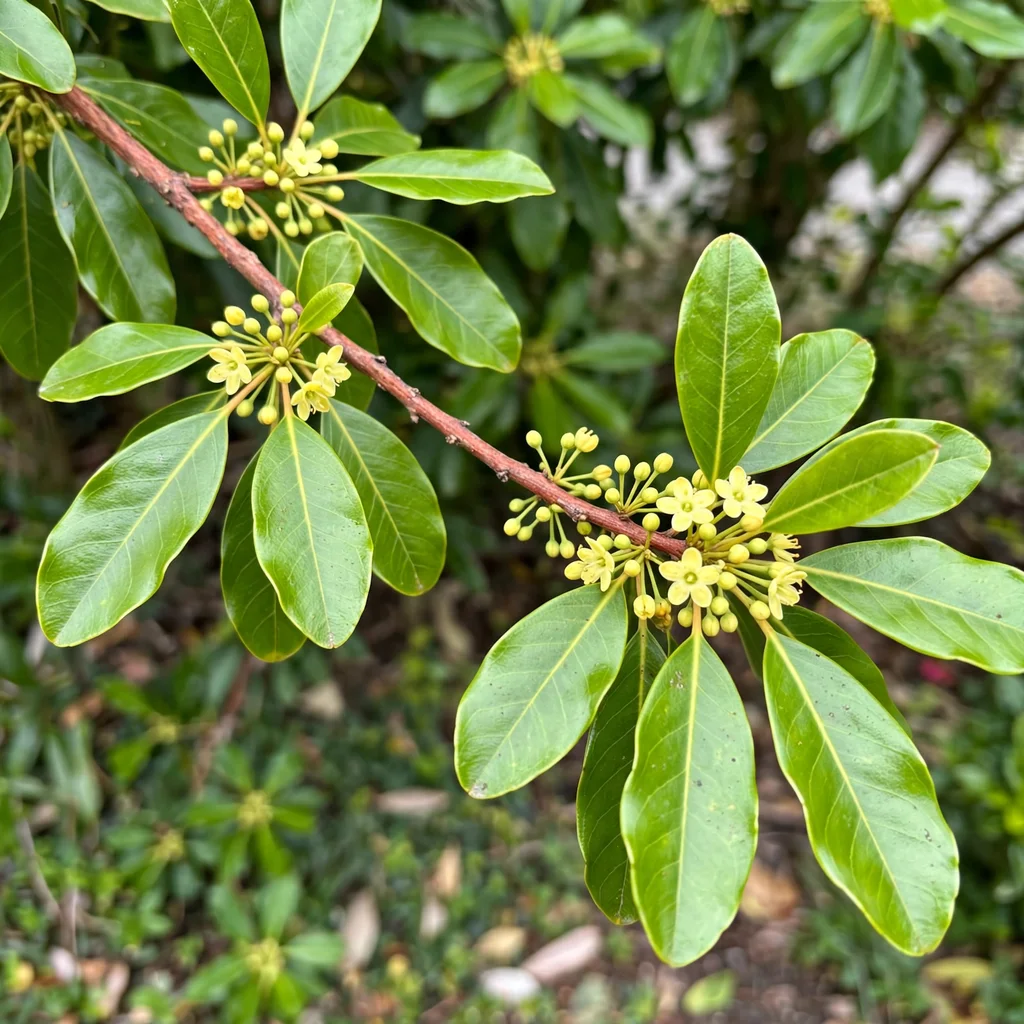
3 species of Sideroxylon
Each one is a parent of the varieties above.
Track your Sideroxylon in Sow
Save the Sideroxylon you grow and get care reminders timed to your zone.
How to grow Sideroxylon
Whats common across all Sideroxylon varieties in our catalog — drawn from the care records of the 3 most-grown of them.
The Sideroxylon year
- MulchMarch100% of varieties
Apply a fresh layer of organic mulch in early spring, keeping it away from the trunk.
- PlantOctober and November100% of varieties
Plant container-grown specimens in mid to late fall to allow root establishment before summer.
- Check for PestsJune and July100% of varieties
Monitor tender new growth for aphids and scale insects.
- PruneFebruary67% of varieties
Prune lightly in late winter to train young trees or clear thorny branches from pathways.


Do
- Plant in well-drained soil to prevent root-zone saturation.
- Protect young plants from rabbits, which may chew the bark.
- Train young specimens in late winter if a single-trunk tree structure is desired.
- Do plant in full sun with room for a broad, tall crown.
- Do mulch sandy soils with organic matter and keep mulch off the trunk.
Avoid
- Do not over-fertilize, as this species requires no supplemental feeding once established.
- Do not shear heavily into old, leafless wood, which results in poor recovery.
- Do not plant near high-traffic walkways where the sharp woody thorns could cause injury.
- Do not expect fast shade; do not overwater or plant in soggy ground.
What goes wrong with Sideroxylon
| Problem | What you'll see | What to do |
|---|---|---|
| Bumelia borer | Larvae boring into the wood, causing structural weakness or localized dieback. | Maintain tree health to prevent infestation, and prune out heavily infested or damaged branches. |
| Aphids and scale insects | Sucking sap from tender new shoots, occasionally accompanied by sticky honeydew. | Wash pests off with a strong spray of water or apply insecticidal soap to affected areas. |
| False-mastic psylla | Curling and distortion of young leaves from small jumping plant lice feeding on foliage. | Prune out heavily curled shoots, wash foliage with a strong spray of water, and conserve beneficial insects; avoid broad insecticides that flare the problem. |
| Croton scale | Waxy bumps on stems and leaf undersides with sticky honeydew and black sooty mold. | Scrub light infestations off, prune heavily infested shoots, and treat crawlers with horticultural oil. |
| Root rot | Decline in vigor and leaf drop caused by prolonged wet soil conditions. | Ensure excellent drainage and avoid overwatering, as the plant is highly intolerant of saturated roots. |
| None significant | No significant disease on established plantings; stays clean in drained sand. | Keep soil drained, allow air flow, and clear fallen fruit; no preventive spray needed. |
Making more Sideroxylon
Seed
- Collect fresh blue-black drupes in late summer or fall and remove the fleshy pulp.
- Scarify the hard seed coat mechanically or chemically to improve germination rates.
- Sow the treated seeds directly into a well-drained seed-starting mix in the fall.
- Maintain moderate moisture and protect the seedlings from extreme cold until established.
Softwood cuttings
- Take softwood cuttings in early summer from current-season growth.
- Trim below a node, strip lower leaves, and stick in moist sand-perlite.
- Hold humid and shaded until roots form.
- Pot up and grow on before setting out in fall.
Sideroxylon questions
How many types of Sideroxylon are there?
The Sow catalog tracks 3 distinct Sideroxylon varieties. The most popular — ranked by 3 real gardeners — are shown first above.
What zones does Sideroxylon grow in?
Across its varieties, Sideroxylon covers USDA Zones 5–10. Individual varieties differ — each plant page lists its exact range, and Sow filters the catalog to your zone automatically.
When does Sideroxylon bloom?
Most Sideroxylon varieties bloom from late spring to late summer.
Which Sideroxylon should I choose?
Start from the most-saved varieties above — popularity across thousands of gardens is a strong signal of reliability — then filter by your zone and sun. In the Sow app you can preview any of them in a photo of your actual yard before you buy.