The Story
Plant Bio
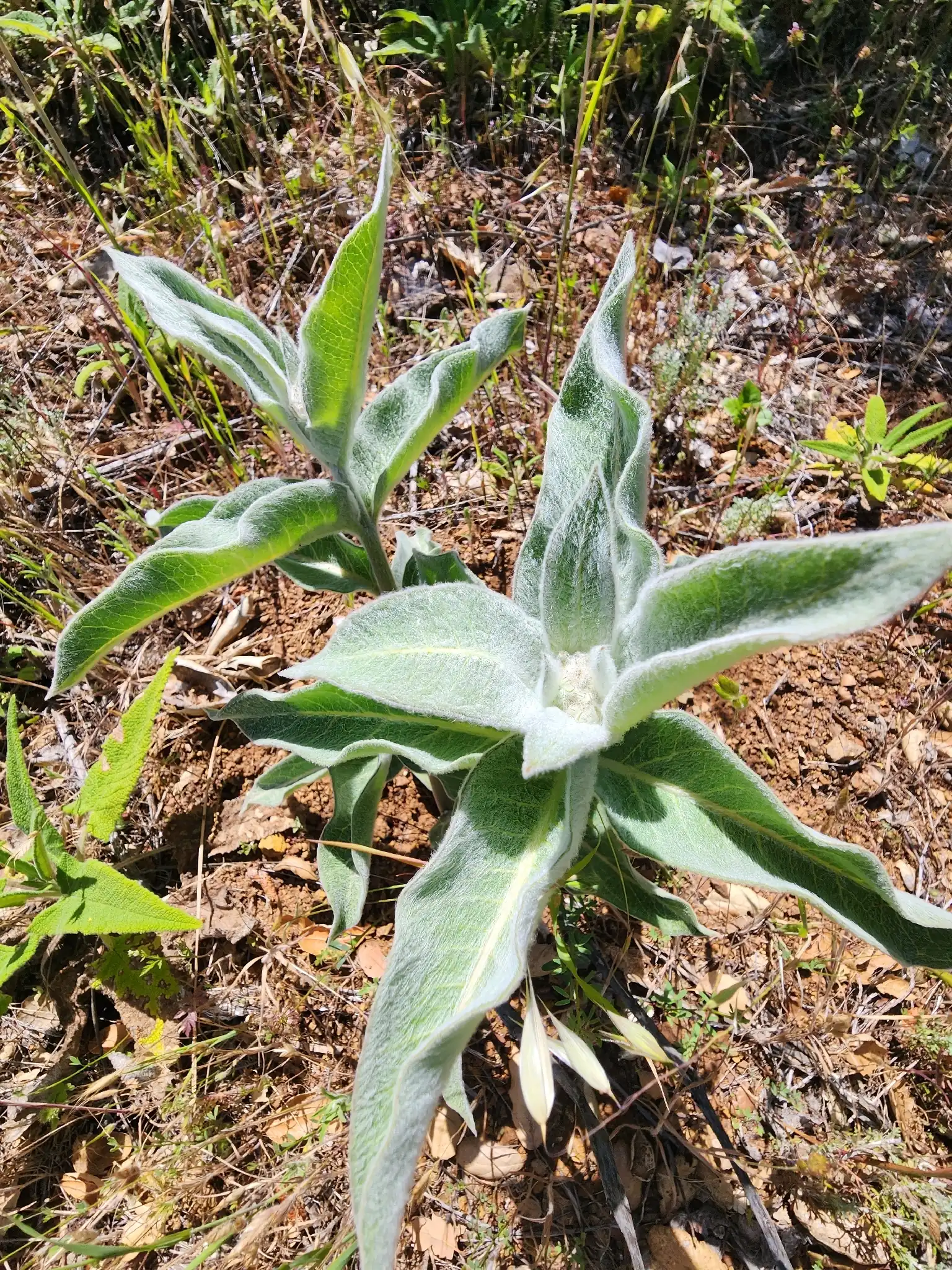
Asclepias eriocarpa, commonly known as woollypod milkweed, is an erect herbaceous perennial native to dry regions of California, Nevada, and Baja California. Dense, fine white hairs cover the stems and broad foliage, giving the plant a felted, silvery texture that reduces moisture loss in arid climates.
Large umbels of white, cream, or pinkish flowers bloom from late spring into autumn, featuring reflexed corollas and erect hoods. The foliage serves as an essential larval food plant for monarch butterflies, while cardenolides in the sap render the plant unpalatable to mammalian herbivores.
Uses & Benefits:
Essentials
At a Glance
Plant Type
Perennial
Height
36"
Width
36"
Light
Full Sun
Zones
6, 7, 8, 9, 10
Water
Low
Humidity
Moderate / Low
Lifespan
Perennial
Native To
Western North America
Toxicity
Toxic if ingested; sap irritates skin
Bloom period
Late spring – Early fall
In flower about 5 months of the year
Planting
How to Grow
- Select a site in full sun with sharp soil drainage, such as a gravel bed, slope, or lean native soil.
- Plant deep plugs or potted stock in spring, ensuring the soil line matches the nursery container level.
- Water lightly at planting to settle soil around the root crown, taking care not to saturate the bed.
- Provide minimal water during the first summer only, allowing the soil to dry fully between applications.
- Cut spent, dry stems to ground level in late winter before the spring flush begins.
Pro Tip
Cease supplemental watering once roots establish, as summer moisture combined with warm soils induces rapid fungal crown rot.
Keep It Thriving
Care Guide
Do
- Provide full sunlight for at least six hours daily.
- Allow soil to dry out completely between irrigations.
- Prune dead stems flush to the ground during winter dormancy.
Don't
- Do not apply rich organic compost or high-nitrogen fertilizers.
- Do not irrigate during warm summer months once roots are established.
- Do not prune live green growth during the active growing season.
Seasonal Care Calendar
| Task | Jan | Feb | Mar | Apr | May | Jun | Jul | Aug | Sep | Oct | Nov | Dec |
|---|---|---|---|---|---|---|---|---|---|---|---|---|
| Pest Check | ||||||||||||
| Propagate | ||||||||||||
| Prune | ||||||||||||
| Spring Cleanup |
Watch Out For
Pests & Diseases
Common Pests
Common Diseases
In the Garden
Landscape Uses & Companions
Landscape Uses
Multiply
Propagation Methods
Good to Know
Common Questions
Woollypod Milkweed questions
What zones can Woollypod Milkweed grow in?
Woollypod Milkweed is hardy in USDA Zones 6–10: in that range it survives winter in the ground. Colder than Zone 6, grow it in a container you can move to shelter for the winter, or as an annual.
Is Woollypod Milkweed deer resistant?
Yes — Woollypod Milkweed is rated deer-resistant. Deer typically pass it over, though extreme hunger can override any plant's defenses.
When does Woollypod Milkweed bloom?
Woollypod Milkweed typically blooms from late spring to early fall. Exact timing shifts a week or two with your zone — Sow's bloom calendar maps it to your garden.
Does Woollypod Milkweed need full sun?
Woollypod Milkweed does best in full sun (6+ hours).
Is Woollypod Milkweed drought tolerant?
Yes — once established (usually after the first full season), Woollypod Milkweed handles dry spells with minimal watering. Water deeply its first year to build the root system that makes that possible.
More Asclepias to compare
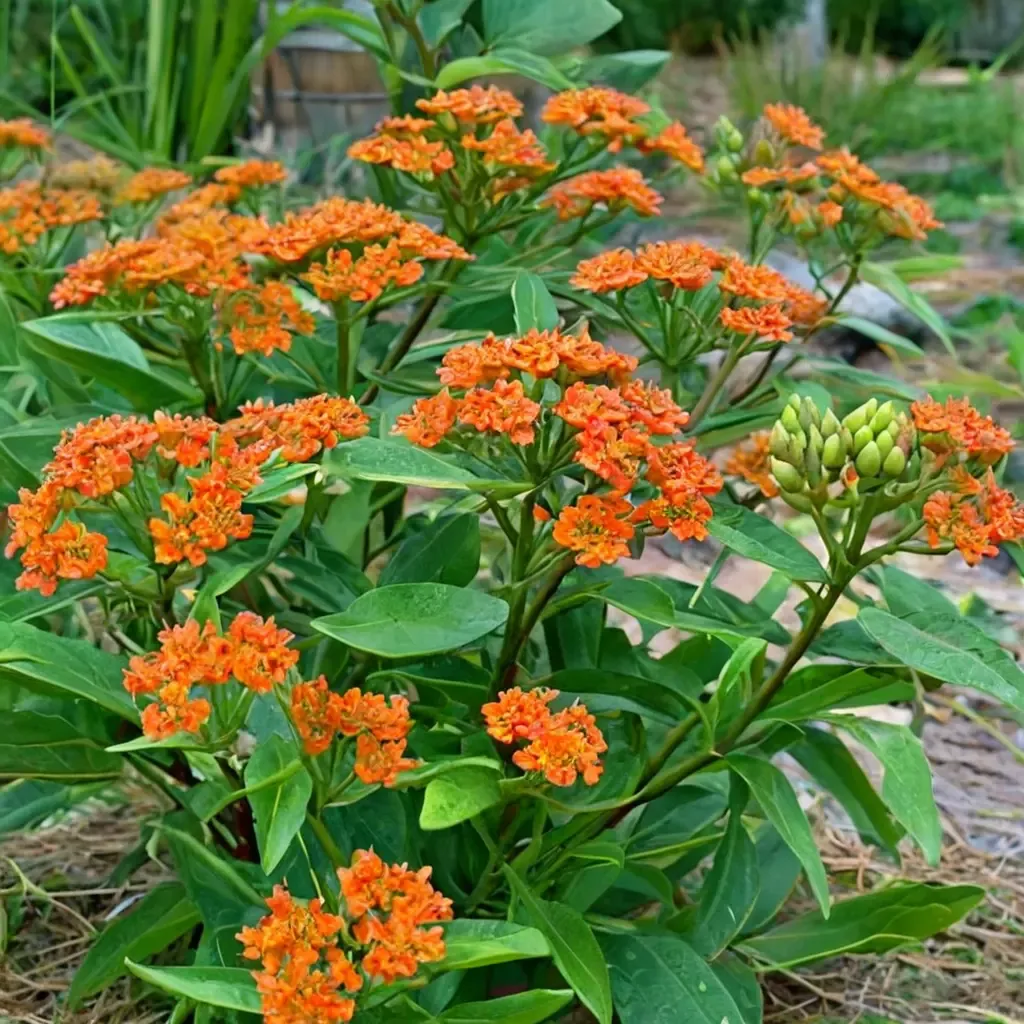
Butterfly Weed
Asclepias tuberosa
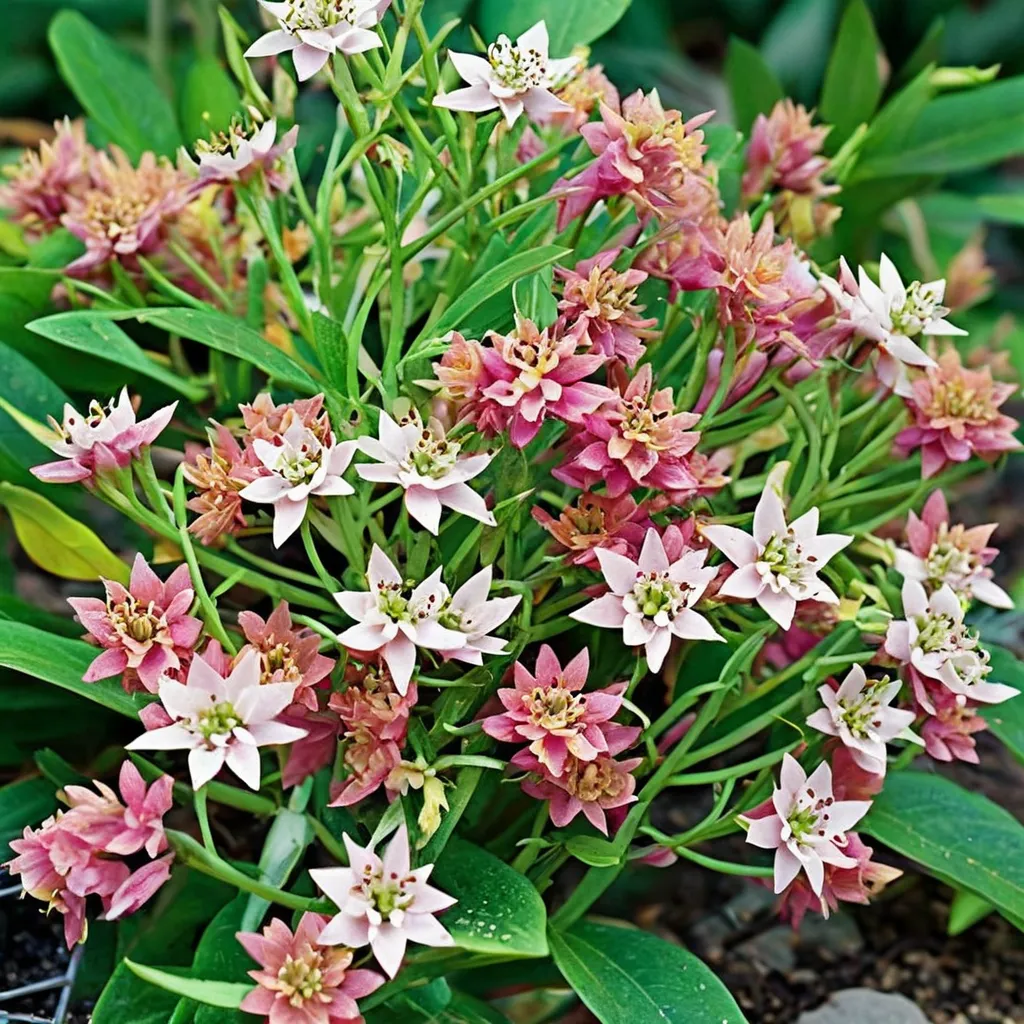
Butterfly Milkweed
Asclepias x hybrida
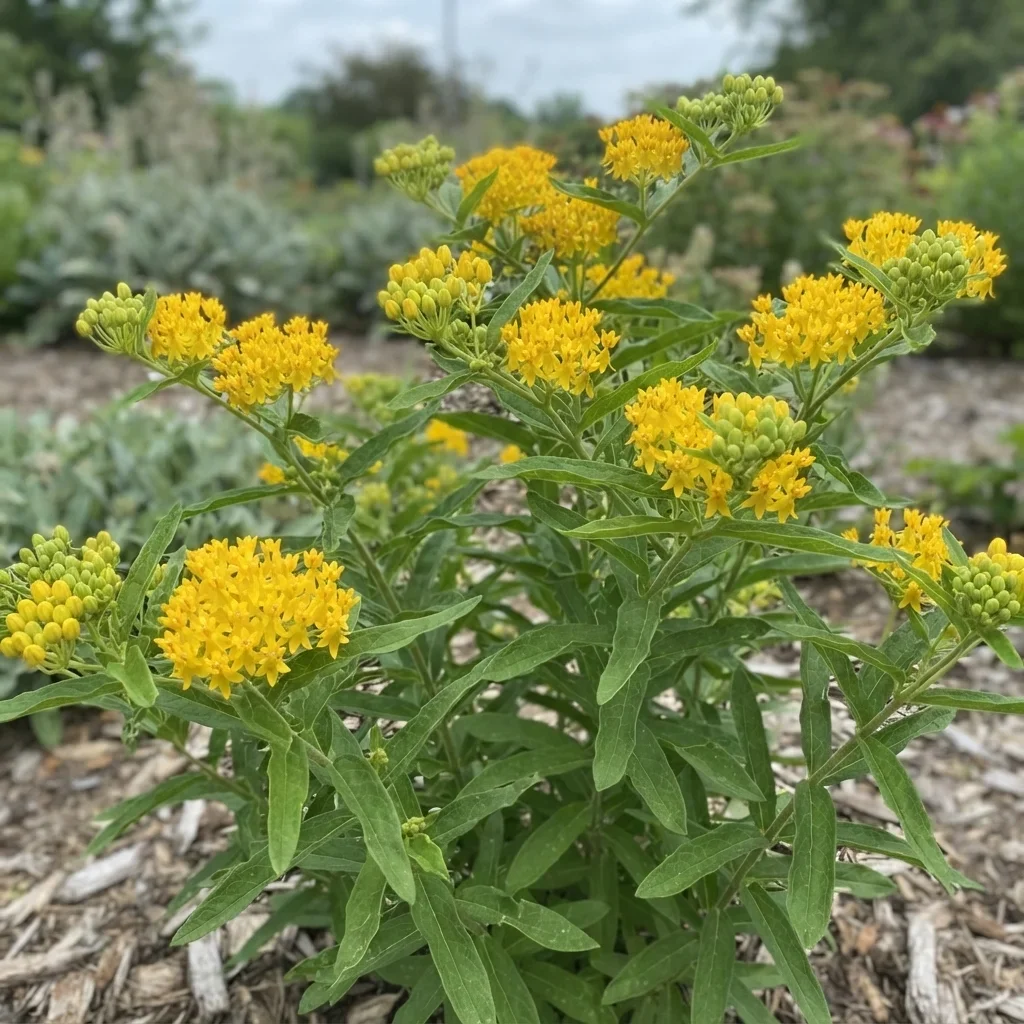
Hello Yellow Butterfly Weed
Asclepias tuberosa 'Hello Yellow'
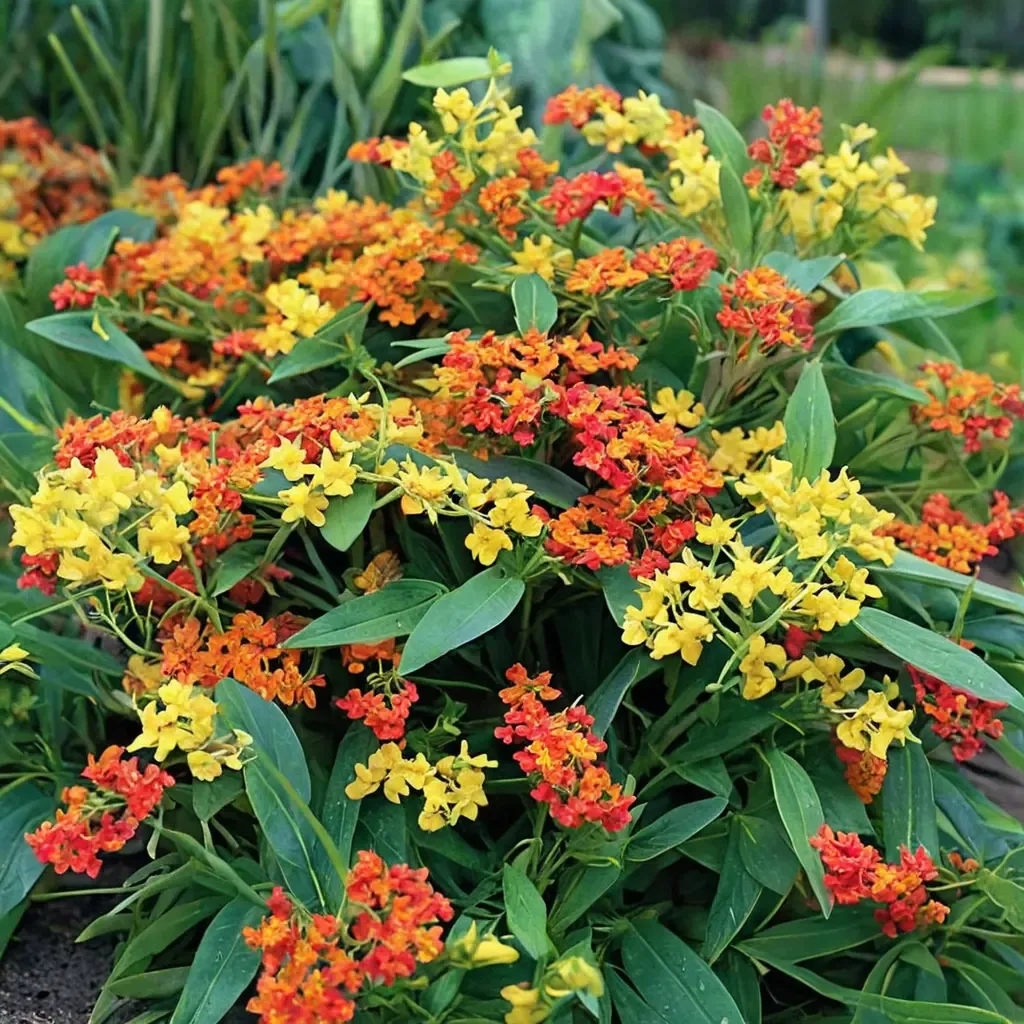
Gay Butterflies Mix Butterfly Weed
Asclepias tuberosa 'Gay Butterflies Mix'
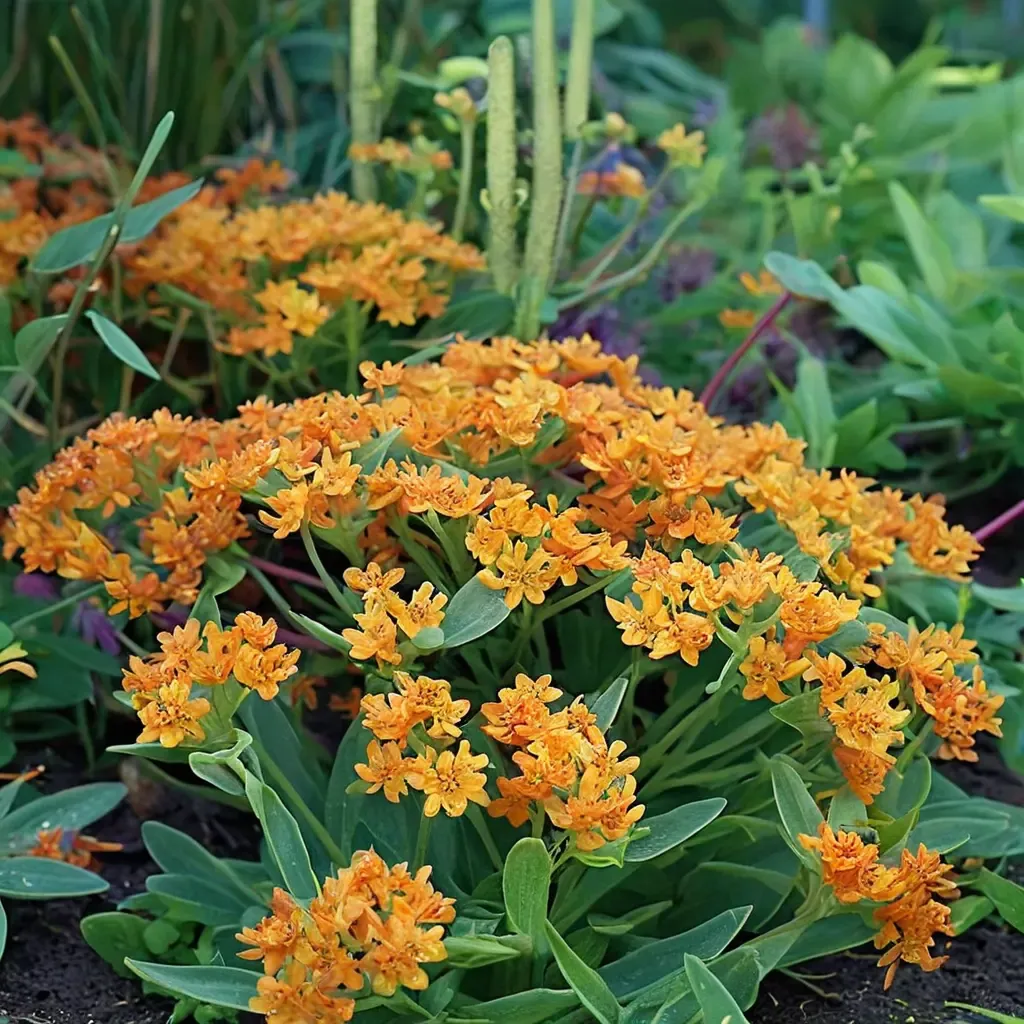
Butterfly Weed Gay Butterflies Milkweed
Asclepias tuberosa 'Gay Butterflies'
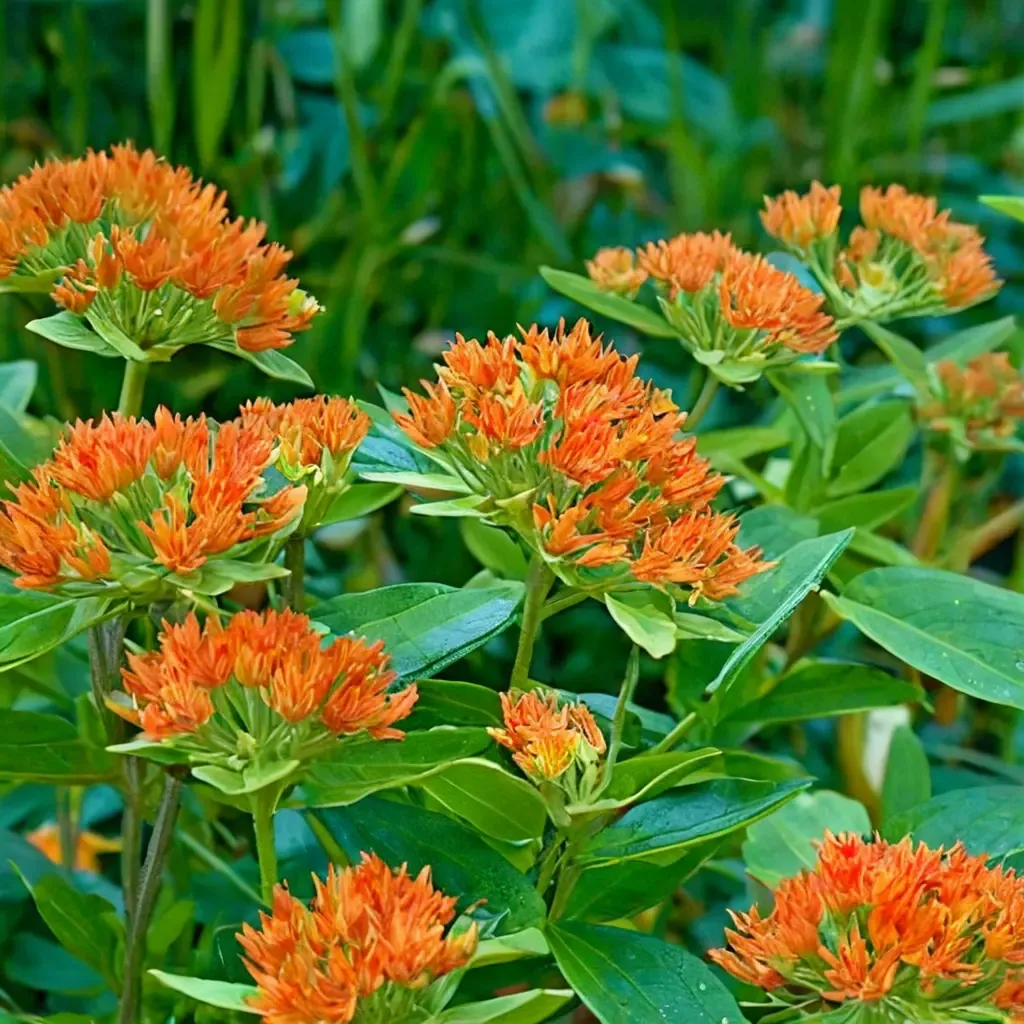
Butterfly Garden Butterfly Weed
Asclepias tuberosa 'Deluxe Butterfly Garden'
Keep exploring
Explore the genus
Guides
Hardy in your zone?
Grow Woollypod Milkweed with confidence
See it in a design of your actual yard, get zone-matched care reminders, and track it season by season in your garden journal.