The Story
Plant Bio
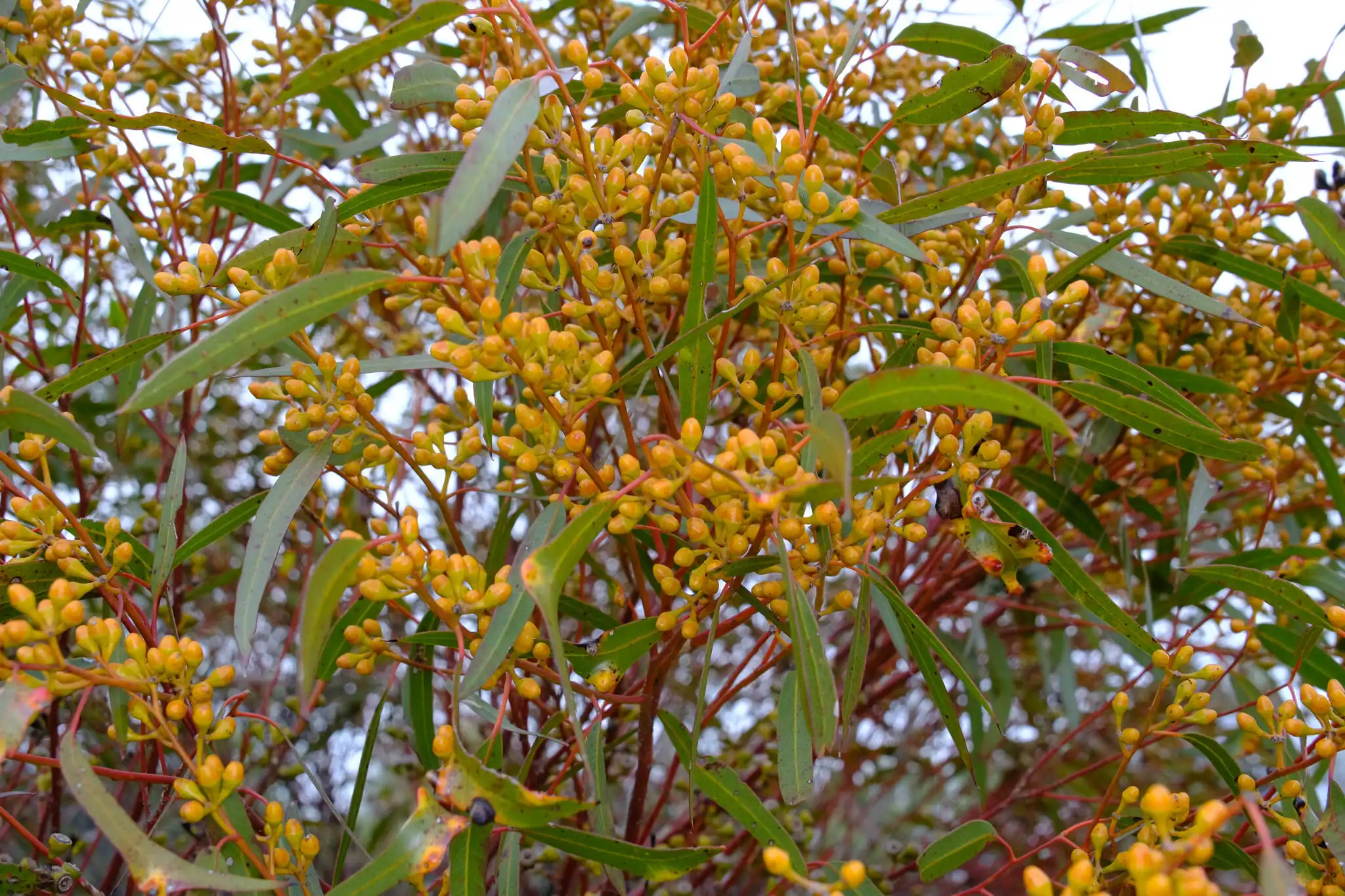
Eucalyptus albida, the white-leaved mallee, is an evergreen multi-stemmed shrub or small tree from southwestern Western Australia that reaches about 10 feet in gardens, resprouting from a woody lignotuber at the base. It carries oil-rich foliage and produces white to creamy-white nectar-bearing blossoms in summer that draw birds and bees.
The distinction is the two-tone foliage held on one plant: young stems clasp tight opposite oval leaves in waxy white to gray-white, while mature branches carry alternate stalked narrow leaves in glossy dark green. Fresh growth emerges rounded and smoky greenish-white before hardening off, so unpruned plants hold the pale juvenile crown longest.
Uses & Benefits:
Essentials
At a Glance
Plant Type
Shrub
Height
120"
Width
120"
Light
Full Sun
Zones
8, 9, 10
Water
Low
Humidity
Low
Lifespan
Long-lived shrub
Native To
Southwest Western Australia
Toxicity
Toxic if ingested
Bloom period
Summer
In flower about 3 months of the year
Planting
How to Grow
- Plant in full sun in sharply drained sand or loam with pH 5.5 to 7.0, setting the root ball level with the soil surface.
- Water deeply at planting, then allow the top several inches to dry before watering again.
- Shelter from strong wind and protect young plants from hard frost below about 20 degrees Fahrenheit.
- Water infrequently once established; mature plants tolerate drought and need only occasional deep irrigation.
- Leave unpruned except to remove damaged wood in late winter before spring growth starts.
Pro Tip
Skip routine pruning to keep the white juvenile leaves; give it full sun, sharp drainage, and room to dry between waterings.
Keep It Thriving
Care Guide
Do
- Plant in full sun with air movement and fast drainage.
- Let soil dry between waterings.
- Protect first-year plants from hard frost and wind.
Don't
- Do not plant in soggy or poorly drained clay that stays wet.
- Do not prune annually or cut for shape; remove only damaged wood.
- Do not overwater or fertilize heavily once established.
Seasonal Care Calendar
| Task | Jan | Feb | Mar | Apr | May | Jun | Jul | Aug | Sep | Oct | Nov | Dec |
|---|---|---|---|---|---|---|---|---|---|---|---|---|
| Pest Check | ||||||||||||
| Plant | ||||||||||||
| Propagate | ||||||||||||
| Prune | ||||||||||||
| Winter Prep |
Watch Out For
Pests & Diseases
Common Pests
Common Diseases
In the Garden
Landscape Uses & Companions
Landscape Uses
Multiply
Propagation Methods
Good to Know
Common Questions
White-Leaved Mallee questions
What zones can White-Leaved Mallee grow in?
White-Leaved Mallee is hardy in USDA Zones 8–10: in that range it survives winter in the ground. Colder than Zone 8, grow it in a container you can move to shelter for the winter.
When does White-Leaved Mallee bloom?
White-Leaved Mallee typically blooms in summer. Exact timing shifts a week or two with your zone — Sow's bloom calendar maps it to your garden.
Does White-Leaved Mallee need full sun?
White-Leaved Mallee does best in full sun (6+ hours).
Is White-Leaved Mallee drought tolerant?
Yes — once established (usually after the first full season), White-Leaved Mallee handles dry spells with minimal watering. Water deeply its first year to build the root system that makes that possible.
More Eucalyptus to compare
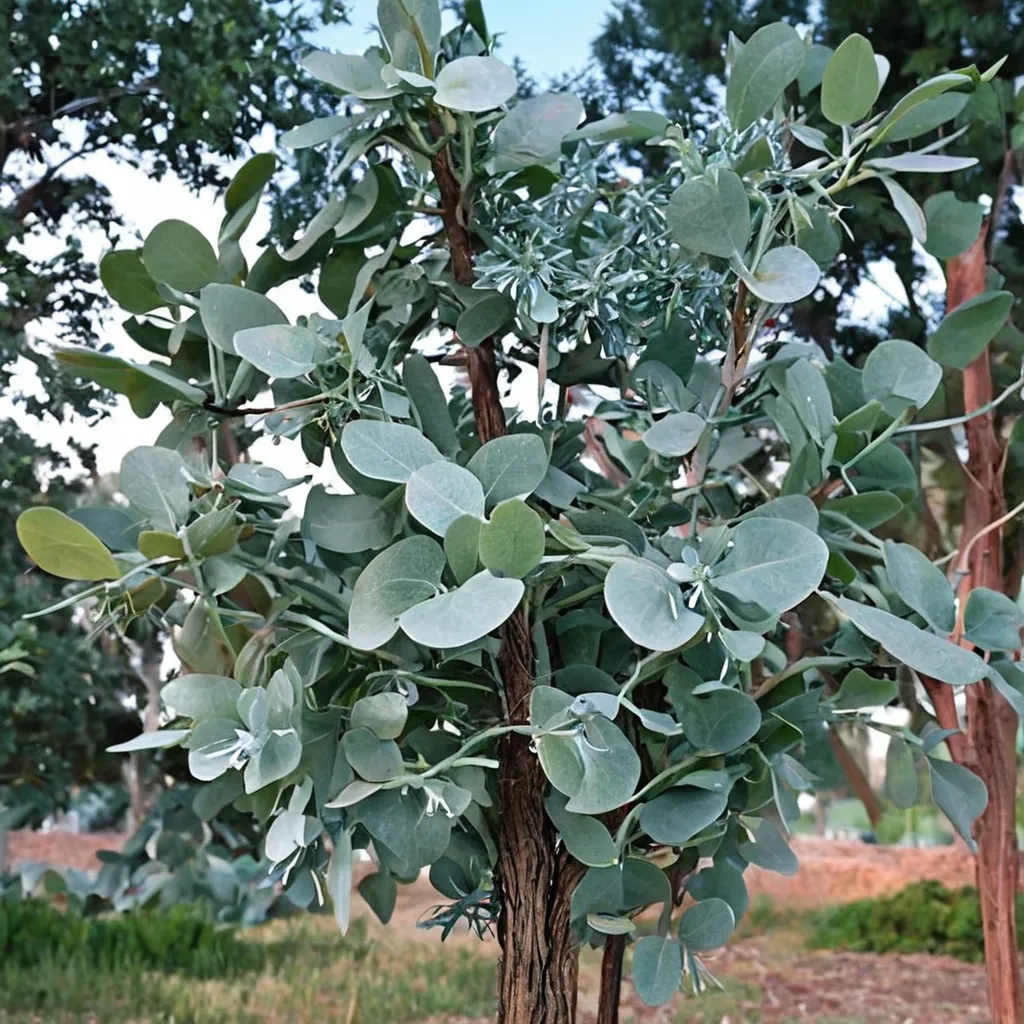
Silver Dollar Eucalyptus
Eucalyptus cinerea
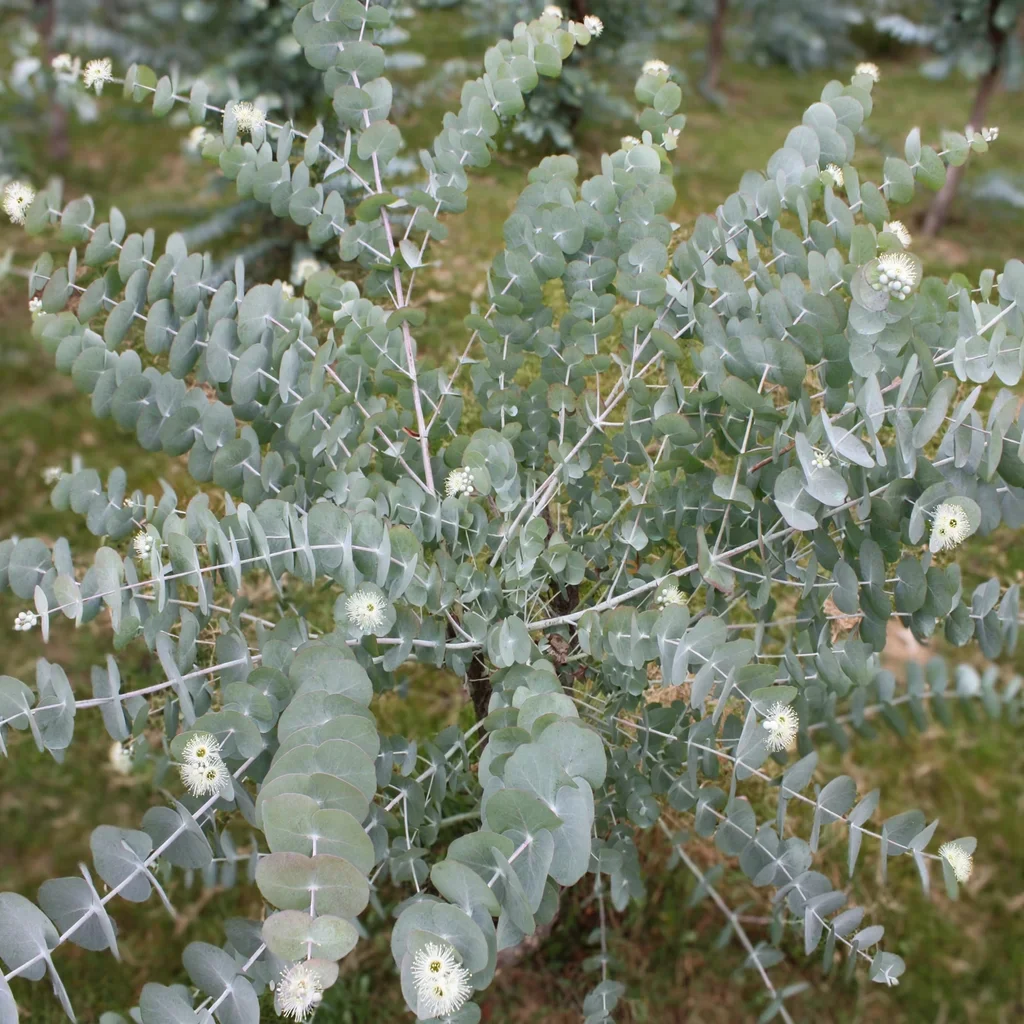
Silver Dollar Tree
Eucalyptus cinerea 'Silver Dollar Tree'
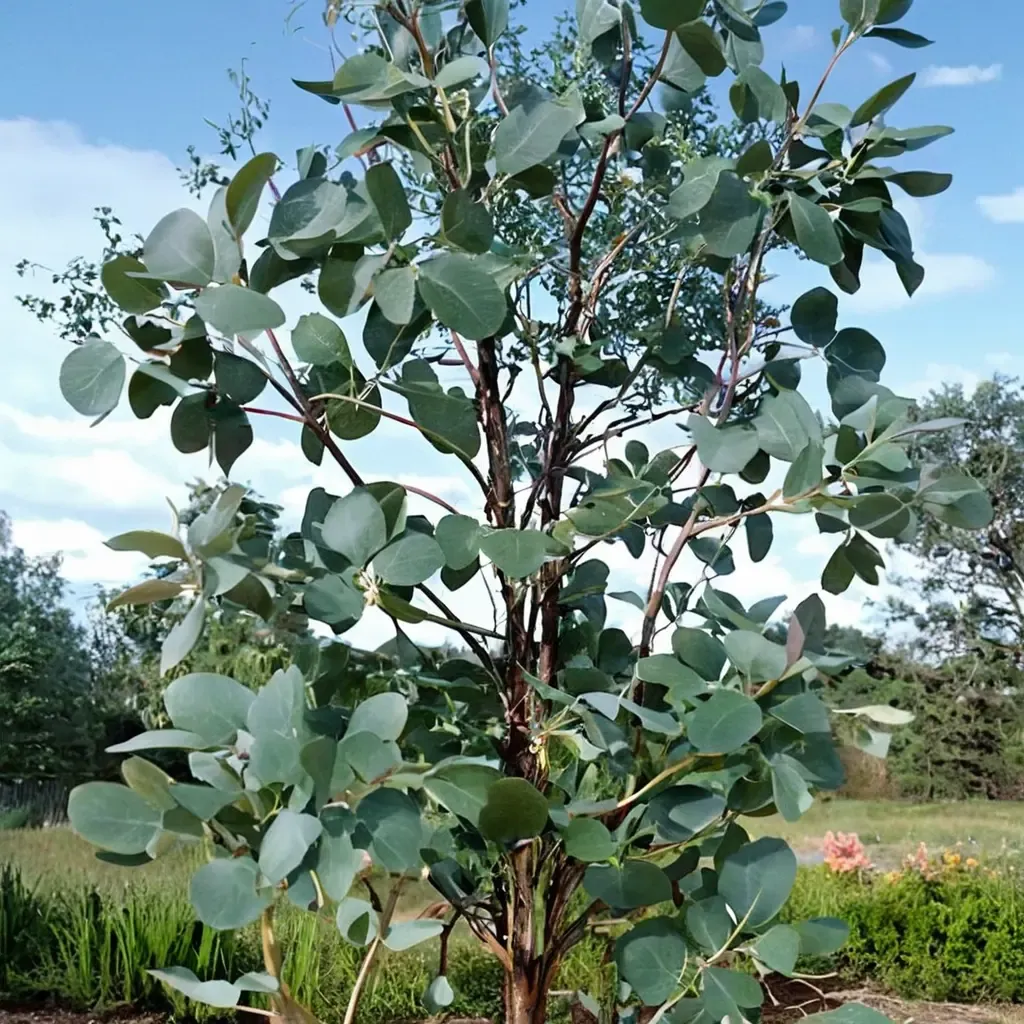
Omeo Gum
Eucalyptus neglecta
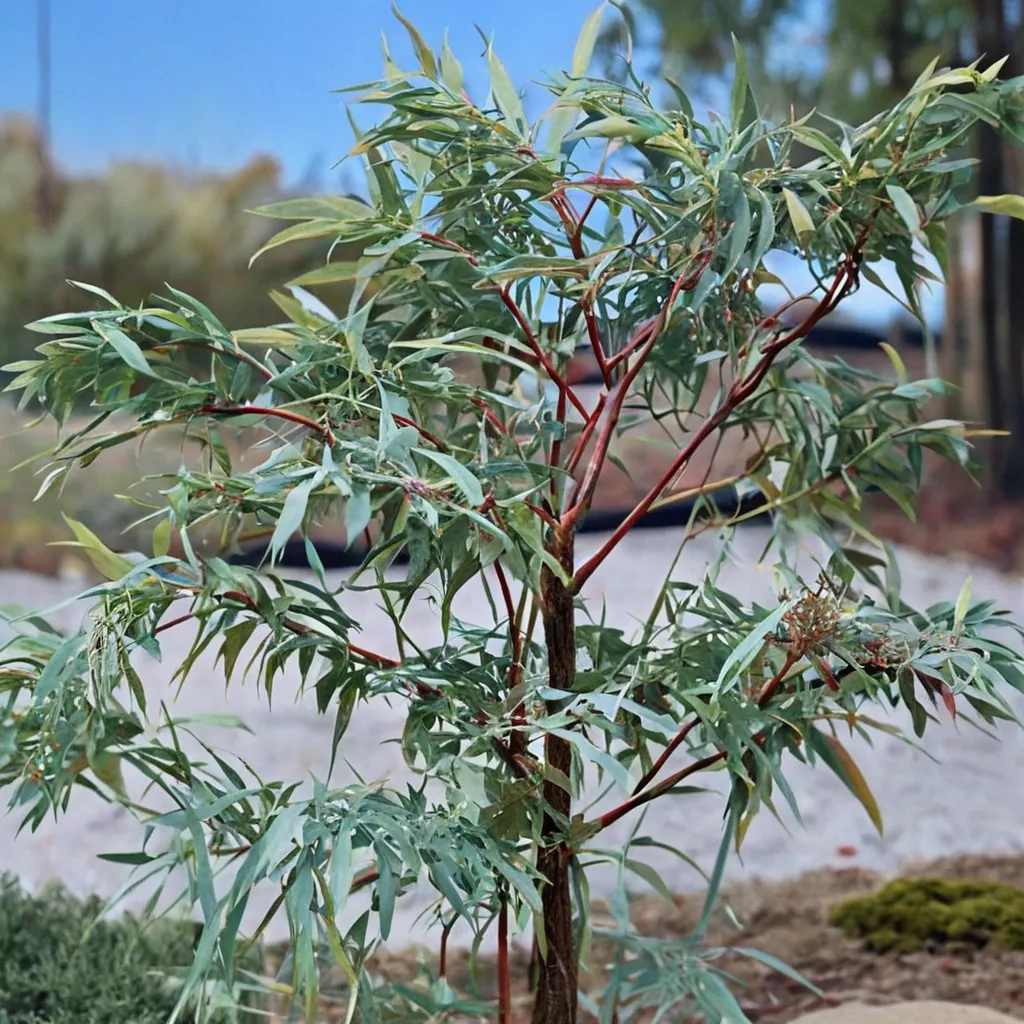
Narrow-leaved Peppermint Eucalyptus
Eucalyptus nicholii
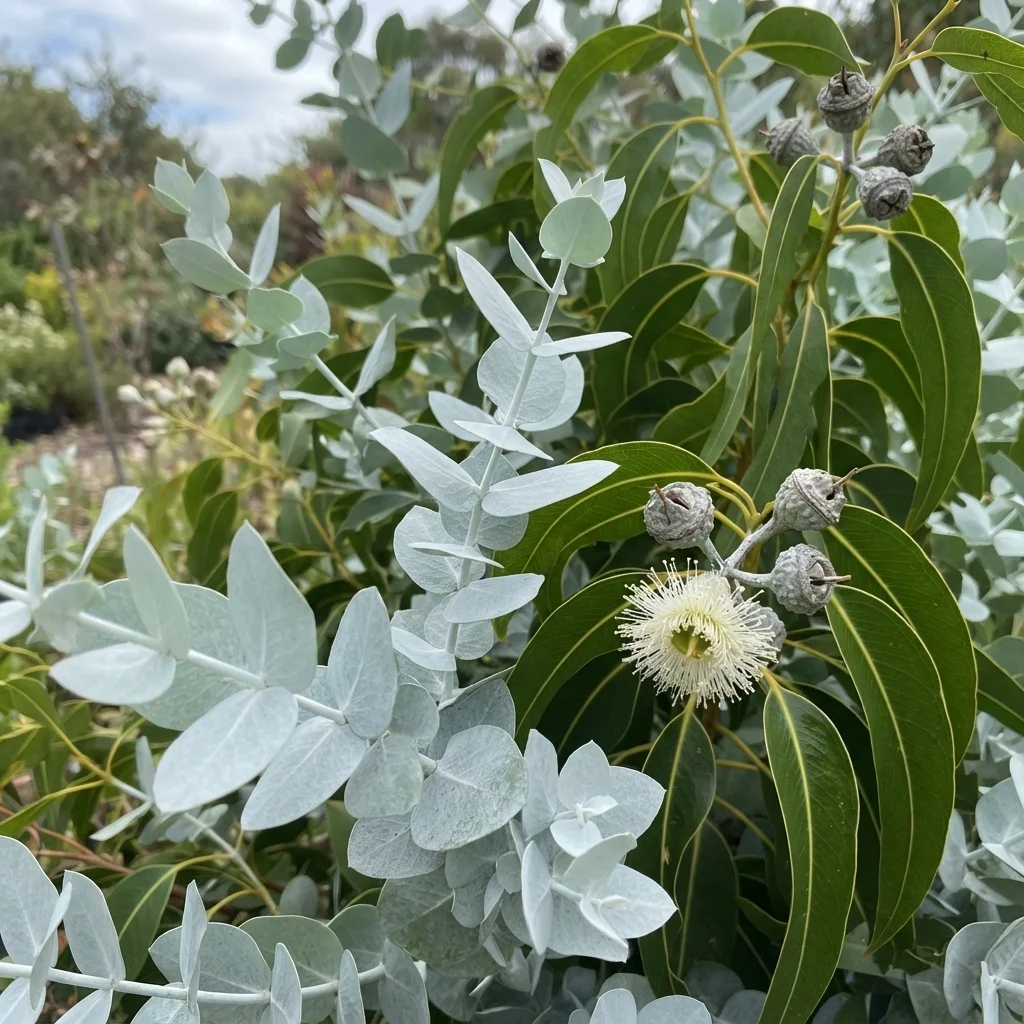
Tasmanian Blue Gum
Eucalyptus globulus
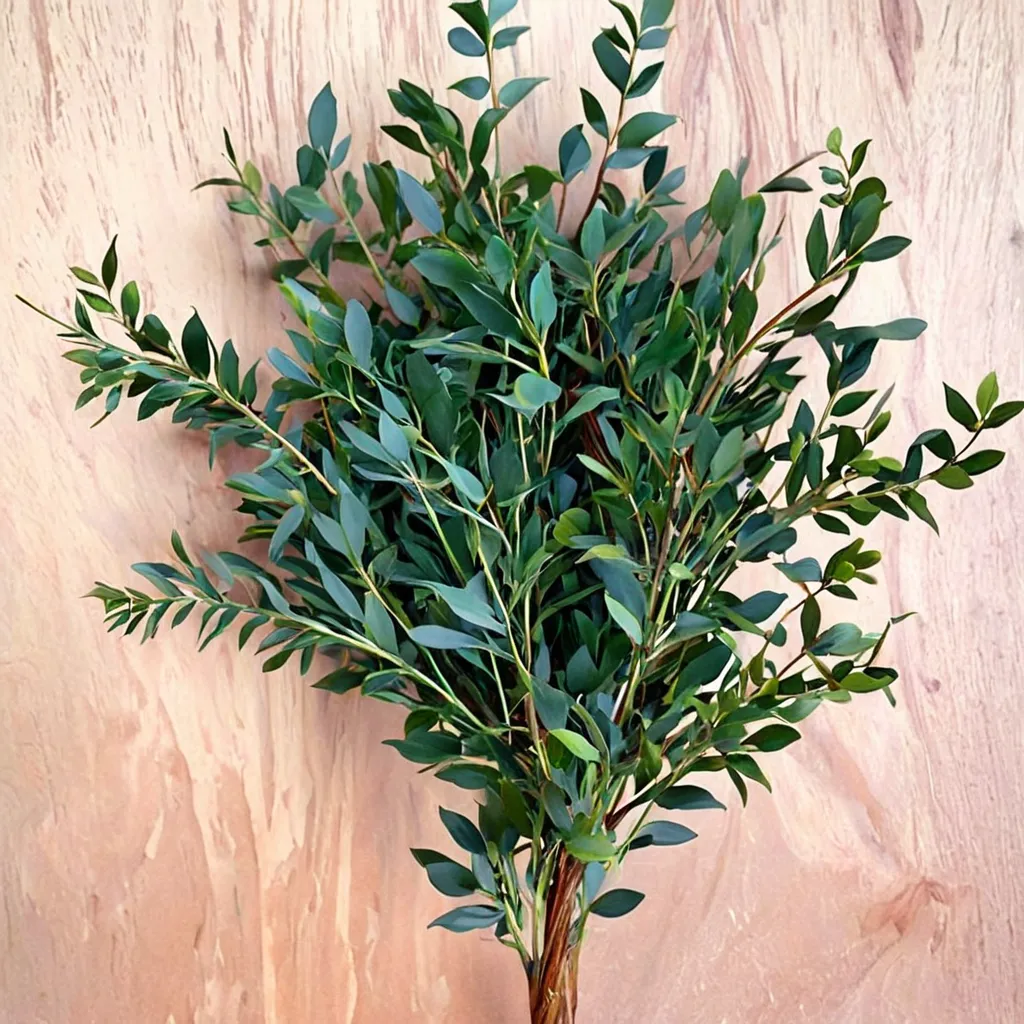
Small-leaved Gum
Eucalyptus parvula
Keep exploring
Explore the genus
Hardy in your zone?
Grow White-Leaved Mallee with confidence
See it in a design of your actual yard, get zone-matched care reminders, and track it season by season in your garden journal.