
The Story
Plant Bio
Rubus niveus is a sprawling bramble with arching canes coated in a white waxy bloom and armed with stout quarter-inch prickles. The leaves are pinnate with five to nine leaflets, dark green above and densely white-felted beneath, with arching canes that root at the tips to form thickets.
Plants sold as Rubus albescens are this Asian species, bearing short terminal panicles of small red petals shorter than the sepals. The ovoid fruits hold fine white hairs and ripen from green through red to black with juicy sweet flesh.
Uses & Benefits:
Essentials
At a Glance
Plant Type
Fruit Vegetable
Height
120"
Width
96"
Light
Full Sun, Partial Sun
Zones
7, 8, 9, 10
Water
Medium
Humidity
Tolerates high humidity
Lifespan
Perennial; individual canes biennial
Native To
Asia: Himalayas to China and Malesia
Toxicity
Unknown; sharp spines
Bloom period
Spring – Summer
In flower about 6 months of the year
Planting
How to Grow
- Plant in spring after last frost, spacing crowns 6 to 8 feet apart to allow arching canes.
- Set the crown at soil level, firm back and water in deeply.
- Tie new primocanes to a stout wire trellis to keep fruit off the ground.
- Cut fruited floricanes to the base after harvest and pull tip-rooted suckers outside the row.
Pro Tip
Cut fruited floricanes to the base after harvest and lift tip-rooted cane ends before they anchor.
Keep It Thriving
Care Guide
Do
- Tie new primocanes to support to keep fruit off soil
- Pick ripe black fruit promptly to reduce rot
- Remove tip-rooted suckers beyond the row
Don't
- Do not plant in Hawaii or Florida where it is invasive
- Do not leave fruited canes standing to crowd new growth
- Do not handle canes without gloves and eye protection
Seasonal Care Calendar
| Task | Jan | Feb | Mar | Apr | May | Jun | Jul | Aug | Sep | Oct | Nov | Dec |
|---|---|---|---|---|---|---|---|---|---|---|---|---|
| Harvest | ||||||||||||
| Pest Check | ||||||||||||
| Plant | ||||||||||||
| Prune |
Watch Out For
Pests & Diseases
Common Pests
Common Diseases
In the Garden
Landscape Uses & Companions
Landscape Uses
Companion Plants
Multiply
Propagation Methods
Good to Know
Common Questions
Mysore Raspberry questions
What zones can Mysore Raspberry grow in?
Mysore Raspberry is hardy in USDA Zones 7–10: in that range it survives winter in the ground. Colder than Zone 7, grow it in a container you can move to shelter for the winter, or as an annual.
When does Mysore Raspberry bloom?
Mysore Raspberry typically blooms from spring to summer. Exact timing shifts a week or two with your zone — Sow's bloom calendar maps it to your garden.
Does Mysore Raspberry need full sun?
Mysore Raspberry does best in full sun to part shade. In hot climates, afternoon shade keeps blooms fresher longer.
More Rubus to compare
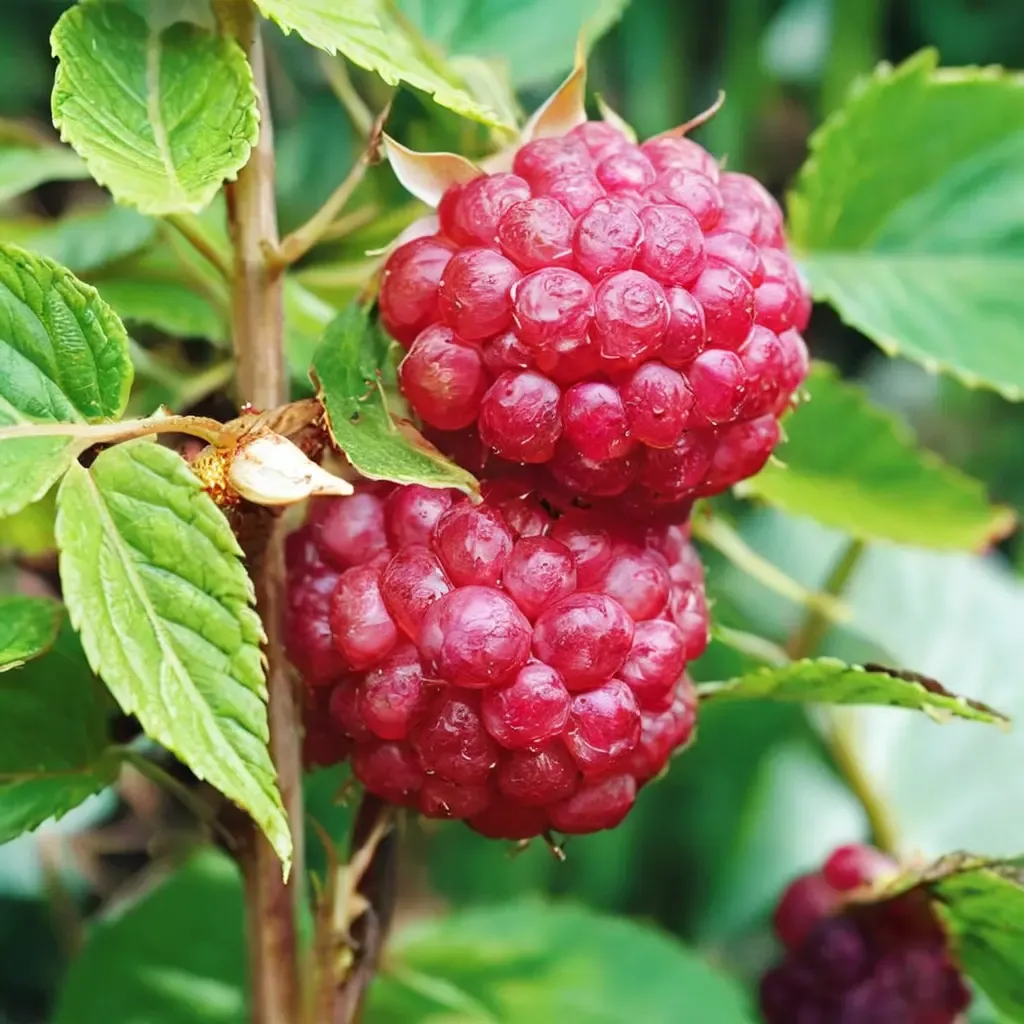
Mammoth Red Raspberry
Rubus idaeus 'Mammoth Red'
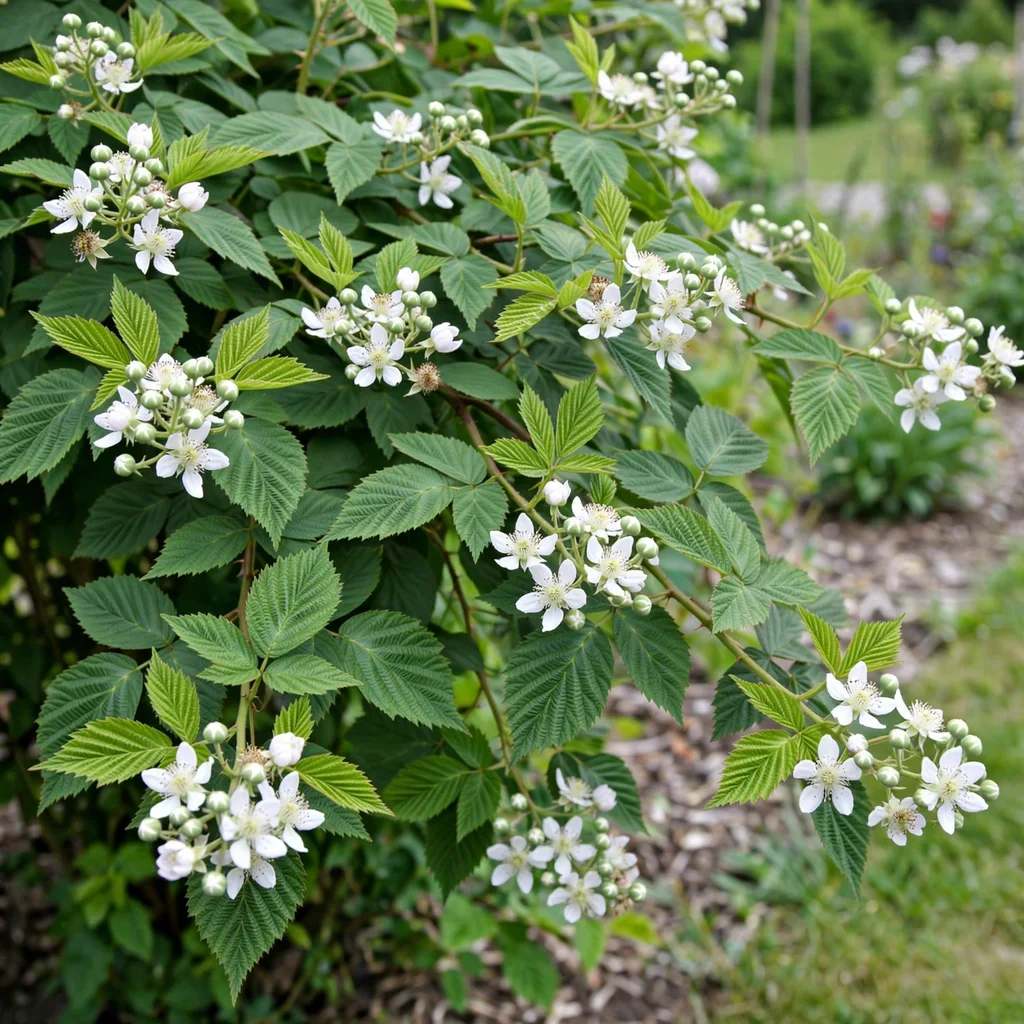
Triple Crown Blackberry
Rubus fruticosus 'Triple Crown'
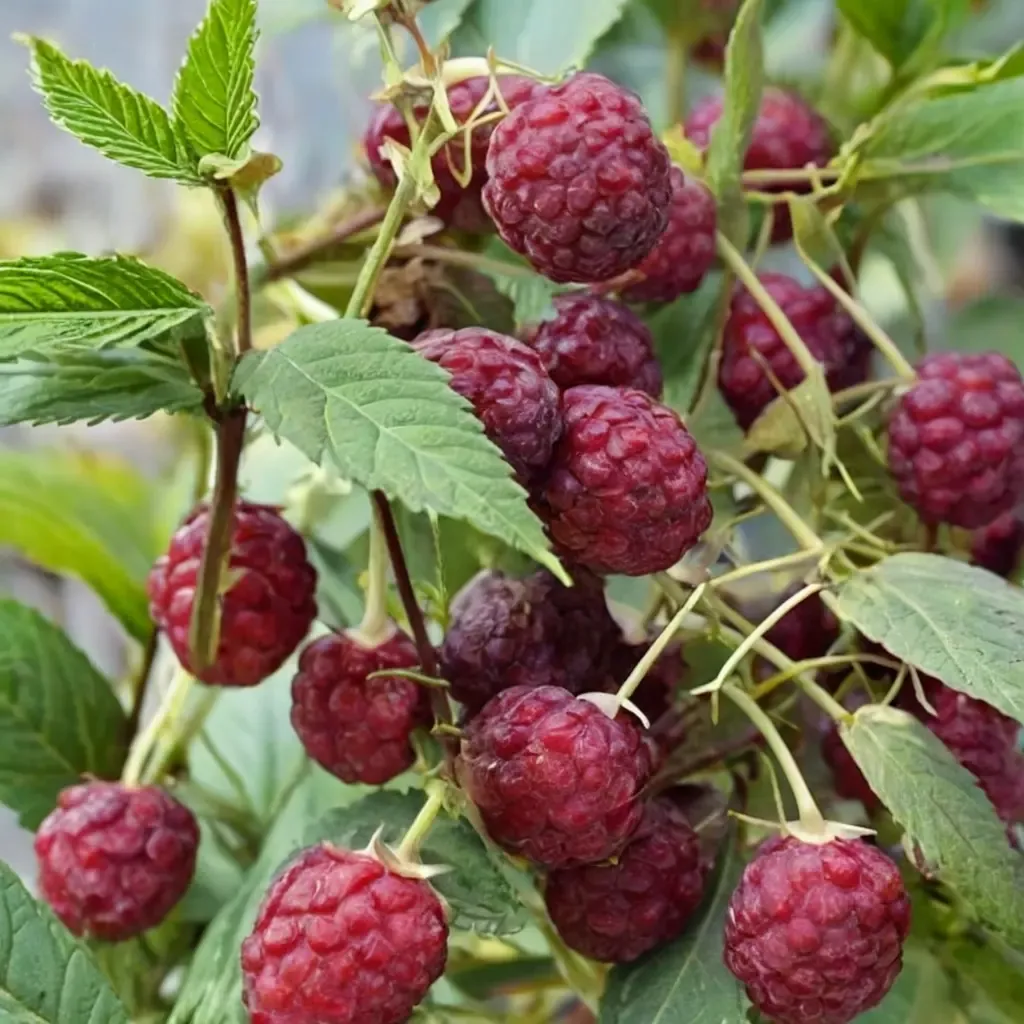
Crimson Night Raspberry
Rubus idaeus 'Crimson Night'
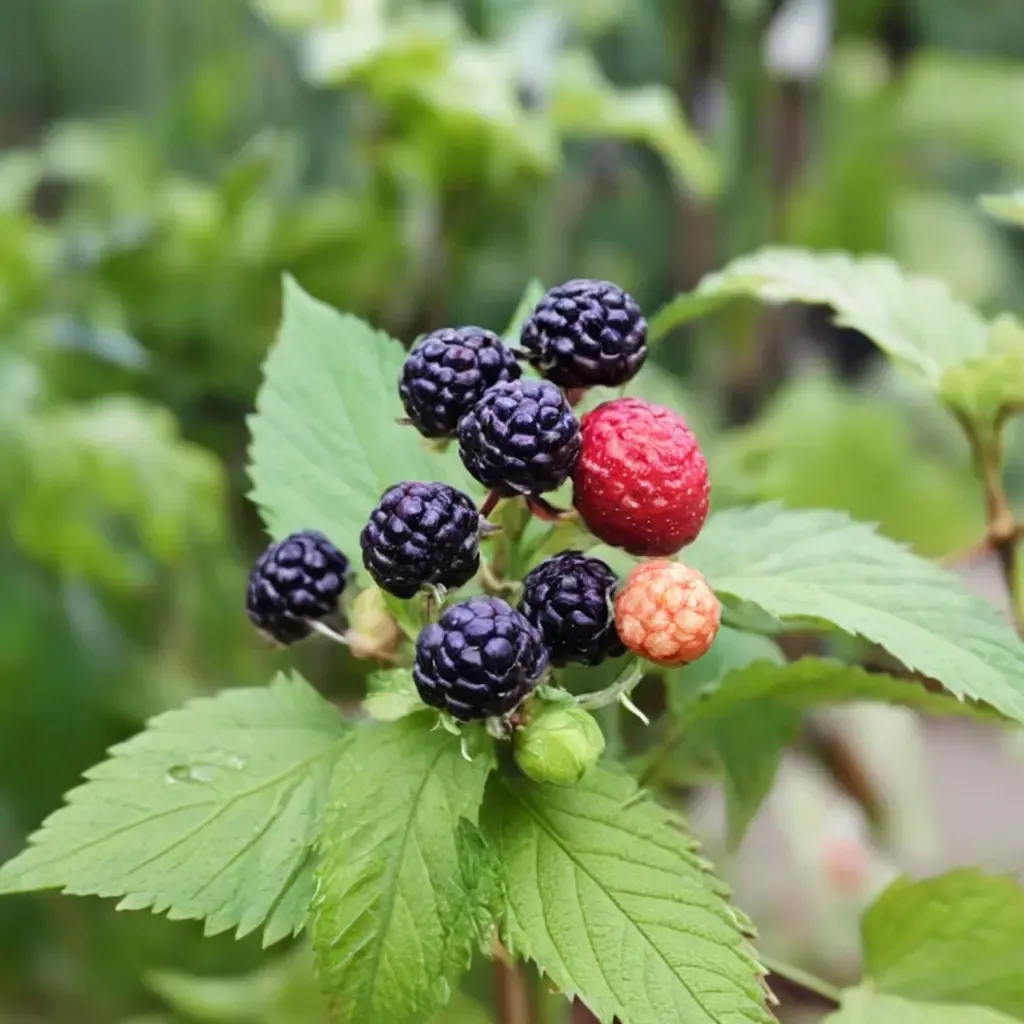
Jewel Black Raspberry
Rubus idaeus 'Jewel'
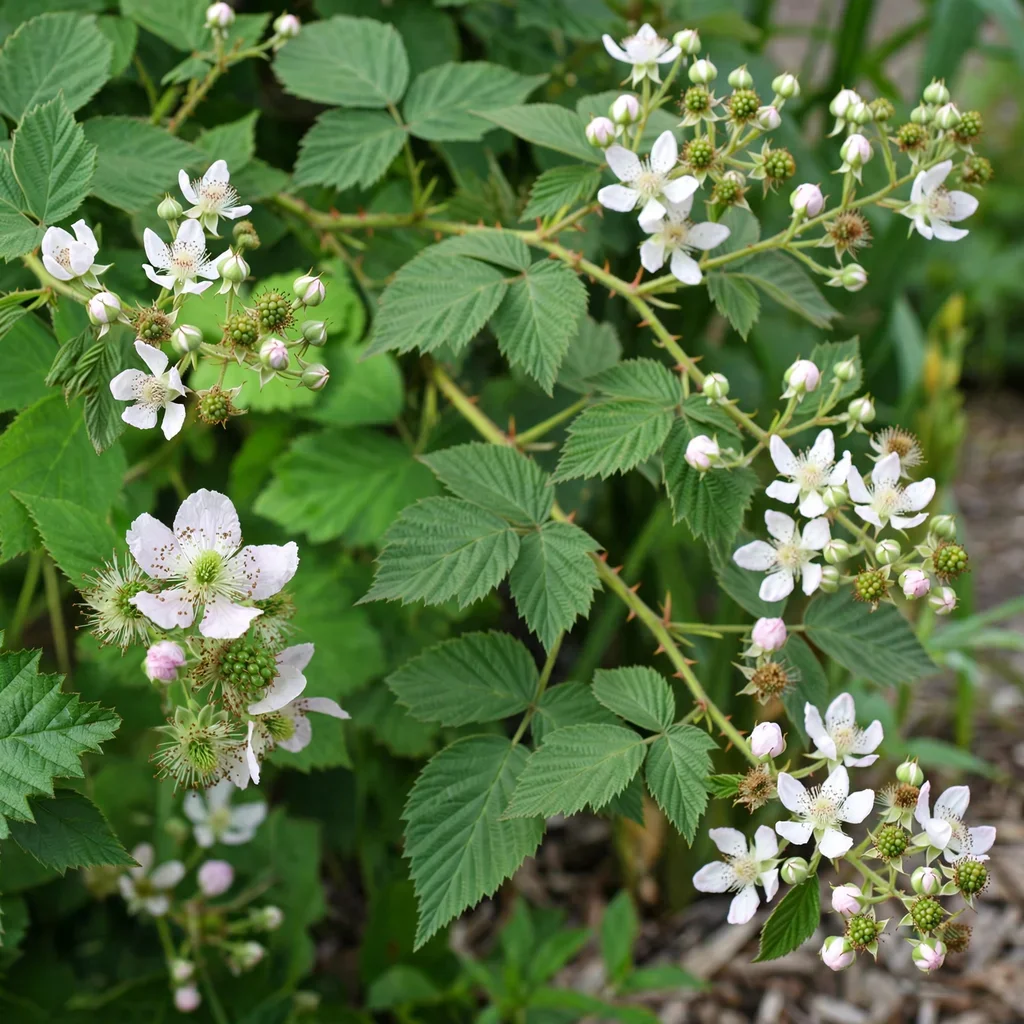
Apache Thornless Blackberry
Rubus fruticosus 'Apache Thornless'
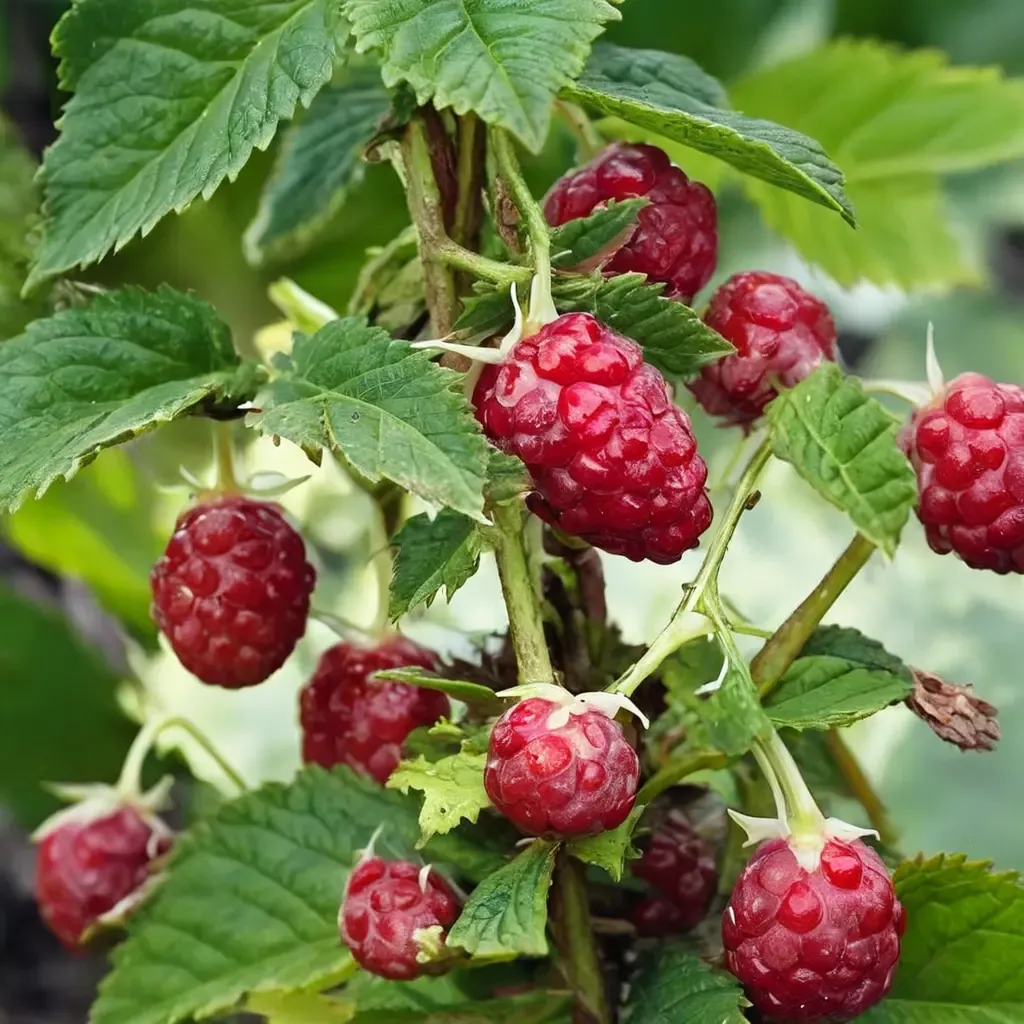
Canby raspberry
Rubus idaeus 'Canby'
Keep exploring
Explore the genus
Hardy in your zone?
Grow Mysore Raspberry with confidence
See it in a design of your actual yard, get zone-matched care reminders, and track it season by season in your garden journal.