The Story
Plant Bio
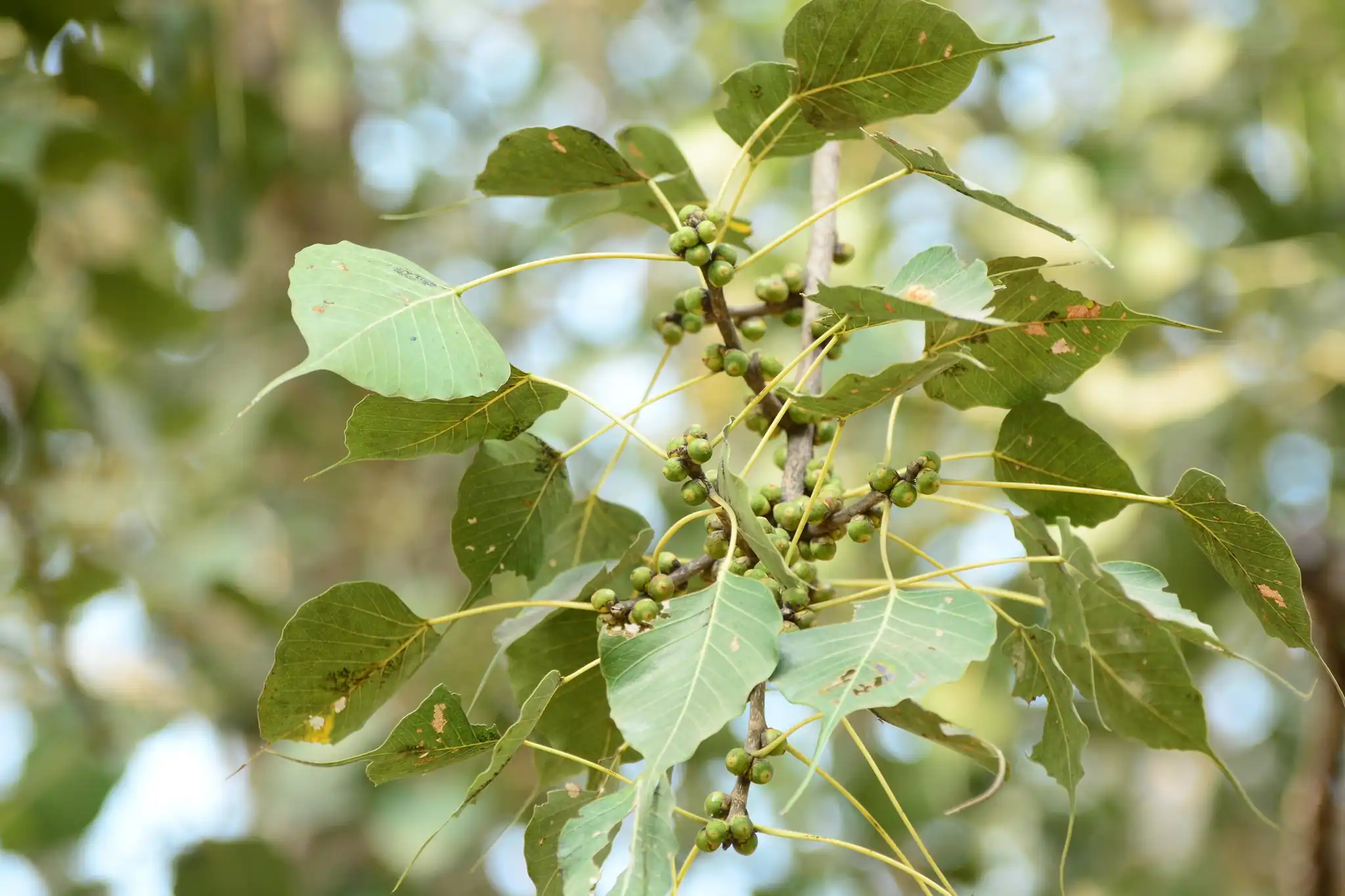
Ficus religiosa is a large broadleaf evergreen fig reaching 60 to 100 feet tall with a wide-spreading crown and a massive pale gray trunk to 9 feet across. It starts as an epiphyte and drops dangling aerial roots that thicken into new trunks, with glossy dark green ovate-rounded leaves to about 7 inches long ending in a long narrow drip tip.
The leaf separates it at a glance, heart-shaped at the base with an extremely long slender tail that flutters in light wind and sheds monsoon rain. Flowers are hidden inside small round figs to about half an inch across, green ripening purple, wasp-pollinated and seedless where the specialist fig wasp is absent.
Uses & Benefits:
Essentials
At a Glance
Plant Type
Tree
Height
960"
Width
960"
Light
Full Sun, Partial Sun
Zones
10
Water
Medium
Humidity
Average
Lifespan
Long-lived
Native To
Indian subcontinent and Indochina
Toxicity
Mildly toxic if ingested, skin irritant
Bloom period
Summer
In flower about 3 months of the year
Planting
How to Grow
- Plant in full sun in average moist well-drained soil in zones 10-12, allowing 60 to 100 feet of crown room clear of buildings and pipes.
- Grow in a large container of soil-based potting mix elsewhere, summering outdoors and wintering indoors in bright indirect light.
- Water regularly through the growing season, then reduce from fall to late winter and never leave the mix soggy.
- Feed lightly in spring and prune to control size for container or bonsai use.
Pro Tip
Site it well clear of buildings, paving and pipes; the crown reaches 60 to 100 feet and the epiphytic roots are aggressive, so in cold climates keep it as a container or bonsai subject you can move indoors.
Keep It Thriving
Care Guide
Do
- Give full sun outdoors and bright indirect light indoors
- Water regularly in growth and let the surface dry between waterings
- Inspect leaf undersides routinely for honeydew, scale and stippling
Don't
- Do not plant near foundations, paving or drains
- Do not overwater containers or leave pots standing in water
- Do not expect outdoor survival below zone 10
Seasonal Care Calendar
| Task | Jan | Feb | Mar | Apr | May | Jun | Jul | Aug | Sep | Oct | Nov | Dec |
|---|---|---|---|---|---|---|---|---|---|---|---|---|
| Pest Check | ||||||||||||
| Plant | ||||||||||||
| Propagate | ||||||||||||
| Winter Prep |
Watch Out For
Pests & Diseases
Common Pests
Common Diseases
In the Garden
Landscape Uses & Companions
Landscape Uses
Multiply
Propagation Methods
Good to Know
Common Questions
Sacred Fig questions
What zones can Sacred Fig grow in?
Sacred Fig is hardy in USDA Zone 10: in that range it survives winter in the ground. Colder than Zone 10, winters are too cold for it to survive outdoors.
When does Sacred Fig bloom?
Sacred Fig typically blooms in summer. Exact timing shifts a week or two with your zone — Sow's bloom calendar maps it to your garden.
Does Sacred Fig need full sun?
Sacred Fig does best in full sun to part shade. In hot climates, afternoon shade keeps blooms fresher longer.
More Ficus to compare
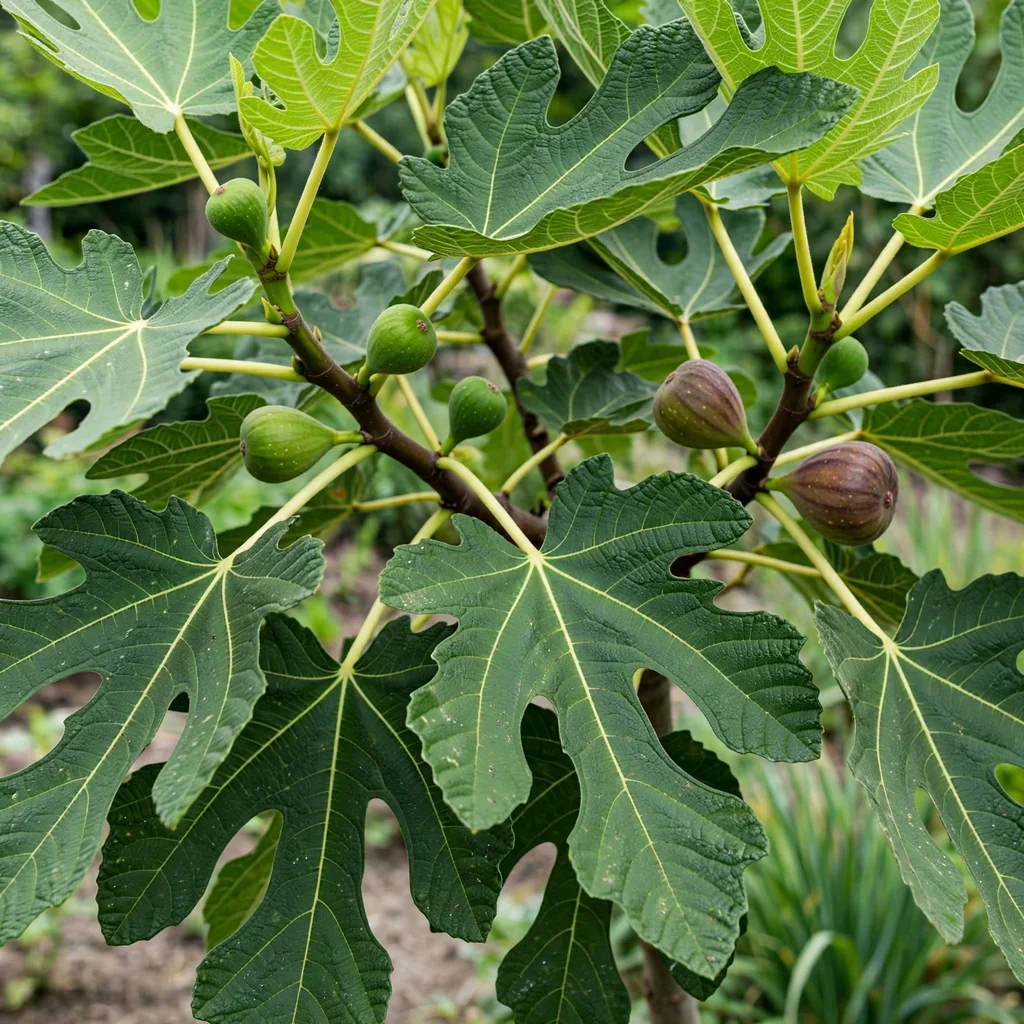
Fig Tree Brown Turkey
Ficus carica 'Brown Turkey'
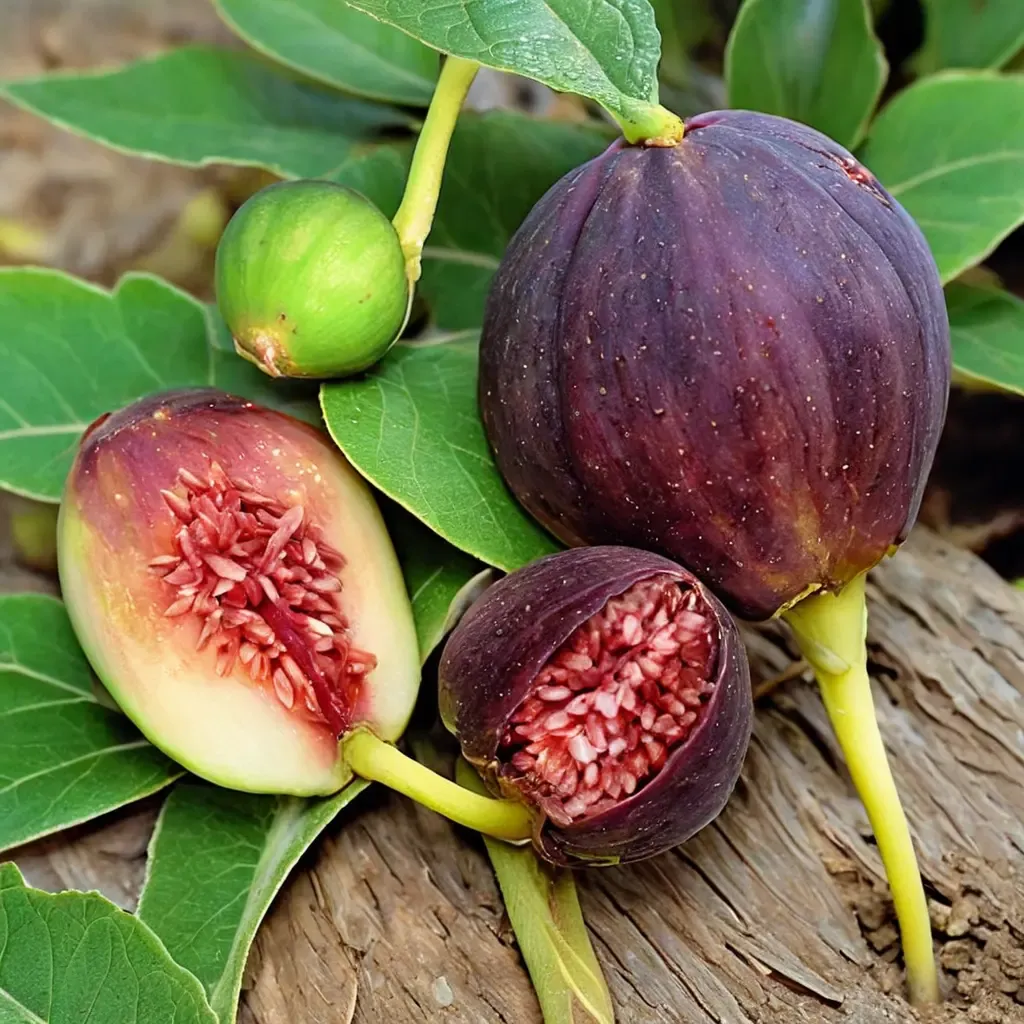
Improved Brown Turkey Fig
Ficus carica 'Improved Brown Turkey'
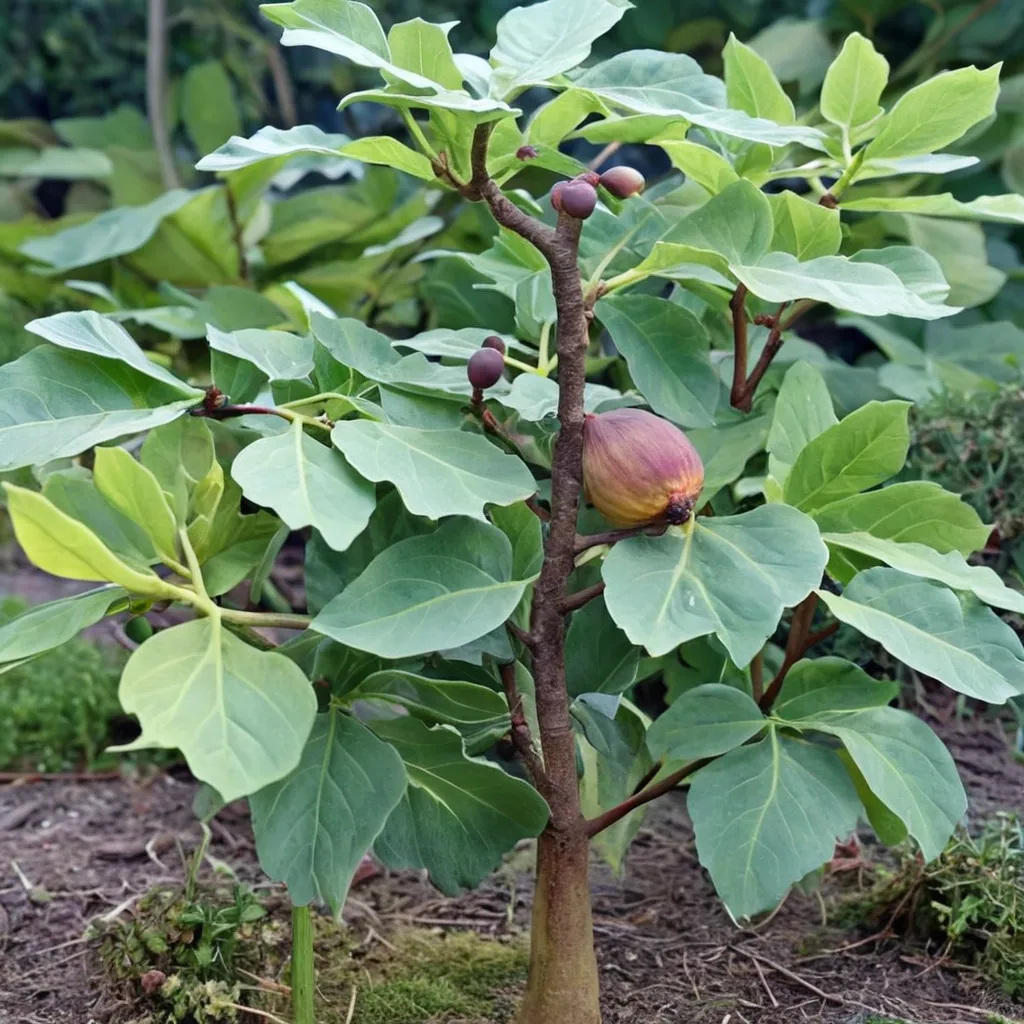
Chicago Hardy Fig
Ficus carica 'Chicago Hardy'
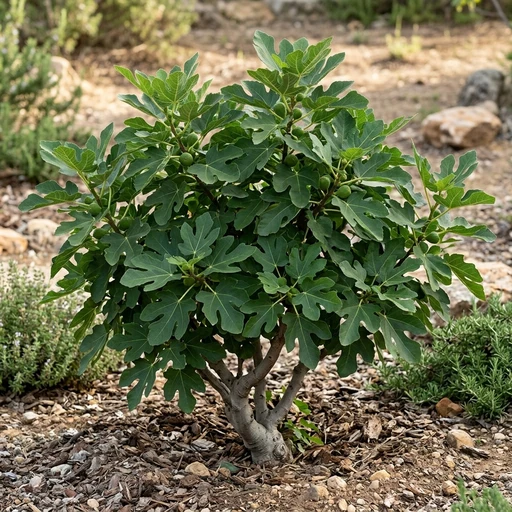
Little Miss Figgy Dwarf Fig
Ficus carica 'Little Miss Figgy'
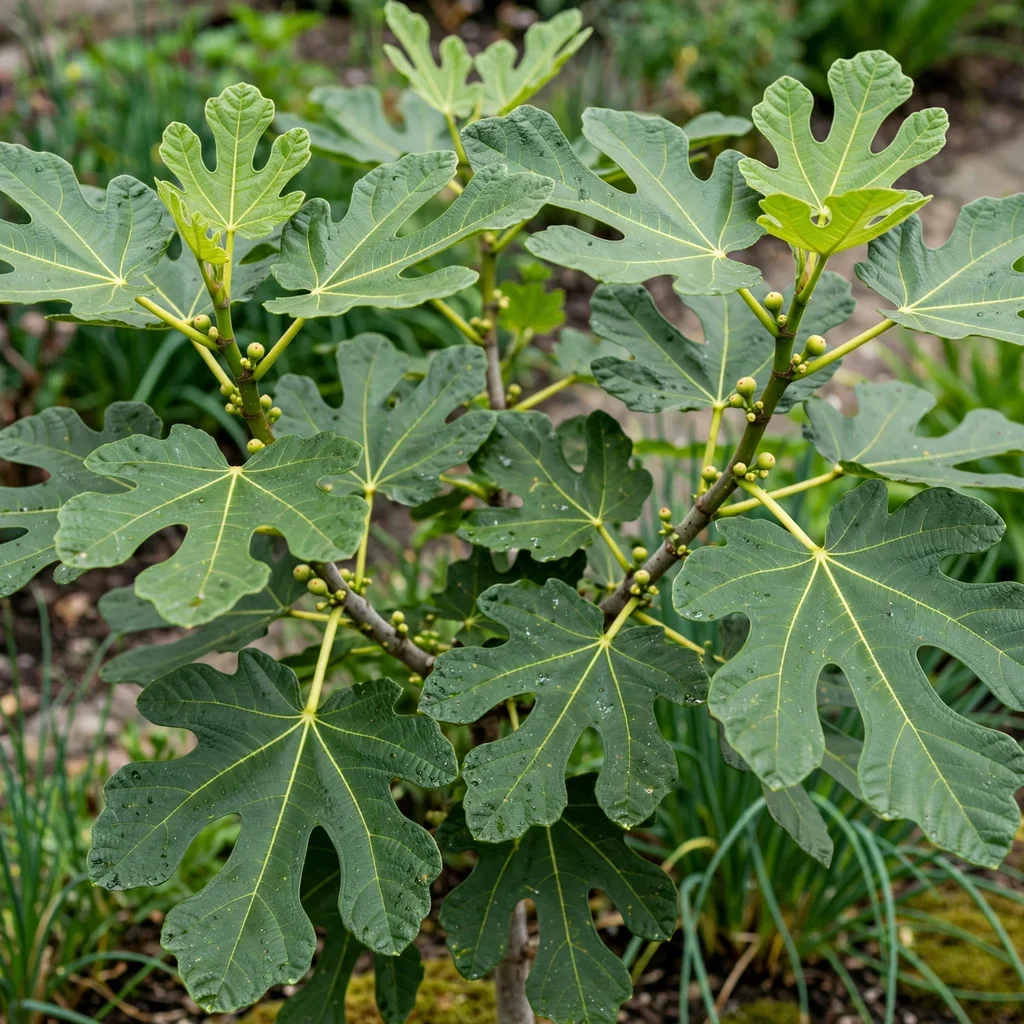
Champagne Fig
Ficus carica 'Champagne'
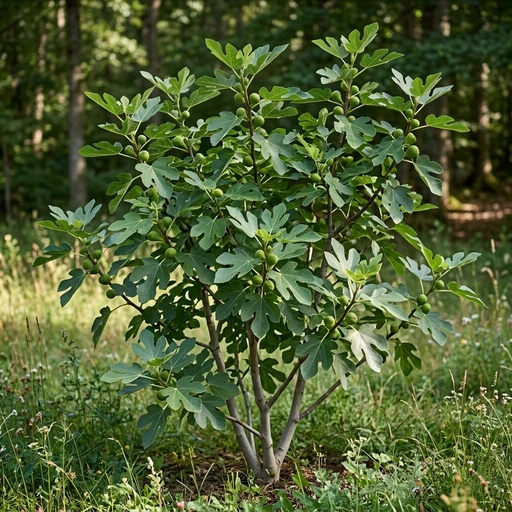
Celeste Fig
Ficus carica 'Celeste'
Keep exploring
Explore the genus
Hardy in your zone?
Grow Sacred Fig with confidence
See it in a design of your actual yard, get zone-matched care reminders, and track it season by season in your garden journal.