The Story
Plant Bio
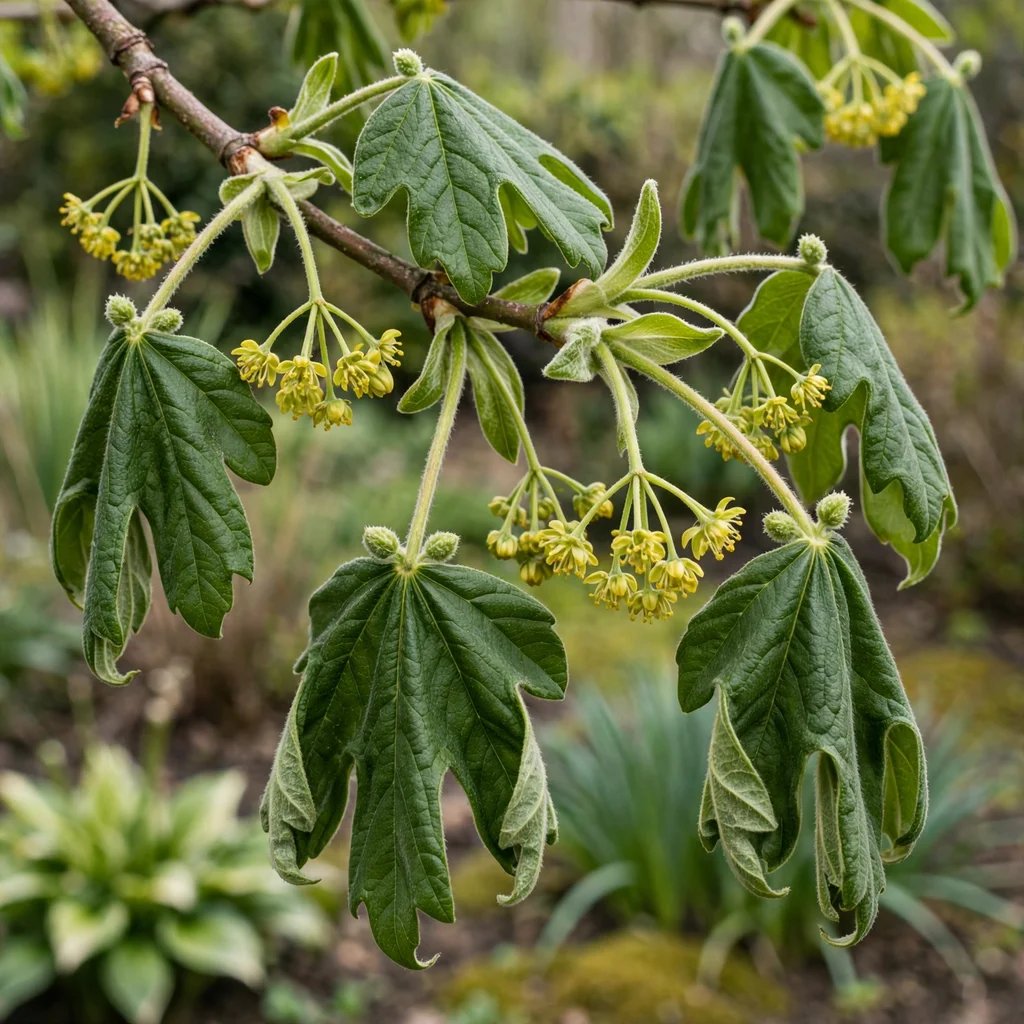
Acer nigrum, commonly known as black maple, is a large deciduous hardwood tree native to eastern North America that forms a dense, rounded canopy with dark, deeply furrowed bark. Its broad three-lobed leaves emerge light green in spring, turn dark dull green above with pale downy undersides in summer, and shift to bright yellow, orange, and red in fall.
Black maple is distinguished from sugar maple by its drooping leaf margins, persistent leafy stipules at the base of the leaf stems, and puberulent leaf undersides. Its small, yellow-green apetalous flowers hang in drooping clusters before leaf expansion, followed by winged samaras in autumn.
Uses & Benefits:
Essentials
At a Glance
Plant Type
Tree
Height
850"
Width
590"
Light
Full Sun, Partial Sun
Zones
4, 5, 6, 7, 8
Water
Medium
Humidity
Moderate
Lifespan
Perennial
Native To
North America
Toxicity
Non-toxic
Bloom period
Spring
In flower about 3 months of the year
Planting
How to Grow
- Select a planting site in full sun or partial shade with deep, moist, well-draining soil.
- Dig a hole twice as wide as the root ball and equal in depth, keeping the root flare level with the surrounding soil line.
- Backfill with native soil, firm gently to eliminate air pockets, and water thoroughly.
- Apply a 3-inch layer of organic mulch over the root zone, keeping it clear of direct contact with the trunk.
Pro Tip
Prune dormant trees only in late fall or midwinter to prevent heavy sap bleeding from fresh wounds.
Keep It Thriving
Care Guide
Do
- Plant in rich, moist loams with good natural drainage.
- Maintain a consistent organic mulch layer to keep soil cool and retain moisture.
- Rake up fallen leaf litter in late fall to reduce overwintering fungal spores.
Don't
- Do not plant in compacted or waterlogged urban soils.
- Do not prune in early spring while internal sap pressure is high.
- Do not cut back severely into old, leafless wood.
Seasonal Care Calendar
| Task | Jan | Feb | Mar | Apr | May | Jun | Jul | Aug | Sep | Oct | Nov | Dec |
|---|---|---|---|---|---|---|---|---|---|---|---|---|
| Fertilize | ||||||||||||
| Mulch | ||||||||||||
| Pest Check | ||||||||||||
| Prune | ||||||||||||
| Spring Cleanup |
Watch Out For
Pests & Diseases
Common Pests
Common Diseases
In the Garden
Landscape Uses & Companions
Landscape Uses
Companion Plants
Multiply
Propagation Methods
Good to Know
Common Questions
Black Maple questions
What zones can Black Maple grow in?
Black Maple is hardy in USDA Zones 4–8: in that range it survives winter in the ground. Warmer than Zone 8, winter isn't the problem: it prefers colder winters, and summer heat can shorten its life.
Is Black Maple deer resistant?
Not reliably. Deer may browse Black Maple, especially tender spring growth — plan on repellents or fencing where pressure is high.
When does Black Maple bloom?
Black Maple typically blooms in spring. Exact timing shifts a week or two with your zone — Sow's bloom calendar maps it to your garden.
Does Black Maple need full sun?
Black Maple does best in full sun to part shade. In hot climates, afternoon shade keeps blooms fresher longer.
More Acer to compare
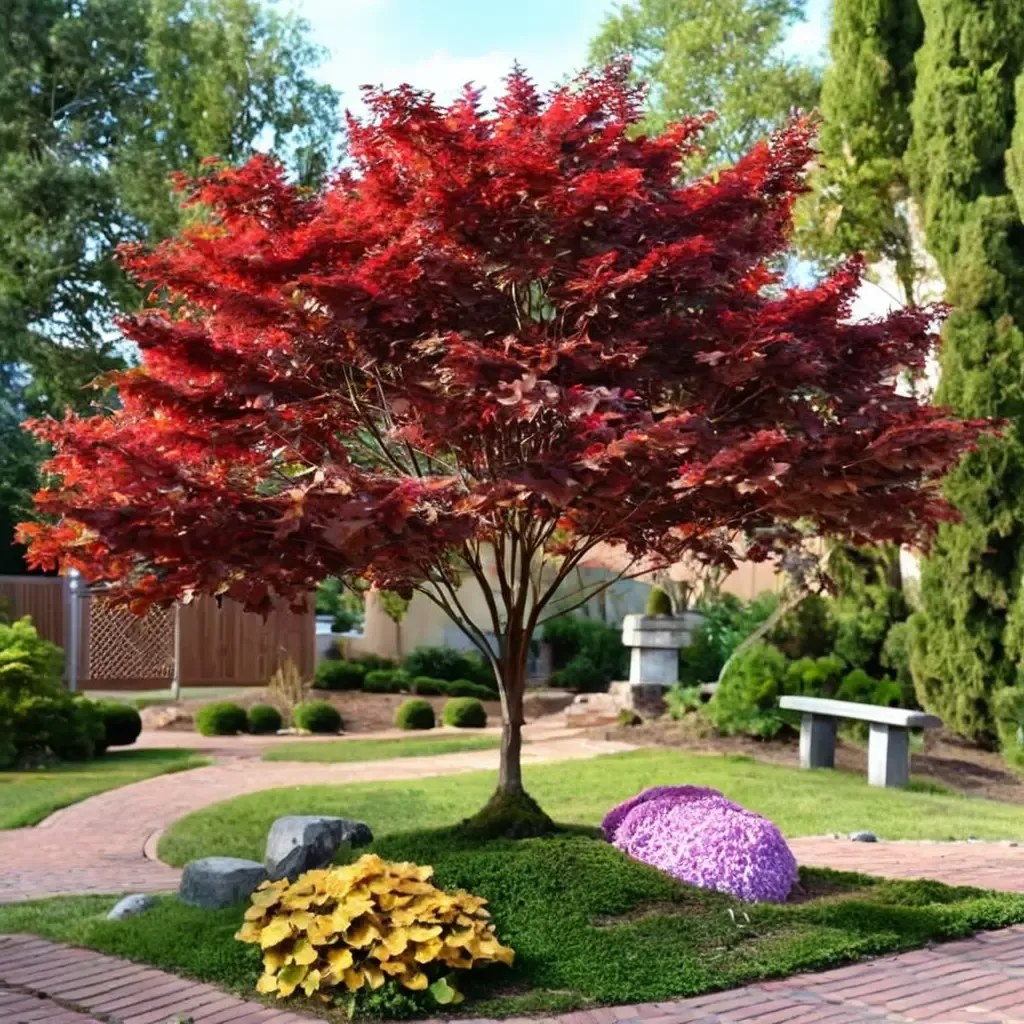
Bloodgood Japanese Maple
Acer palmatum 'Bloodgood'
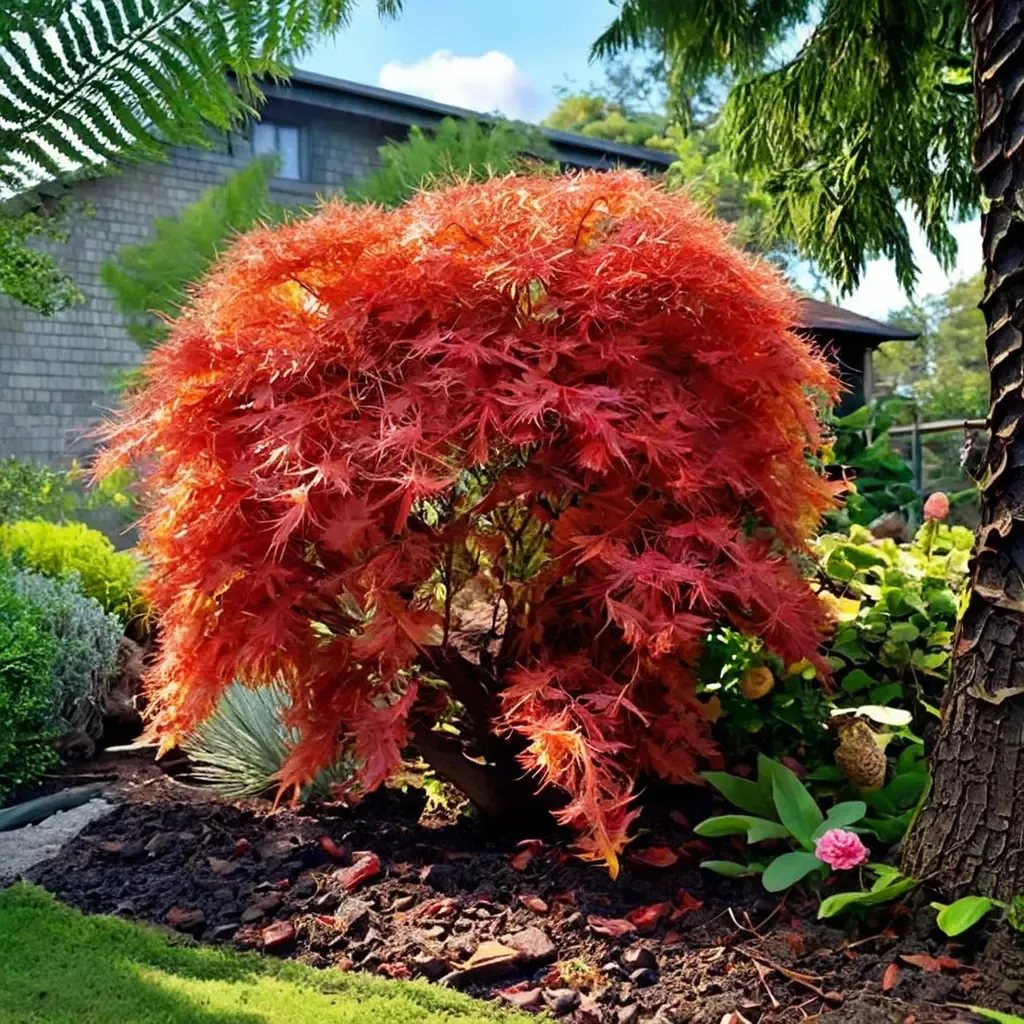
Orangeola Japanese Maple
Acer palmatum 'Orangeola'
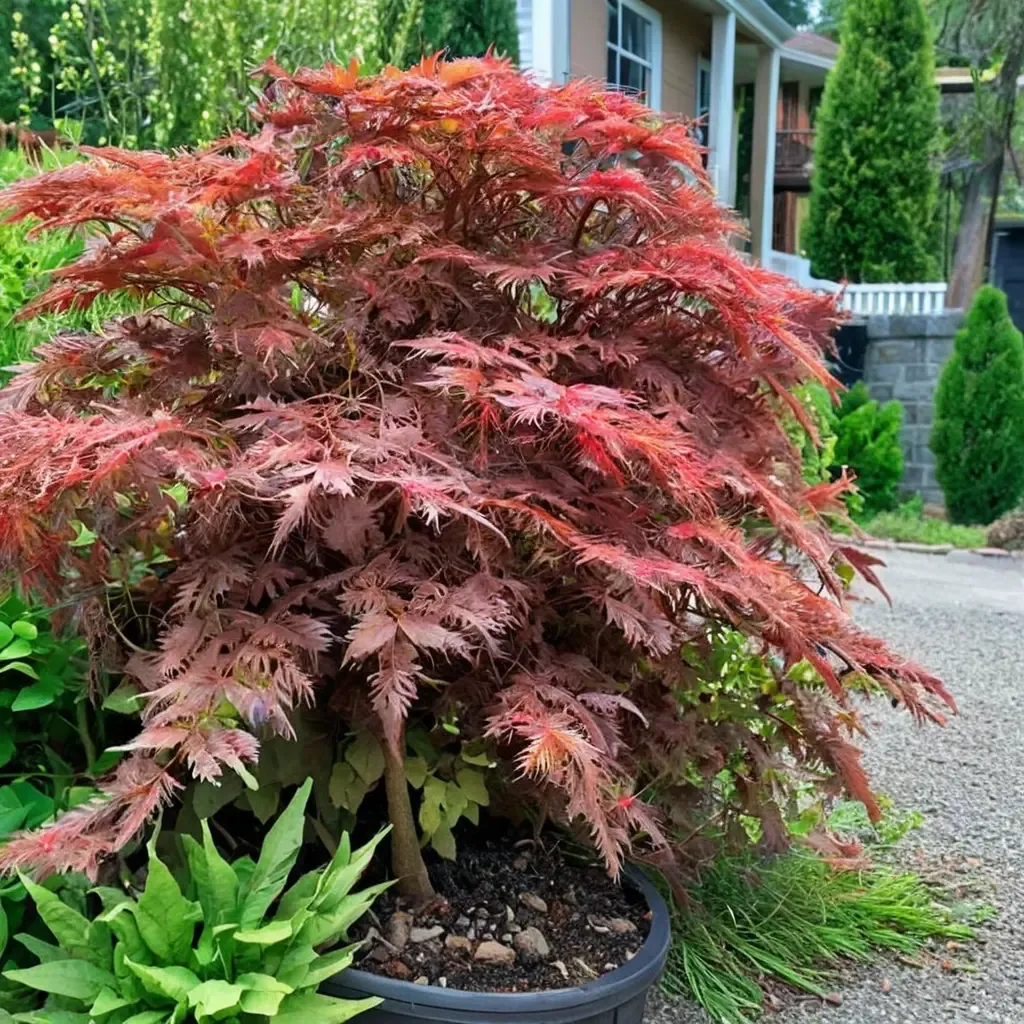
Crimson Queen Japanese Maple
Acer palmatum 'Crimson Queen'
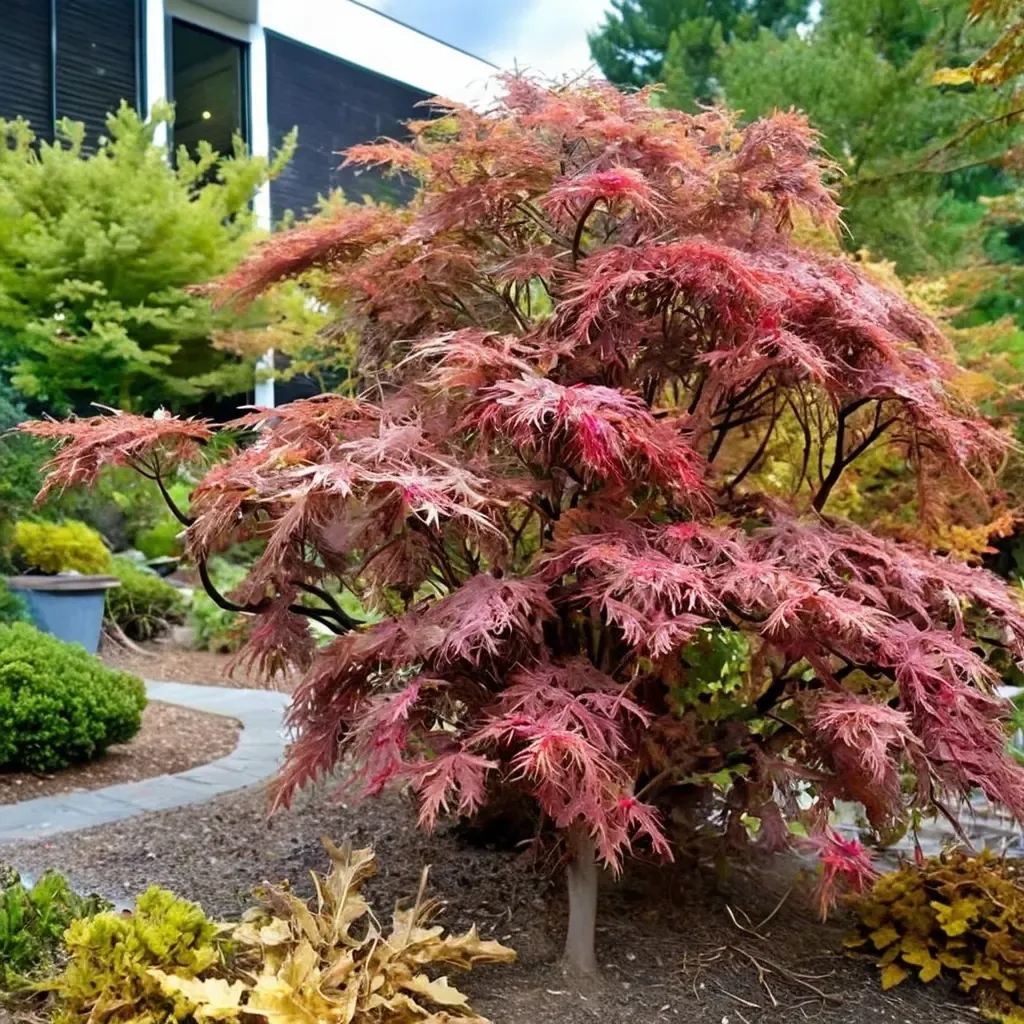
Weeping Japanese Maple
Acer palmatum 'Shidare'
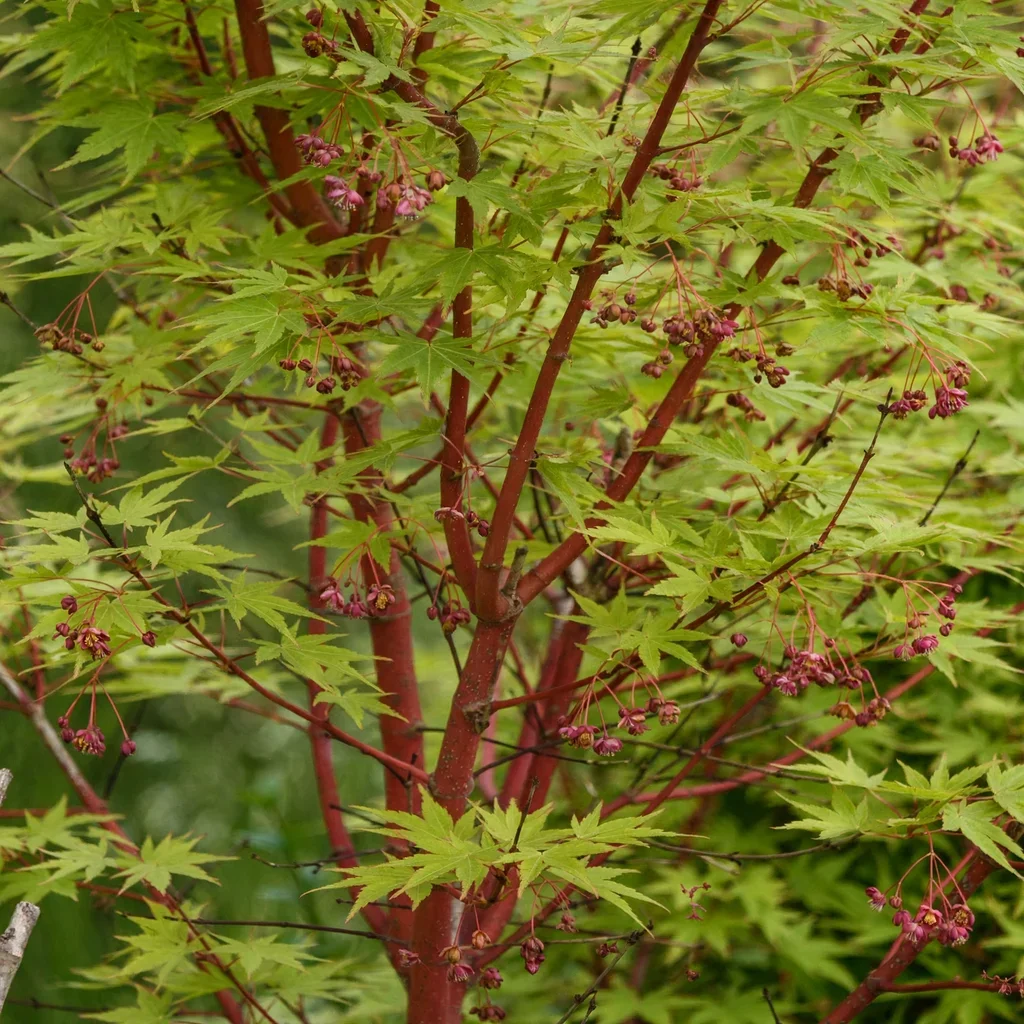
Coral Bark Maple
Acer palmatum 'Sango-Kaku'
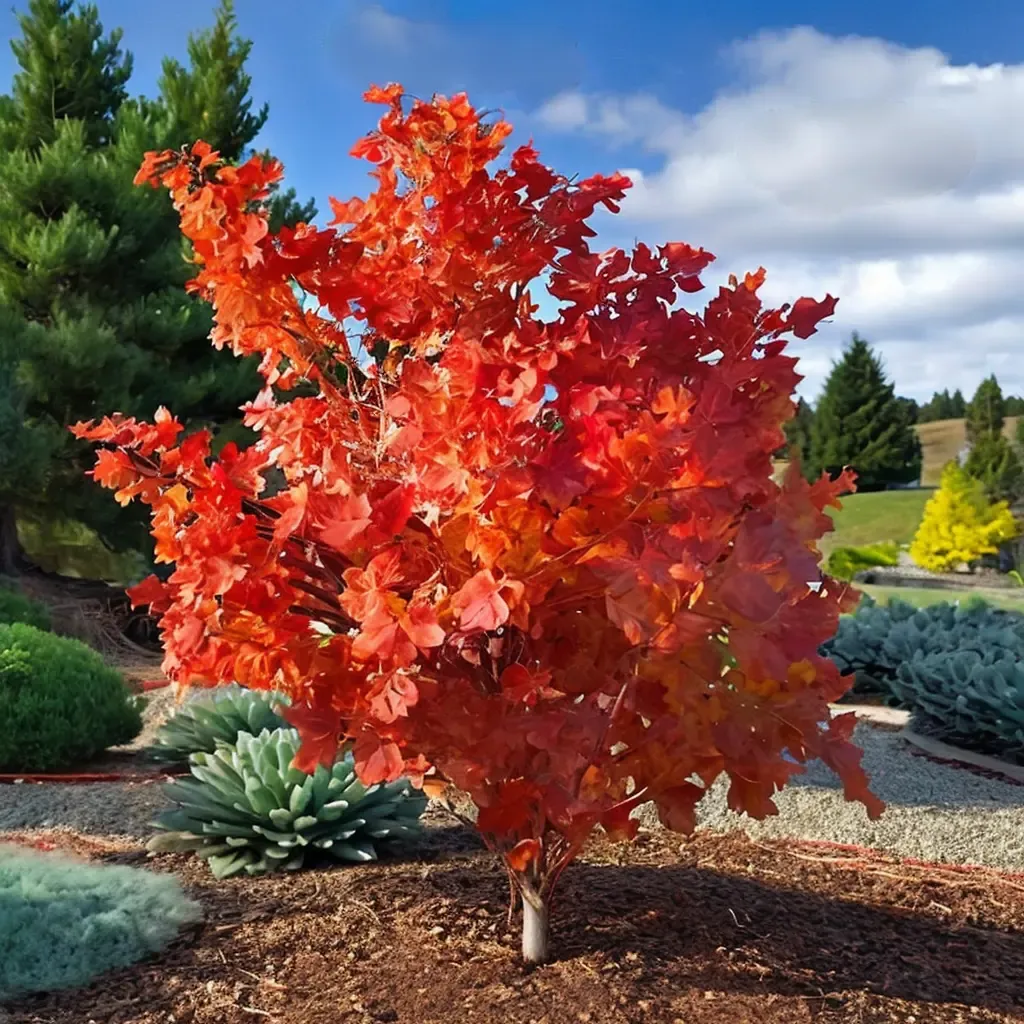
Final Fire Japanese Maple
Acer palmatum 'Final Fire'
Keep exploring
Explore the genus
Hardy in your zone?
Grow Black Maple with confidence
See it in a design of your actual yard, get zone-matched care reminders, and track it season by season in your garden journal.