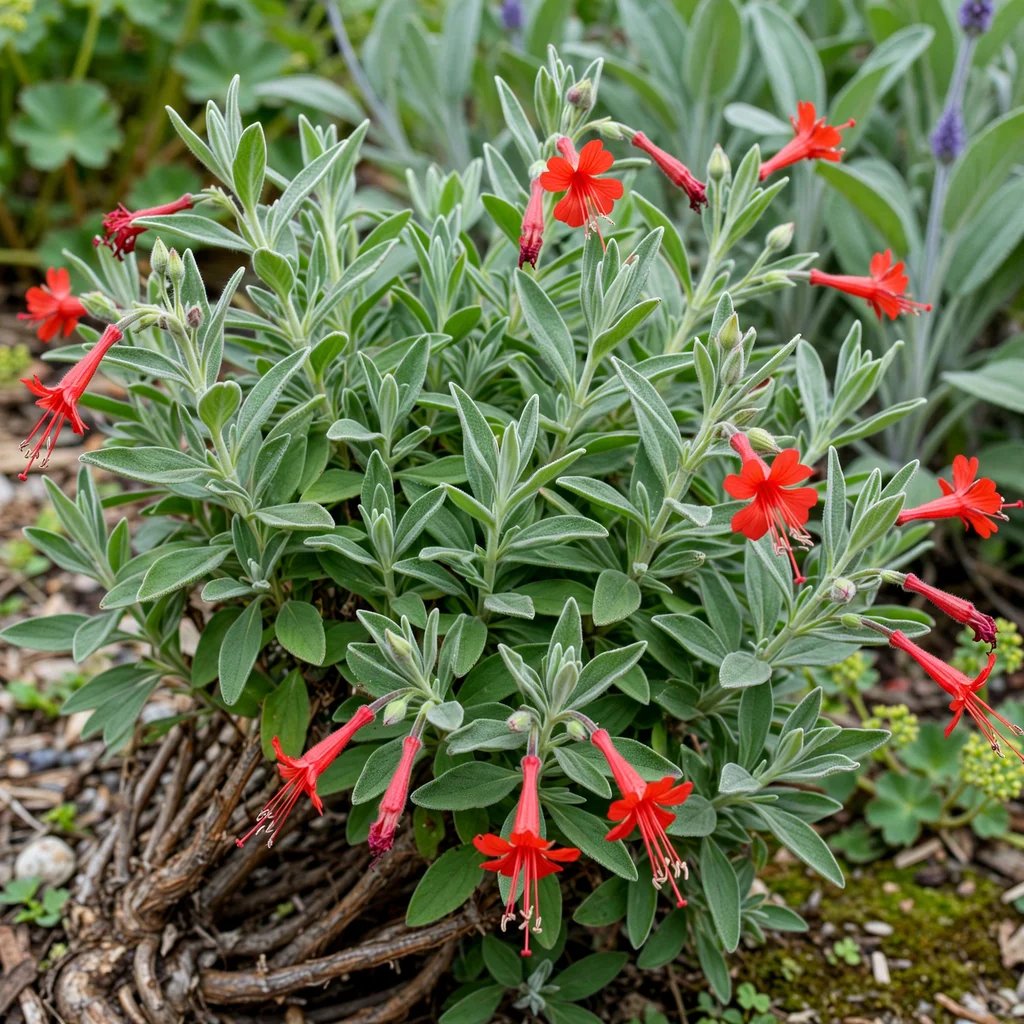
The Story
Plant Bio
Epilobium canum, sold as Epilobium californica, is an evergreen subshrub from western North America that spreads by suckering crowns to form a sprawling mound 18 inches tall and 36 inches wide. The narrow lance-shaped leaves are green to silvery gray with soft woolly hairs that reduce water loss, and the stems turn woody at the base with age.
This species is grown for its profusion of scarlet-orange tubular trumpets borne near the branch ends from summer into fall, when little else is in flower. Hummingbirds work the flowers on southward migration, and plants persist on very low water once established in well-drained sand or clay.
Uses & Benefits:
Essentials
At a Glance
Plant Type
Perennial
Height
18"
Width
36"
Light
Full Sun, Partial Sun
Zones
8, 9, 10
Water
Very low to low
Humidity
Low - dislikes humidity
Lifespan
Long-lived woody perennial
Native To
Western North America - OR to Baja CA to NM
Toxicity
Unknown - no toxicity data found
Bloom period
Summer – Fall
In flower about 6 months of the year
Planting
How to Grow
- Plant in full sun, with part shade inland, in well-drained sand or clay with pH 6.0-8.0.
- Set the crown level with the soil and space 24 to 36 inches to allow suckering spread.
- Water deeply at planting, then taper to very low water once established; avoid summer overwatering.
- Cut all stems to the base in late winter before new growth starts.
- Space for airflow and water at the base to keep foliage dry and prevent mildew.
Pro Tip
Cut all stems to the base once in late winter; shearing through summer removes fall buds and holds moisture on the crown.
Keep It Thriving
Care Guide
Do
- Give full sun on the coast for heaviest bloom.
- Provide sharp drainage in sand or clay.
- Cut back hard once in late winter.
- Water at the base and allow soil to dry between waterings.
Don't
- Do not overwater in summer once established.
- Do not shear repeatedly through the growing season.
- Do not plant in humid, poorly ventilated sites or overhead-watered beds.
Seasonal Care Calendar
| Task | Jan | Feb | Mar | Apr | May | Jun | Jul | Aug | Sep | Oct | Nov | Dec |
|---|---|---|---|---|---|---|---|---|---|---|---|---|
| Mulch | ||||||||||||
| Pest Check | ||||||||||||
| Plant | ||||||||||||
| Prune |
Watch Out For
Pests & Diseases
Common Pests
Common Diseases
In the Garden
Landscape Uses & Companions
Landscape Uses
Good to Know
Common Questions
California Fuchsia questions
What zones can California Fuchsia grow in?
California Fuchsia is hardy in USDA Zones 8–10: in that range it survives winter in the ground. Colder than Zone 8, grow it in a container you can move to shelter for the winter, or as an annual.
When does California Fuchsia bloom?
California Fuchsia typically blooms from summer to fall. Exact timing shifts a week or two with your zone — Sow's bloom calendar maps it to your garden.
Does California Fuchsia need full sun?
California Fuchsia does best in full sun to part shade. In hot climates, afternoon shade keeps blooms fresher longer.
Is California Fuchsia drought tolerant?
Yes — once established (usually after the first full season), California Fuchsia handles dry spells with minimal watering. Water deeply its first year to build the root system that makes that possible.
More Epilobium to compare
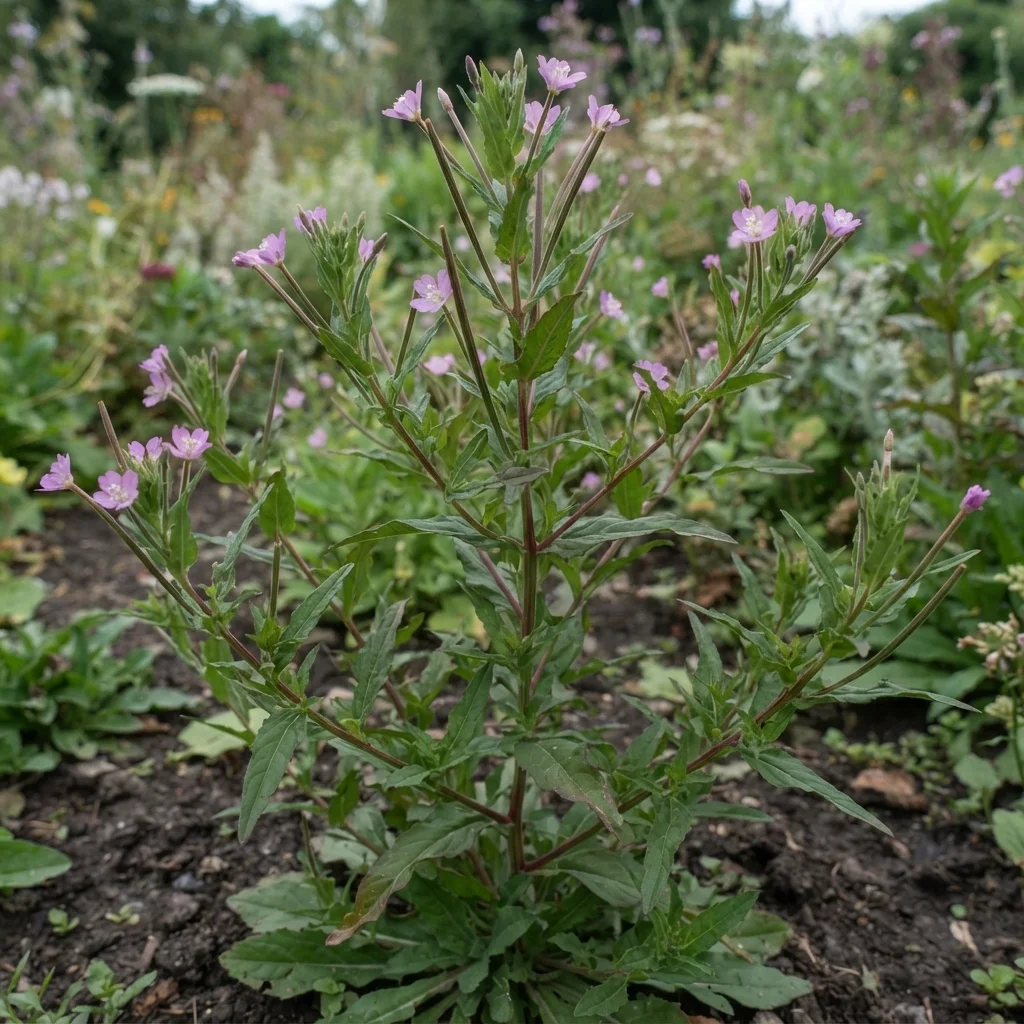
Square-stemmed willowherb
Epilobium tetragonum
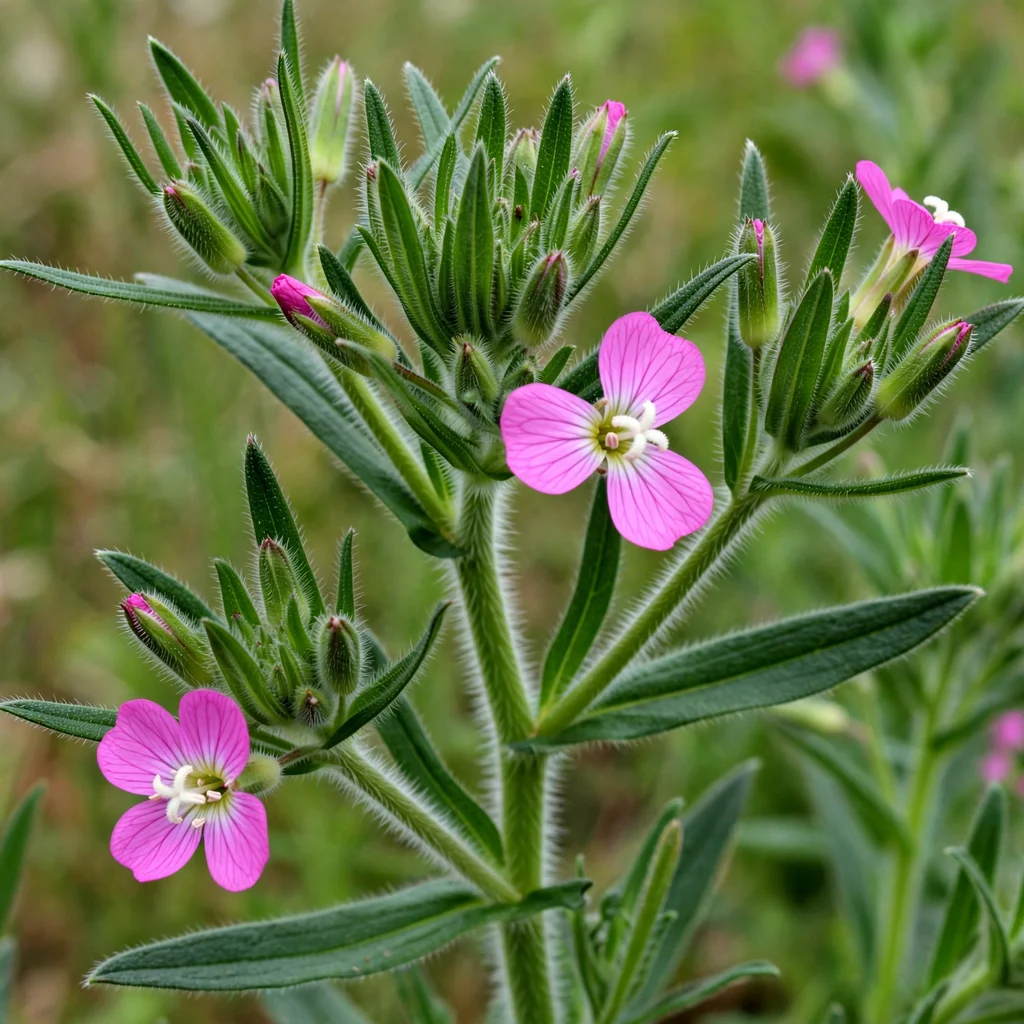
Great Willowherb
Epilobium hirsutum
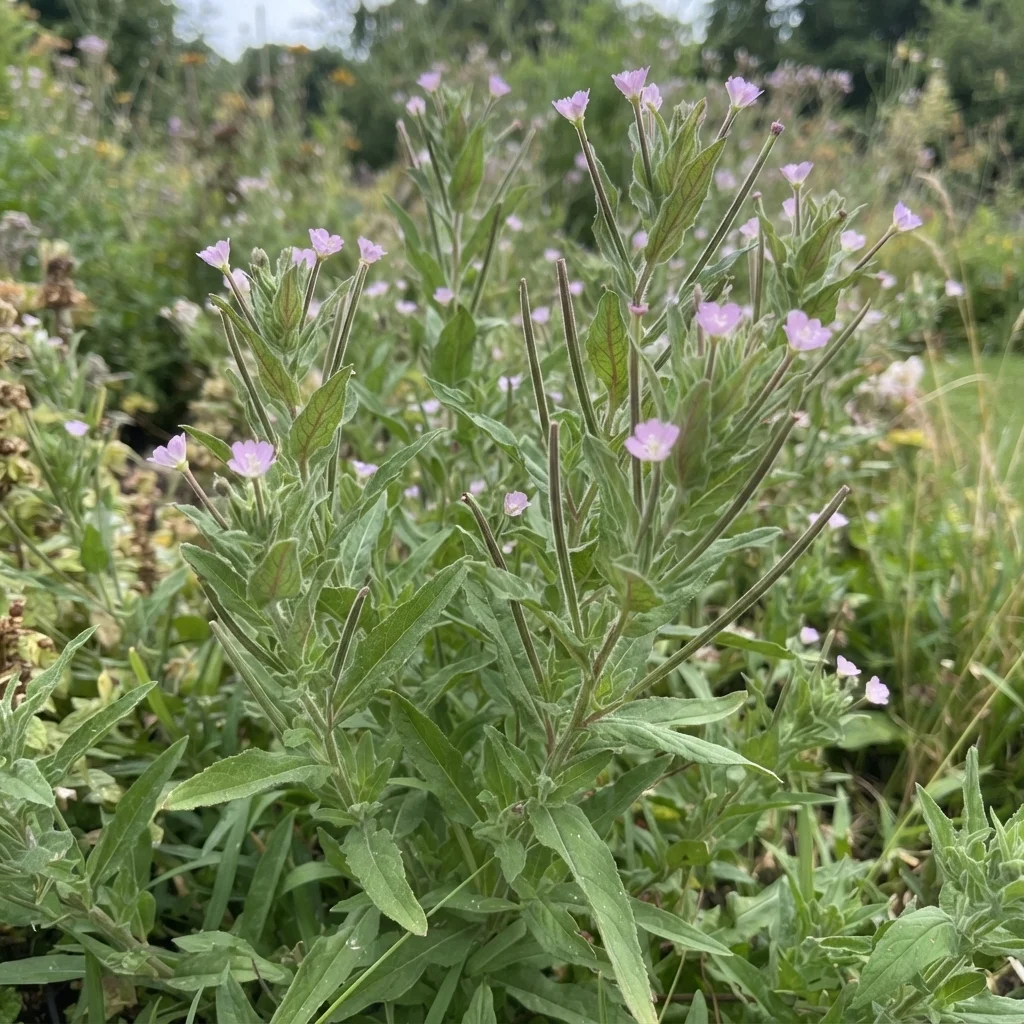
Smallflower Hairy Willowherb
Epilobium parviflorum
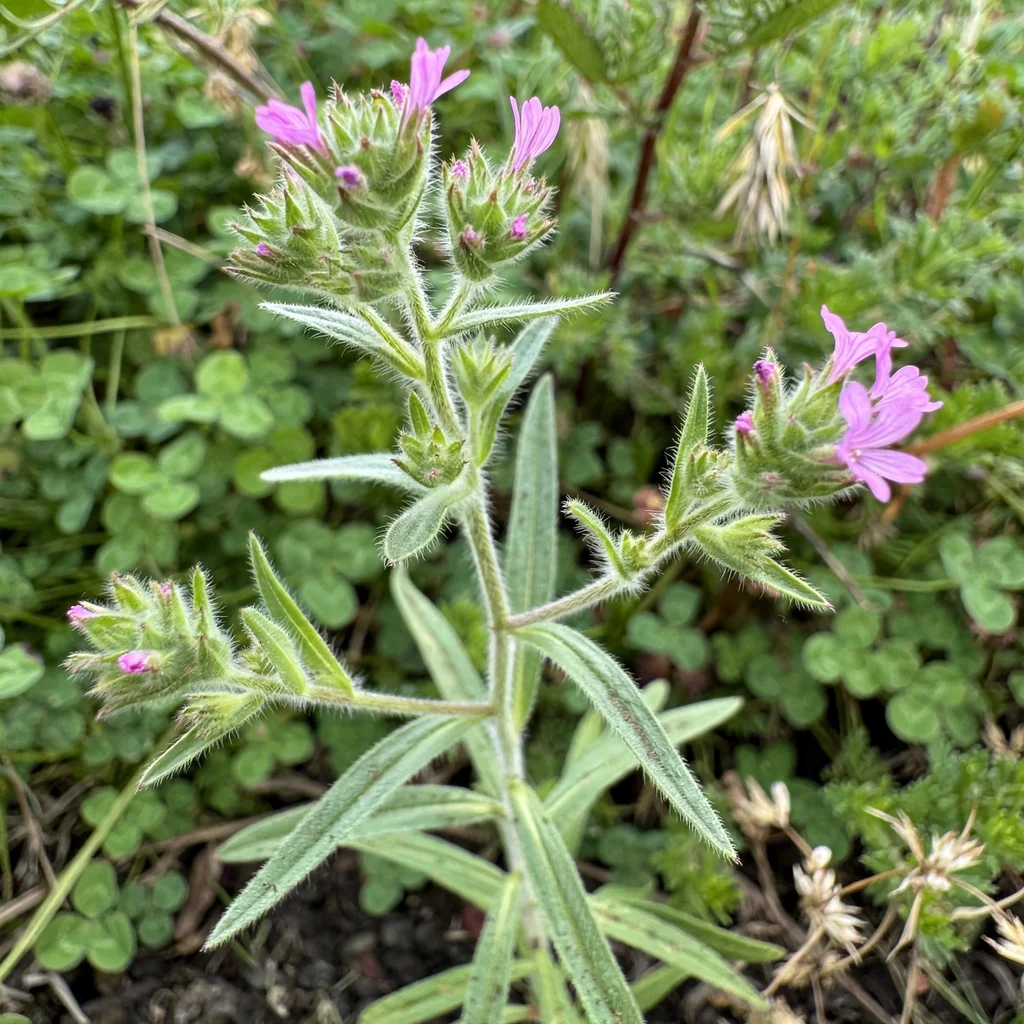
Denseflower Willowherb
Epilobium densiflorum
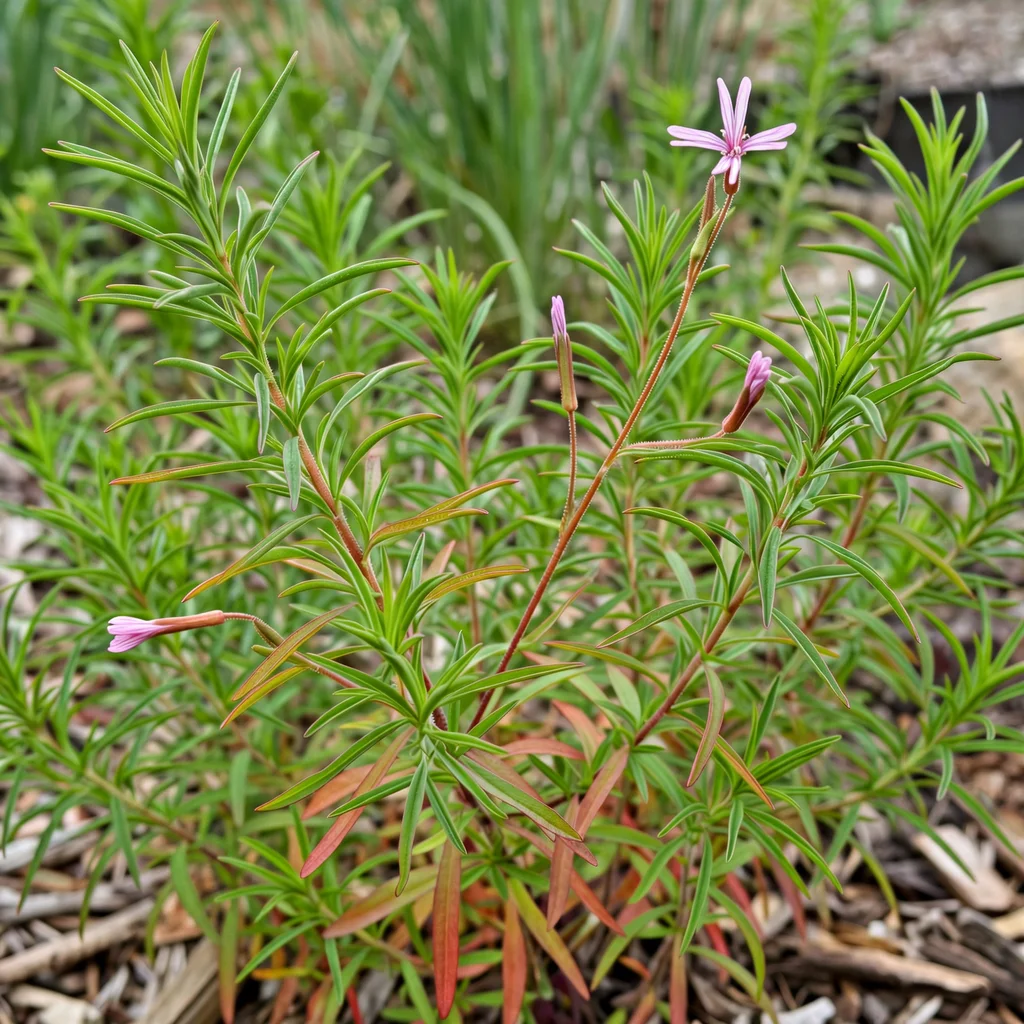
Tall Annual Willowherb
Epilobium brachycarpum
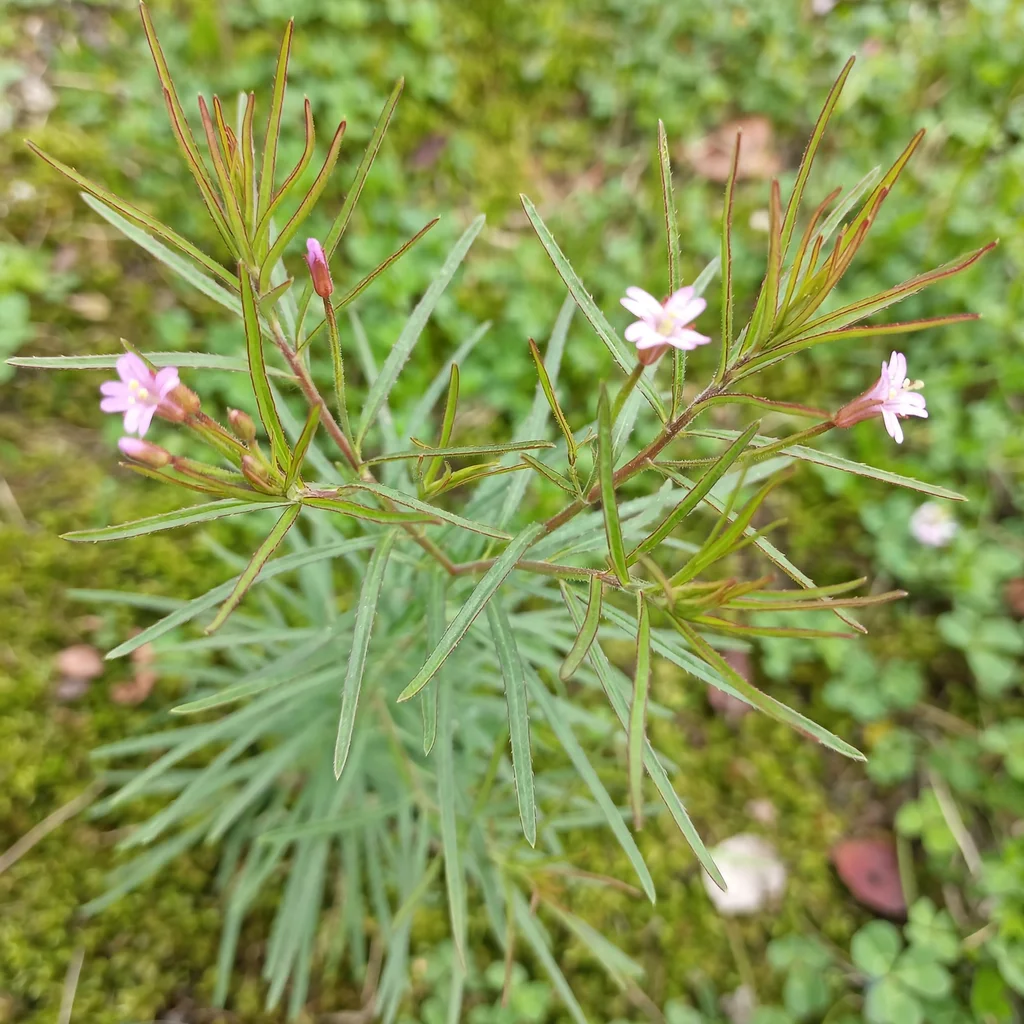
Fringed Willowherb
Epilobium ciliatum
Keep exploring
Explore the genus
Hardy in your zone?
Grow California Fuchsia with confidence
See it in a design of your actual yard, get zone-matched care reminders, and track it season by season in your garden journal.