The Story
Plant Bio
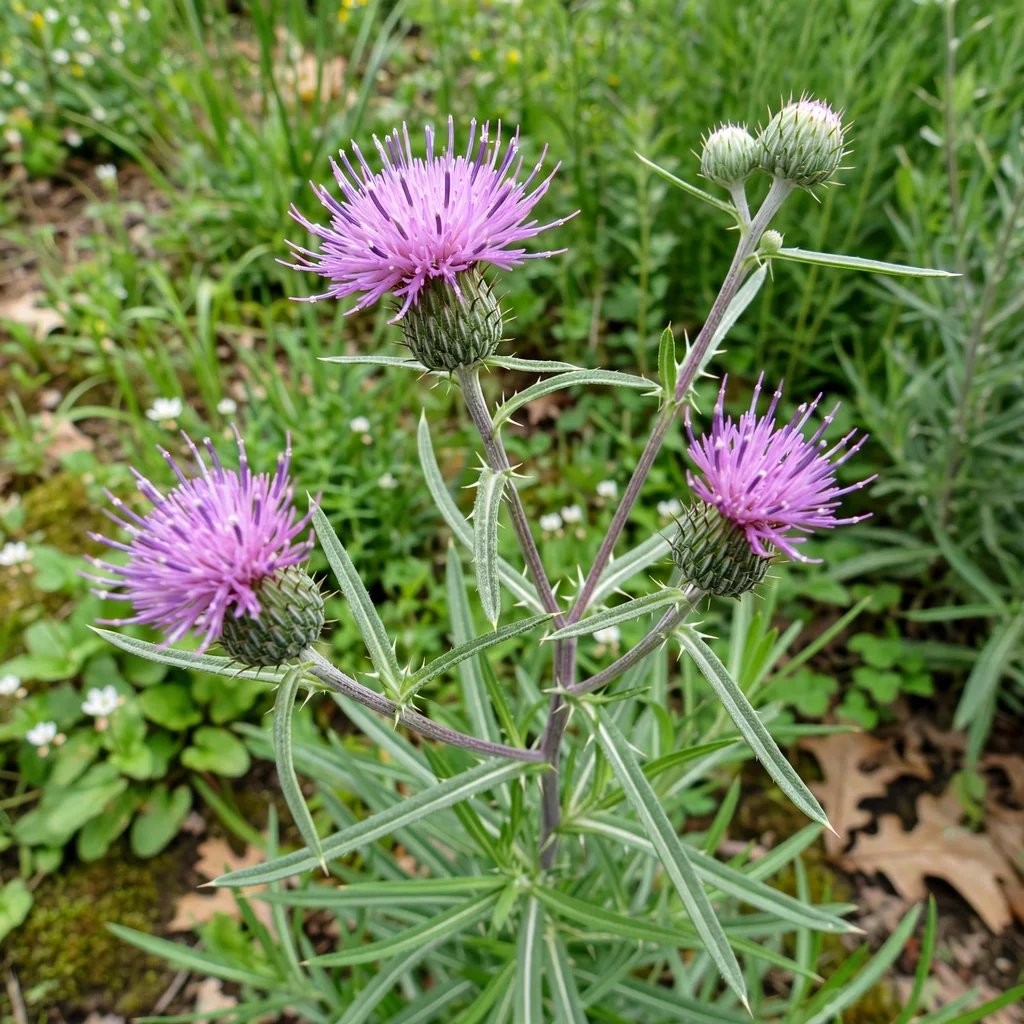
Cirsium carolinianum, the Carolina thistle, is an erect biennial herb from the southeastern and central United States, growing two to six feet tall on a hollow sparsely branched stem from a short taproot with fibrous laterals. The spiny leaves crowd the lower half of the stem, and the heads bear disc florets only, with no ray petals.
Unlike many thistles its stem leaves are linear to narrowly elliptic with tapered bases that stop at the stem and do not run down it as spiny wings. It carries several small heads of pink-purple to magenta disc flowers, rarely white, with corollas fifteen to twenty millimeters long and phyllaries in seven to ten series tipped with one to four millimeter spines.
Uses & Benefits:
Essentials
At a Glance
Plant Type
Perennial
Height
72"
Width
24"
Light
Full Sun, Partial Sun
Zones
5, 6, 7, 8, 9
Water
Moderate
Humidity
Unknown
Lifespan
Biennial
Native To
Southeastern-central USA
Toxicity
Unknown
Bloom period
Spring – Summer
In flower about 6 months of the year
Planting
How to Grow
- Sow seed in place in early spring on bare soil in full sun to light shade.
- Press seed lightly into the surface and water in; the first year forms a low rosette.
- Leave rosettes undisturbed to overwinter; flowering stems rise the second spring.
- Leave one head to shed seed for the next generation and cut the spent stem at the base.
Pro Tip
Leave one or two heads to ripen and drop seed where they stand; the flowering plant dies after seed set and only self-sown seedlings carry the patch forward.
Keep It Thriving
Care Guide
Do
- Plant in full sun to partial shade in open prairie or woodland-edge soil.
- Allow self-sown seedlings to replace flowering plants.
- Wear gloves when handling spiny stems and heads.
Don't
- Do not expect a perennial clump to return from the same crown.
- Do not deadhead every head if you want plants next year.
- Do not site it tight to paths where spines meet foot traffic.
Seasonal Care Calendar
| Task | Jan | Feb | Mar | Apr | May | Jun | Jul | Aug | Sep | Oct | Nov | Dec |
|---|---|---|---|---|---|---|---|---|---|---|---|---|
| Deadhead | ||||||||||||
| Pest Check | ||||||||||||
| Plant | ||||||||||||
| Propagate |
Watch Out For
Pests & Diseases
Common Pests
Common Diseases
In the Garden
Landscape Uses & Companions
Landscape Uses
Multiply
Propagation Methods
Good to Know
Common Questions
Carolina Thistle questions
What zones can Carolina Thistle grow in?
Carolina Thistle is hardy in USDA Zones 5–9: in that range it survives winter in the ground. Colder than Zone 5, grow it in a container you can move to shelter for the winter, or as an annual. Warmer than Zone 9, winter isn't the problem: it prefers colder winters, and summer heat can shorten its life.
When does Carolina Thistle bloom?
Carolina Thistle typically blooms from spring to summer. Exact timing shifts a week or two with your zone — Sow's bloom calendar maps it to your garden.
Does Carolina Thistle need full sun?
Carolina Thistle does best in full sun to part shade. In hot climates, afternoon shade keeps blooms fresher longer.
More Cirsium to compare
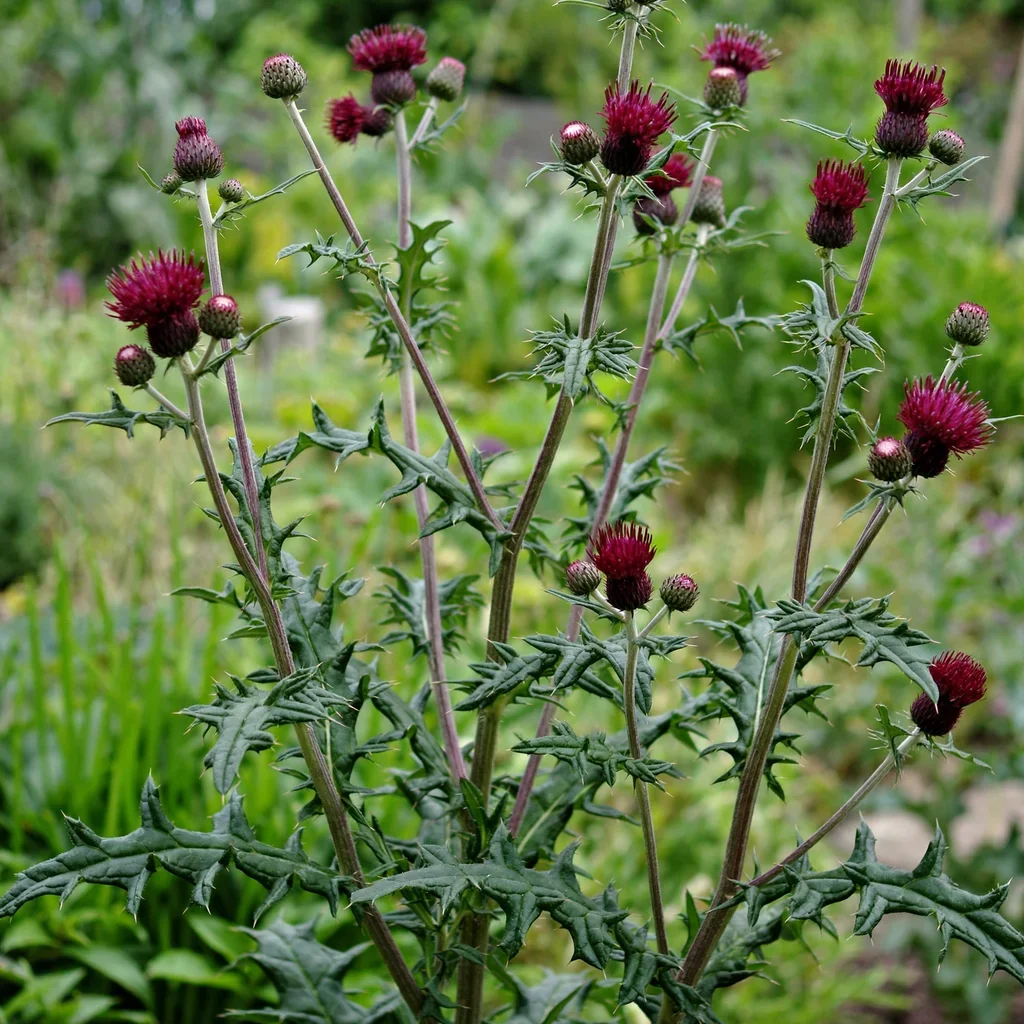
Atropurpureum Brook Thistle
Cirsium rivulare 'Atropurpureum'
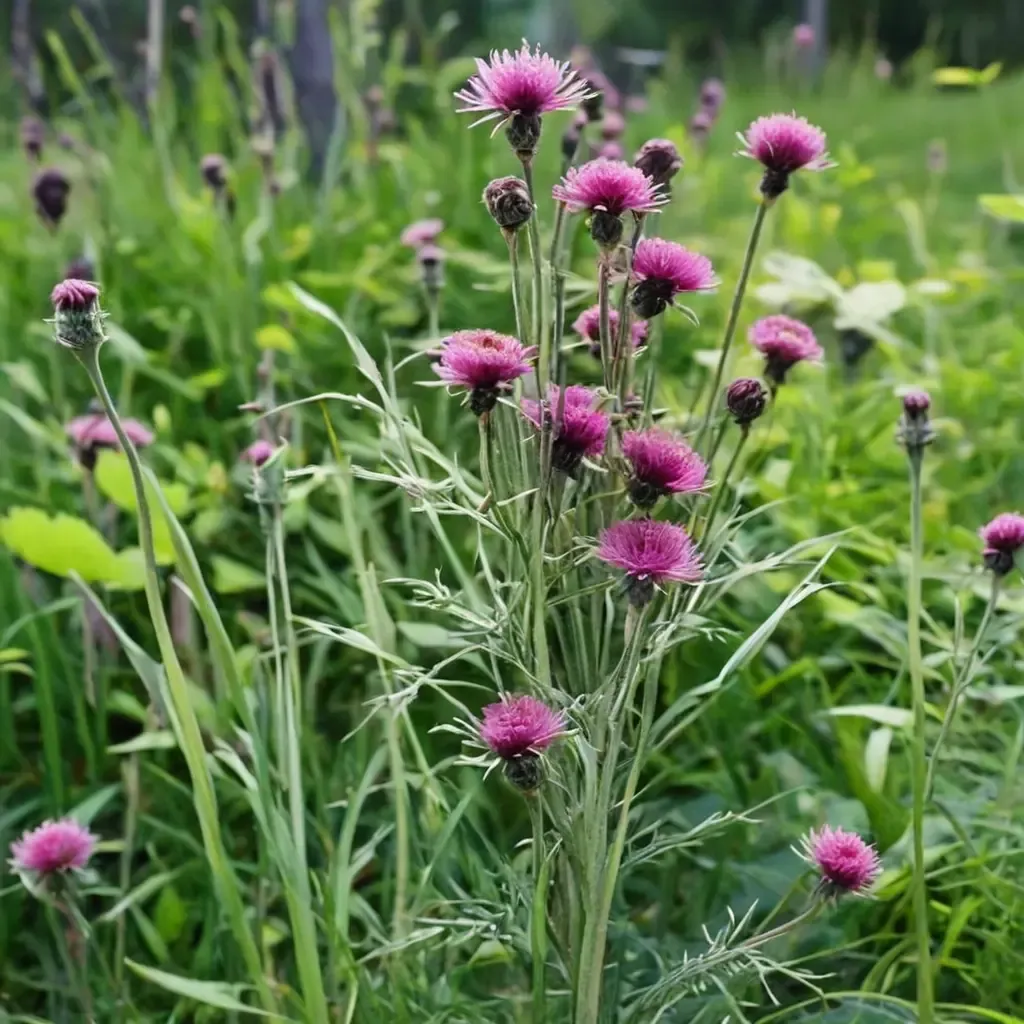
Brook Thistle
Cirsium rivulare
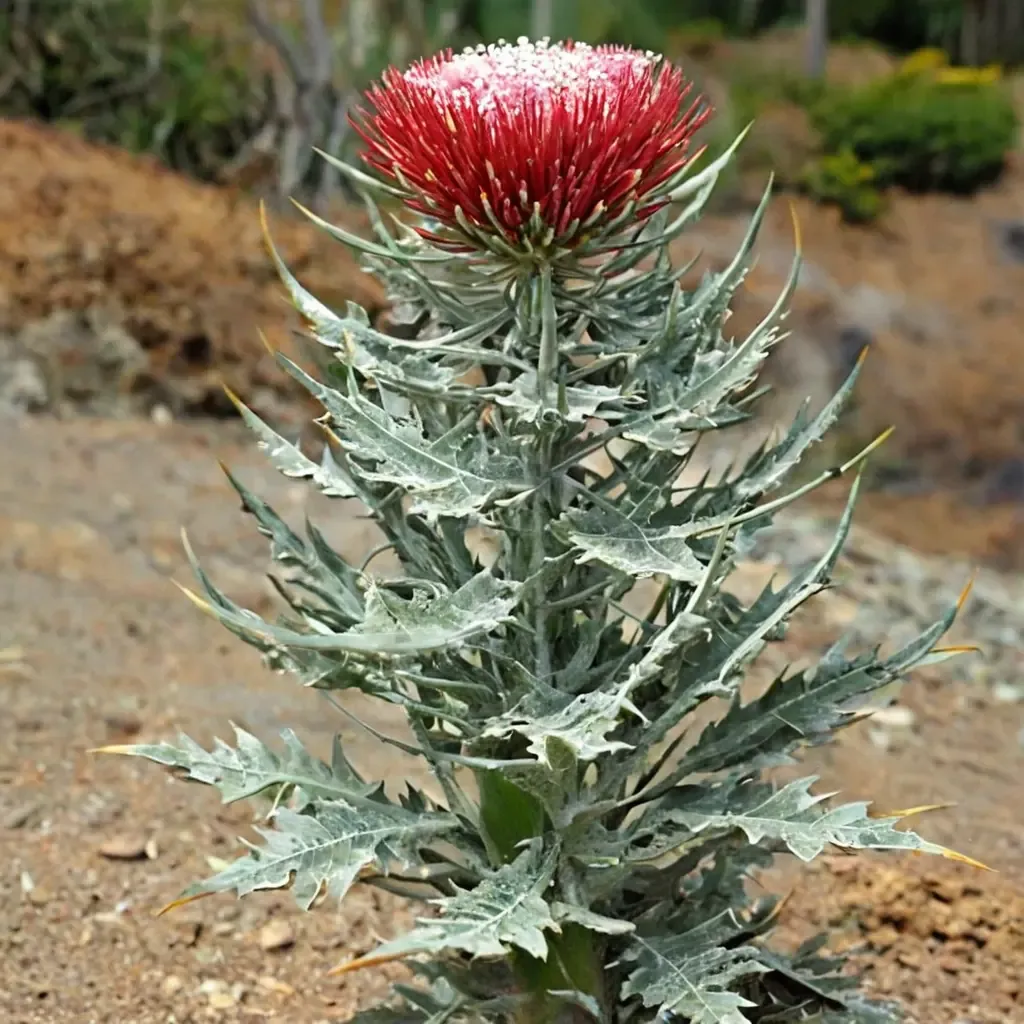
Western Thistle
Cirsium occidentale
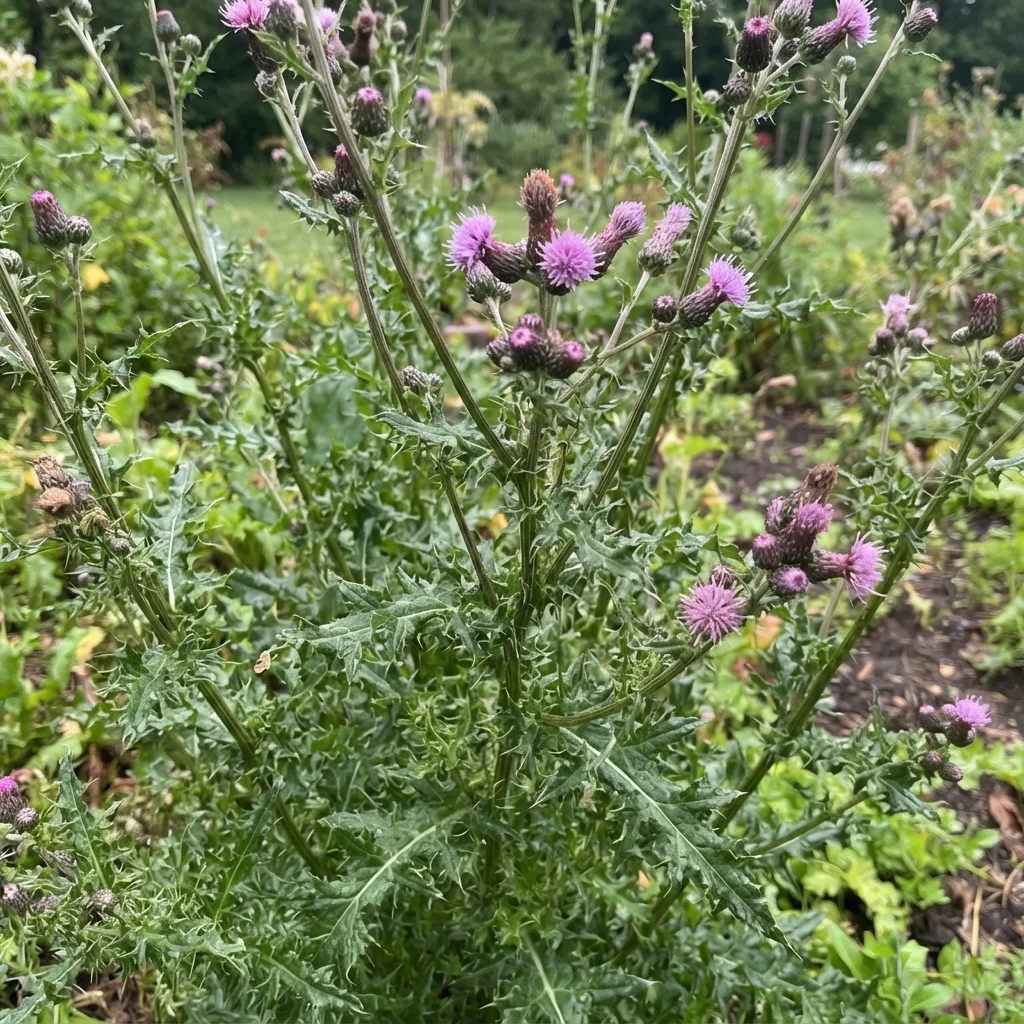
Canada Thistle
Cirsium arvense
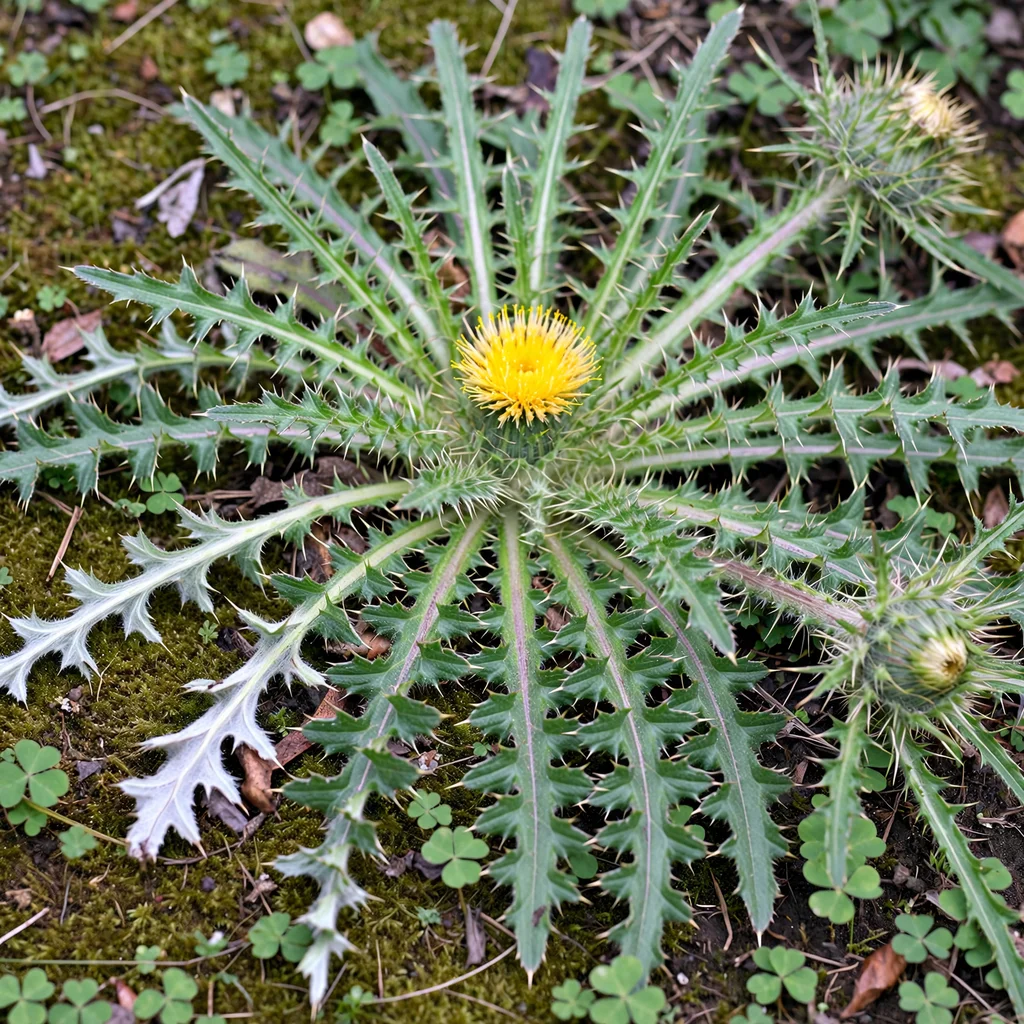
Bristly Thistle
Cirsium horridulum
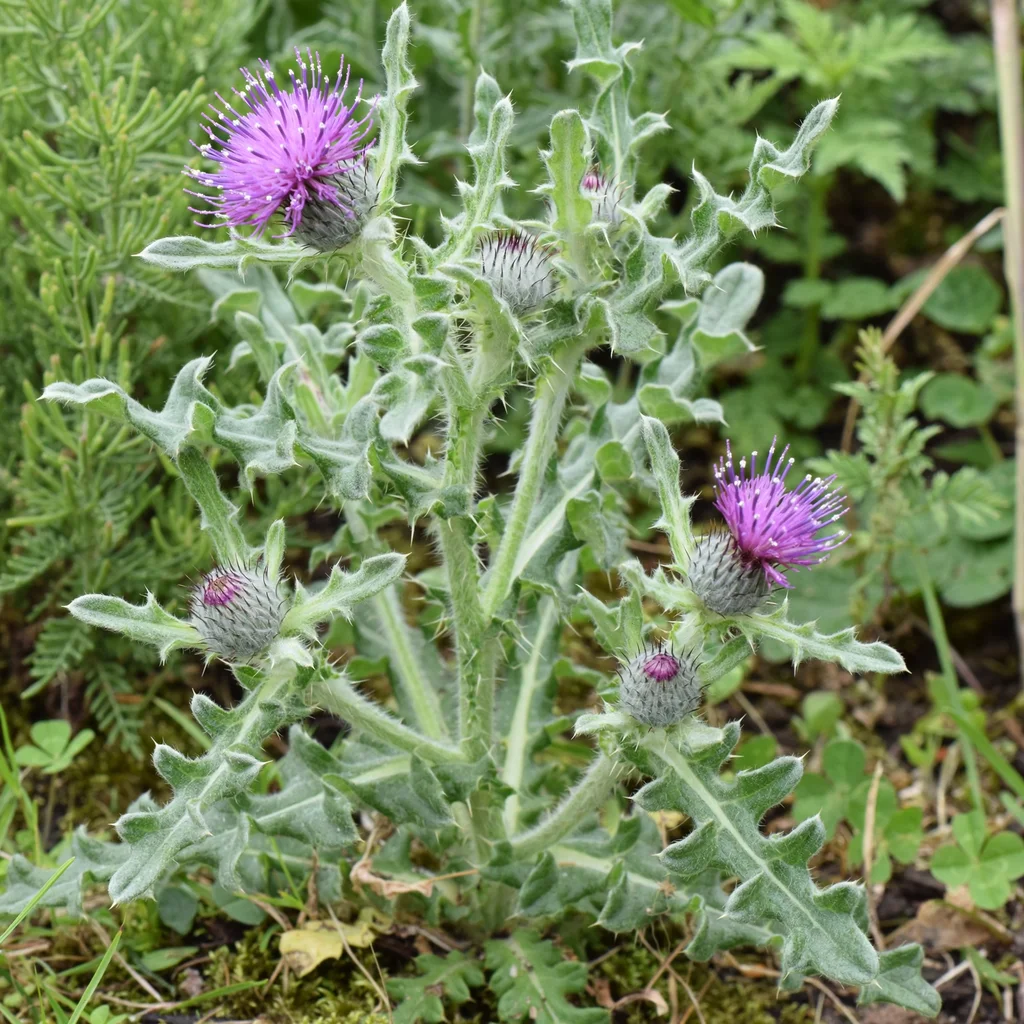
Edible Thistle
Cirsium edule
Keep exploring
Explore the genus
Hardy in your zone?
Grow Carolina Thistle with confidence
See it in a design of your actual yard, get zone-matched care reminders, and track it season by season in your garden journal.