The Story
Plant Bio
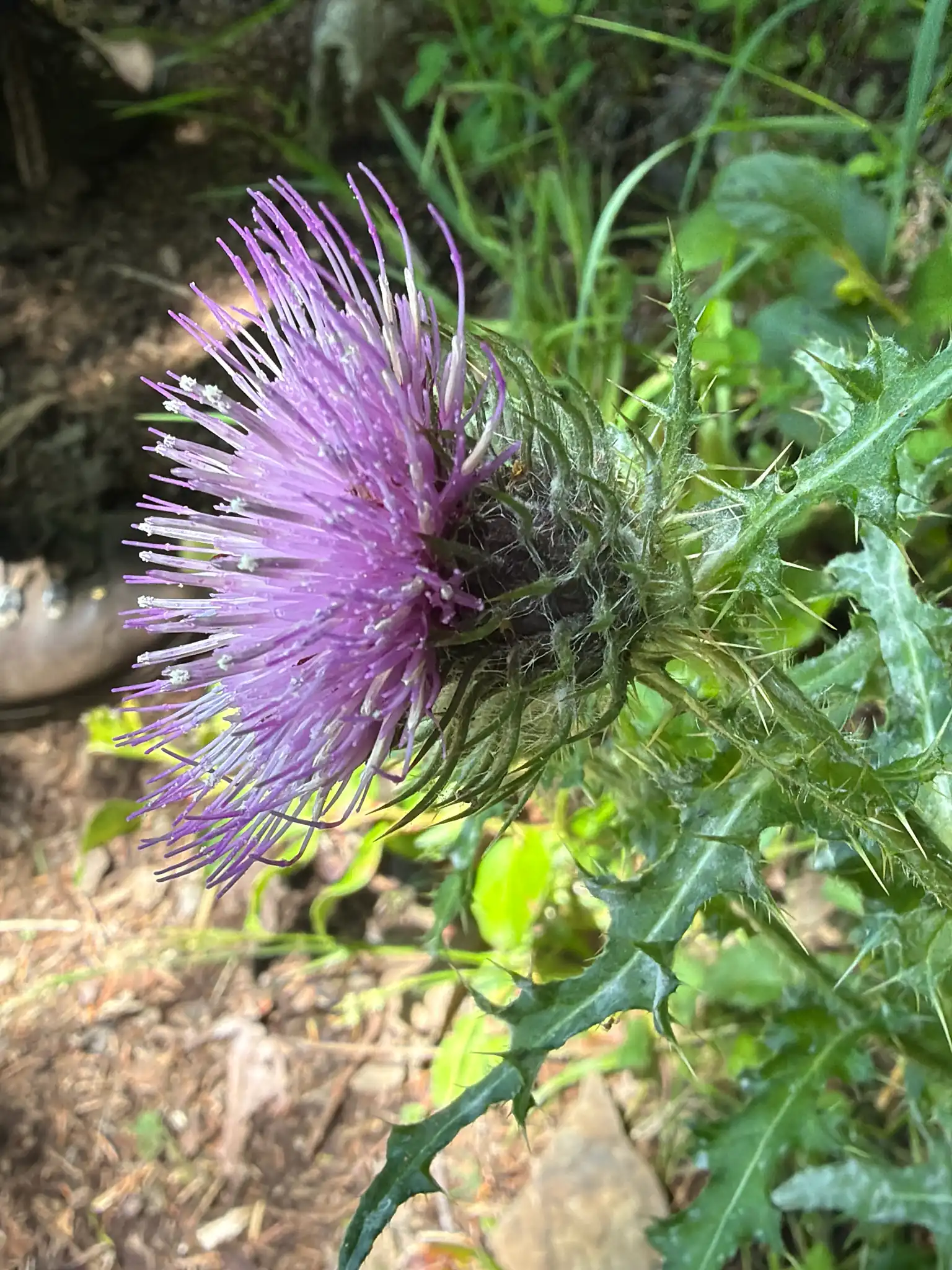
Cirsium edule is a tap-rooted biennial or short-lived perennial herb native to damp meadows, forest openings, and river floodplains of western North America. It forms stout, succulent stems up to six feet tall clad in lobed, soft-haired leaves with moderately spiny margins.
The lower stems remain largely smooth and non-spiny compared to other thistles, allowing easier handling during garden maintenance. Bright pink-purple flower heads are wrapped in spider-webby bracts and produce protruding styles that draw native bees, butterflies, and hummingbirds.
Uses & Benefits:
Essentials
At a Glance
Plant Type
Perennial
Height
79"
Width
24"
Light
Full Sun, Partial Sun
Zones
4, 5, 6, 7, 8
Water
High / Consistent moisture
Humidity
Moderate
Lifespan
Biennial or short-lived perennial
Native To
Western North America
Toxicity
Non-toxic (spiny leaves)
Bloom period
Summer – Fall
In flower about 6 months of the year
Planting
How to Grow
- Select a planting site in full sun to partial shade with consistently moist, fertile soil.
- Sow fresh seeds directly in late summer or plant young plugs without disturbing the central taproot.
- Maintain high soil moisture levels through regular irrigation during hot weather.
- Cut spent flower stalks back to ground level after seed harvest in early fall.
Pro Tip
Amateurs often allow the planting site to dry out completely or place it in arid rock gardens, causing rapid desiccation and death in a plant adapted strictly to damp riparian soils.
Keep It Thriving
Care Guide
Do
- Keep soil consistently damp around the root system.
- Wear protective gloves when handling mature stems to avoid prickles.
- Apply a top-dressing of organic compost every spring.
Don't
- Do not allow the root zone to dry out completely during dry spells.
- Do not slice into or damage the taproot when planting or weeding.
- Avoid stagnant, oxygen-depleted mud beds that induce root rot.
Seasonal Care Calendar
| Task | Jan | Feb | Mar | Apr | May | Jun | Jul | Aug | Sep | Oct | Nov | Dec |
|---|---|---|---|---|---|---|---|---|---|---|---|---|
| Mulch | ||||||||||||
| Pest Check | ||||||||||||
| Plant | ||||||||||||
| Prune |
Watch Out For
Pests & Diseases
Common Pests
Common Diseases
In the Garden
Landscape Uses & Companions
Landscape Uses
Companion Plants
Multiply
Propagation Methods
Good to Know
Common Questions
Edible Thistle questions
What zones can Edible Thistle grow in?
Edible Thistle is hardy in USDA Zones 4–8: in that range it survives winter in the ground. Warmer than Zone 8, winter isn't the problem: it prefers colder winters, and summer heat can shorten its life.
Is Edible Thistle deer resistant?
Not reliably. Deer may browse Edible Thistle, especially tender spring growth — plan on repellents or fencing where pressure is high.
When does Edible Thistle bloom?
Edible Thistle typically blooms from summer to fall. Exact timing shifts a week or two with your zone — Sow's bloom calendar maps it to your garden.
Does Edible Thistle need full sun?
Edible Thistle does best in full sun to part shade. In hot climates, afternoon shade keeps blooms fresher longer.
More Cirsium to compare
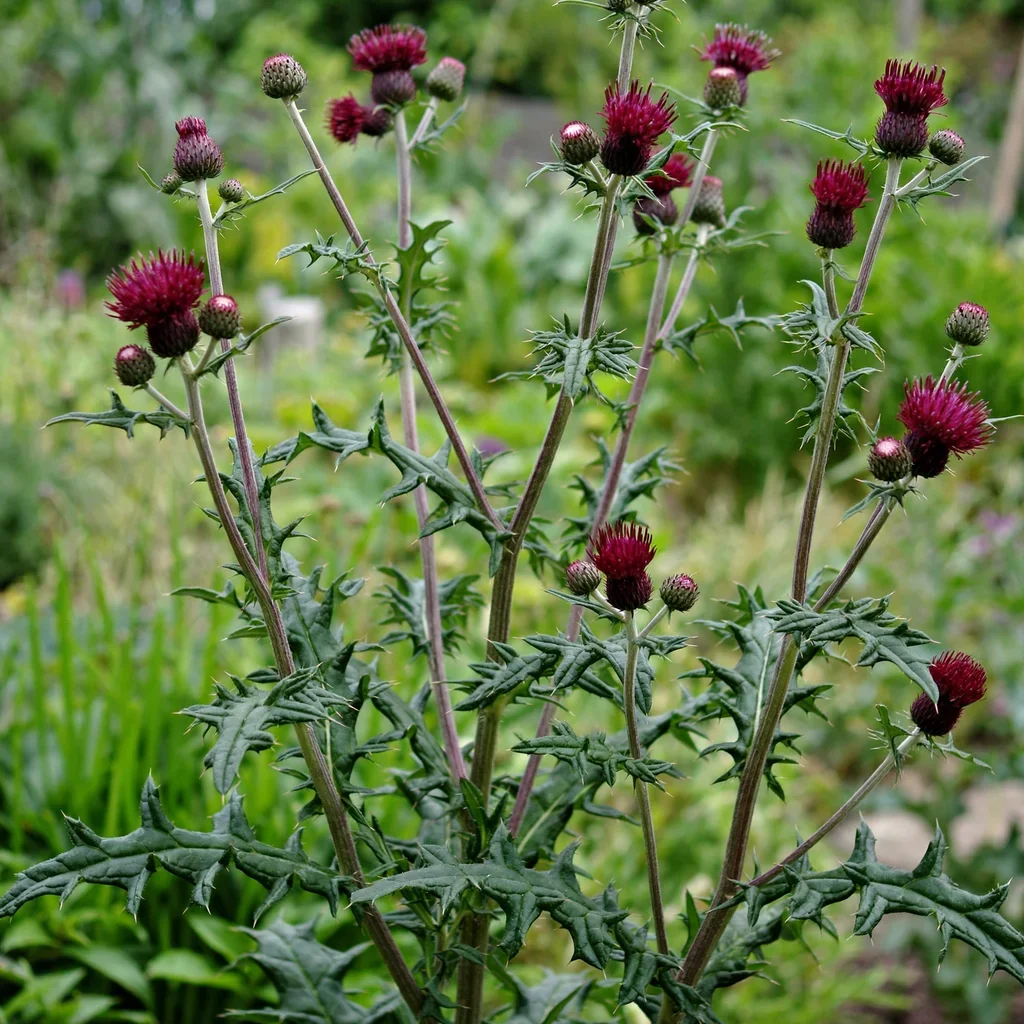
Atropurpureum Brook Thistle
Cirsium rivulare 'Atropurpureum'
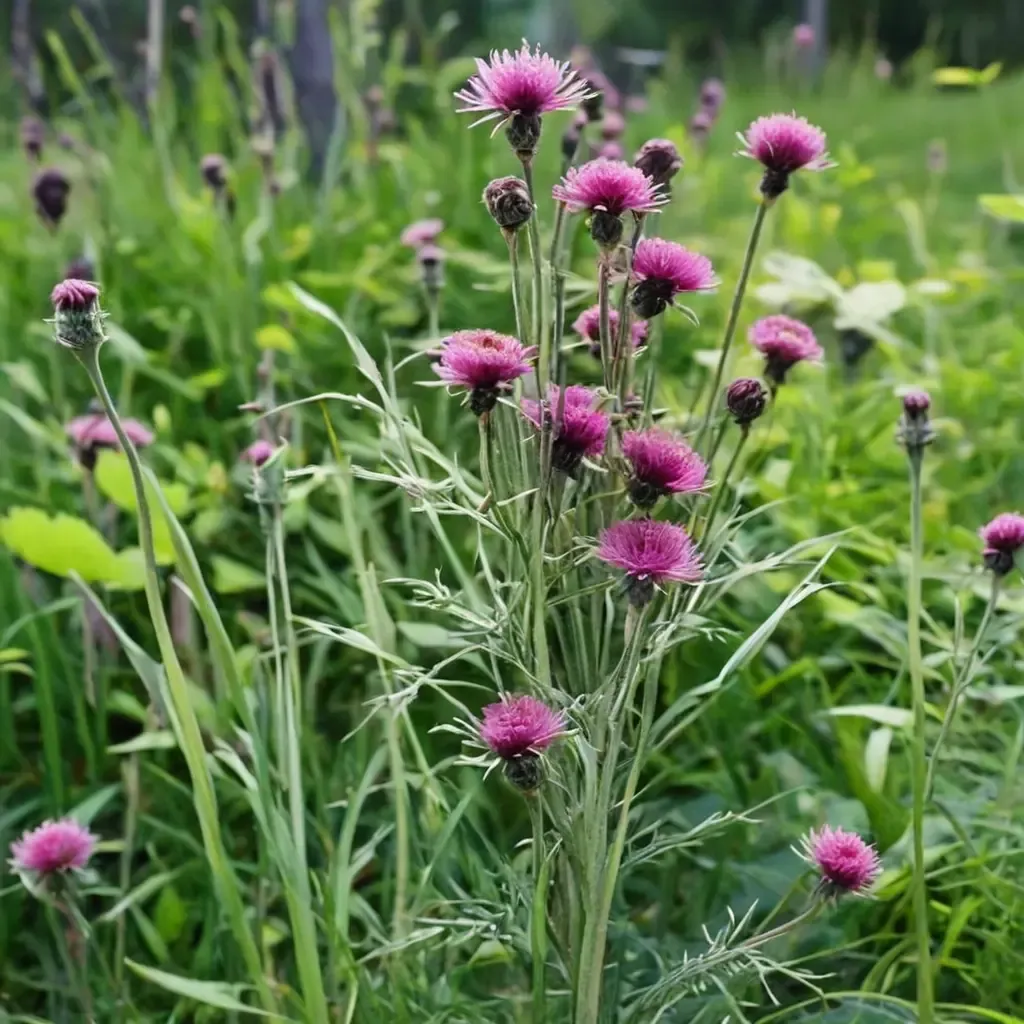
Brook Thistle
Cirsium rivulare
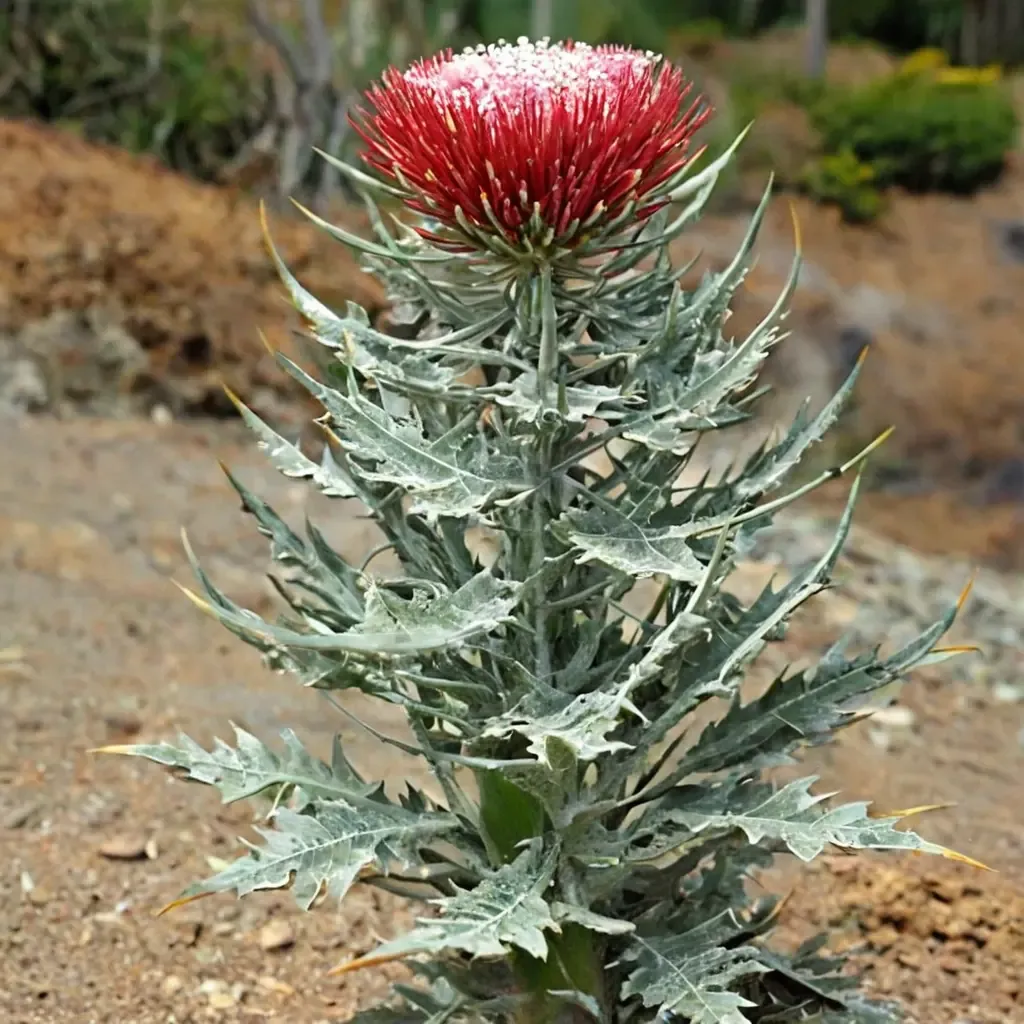
Western Thistle
Cirsium occidentale
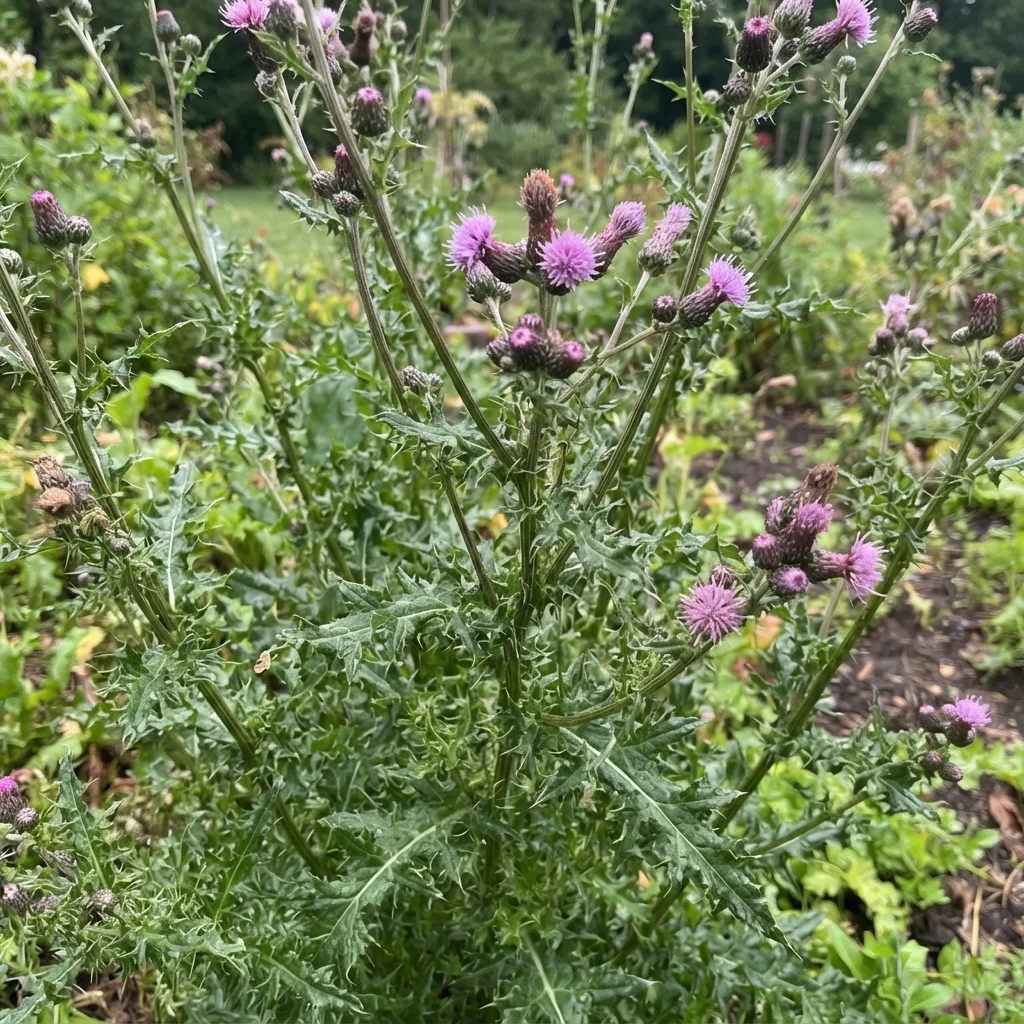
Canada Thistle
Cirsium arvense
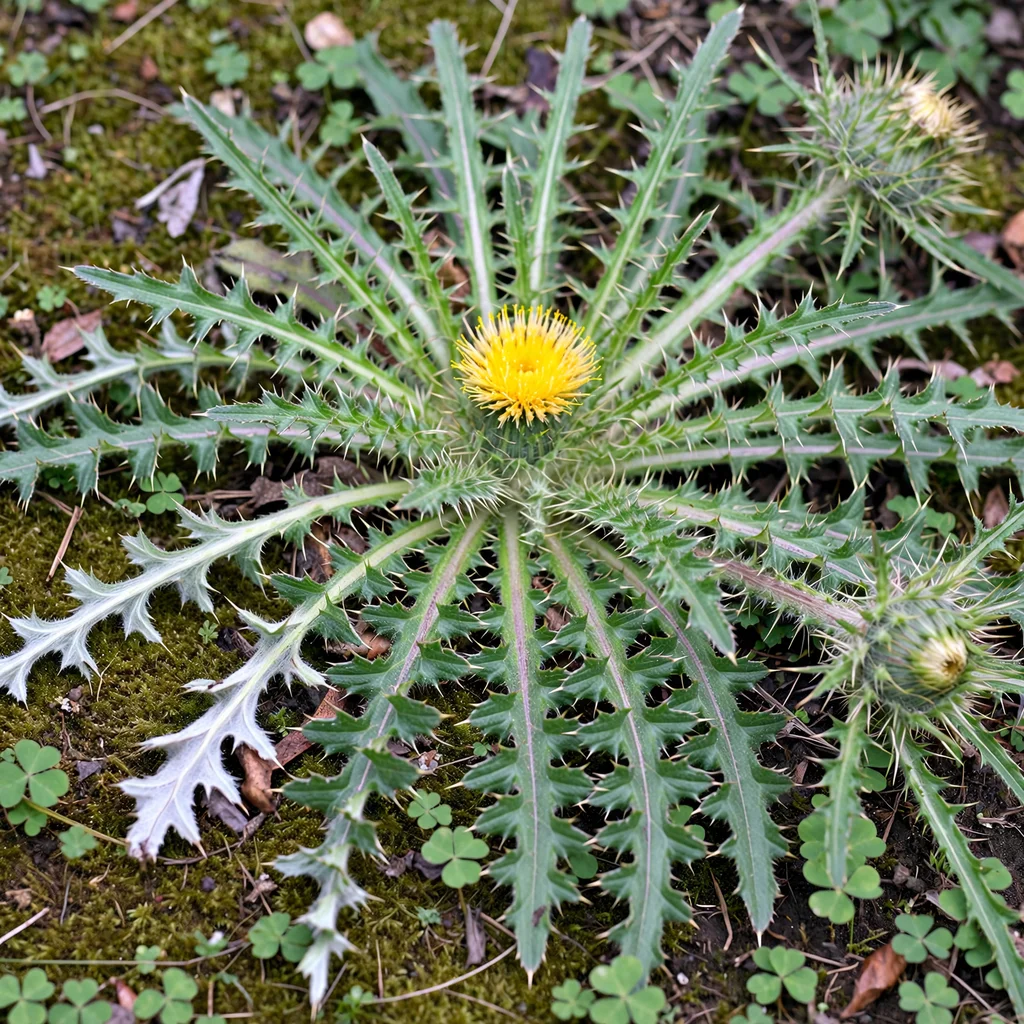
Bristly Thistle
Cirsium horridulum
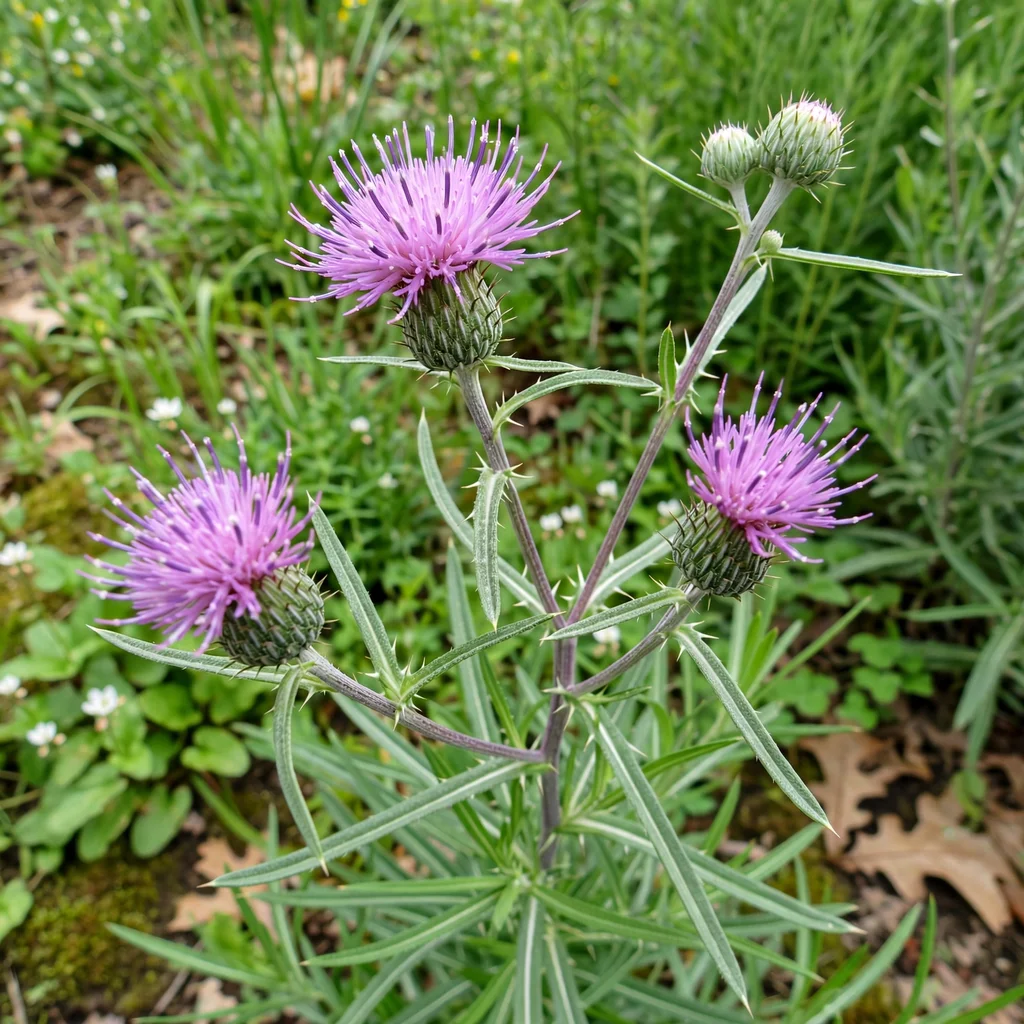
Carolina Thistle
Cirsium carolinianum
Keep exploring
Explore the genus
Hardy in your zone?
Grow Edible Thistle with confidence
See it in a design of your actual yard, get zone-matched care reminders, and track it season by season in your garden journal.