The Story
Plant Bio
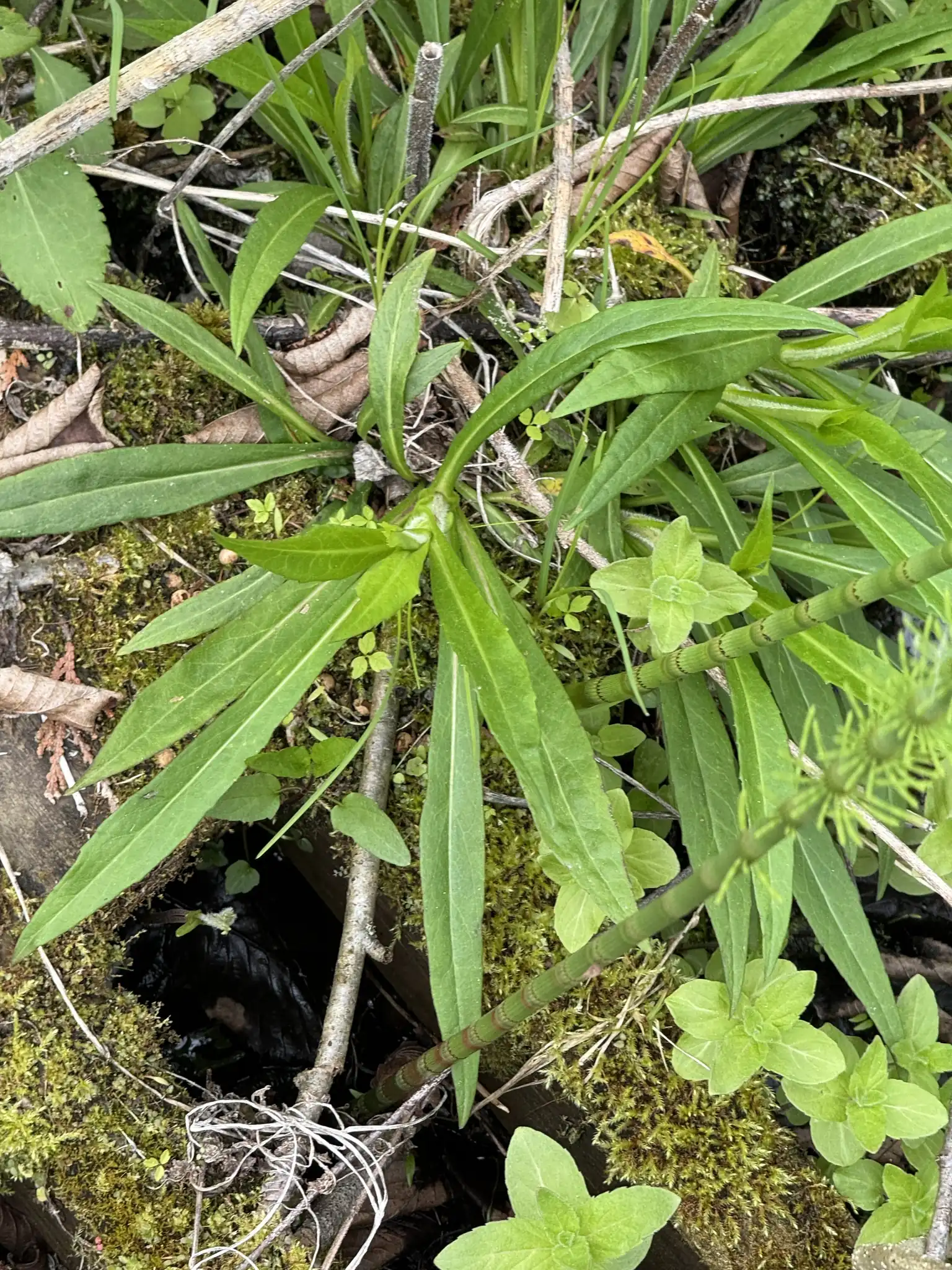
Symphyotrichum puniceum is an erect herbaceous perennial native to North American wetlands, reaching four to eight feet tall on stout, bristly stems that turn reddish-purple with age. In late summer through fall, terminal panicles display light purple flower heads up to an inch and a half across with central yellow disc florets that age to pink or purple.
The species forms small, loose clumps from short rhizomes rather than spreading via aggressive mat-forming rootstocks. Its upper stems and lance-shaped clasping foliage are covered in stiff, coarse hairs, setting it apart from smooth-stemmed wetland asters.
Uses & Benefits:
Essentials
At a Glance
Plant Type
Perennial
Height
94"
Width
36"
Light
Full Sun, Partial Sun
Zones
4, 5, 6, 7, 8, 9
Water
High / Moist to wet
Humidity
High
Lifespan
Perennial
Native To
North America
Toxicity
Non-toxic
Bloom period
Late summer – Fall
In flower about 4 months of the year
Planting
How to Grow
- Select a site in full sun or partial shade with moist to wet, organic-rich soil.
- Plant crowns flush with the soil surface and water thoroughly to settle roots.
- Maintain continuous soil moisture throughout the growing season using organic mulch.
- Cut spent stems back to ground level in late winter before new spring basal growth emerges.
Pro Tip
Pinch growing tips by half in late June to reduce final height and force lateral branching without delaying the fall bloom.
Keep It Thriving
Care Guide
Do
- Keep soil continuously moist, especially in full sun exposures.
- Divide congested clumps every three to four years in early spring.
- Mulch around the base with organic material to retain moisture.
Don't
- Do not allow roots to dry out completely during summer heat.
- Do not apply high-nitrogen fertilizers, which cause weak, floppy stems.
- Do not crowd plants in low-airflow sites prone to foliage fungal growth.
Seasonal Care Calendar
| Task | Jan | Feb | Mar | Apr | May | Jun | Jul | Aug | Sep | Oct | Nov | Dec |
|---|---|---|---|---|---|---|---|---|---|---|---|---|
| Divide | ||||||||||||
| Pest Check | ||||||||||||
| Pinch | ||||||||||||
| Spring Cleanup |
Watch Out For
Pests & Diseases
Common Pests
Common Diseases
In the Garden
Landscape Uses & Companions
Landscape Uses
Multiply
Propagation Methods
Good to Know
Common Questions
Purplestem Aster questions
What zones can Purplestem Aster grow in?
Purplestem Aster is hardy in USDA Zones 4–9: in that range it survives winter in the ground. Warmer than Zone 9, winter isn't the problem: it prefers colder winters, and summer heat can shorten its life.
Is Purplestem Aster deer resistant?
Not reliably. Deer may browse Purplestem Aster, especially tender spring growth — plan on repellents or fencing where pressure is high.
When does Purplestem Aster bloom?
Purplestem Aster typically blooms from late summer to late fall. Exact timing shifts a week or two with your zone — Sow's bloom calendar maps it to your garden.
Does Purplestem Aster need full sun?
Purplestem Aster does best in full sun to part shade. In hot climates, afternoon shade keeps blooms fresher longer.
More Symphyotrichum to compare
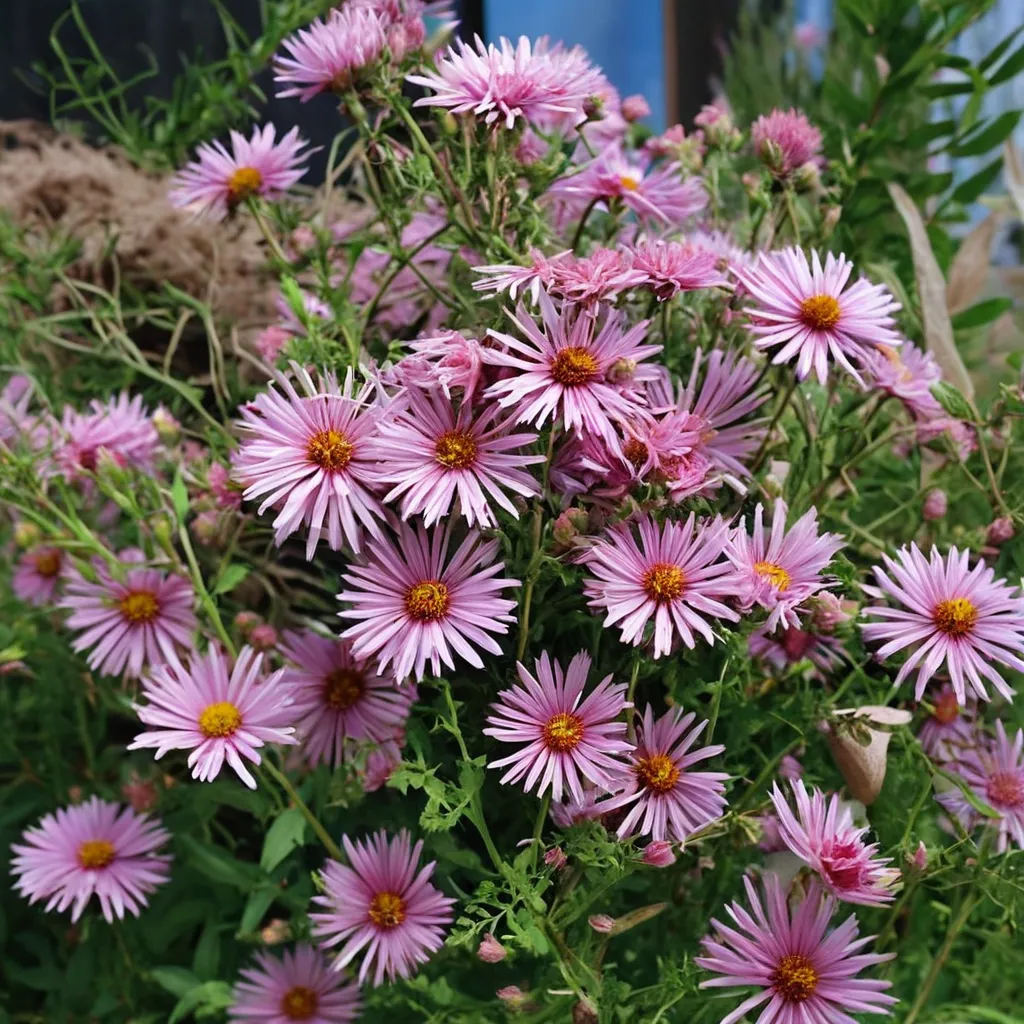
New England Aster Harringtons Pink
Symphyotrichum novae-angliae 'Harringtons Pink'
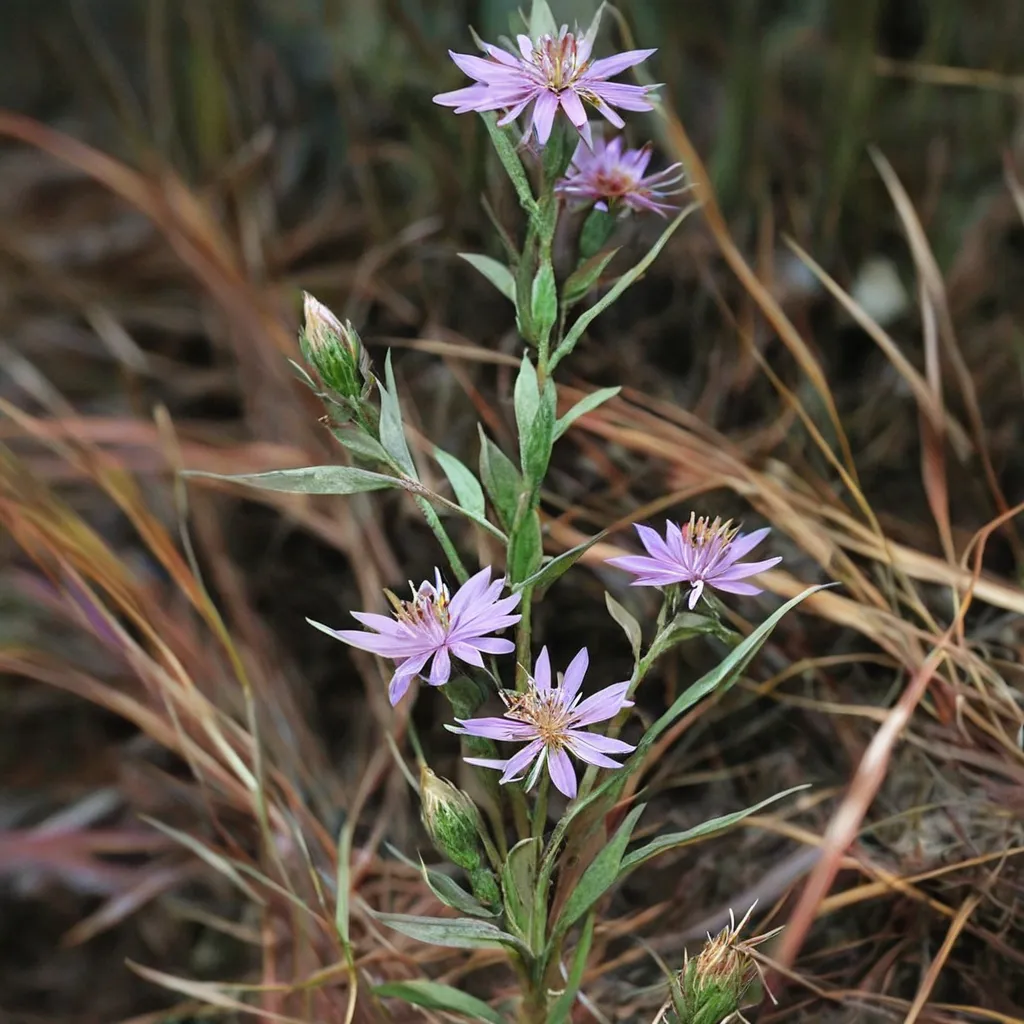
Eastern Silver Aster
Symphyotrichum concolor
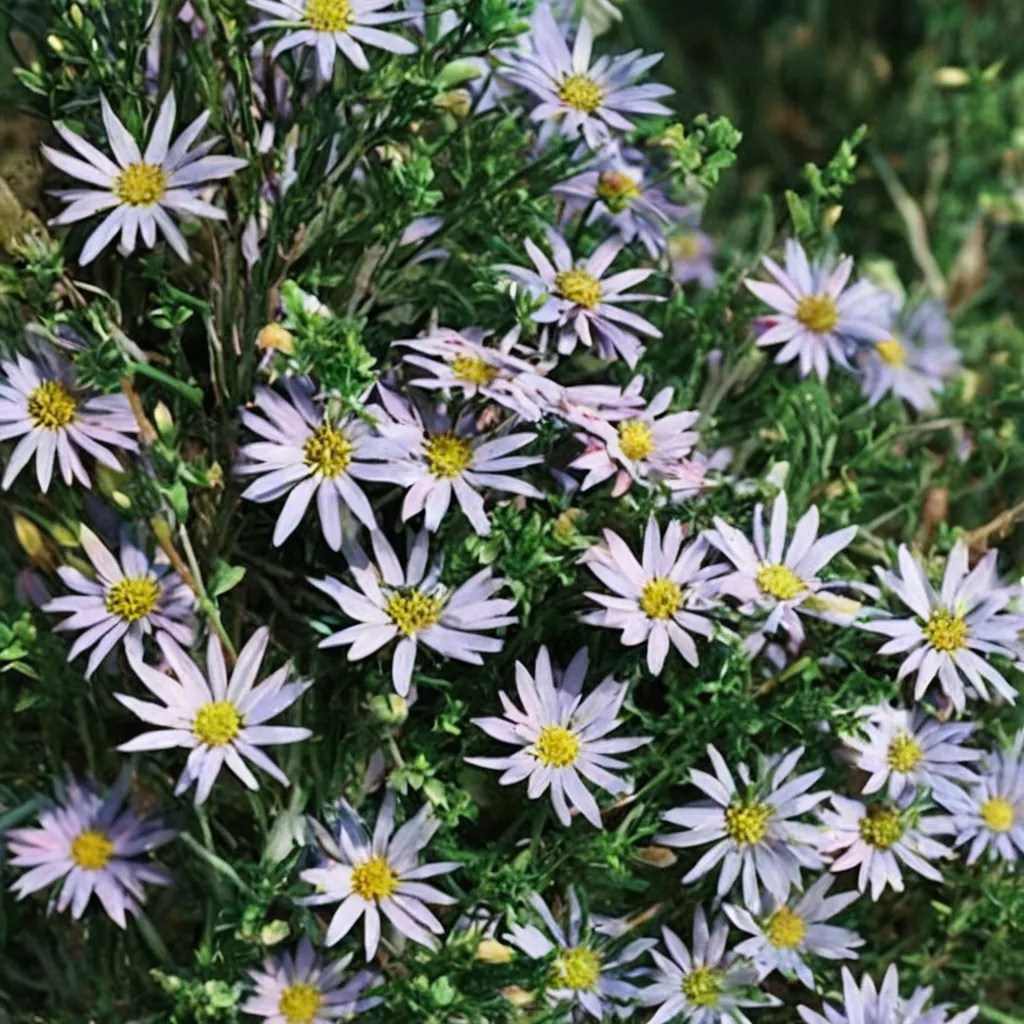
New Mexico Aster My Antonia
Symphyotrichum fendleri 'My Antonia'
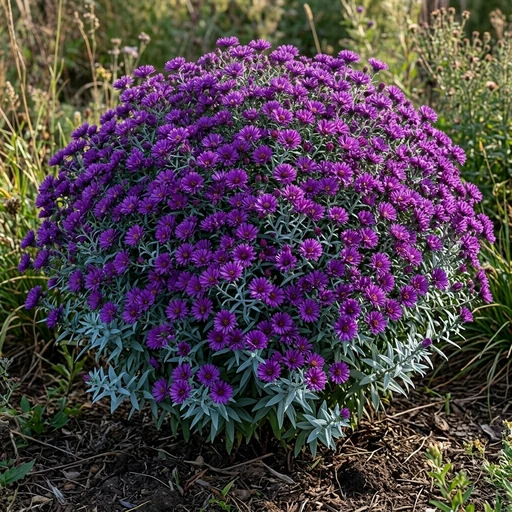
Purple Dome New England Aster
Symphyotrichum novae-angliae 'Purple Dome'
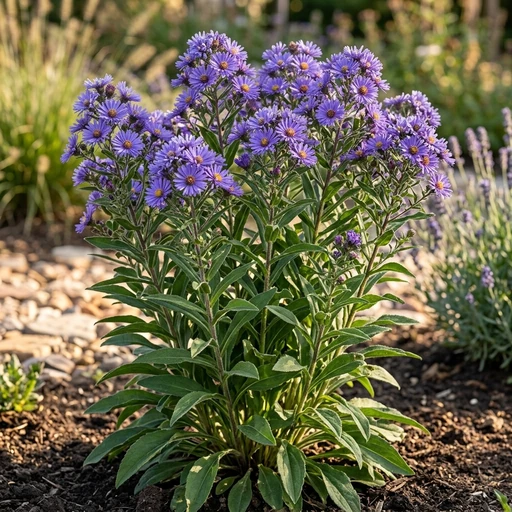
New England Aster
Symphyotrichum novae-angliae
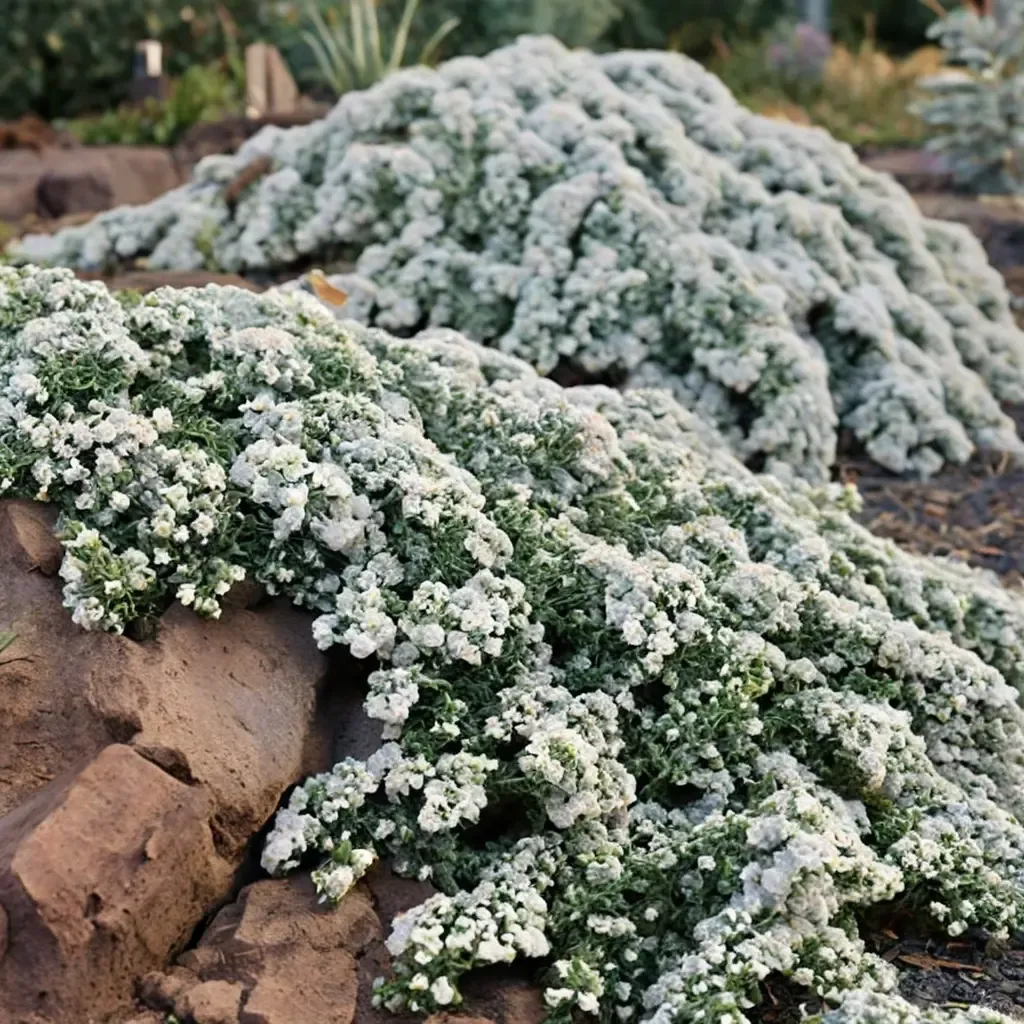
Snow Flurry Heath Aster
Symphyotrichum ericoides 'Snow Flurry'
Keep exploring
Grow Purplestem Aster with confidence
See it in a design of your actual yard, get zone-matched care reminders, and track it season by season in your garden journal.