The Story
Plant Bio
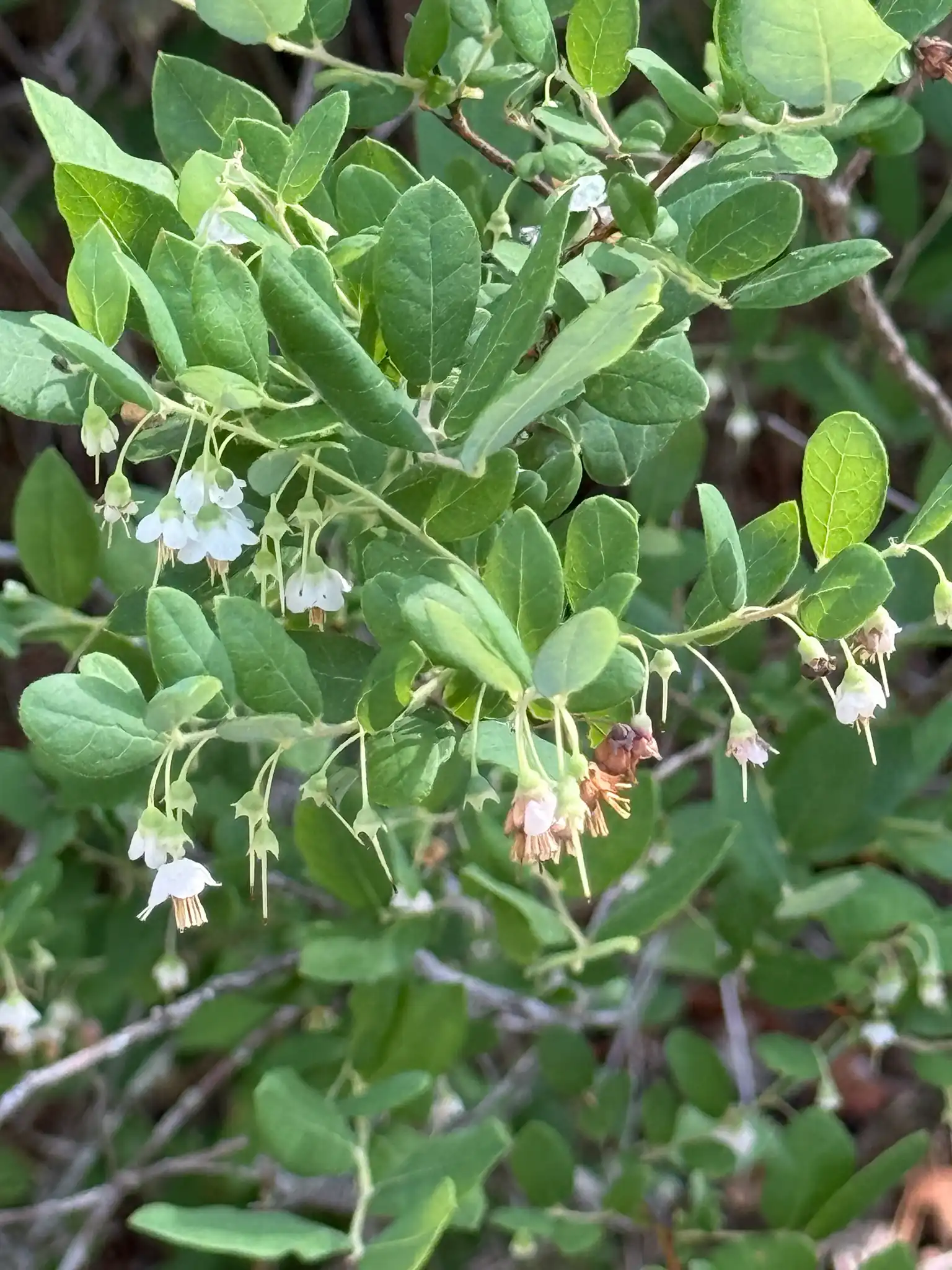
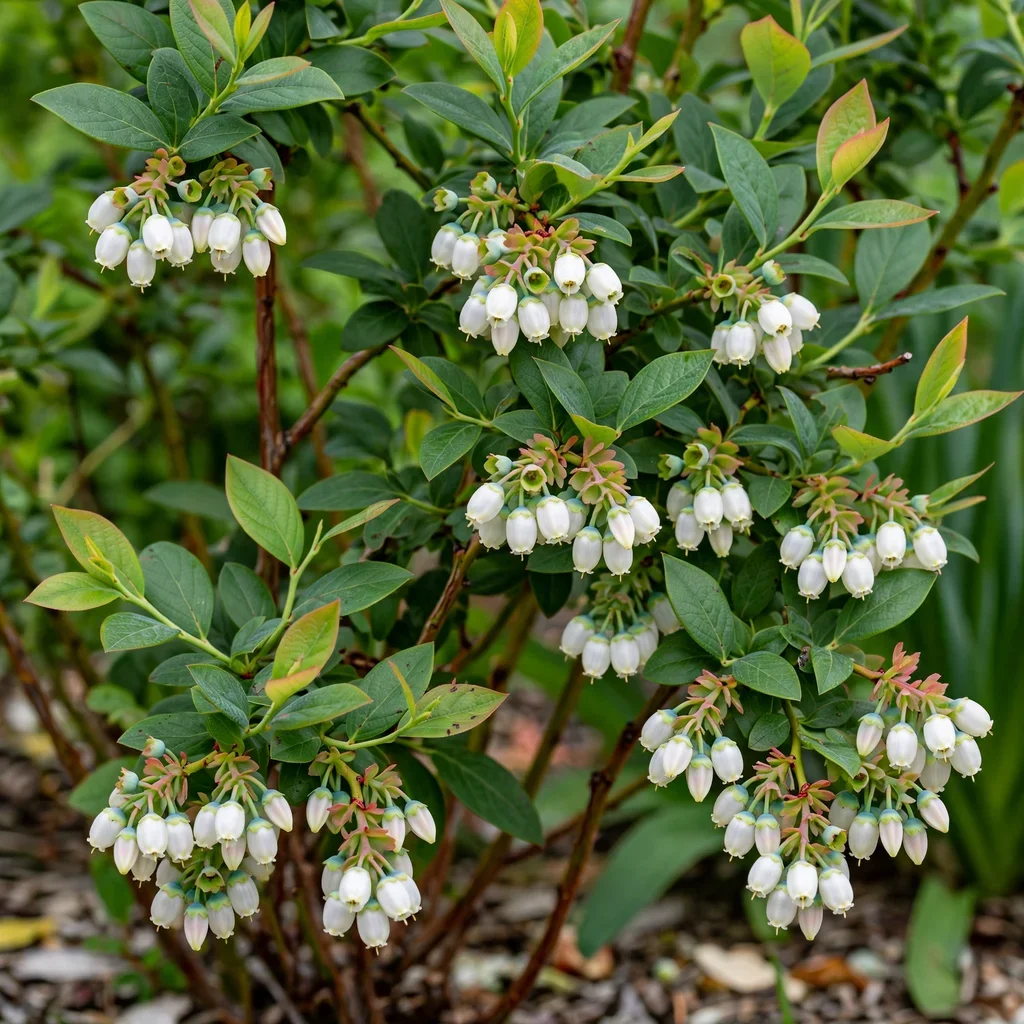
Vaccinium stamineum, the deerberry, is a much-branched deciduous shrub that suckers from underground stems into loose colonies, reaching 6 to 10 feet tall with a rounded, twiggy crown. The simple green leaves color and drop in fall, and the spring flowers hang as nodding greenish-white bells with yellow stamens and style thrust well beyond the corolla.
It differs from most blueberries and huckleberries by those exserted stamens, and in leaf from Vaccinium pallidum by finer, less prominent venation. It is a variable, freely hybridizing species of dry acid sand that demands pH below 6.8 and turns yellow and chlorotic where lime is present.
Uses & Benefits:
Essentials
At a Glance
Plant Type
Shrub
Height
120"
Width
72"
Light
Partial Sun
Water
Low
Humidity
Unknown
Lifespan
Woody perennial
Native To
Eastern North America
Toxicity
Non-poisonous, unpalatable
Bloom period
Spring – Early summer
In flower about 4 months of the year
Planting
How to Grow
- Set plants in spring into deep, sandy, well-drained soil with pH below 6.8.
- Space to allow suckering, leaving room for a multi-stemmed colony to widen.
- Water to settle the roots, then water sparingly; established plants use little water.
- Mulch with pine needles or shredded oak leaves to keep roots cool and acid.
Pro Tip
Plant only in acid, sandy, well-drained ground and allow suckers to form a colony; where pH runs high the foliage yellows and growth stalls.
Keep It Thriving
Care Guide
Do
- Grow in acid sand with sharp drainage.
- Let healthy suckers widen into a colony.
- Leave fruit for birds and mammals.
Don't
- Do not plant in alkaline or high-lime soil.
- Do not overwater or hold water around the crown.
- Do not expect sweet table fruit; berries are unpalatable fresh.
Seasonal Care Calendar
| Task | Jan | Feb | Mar | Apr | May | Jun | Jul | Aug | Sep | Oct | Nov | Dec |
|---|---|---|---|---|---|---|---|---|---|---|---|---|
| Mulch | ||||||||||||
| Pest Check | ||||||||||||
| Plant | ||||||||||||
| Propagate |
Watch Out For
Pests & Diseases
Common Pests
Common Diseases
In the Garden
Landscape Uses & Companions
Landscape Uses
Multiply
Propagation Methods
Good to Know
Common Questions
Deerberry questions
Is Deerberry deer resistant?
Not reliably. Deer may browse Deerberry, especially tender spring growth — plan on repellents or fencing where pressure is high.
When does Deerberry bloom?
Deerberry typically blooms from early spring to early summer. Exact timing shifts a week or two with your zone — Sow's bloom calendar maps it to your garden.
Does Deerberry need full sun?
Deerberry does best in part shade.
Is Deerberry drought tolerant?
Yes — once established (usually after the first full season), Deerberry handles dry spells with minimal watering. Water deeply its first year to build the root system that makes that possible.
More Vaccinium to compare
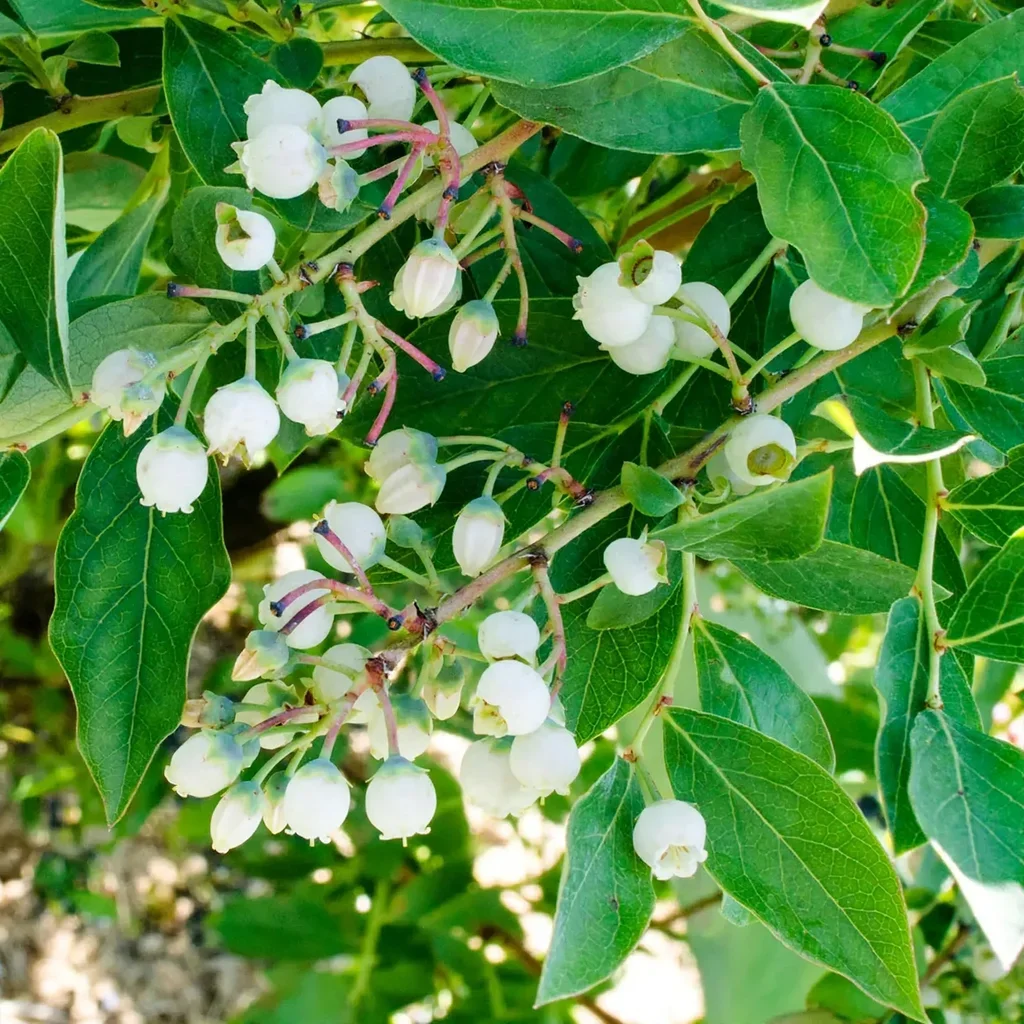
Echo Blueberry
Vaccinium corymbosum 'Echo'
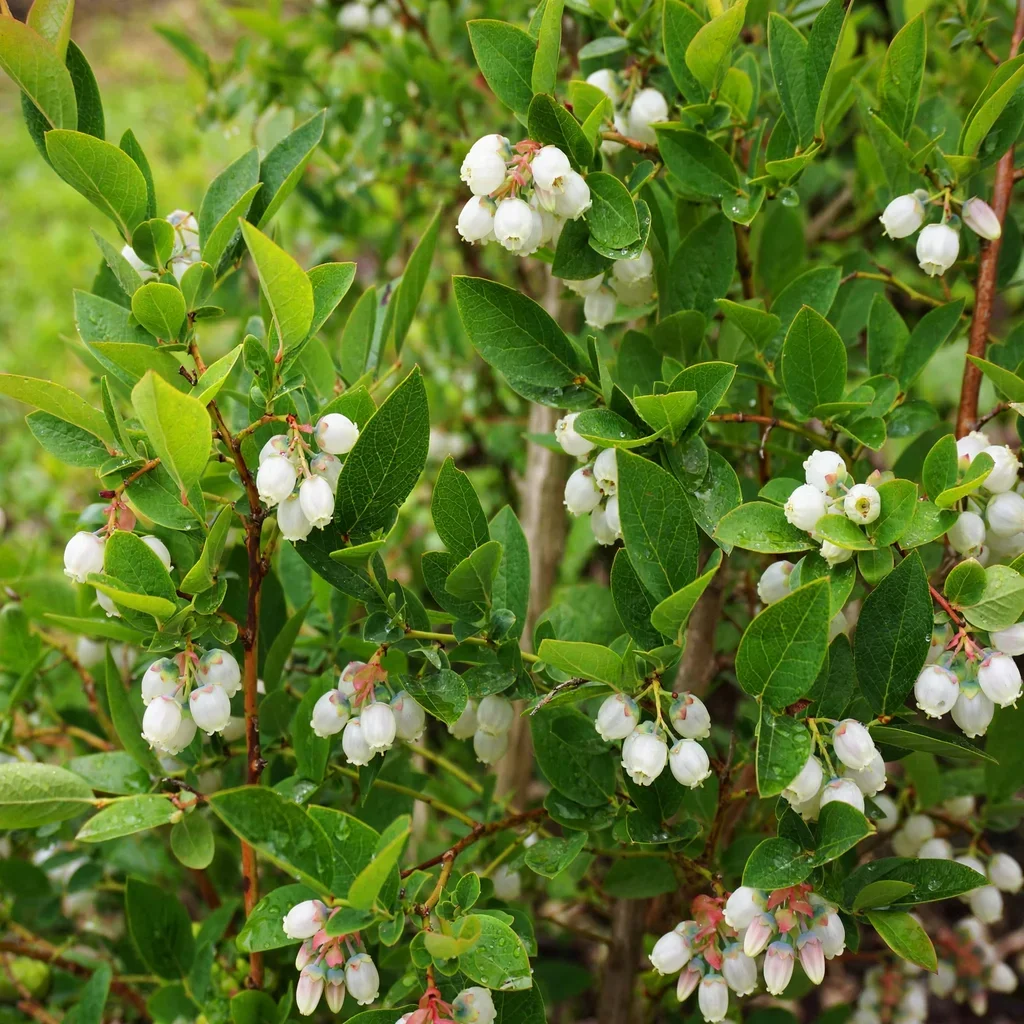
Highbush Blueberry
Vaccinium corymbosum
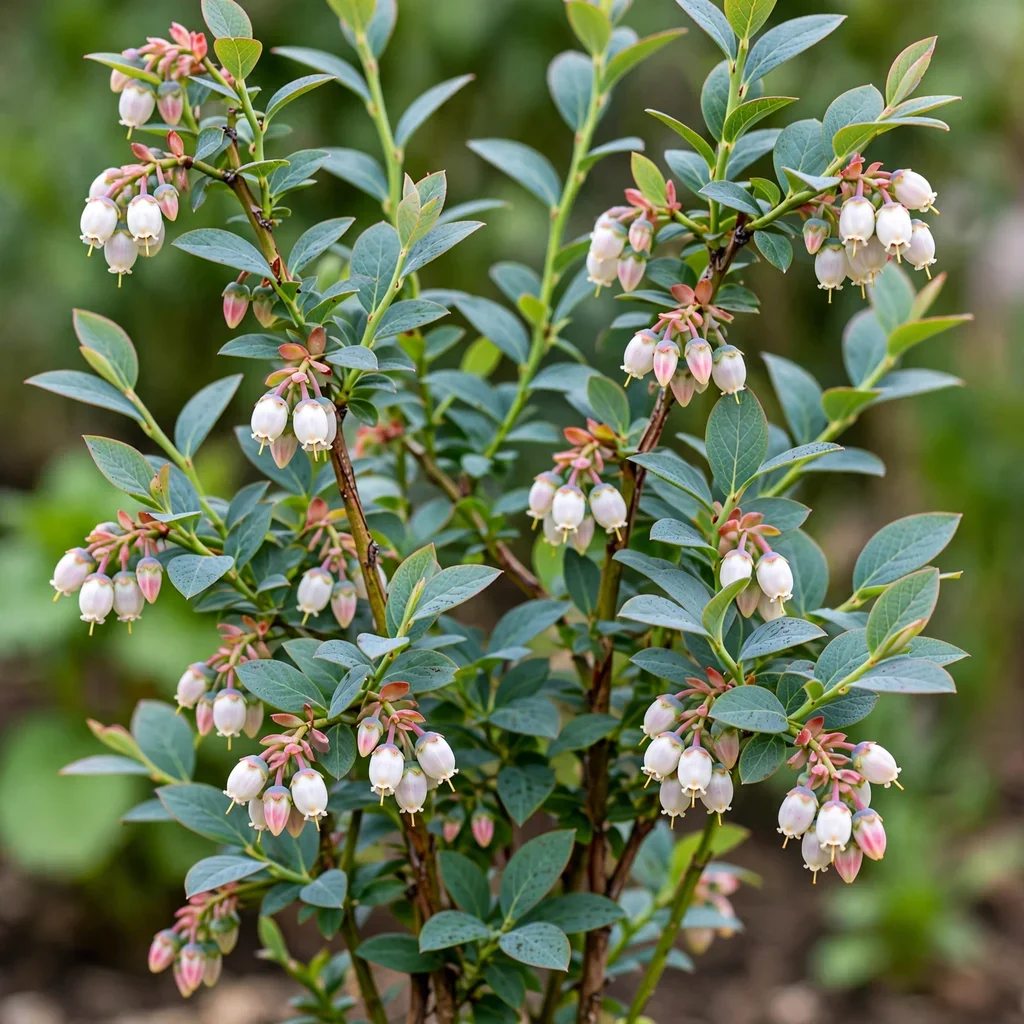
Sunshine Blue Blueberry
Vaccinium corymbosum 'Blueberry Sunshine Blue'
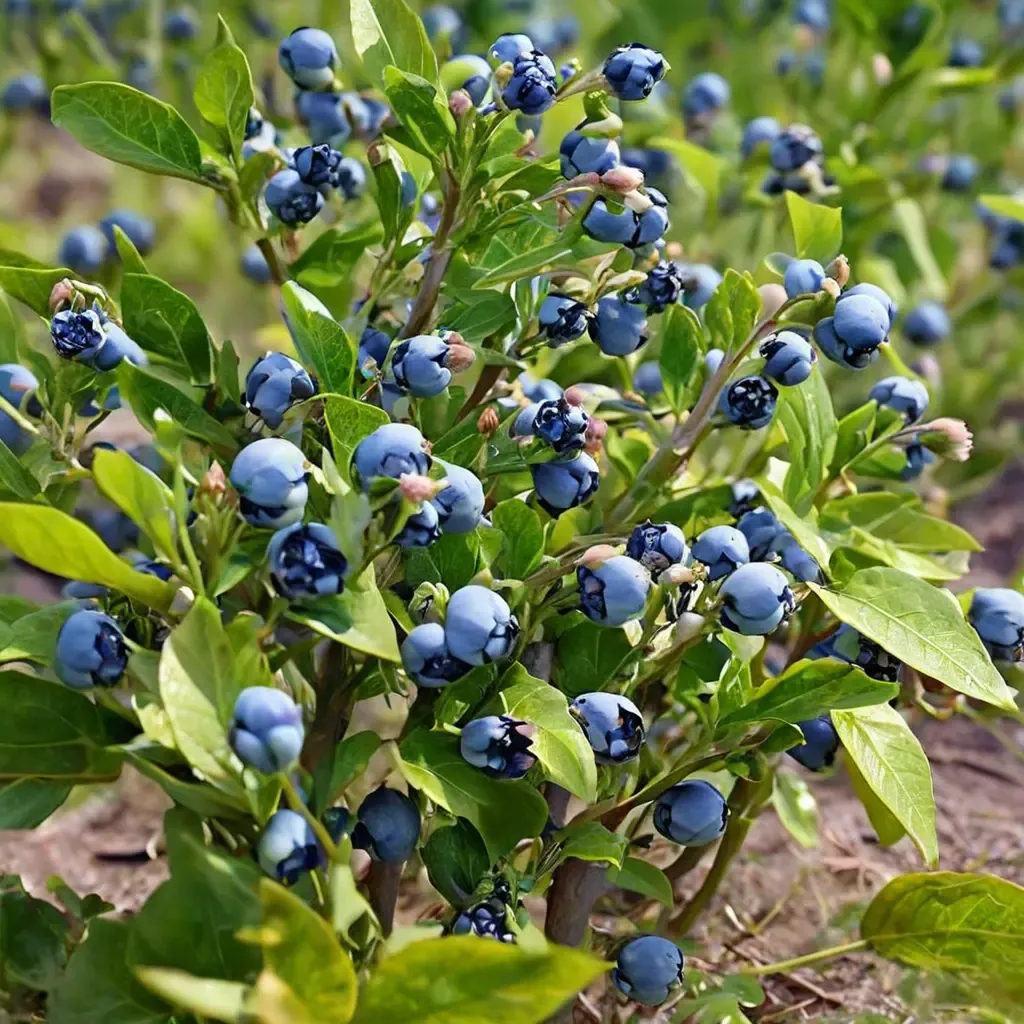
Chandler Blueberry
Vaccinium corymbosum 'Chandler'
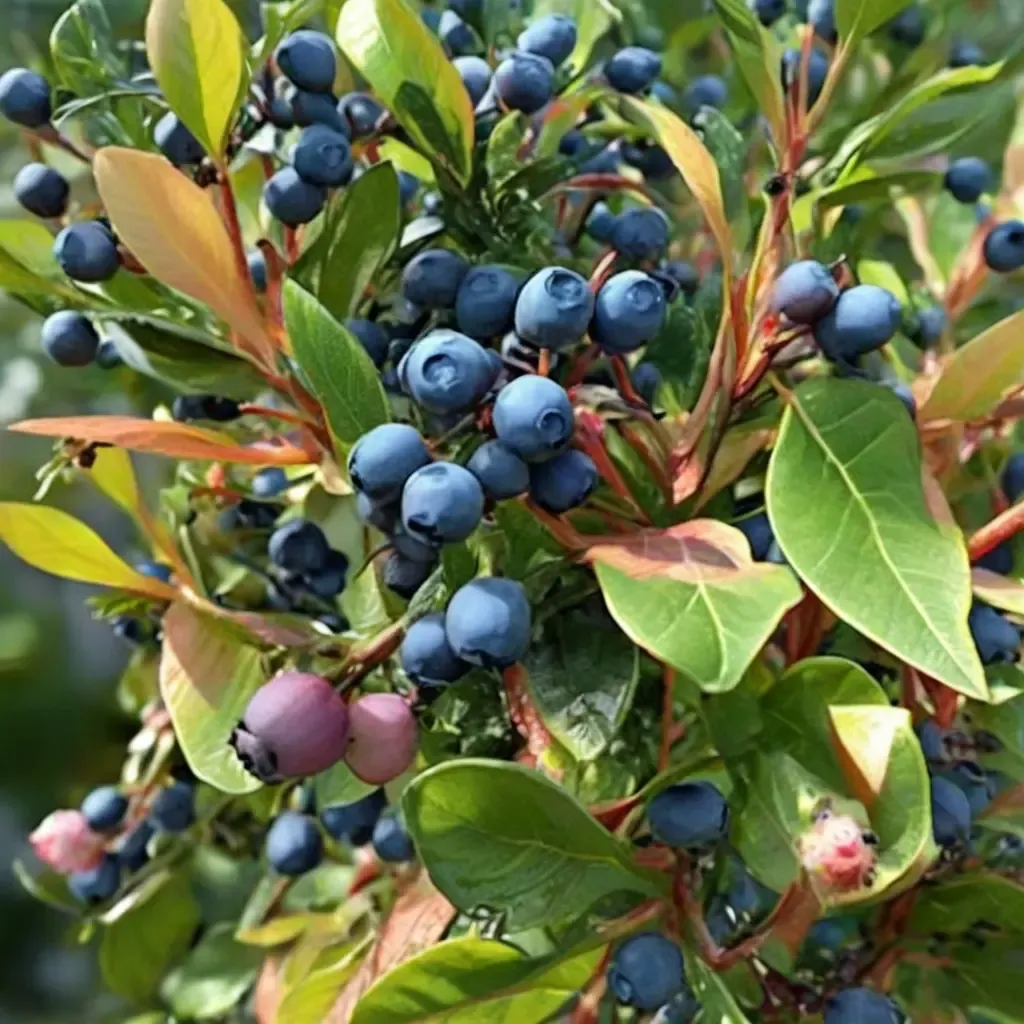
Duke blueberry
Vaccinium corymbosum 'Duke'
Bonus Blueberry
Vaccinium corymbosum 'Bonus'
Keep exploring
Explore the genus
Grow Deerberry with confidence
See it in a design of your actual yard, get zone-matched care reminders, and track it season by season in your garden journal.