The Story
Plant Bio
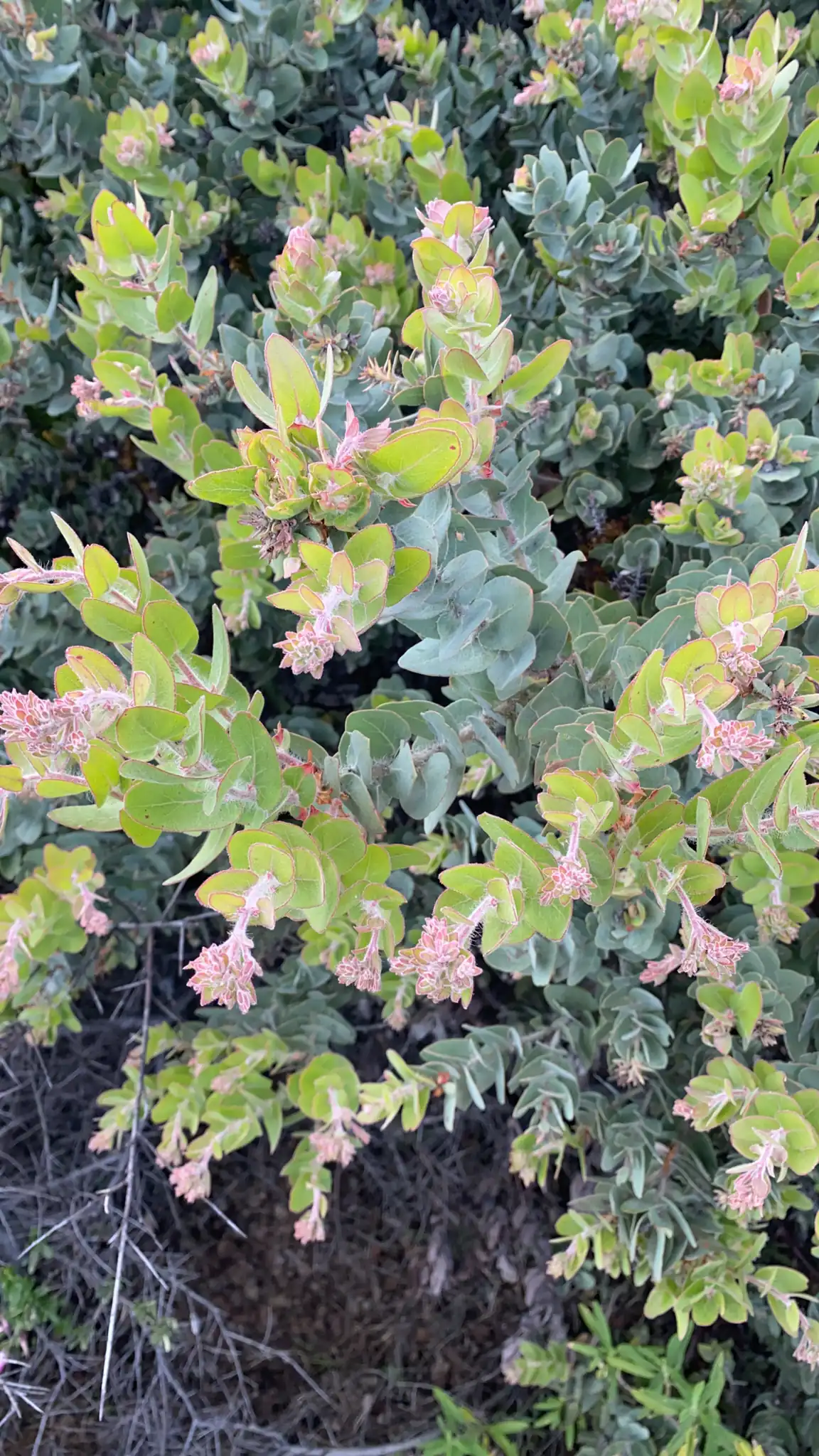
Arctostaphylos auriculata, the Mount Diablo manzanita, is an evergreen shrub reaching four to six feet tall and six to eight feet wide in cultivation, with upright spreading densely branched stems. The display comes from clusters of small white to pale pink urn-shaped bells produced from winter to early spring.
It is distinguished by woolly gray-green leaves that are oblong-ovate to rounded with a lobed clasping auriculate base, carried on densely white-hairy twigs above smooth mahogany-red gnarled trunks. Plants lack a basal burl and are slow growing, forming a narrow Mount Diablo endemic for summer-dry gardens with excellent drainage.
Uses & Benefits:
Essentials
At a Glance
Plant Type
Shrub
Height
72"
Width
96"
Light
Full Sun, Partial Sun
Zones
8, 9
Water
Low
Humidity
Unknown
Lifespan
Long-lived shrub
Native To
California, USA
Toxicity
Unknown
Bloom period
Late winter – Early spring
In flower about 2 months of the year
Planting
How to Grow
- Plant in fall in full sun to part shade in very fast-draining sandy, rocky or gravelly soil, setting the crown slightly high.
- Water deeply at planting and through the first winter and spring, then taper to little or no summer water once established.
- Mulch with gravel or coarse rock, keeping mulch pulled back from the trunk.
- Tip-prune lightly after flowering to shape; do not cut back into old bare wood.
Pro Tip
Plant high in lean fast-draining soil in full sun and keep summer water off established plants; wet summer soil kills it.
Keep It Thriving
Care Guide
Do
- Give full sun and open air with excellent drainage.
- Water new plants through the first dry season, then keep summer-dry.
- Leave established plants largely unpruned except for light shaping.
Don't
- Do not overwater in summer or plant in heavy soil that stays wet.
- Do not fertilize heavily or amend with rich organic mix.
- Do not wild-collect; this is a rare endemic with few wild occurrences.
Seasonal Care Calendar
| Task | Jan | Feb | Mar | Apr | May | Jun | Jul | Aug | Sep | Oct | Nov | Dec |
|---|---|---|---|---|---|---|---|---|---|---|---|---|
| Mulch | ||||||||||||
| Pest Check | ||||||||||||
| Plant | ||||||||||||
| Prune |
Watch Out For
Pests & Diseases
Common Pests
Common Diseases
In the Garden
Landscape Uses & Companions
Landscape Uses
Multiply
Propagation Methods
Good to Know
Common Questions
Mt. Diablo Manzanita questions
What zones can Mt. Diablo Manzanita grow in?
Mt. Diablo Manzanita is hardy in USDA Zones 8–9: in that range it survives winter in the ground. Colder than Zone 8, grow it in a container you can move to shelter for the winter. Warmer than Zone 9, winter isn't the problem: it prefers colder winters, and summer heat can shorten its life.
Is Mt. Diablo Manzanita deer resistant?
Yes — Mt. Diablo Manzanita is rated deer-resistant. Deer typically pass it over, though extreme hunger can override any plant's defenses.
When does Mt. Diablo Manzanita bloom?
Mt. Diablo Manzanita typically blooms from late winter to early spring. Exact timing shifts a week or two with your zone — Sow's bloom calendar maps it to your garden.
Does Mt. Diablo Manzanita need full sun?
Mt. Diablo Manzanita does best in full sun to part shade. In hot climates, afternoon shade keeps blooms fresher longer.
Is Mt. Diablo Manzanita drought tolerant?
Yes — once established (usually after the first full season), Mt. Diablo Manzanita handles dry spells with minimal watering. Water deeply its first year to build the root system that makes that possible.
More Arctostaphylos to compare
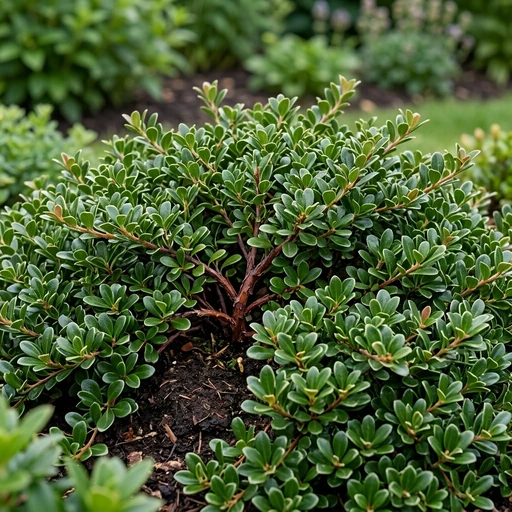
Massachusetts Common Bearberry
Arctostaphylos uva-ursi 'Massachusetts'
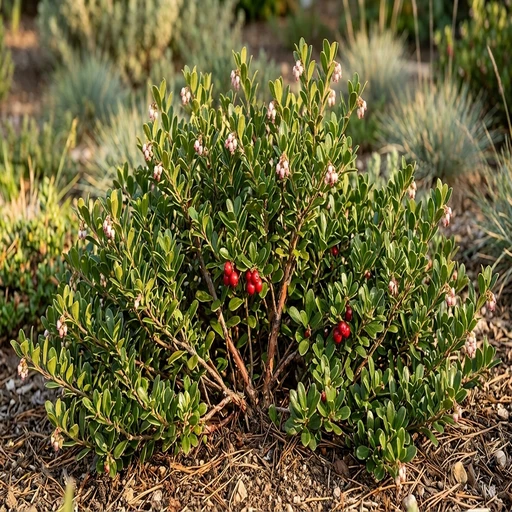
Bearberry
Arctostaphylos uva-ursi
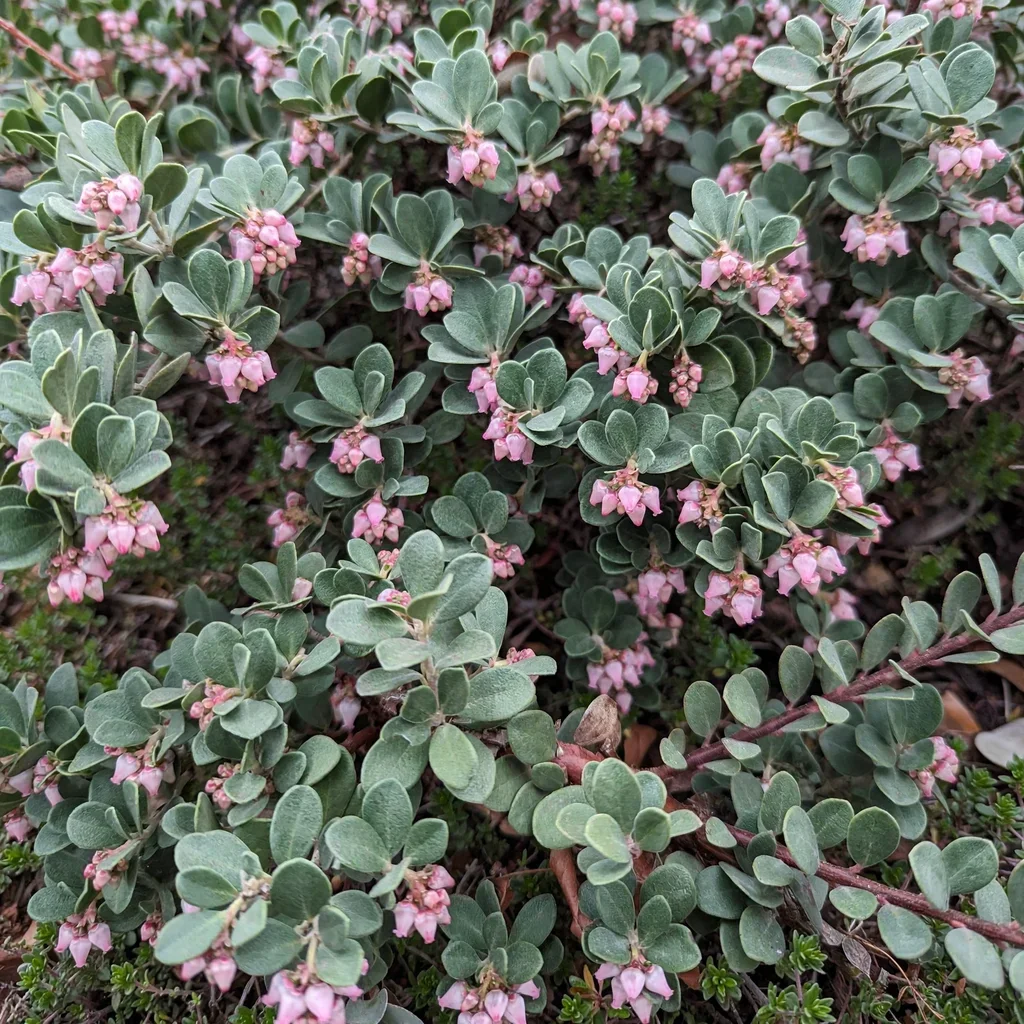
Ron Clendenen Manzanita
Arctostaphylos x media 'Ron Clendenen'
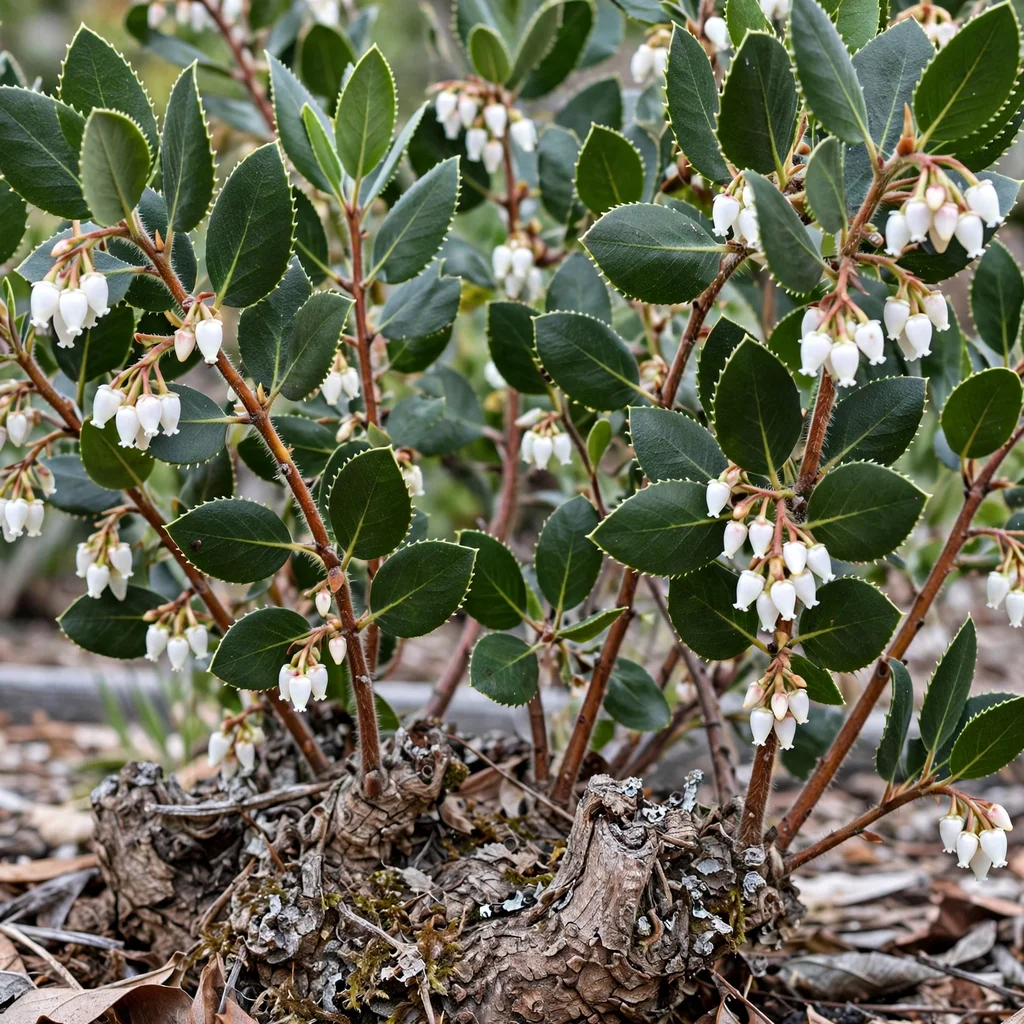
Brittleleaf Manzanita
Arctostaphylos crustacea
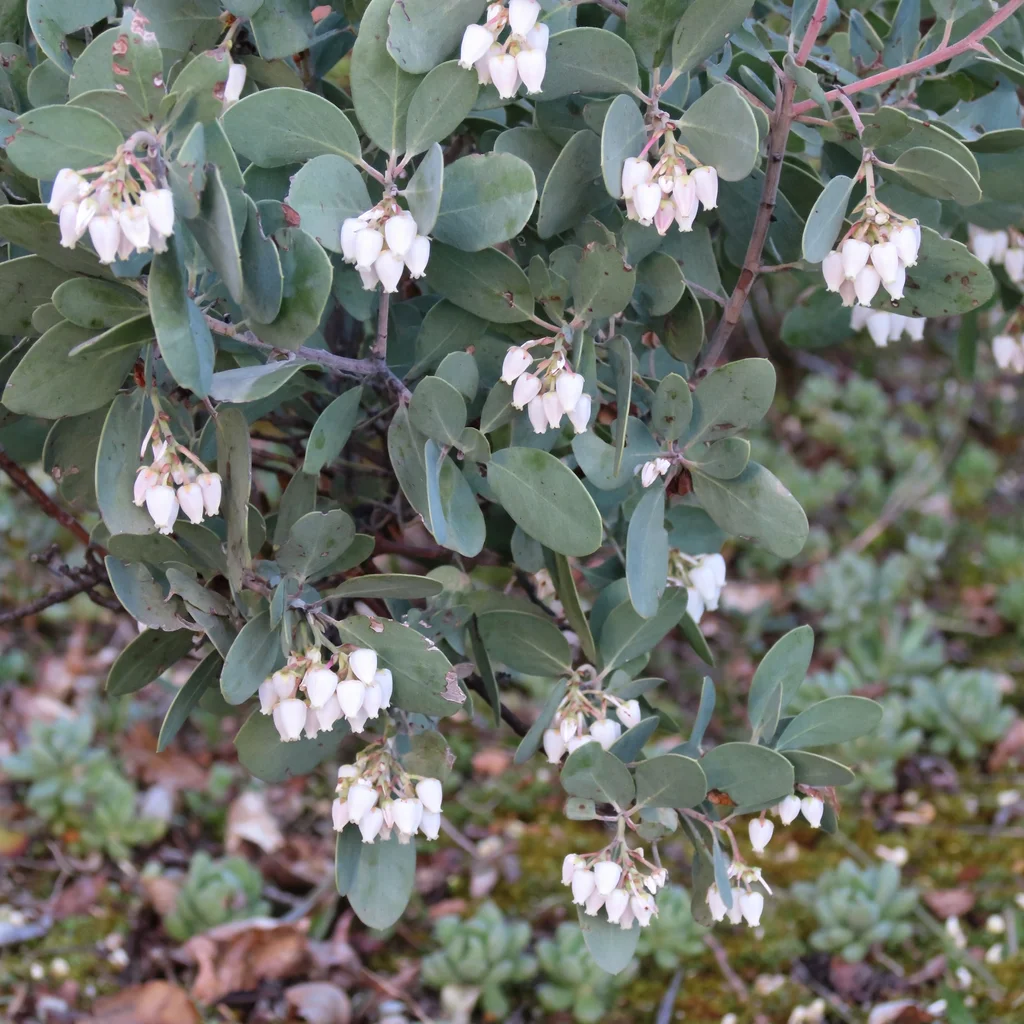
Common Manzanita
Arctostaphylos manzanita
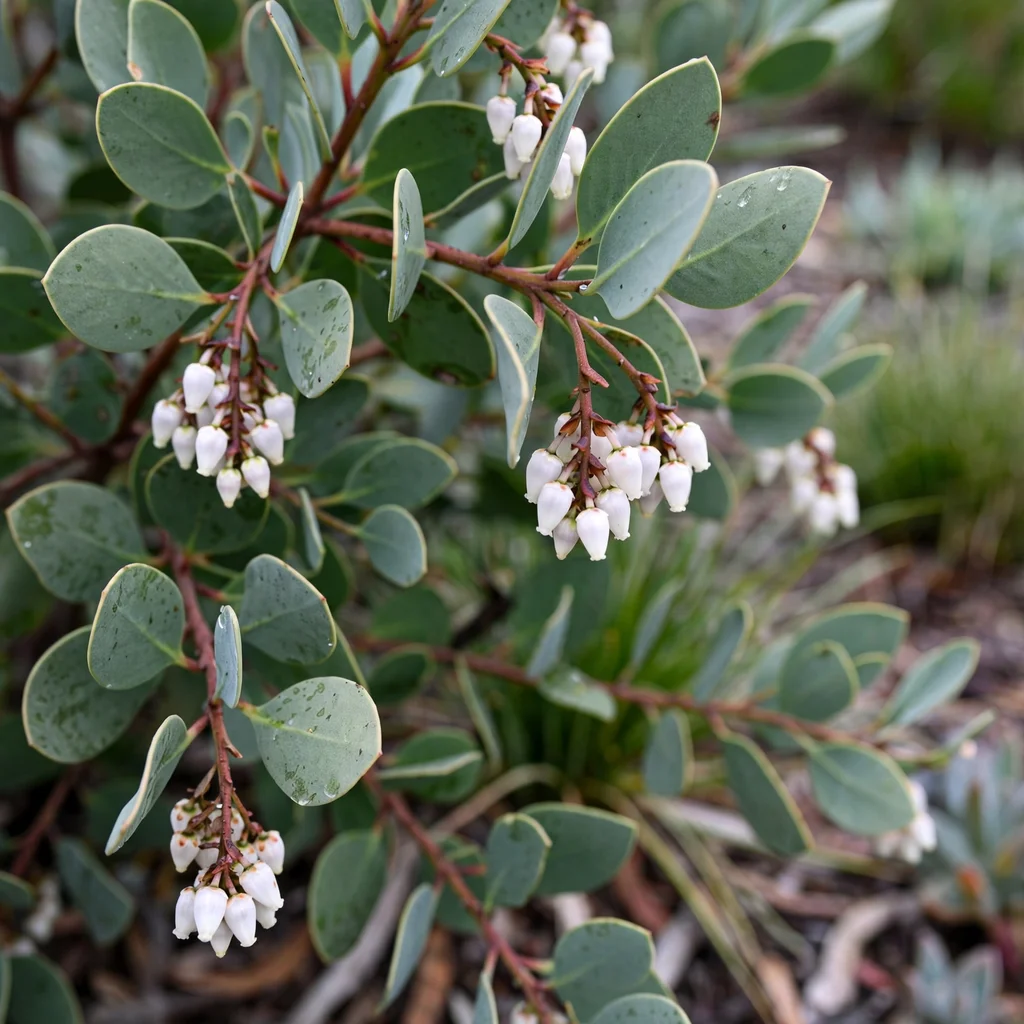
Rainbow Manzanita
Arctostaphylos rainbowensis
Keep exploring
Explore the genus
Hardy in your zone?
Grow Mt. Diablo Manzanita with confidence
See it in a design of your actual yard, get zone-matched care reminders, and track it season by season in your garden journal.