
The Story
Plant Bio
Arctostaphylos rainbowensis, the Rainbow manzanita, is an evergreen shrub with an erect rounded bushlike to treelike habit, reaching three to five feet tall and six feet wide in gardens. It bears urn-shaped flowers in winter to early spring on dense evergreen growth.
This is the narrow endemic of granite chaparral in northern San Diego and southern Riverside counties, described in 1994 after long confusion with Arctostaphylos peninsularis. It forms a basal burl with a lower moundy crown, allowing it to resprout after fire where many manzanitas must reseed.
Uses & Benefits:
Essentials
At a Glance
Plant Type
Shrub
Height
60"
Width
72"
Light
Full Sun
Zones
9, 10
Water
Very low
Humidity
Unknown
Lifespan
Long-lived shrub
Native To
California, USA
Toxicity
Unknown
Bloom period
Winter – Early spring
In flower about 4 months of the year
Planting
How to Grow
- Set in full sun in sandy or decomposed-granite soil with fast drainage and pH 6.0-7.5.
- Plant in fall so winter rain establishes roots before summer heat.
- Water deeply at planting, then taper to very low water.
- Once established, water no more than once a month in summer and avoid overhead watering.
- Keep the crown clear and do not enrich soil or irrigate frequently.
Pro Tip
Plant it in decomposed granite or sand with fast drainage and keep summer water to once a month at most once established; wet soil and overhead irrigation kill it.
Keep It Thriving
Care Guide
Do
- Plant in full sun in fast-draining sand or decomposed granite
- Water deeply but infrequently, tapering to monthly summer water once established
- Buy nursery-propagated plants to protect threatened wild populations
Don't
- Do not overwater in summer or plant in poorly drained soil
- Do not use overhead irrigation that wets the crown and foliage
- Do not wild-collect seed or cuttings from rare populations
Seasonal Care Calendar
| Task | Jan | Feb | Mar | Apr | May | Jun | Jul | Aug | Sep | Oct | Nov | Dec |
|---|---|---|---|---|---|---|---|---|---|---|---|---|
| Mulch | ||||||||||||
| Pest Check | ||||||||||||
| Plant | ||||||||||||
| Prune |
Watch Out For
Pests & Diseases
Common Pests
Common Diseases
In the Garden
Landscape Uses & Companions
Landscape Uses
Companion Plants
Multiply
Propagation Methods
Good to Know
Common Questions
Rainbow Manzanita questions
What zones can Rainbow Manzanita grow in?
Rainbow Manzanita is hardy in USDA Zones 9–10: in that range it survives winter in the ground. Colder than Zone 9, grow it in a container you can move to shelter for the winter.
When does Rainbow Manzanita bloom?
Rainbow Manzanita typically blooms from early winter to early spring. Exact timing shifts a week or two with your zone — Sow's bloom calendar maps it to your garden.
Does Rainbow Manzanita need full sun?
Rainbow Manzanita does best in full sun (6+ hours).
Is Rainbow Manzanita drought tolerant?
Yes — once established (usually after the first full season), Rainbow Manzanita handles dry spells with minimal watering. Water deeply its first year to build the root system that makes that possible.
More Arctostaphylos to compare
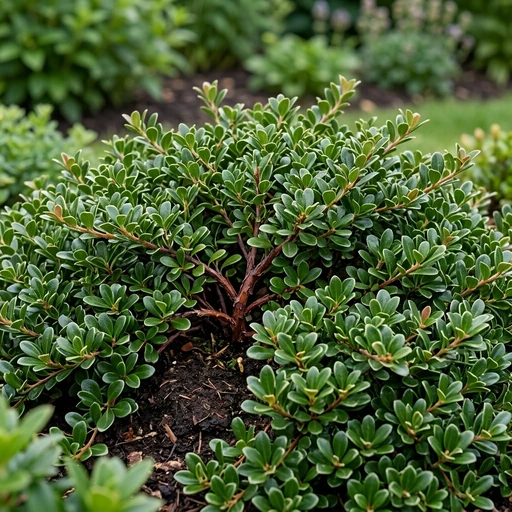
Massachusetts Common Bearberry
Arctostaphylos uva-ursi 'Massachusetts'
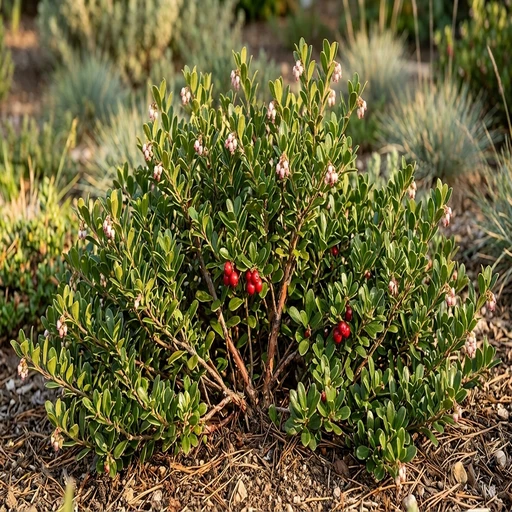
Bearberry
Arctostaphylos uva-ursi
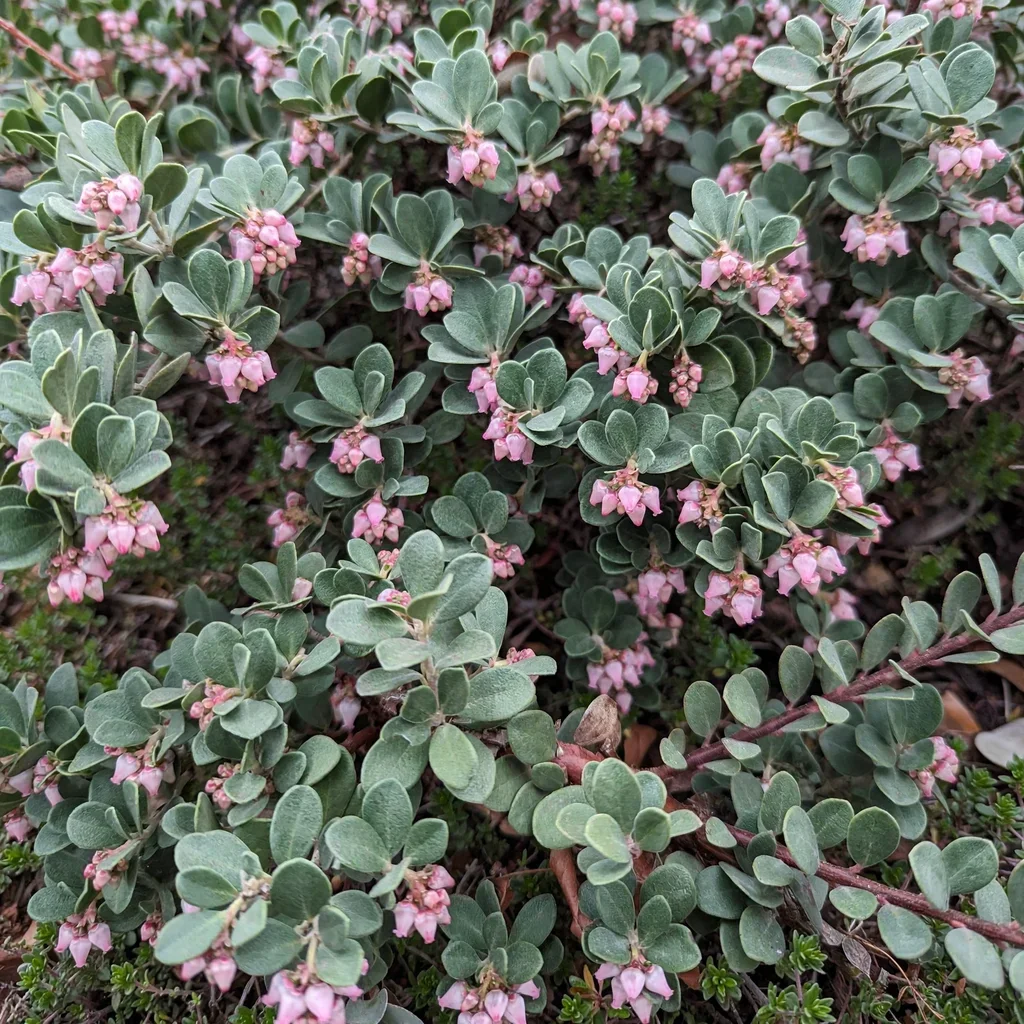
Ron Clendenen Manzanita
Arctostaphylos x media 'Ron Clendenen'
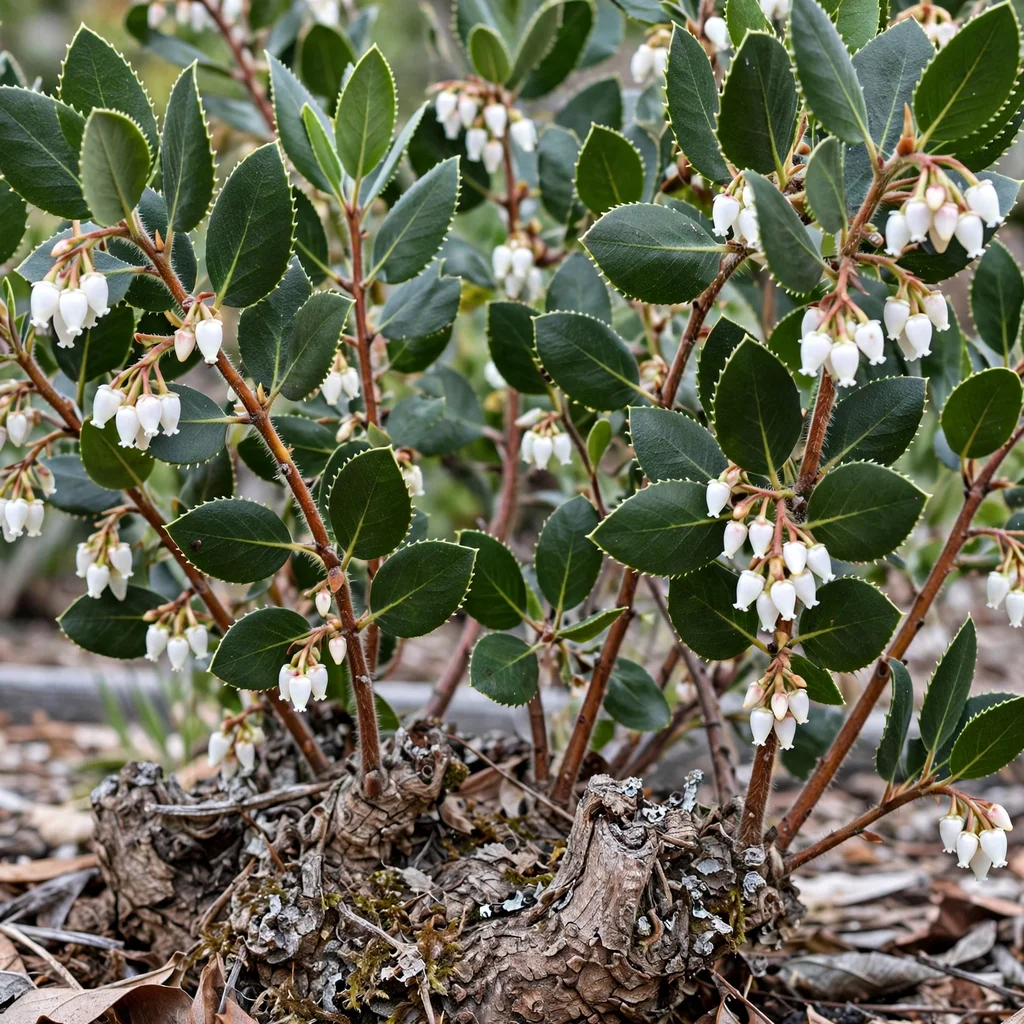
Brittleleaf Manzanita
Arctostaphylos crustacea
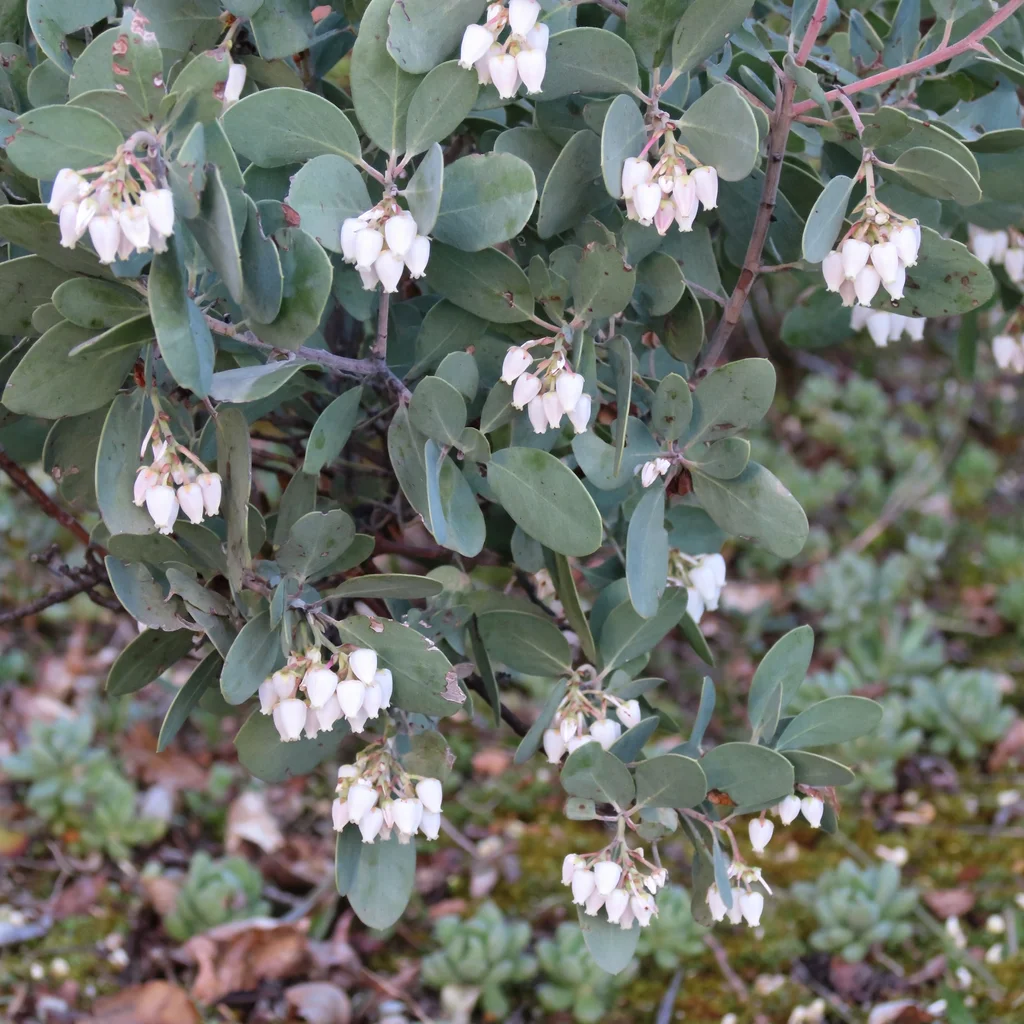
Common Manzanita
Arctostaphylos manzanita
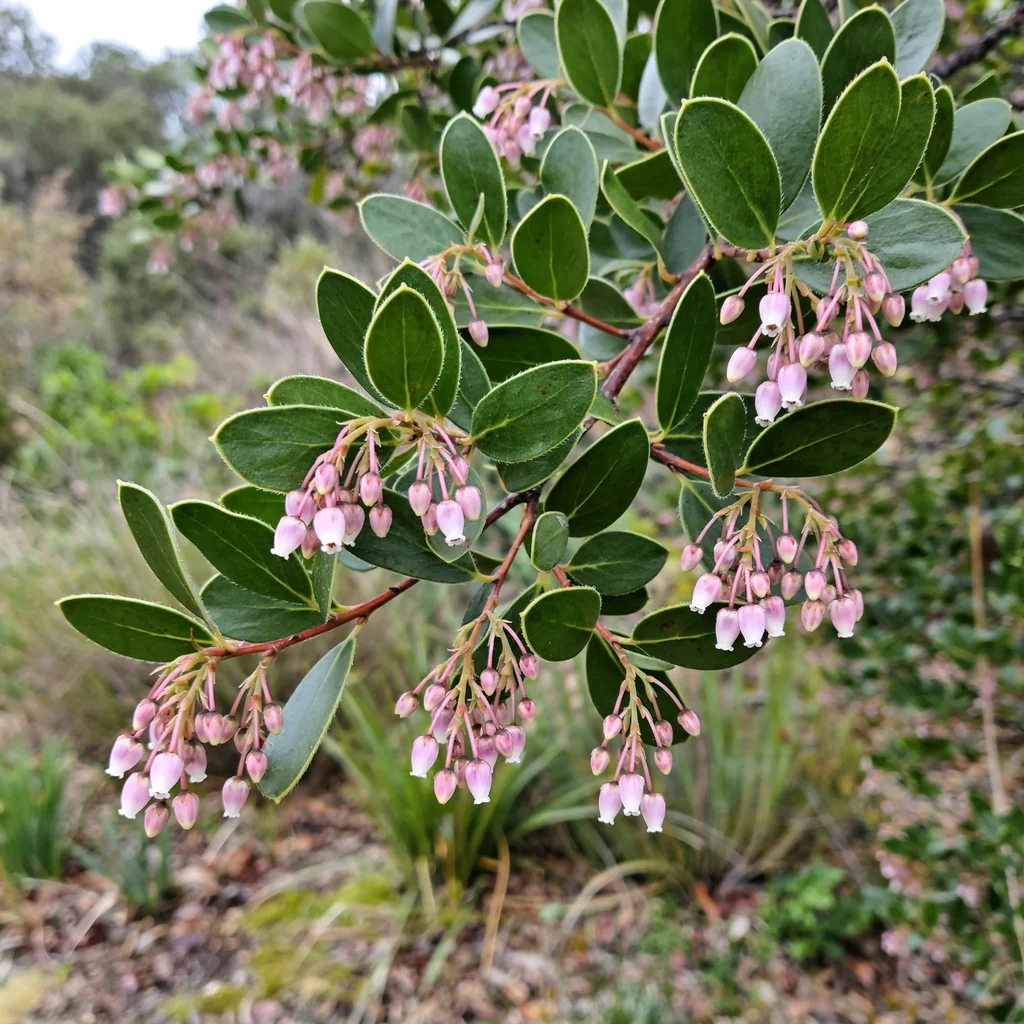
Vine Hill Manzanita
Arctostaphylos densiflora
Keep exploring
Explore the genus
Hardy in your zone?
Grow Rainbow Manzanita with confidence
See it in a design of your actual yard, get zone-matched care reminders, and track it season by season in your garden journal.