The Story
Plant Bio
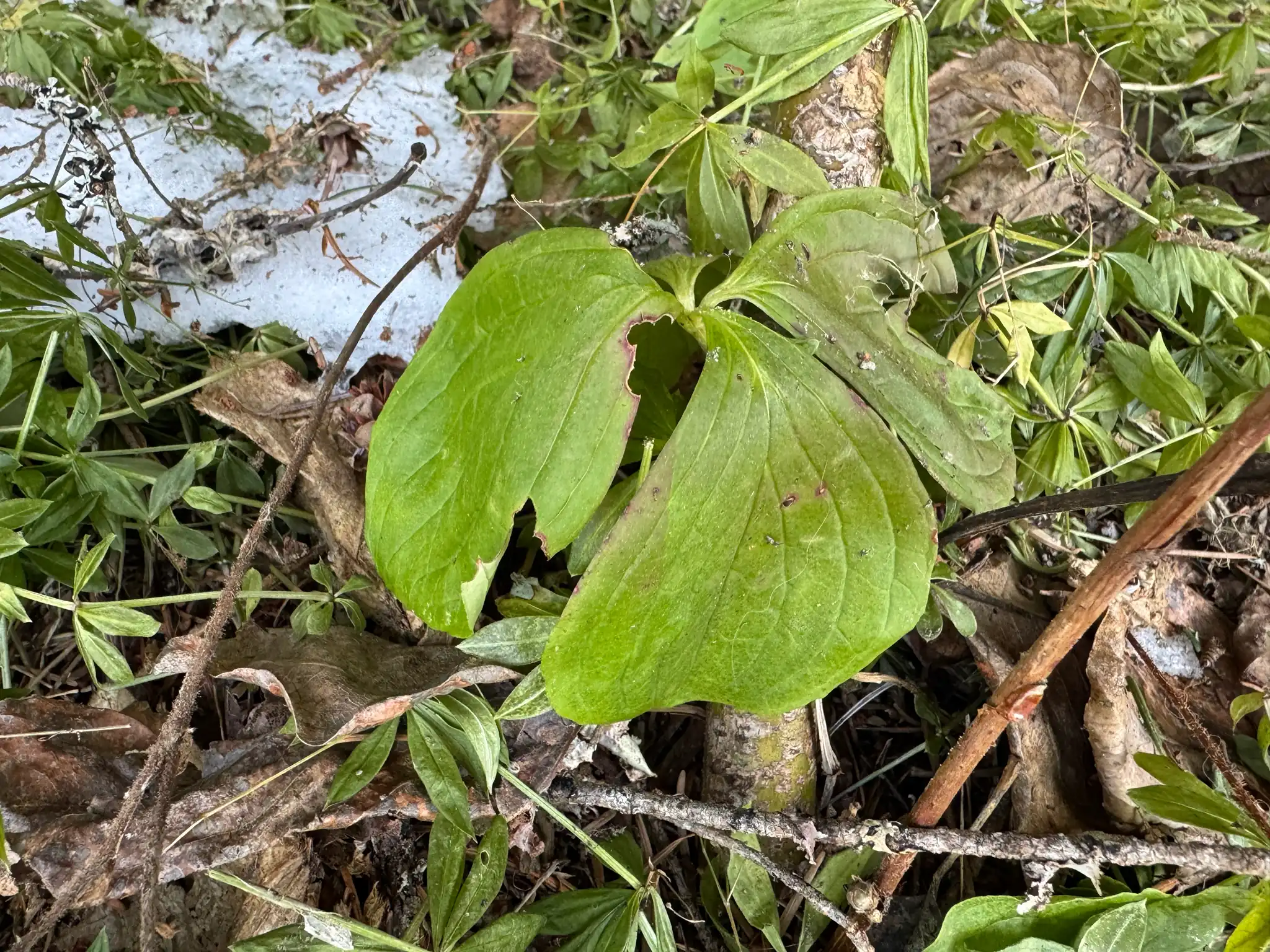
Cornus unalaschkensis is a creeping perennial herb native to cool northern woodland floors, spreading by shallow rhizomes to form low groundcover mats. Stems reach up to nine inches tall and bear whorled green leaves topped in late spring by compact flower heads framed by four white petal-like bracts.
This species is a natural hybrid-derived tetraploid featuring red- or purple-tipped white bracts and minute flowers with an explosive pollen-release mechanism. In late summer, the blooms set clusters of bright red edible berries while the foliage turns deep crimson through fall and winter.
Uses & Benefits:
Essentials
At a Glance
Plant Type
Groundcover
Height
9"
Width
12"
Light
Partial Sun, Shade
Zones
4, 5, 6, 7, 8
Water
High
Humidity
High
Lifespan
Perennial
Native To
Western North America, Eastern Russia
Toxicity
Non-toxic
Bloom period
Late spring – Summer
In flower about 4 months of the year
Planting
How to Grow
- Select a cool site in partial to full shade with rich, highly organic soil.
- Incorporate generous amounts of acidic leaf mold or composted pine bark into the top six inches of soil.
- Plant rhizomes shallowly, positioning growth tips just below the soil surface.
- Water thoroughly and apply a light mulch layer of organic duff to retain moisture.
Pro Tip
Plant in a thick layer of acidic leaf mold or decaying wood duff and keep the root zone constantly moist without permitting stagnant standing water.
Keep It Thriving
Care Guide
Do
- Maintain consistent moisture in the root zone throughout the growing season.
- Top-dress annually with acidic leaf mold or composted bark to feed shallow roots.
- Protect the planting area from foot traffic and deep mechanical cultivation.
Don't
- Do not allow the soil to dry out completely during summer heat.
- Do not apply heavy synthetic chemical fertilizers around the delicate rhizomes.
- Do not dig deeply near established plants, which severs creeping rhizome nets.
Seasonal Care Calendar
| Task | Jan | Feb | Mar | Apr | May | Jun | Jul | Aug | Sep | Oct | Nov | Dec |
|---|---|---|---|---|---|---|---|---|---|---|---|---|
| Divide | ||||||||||||
| Mulch | ||||||||||||
| Pest Check | ||||||||||||
| Spring Cleanup |
Watch Out For
Pests & Diseases
Common Pests
Common Diseases
In the Garden
Landscape Uses & Companions
Landscape Uses
Multiply
Propagation Methods
Good to Know
Common Questions
Western Cordilleran Bunchberry questions
What zones can Western Cordilleran Bunchberry grow in?
Western Cordilleran Bunchberry is hardy in USDA Zones 4–8: in that range it survives winter in the ground. Warmer than Zone 8, winter isn't the problem: it prefers colder winters, and summer heat can shorten its life.
Is Western Cordilleran Bunchberry deer resistant?
Not reliably. Deer may browse Western Cordilleran Bunchberry, especially tender spring growth — plan on repellents or fencing where pressure is high.
When does Western Cordilleran Bunchberry bloom?
Western Cordilleran Bunchberry typically blooms from late spring to late summer. Exact timing shifts a week or two with your zone — Sow's bloom calendar maps it to your garden.
Does Western Cordilleran Bunchberry need full sun?
Western Cordilleran Bunchberry does best in part shade.
More Cornus to compare
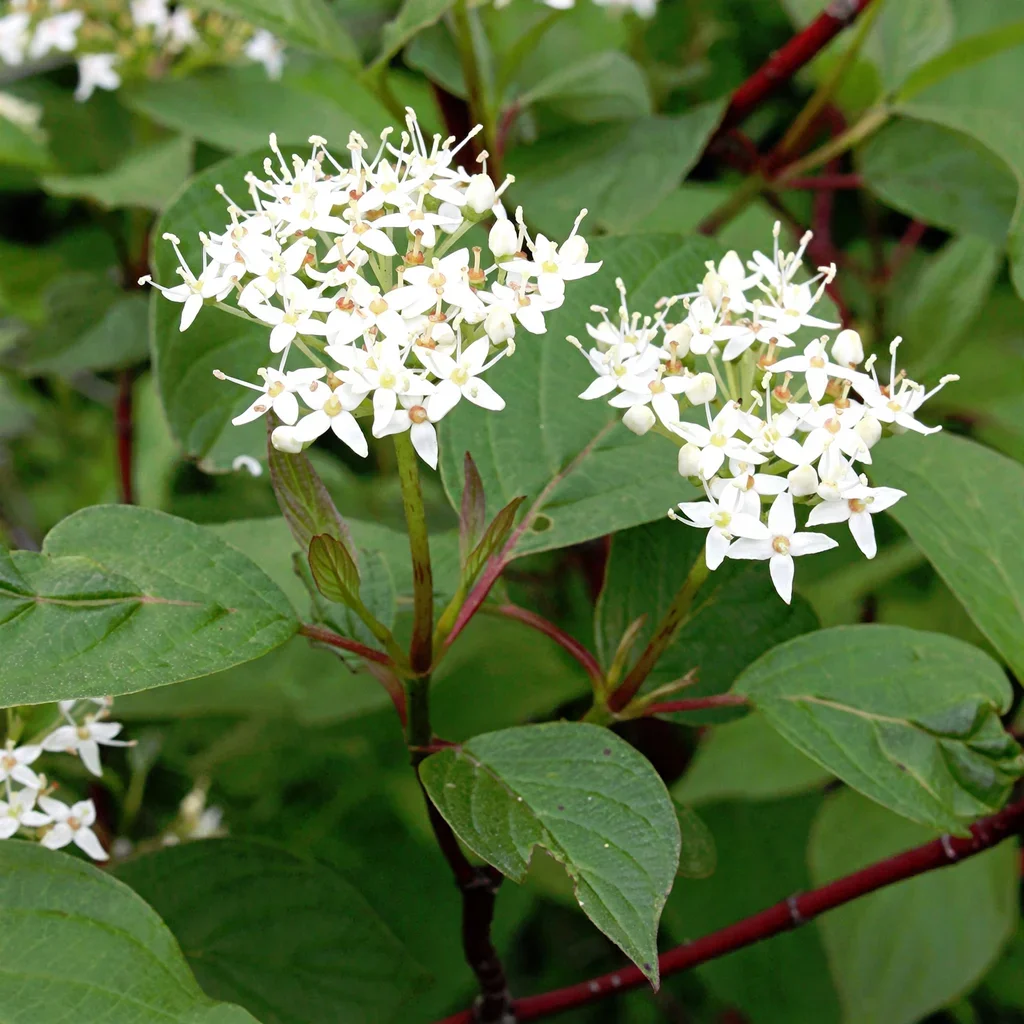
Red Twig Dogwood
Cornus sericea 'Red Twig'
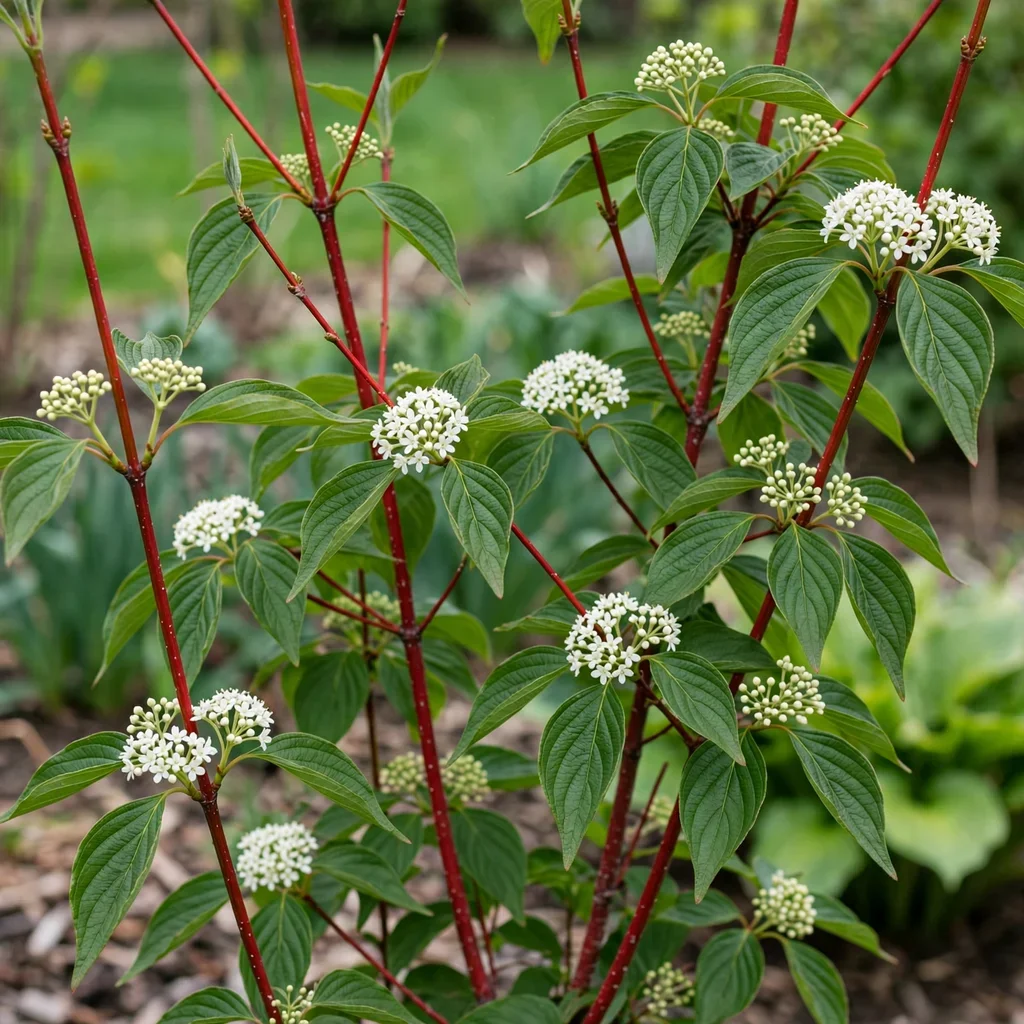
Arctic Fire Red Osier Dogwood
Cornus sericea 'Arctic Fire'
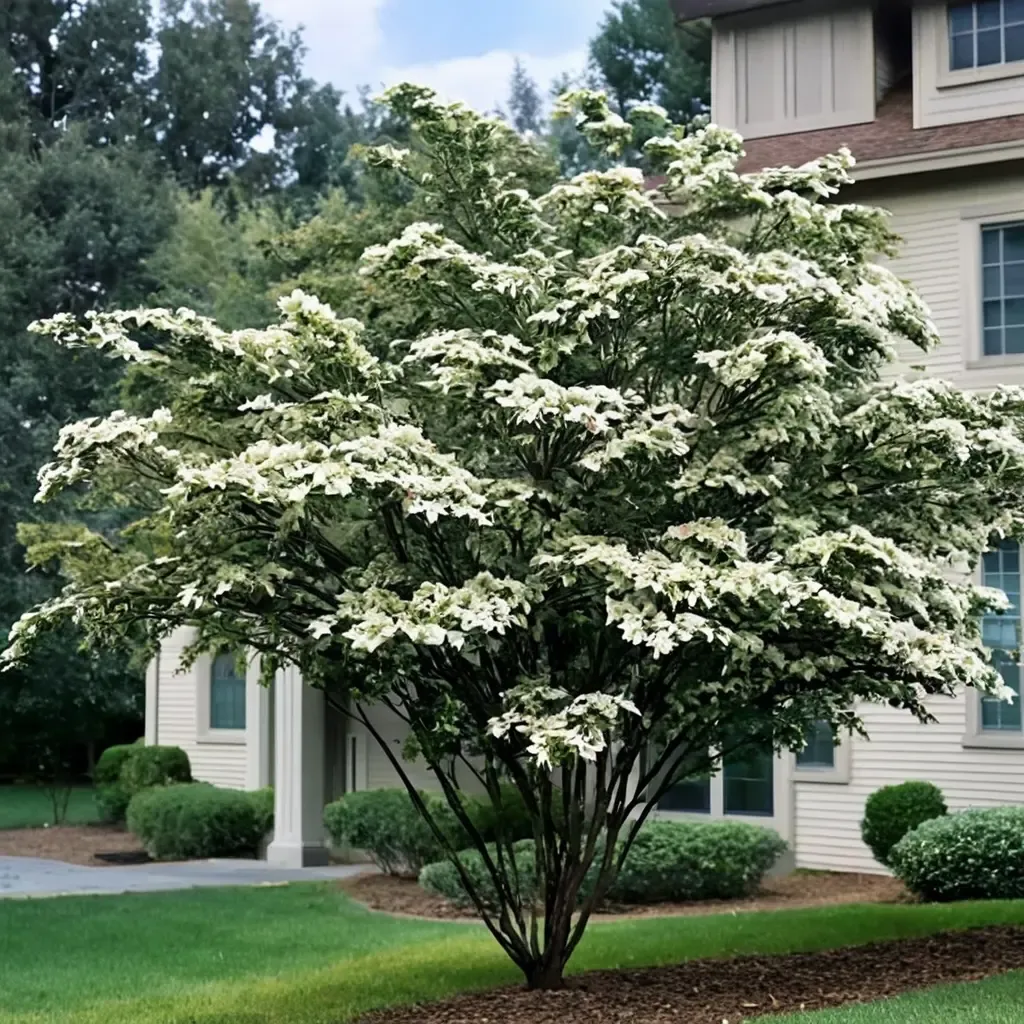
Kousa Dogwood
Cornus kousa
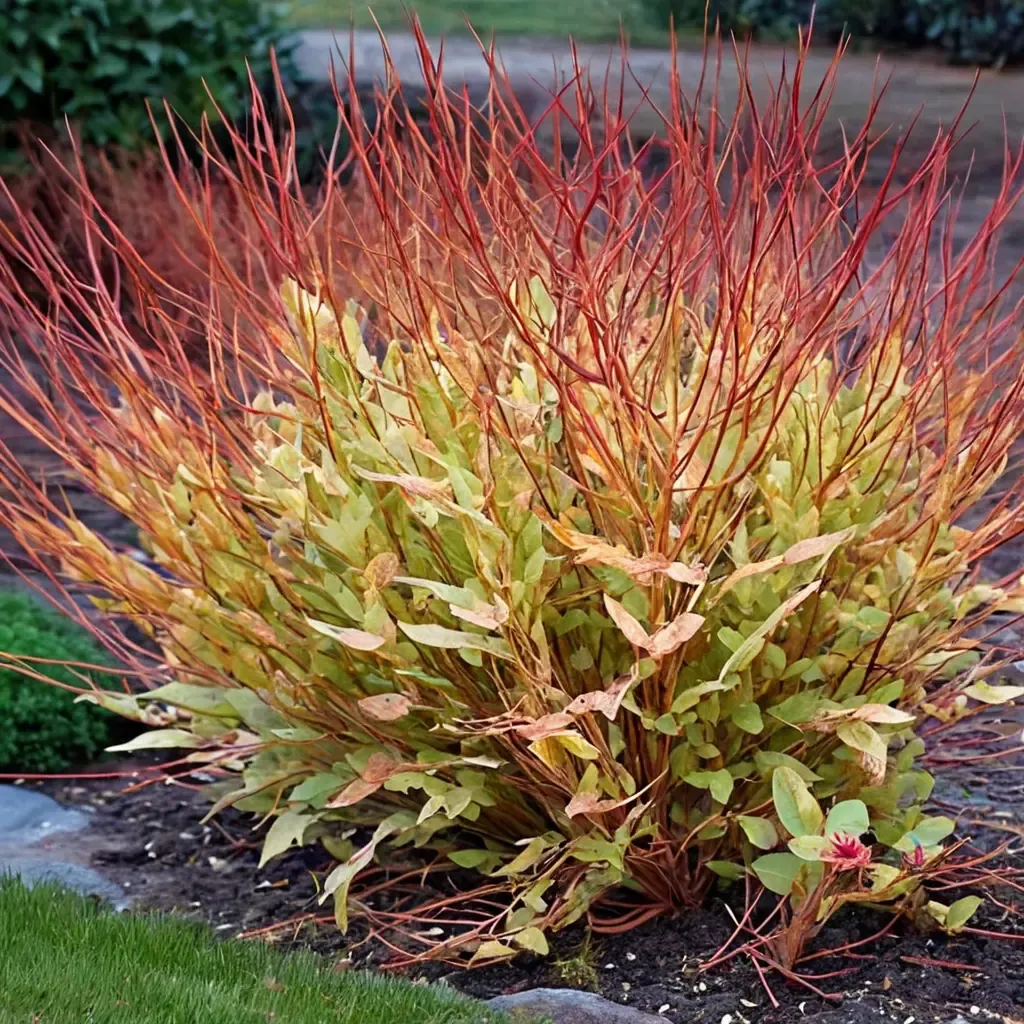
Midwinter Fire Dogwood
Cornus sanguinea 'Midwinter Fire'
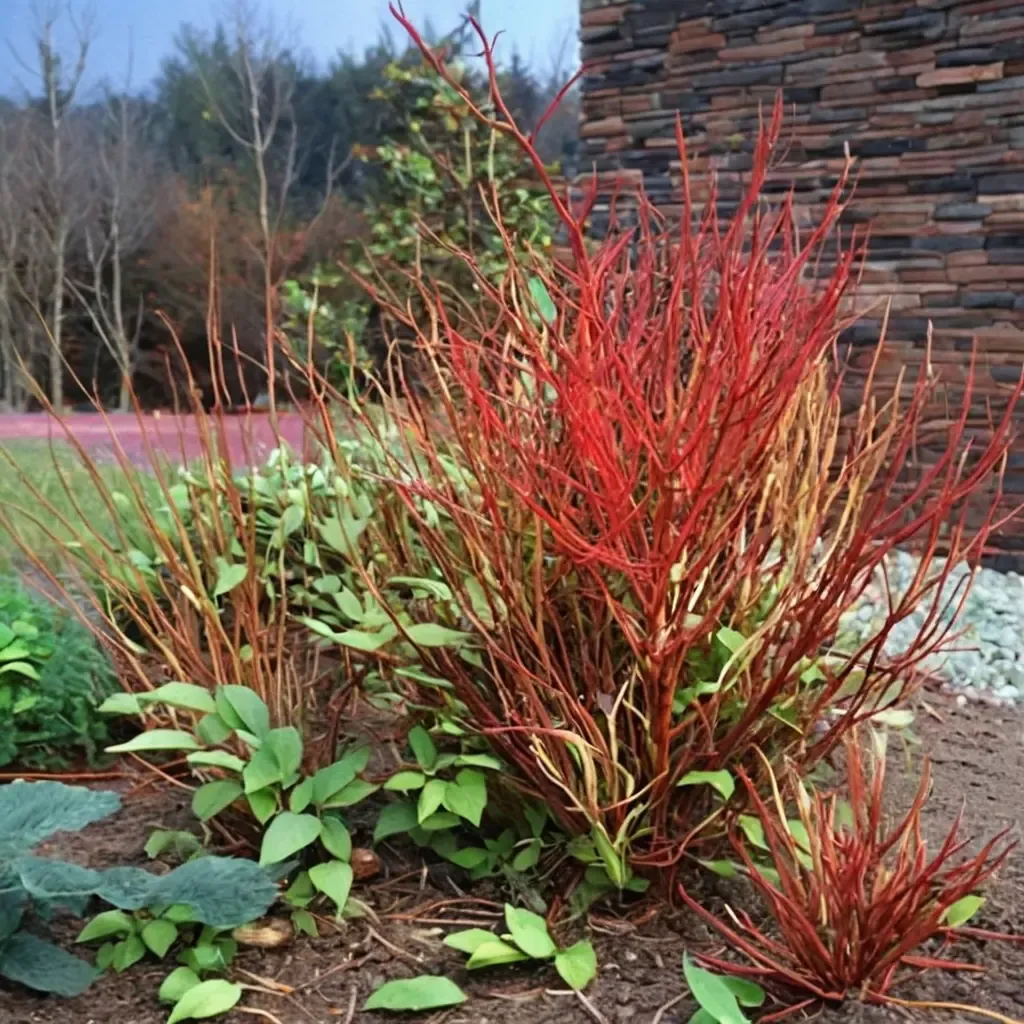
Cardinal Red Osier Dogwood
Cornus sericea 'Cardinal'
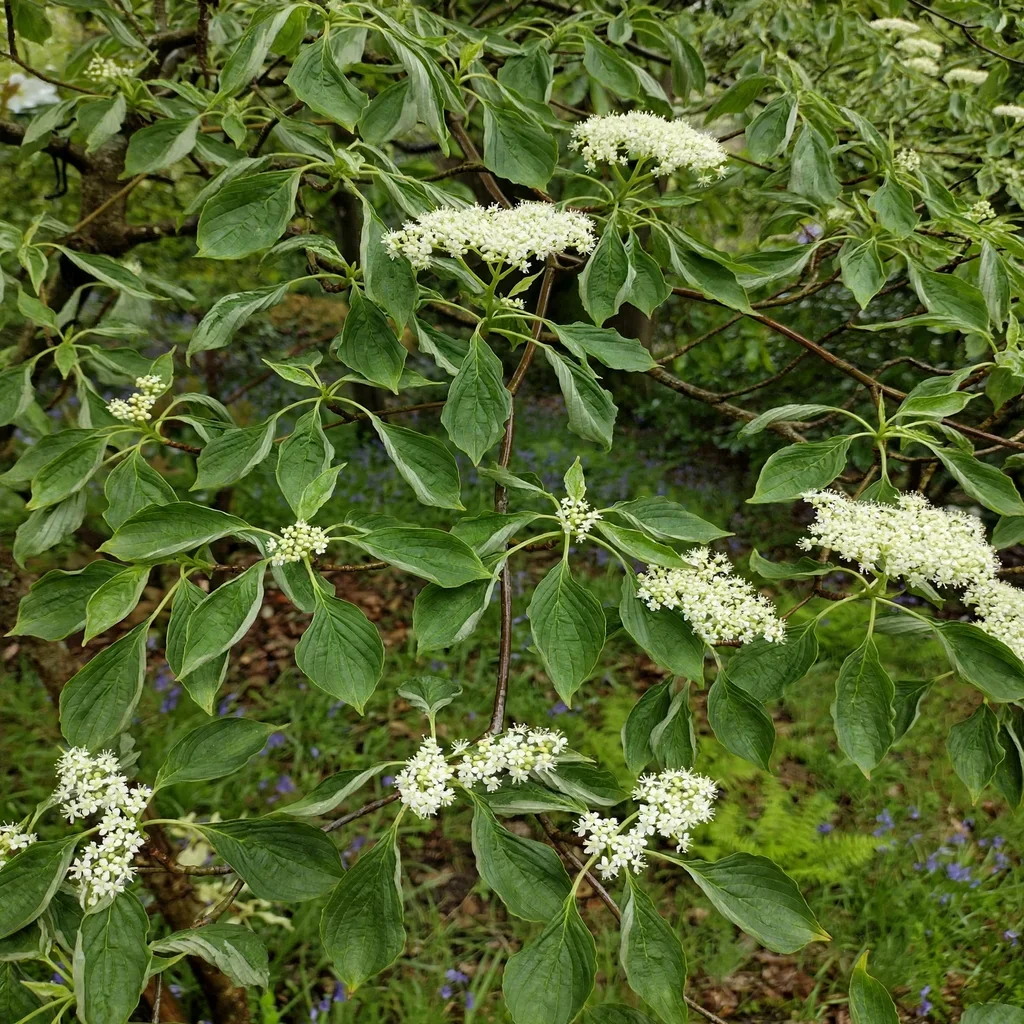
Giant Dogwood
Cornus controversa
Keep exploring
Explore the genus
Hardy in your zone?
Grow Western Cordilleran Bunchberry with confidence
See it in a design of your actual yard, get zone-matched care reminders, and track it season by season in your garden journal.