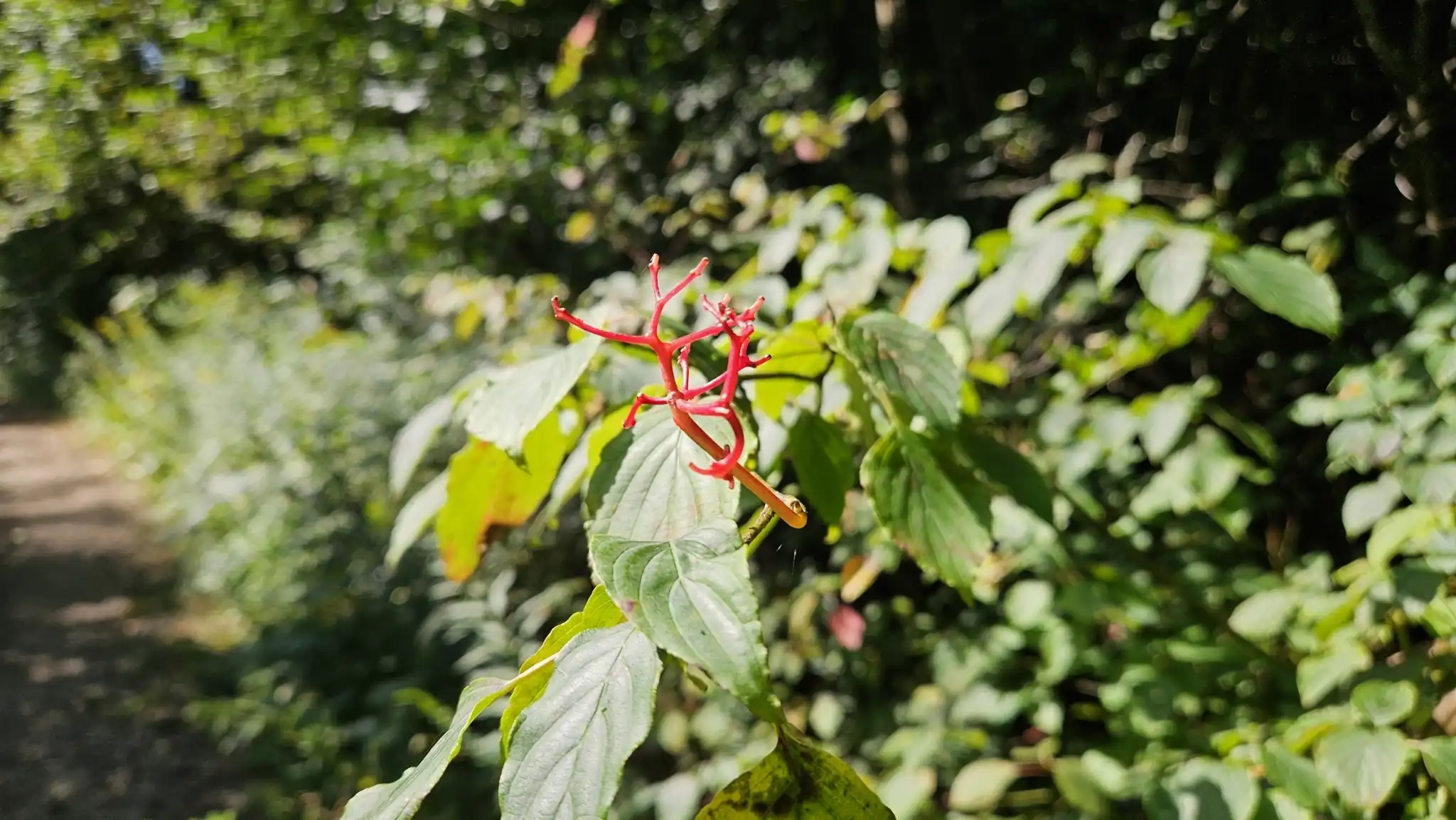
The Story
Plant Bio
A small, deciduous understory tree native to eastern North America, uniquely identified by its alternate leaf arrangement and strong, horizontal, tiered branching.
Its elegant, layered structure, resembling a pagoda, provides outstanding architectural interest year-round. This form is its most celebrated and distinctive feature.
Uses & Benefits:
Essentials
At a Glance
Plant Type
Tree
Height
240"
Width
300"
Light
Partial Sun, Shade
Zones
4, 5, 6, 7
Water
Medium
Humidity
Prefers moderate
Lifespan
Medium-lived tree
Native To
Eastern North America
Toxicity
Non-toxic
Bloom period
Late spring
In flower about 1 month of the year
Planting
How to Grow
- Choose a sheltered location with afternoon shade.
- Ensure soil is acidic, moist, and well-drained.
- Dig a hole two to three times the width of the root ball.
- Set the tree so the root flare is at or slightly above ground level.
- Backfill with native soil and water deeply.
- Apply a layer of mulch to keep roots cool and moist.
Pro Tip
Protect the trunk from lawnmowers and string trimmers, as wounds provide an entry point for the deadly golden canker disease.
Keep It Thriving
Care Guide
Do
- Keep the soil consistently moist, especially during droughts.
- Mulch the root zone to mimic a cool forest floor.
- Site the tree where its beautiful form can be appreciated.
- Prune very sparingly to maintain its natural shape.
Don't
- Don't plant in hot, dry, or exposed locations.
- Avoid damaging the thin bark with equipment.
- Do not allow the soil to completely dry out.
- Don't plant in heavy, compacted, or alkaline soils.
Seasonal Care Calendar
| Task | Jan | Feb | Mar | Apr | May | Jun | Jul | Aug | Sep | Oct | Nov | Dec |
|---|---|---|---|---|---|---|---|---|---|---|---|---|
| Mulch | ||||||||||||
| Pest Check | ||||||||||||
| Plant | ||||||||||||
| Prune |
Watch Out For
Pests & Diseases
Common Pests
Common Diseases
In the Garden
Landscape Uses & Companions
Landscape Uses
Multiply
Propagation Methods
Good to Know
Common Questions
Pagoda Dogwood questions
What zones can Pagoda Dogwood grow in?
Pagoda Dogwood is hardy in USDA Zones 4–7. Inside that range it survives winter in the ground; outside it, grow it as an annual or a container plant you protect.
Is Pagoda Dogwood deer resistant?
Not reliably. Deer may browse Pagoda Dogwood, especially tender spring growth — plan on repellents or fencing where pressure is high.
When does Pagoda Dogwood bloom?
Pagoda Dogwood typically blooms in late spring through late spring. Exact timing shifts a week or two with your zone — Sow's bloom calendar maps it to your garden.
Does Pagoda Dogwood need full sun?
Pagoda Dogwood does best in part shade.
More Cornus to compare
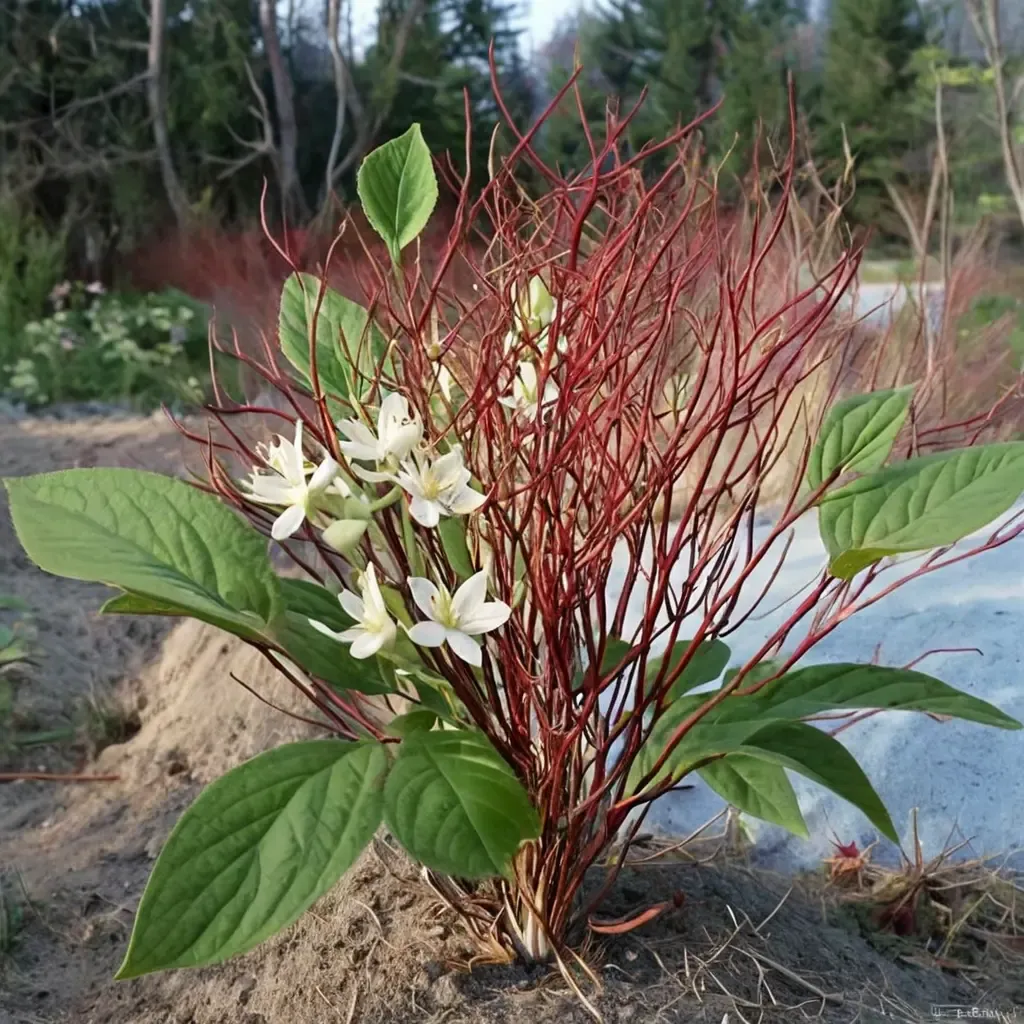
Red Twig Dogwood
Cornus sericea 'Red Twig'
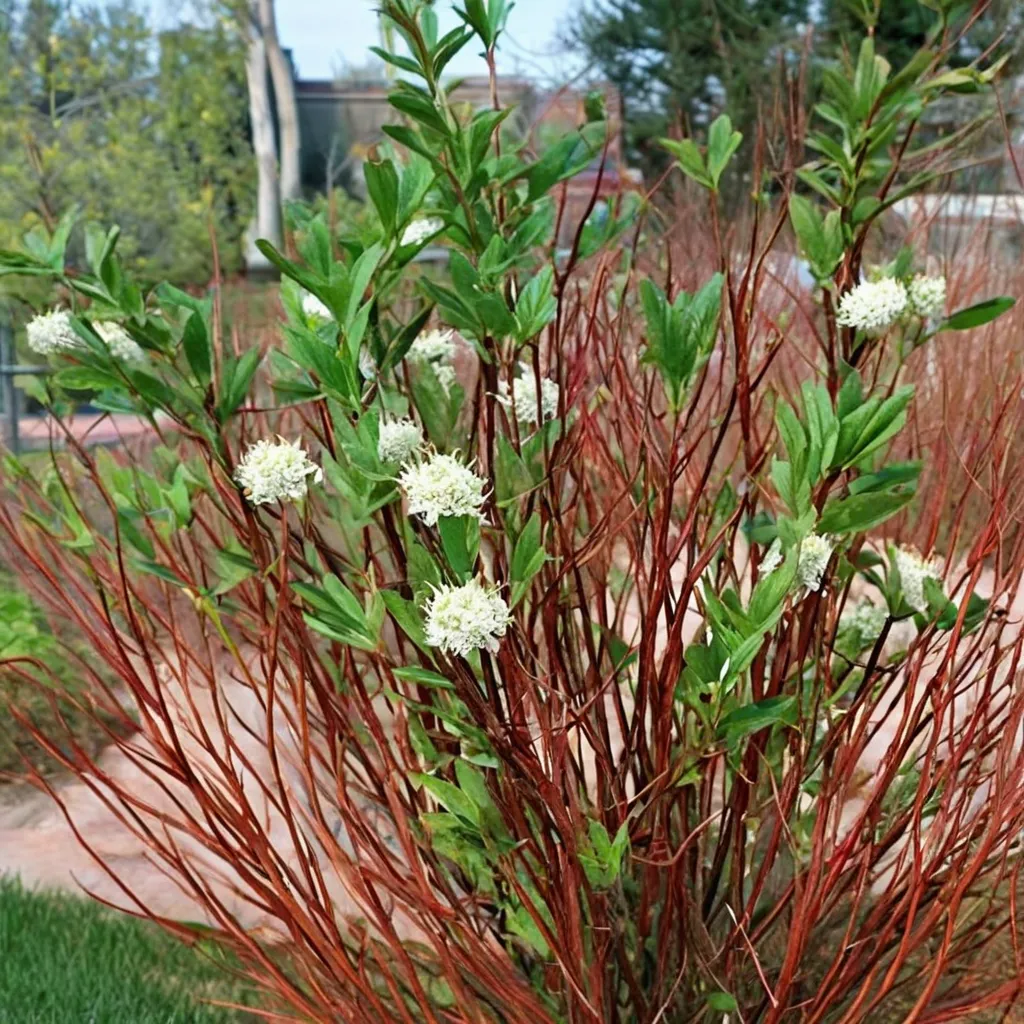
Arctic Fire Red Osier Dogwood
Cornus sericea 'Arctic Fire'
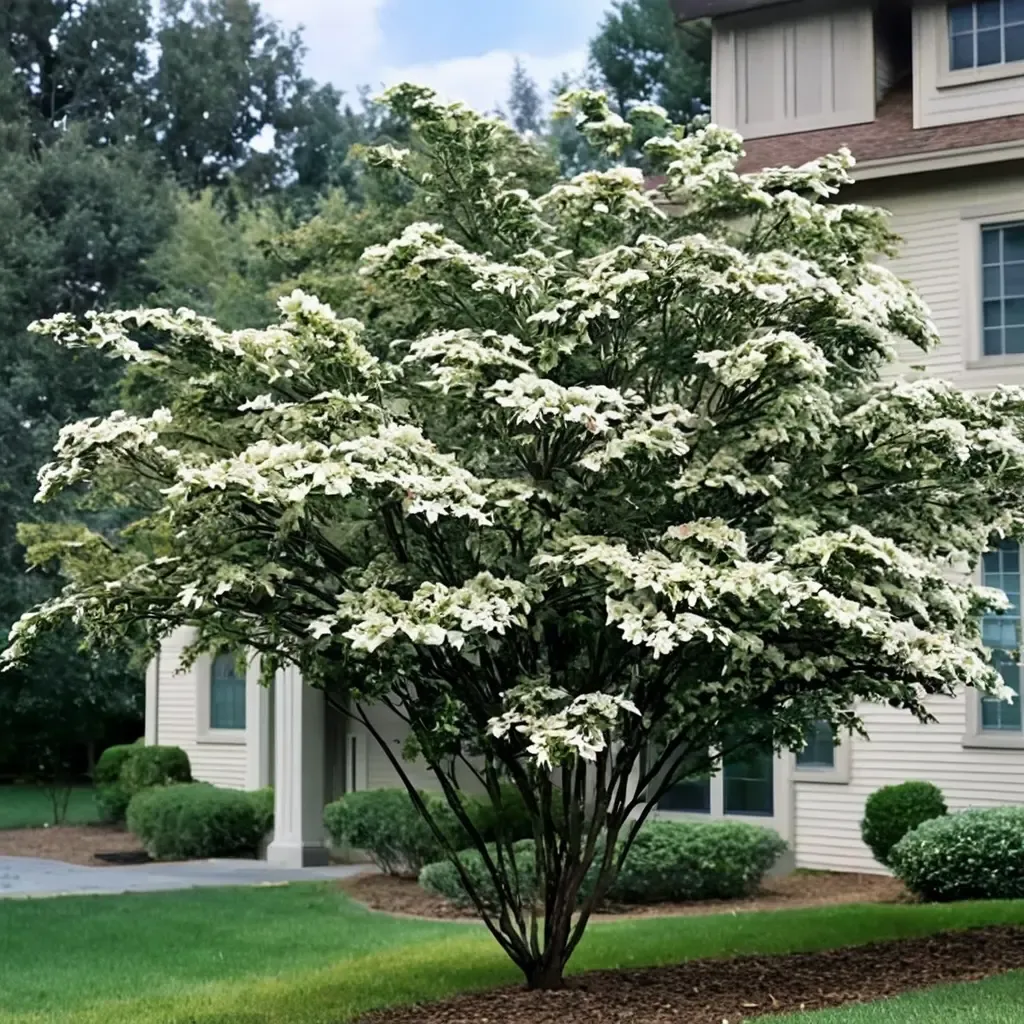
Kousa Dogwood
Cornus kousa
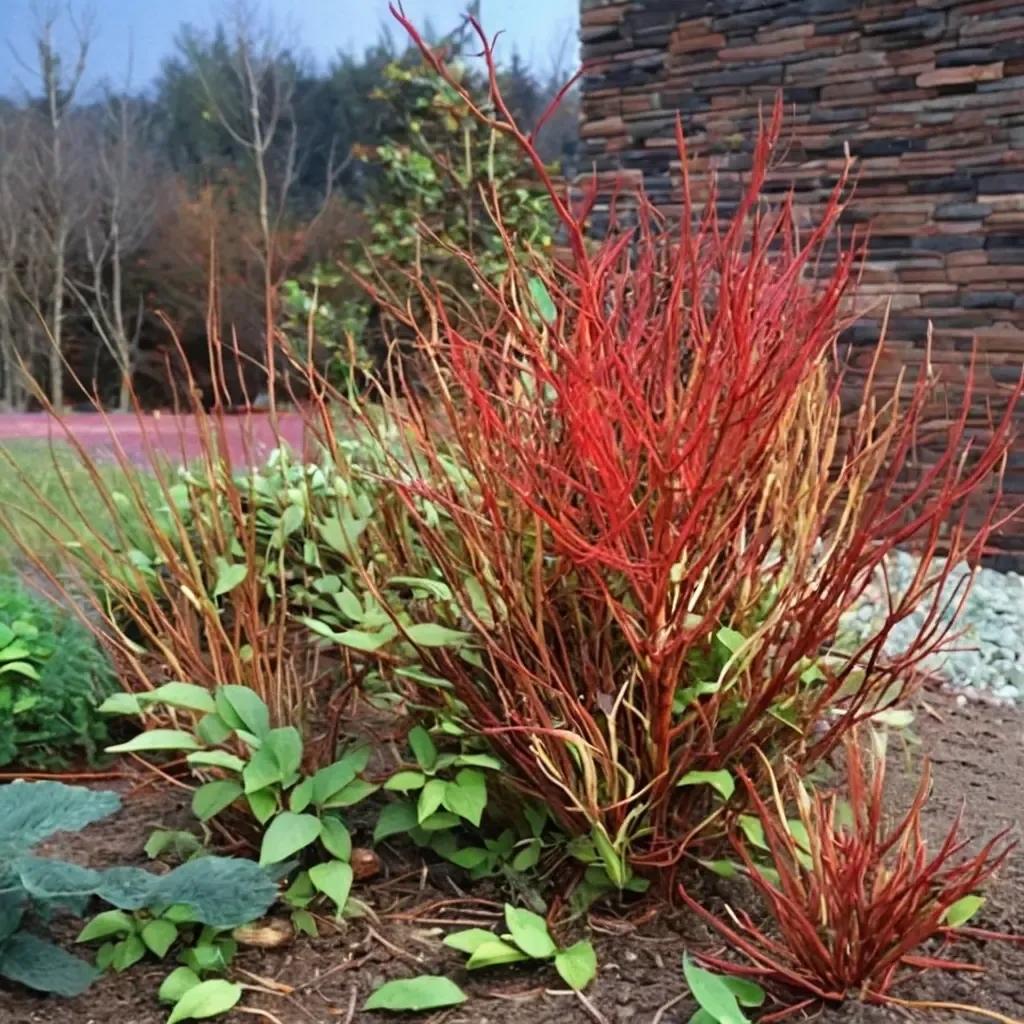
Cardinal Red Osier Dogwood
Cornus sericea 'Cardinal'
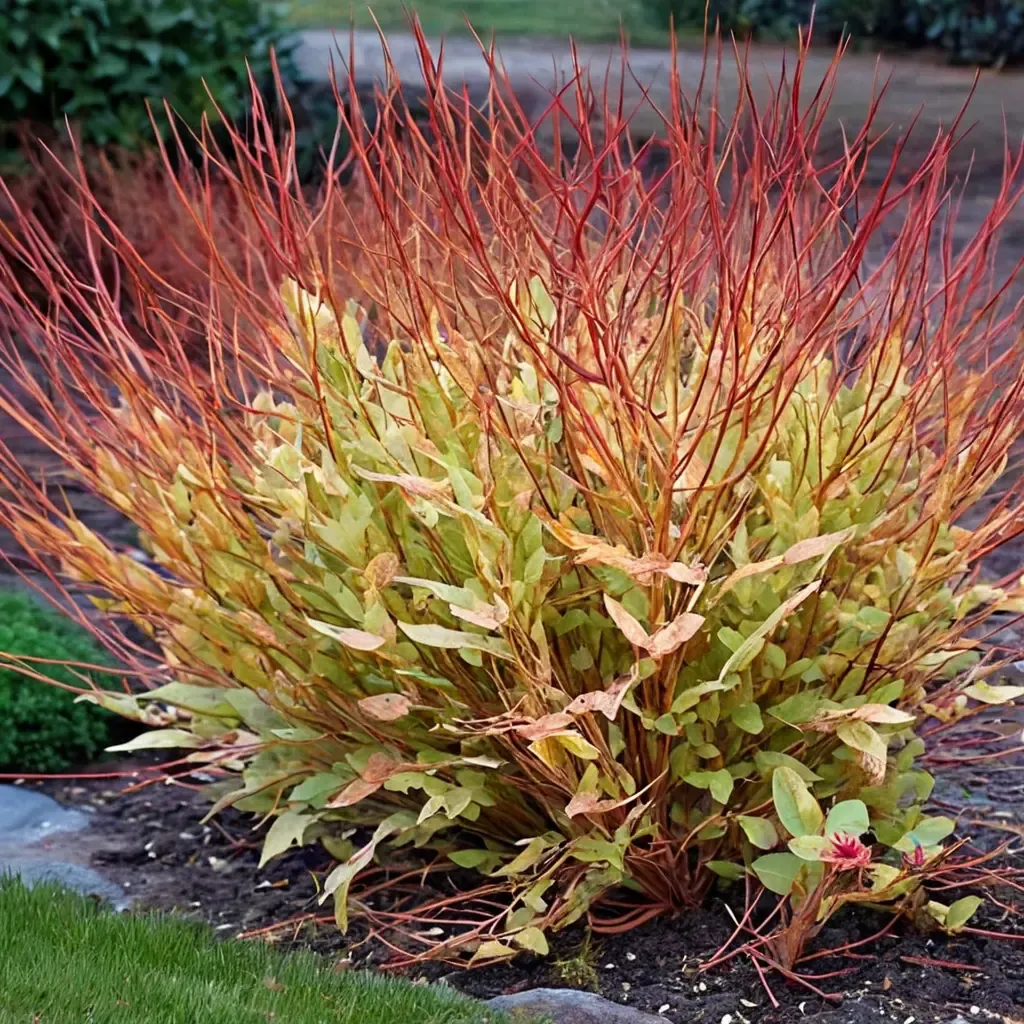
Midwinter Fire Dogwood
Cornus sanguinea 'Midwinter Fire'
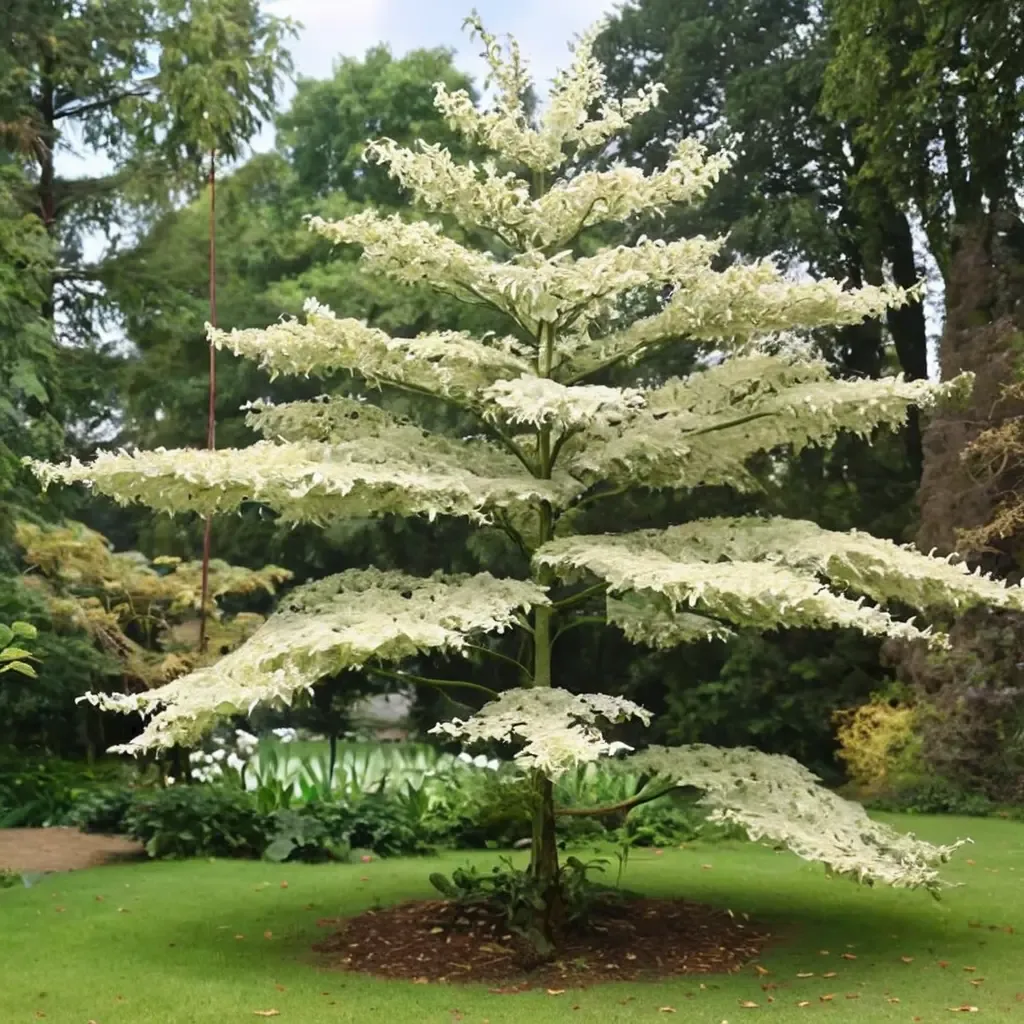
Giant Dogwood
Cornus controversa
Keep exploring
Explore the genus
Hardy in your zone?
Grow Pagoda Dogwood with confidence
See it in a design of your actual yard, get zone-matched care reminders, and track it season by season in your garden journal.