The Story
Plant Bio
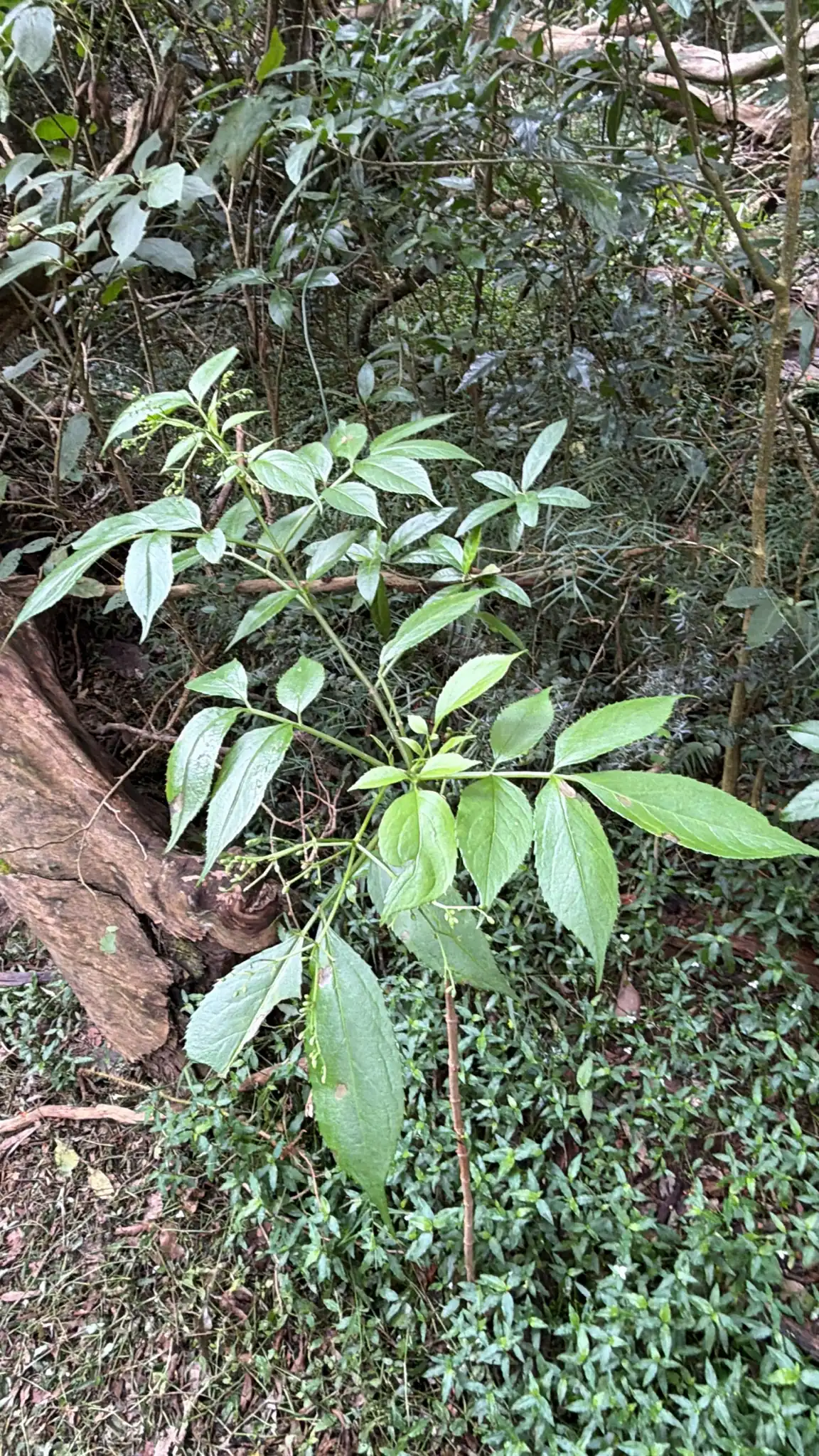
Sambucus australasica is a multi-stemmed deciduous shrub native to rainforest margins in eastern Australia, growing up to ten feet tall with an open, arching habit. Opposite pinnate leaves with sharply serrated leaflets frame broad, flat-topped clusters of small white flowers followed by soft, yellow berries.
Unlike dry-adapted Australian shrubs, this species requires high organic matter and consistent moisture, functioning as a true understory plant. Its small flowers have three petals rather than the five typical of Northern Hemisphere elderberries and rely on generalist insect pollinators.
Uses & Benefits:
Essentials
At a Glance
Plant Type
Shrub
Height
118"
Width
79"
Light
Full Sun, Partial Sun, Shade
Zones
9, 10
Water
Moderate to High
Humidity
Moderate to High
Lifespan
Perennial
Native To
Eastern Australia
Toxicity
Toxic if ingested raw
Bloom period
Spring – Summer
In flower about 6 months of the year
Planting
How to Grow
- Select a site receiving partial shade or filtered sunlight with rich, well-draining soil.
- Incorporate generous amounts of organic leaf mold or compost into the planting zone.
- Set the root ball level with the surrounding soil line and water thoroughly at planting.
- Apply a two-inch layer of organic mulch over the root zone to hold soil moisture.
Pro Tip
Cut older, unproductive stems down to ground level in late winter to force fresh replacement canes from the crown and keep borer damage under control.
Keep It Thriving
Care Guide
Do
- Keep soil consistently moist throughout dry warm spells.
- Prune out older wood at ground level annually to encourage fresh basal suckers.
- Top-dress the root zone with rich organic compost each spring.
Don't
- Do not allow the root zone to dry out completely during active growth.
- Do not prune into old leafless wood without visible dormant buds.
- Do not consume unripe berries or raw green plant tissues.
Seasonal Care Calendar
| Task | Jan | Feb | Mar | Apr | May | Jun | Jul | Aug | Sep | Oct | Nov | Dec |
|---|---|---|---|---|---|---|---|---|---|---|---|---|
| Fertilize | ||||||||||||
| Mulch | ||||||||||||
| Pest Check | ||||||||||||
| Prune |
Watch Out For
Pests & Diseases
Common Pests
Common Diseases
In the Garden
Landscape Uses & Companions
Landscape Uses
Companion Plants
Multiply
Propagation Methods
Good to Know
Common Questions
Yellow Elderberry questions
What zones can Yellow Elderberry grow in?
Yellow Elderberry is hardy in USDA Zones 9–10: in that range it survives winter in the ground. Colder than Zone 9, grow it in a container you can move to shelter for the winter.
Is Yellow Elderberry deer resistant?
Not reliably. Deer may browse Yellow Elderberry, especially tender spring growth — plan on repellents or fencing where pressure is high.
When does Yellow Elderberry bloom?
Yellow Elderberry typically blooms from spring to summer. Exact timing shifts a week or two with your zone — Sow's bloom calendar maps it to your garden.
Does Yellow Elderberry need full sun?
Yellow Elderberry does best in full sun to part shade. In hot climates, afternoon shade keeps blooms fresher longer.
More Sambucus to compare
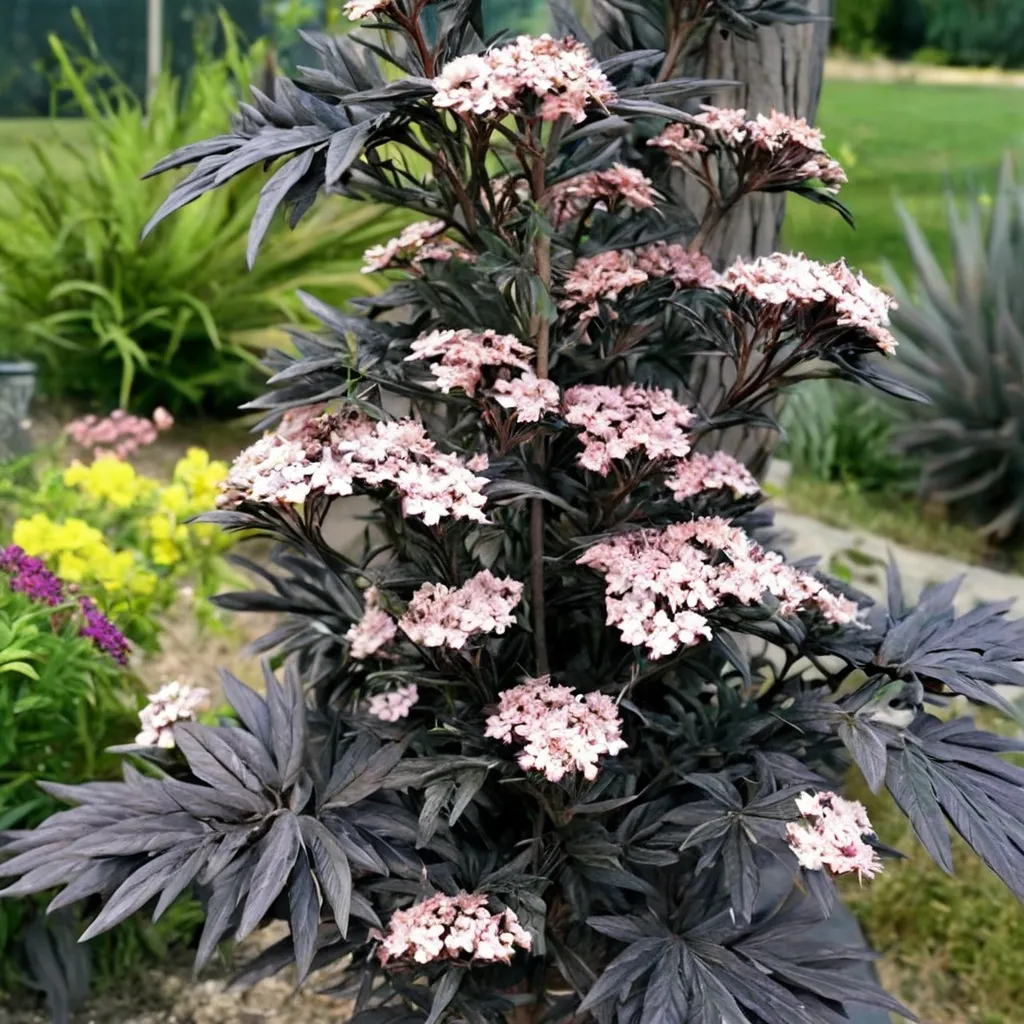
Laced Up Elderberry
Sambucus nigra 'Laced Up'
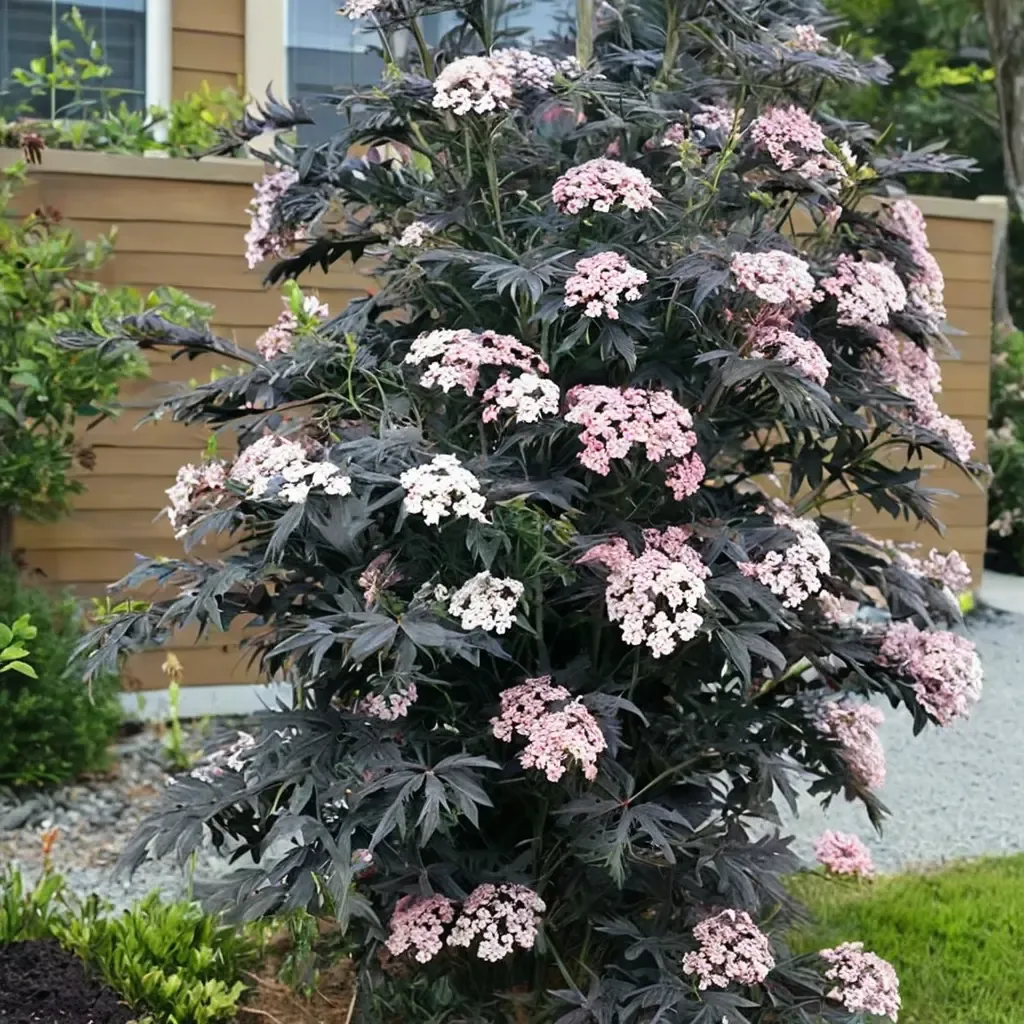
Black Lace Elderberry
Sambucus nigra 'Black Lace'
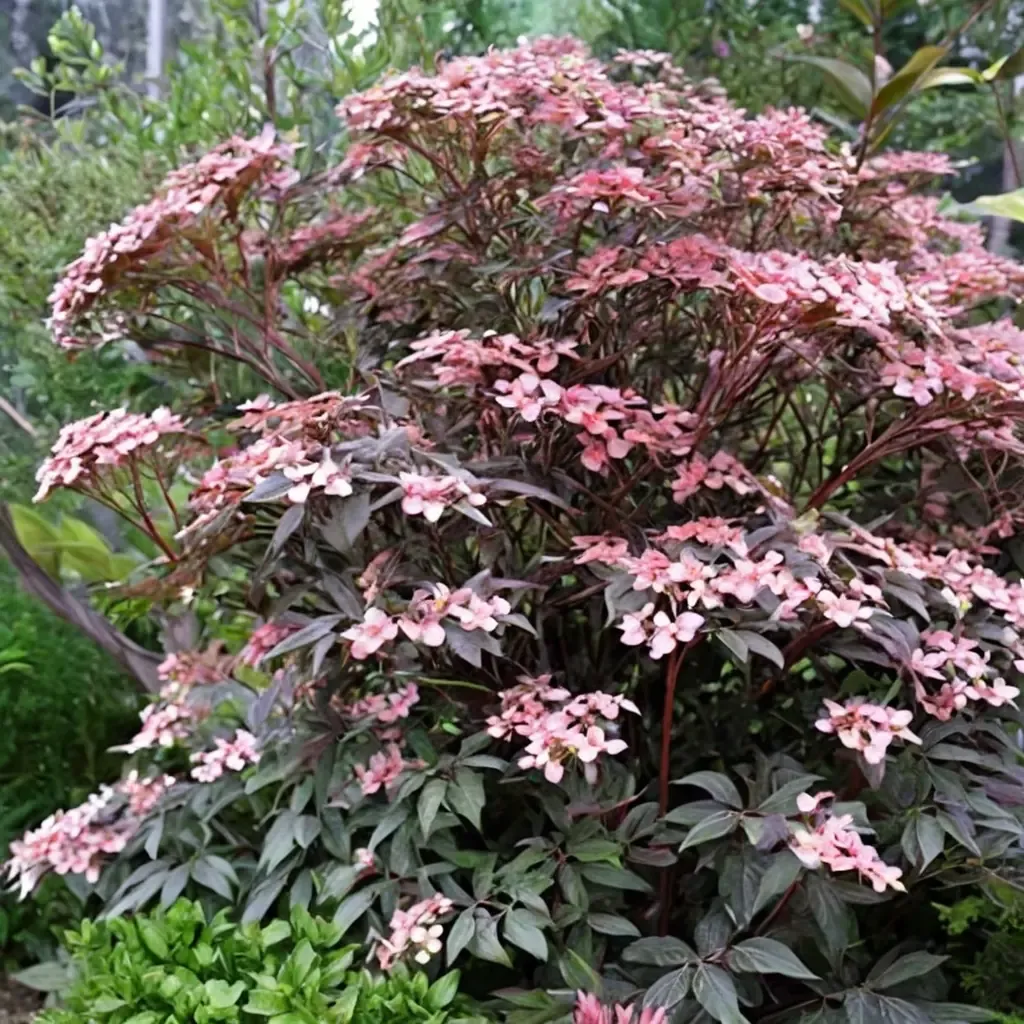
Thundercloud Elderberry
Sambucus nigra 'Thundercloud'
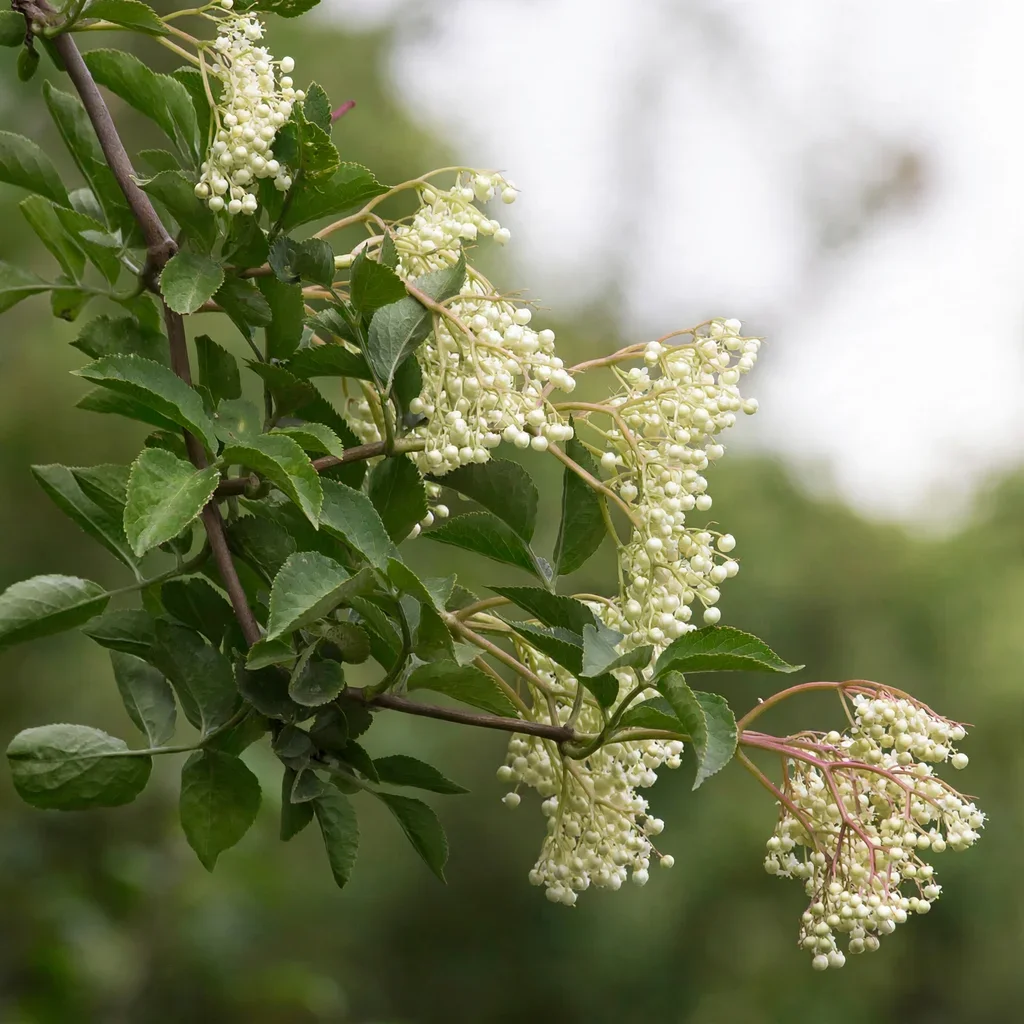
Korsor Black Elderberry
Sambucus nigra 'Korsor'
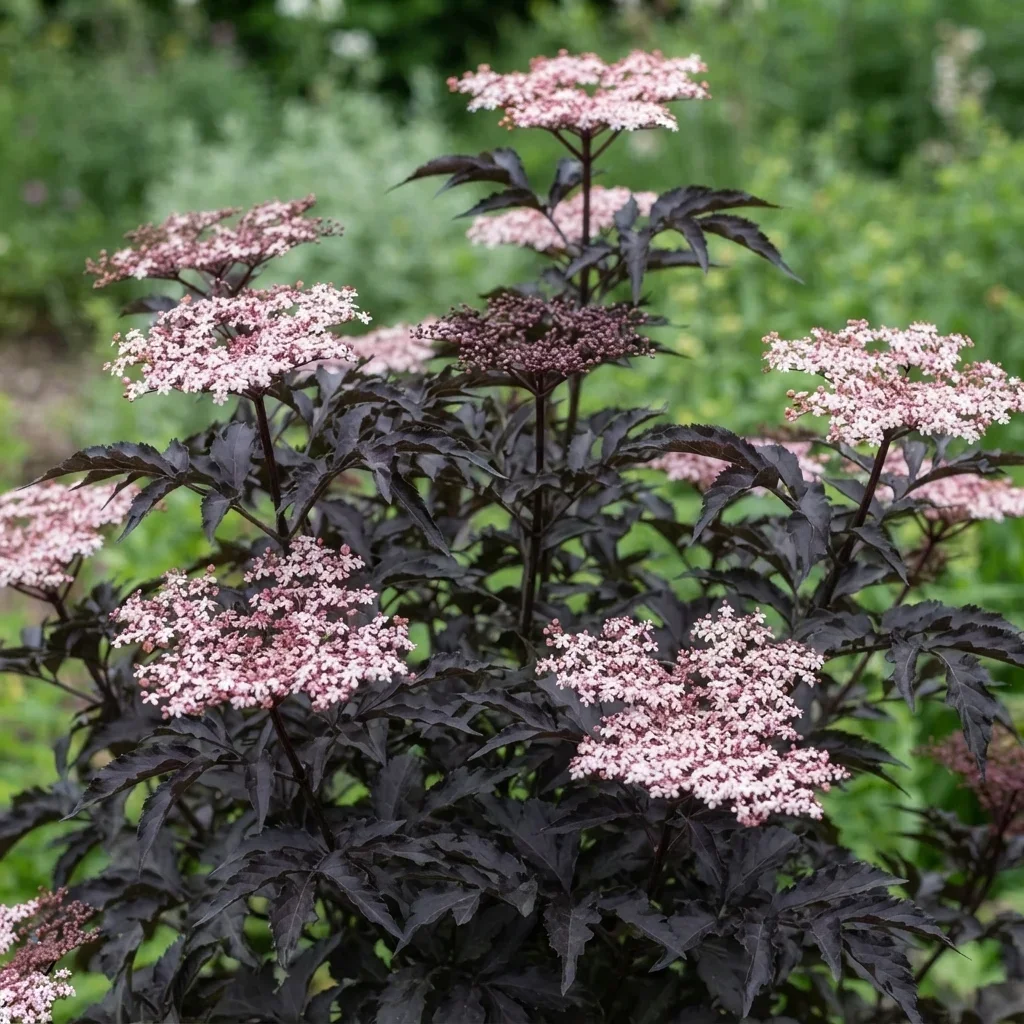
Black Tower Elderberry
Sambucus nigra 'Black Tower'
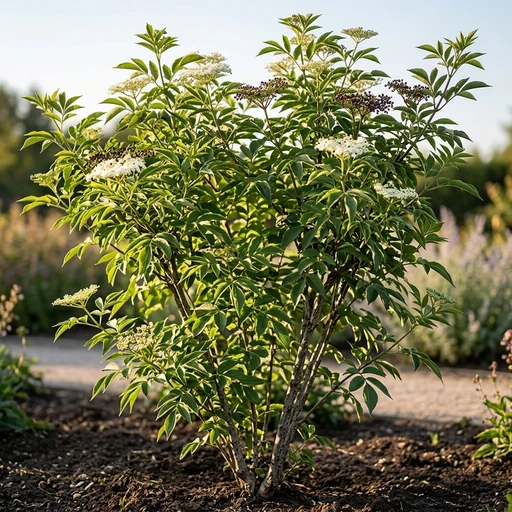
American Elderberry
Sambucus canadensis
Keep exploring
Explore the genus
Hardy in your zone?
Grow Yellow Elderberry with confidence
See it in a design of your actual yard, get zone-matched care reminders, and track it season by season in your garden journal.